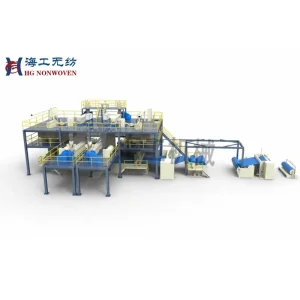
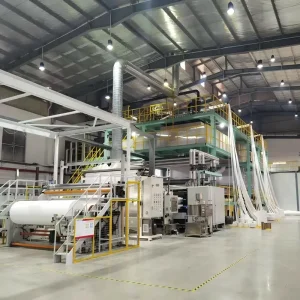
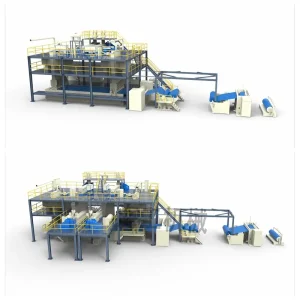
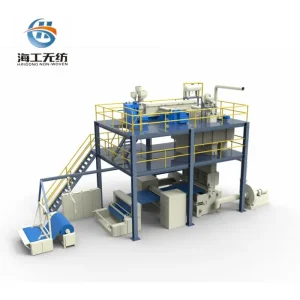
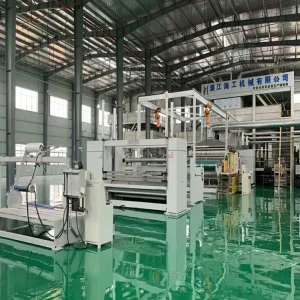
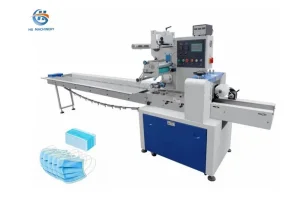
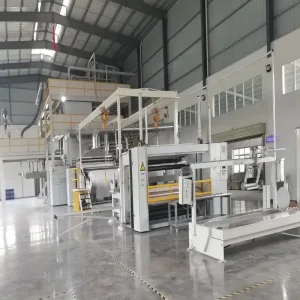
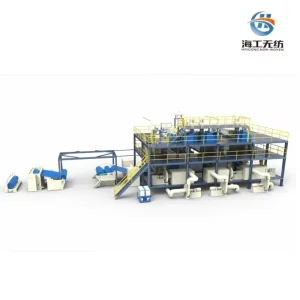
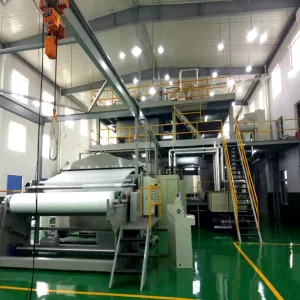
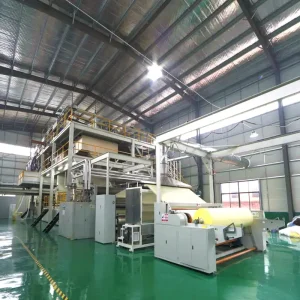
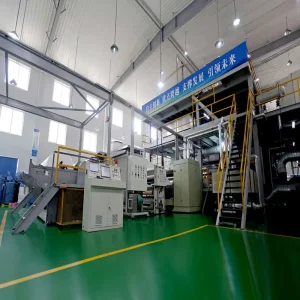
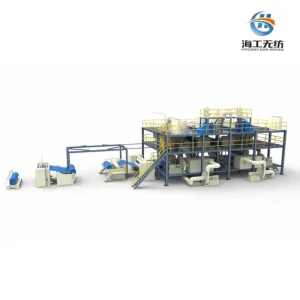
Explore our engineering line-up designed for high throughput, minimal operational cost, and continuous nonwoven media production.
Pujiang HG Nonwoven Machinery, established in 2014, is a premier Chinese manufacturer of spunbond, meltblown, and composite nonwoven fabric machine lines. We deliver high-efficiency and innovative production solutions to the global market, backed by a design philosophy evolved from advanced overseas engineering and localized market adaptation.
By integrating autonomous controls with our proprietary 5th Generation spunbond spinning technology, our lines occupy a reduced footprint, run at significantly lower power levels, and maximize overall output quality. We specialize in custom-engineered turnkey installations for eco-friendly, biodegradable, and high-barrier nonwoven textiles.
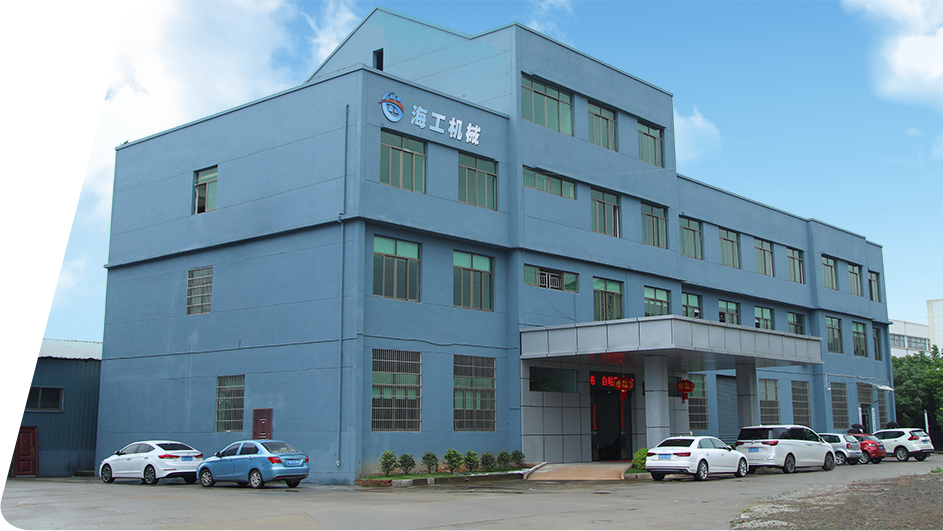
Providing seamless, comprehensive, and scalable technical solutions from planning phases to operational longevity.
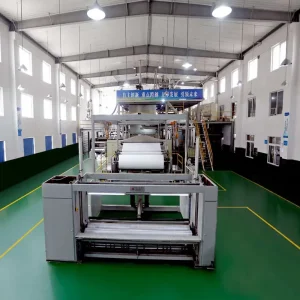
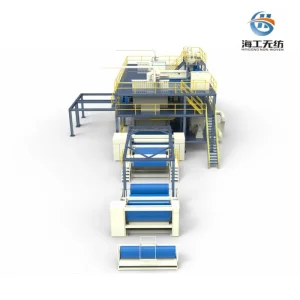
Our equipment line-up integrates specialized spinneret geometries, high-precision thermal systems, and digital tension controls to optimize yarn extrusion and fiber distribution.
We supply in-depth analysis on target local markets, including supply-demand curves, raw material selection, infrastructure design, and detailed project feasibility reports.
Full-spectrum process integration: from initial meltblown and spunbond extruders to down-line slitting, recycling systems, flexo printing, fabric lamination, and bag-making machinery.
Includes complete pre-commissioning operator training, continuous remote monitoring support, and on-site engineering maintenance services with a 24-month warranty coverage.
An in-depth technical analysis on extrusion dynamics, energy metrics, and localization advantages for global manufacturing operations.
The global nonwoven industry has shifted decisively from manual mechanical configurations to fully integrated, intelligent closed-loop production plants. High-performance meltblown and spunbond manufacturing requires extreme precision over multiple thermal and pneumatic parameters to guarantee high web uniformity and structural integrity.
At HG Nonwoven Machinery, our technological evolution has culminated in the development of our 5th Generation spunbond and meltblown system architectures. Traditional nonwoven equipment suffered from variable air-flow velocity and uncompensated heat gradients across the spinneret length, leading to wide variations in yarn denier and mechanical weak points in the finished fabric. Our latest design addresses these historic flaws by utilizing specialized hanger-type coat-hanger extrusion dies combined with state-of-the-art dual-slot quenching air systems.
The extrusion system operates under high shear rates, forcing molten Polypropylene (PP) with a Melt Flow Index (MFI) of 400 to 1500 through ultra-fine capillary holes of 0.15mm to 0.3mm diameter. The high-speed hot air stream (running up to supersonic speeds at the nozzle tip) attenuates the molten polymer streams into microfibers ranging from 1 to 5 microns in diameter. To ensure structural stability and uniform pore size distribution, our meltblown machinery features real-time pneumatic regulation and heating systems that minimize temperature variance across the die face to less than ±1°C.
For critical sub-micron particulate filtration (such as N95/FFP2 protective face masks or high-efficiency HVAC media), the mechanical filtration of meltblown fibers alone is insufficient. HG Nonwoven Machinery integrates advanced online electrostatic electret chargers. By utilizing corona discharge systems operating up to 50kV, we inject long-term stable charges into the polymer matrix. This significantly boosts filtration efficiency without increasing airflow resistance, allowing for consistent BFE (Bacterial Filtration Efficiency) and PFE (Particulate Filtration Efficiency) ratings exceeding 99%.
The requirements of downstream industries dictate the mechanical properties, absorption curves, and barrier capabilities of the produced nonwoven web. HG Nonwoven Machinery designs and manufactures lines tailored to four major high-volume sectors:
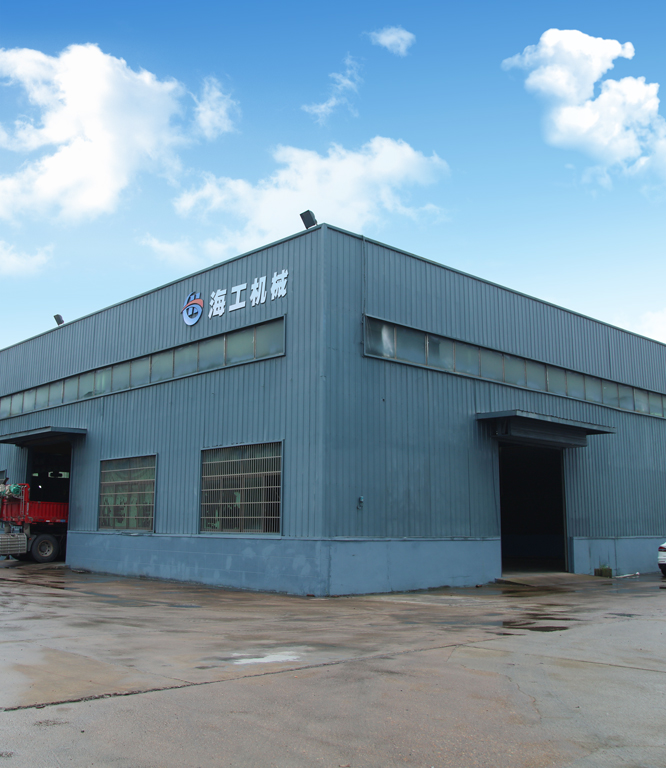
Manufacturing large-scale industrial textile machinery requires more than just internal assembly; it relies on a robust regional ecosystem of metallurgy, component suppliers, and precision tooling. Located in Zhejiang, China, HG Nonwoven Machinery leverages the world's most resilient industrial clusters. This geographical placement gives us access to top-tier steel treatment facilities, high-precision CNC machining shops, and advanced logistics pipelines.
Our factory processes are structured around "Industry 4.0" principles. Every critical component—including the extruder screws, spinnerets, quenching chambers, and calendar rollers—is machined in-house under strict tolerance testing. Our spinneret micro-drilling utilizes specialized EDM (Electrical Discharge Machining) and laser drilling machines to ensure uniform capillary roundness and diameter. A deviation of just a few microns can lead to non-uniform air resistance in the final product.
In terms of supply chain reliability, having localized key components ensures that replacement parts are produced, quality-verified, and shipped with minimal lead times compared to Western manufacturers. We maintain strategic alliances with global control and electrical component providers (e.g., Siemens, ABB, Omron) to guarantee that our automation platforms can be serviced easily in any destination country.
Sourcing a multi-million dollar nonwoven production line requires significant capital investment, making risk mitigation a primary objective for procurement managers. Global enterprise buyers require more than just hardware; they need complete, guaranteed operational readiness.
HG Nonwoven Machinery addresses this through our comprehensive "A to Z" turnkey engineering solutions. Our process begins with a detailed project feasibility study. We analyze local energy costs, available workspace, and ambient environmental conditions (temperature and humidity heavily affect the nonwoven web cooling phase) to customize the machine layout.
Deploying industrial machinery across international boundaries requires strict adherence to localized regulatory frameworks. Different regions maintain distinct safety and electrical compliance standards. HG Nonwoven Machinery constructs all lines with safety systems that meet European CE directives, UL standards for North America, and EAC certifications for the Eurasian Economic Union.
Every machine features integrated emergency shut-offs, enclosed drive systems, safety interlocks on all access panels, and low-voltage control circuits. We also provide full documentation, including electrical schematics, P&IDs (Piping and Instrumentation Diagrams), and operating manuals in multiple languages to facilitate clean regulatory approvals during local factory inspections.
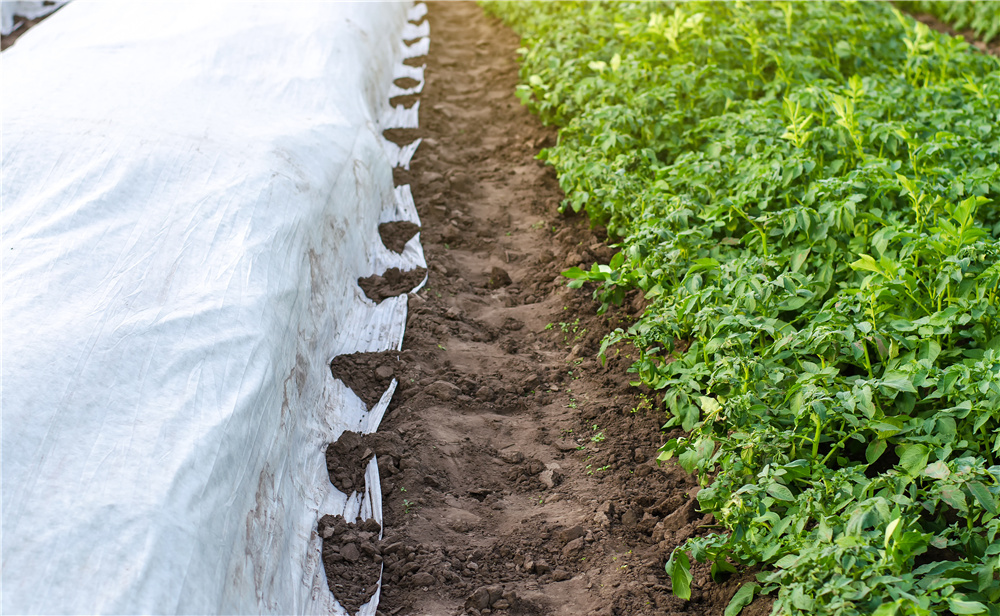
Our nonwoven machinery lines are engineered to serve diverse sectors, offering high adaptability and product customization.
Get quick, direct answers regarding the technical parameters, production capability, and ordering terms of our machines.
Review our comprehensive options for high-output spunbond and meltblown machinery configurations.
 HG NONWOVEN