Explore our high-performance manufacturing lines designed to maximize resource utilization and drive industrial efficiency.
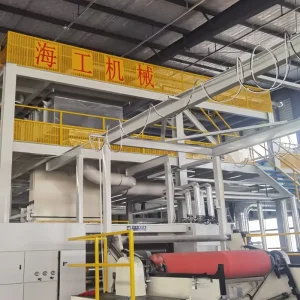
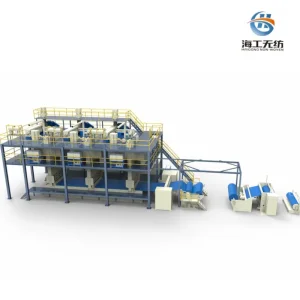
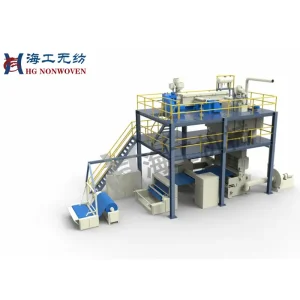
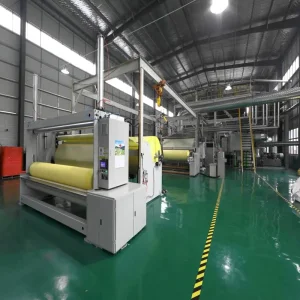
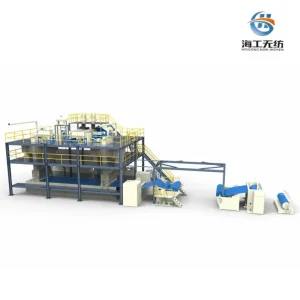
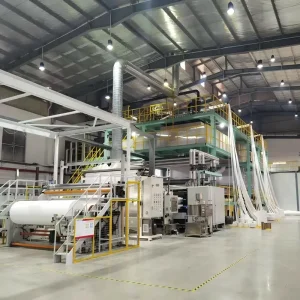
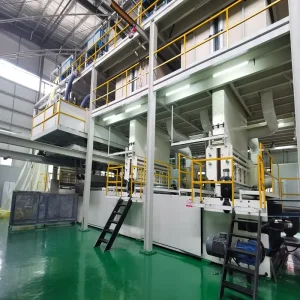
Pujiang HG Nonwoven Machinery is a well-known, pioneering nonwoven fabric making machine manufacturer since 2014. We specialize in manufacturing PP spunbond, meltblown, and composite nonwoven fabric making machines with complete, high-efficiency turnkey engineering services. Our nonwoven fabric machines are engineered to focus on producing high-performance, eco-friendly, and biodegradable spunbonded nonwoven fabrics.
HG Nonwoven Machinery is a professional manufacturer of spunbond, meltblown, and composite nonwoven fabric machine lines, dedicated to providing high-efficiency and innovative spunbond nonwoven fabric production solutions to the global market.
Our company introduced an advanced design concept—namely our 5th Generation spunbond spinning technology—from overseas, integrating it with autonomous enhancements tailored to the demanding needs of the global market. As a result, HG nonwoven fabric making machines are characterized by convenient operation, small footprint, low power consumption, high efficiency, and exceptionally low production costs.

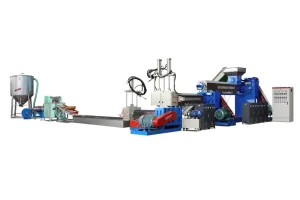
In the modern manufacturing landscape, the convergence of environmental regulations and economic realities has made industrial plastic recycling machines an indispensable asset. Within the nonwoven textile sector, plastic scrap generation—specifically edge trims, off-specification rolls, and startup waste—presents both a significant cost center and an ecological challenge. By implementing closed-loop plastic granulators, manufacturers can immediately transform polymer waste back into high-value raw material.
The process of turning post-industrial waste (such as PP spunbond or meltblown scrap) into high-quality pellets requires precise thermal processing and advanced filtration. High-output plastic granulator machines must crush, extrude, and pelletize low-density nonwoven scrap without degrading the polymer's Melt Flow Index (MFI). This structural preservation is crucial for downstream processing; if the MFI shifts excessively, the recycled polypropylene cannot be spun into fine filaments, compromising the tensile strength and uniformity of subsequent fabric batches.
By designing integrated systems where the China Polypropylene Plastic Recycling Machine feeds directly back into the primary extruder hopper, HG Nonwoven Machinery enables zero-waste manufacturing. This direct-feed integration minimizes thermal oxidation, saves energy by bypassing the cooling and reheating cycles of traditional batch recycling, and ensures that the physical properties of the spunbonded nonwoven fabric remain consistent with international medical and hygienic standards.
The future of polymer processing lies in the digitization and automation of the recycling loop. Over the next five years, the industry is transitioning from manual waste classification to smart, sensor-driven extrusion. Key innovations include:
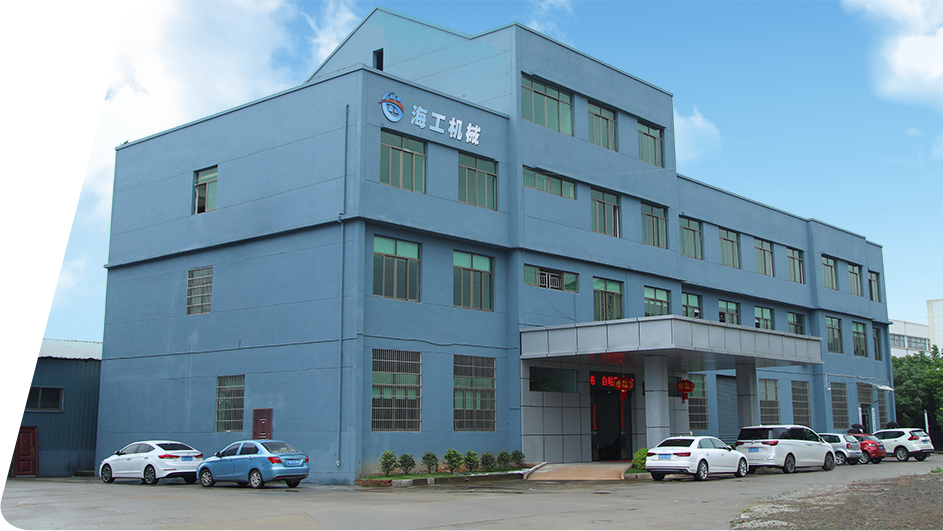
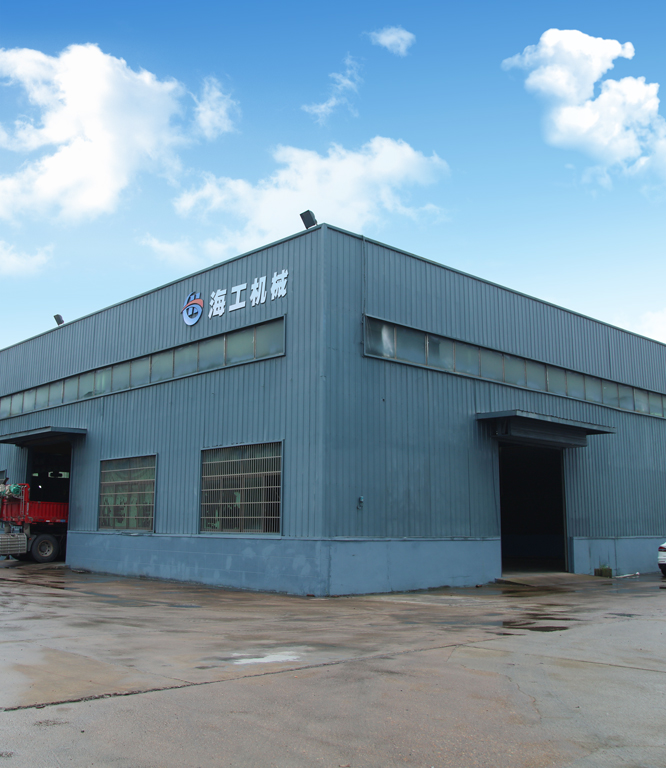
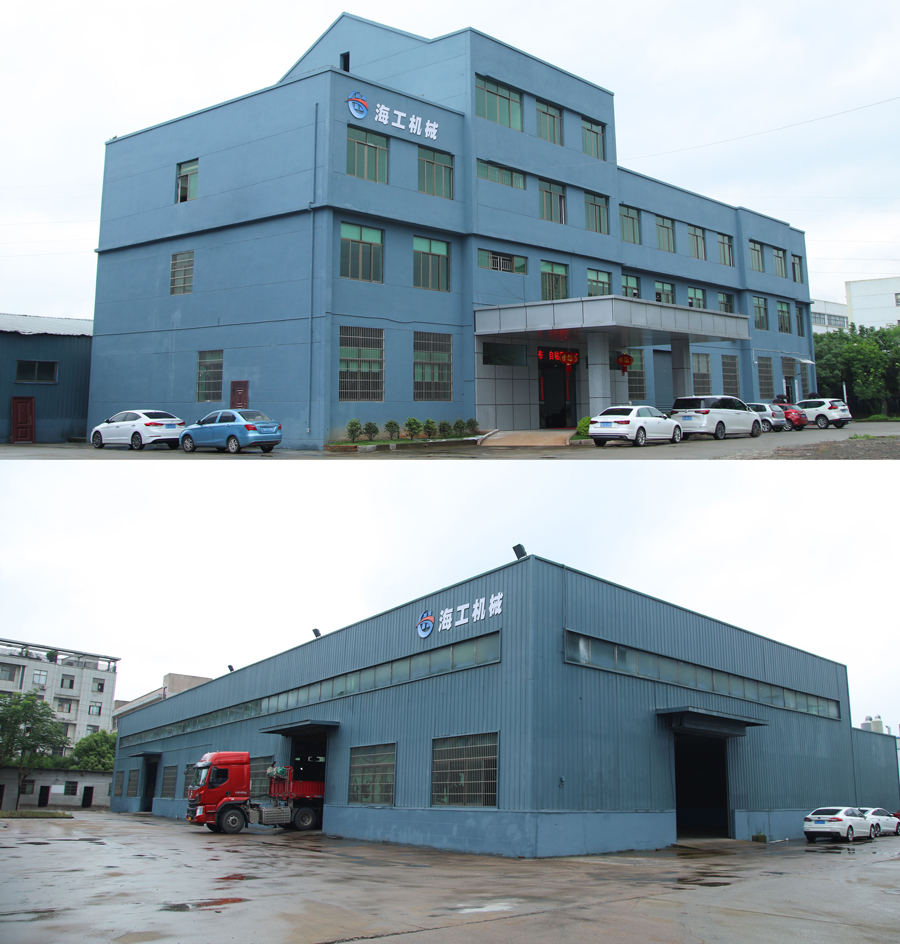
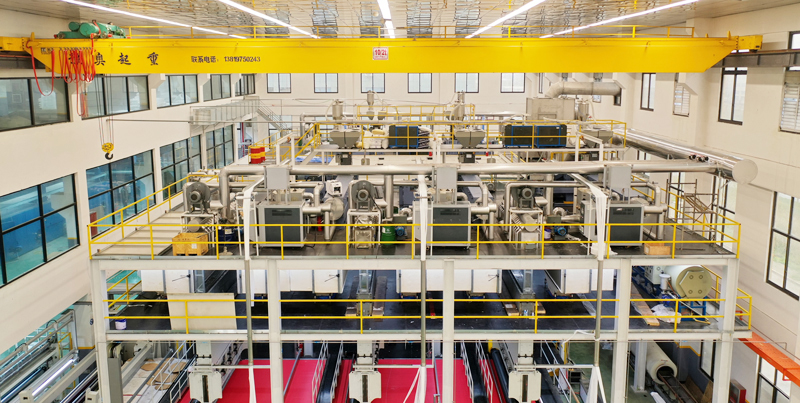
Operating out of our advanced manufacturing centers, HG Nonwoven Machinery leverages China's unmatched industrial ecosystem to provide highly reliable, cost-efficient equipment. Our Factory 4.0 infrastructure integrates CNC machining centers, robotic welding, and automated component tracking to ensure that every machine tool, extrusion screw, and spinneret matches precise micro-level tolerances.
This localized concentration of components—ranging from heavy-duty gearboxes to high-precision sensor arrays—protects our global customers from supply chain delays. By maintaining strong domestic partnerships, we guarantee the availability of replacement parts and facilitate rapid customization of extruder screws and barrel configurations. Choosing a Chinese manufacturer with over 20 years of experience means securing the optimal balance of competitive capital expenditure (CapEx) and robust operational longevity (OpEx).
Our commitment to "high quality, good service" guides every phase of our design, customization, and after-sales support.
Our machines are meticulously designed and incorporate the latest technology to ensure maximum production efficiency with minimal energy consumption. We also offer customized solutions to ensure our machines align perfectly with your unique needs.
With rich experience in the nonwoven fabric industry, we will provide you with a thorough local market analysis to help you build an accurate, realistic project feasibility report before making capital investments.
Besides the primary PP nonwoven fabric making machines, we also provide related specialized equipment, including nonwoven recycling machines, nonwoven fabric slitting machines, nonwoven flexo printing machines, nonwoven lamination machines, and nonwoven fabric bag machines.
After installation, we provide comprehensive training services to ensure that your team can run the machine line at peak efficiency. We also provide 24 months of on-site engineer after-sale technical support. Whether through direct on-site presence or advanced Digital Remote Services, we help you quickly and reliably.
Proven high-output machinery optimized for global hygiene, medical, and packaging applications.
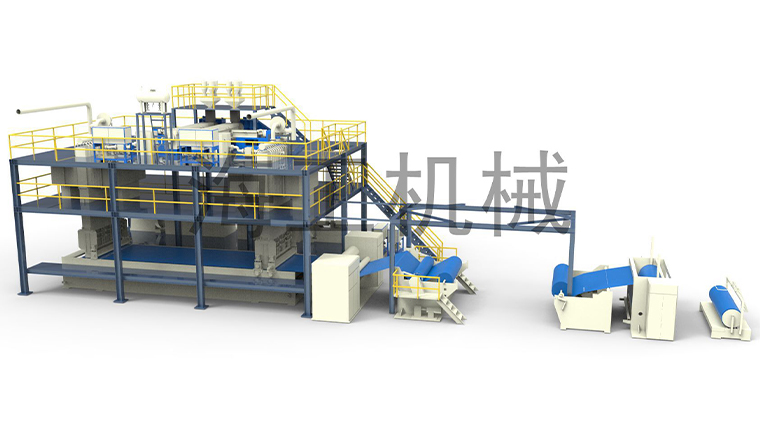
Designed for packaging nonwoven bags, furniture uses, and agricultural fields. High yield with minimal material degradation.
View More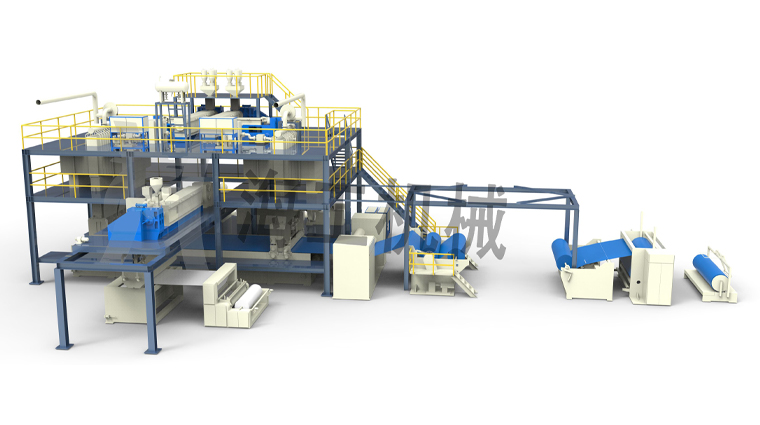
Engineered for high-barrier medical applications and medical hygiene healthcare products.
View More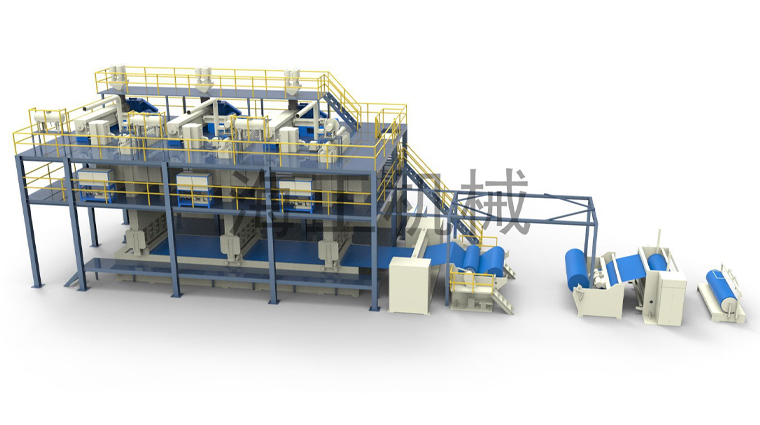
Provides 4 layers of fabric, yielding significantly higher filtration efficiency compared to standard SMS fabrics.
View More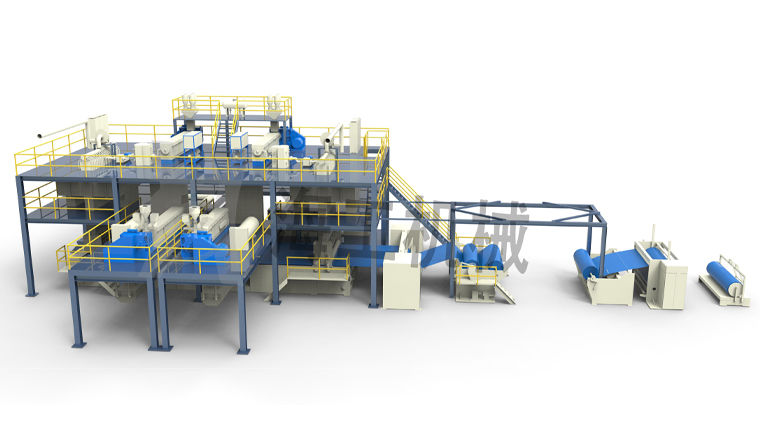
Excellent barrier properties combined with high softness and comfort. Perfect for premium medical protective gear.
View MoreBy choosing us, you gain a reliable partner committed to helping you stand out in a competitive market. Our company regards "high quality, good service" as our guiding tenet. Contact us today to learn more about how to produce nonwoven fabrics economically, reliably, and sustainably.
Please consider and select which kind of nonwoven business you want to start. With our deep expertise across packaging, medical, hygiene, and agriculture, we will guide you to choose the most suitable line.
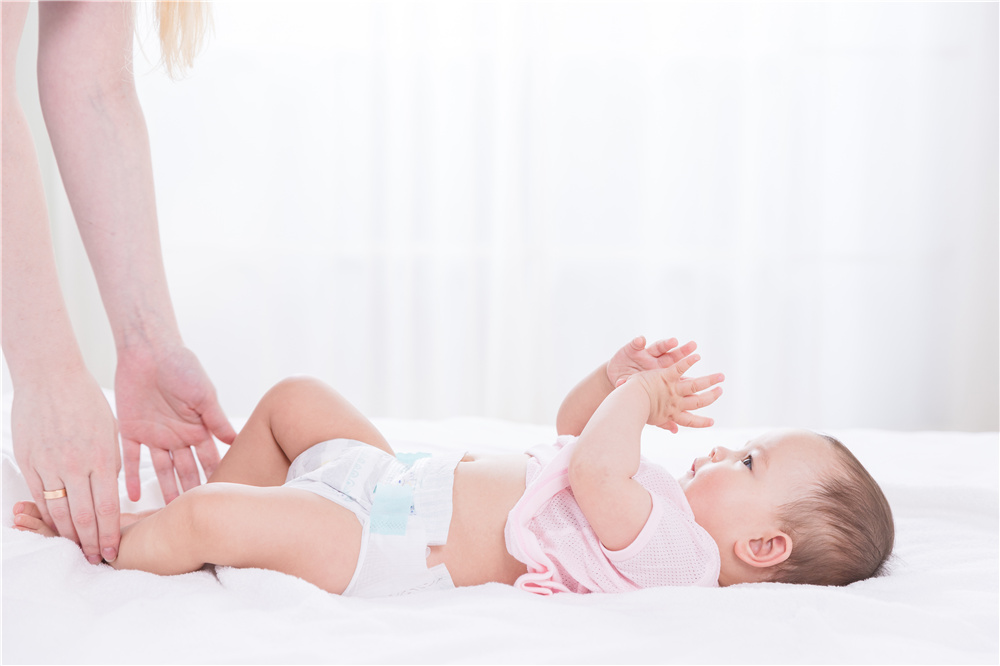
Non-woven fabric is essential in the hygiene sector, offering breathability, softness, and fluid management for diapers, incontinence pads, and feminine hygiene products.
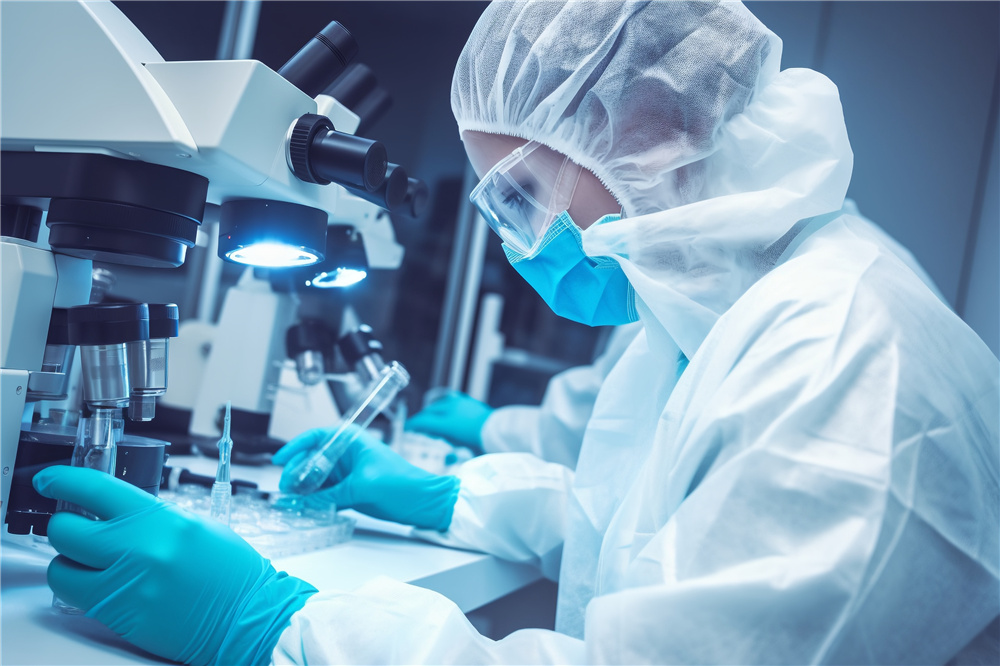
Delivers critical safety barriers to prevent infections. Essential for making face masks, surgical gowns, bed sheets, and surgical towels with high filtration efficiency.
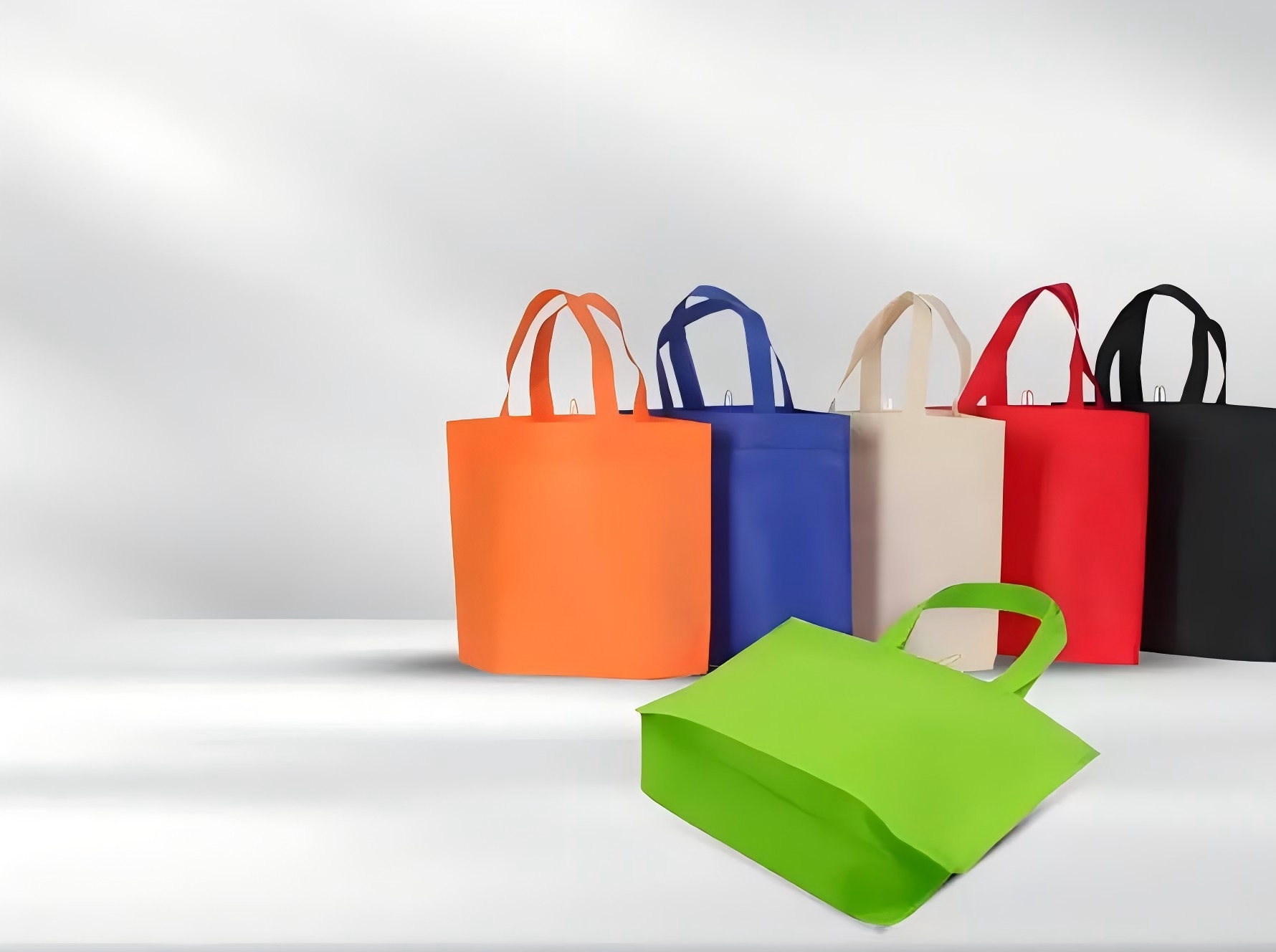
Ideal for volume reduction and re-usability. Widely used for shopping bags, garment bags, pocket springs, garment interlining, and cosmetic packaging.
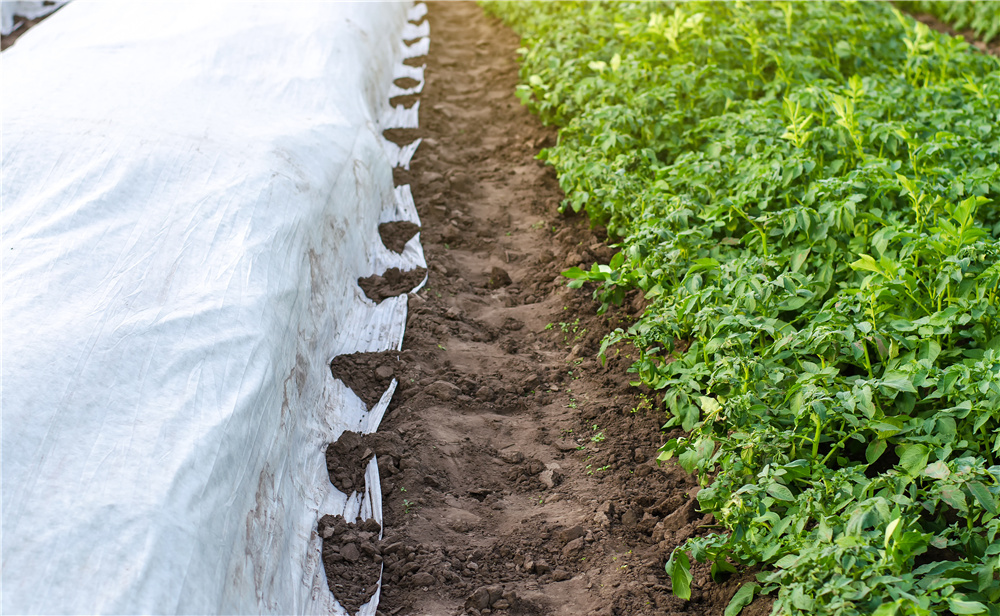
Allows air and water to pass through while creating a protective microclimate against cold, wind, insects, and birds. Tailored for long durability and UV blocking.
Procurement teams representing multi-national consumer brands or industrial fabric manufacturers evaluate plastic recycling machines and spunbond lines using rigorous total-cost-of-ownership (TCO) frameworks. Key metrics include Specific Energy Consumption (SEC, measured in kWh/kg of produced material), extrusion pressure stability, and automatic polymer filtration efficiency.
Furthermore, safety integration is critical. In compliance with strict international protocols, modern machinery must feature dual-channel safety relays, physical protective shields linked with interlock switches, and automated high-pressure relief valves to prevent catastrophic extrusion failure. A robust plastic granulator machine for recycling must operate below 85 dB(A) noise thresholds to meet OSHA requirements, calling for high-rigidity structural frames and integrated sound dampening.
Selling machinery internationally requires absolute compliance with local industrial codes. HG Nonwoven Machinery guarantees that all exported systems carry valid CE certifications, conforming to the Machinery Directive 2006/42/EC and Low Voltage Directive 2014/35/EU. For North American buyers, we configure electrical cabinets according to UL 508A and NFPA 79 standards.
Hardware compliance is only half the battle; localization support bridges the gap between machine delivery and profitable production. Our factory-trained field service engineers are stationed in strategic hubs worldwide to handle physical assembly, align die heads using precision optical tools, calibrate tension-control winders, and train local staff on complex PLC controls. This hands-on presence minimizes the initial startup curve and ensures that the system reaches nameplate capacity within schedule.
Engineered for high filtration barrier protection, durability, and customized widths.
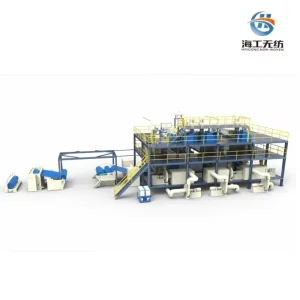
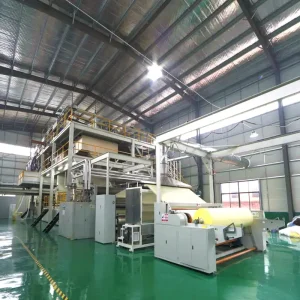
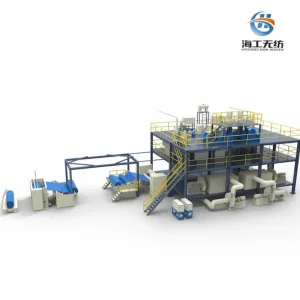
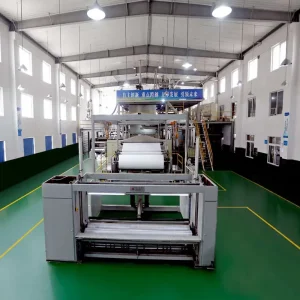
Critical engineering answers about plastic recycling machines and high-speed spunbond nonwoven fabrication.
 HG NONWOVEN