Explore our industrial range of high-efficiency spunbond, meltblown, and composite nonwoven machinery designed for maximum ROI.
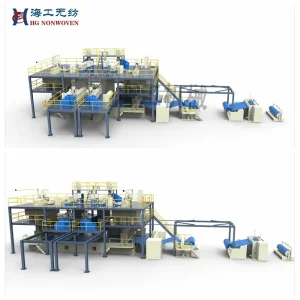
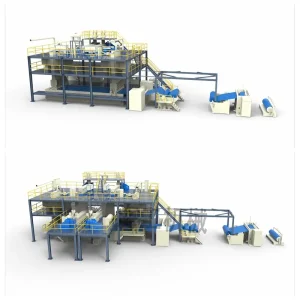
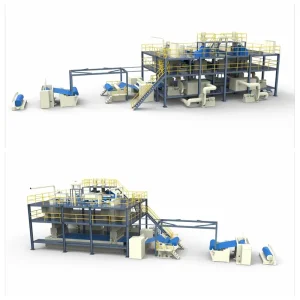
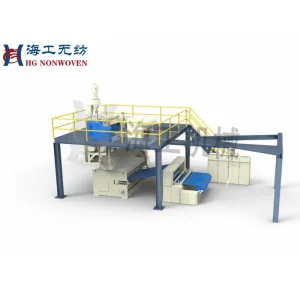
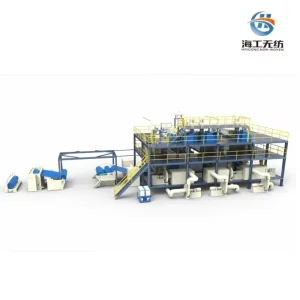
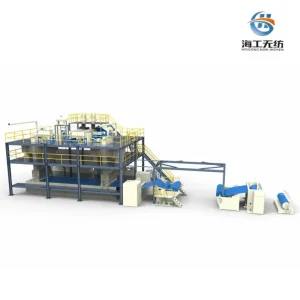
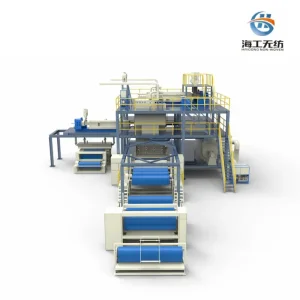
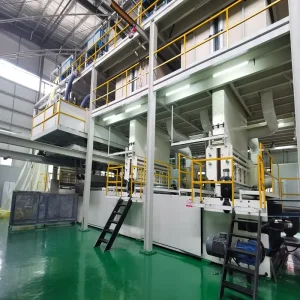
The global demand for nonwoven fabrics is undergoing a tectonic shift. What was once seen as standard backing material has evolved into high-tech technical textiles driving modern hygiene, medical, automotive, filtration, and agricultural ecosystems. In the contemporary industrial arena, manufacturers seek dynamic machinery configurations that optimize raw material consumption, minimize energy loads, and ensure high operational safety standards.
At HG Nonwoven Machinery, we bridge the gap between design theory and real-world floor productivity. Our lines leverage advanced thermodynamic modeling and aerodynamic air-drawing technologies to deliver consistent GSM distribution, superior tensile profiles, and isotropic physical properties. This guarantees that whether you are producing fine spunbond layers for diapers or dense meltblown filters, your downstream processing remains continuous and defect-free.
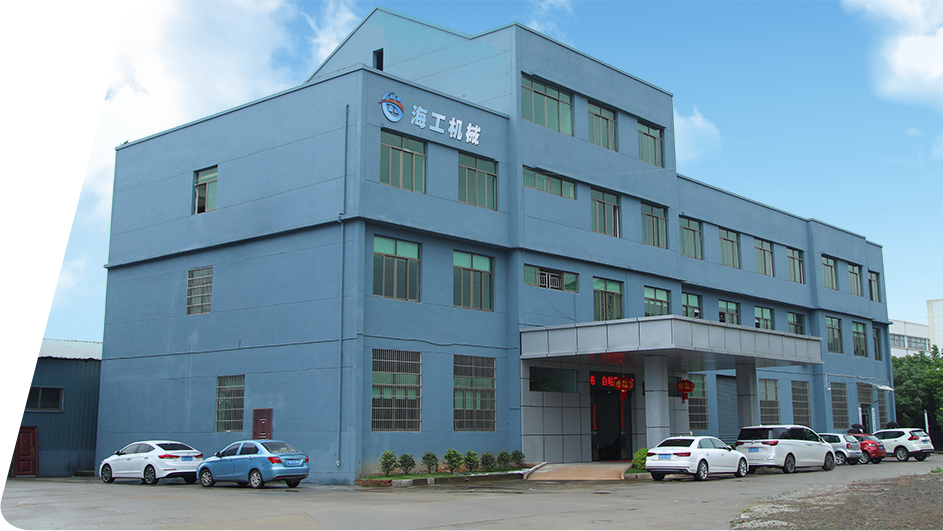
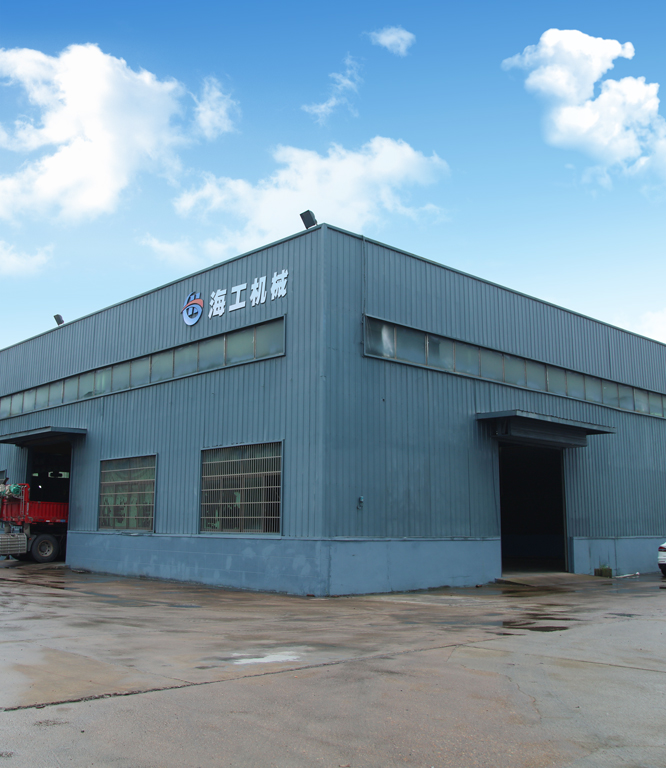
Since 2014, Pujiang HG Nonwoven Machinery has been delivering complete turnkey engineering services with industry-proven metrics.
Analyzing the mechanics of high-speed extrusion, drawing, and bonding processes designed for peak reliability.
Our machinery incorporates advanced 5th generation spinning systems characterized by a highly optimized monomer suction profile and precision-engineered air drawing systems. This technological advancement ensures consistent filament diameters (ranging from 1.5 to 2.0 denier) during high-throughput extrusion operations.
By refining the airflow dynamics in the quench chamber, we maintain absolute thermal uniformity across the entire width of the machine. The slot-die design allows for micro-adjustments in melt pressure, allowing manufacturers to toggle between polypropylene (PP), polyethylene (PE), and co-polyester polymers seamlessly.
The results are visible in the final material output: uniform tensile strength across both machine direction (MD) and cross direction (CD), zero fiber bundling, and a soft touch profile necessary for medical and personal hygiene materials.
| Machine Configuration | Standard Widths | GSM Output Range | Key Industrial Target Markets |
|---|---|---|---|
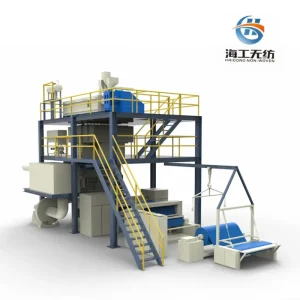
| S / SS Spunbond Line | 1600mm / 2400mm / 3200mm | 10 gsm - 150 gsm | Shopping Bags, Agricultural Covers, Protective Garment Interlining |
| SMS Spunmelt Composite | 1600mm / 2400mm / 3200mm | 12 gsm - 80 gsm | Surgical Drapes, Sterilization Wraps, Gown Inner Liners |
| SMMS / SSMMS High Barrier | 2400mm / 3200mm | 8 gsm - 60 gsm | Advanced Infant Diapers, Incontinence Briefs, Medical Facemasks |
How HG Nonwoven Machinery integrates hardware, analytics, and service to secure your investment.
We provide deep-dive geographical analysis, calculating capital expenditure (CAPEX) versus operational costs (OPEX) to establish realistic project payback timelines.
We supply downstream components: in-line edge trim recycling systems, high-speed slitters/rewinders, multi-color flexo printers, and precision nonwoven bag makers.
Our technical team remains on-site for line erection, fine-tuning calender temperatures, aligning extrusion profiles, and providing operator training programs.
Our commitment extends past installation. We offer 24 months of on-site and remote diagnostic technical support to minimize unplanned downtime.
Engineered for specific material behaviors and throughput demands.
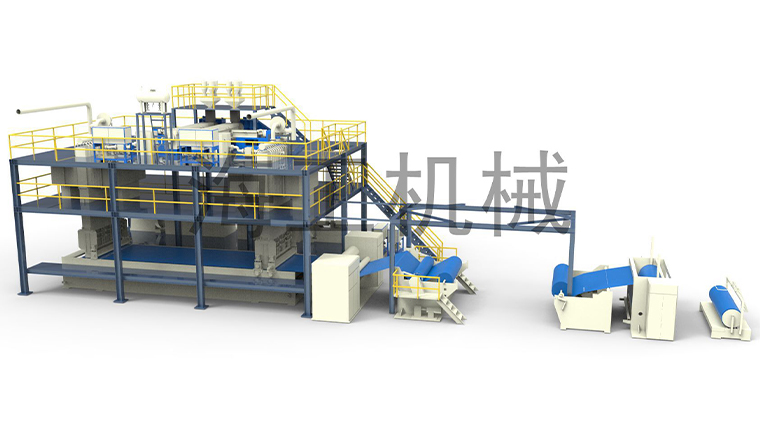
Optimized for packaging nonwoven bags, structural furniture layers, and agricultural protective fabrics.
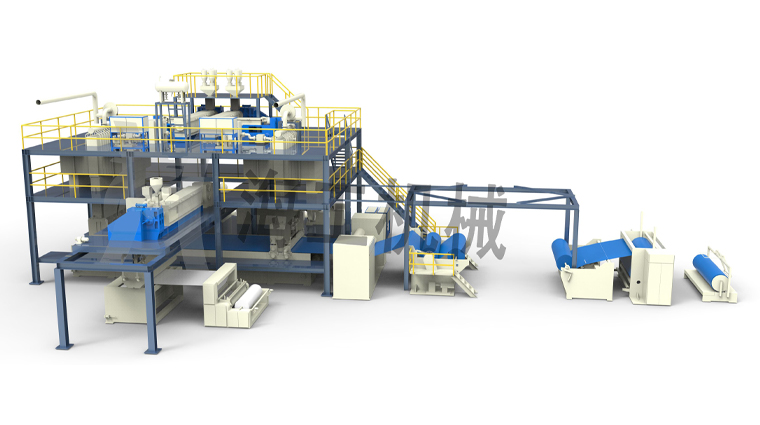
Designed for critical medical gown fabrication and high-efficiency medical protection barriers.
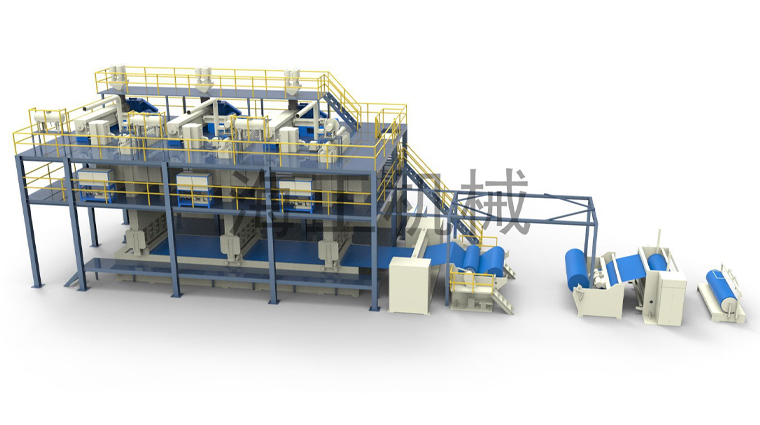
Four-layer system providing high barrier properties and filtration indices for hygiene and clinical applications.
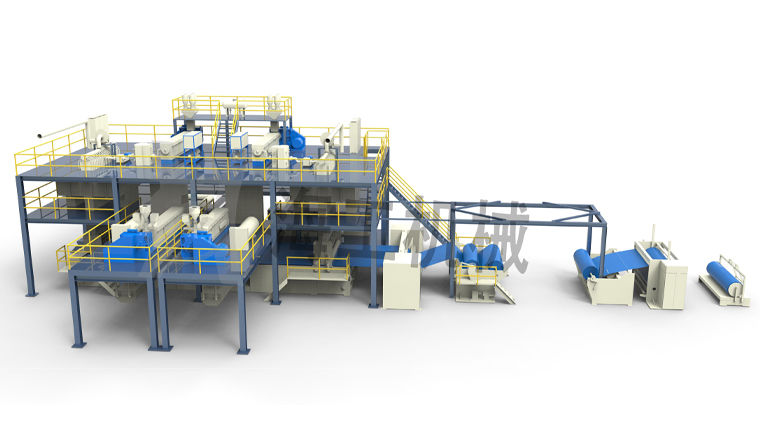
Advanced composite barrier properties combined with high softness metrics for sensitive hygiene products.
Matching mechanical architecture to specific downstream product requirements.

In infant diapers, sanitary napkins, and adult incontinence products, the requirement is comfort, liquid distribution, and skin protection. Our lines produce fabrics with fast strike-through properties, minimal wet-back indices, and high tensile values at low basis weights.

Medical safety demands barrier performance against viruses and bacterial pathogens. Composite SMS/SMMS configurations produce fine microfibers in the meltblown core to intercept particulates, while the spunbond layers provide high tear strength.

Packaging calls for durability, abrasion resistance, printability, and low cost. Our S/SS configurations melt-extrude PP to create stable filament webs, yielding robust shopping bags, furniture dust covers, and storage systems.
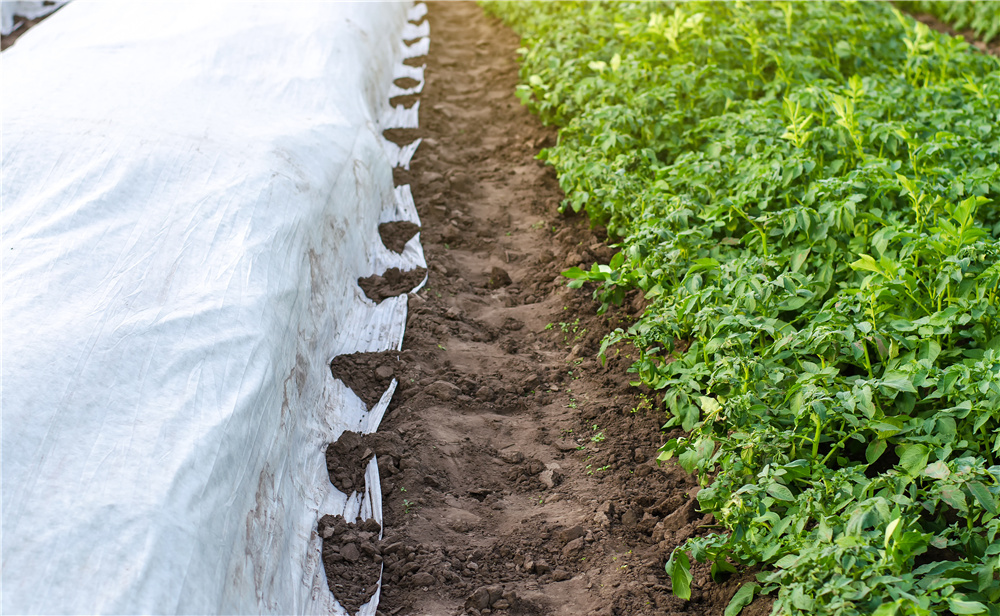
Agricultural fabrics must withstand UV radiation, wind loading, temperature swings, and pest pressure. Our machines support the integration of UV stabilizers, producing lightweight, breathable webs that protect crops and regulate microclimates.
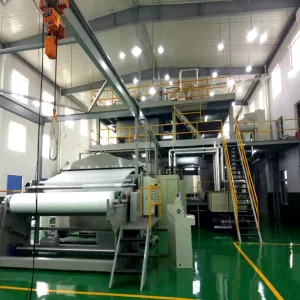
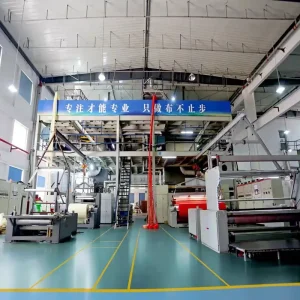
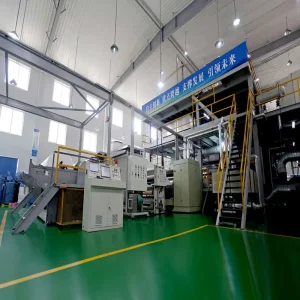
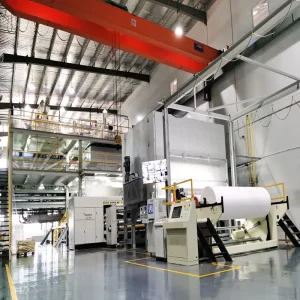
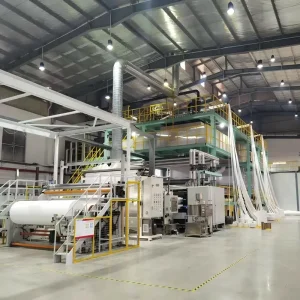
Establishing an industrial nonwoven plant requires careful layout design, site selection, and utility planning. The physical footprint of a standard 3.2-meter SSMMS composite spunmelt line demands ample space, including ceiling heights of up to 14 meters for vertical attenuation towers.
Electrical and water supply layouts must support high-throughput operations. The melt extrusion zones demand clean, stable power profiles to eliminate thermal drift in the heating zones. Our plant layouts align with international standards, detailing optimal paths for raw material handling, web collection, and roll transport.
Regulatory compliance is a critical phase of project startup. All our machinery lines are built to conform to CE and ISO directives. We support global clients in preparing safety filings and completing technical documentation for localized workplace safety approvals.
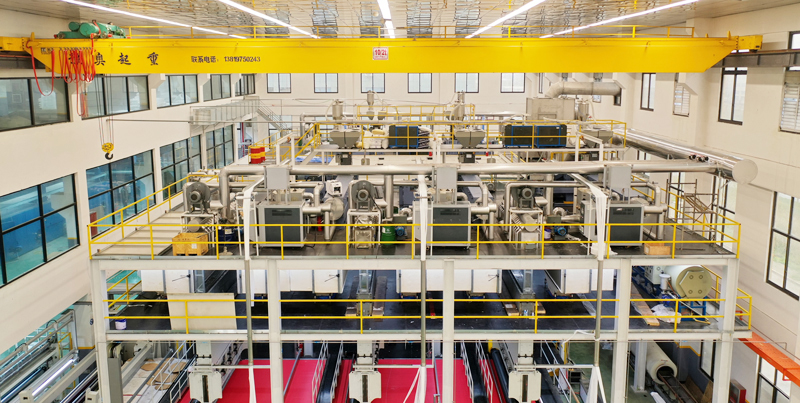
The technical nonwoven industry is pivoting toward circular manufacturing models. To support this, our latest extrusion systems are designed to process biodegradable polymers, including Polylactic Acid (PLA), polybutylene succinate (PBS), and polyhydroxyalkanoates (PHA).
Processing biopolymers requires precise control over temperature profiles and extrusion pressures due to their narrow processing windows. Our extruder barrels feature multi-zone induction heating units coupled with liquid-cooling loops, keeping polymer temperatures within close limits.
Additionally, our production lines can integrate up to 100% recycled polypropylene (rPP) and clean edge trim waste without causing filament breaks. This helps clients establish a closed-loop recycling circle directly on the factory floor, significantly reducing raw material costs.
Addressing the technical, operational, and financial queries of global nonwoven manufacturers.
A visual gallery showcasing our machine lines and production components across various assembly phases.
Main Beam Assembly
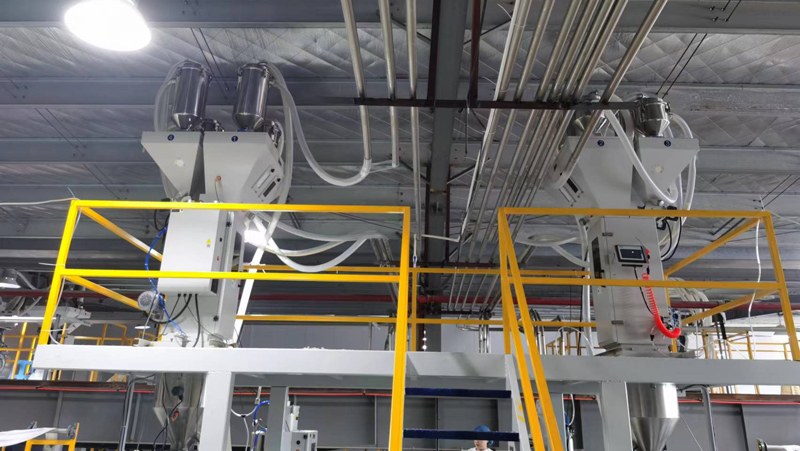
Extrusion Zone Controls
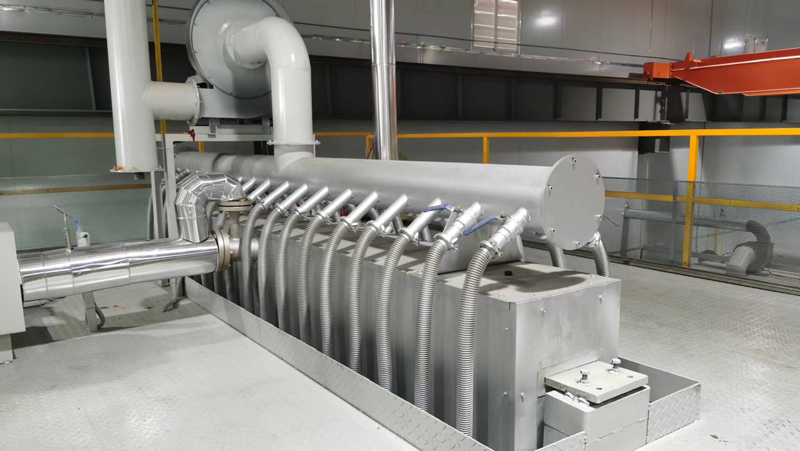
Quenching Air Controls
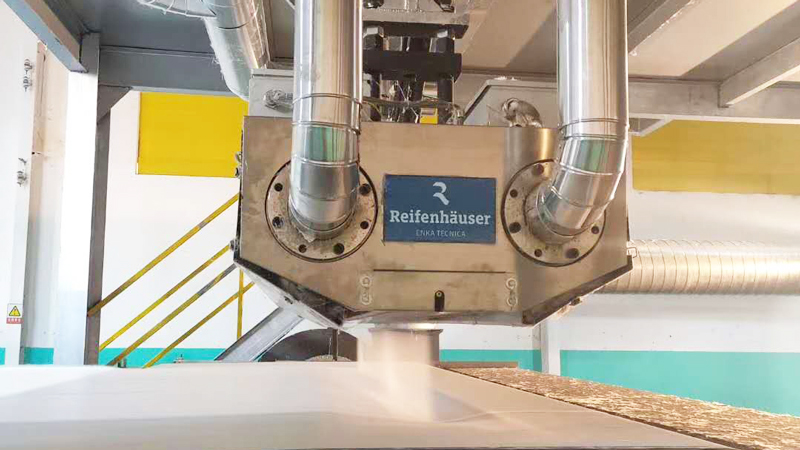
High-Speed Winding Station
Review our comprehensive catalog of nonwoven fabrication lines, including spunbond and composite machinery.
 HG NONWOVEN