HG NONWOVEN
1 / 2
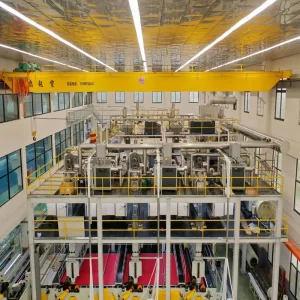
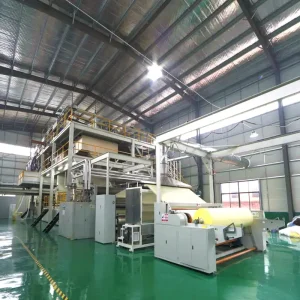
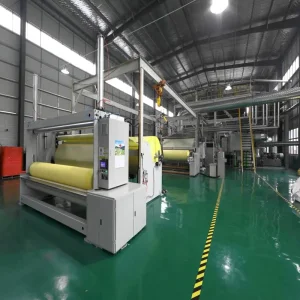
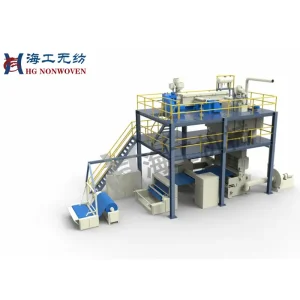
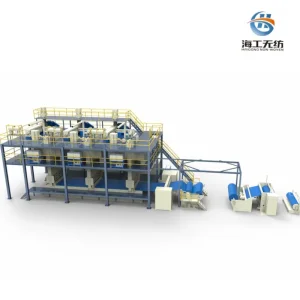
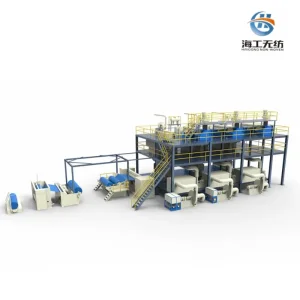
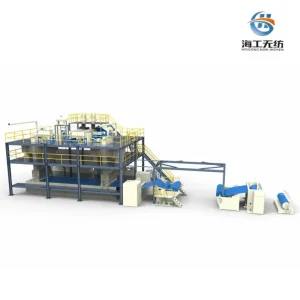
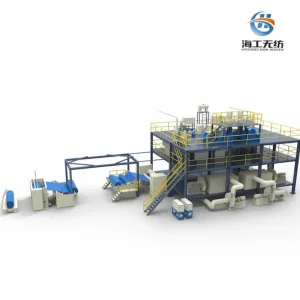
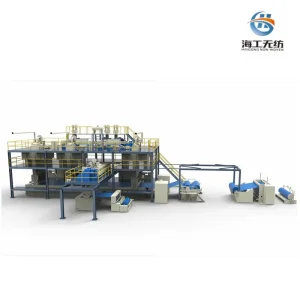
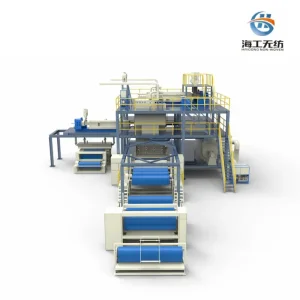
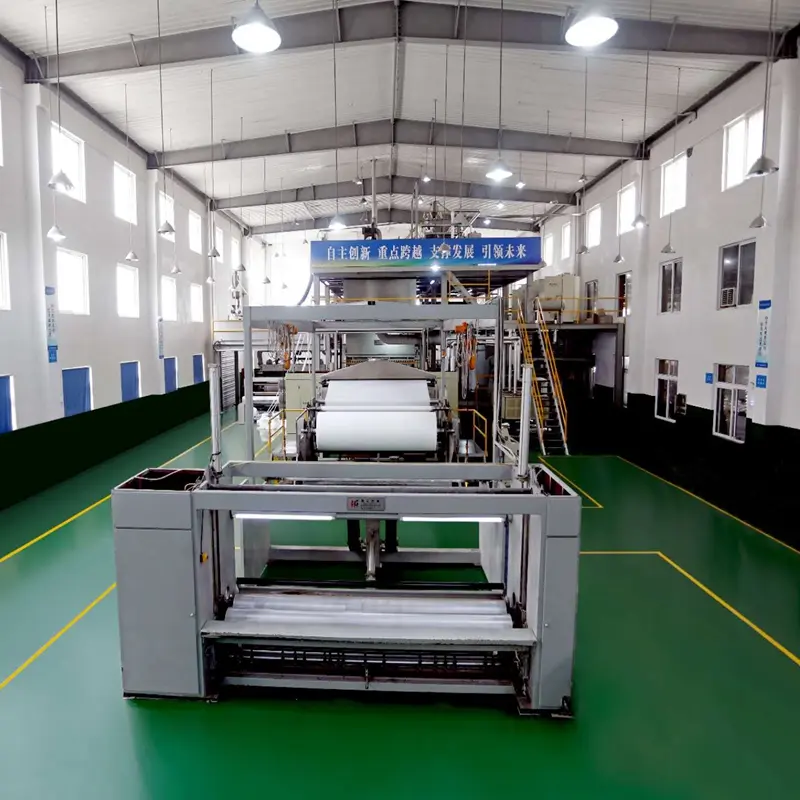
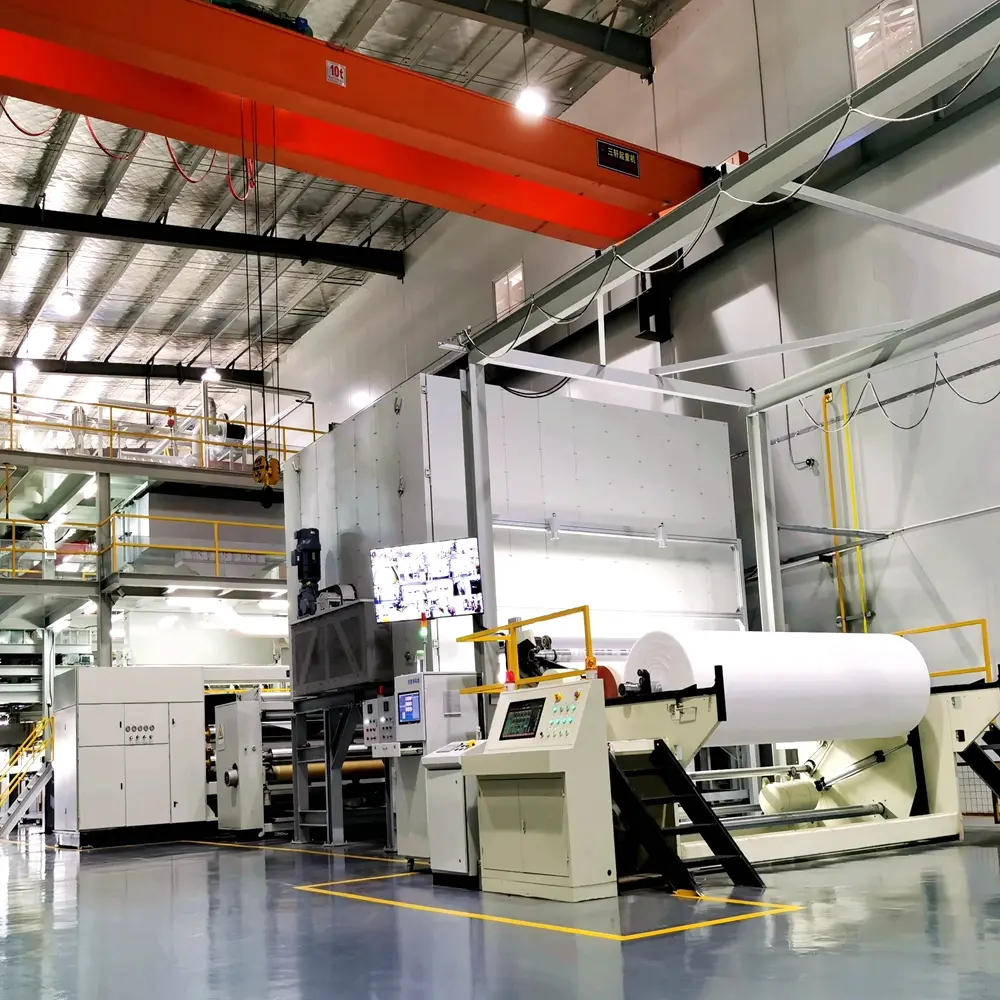
Spunbond nonwoven fabric making machine is a full production line of producing pp non-woven fabrics, which use polypropylene granules as raw material, adopts latest spunbond spinning technology to produce endless filaments.
The spunbond nonwoven machine is an integrated, continuous production line that transforms polymer granules like polypropylene directly into a fabric web. As the core equipment for manufacturing Spunbond Nonwoven Fabric (S), it is one of the most common types of nonwoven fabric making machines.
Single spinning head (S) nonwoven machine is characterized by its simplicity, cost-effectiveness, and high efficiency in producing a wide range of standard, single-layer spunbond nonwoven fabrics. It is the ideal solution for manufacturers targeting large-volume, price-sensitive markets where the functional requirements of the fabric can be met by a homogeneous structure.
HG-1600S / 2400S / 3200S Models
These machines can produce the max width of 1600mm/2400mm/3200mm spunbond nonwoven fabric ranging from 10-200GSM.
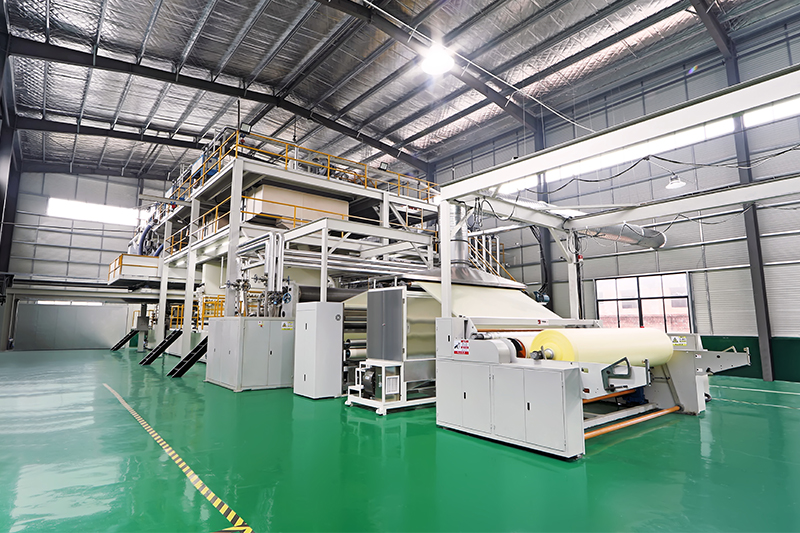
Simplicity with lower Investment Risk: The machine layout is simpler and Ideal for small to medium-sized enterprises.
Lower Capital Cost: Significantly cheaper to purchase and install. This makes it the entry-point technology for many manufacturers.
Easier Operation and Maintenance: With only one spinning beam and drawing unit, the operational parameters are simpler to control.
High Production Efficiency: Designed for continuous, high-speed production, leading to high output and excellent uptime.
Good Uniformity: Advanced Spinning systems can produce fabric with excellent cross-direction (CD) and machine-direction (MD) uniformity.
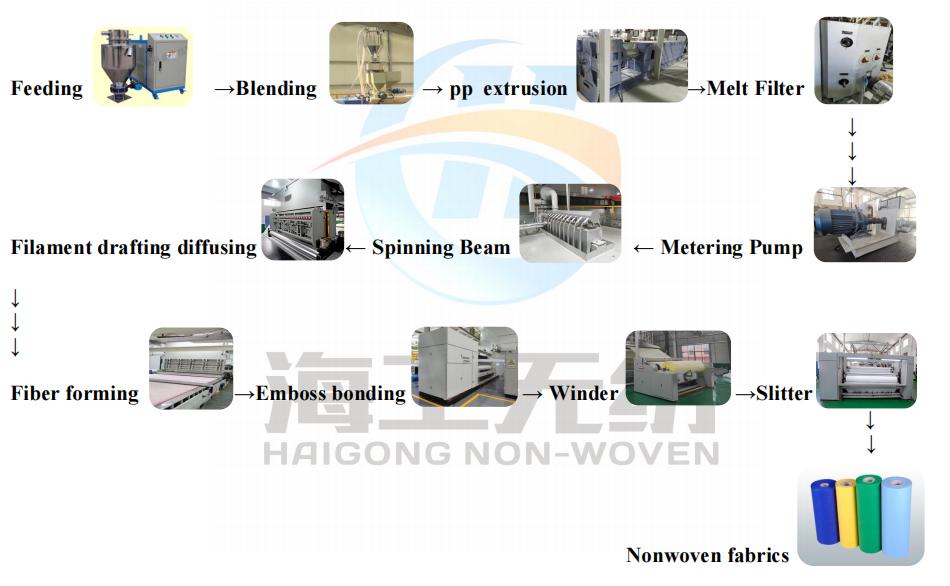
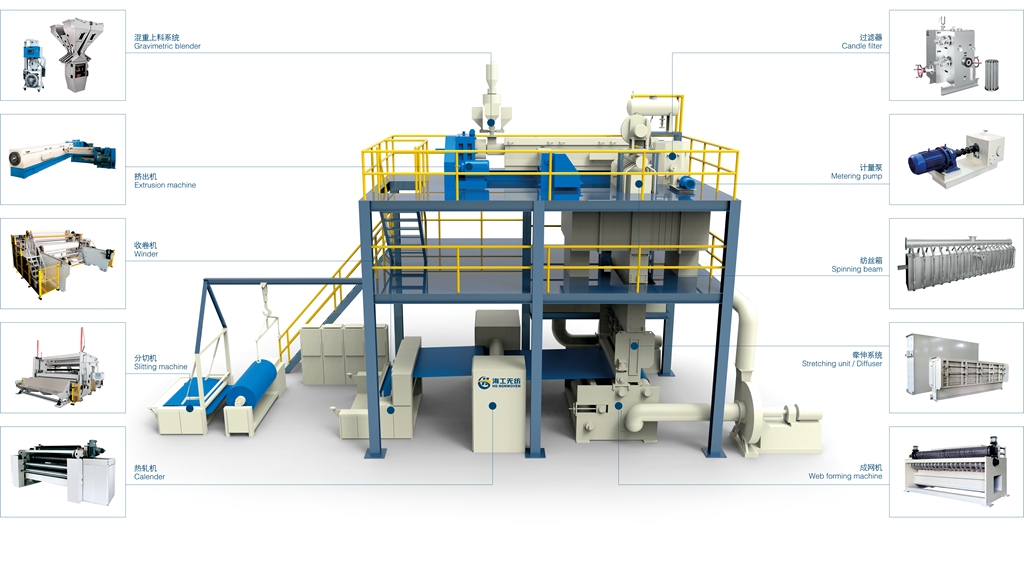
PP chips & Additives (color masterbatch) are fed into the system. They are melted in the extruder using heated barrels and a rotating screw.
The melt pump provides precise, constant pressure to push the molten polymer forward. The molten polymer is forced through the spinneret—a metal plate with many fine holes—to form continuous filaments.
Cool air solidifies filaments in the quenching chamber. The filaments are then stretched by high-speed air jets in the air drafter to increase strength and reduce diameter.
Filaments are randomly scattered onto a moving, perforated forming belt. A suction unit helps lay them down in a uniform, random web for isotropic strength.
The web passes through heated steel rollers. Under heat and pressure, the filaments fuse together at contact points, producing a strong, flat fabric.
The finished fabric is wound into large jumbo rolls. An inline slitter trims edges and can slit the web into narrower rolls as required.
(Custom configurations available upon request.)
| Model | HG-1600S | HG-2400S | HG-3200S |
|---|---|---|---|
| Production capacity (kgs) | 40,000kgs | 60,000kgs | 100,000kgs |
| Power Consumption (kW) | 250kW | 350kW | 450kW |
| Machine Width (mm) | 1600mm | 2400mm | 3200mm |
| Max. Production Speed | 200m/min | 200m/min | 200m/min |
| Fabric Thickness (GSM) | 10-200g/m² | 10-200g/m² | 10-200g/m² |
| Dimension (L*W*H) | 20*8*11m | 20*10*11m | 20*12*12m |
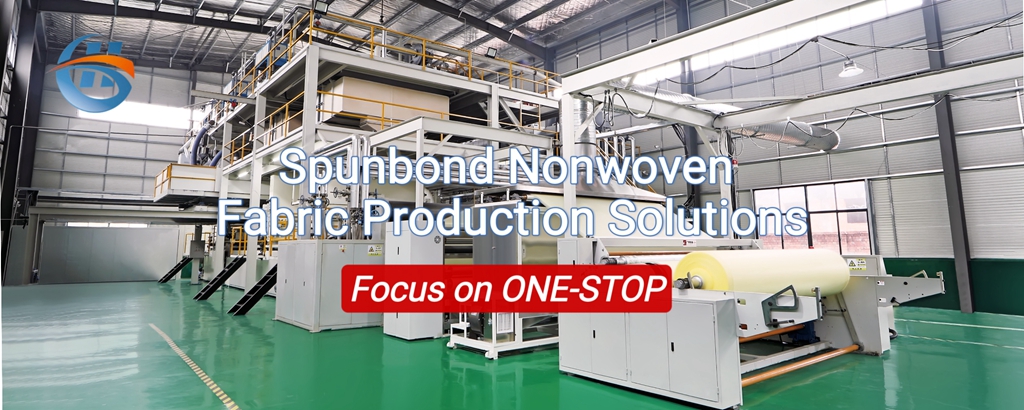
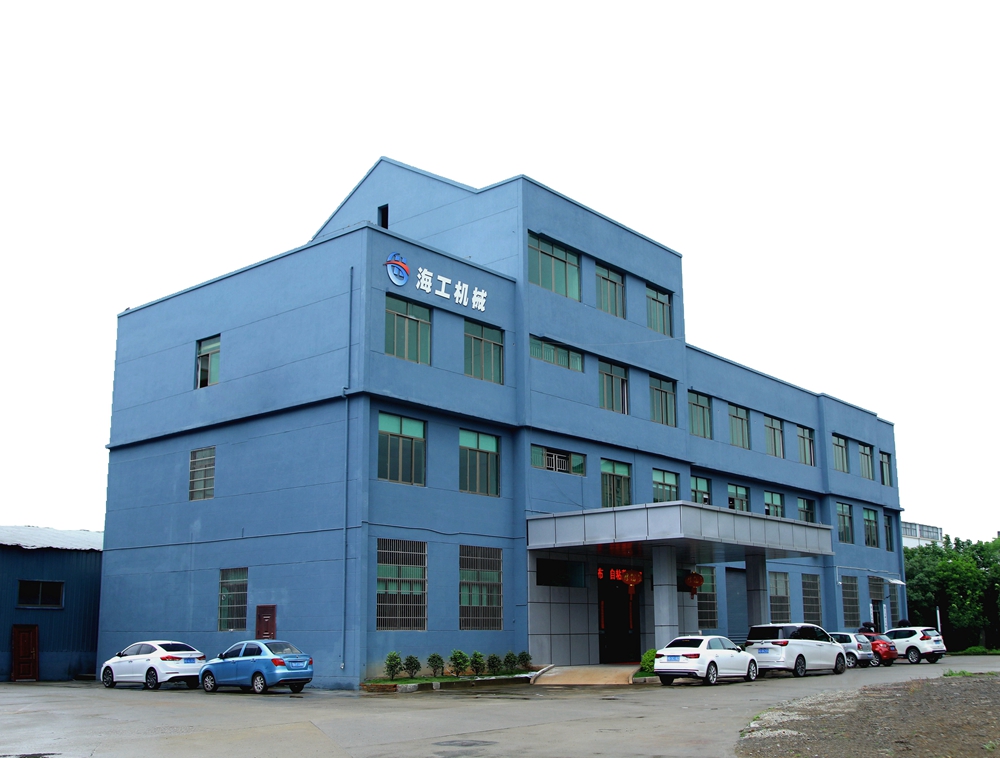
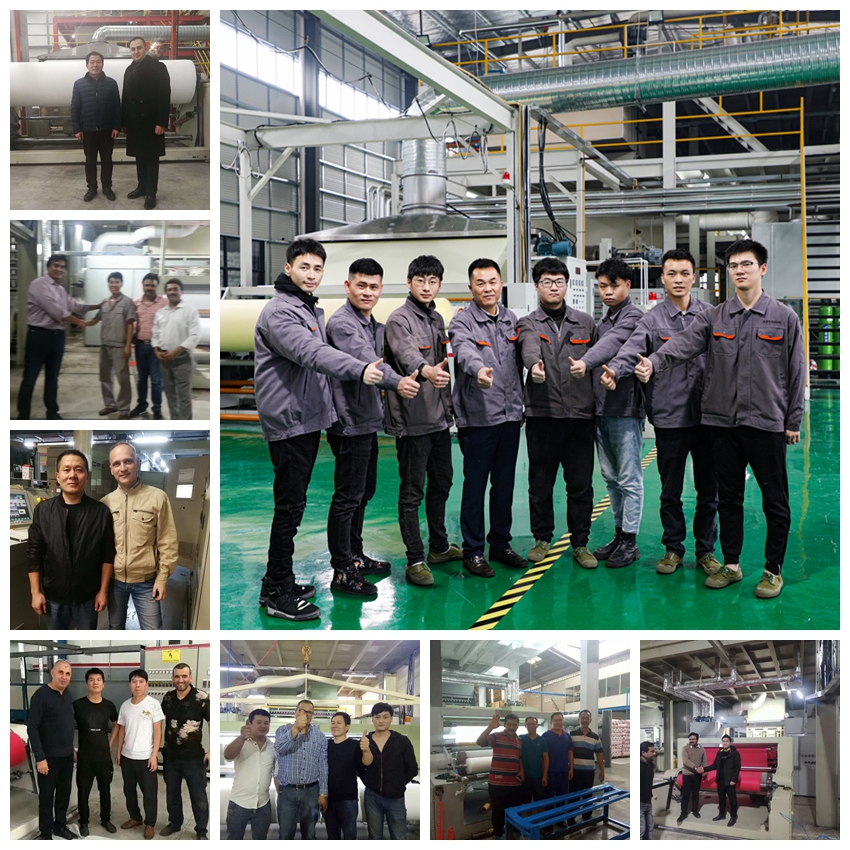
Professional Partner in Nonwoven Solutions
The machine uses Polypropylene (PP) granules/chips as the primary raw material, which can also be mixed with color masterbatches and other additives.
The HG-S series can produce nonwoven fabrics with a thickness ranging from 10 to 200 grams per square meter (GSM).
We offer standard widths of 1600mm, 2400mm, and 3200mm, though custom configurations can be discussed.
The system uses Thermal Bonding (Calender bonding), where the fiber web passes through heated steel rollers to fuse the filaments together.
Yes, the single spinning head (S) machine is characterized by its simplicity and lower capital cost, making it an ideal entry-point technology for small to medium-sized enterprises.
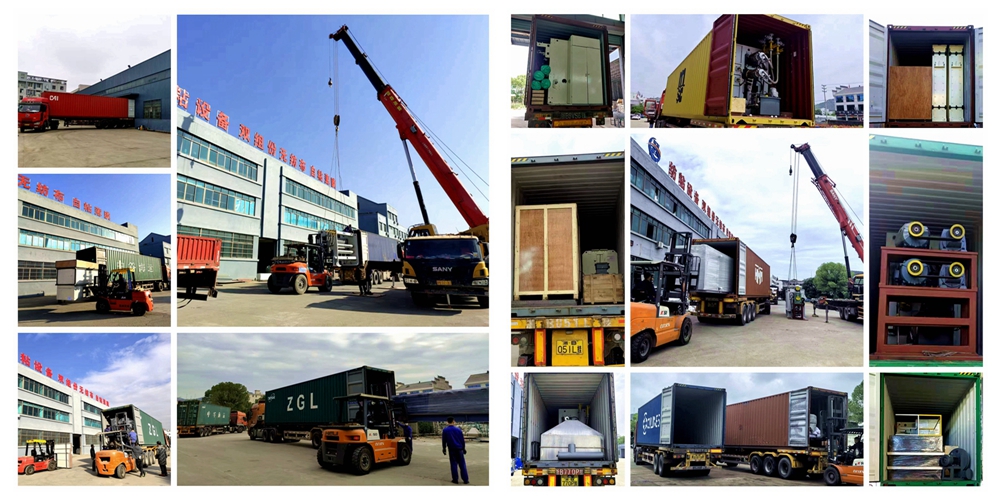
We provide a comprehensive one-stop project solution and 2 years of free door-to-door engineering after-sale service to ensure reliable operation.