What is Non woven fabric making machine?
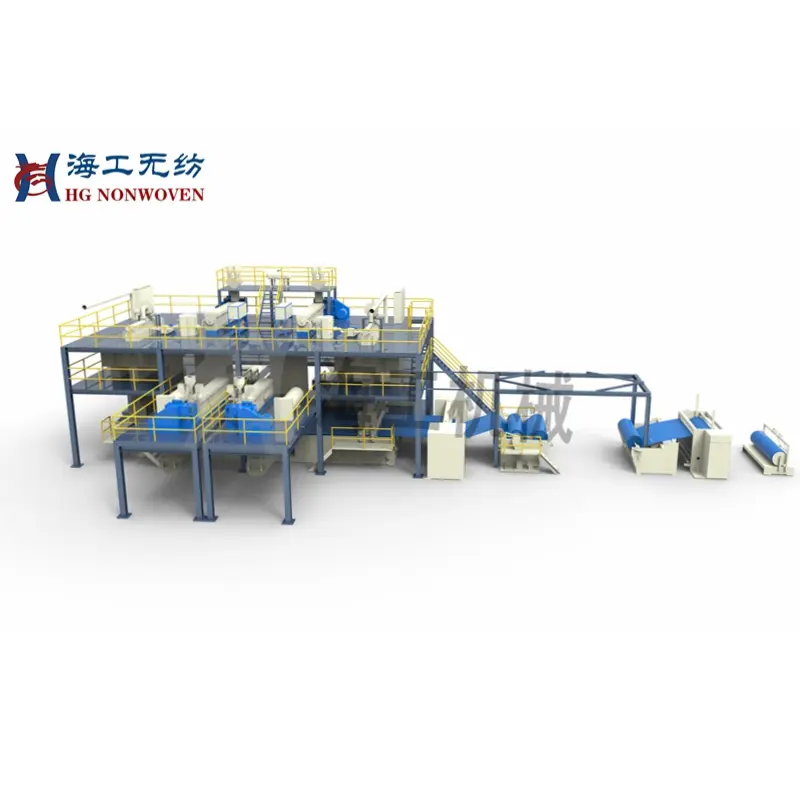
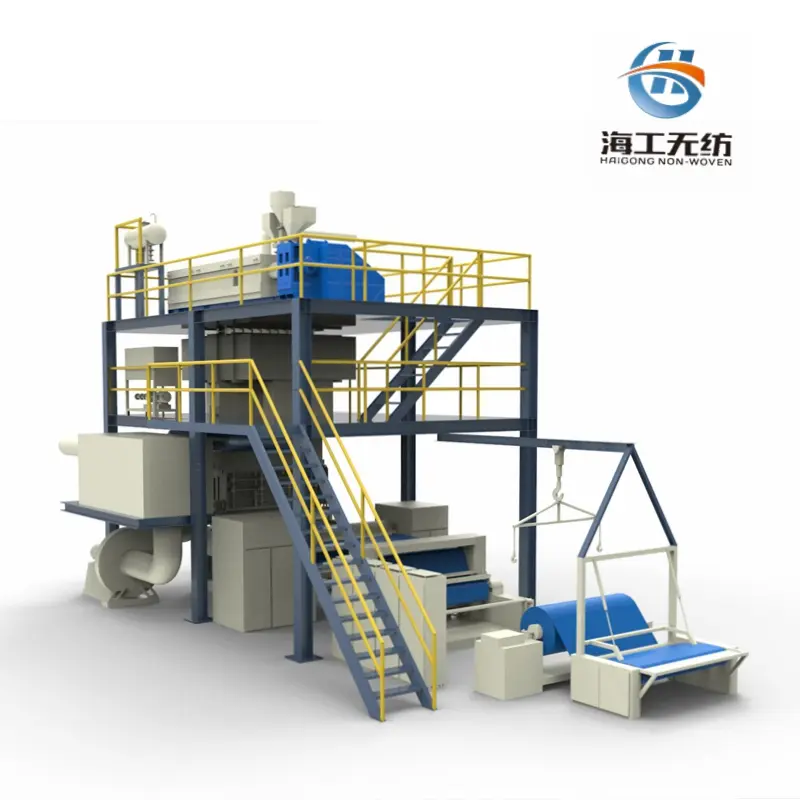
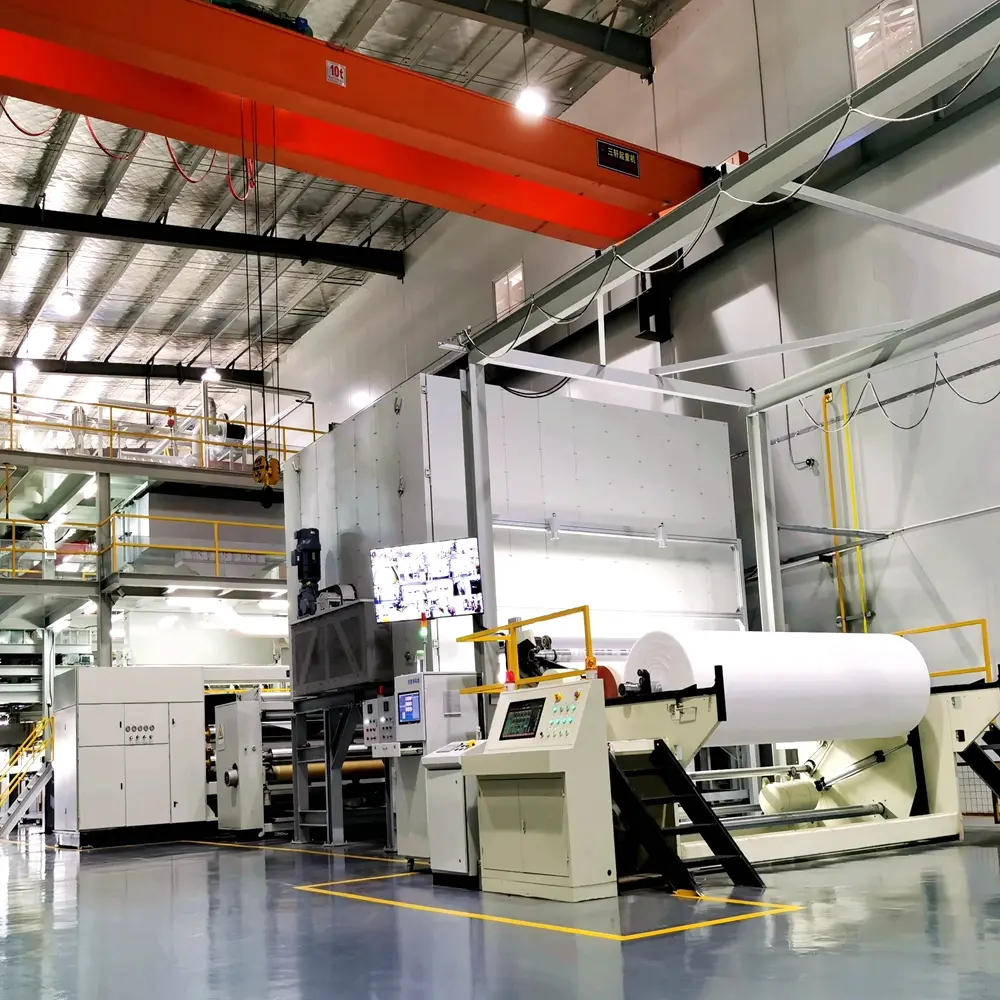
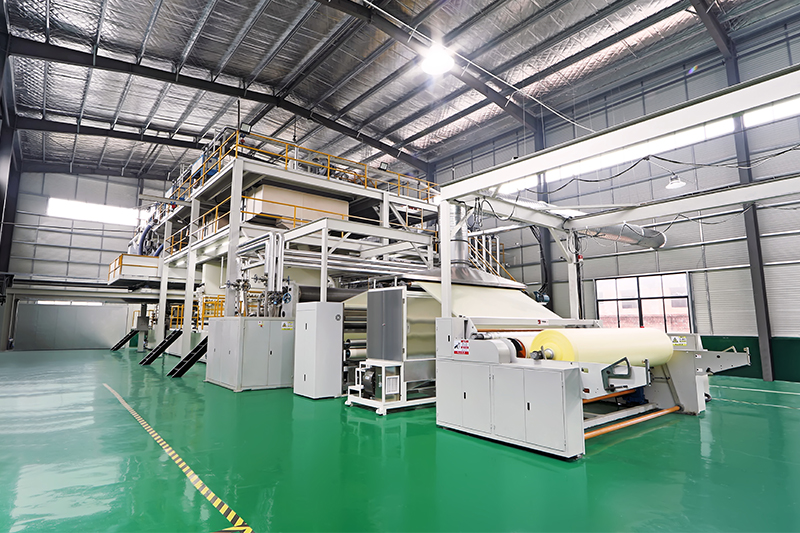
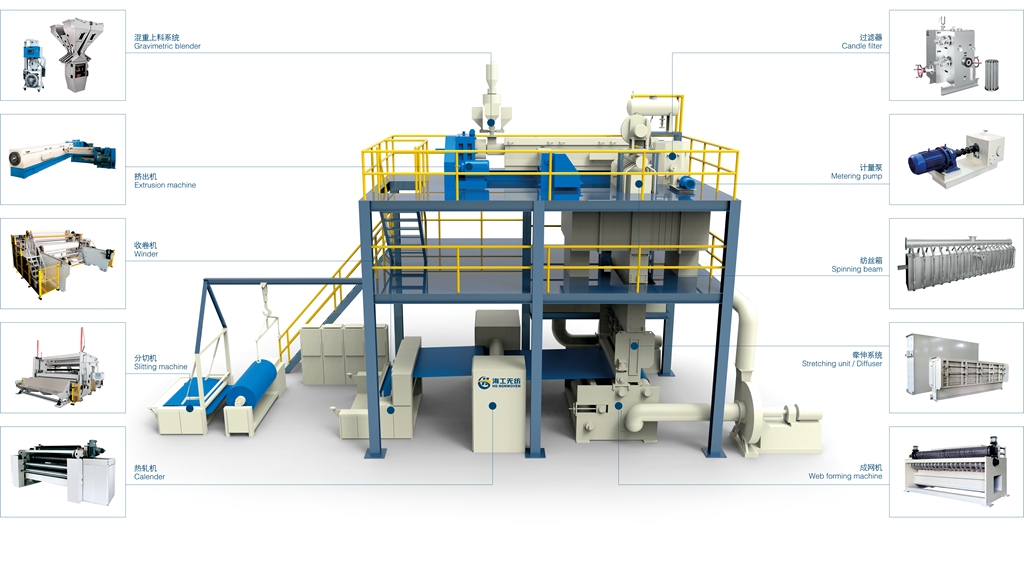
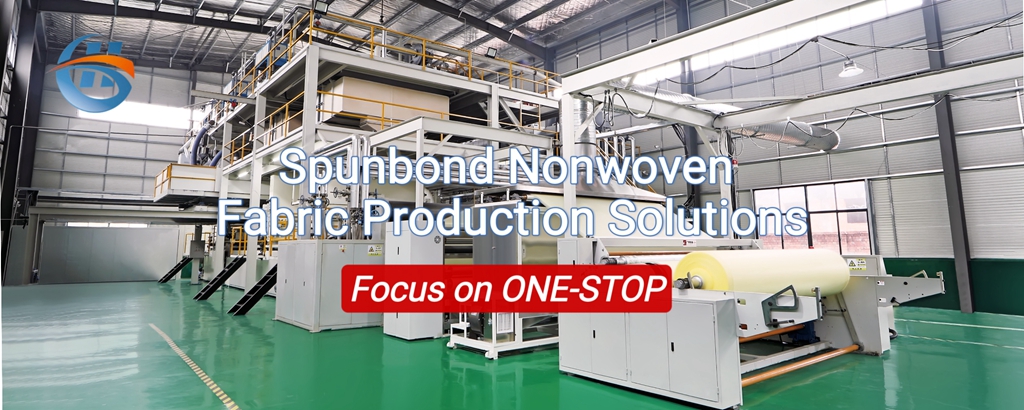
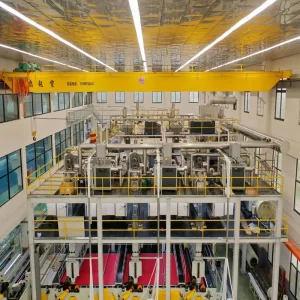
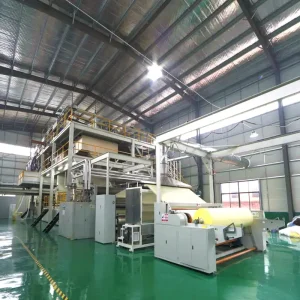
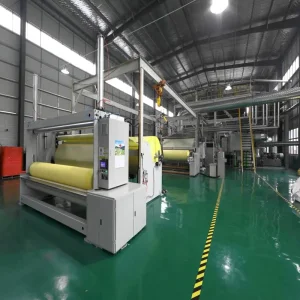
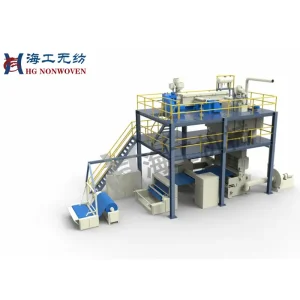
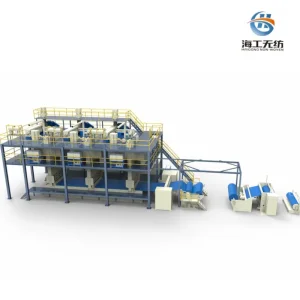
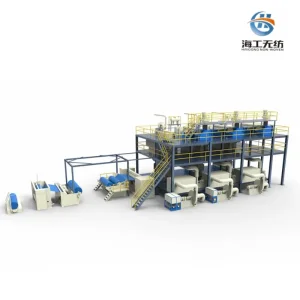
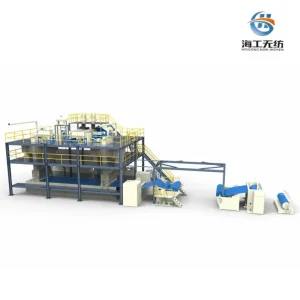
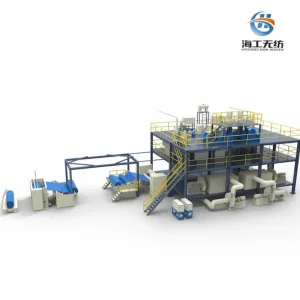
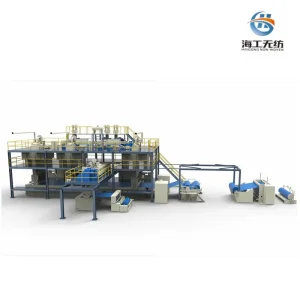
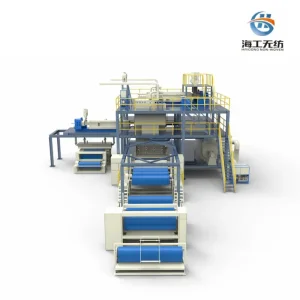
Spunbond nonwoven fabric making machine is a full production line for producing PP non-woven fabrics. Using polypropylene granules as raw material, it adopts the latest spunbond spinning technology to produce endless filaments.
The spunbond nonwoven machine is an integrated, continuous production line that transforms polymer granules directly into a fabric web. As the core equipment for manufacturing Spunbond Nonwoven Fabric (S), it is one of the most common types of nonwoven fabric making machines.
The single spinning head (S) nonwoven machine is characterized by its simplicity, cost-effectiveness, and high efficiency in producing a wide range of standard, single-layer spunbond nonwoven fabrics. It is the ideal solution for manufacturers targeting large-volume, price-sensitive markets.
⚡ HG-1600S / 2400S / 3200S PP Spunbond Nonwoven Machine
The machines can produce nonwoven fabrics with a maximum width of 1600mm, 2400mm, or 3200mm, ranging from 10 to 200 GSM.
🎯 Typical Applications
✔ Agriculture: Crop covers, weed control fabric, plant protection.
✔ Geotextiles: Soil stabilization, erosion control, drainage layers.
✔ Packaging: Wrapping, shopping bags, durable goods covers.
✔ Furniture & Bedding: Spring insulators, quilt backing, mattress.
✔ Home Improvement: Housewrap, roofing base.
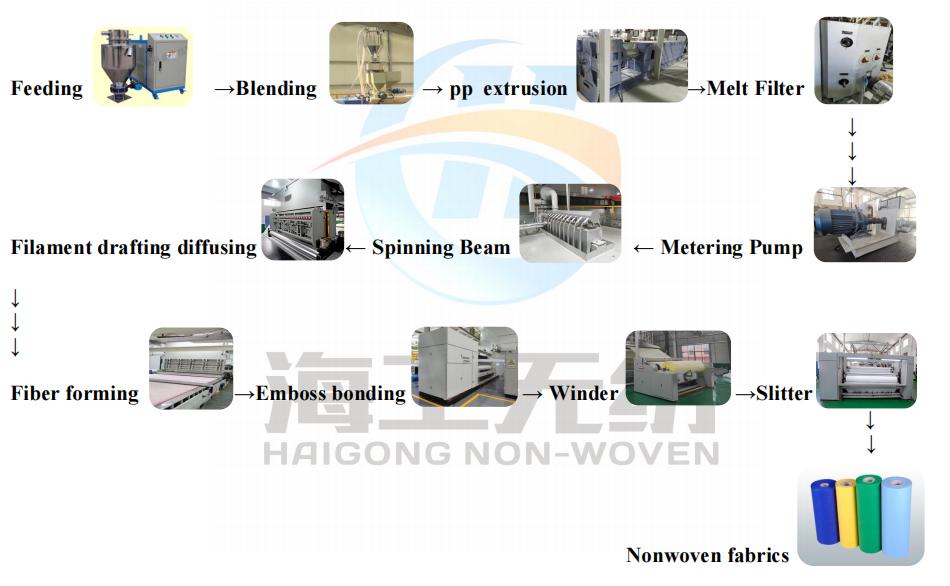
Integrated System Workflow
1 Raw Material Feeding & Extrusion: PP chips and additives are melted in the extruder using heated barrels and rotating screws.
2 Melt Pump & Spinning Beam: Ensures precise, constant pressure for consistent filament thickness through the spinneret.
3 Filament Quenching & Drawing: Cool air solidifies filaments, which are then stretched by high-speed air jets for strength.
4 Web Formation: Filaments are randomly scattered onto a moving belt with suction to ensure web uniformity and isotropic strength.
5 Thermal Bonding (Calendering): Web passes through heated rollers to fuse filaments into a strong, flat fabric.
6 Winding & Slitting: Finished fabric is wound into rolls and trimmed or slit to required widths.
Technical Specifications
Custom configurations available upon request.
| Model |
HG-1600S |
HG-2400S |
HG-3200S |
| Production Capacity |
40,000 kgs |
60,000 kgs |
100,000 kgs |
| Power Consumption |
250 kW |
350 kW |
450 kW |
| Machine Width |
1600 mm |
2400 mm |
3200 mm |
| Max Production Speed |
200 m/min |
200 m/min |
200 m/min |
| Thickness (GSM) |
10-200 g/m² |
10-200 g/m² |
10-200 g/m² |
| Dimension (L*W*H) |
20*8*11 m |
20*10*11 m |
20*12*12 m |
Professional Manufacturing Standards
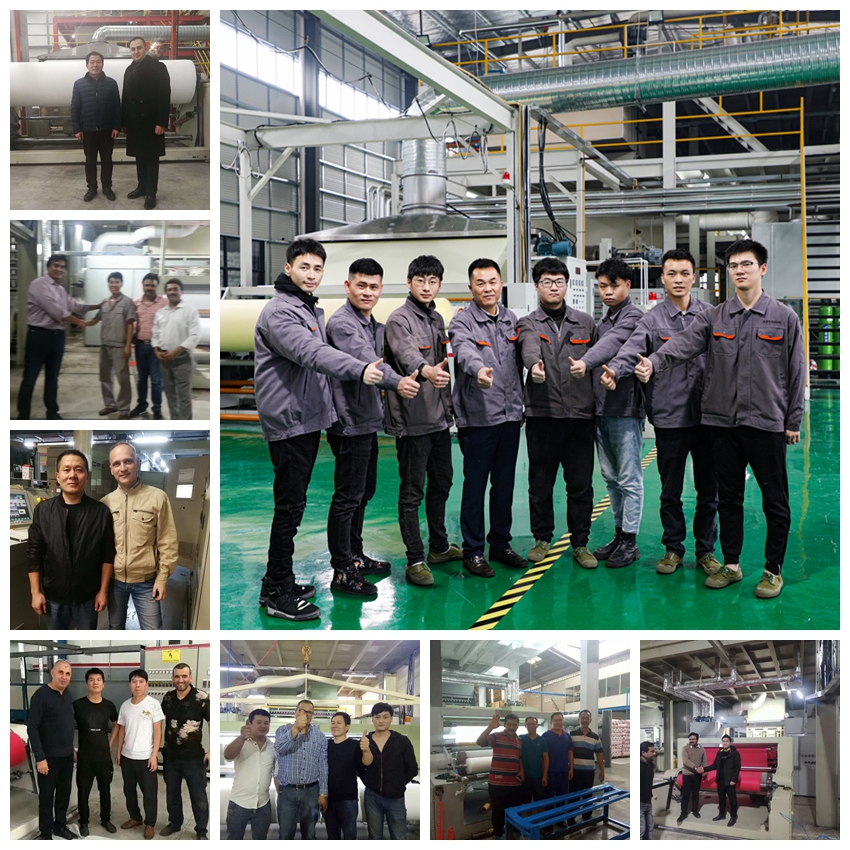
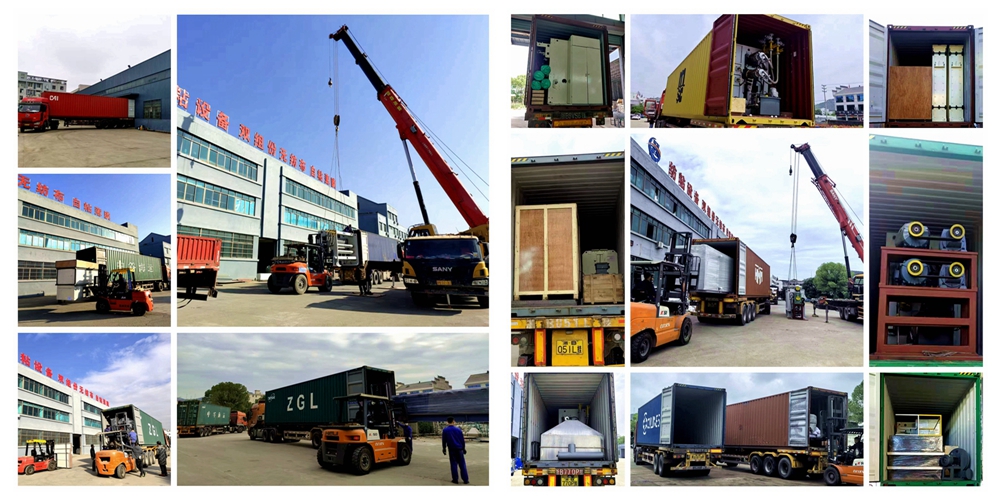
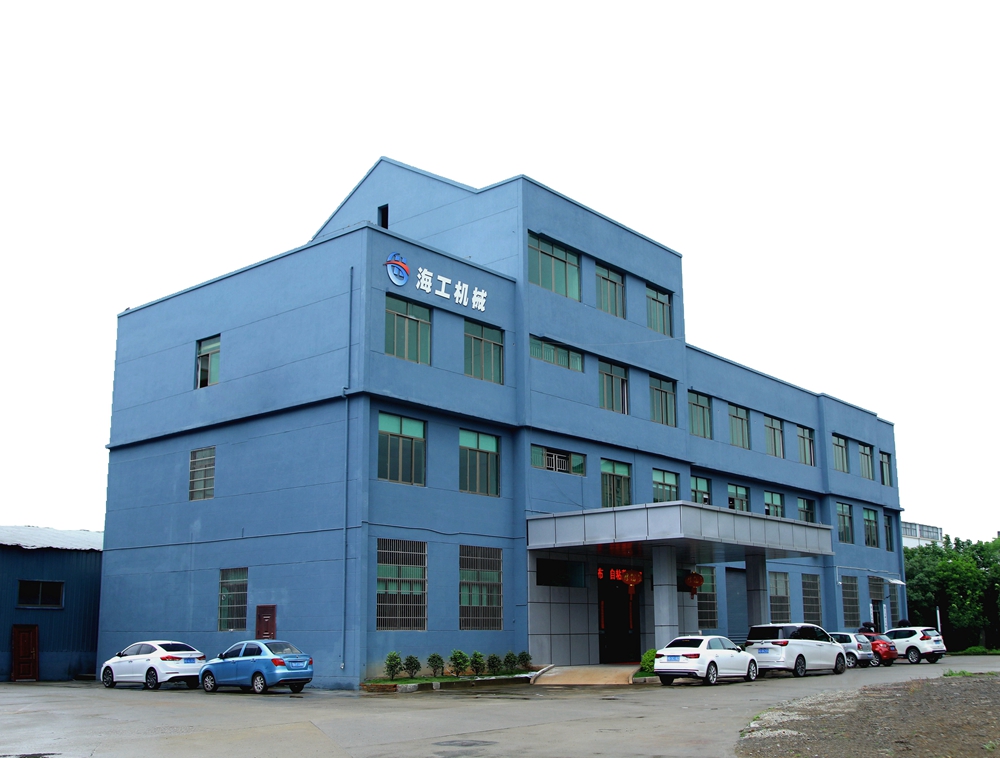
With over 20 years of expertise, the manufacturer enables customers worldwide to produce nonwoven fabrics economically, reliably, and sustainably. Offering reliable production lines across 20+ countries with more than 300 successful installations.
⭐ Support nonwoven market analysis and feasibility reports.
⭐ One-stop project engineering solutions from A to Z.
⭐ 2 years of comprehensive after-sale engineering support.
⭐ Advanced 5th Generation spunbond spinning technology.
Frequently Asked Questions
Q: What raw materials are used in this machine?
A: The machine primarily uses Polypropylene (PP) granules. It can also incorporate color masterbatches and additives for specific fabric properties.
Q: What is the weight range of the nonwoven fabric produced?
A: The S line can produce fabrics ranging from 10 GSM (grams per square meter) to 200 GSM, suitable for everything from lightweight packaging to heavy-duty geotextiles.
Q: Are the machines customizable?
A: Yes, we provide custom configurations for machine width, production speed, and specific technical requirements based on your project needs.
Q: How do you ensure the strength of the fabric?
A: Strength is ensured through the quenching and drawing system which aligns polymer molecules, and the random web formation which provides isotropic strength (equal strength in all directions).
Q: What support is provided after installation?
A: We provide one-stop engineering solutions, including 2 years of door-to-door after-sale service and technical training for your operators.
 HG NONWOVEN