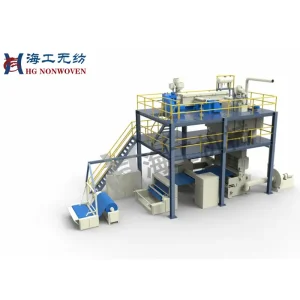
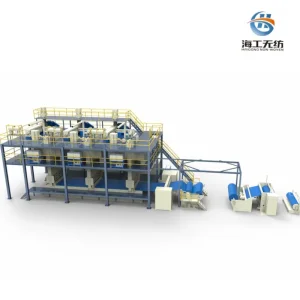
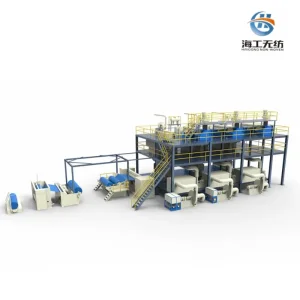
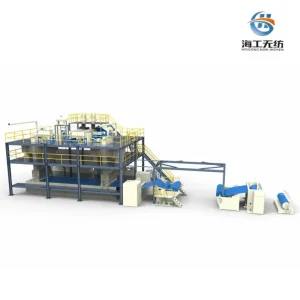
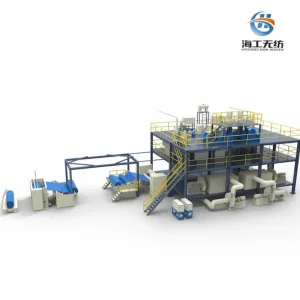
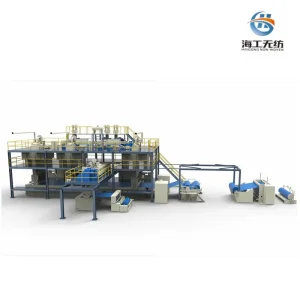
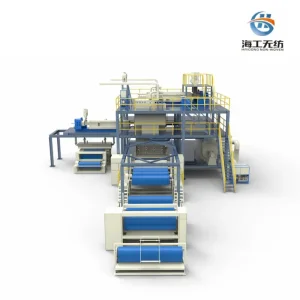
What is Non woven fabric making machine?
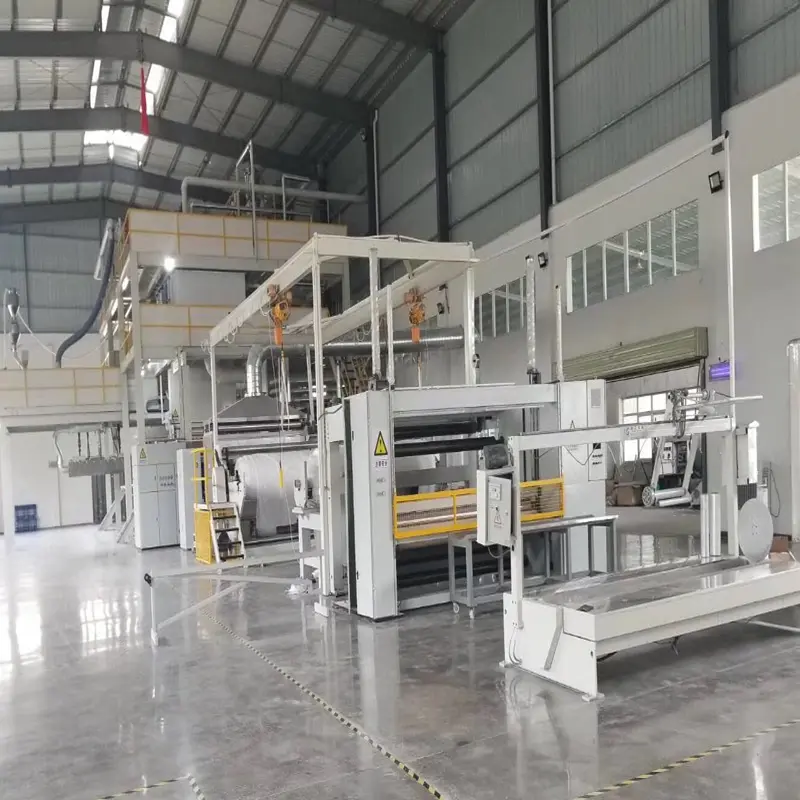
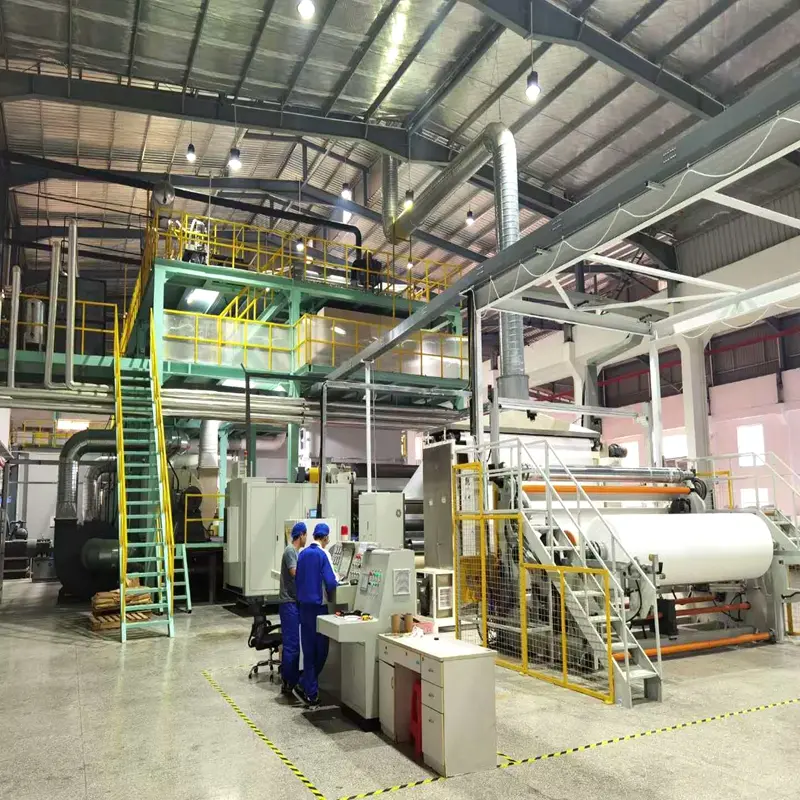
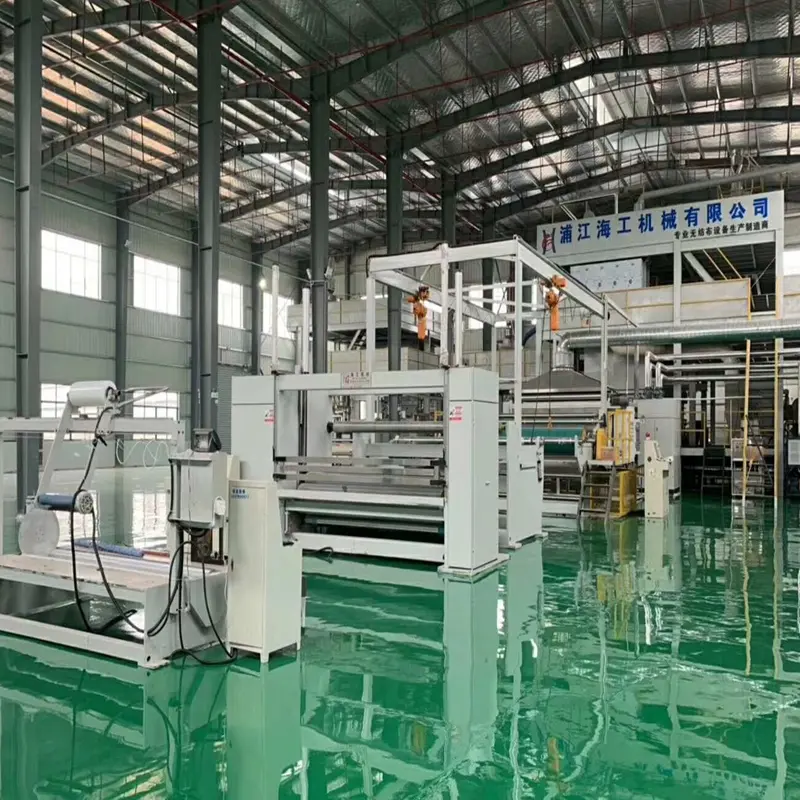
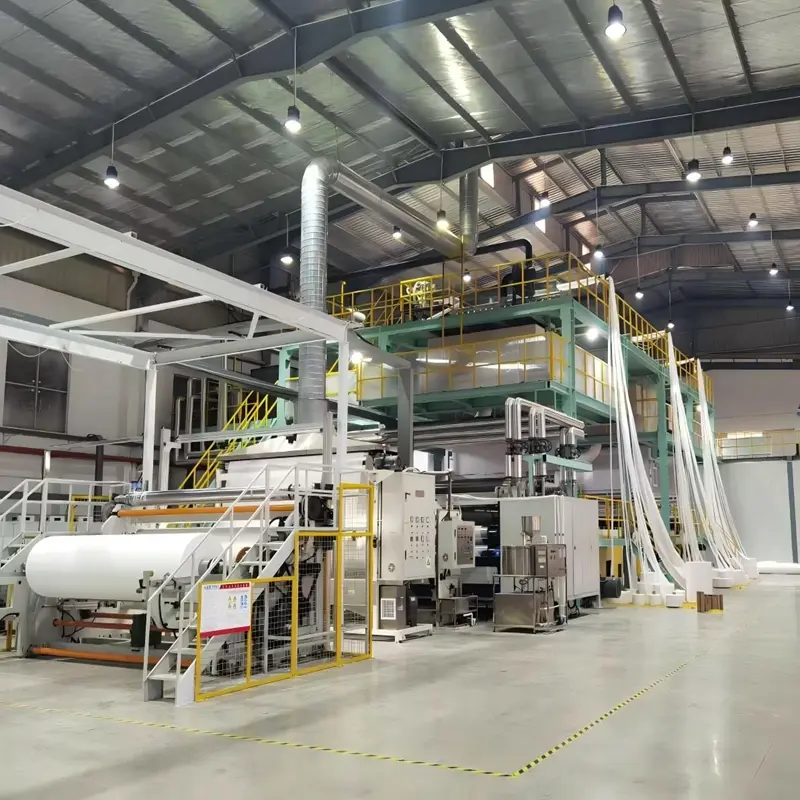
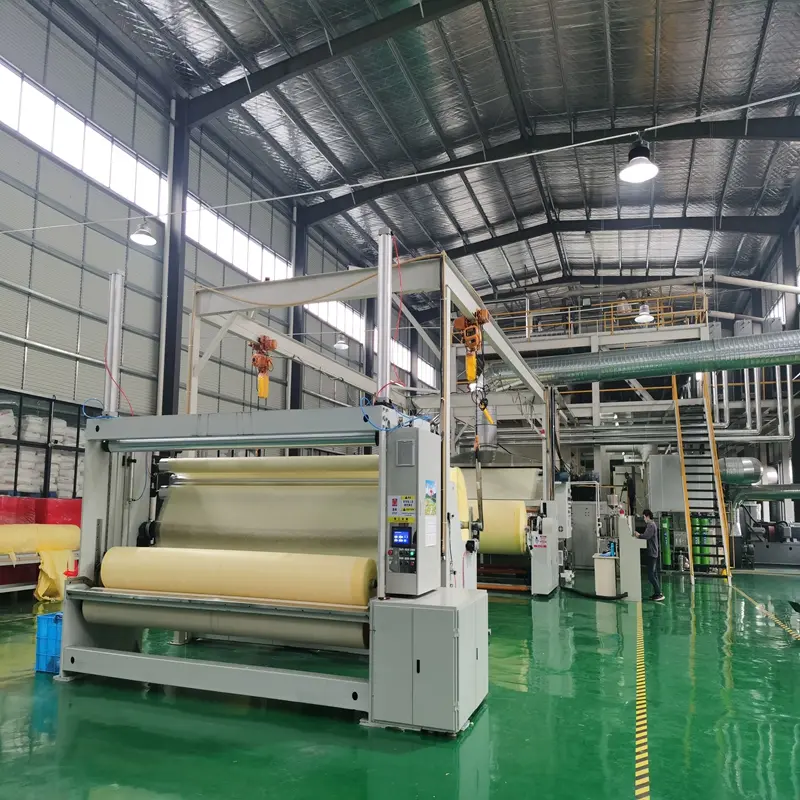
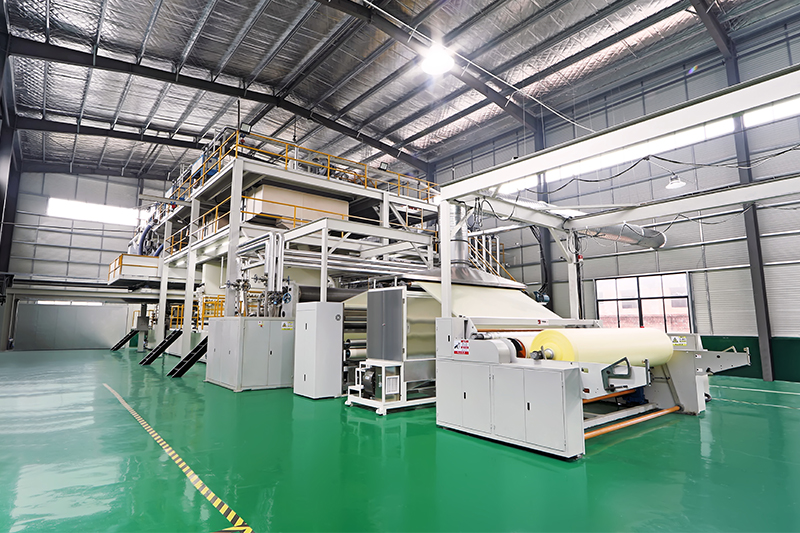
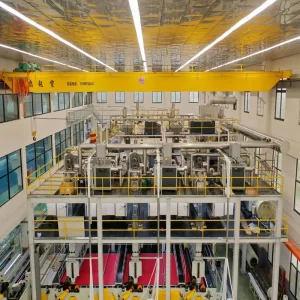
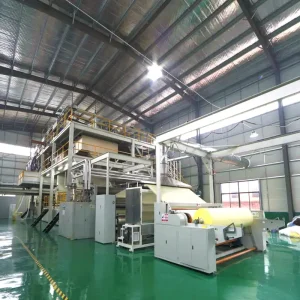
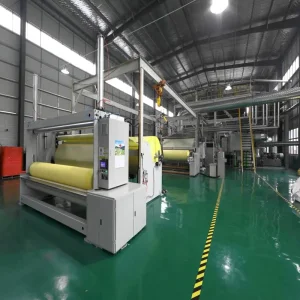
The Spunbond nonwoven fabric manufacturing machine is a full production line that produces endless filaments using the latest spunbond spinning technology and polypropylene granules as the raw material. The primary equipment used in the production of Spunbond Nonwoven Fabric (S), one of the most widely used types of nonwoven fabric manufacturing devices, is the spunbond nonwoven machine, a continuous, integrated production line that produces a fabric web directly from polymer granules, such as polypropylene.
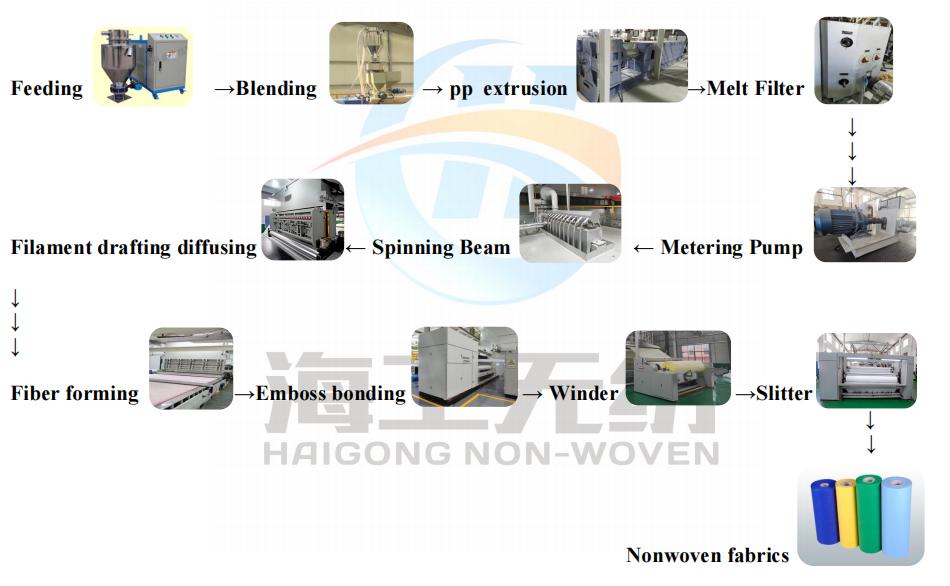
The process begins with polymer feeding and melting in an extruder, followed by filament spinning through a spinneret. These filaments are then stretched and laid into a consistent web, which is bonded to create fabrics with excellent uniformity and tensile strength. The machine is fully automated, featuring a centralized PLC control system that monitors parameters such as temperature, speed, and tension in real-time.
With modular design, it allows customization in fabric width (1–5 meters), weight (10–200 gsm), and output speed (up to 500 m/min), catering to various industry standards. Built with robust materials like stainless steel and alloy components, it guarantees long-term reliability even in high-temperature environments.
Production Process
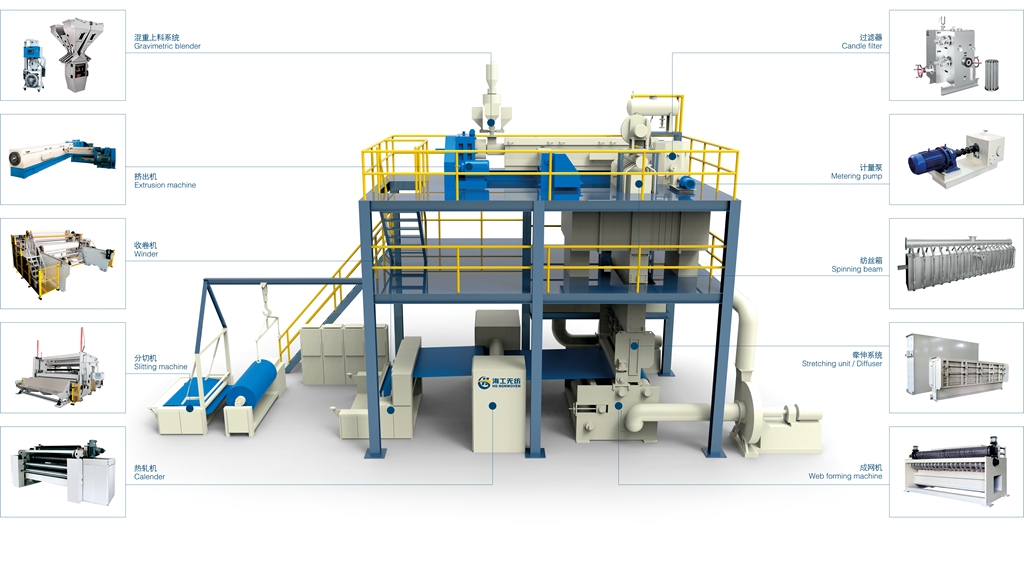
1. Raw Material Feeding & Extrusion System
PP chips & additives (color masterbatch) are fed and melted in the extruder using heated barrels and a rotating screw.
2. Melt Pump & Spinning Beam
The melt pump provides precise pressure to ensure consistent thickness. The molten polymer is forced through the spinneret to form continuous filaments.
3. Filament Quenching & Drawing System
Cool air solidifies filaments in the quenching chamber. High-speed air jets in the air drafter stretch the filaments to increase strength and reduce diameter.
4. Web Formation & Suction Unit
Filaments are randomly scattered onto a moving belt. A suction unit ensures a uniform, random web, providing isotropic strength.
5. Thermal Bonding (Calender bonding)
The web passes through heated steel rollers (calenders) to fuse filaments at contact points, producing a strong fabric.
6. Winding & Slitter
The finished fabric is wound into jumbo rolls. An inline slitter trims edges and can slit the web into narrower rolls.
Typical Applications
Medical & Hygiene:
- Medical: Surgical gowns, masks, drapes, bed sheets, and sterile packaging.
- Hygiene: Baby diapers, feminine care products, and adult incontinence pads.
Agriculture & Gardening:
- Crop covers, weed control fabrics, plant protection sheets, and greenhouse shading.
- Soil stabilization mats, seedling bags, and landscape fabrics.
Packaging & Industrial:
- Shopping bags, protective wrapping, and durable packaging materials.
- Furniture backing, insulation layers, and spring pocket of mattress.
Advantages of Our Technology
✔ High accurate raw material blender for polypropylene and additives.
✔ High capacity extrusion machine with high-quality screw and barrel.
✔ High performance melt filtration system.
✔ High speed with high accurate melt pump.
✔ Latest melt flow design and spinning system.
✔ Well-known PLC control system and motors.
✔ Smart operation program and monitoring system.
Technical Specifications
| Model |
Effective Width |
Daily Capacity |
Speed |
Spinning System |
GSM Range |
Dimensions (L*W*H) |
| HG-1600M | 1600MM | 2000Kg | 100M/Min | Meltblown | 10-200 | 15*8*8 m |
| HG-2400M | 2400MM | 3000Kg | 100M/Min | Meltblown | 10-200 | 15*10*8 m |
| HG-1600S | 1600MM | 5000Kg | 200M/Min | Spunbond (S) | 10-200 | 20*8*11 m |
| HG-2400S | 2400MM | 7000Kg | 200M/Min | Spunbond (S) | 10-200 | 20*11*11 m |
| HG-1600SS | 1600MM | 9000Kg | 350M/Min | Spunbond (SS) | 8-150 | 35*10*11 m |
| HG-3200SSS | 3200MM | 23000Kg | 400M/Min | Spunbond (SSS) | 8-100 | 40*15*11 m |
| HG-2400SMS | 2400MM | 14000Kg | 400M/Min | SMS | 8-80 | 40*18*11 m |
| HG-3200SMMS | 3200MM | 23000Kg | 500M/Min | SMMS | 8-80 | 45*25*11 m |
Frequently Asked Questions
Q1: What raw materials are used in the nonwoven fabric making machine?
The machine primarily uses polypropylene (PP) granules as the raw material, often mixed with additives like color masterbatch to achieve specific fabric properties or colors.
Q2: What is the GSM range of the fabric produced?
Depending on the specific model and configuration (S, SS, SSS, SMS, or SMMS), the machine can produce fabric ranging from 8 gsm to 200 gsm.
Q3: How is the fabric width customized?
The modular design of the production line allows for effective fabric widths ranging from 1.6 meters up to 3.2 meters or more, depending on customer requirements.
Q4: What industries use Spunbond and Meltblown nonwoven fabrics?
These fabrics are widely used in Medical (masks, gowns), Hygiene (diapers), Agriculture (crop covers), and Packaging (shopping bags, industrial wrapping).
Q5: Is the production process automated?
Yes, the entire line is fully automated and controlled via a centralized PLC system that monitors temperature, speed, and tension in real-time for precision and consistency.
Q6: What determines the strength of the nonwoven fabric?
The fabric's strength is achieved through high-speed air drawing, which aligns the polymer molecules, and thermal bonding (calendering), where filaments are fused together under heat and pressure.
 HG NONWOVEN