The global market for spunbonded nonwoven fabrics has entered a phase of hyper-technological convergence. Driven by surging demands in hygiene, medical PPE, geo-synthetics, and structured packaging solutions, manufacturers are pushed to scale operations while simultaneously lowering energy costs and carbon footprints. As the leading epicenter for manufacturing, a China spunbonded nonwoven fabric machine has evolved from basic production units to sophisticated, intelligent, and highly automated production lines.
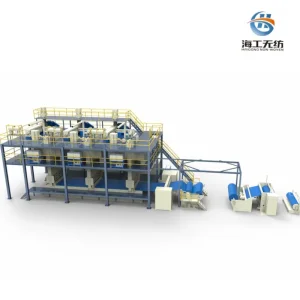
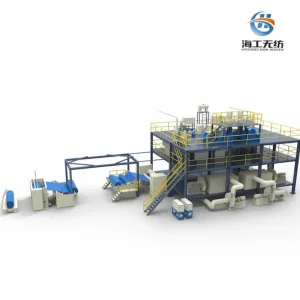
Advanced multi-beam configurations—ranging from single S lines to state-of-the-art SSMMS configurations—have rewritten the rules of tensile strength, barrier performance, and filament uniformity. By implementing positive-pressure drawing systems and computer-controlled thermal bonding calenders, contemporary lines achieve remarkable isotropic physical properties, maintaining high cross-directional (CD) and machine-directional (MD) parity. Understanding these macro shifts is critical for operators looking to deploy high-output plants globally.
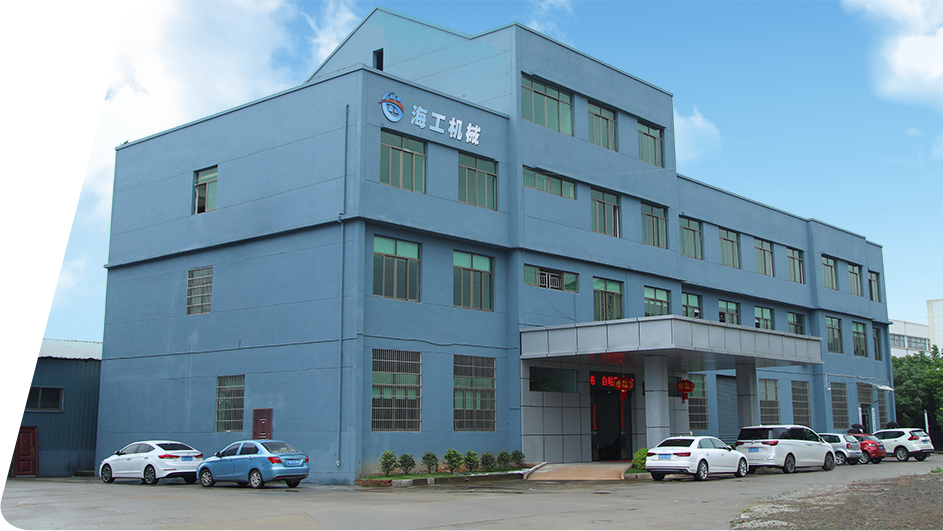
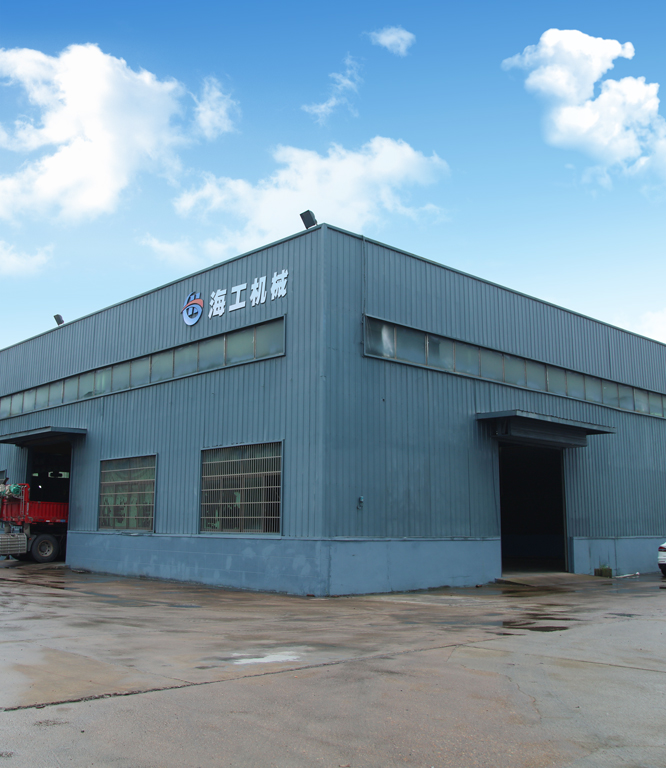
HG Nonwoven Machinery stands at the forefront of this industrial transition. Established as a leading nonwoven fabric making machine manufacturer since 2014, our engineering core is rooted in over 20 years of collective industry experience. We specialize in manufacturing high-efficiency PP spunbond and meltblown lines with complete, one-stop turnkey engineering services.
By introducing advanced 5th Generation spunbond spinning technology from overseas and integrating it with autonomous, market-driven design principles, we deliver machinery lines that boast convenient operation, reduced footprint, low power consumption, and optimal manufacturing economy. Our absolute commitment to environmental sustainability drives our design team to focus on eco-friendly, biodegradable, and recyclable polymer processing setups.
An exploration into the high-precision extrusion, quenching, aerodynamic drawing, and thermal consolidation mechanisms that define our spunbond machinery.
Utilizing high-L/D ratio extruders, the raw polypropylene resin is subjected to precise thermal-shear forces. Integrated continuous filter changers and precise metering pumps ensure an absolutely pulse-free polymer flow to the spinneret, critical for maintaining uniform filament diameter.
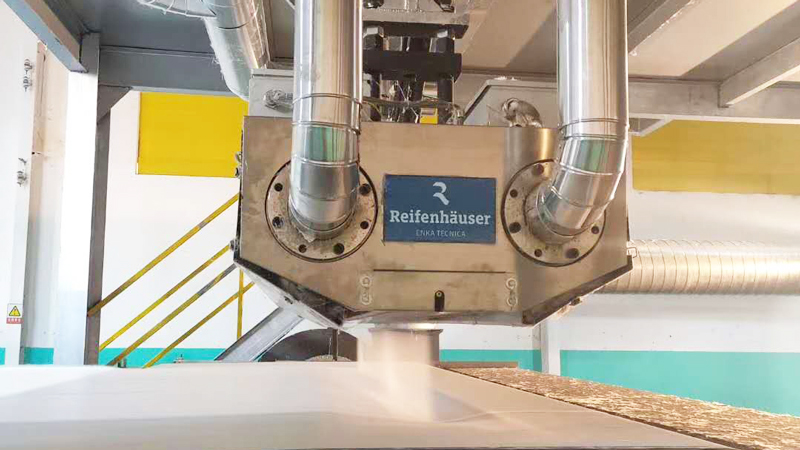
Through our 5th Gen technology, filaments extruded from the spinneret are immediately met with positive-pressure cooling air. This is followed by a narrow, high-speed drawing slot where aerodynamic force stretches the filaments, inducing molecular alignment and outstanding tensile tenacity.
Filaments are uniformly deposited onto the moving web-forming belt. Under controlled temperature and hydraulic pressure, the web passes through a high-precision embossing calender, achieving structural integrity, soft feel, and optimal distribution parameters.
Select from our premium, high-demand machinery configurations engineered to fulfill distinct functional fabric demands.
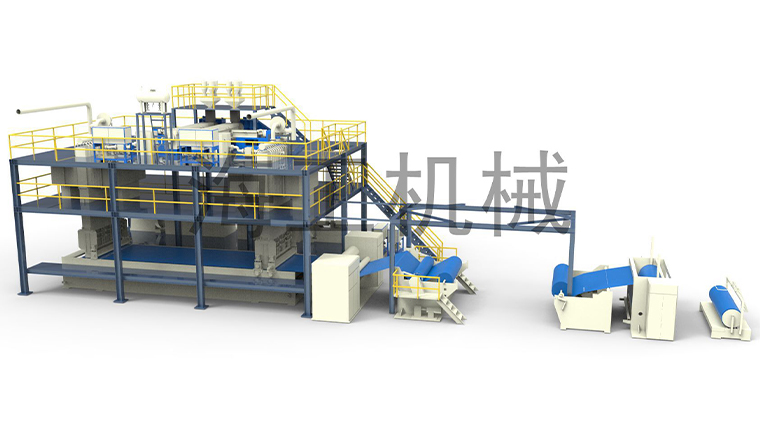
Designed primarily for packaging nonwoven bags, furniture uses, and agricultural fields where tensile strength is paramount.
Discover Line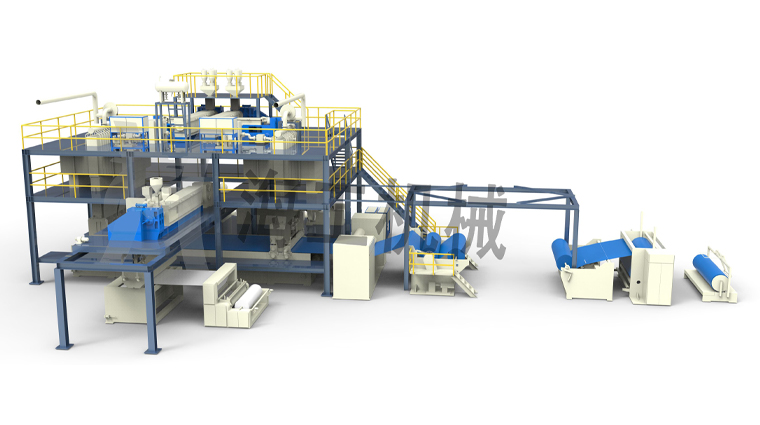
Highly demanded in the medical and hygiene health care fields, delivering optimal bacterial filtration and fluid resistance.
Discover Line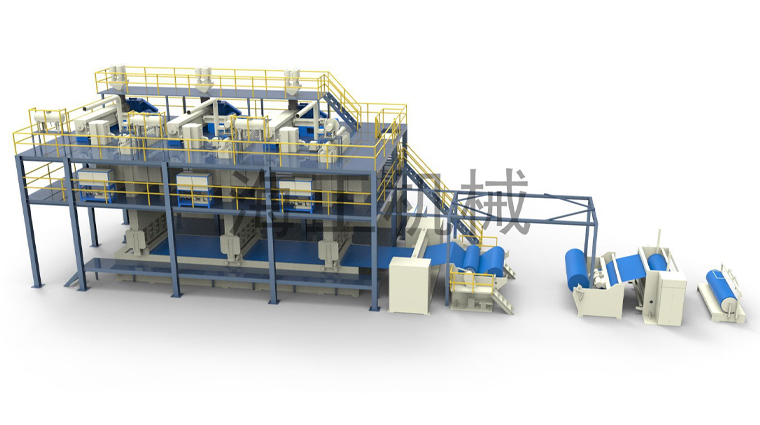
Features 4 structural layers of fabric to deliver significantly higher filtration efficiency compared with standard SMS fabrics.
Discover Line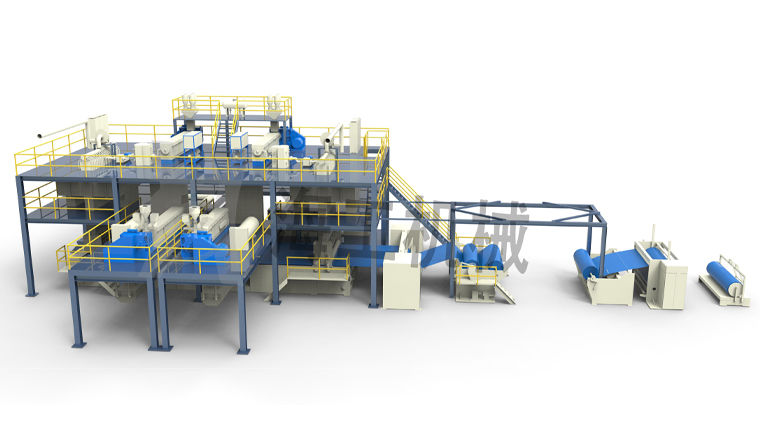
Delivers excellent barrier properties and exceptional performance in terms of softness and comfort for critical medical gowns.
Discover LineAligning our technical nonwoven line capabilities with the stringent demands of global application markets.

Provides soft, breathable, and highly absorbent distribution layers essential for baby diapers, adult incontinence protection pads, and feminine hygiene products.

Delivers critical safety structures for surgical gowns, drapes, wrap sheets, face masks, and surgical towels, ensuring high filtration efficiency, sterility, and breathability.
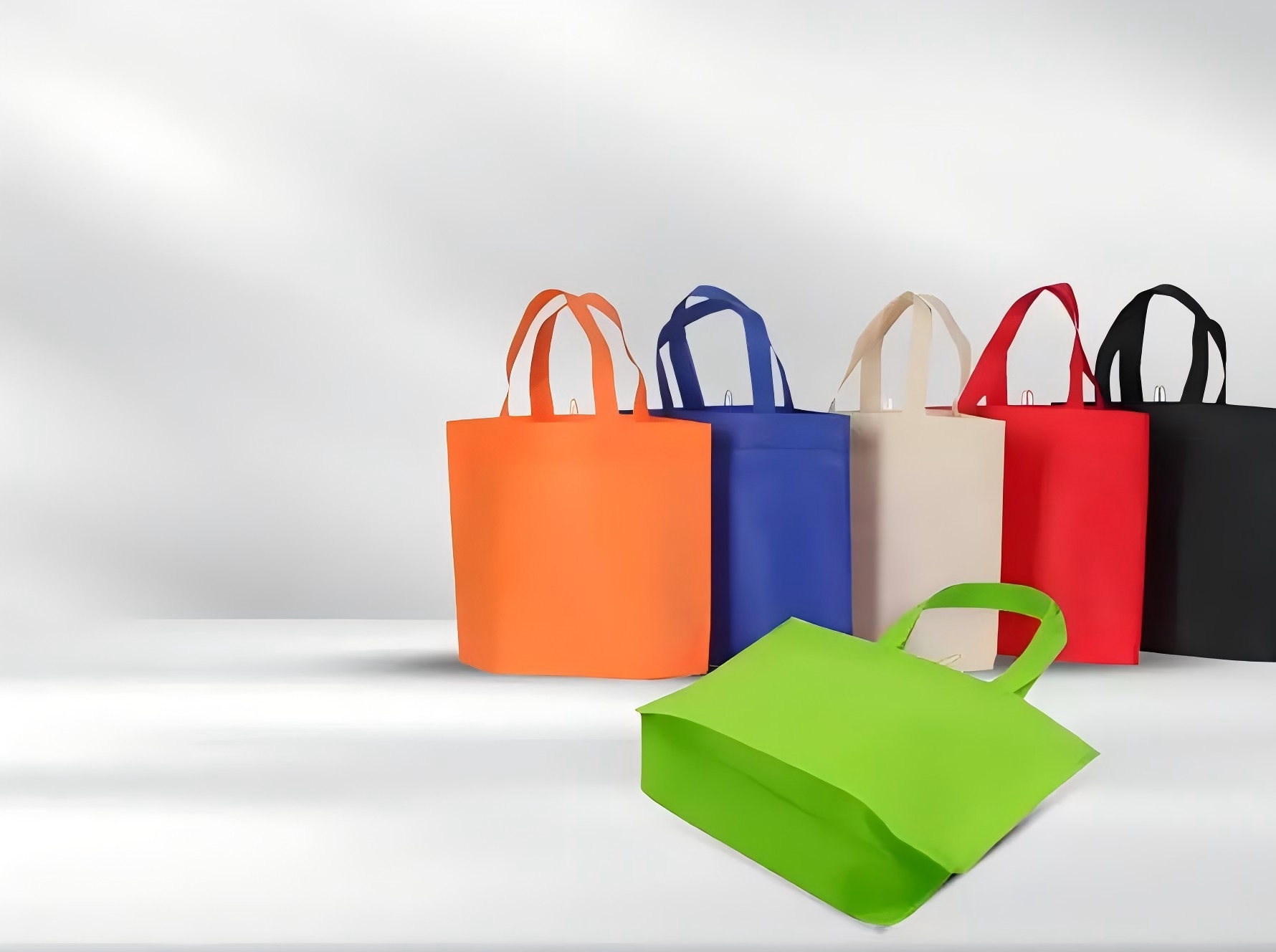
Enables reusable shopping bags, agricultural pocketing, garment dust covers, pharmaceutical packaging, and structural pocket springs for industrial bedding components.
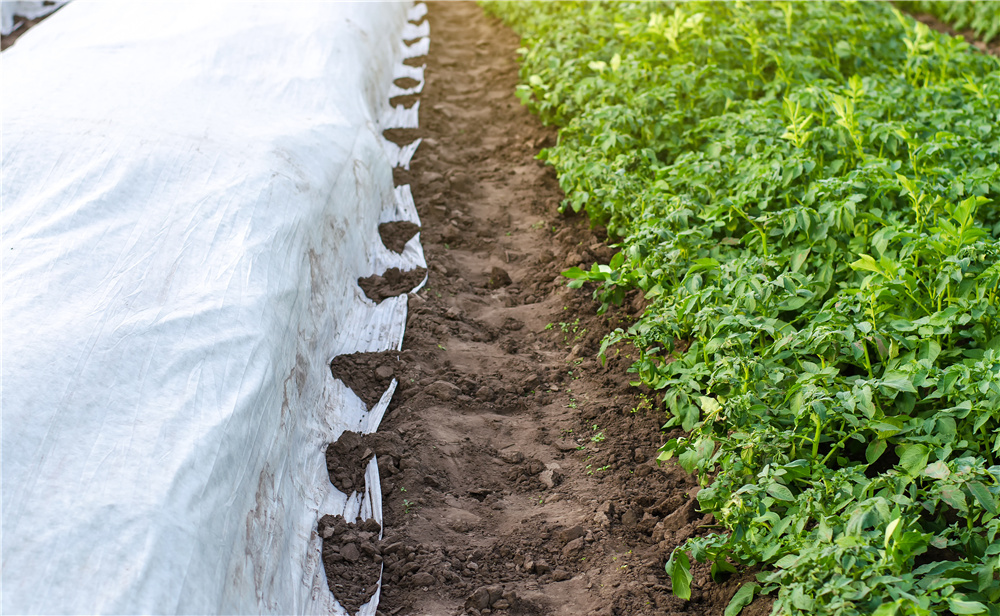
Promotes microclimate cultivation by maintaining thermal retention while allowing moisture/air circulation. Provides UV blocking and crop protection against frost, wind, insects, and birds.
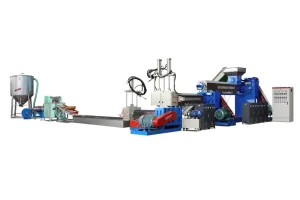
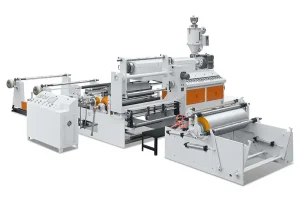
Deploying a spunbond production line requires deep integration of supplementary equipment. HG Nonwoven Machinery guarantees a seamless transition through the engineering lifecycle, supplying not only the base extrusion lines but also integrated downstream machinery. Our product portfolio encompasses polypropylene plastic recycling machines, web slitting-rewinding machines, flexo printing units, and high-performance lamination lines to help you launch production quickly.
By integrating our dedicated edge-trim and waste recycling systems directly back into the feed throat of the extruder, we minimize raw material loss. This closed-loop configuration significantly lowers the overall cost per ton and aligns operations with strict global environmental regulations.
Our design evolution focuses on resource conservation, smart diagnostics, and biodegradable raw material capability.
Optimizing structural air distribution channels and utilizing high-efficiency permanent magnet motors. This configuration reduces overall energy consumption by up to 15% per ton of fabric compared to older systems.
Integrating real-time infrared thickness scanners and air-pressure feedback systems. This allows the line to dynamically adjust drawing slots, maintaining uniform fabric weight (GSM) distributions.
Adapting screw designs and temperature zones to support processing of PLA (polylactic acid) and PBS resins. This helps meet the growing global demand for compostable and bio-based nonwovens.
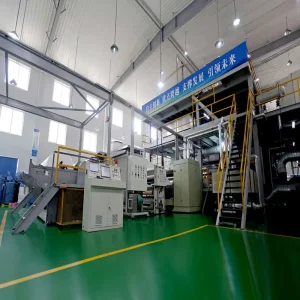
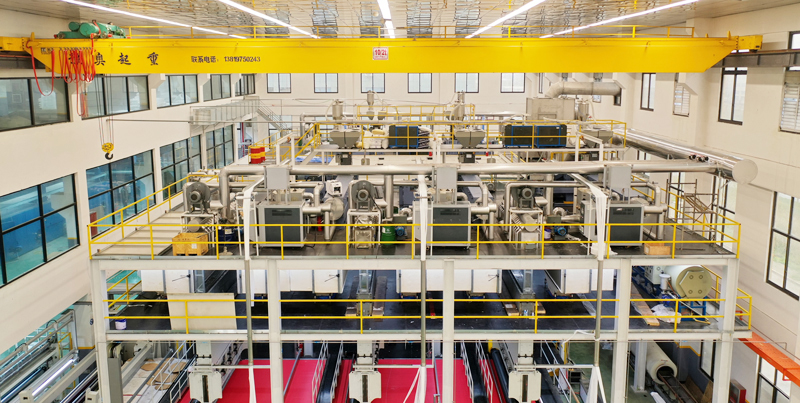
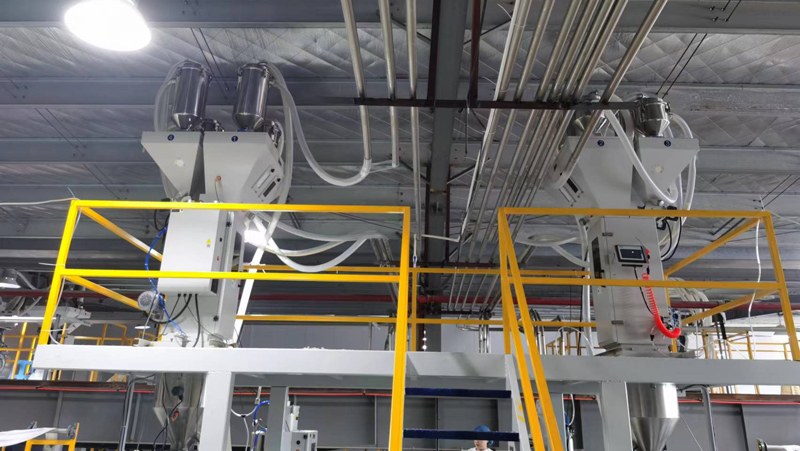
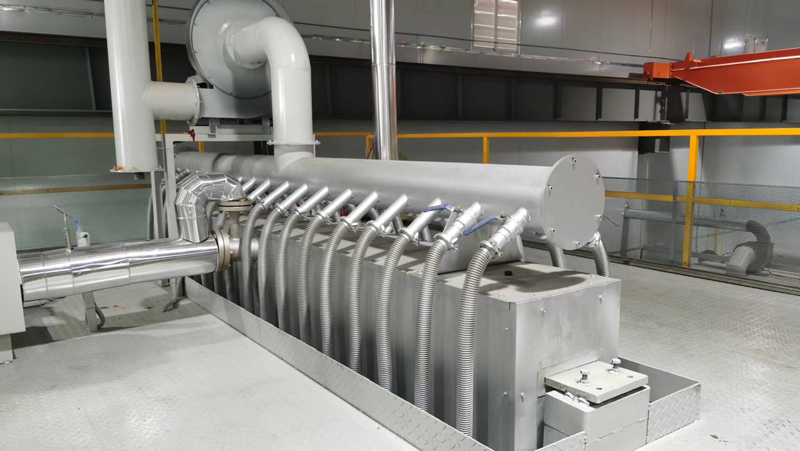
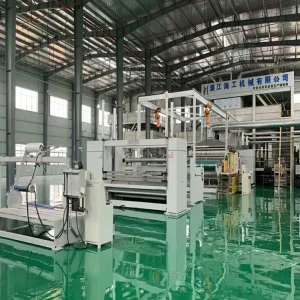
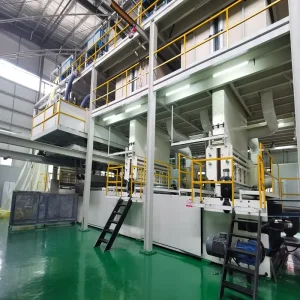
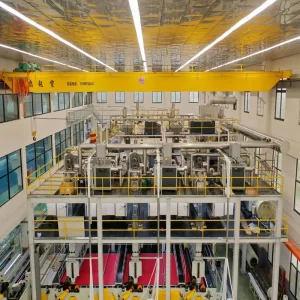
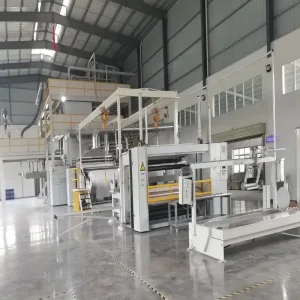
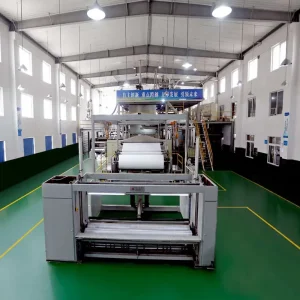
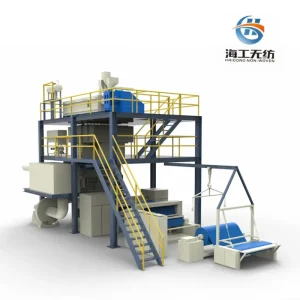
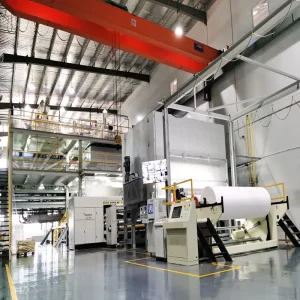
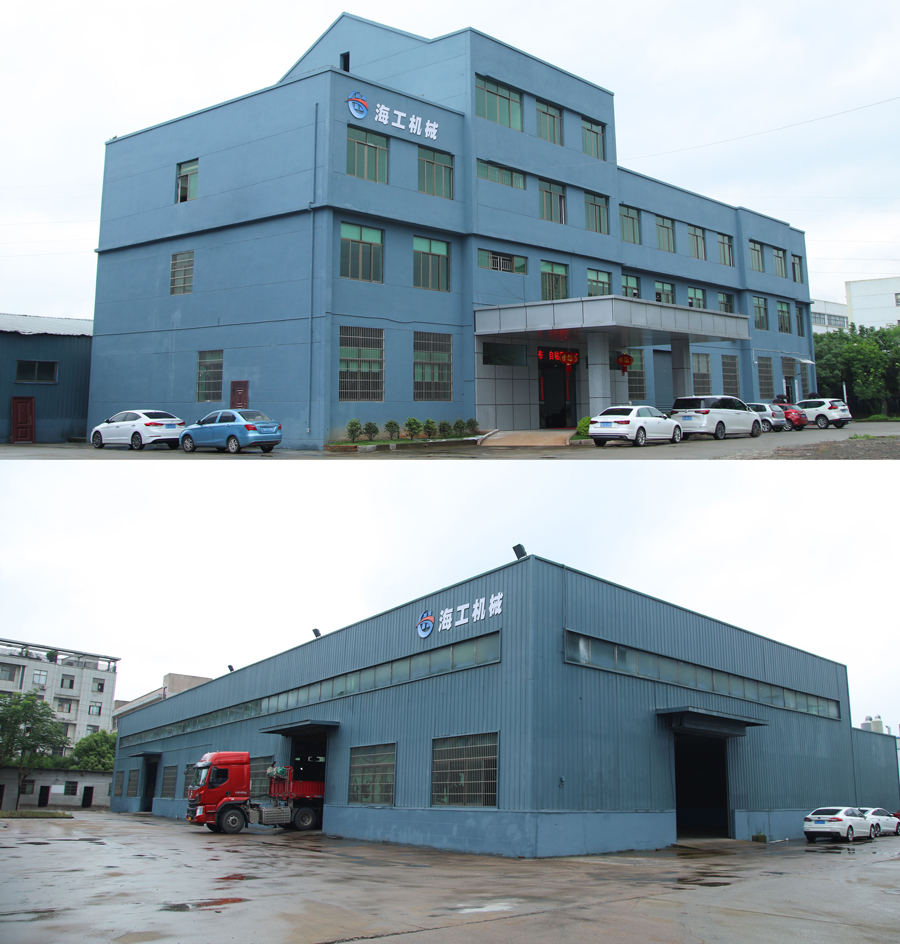
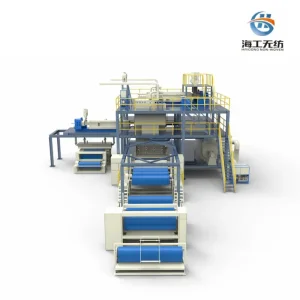
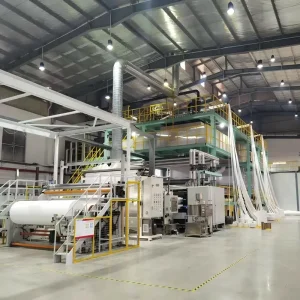
Visual evidence of our industrial scale, engineering precision, and components configuration inside HG Nonwoven factories.
Expert answers to common engineering questions regarding the purchase, operation, and optimization of spunbond machinery.
 HG NONWOVEN