HG NONWOVEN
1 / 1
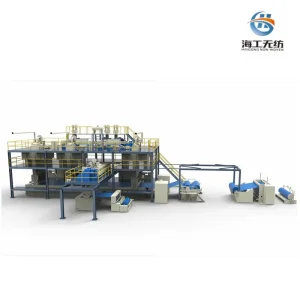
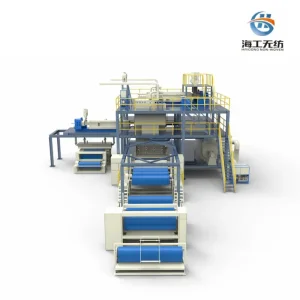
A spunbond nonwoven fabric making line is a specialized production system used to manufacture spunbond nonwoven fabrics. These fabrics are made by extruding continuous filaments of thermoplastic polymers (like polypropylene, polyester, or polyethylene) and bonding them together to form a strong, durable, and lightweight fabric. Spunbond nonwovens are widely used in industries such as hygiene, medical, agriculture, packaging, and geotextiles.
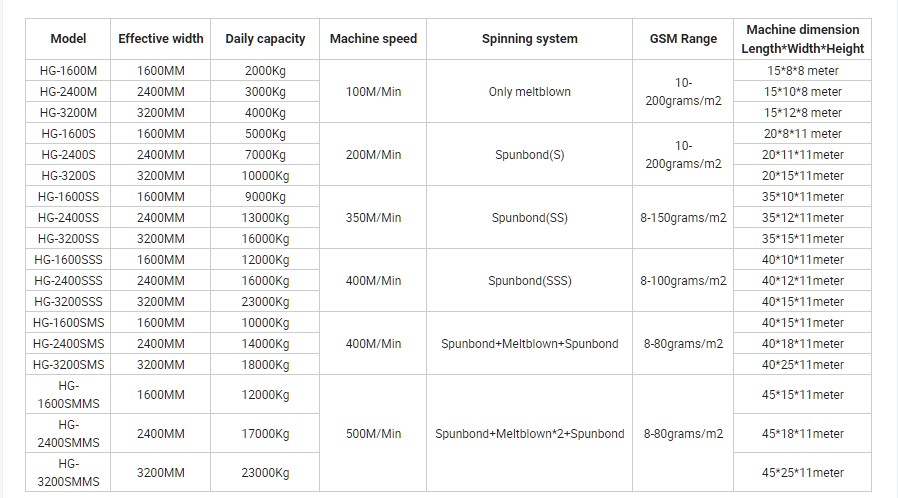
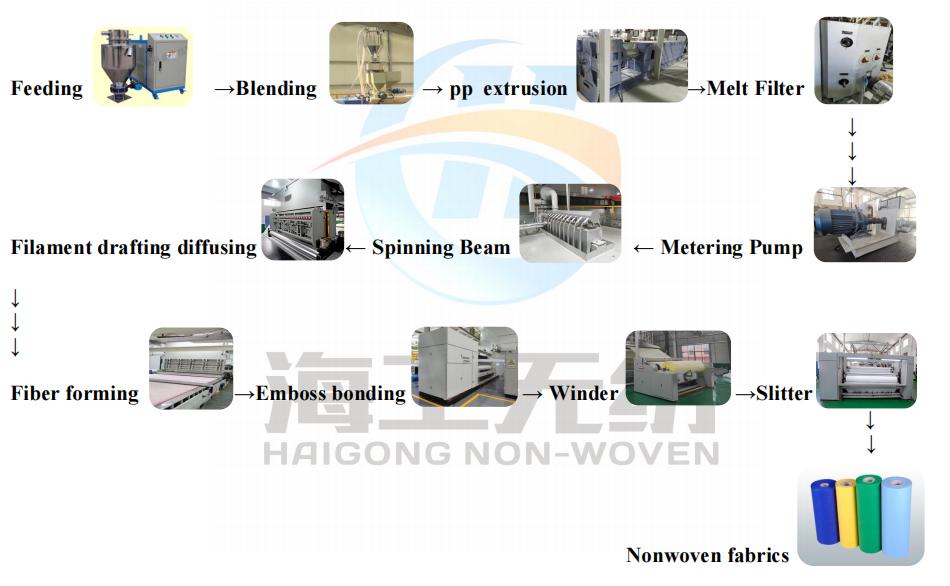
The spunbond nonwoven fabric production process is streamlined to ensure maximum productivity and fabric quality.
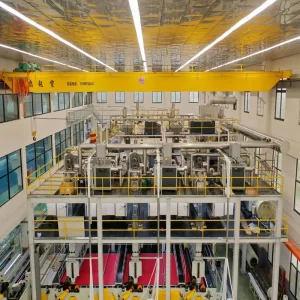
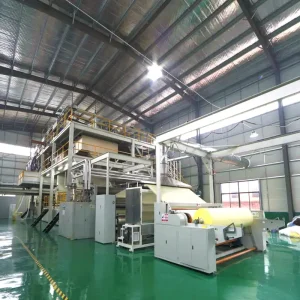
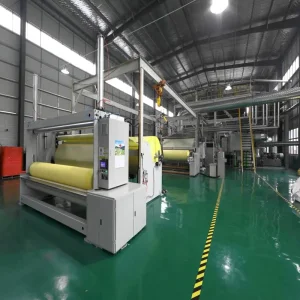
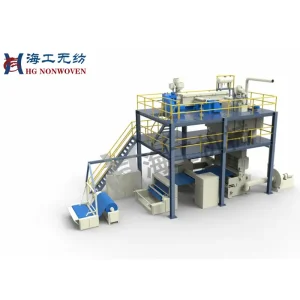
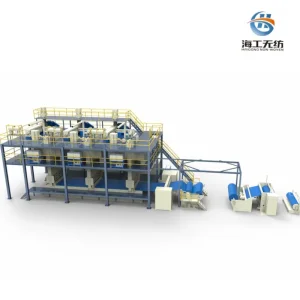
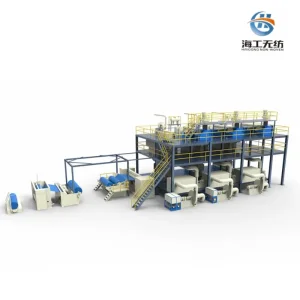
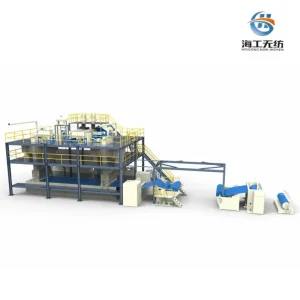
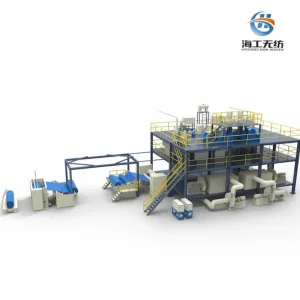
The whole production progress shows in picture as below:
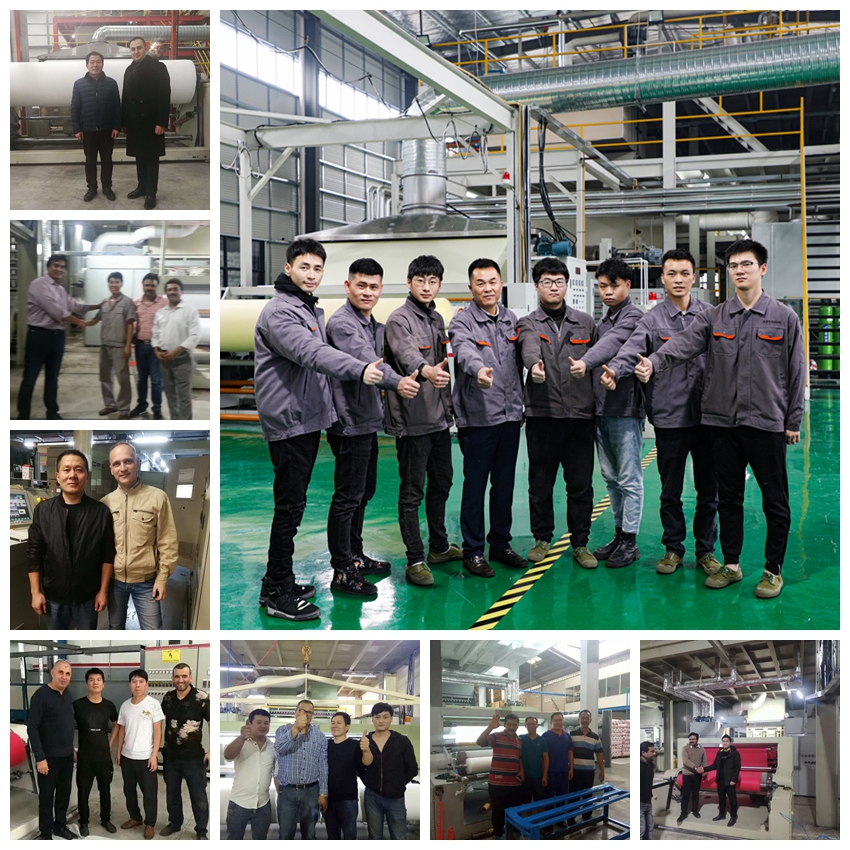
The nonwoven fabric making machines have already successfully exported to 20+ countries and regions, earning a strong reputation for reliability. With more than 300+ production lines installed globally, the technology keeps growing at a steady rate every year.
Spunbond nonwoven fabric is a versatile material widely used across various industries due to its durability, breathability, and cost-effectiveness.
• Crop Covers: Protects crops from pests, extreme weather, and UV radiation.
• Weed Control Fabric: Prevents weed growth while allowing water and nutrients to reach the soil.
• Plant Protection Bags: Shields fruits and vegetables from insects and birds.
• Surgical Masks and Gowns: Provides a barrier against bacteria and fluids.
• Disposable Bed Sheets: Ensures hygiene in hospitals and clinics.
• Diapers and Sanitary Napkins: Offers softness, absorbency, and leak protection.
• Shopping Bags: Durable and reusable alternative to plastic bags.
• Wrapping Material: Protects products during shipping and storage.
• Food Packaging: Keeps food fresh and safe.
• Furniture Backing: Provides a protective layer for sofas and mattresses.
• Bed Linens: Used in mattress covers and pillow protectors.
• Curtain Linings: Adds durability and opacity to curtains.