China Polypropylene Plastic Recycling Machine Supplier, Suppliers

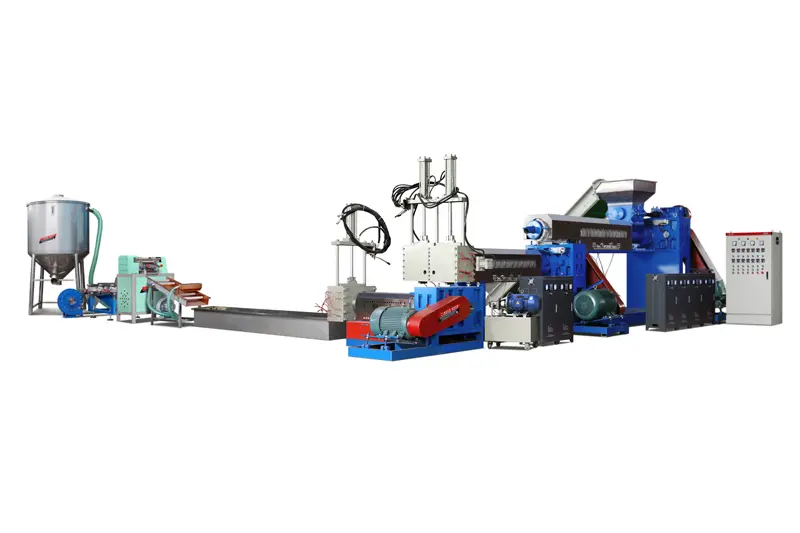
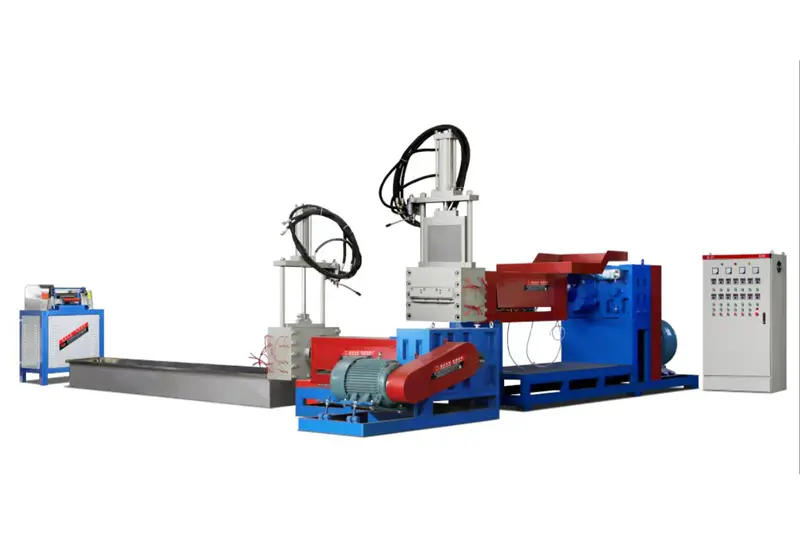
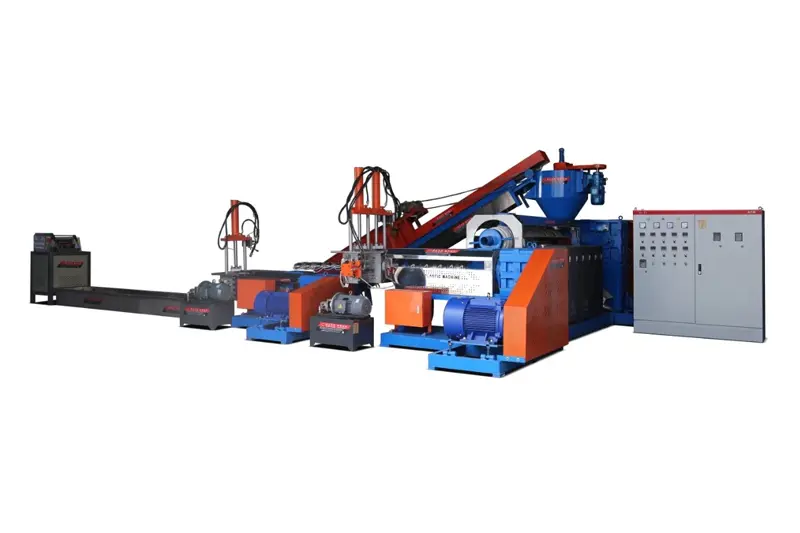
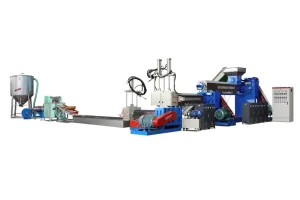
PP plastic recycling machine is an essential piece of equipment that transforms discarded plastic materials into reusable raw materials. This machine not only helps reduce environmental pollution but also supports the circular economy by giving plastic waste a second life.

Product Description

How Does a Plastic Recycling Machine Work?

A plastic recycling machine typically follows these steps:
1
Collection and Sorting: Plastic waste is collected and sorted based on the type of plastic, such as PET, HDPE, or PP. This ensures the machine processes the right materials.
2
Shredding: The collected plastic is fed into the machine, where it is shredded into small pieces or flakes.
3
Washing: These plastic pieces are then thoroughly washed to remove dirt, labels, and any other contaminants.
4
Melting: The clean plastic flakes are heated and melted down into a liquid form.
5
Pelletizing: The melted plastic is formed into small pellets, which can be used as raw materials for manufacturing new plastic products.

Key Equipment and Process

1. Plastic Crusher

A plastic crusher is a machine designed to reduce large plastic waste materials into smaller, more manageable pieces or particles. It is commonly used in the plastic recycling industry to process various types of plastic waste, including plastic bottles, containers, films, pipes, and other products. The plastic crusher works by shredding or crushing the plastic material using rotating blades or knives inside the machine, breaking it down into smaller fragments.
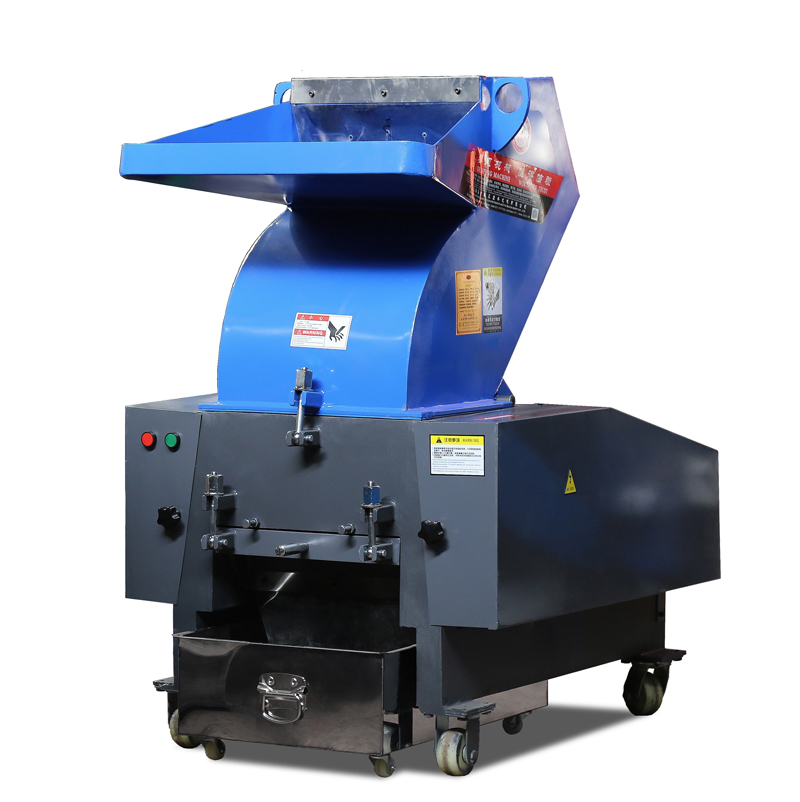
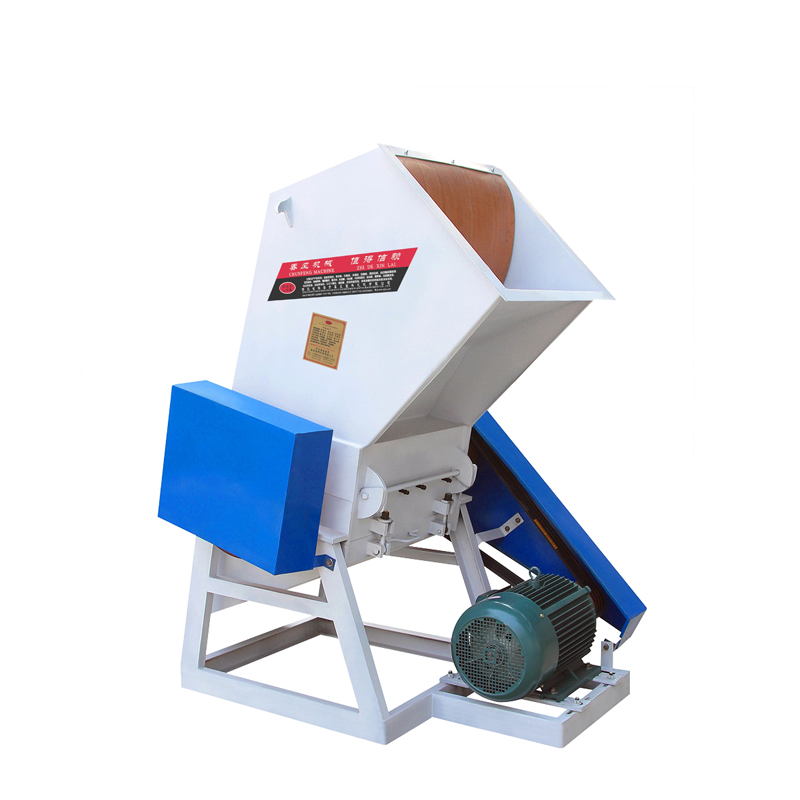
Plastic Crusher Unit
Plastic Crusher Blades
2. Plastic Washing Tank

A plastic washing tank is an essential component in plastic recycling processes, designed for cleaning and separating plastic waste. It typically works by submerging plastic materials in water or a cleaning solution, where contaminants such as dirt, labels, or adhesives are removed. The tank may include mechanisms like agitation, soaking, and scrubbing to ensure thorough cleaning.
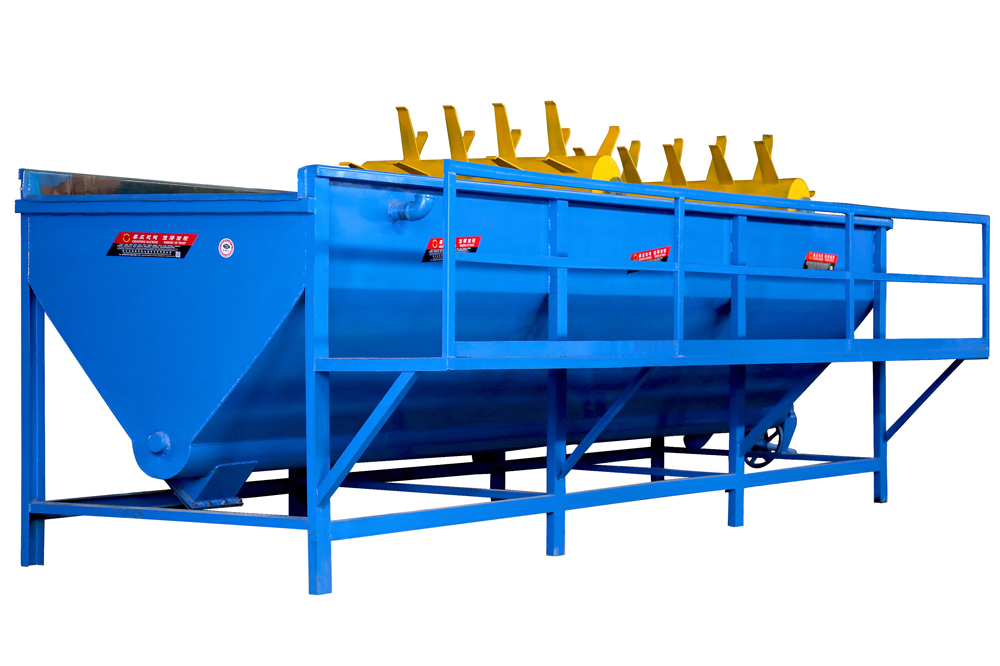
Plastic Washing Tank
3. Plastic Dryer

A plastic dryer is a machine used in the plastic recycling and manufacturing industries to remove moisture from plastic materials before further processing. After plastic materials, such as flakes, pellets, or granules, have been washed (in a plastic washing tank, for example), they often retain moisture. This moisture can affect the quality and properties of the final plastic product.

Plastic dryers use different methods, such as hot air drying, vacuum drying, or centrifugal drying, to eliminate this moisture. Dry plastic material is crucial for processes like extrusion, injection molding, or pelletizing, as excess water can cause defects like bubbles, poor surface finishes, or structural weaknesses in the final product.
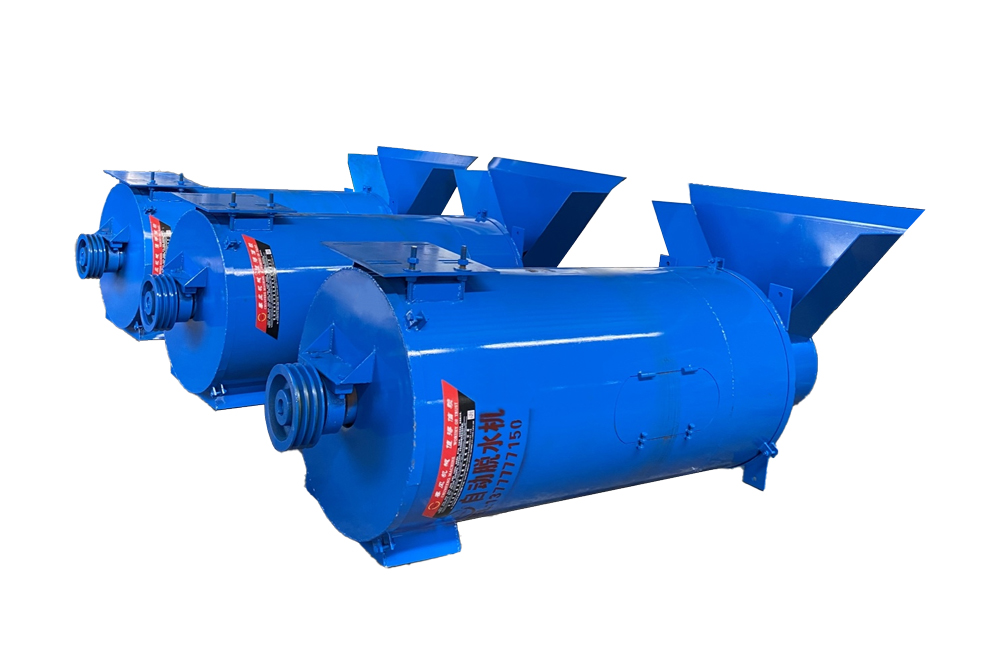
Plastic Drying System
4. Plastic Granulator

A plastic granulator is a machine designed to break down large pieces of plastic waste into smaller, more manageable granules or flakes for recycling and reuse. It is commonly used in plastic processing plants and recycling facilities to reduce plastic products, scrap, or manufacturing waste into uniform particles. These granulated plastic materials can then be melted down and reprocessed into new products.
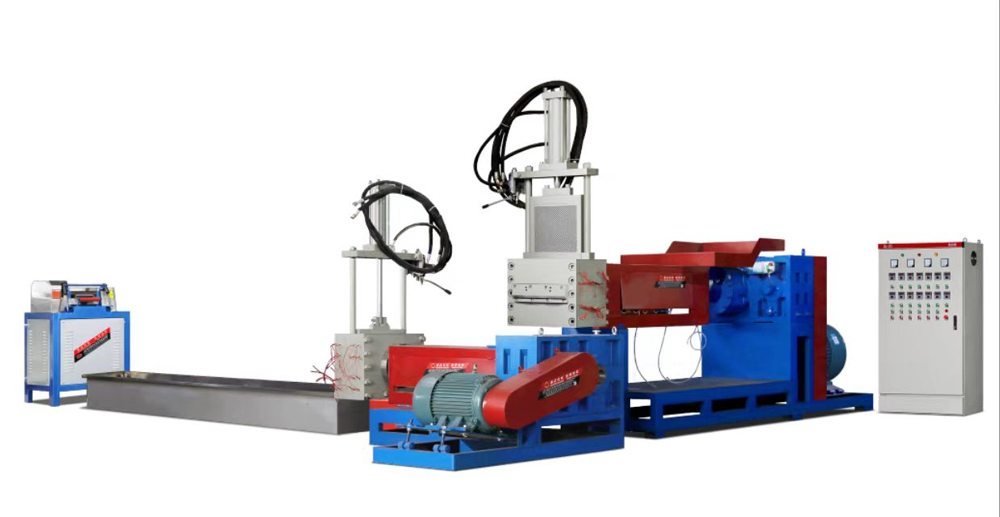
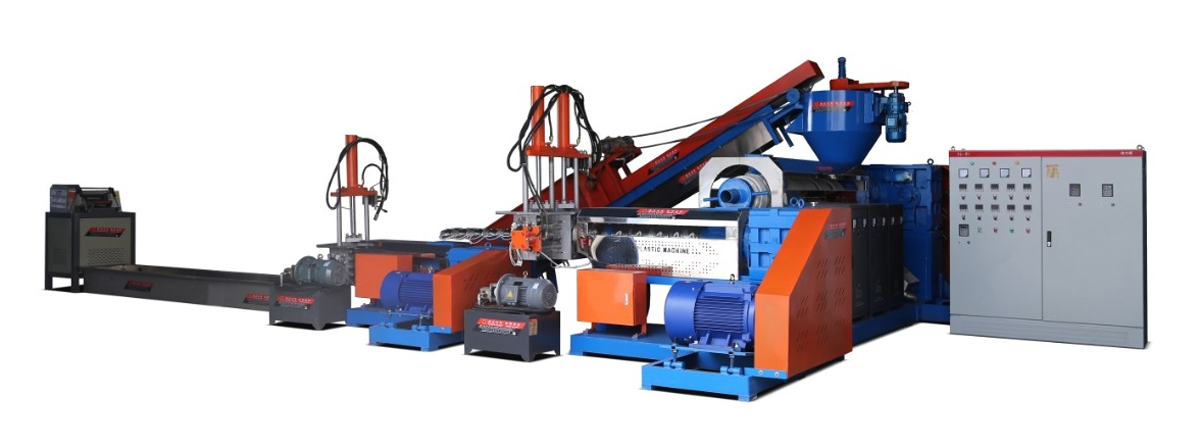
Plastic Granulator Machine
Granulator Output
Frequently Asked Questions
What types of plastic can be processed by these machines?
Most common industrial and consumer plastics can be processed, including PET bottles, HDPE containers, LDPE films, and PP products.
Why is the washing process so important in plastic recycling?
Washing removes critical contaminants like organic waste, paper labels, and chemical residues which could degrade the quality of the final recycled plastic.
Does the plastic dryer affect the final product quality?
Yes, moisture can cause structural defects and surface imperfections. Thorough drying ensures the material is ready for high-quality extrusion and molding.
What is the difference between a crusher and a granulator?
A crusher is typically used for the initial reduction of large waste items, while a granulator produces more uniform, smaller particles suitable for direct reprocessing.
Can the output pellets be used immediately for manufacturing?
Yes, once the plastic has been pelletized and cooled, it serves as high-quality raw material for new plastic manufacturing processes.
Are these machines compatible with different production scales?
The modular nature of this equipment allows for configurations ranging from small-scale recycling units to high-capacity industrial production lines.

Related Products