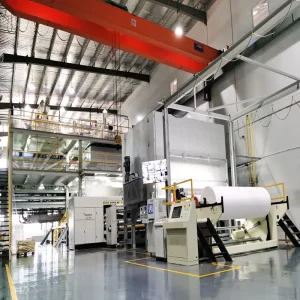
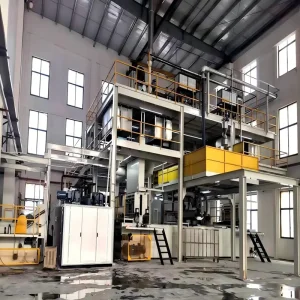
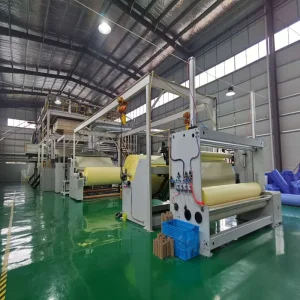
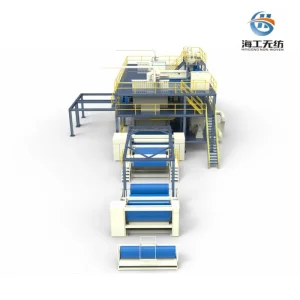
Explore our cutting-edge manufacturing solutions designed for high efficiency, durability, and customized widths.
In the modern synthetic textile sector, PET (Polyethylene Terephthalate) spunbond nonwoven machinery occupies a critical technological position. Unlike polypropylene (PP), PET boasts a higher melting point (exceeding 260°C), superior tensile strength, thermal stability, and exceptional resistance to chemical corrosion. As industries shift toward high-performance materials, the demand for PET spunbond machinery has scaled globally.
Historically, European OEMs dominated the high-end machinery landscape. However, the international industrial paradigm has transitioned. China's nonwoven engineering ecosystem has matured from basic copycat structures to independent innovators. Through consistent R&D investments, Chinese manufacturers now offer comparable mechanical performance and thermal efficiency, combined with significant cost advantages. Today, global enterprises look to Chinese suppliers for robust, turnkey production lines capable of continuous duty cycles and optimized energy configurations.
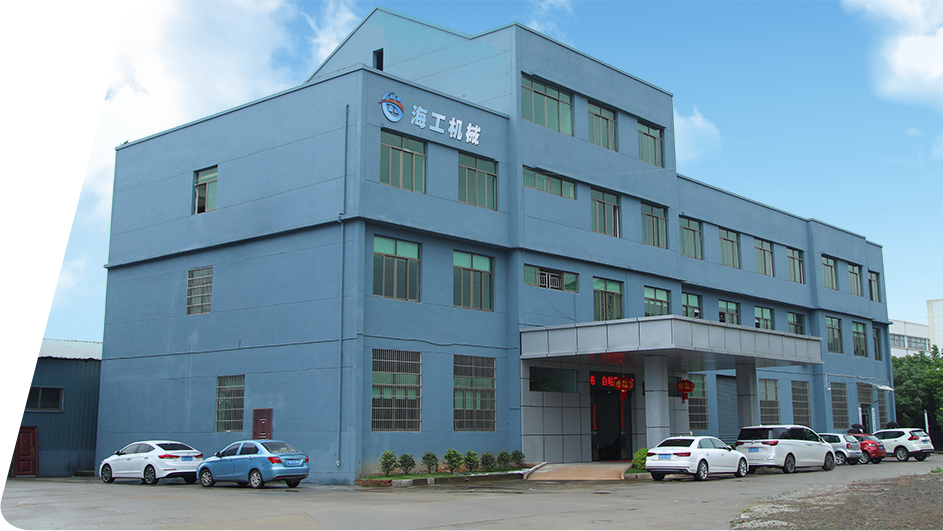
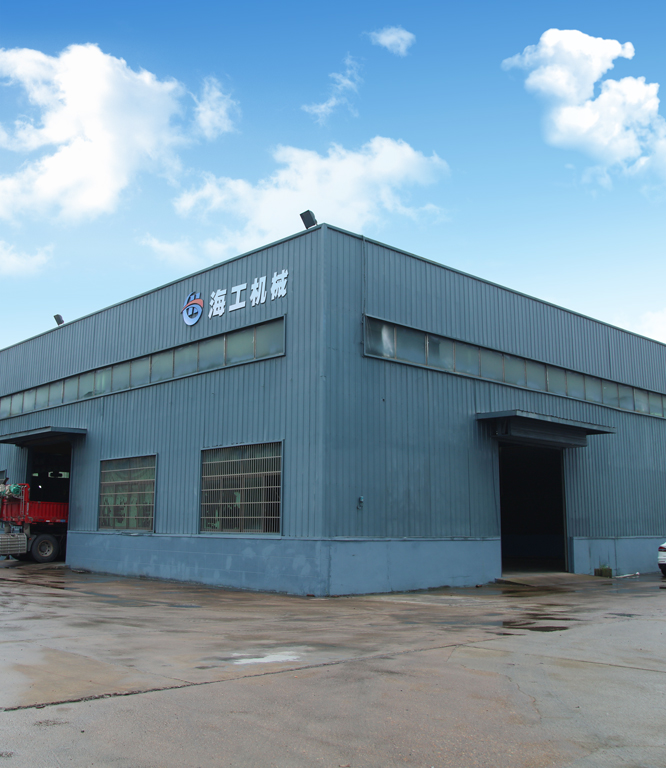
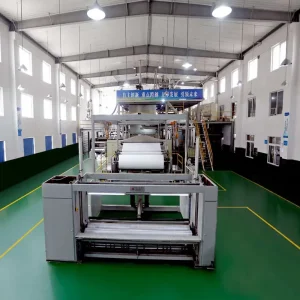
Pujiang HG Nonwoven Machinery is a premier manufacturing enterprise specializing in the R&D, assembly, and turnkey execution of PP spunbond, meltblown, and composite (SMS, SMMS, SSMMS) nonwoven production systems. Incorporating over two decades of design expertise, we introduced our pioneering 5th Generation Spunbond Spinning Technology.
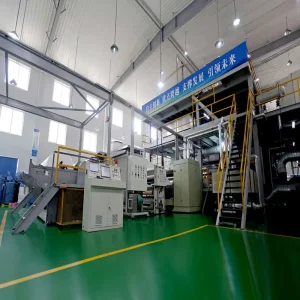
By integrating international technical design benchmarks with domestic operational agility, HG Machinery designs lines characterized by smaller spatial footprints, highly automated human-machine interfaces (HMI), and decreased per-ton energy consumption. Our focus is squarely on assisting global manufacturers in establishing stable, eco-friendly, and highly profitable nonwoven production infrastructures.
Our commitment to precision engineering ensures our machinery remains at the forefront of the synthetic textile industry.
Utilizes an optimized spinneret hole density and an advanced slot-drafting configuration, generating highly uniform fiber distribution. This guarantees balanced MD (Machine Direction) and CD (Cross Direction) tensile strengths.
Features integrated thermal recapture circuits within the primary extrusion zone and the hot-air drafting blower system, reducing total kilowatt consumption by up to 15% compared to legacy architectures.
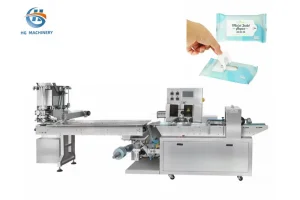
We provide unified integration: from polymer crystallizers and dosing mixers to slitting winders, auxiliary nonwoven recycling machines, flexo printing lines, and downstream bag-making systems.
Procuring heavy machinery from China is no longer merely a cost-saving measure; it is a strategic business decision centered on speed, scalability, and robust supply chain resilience. The Chinese manufacturing landscape offers distinct advantages that cannot be replicated elsewhere:
From high-torque reduction gears to precision heating elements, every component is sourced within a 100-kilometer radius of our assembly base. This drastically reduces production lead times and keeps component replacement costs low.
Our engineering teams are structured to complete fabrication, pre-assembly, and dry-run testing in-house before shipment. This reduces on-site installation times by up to 30%, allowing your business to begin production quickly.
Whether you require narrow-width lines (1600mm) for niche agricultural covers or high-speed, wide-width configurations (3200mm) for bulk industrial supply, we design and adapt machinery to suit your exact factory layout.
Selecting the ideal nonwoven machine line tailored to your regional market demands.

Essential for producing premium diaper top-sheets, feminine hygiene lines, and adult incontinence pads. Our machines deliver high softness, excellent fluid permeability, and zero skin irritants.

Provides critical barrier properties for masks, surgical drapes, and hospital gowns. Our multi-beam lines (SMS/SMMS) ensure high particulate and bacterial filtration efficiency.

Optimized for eco-friendly shopping bags, pocket spring wraps, and agricultural packaging. High durability and tear resistance ensure prolonged reuse, supporting green initiatives.
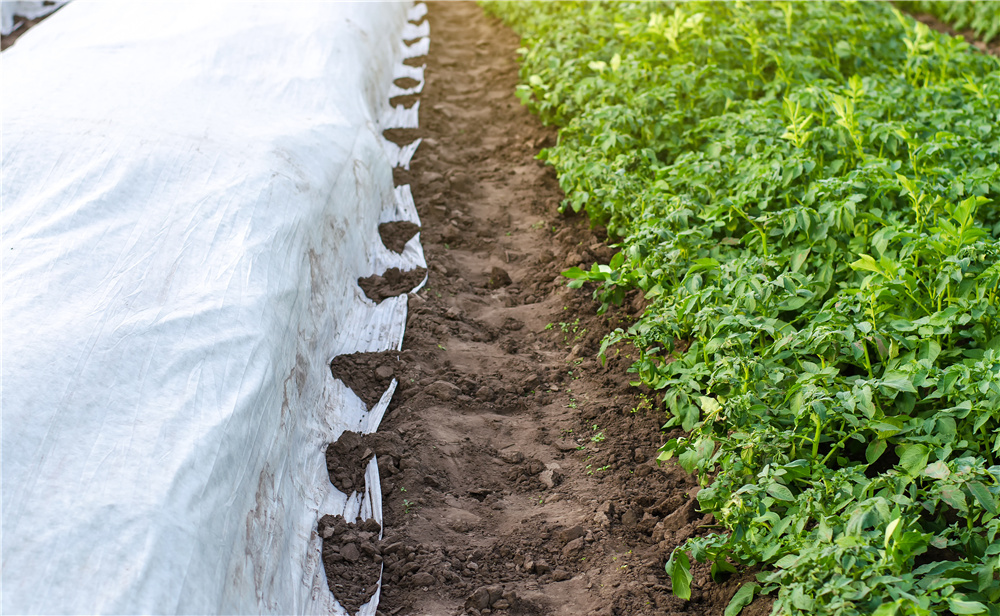
Engineered for crop covers, frost protection, and weed control. Balanced water and air permeability create optimal microclimates while shielding crops from pests and UV radiation.
Our top-performing production lines currently operating in major manufacturing hubs worldwide.
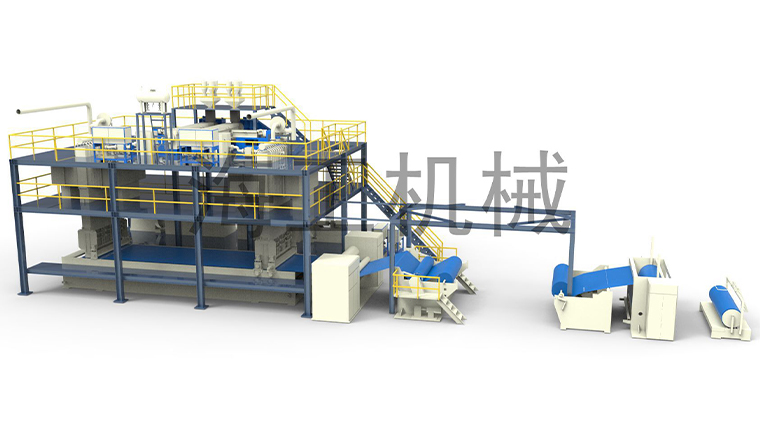
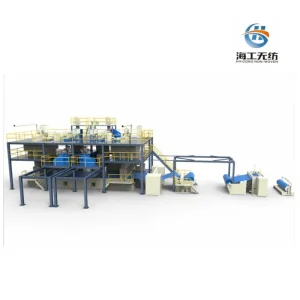
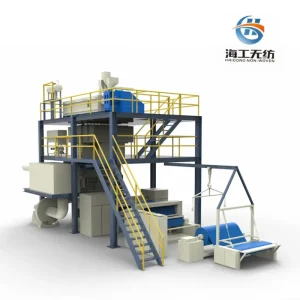
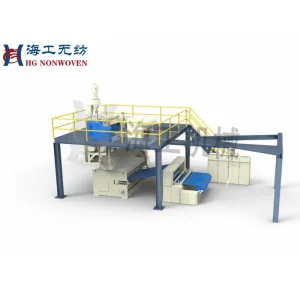
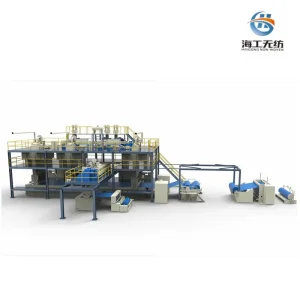
S/SS PP Nonwoven Fabric Making Machine
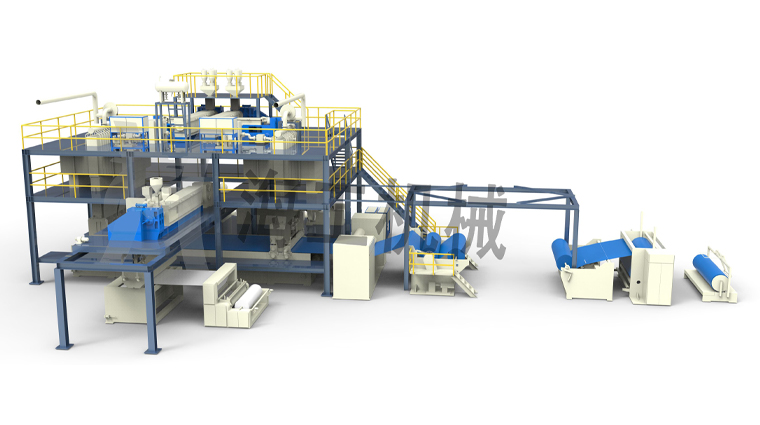
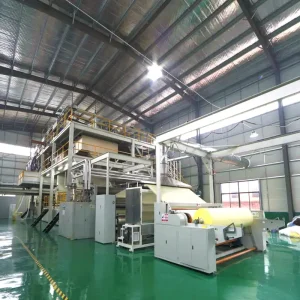
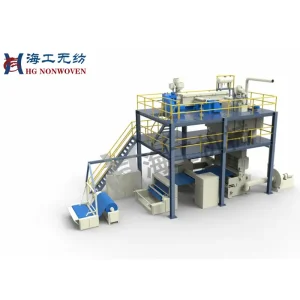
SMS Spunbond and Meltblown Nonwoven Machine
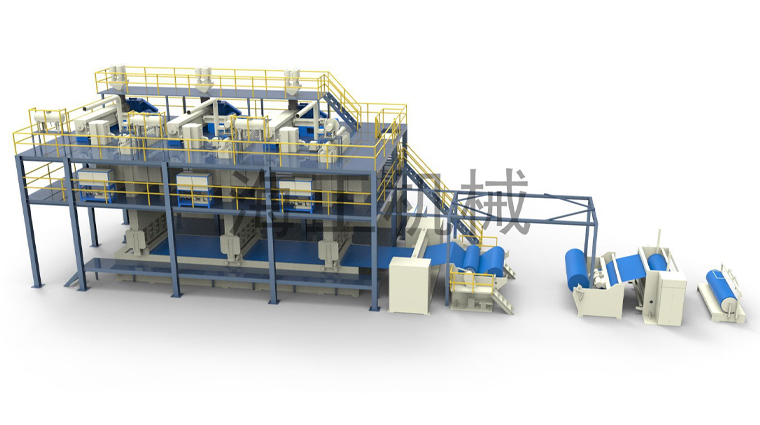
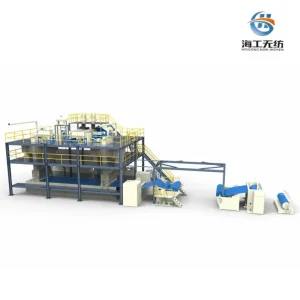
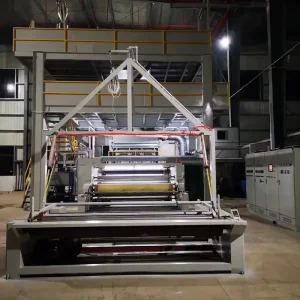
SMMS Nonwovens Production Machine
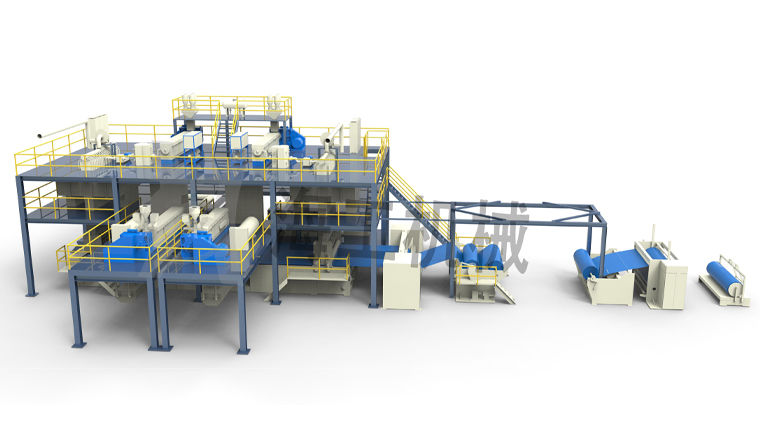
SSMMS Polypropylene Spunbond Nonwoven Production Line
The nonwoven industry is undergoing rapid regulatory and consumer changes. As global carbon policies tighten, manufacturers must future-proof their operations. Key trends shaping the future of nonwoven manufacturing include:
Modern spunbond machines must be engineered to process bottle flakes and recycled PET chips without experiencing spin-pack clogging. Specialized crystallization and degassing extruders are key to achieving consistent quality with recycled feedstock.
Processing PLA (Polylactic Acid) and PBS (Polybutylene Succinate) requires precise thermal profiling. HG’s 5th Gen extrusion configurations are designed to easily switch from classic PP/PET polymers to bio-based materials, avoiding thermal degradation.
By using real-time IoT sensors throughout the line, our control systems optimize raw material usage, track temperature profiles, and offer predictive maintenance suggestions, reducing downtime and waste.
For procurement managers and operations directors, acquiring a nonwoven production line involves balancing initial capital expenditures (CAPEX) with long-term operating costs (OPEX). Key criteria to analyze include:
Addressing the technical, operational, and financial queries of global industrial buyers.
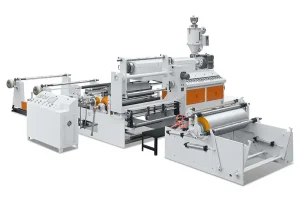
Explore our wide-ranging machinery catalog for specialized nonwoven packaging, lamination, and conversion lines.
 HG NONWOVEN