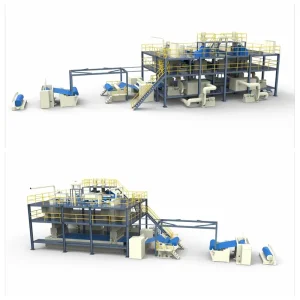
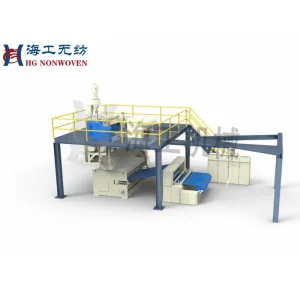
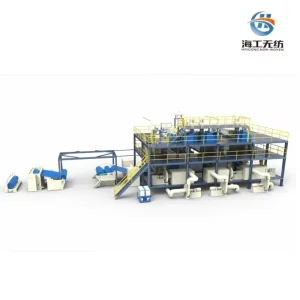
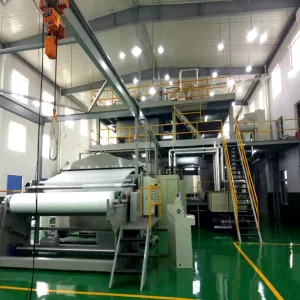
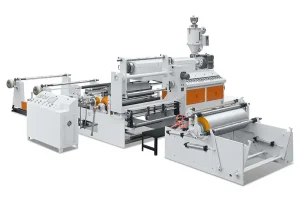
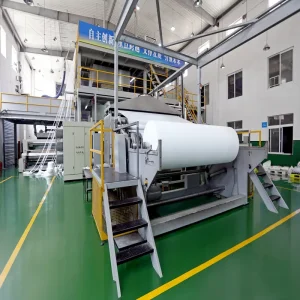
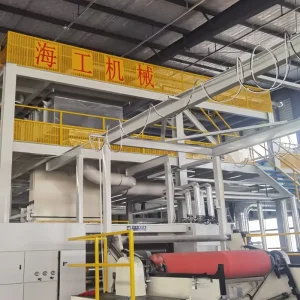
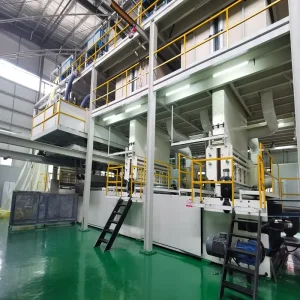
China Polypropylene Spun Bond Nonwoven Machine Supplier, Factory

PP nonwoven fabrics, made from polypropylene (PP), are materials that do not require weaving or knitting processes. Instead, they are created by bonding fibers through thermal, mechanical, or chemical means. This results in fabrics that are highly breathable, durable, and resistant to wear and tear. The rise of polypropylene spunbond nonwoven fabric has revolutionized sectors like hygiene products, medical supplies, and even industrial applications where strength and resistance are critical.

Product Description

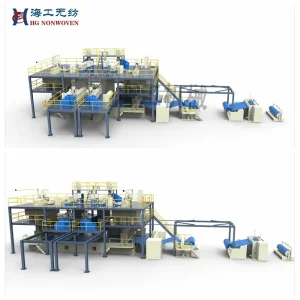
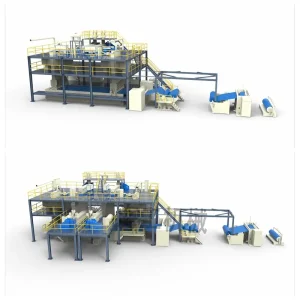
The Essential Role of PP Nonwoven Fabric Making Machines

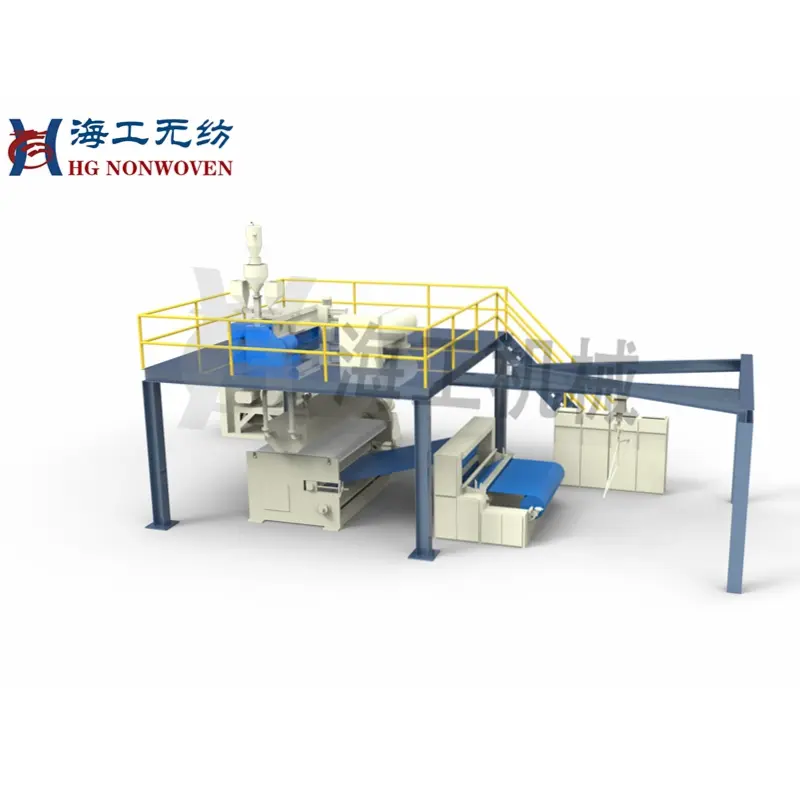
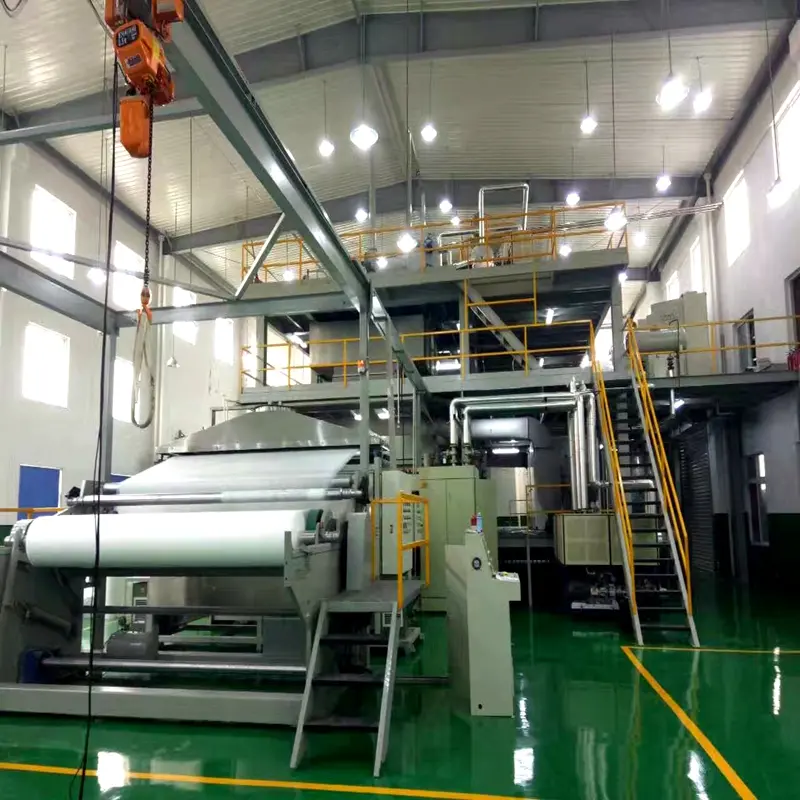
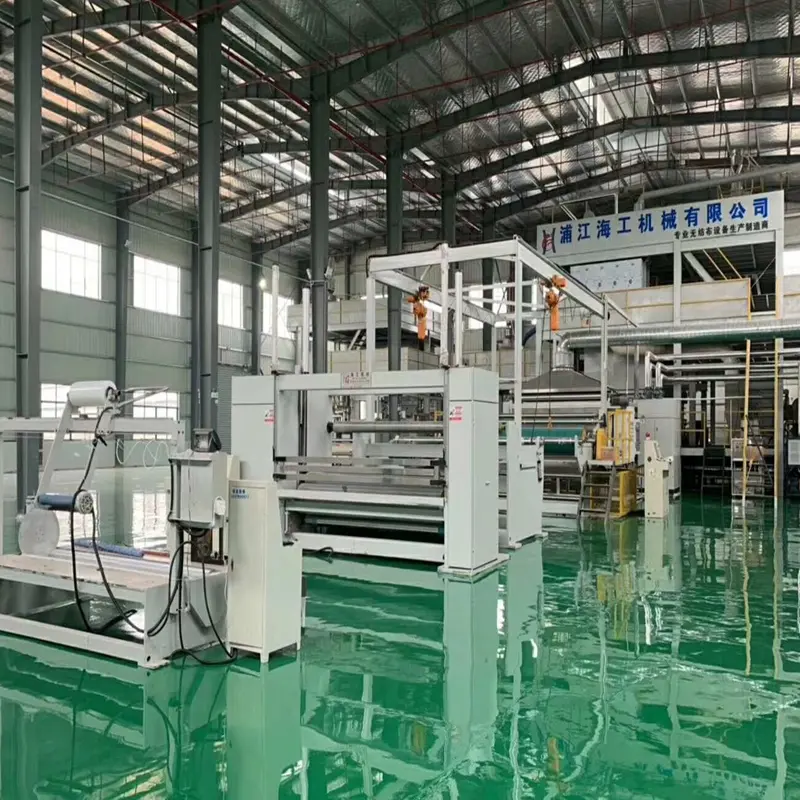
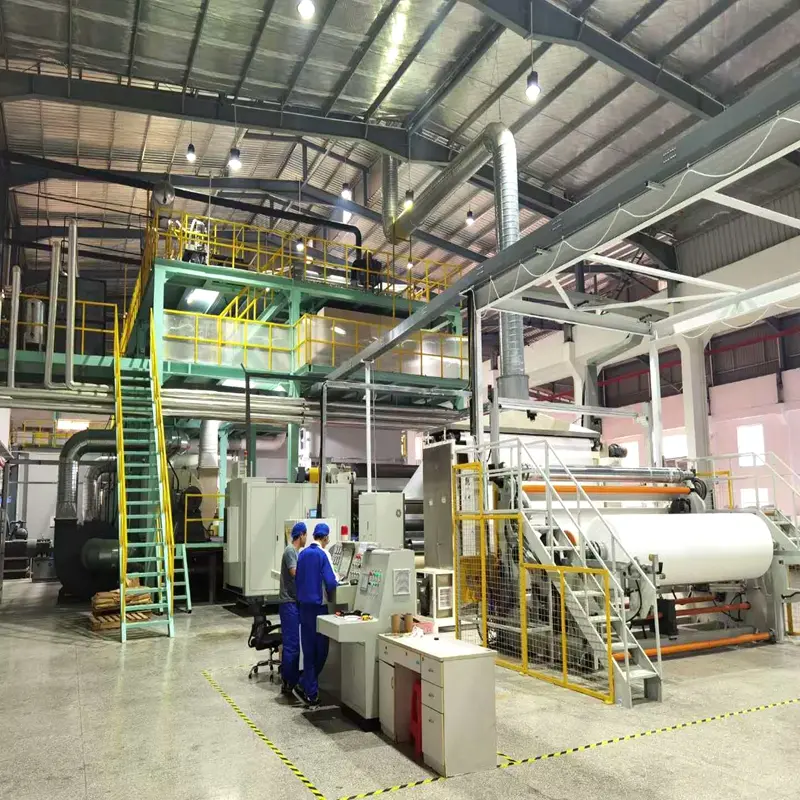
PP nonwoven fabric making machines are essential systems that enable the production of high-quality, durable, and versatile nonwoven fabrics. These fabrics have become indispensable across various industries such as healthcare, packaging, agriculture, and construction, thanks to their lightweight properties, cost-effectiveness, and strength.

PP Nonwoven Fabric Making Machines: How Do They Work?

A PP nonwoven fabric making machine is designed to process polypropylene into fine webs of fibers that are then bonded together. Using advanced melt extrusion processes, the machine transforms the PP resin into a thin fabric web.
1
Polymer Feeding: The polypropylene resin is fed into the extrusion system.
2
Extrusion: The polymer is melted and extruded into continuous filaments.
3
Web Formation: The filaments are laid onto a conveyor belt in a random or controlled pattern.
4
Bonding: Webs are bonded via thermal bonding, mechanical entangling, or chemical treatment.
5
Finishing: The fabric is rolled and cut into the desired size for various applications.

Applications of PP Nonwoven Fabrics

Medical & Hygiene

Used in disposable medical products such as surgical masks, gowns, drapes, and hygiene products like diapers. Their breathable nature and liquid-blocking capabilities ensure sterility and safety.

Agriculture

Used for weed control, crop covers, and plant barriers. The material allows air and water permeability, creating a favorable microclimate while protecting against pests.

Packaging

PP nonwoven bag making machines produce reusable, durable, and eco-friendly bags, helping businesses reduce environmental impact compared to traditional plastic.

The Advantages of PP Nonwoven Fabrics

Strength and Durability: Maintains integrity even under harsh outdoor and industrial conditions.

Cost-Effectiveness: Simpler manufacturing processes allow for efficient mass production at a lower cost.

Lightweight and Flexible: Extremely easy to handle and highly customizable for specific industrial or consumer needs.

Sustainability: Recyclable and reusable, promoting environmental responsibility across industries.
The Future of PP Nonwoven Fabric Machinery

As industries prioritize efficiency and sustainability, demand for PP nonwoven fabric machines continues to grow. Advances in machinery are expected to further streamline production and improve fabric quality. Particularly, polypropylene melt blown nonwoven machines have become crucial for high-efficiency filtration products like face masks and air filters.
Conclusion: Investing in PP nonwoven fabric machinery is a strategic move for manufacturers looking to lead in a competitive market. These machines offer the efficiency and scalability required for the future of fabric manufacturing, whether for medical supplies, industrial fabrics, or eco-friendly packaging.

Frequently Asked Questions

1. What is a PP nonwoven fabric making machine?
It is an industrial system that transforms polypropylene resin into nonwoven fabric through a process of extrusion, filament laying, and bonding.
2. What are the main types of bonding used in these machines?
Common bonding methods include thermal bonding (using heat), mechanical entangling (needle punching), and chemical treatment to fuse fibers together.
3. Why is PP nonwoven fabric used in medical settings?
Because it is breathable, liquid-resistant, and cost-effective, making it ideal for single-use sterile products like masks, surgical gowns, and drapes.
4. Are nonwoven fabrics environmentally friendly?
Yes, polypropylene spunbond nonwoven fabrics are recyclable and can be used to create reusable products like shopping bags, reducing plastic waste.
5. Can the machine adjust fabric thickness?
Yes, modern PP nonwoven machinery is highly customizable, allowing operators to adjust the density, thickness (GSM), and strength of the final fabric.
6. What is the difference between Spunbond and Melt-blown?
Spunbond creates stronger, more durable fabrics for bags and agriculture, while Melt-blown creates finer fibers ideal for high-performance filtration in medical masks.

Related Products