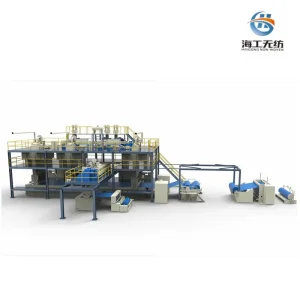
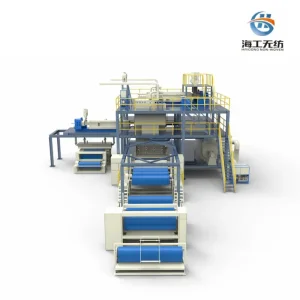
China PP Spunbond Non Woven Manufacturing Machine Supplier, Suppliers
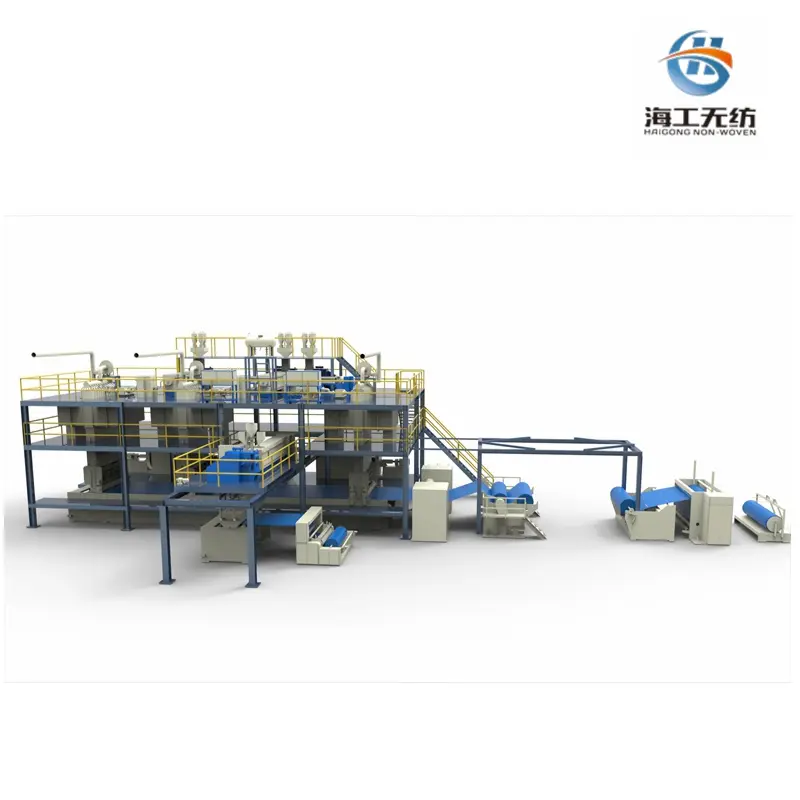
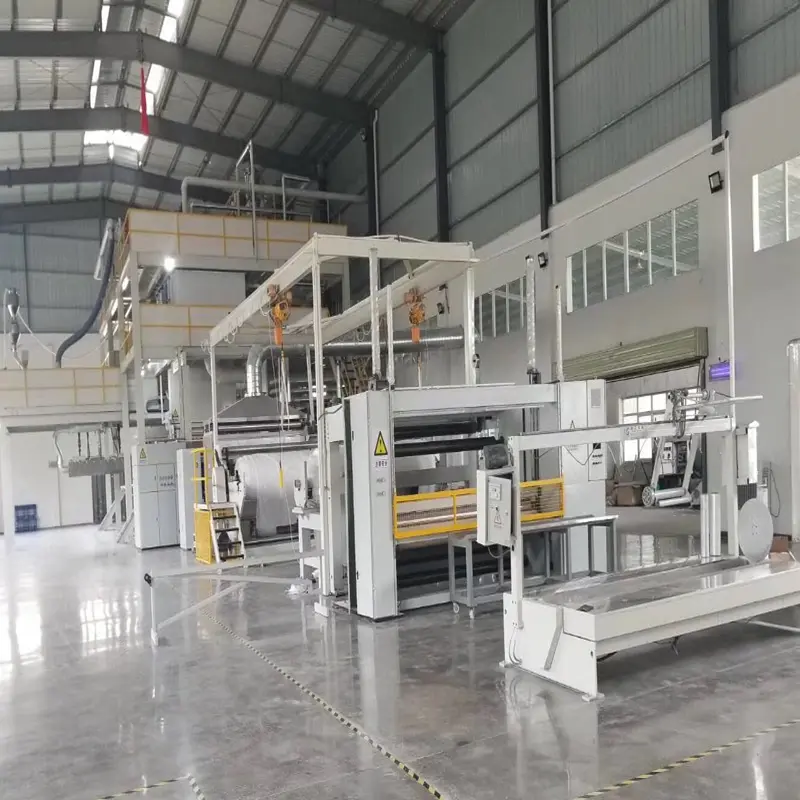
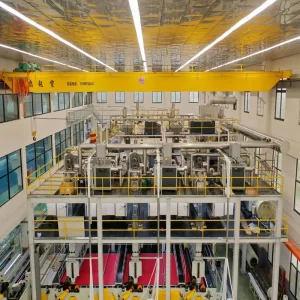
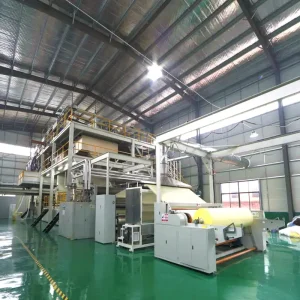
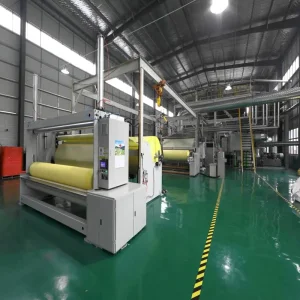
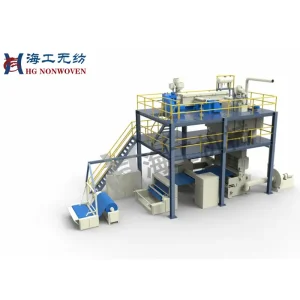
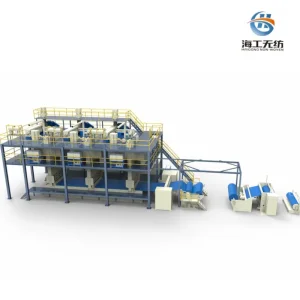
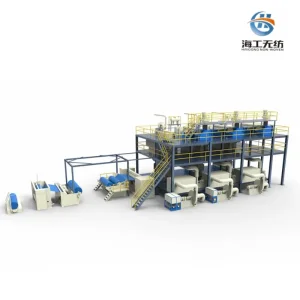
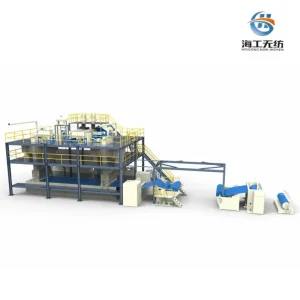
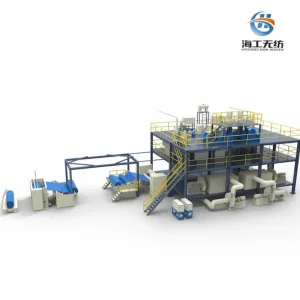
HG Spunbond nonwoven fabric making machine is nonwoven line designed for the efficient production of spunbond nonwoven fabrics. The PP nonwoven fabric rollers which is durable, cost-effective, and environmentally friendly fabric materials can be widely used across industries such as hygiene, medical, agriculture, construction and etc.Â
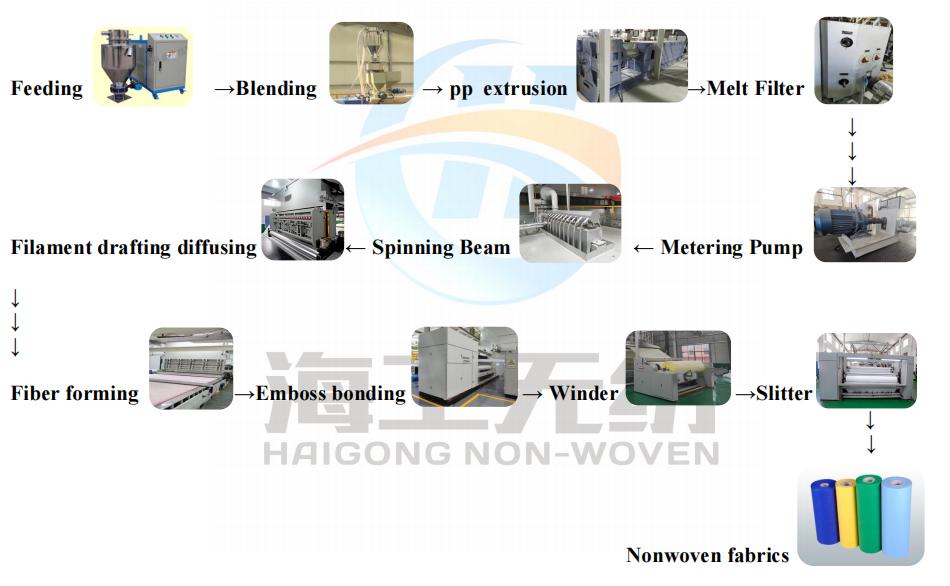
A Spunbond Nonwoven Fabric Making Machine is an advanced piece of equipment used to produce spunbond nonwoven fabrics—a type of fabric made from continuous filaments of synthetic polymers. These machines are designed to extrude, spin, bond, and finish synthetic fibers, creating nonwoven textiles with a range of applications in industries like healthcare, hygiene, packaging and more.
S/SS/SSS Line Configurations
We provide different configurations according to various production needs:
Configuration
No. of Spunbond Beams
Fabric Structure
Fabric Properties
S line
1
Single layer
Moderate strength and durability, lower cost
SS line
2
Dual-layer
Greater strength, density, and versatility
SSS line
3
Multi-layer
High strength, superior durability, multi-functional layers
Hygiene products (diapers, incontinence products), medical products (surgical gowns).
SSS Line
Advanced medical textiles (wound care, surgical drapes), heavy-duty packaging, high-performance agricultural products.
Why Partner with Us
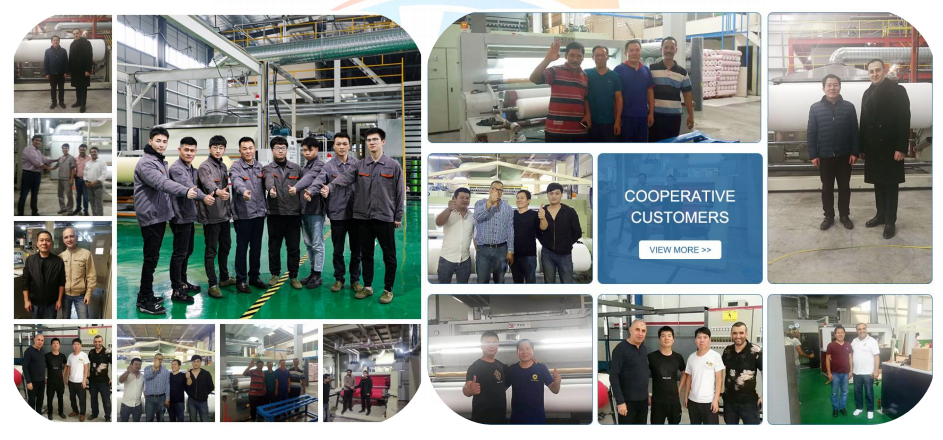
With more than 20 years of experience, we provide customized solutions for businesses worldwide, ensuring economic, reliable, and sustainable production.
✅ Expertise: Focus on nonwoven fabric making machines manufacturing.
✅ Analysis: Support nonwoven market analysis and feasibility reports.
As the demand for spunbond nonwoven fabrics continues to rise, investing in advanced, efficient nonwoven technology is essential for growth. Modern machines help businesses thrive in the global marketplace by delivering high-quality, consistent fabrics.
Frequently Asked Questions
What is the difference between S, SS, and SSS machines?
The difference lies in the number of spinning beams. S has one beam for single-layer fabric, SS has two for double-layer, and SSS has three for multi-layered fabrics, resulting in increased strength and durability.
What materials are used in Spunbond machines?
The primary material used is Polypropylene (PP), but the machines can also be adapted for other synthetic polymers like polyester depending on requirements.
What is the typical production capacity?
Daily capacity ranges from 5 to 30 tons, depending on the configuration of the line (S, SS, or SSS) and the specific machine specifications.
In which industries are these fabrics used?
They are widely used in medical (gowns, masks), hygiene (diapers), agriculture (crop covers), and packaging (shopping bags) industries.
Can the fabric width be customized?
Yes, standard widths include 1600mm, 2400mm, and 3200mm, but customized widths can be accommodated based on specific customer production needs.
How is the fabric bonded in this machine?
The machine uses thermal bonding, where the formed fiber web passes through heated rollers that fuse the filaments together without the need for chemicals.
 HG NONWOVEN