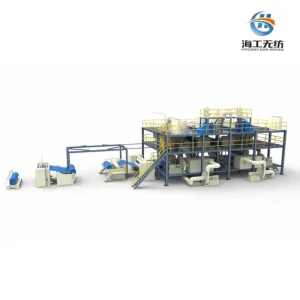
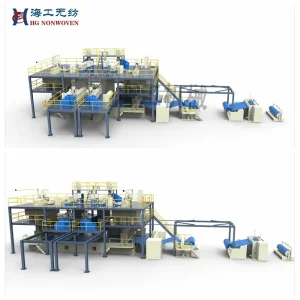
Explore our high-performance non-woven machinery systems designed for global manufacturing compliance, reliability, and cost-efficiency.
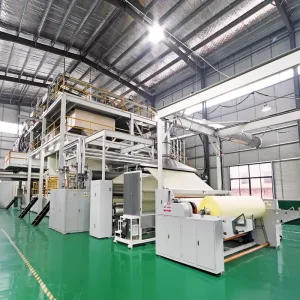
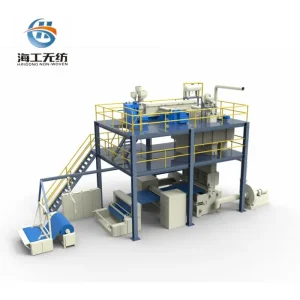
Since 2014, Pujiang HG Nonwoven Machinery has consolidated its position as a world-class developer and turnkey engineering manufacturer of polypropylene (PP) spunbond, meltblown, and composite non-woven fabric machinery lines. Rooted in continuous technological advancement, our systems are optimized for global companies looking to balance capital expenditure with elite product performance.
Our research and engineering initiatives resulted in the integration of the highly acclaimed 5th Generation spunbond spinning technology. By blending international design principles with local manufacturing efficiency, HG machinery lines deliver higher throughput, minimal maintenance cycles, and reduced overall thermal consumption. Our core mission centers on aiding manufacturers in producing uniform, strong, and highly customizable eco-friendly and biodegradable fabrics.
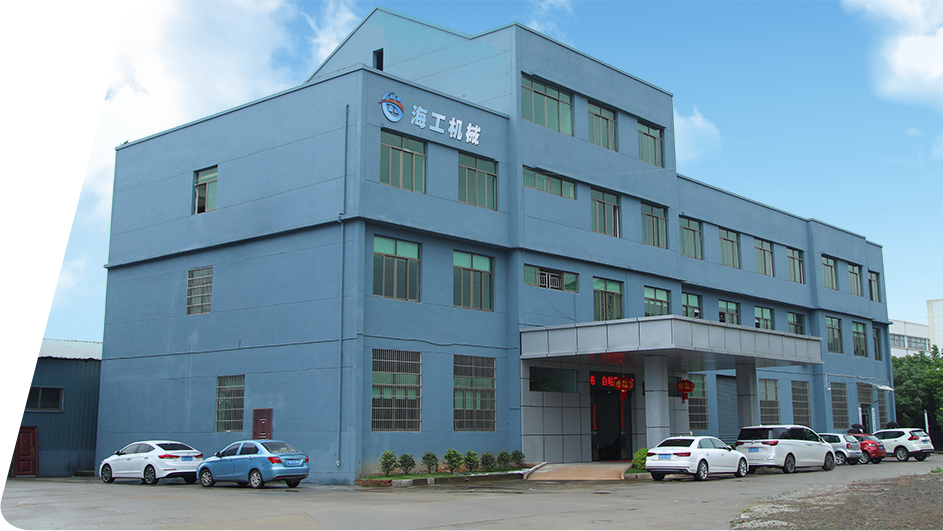
Purchasing capital machinery from China involves evaluating raw material logistics, local production clusters, and high-precision automation components. The cost of a Chinese non-woven fabric machine is optimized through massive domestic supply chains. Rather than compromising components, top manufacturers utilize standardized, globally serviced elements (such as Siemens PLC controls, ABB motors, and premium heating elements) while reducing structure fabrication costs.
By using advanced drafting technology—specifically our proprietary closed-loop negative pressure drafting systems—we achieve a highly stable polymer stretching process. This leads to lighter, more uniform fabrics with optimal tensile strength in both Machine Direction (MD) and Cross Direction (CD), matching the output of Western counterparts at a fraction of the cost.
In the extrusion and spunbond sector, fiber diameter and web uniformity define the quality of the end-product. The 5th Generation Spinning System utilizes advanced monomer suction and quenching configurations. Heated raw polypropylene is forced through micro-spinnerets where it undergoes controlled, rapid cooling (quenching) by high-velocity laminar airflows. The air drafting system achieves high filament speed, which stretches the polymers, resulting in lower filament deniers (often below 1.5 denier).
This technical progress has distinct advantages for end-users: it increases the hydrostatic pressure barrier of SMS / SMMS fabrics and yields soft, drape-friendly sheets for hygiene diaper top-sheets. Furthermore, optimized heating profiles reduce power consumption per ton of finished fabric by 15-20%.
Every non-woven production line undergoes strict quality checks. All engineering steps—from raw material storage silos to final winder units—are verified to meet international electrical and safety guidelines.
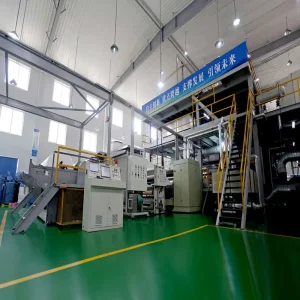
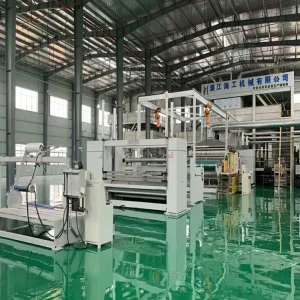
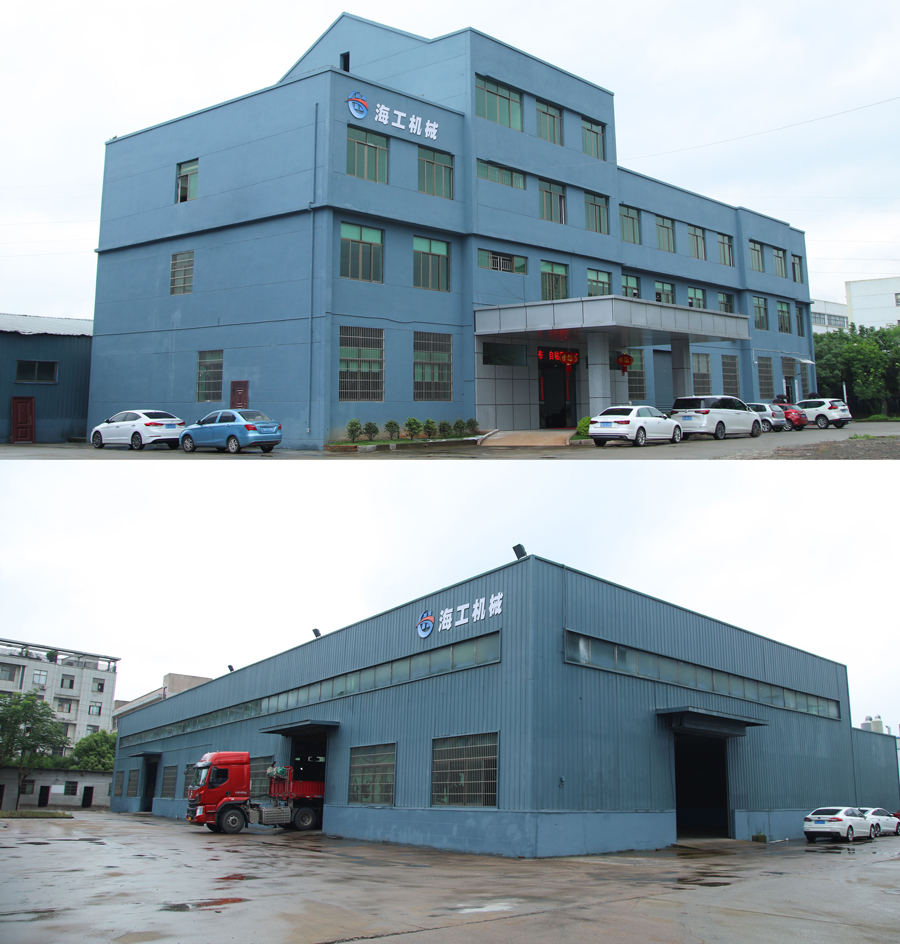
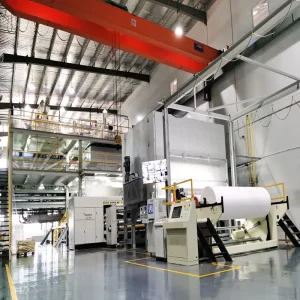
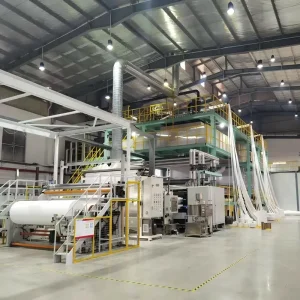
Our heavy assembly facility in Pujaing focuses on high-speed calender integration, spinneret processing, and dynamic balance testing for multi-meter width rollers.
To stay competitive, plants must adapt to shifts in raw materials, automation levels, and dynamic environmental regulations.
Processing alternative materials like Polylactic Acid (PLA) and recycled PET requires modified extruder temperature profiles and precise feed-block controls. Modern HG systems are designed to handle PLA polymers, helping companies meet plastic-reduction goals.
Modern medical fabrics require hybrid structures. Converting simple S lines into SS, SMS, SMMS, or SSMMS systems allows plants to achieve fine web layering, improved barrier properties, and softness for surgical settings.
Integrating sensors along the production line enables real-time monitoring of pressure, temperature, and GSM consistency. Closed-loop feedback mechanisms automatically adjust calender rollers to prevent off-spec fabric waste.
Our top-selling non-woven machinery configurations, field-tested and optimized for global export markets.
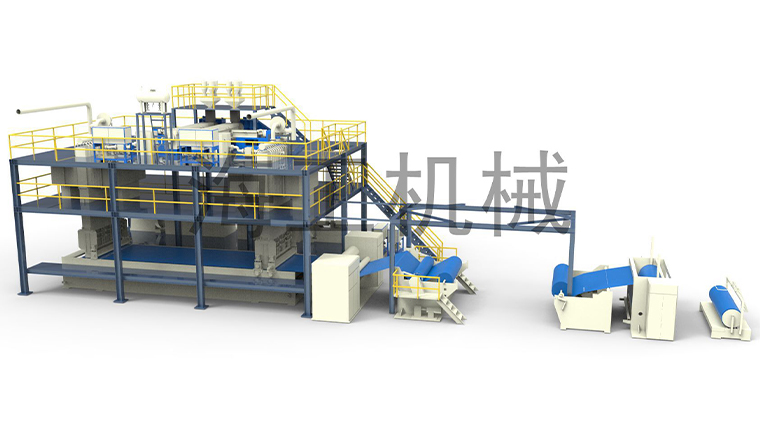
Ideally suited for packaging nonwoven bags, furniture use, and agricultural crop protection covers.
Engineered for Versatility →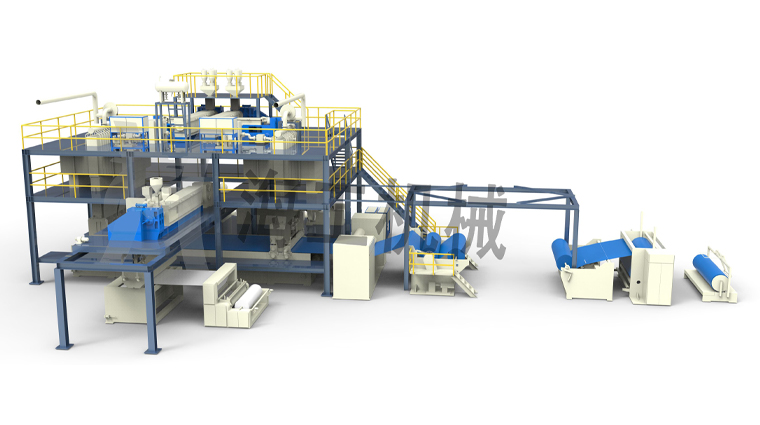
The standard system for high-performance medical gowns, surgical masks, and cleanroom drapes.
High Barrier Efficiency →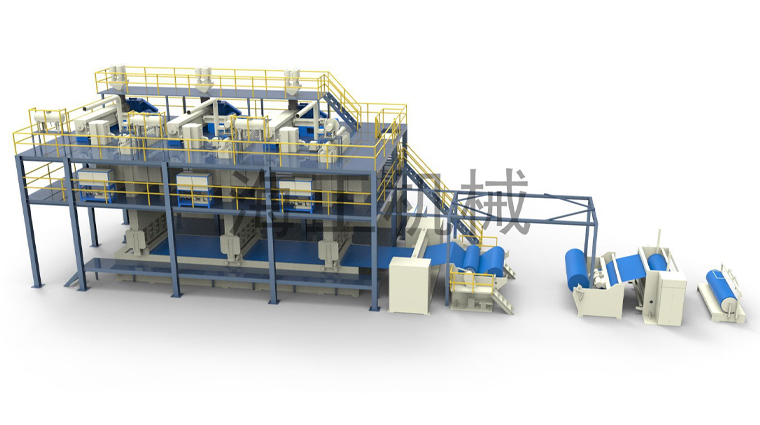
Features 4 structural fabric layers, offering a higher filtration efficiency compared to standard SMS lines.
Premium Filtering Performance →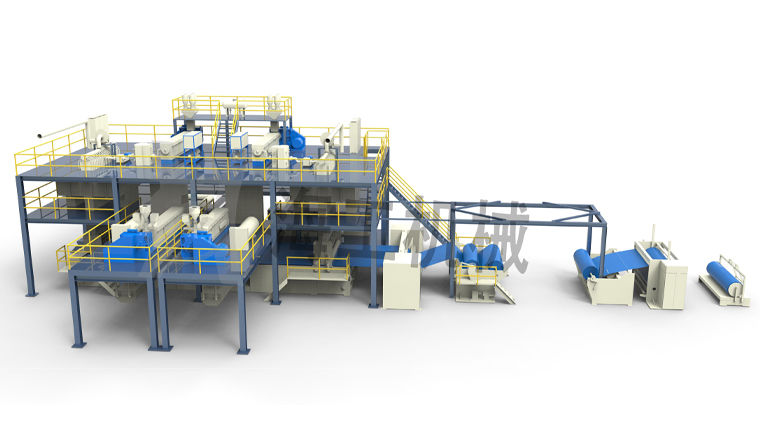
Delivers advanced barrier properties while maintaining softness and skin comfort for hygiene products.
Elite Hygiene Standard →A global guide to selecting machinery configurations based on your regional target market demands.
Our engineering services range from raw polymer preparation to high-speed inline slitting, winding, and scrap recycling. We provide customized configurations to help client facilities quickly start and scale production.
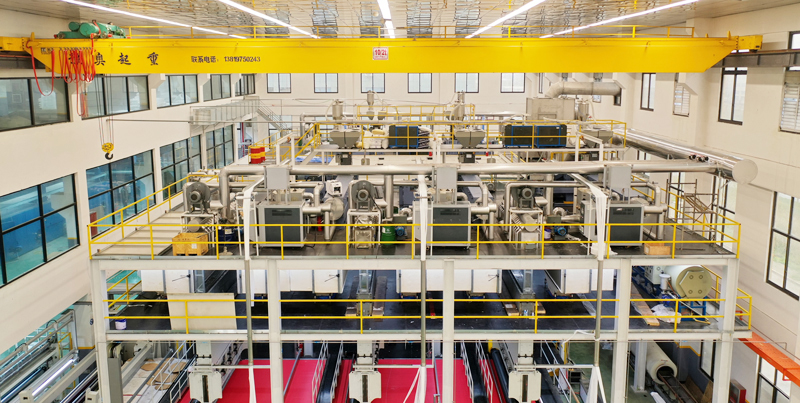
Selecting the right production line requires balancing width (1600mm to 3200mm) with the target GSM range. S and SS lines are ideal for packaging and agriculture, while SMS and SMMS systems are standard for medical and hygiene markets.
Spunbond fabrics are essential in the hygiene sector, offering breathability, softness, and efficient fluid management. They are designed for quick absorption and skin dry-back, making them ideal for diapers and feminine hygiene products.
Medical-grade non-wovens require reliable barrier properties. Our SMS, SMMS, and SSMMS systems produce materials that prevent infection transmission, suitable for face masks, surgical gowns, bed sheets, and towels.
Lightweight, robust, and recyclable, non-woven fabrics are widely used for eco-friendly bags, garment bags, pocket springs, and interlinings, supporting global volume reduction and product reusability.
Agricultural non-wovens create microclimates that shield crops from wind and cold, while allowing air and water passage. They act as physical barriers against pests, and feature UV blockers tailored to crop longevity.
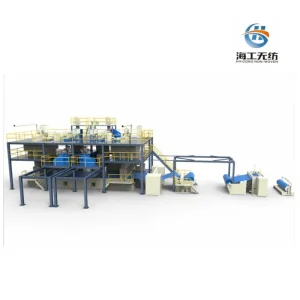
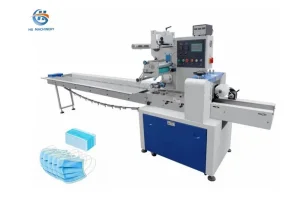
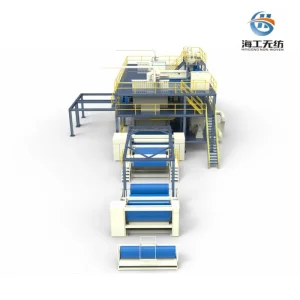
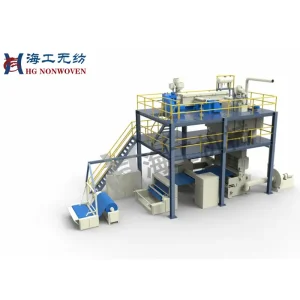
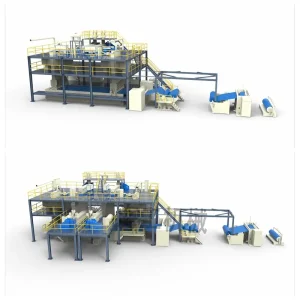
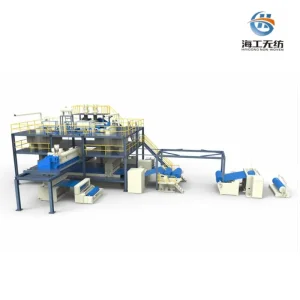
Purchasing a non-woven production line involves more than just selecting the core extruder. High efficiency requires integrating every processing step into a continuous, automated workflow. Pujiang HG Nonwoven Machinery designs and builds complete system layouts to simplify client factory operations:
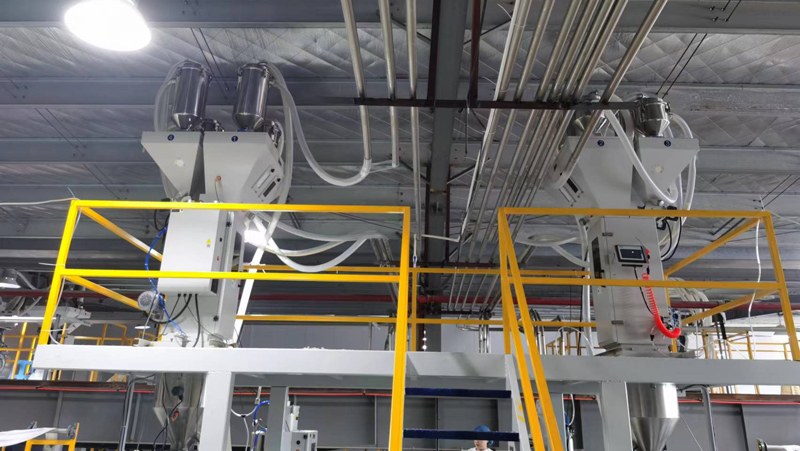
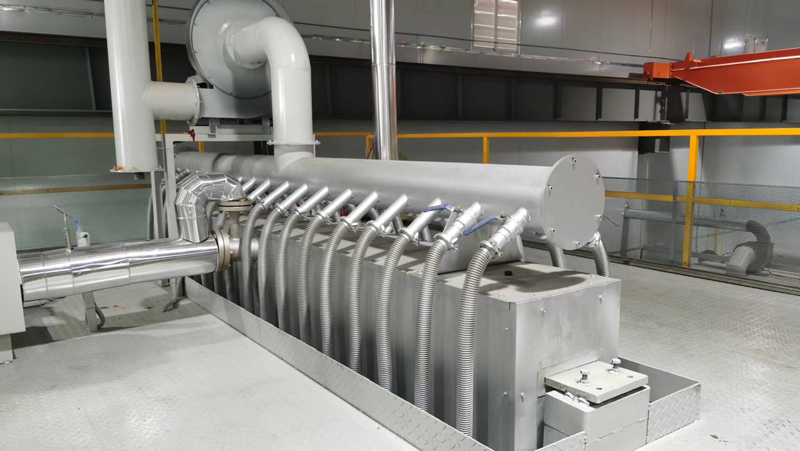
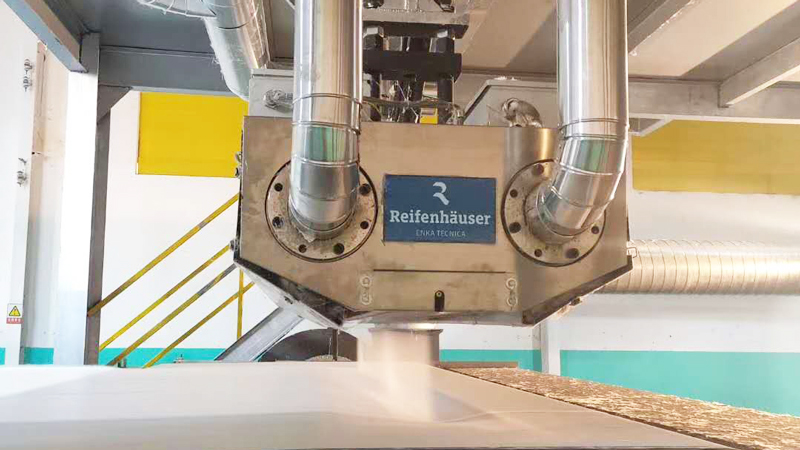
Our post-installation support includes detailed local market analysis and technical feasibility studies, helping clients establish stable operations. We offer comprehensive operator training and a 24-month after-sales warranty. Whether resolving issues remotely via online diagnostics or sending technicians to client sites, we ensure reliable support to keep production lines running.
Answers to common technical, commercial, and engineering questions regarding our non-woven production lines.
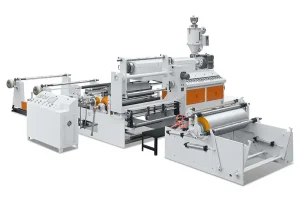
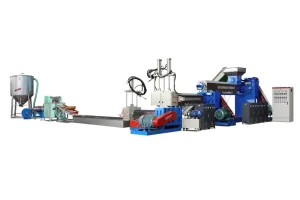
Review our broader range of extrusion equipment, recycling systems, and laminators for complete factory operation.
 HG NONWOVEN