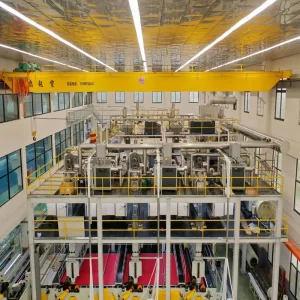
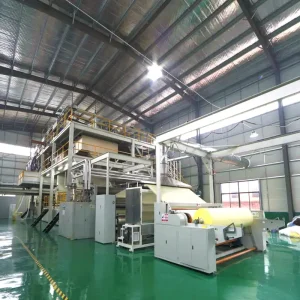
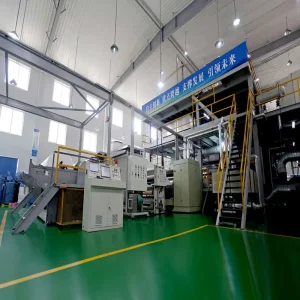
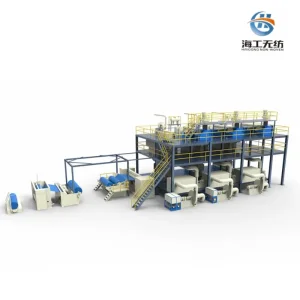
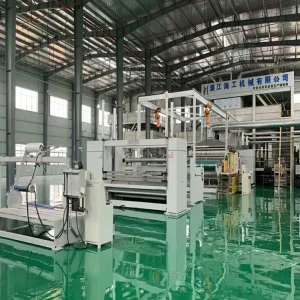
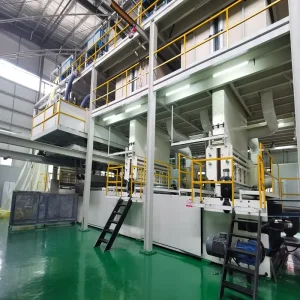
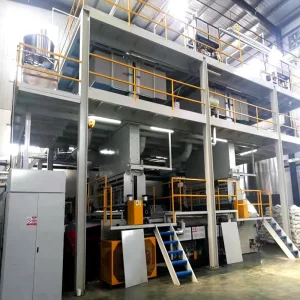
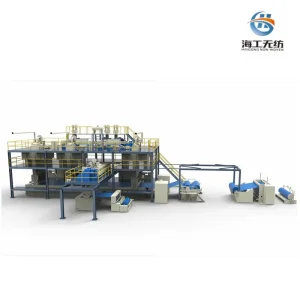
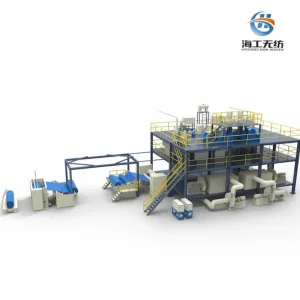
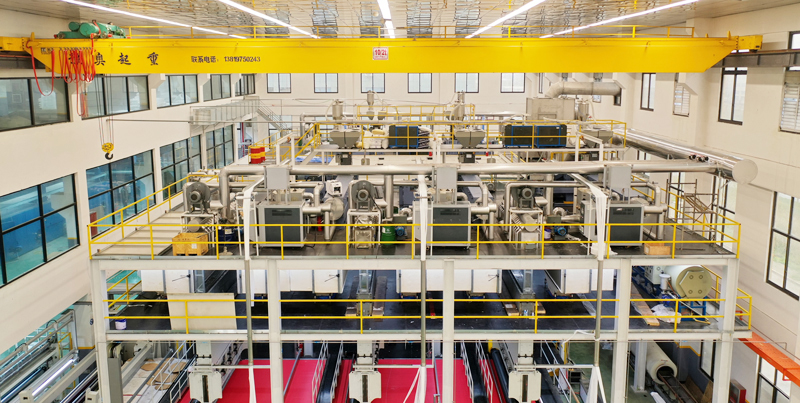
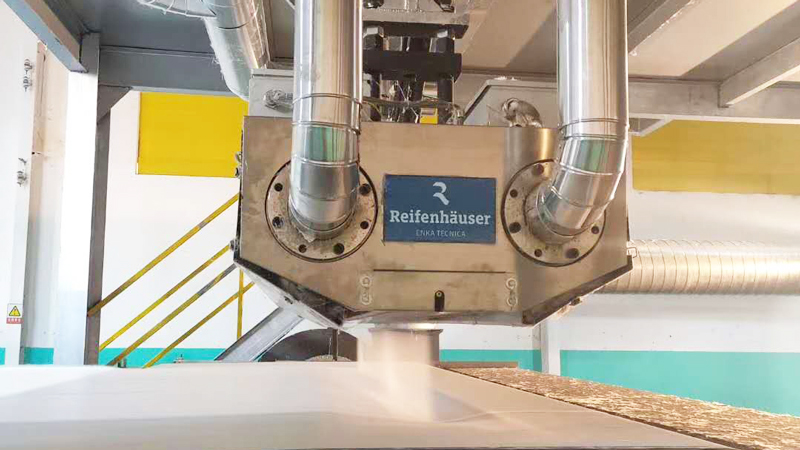
Explore our high-performance industrial nonwoven fabric extrusion systems, engineered for maximum output, structural uniformity, and low energy metrics.
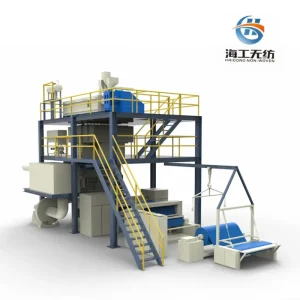
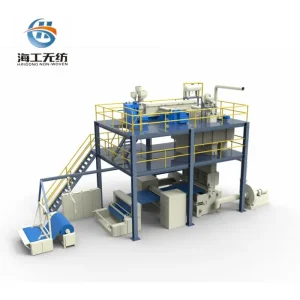
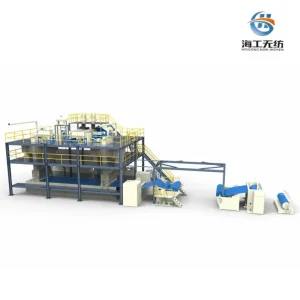
In the modern manufacturing landscape, nonwoven fabrics have evolved from simple textiles into high-tech, engineered substrates. They drive major supply chains across hygiene, medical defense, protective packaging, and precision agricultural applications.
Driven by the surging demand for disposable sanitary products and high-efficiency medical filtration media, the global market for spunbond and meltblown machinery has experienced significant technological shifts. Historically, nonwoven production was concentrated in Western Europe and North America. However, China's precision machinery sector has developed advanced solutions that deliver international engineering quality at optimized capital expenditure levels.
This industrial transition is spearheaded by innovations in mechanical efficiency, computerized thermal bonding, and high-velocity aerodynamic drafting systems. Modern plant managers no longer evaluate machinery solely on capacity; metrics like polymer conversion yield, fiber diameter distribution, and thermodynamic recovery rates are now critical. These factors determine long-term operational success in a highly competitive global market.
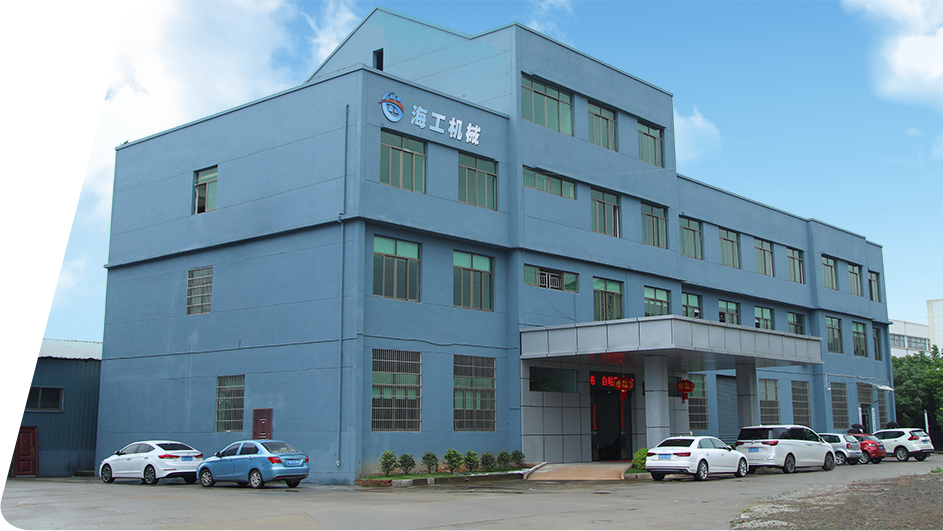
Engineered excellence since 2014, bridging international design standards with robust domestic supply chain integration.
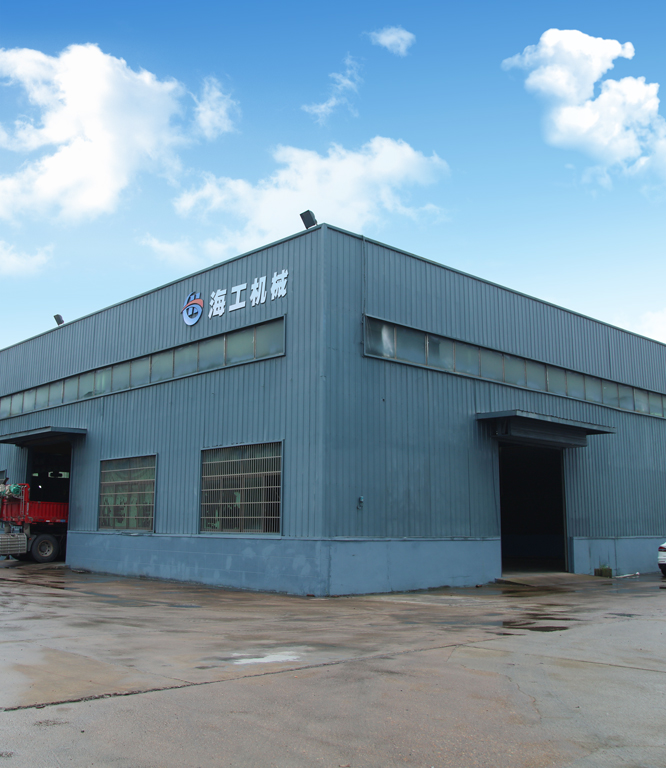
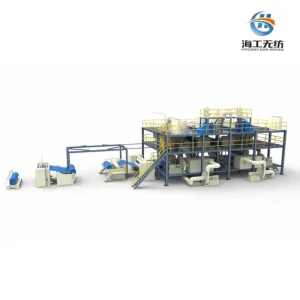
Pujiang HG Nonwoven Machinery specializes in manufacturing PP spunbond, meltblown, and composite nonwoven fabric making machines. Our design approach introduces advanced international concepts—specifically our 5th Generation spunbond spinning technology. This technology is optimized to meet the practical requirements of modern manufacturing plants.
By integrating advanced aerodynamic slot-drawing designs, our production systems feature convenient digital operation, reduced footprint layouts, low energy consumption, and high automation. The result is a highly reliable plant configuration designed to minimize production costs while maintaining excellent web uniformity.
Achieves sub-micron fiber drawing and web consistency across wide widths up to 3.2 meters.
Reduces electricity usage by up to 15% through high-efficiency heating and air recycling systems.
Customizing web characteristics to meet strict structural and regulatory standards in global end markets.

In the hygiene industry, spunbond fabrics must deliver excellent softness, high air permeability, and precise fluid management. Our production lines feature multi-beam systems (SS/SSS) equipped with online calendering. This allows operators to produce ultra-light fabrics (10-15 GSM) that quickly distribute fluids, making them ideal for baby diapers, feminine hygiene products, and adult incontinence lines.

Medical-grade fabrics require high barrier performance against biological contaminants. Composite SMS, SMMS, and SSMMS systems combine high-strength spunbond layers with fine-fiber meltblown filtration layers. The resulting materials deliver reliable hydrostatic head resistance and high filtration efficiency, suitable for surgical drapes, sterilisation wraps, protective gowns, and face mask layers.
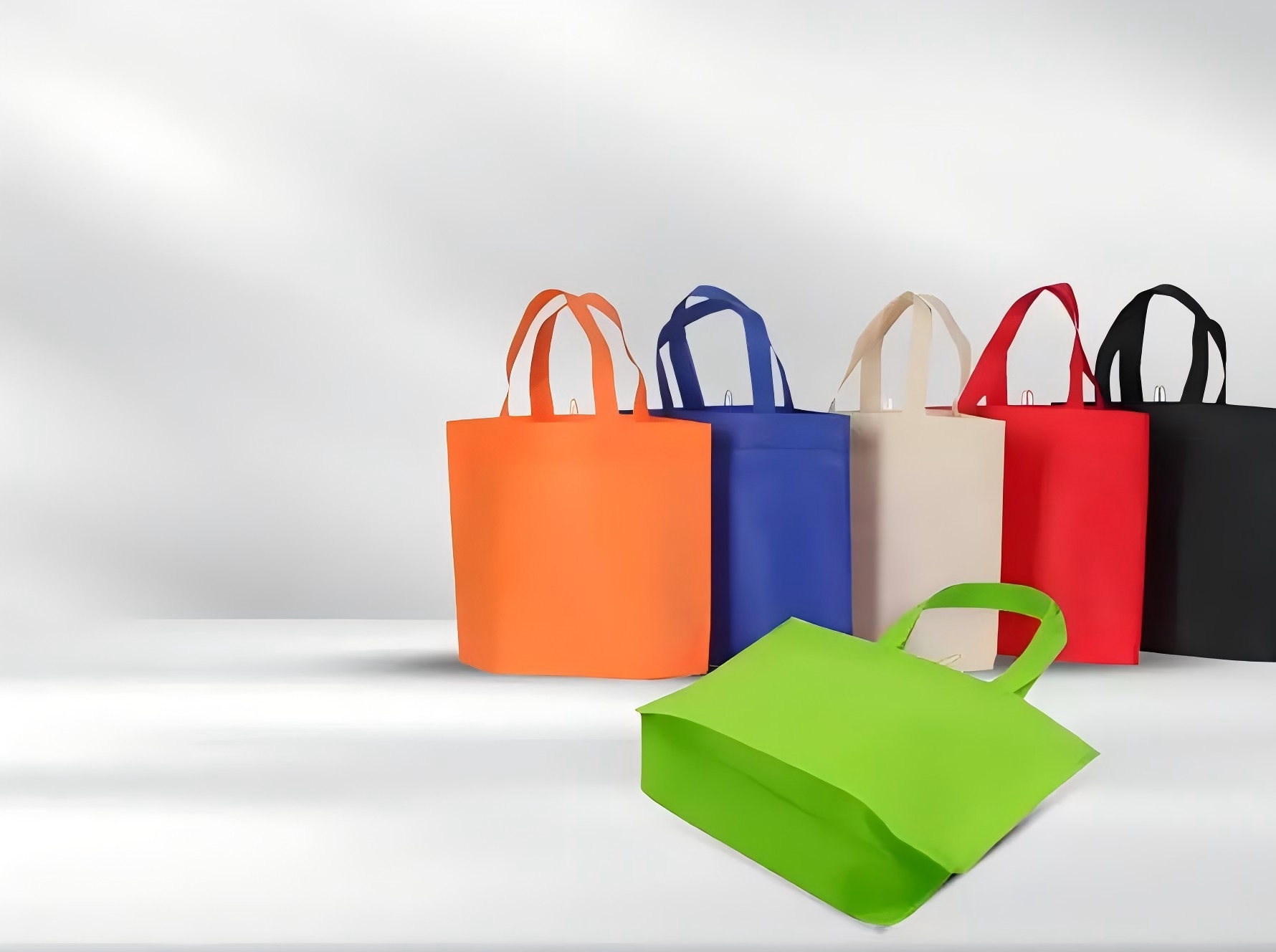
Nonwoven fabrics provide a strong, reusable alternative to single-use plastics in the retail and shipping sectors. Our machines produce high-tensile packaging fabrics suitable for shopping bags, furniture interlinings, protective covers, and storage solutions. The material's puncture resistance and printability ensure long service lifespans and reliable reusability.
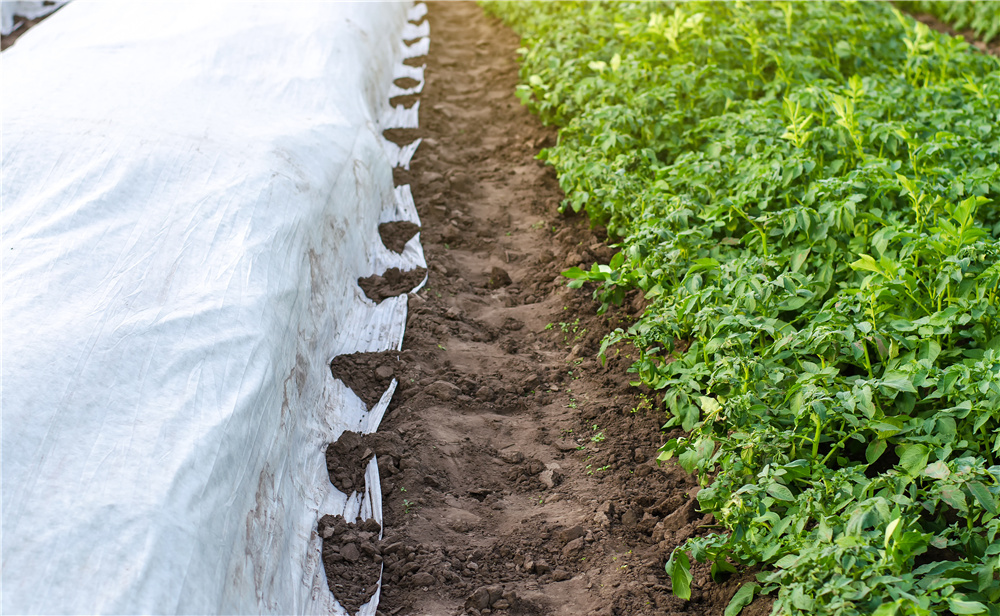
Agricultural nonwovens must withstand outdoor weather conditions while maintaining balanced permeability. Our machines produce UV-stabilized agricultural fleece that protects crops from cold, wind, and pests. The balanced web structure allows water and air transmission while creating a microclimate that supports healthier crop development.
A closer look at the configurations designed for industrial scalability and processing stability.
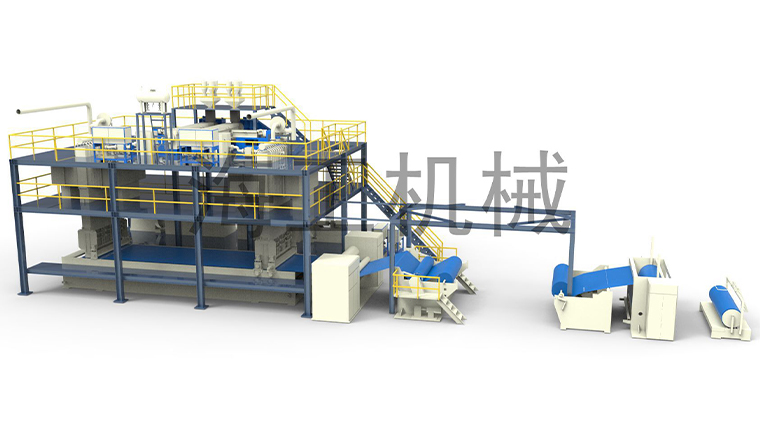
Designed for packaging materials, furniture backings, and crop protection covers. Delivers high tensile strength and reliable running speeds.
Explore Specs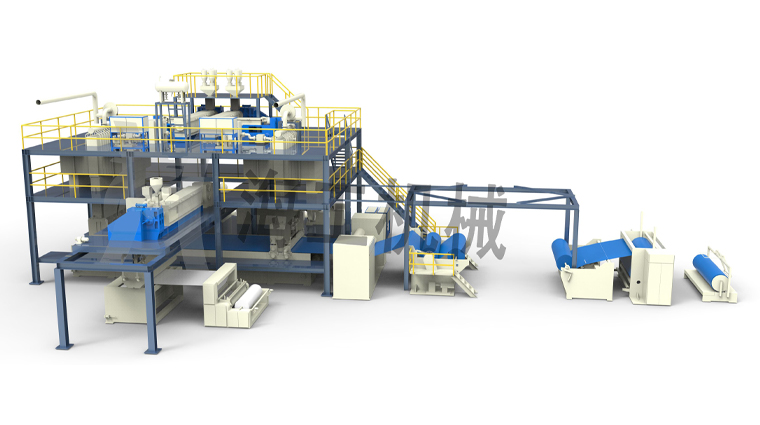
Combines high-strength spunbond layers with fine meltblown structures for medical protective wear and hygiene back sheets.
Explore Specs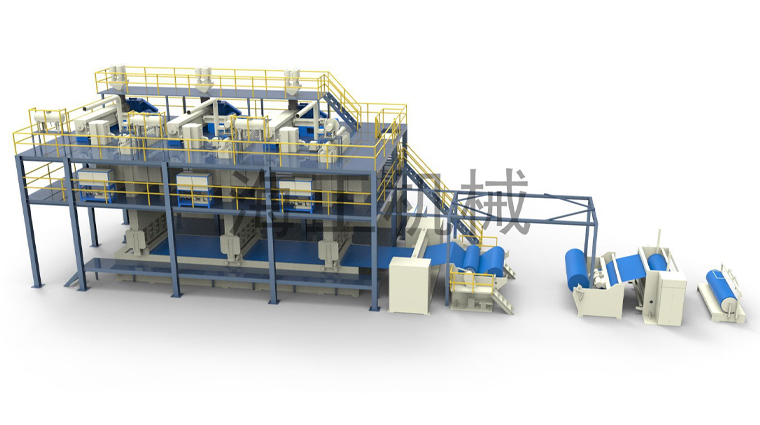
Four-layer design providing enhanced barrier properties and filtration performance for high-spec medical cleanroom apparel.
Explore Specs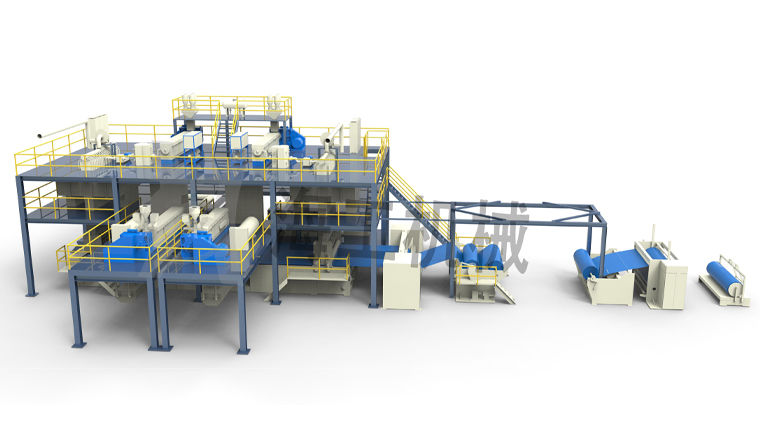
High-speed, multi-beam configuration offering soft-touch hand feel, breathability, and excellent barrier protection.
Explore Specs| Machine Model | Configuration | Product Width (mm) | Fiber Fineness (denier) | Output (tons/24h) | Fabric Weight (GSM) |
|---|---|---|---|---|---|
| HG-1600S | Single Beam Spunbond | 1600 | 1.8 - 2.2D | 4 - 5 | 10 - 150 |
| HG-2400SS | Double Beam Spunbond | 2400 | 1.6 - 2.0D | 9 - 11 | 10 - 150 |
| HG-3200SSMMS | 5-Beam Composite | 3200 | Spunbond: 1.5-2.0D / Meltblown: 2-4μm | 18 - 22 | 10 - 80 |
| HG-1600SMS | 3-Beam Composite | 1600 | Spunbond: 1.8-2.2D / Meltblown: 2-5μm | 6 - 8 | 15 - 100 |
Adapting machinery designs to meet evolving environmental regulations and automated control trends.
Adapting extrusion heat profiles and screw designs to process biopolymers such as PLA, PBS, and bio-based PP. This allows manufacturers to produce fully compostable webs that align with strict plastics regulations.
Replacing manual calibration with closed-loop computerized controls. These systems monitor variables like melt pressure, die temperatures, air drafting velocity, and web weight in real time to ensure consistent quality.
Integrating direct-recycle systems that capture edge trims and off-spec material, re-granulating them for immediate re-feeding. This process helps minimize material loss and lowers overall input costs.
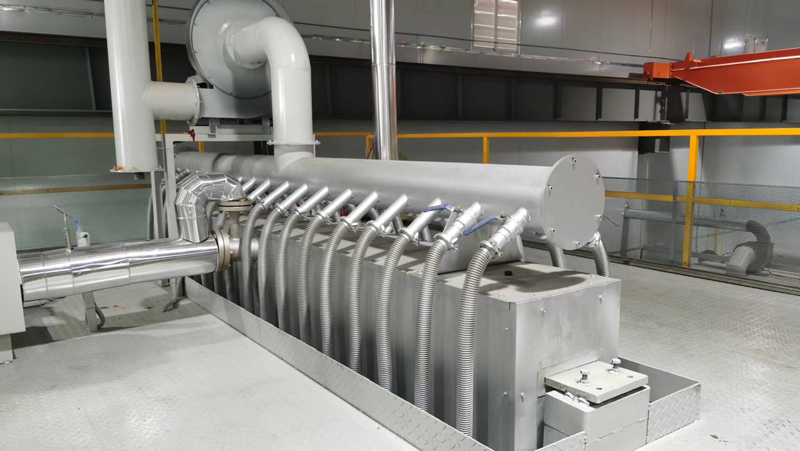
Utilizing high-precision oil heating systems in calendering rollers. This design achieves even heat distribution with lower energy draw, maintaining high-speed operation without thermic fluctuation.
Setting up a nonwoven factory involves complex layout planning. Our complete turnkey services ensure smooth integration from raw material handling to final product rolls.
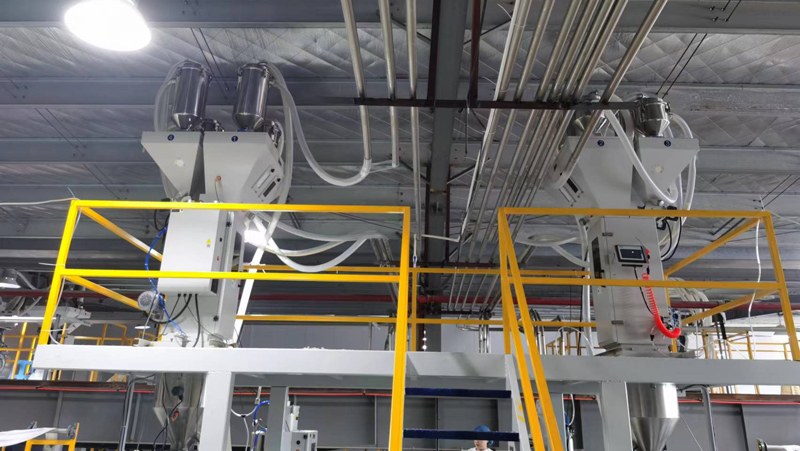
We provide comprehensive design support, starting with raw material feeding systems. These systems mix and feed polymer chips along with masterbatches for color and additives (such as UV stabilizers, hydrophilic additives, or flame retardants) into the extrusion screw.
Beyond the core spinning and web-forming systems, we integrate all necessary auxiliary machinery. This includes nonwoven recycling machines to process waste inline, slitting machines for cutting parent rolls to custom widths, flexographic printing machines for brand customization, and lamination units to produce multi-layer composite structures.
Additionally, we assist with structural feasibility studies, building layout designs, electrical wiring diagrams, and air-cooling system setups to help establish an efficient manufacturing plant.
Explore our additional production lines configured for high-speed output, variable width, and specialty applications.
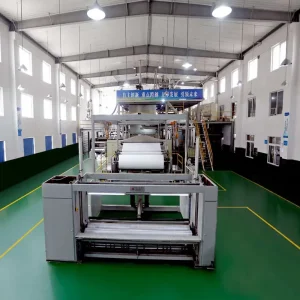
Setting up machinery is just the first step. We support your team with comprehensive training to ensure long-term operational success.
Our global service team handles installation, calibration, and commissioning of the entire production line. We also provide on-site operator training, covering PLC control management, melt temperature adjustments, and routine maintenance protocols.
To keep your production running smoothly, we offer digital support and diagnostic monitoring alongside traditional on-site maintenance. This helps minimize downtime and ensures consistent output quality.
Expert insights on system parameters, installation requirements, and optimizing plant production.
A: Our 5th Generation spinning technology utilizes an optimized aerodynamic drafting slot. This design provides more consistent fiber drawing and improved web uniformity, allowing operators to run at higher speeds while reducing energy consumption compared to older tube-drafting systems.
A: We provide engineering support from the start, including floor layout design, power requirement calculations, and material flow planning. Our team also offers market analysis to help you build a comprehensive feasibility study tailored to your regional market.
A: We provide a 24-month comprehensive warranty on our nonwoven lines. Our technical team handles on-site commissioning and training, and we provide ongoing support through remote diagnostics as well as on-site maintenance visits when required.
A: Yes, our extrusion systems are designed with precise heating zones and variable-speed screws that can be adjusted to process biodegradable polymers (such as PLA and PBS) and recycled PP resins, helping you meet environmental regulations.
A: For a fully integrated facility, we recommend incorporating an inline edge trim recycler, a high-speed roll slitting system, and optional lamination or printing machines depending on your target applications (such as hygiene laminates or branded retail bags).
A: Consistent distribution is achieved using high-precision coat-hanger spinneret dies and uniform air quenching systems. These components ensure consistent pressure across the entire die width, minimizing variations in fabric weight (GSM).
 HG NONWOVEN