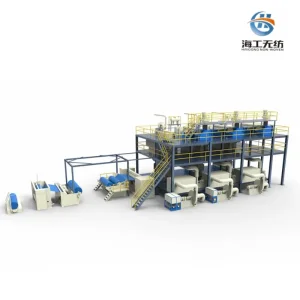
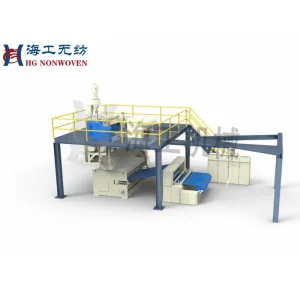
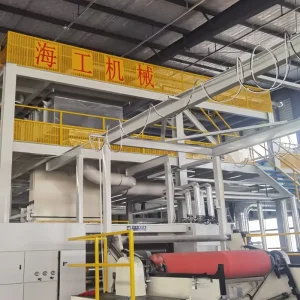
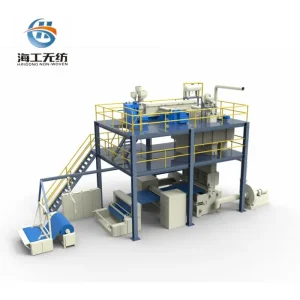
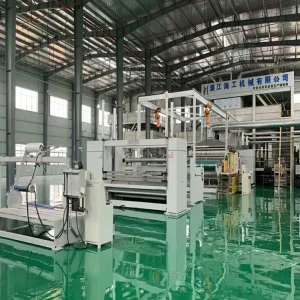
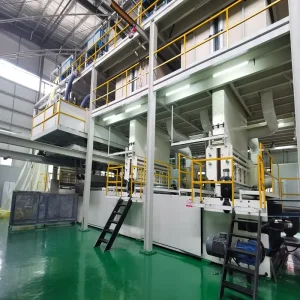
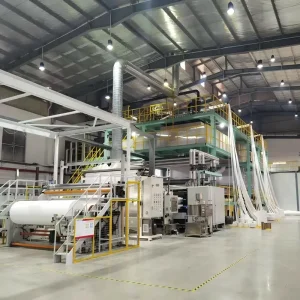
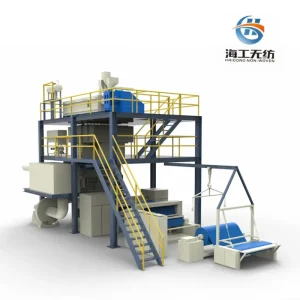
Explore our premium grade spunbond, meltblown, and composite production lines engineered for dynamic applications and high yield processing.
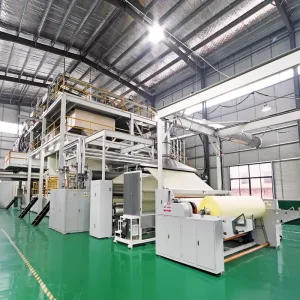
The global supply chain for technical textiles is undergoing an unprecedented restructuring. As primary stakeholders demand extreme consistency, structural reliability, and low environmental footprints, the engineering of spunbond, meltblown, and composite nonwoven fabric lines has evolved beyond simple extrusion parameters.
HG Nonwoven Machinery stands at the epicenter of this evolutionary curve. Since our inception in 2014, we have recognized that standard manufacturing models no longer suffice. By incorporating international 5th Generation spunbond spinning technology, we bridge the gap between high-yield output requirements and stringent regulatory standards (such as ISO 9001, CE directives, and global environmental protocols).
Our core mission focuses on configuring hardware that minimizes thermal degradation of polypropylene resins during process transitions, thereby maintaining superior tensile strength and isotropic web distribution.
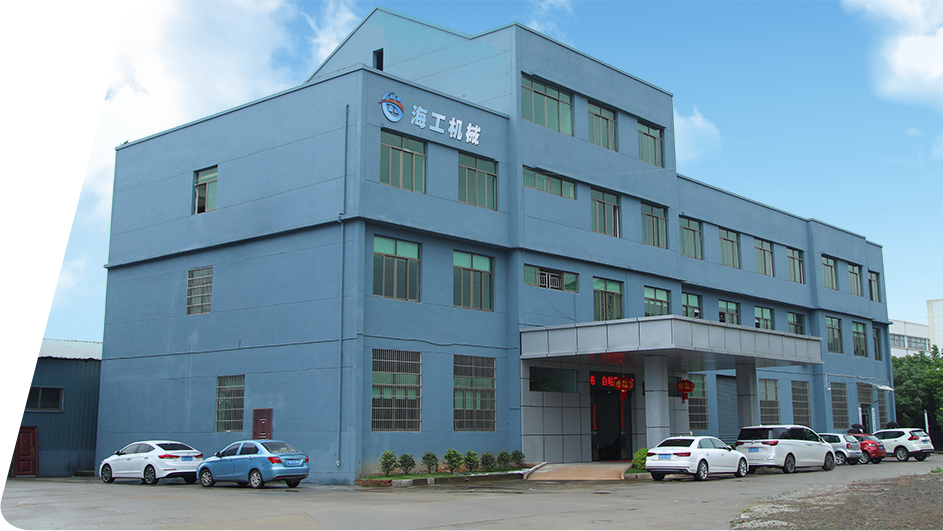
Architecting production lines with high efficiency, lower energy footprint, and micro-fiber precision.
Designed to process premium homopolymer PP resins. Precise temperature controllers avoid chemical chain scission, providing uniform melt flow index (MFI) distributions across the entire spin beam width.
Our 5th Generation design incorporates negative pressure air drafting. This generates supersonic air velocity to draw filaments down to sub-micron diameters, increasing overall fabric tensile strength by up to 25%.
Our high-precision calendaring rolls utilize internal hot oil channels with multi-zone control. This maintains thermal deviations within ±1°C, preventing under-bonded structural weak spots or over-bonded brittle areas.
"Integrating advanced design parameters ensures that HG Nonwoven production machinery reduces specific power consumption (kWh per ton of fabric produced) by 15-20% compared to legacy line setups."
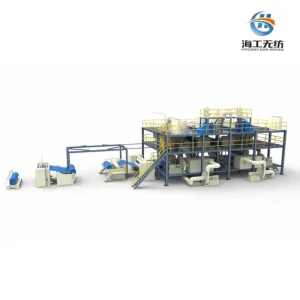
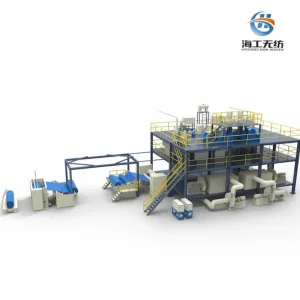
Our multi-beam composite nonwoven technologies (S, SS, SMS, SMMS, SSMMS) cater to strict technical criteria across four main sectors.

SS and SSS spunbond lines deliver the micro-denier softness, water-hydrophilic treatment, and skin-friendliness required for baby diapers, sanitary napkins, and adult incontinence liners.

SMS and SMMS composite lines integrate high hydrostatic pressure barriers with breathability, ensuring surgical gowns, drapes, and sterilization wraps meet strict AAMI standards.

Single beam S lines optimized for high tensile strength, tear resistance, and color vibrancy. Ideal for shopping bags, pocket springs, furniture backing, and filtration liners.
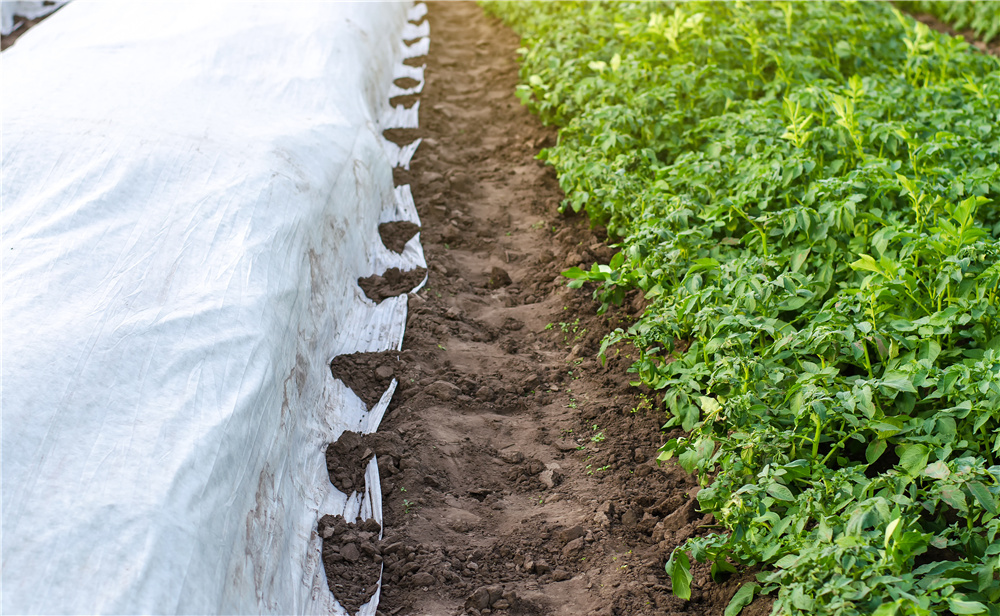
UV-stabilized materials protecting crops from frost, wind, and pests. High air and water permeability values ensure a balanced microclimate that promotes high germination rates.
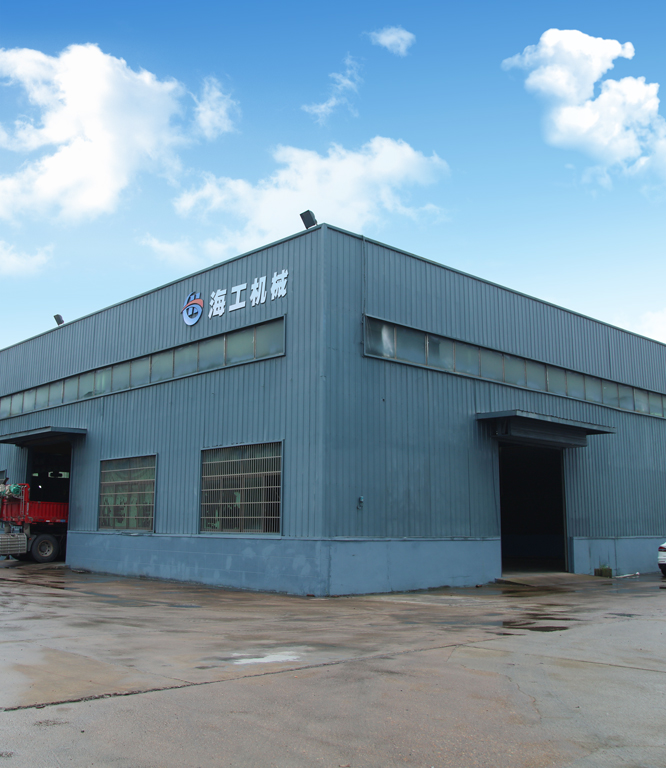
HG Nonwoven Machinery coordinates projects across all execution phases. A successful nonwoven plant installation requires precise mechanical alignment, thermal balance, and localized energy infrastructure optimization.
1. Market Analysis & Feasibility: We assist clients by supplying comprehensive local cost structures, regional raw material supply indexes, and targeted product mix recommendations.
2. A-to-Z Turnkey Engineering: Our scope of supply goes beyond the primary spunbond machinery. We design, manufacture, and integrate key ancillary downstream processes, including slitting machinery, recycling systems, flexo printing units, and lamination lines.
3. Commissioning & Operator Training: We deploy experienced start-up engineers to client sites globally. This ensures smooth handovers, systematic maintenance training, and rapid parameter optimization for high-efficiency operation.
The nonwoven industry is transitioning towards bio-derived raw materials, zero-defect quality management systems, and smart cloud-connected factory diagnostics. Here is how HG Nonwoven Machinery integrates these trends into its development roadmap:
We are actively modifying our extruder screw designs and heating profile management software to process PLA (Polylactic Acid) and PBS (Polybutylene Succinate) bio-resins reliably.
Optional integration of high-resolution digital visual inspection scanners. Real-time monitoring automatically flags defects, pinholes, and basis weight deviations down to 0.5 mm.
Our control panels feature energy management dashboards that track real-time power, water, and gas consumption metrics per unit weight of product output.
Using vibration sensors and thermal probes on main drive shafts, the system flags mechanical anomalies before they lead to costly process downtime.
Explore our complete range of high-efficiency machinery designed to meet demanding production standards globally.
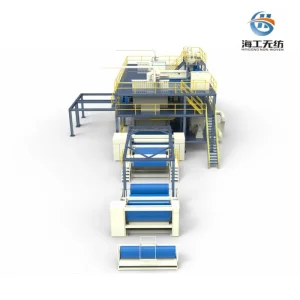
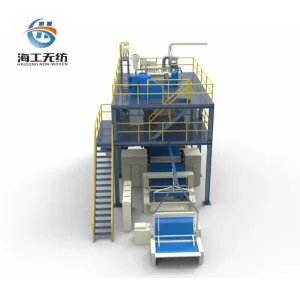
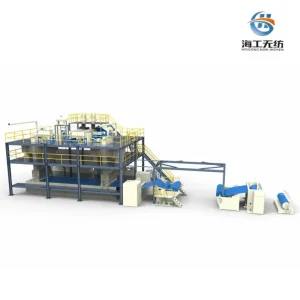
Comprehensive answers to critical engineering, feasibility, and procurement questions compiled by our technical experts.
The designations relate directly to the configuration of the extrusion and web deposition modules. An 'S' line uses a single spunbond beam, yielding high tensile strength packaging materials. 'SS' incorporates double spinning beams to improve fiber density and uniformity for hygiene applications. 'SMS' (Spunbond-Meltblown-Spunbond) adds a middle meltblown extrusion unit that produces a micro-fiber web. This web acts as a barrier, preventing fluid penetration while remaining breathable, which is essential for medical-grade products.
Our systems utilize advanced 5th Gen spinning technology, featuring optimized coat-hanger melt distributors and uniform pressure manifolds. This configuration ensures that molten PP resin maintains an identical flow velocity and temperature profile across the entire width of the spin beam, keeping basis weight variation (GSM) under ±3%.
We provide a 24-month comprehensive warranty on all nonwoven fabric machine lines. This is backed by our technical after-sales team, which offers onsite engineering support, machine calibrations, and digital remote diagnostics. We also maintain a complete inventory of OEM critical components (such as spinnerets, heater bands, and gear pumps) for prompt international dispatch.
Yes. Our current extrusion profiles and screw designs can process up to 100% clean recycled PP regrind (such as edge-trim waste reclaimed directly on-line). Additionally, we offer custom screw profiles and optimized heating zones configured to process compostable bio-polymers, like PLA, helping you meet the growing global demand for eco-friendly packaging materials.
 HG NONWOVEN