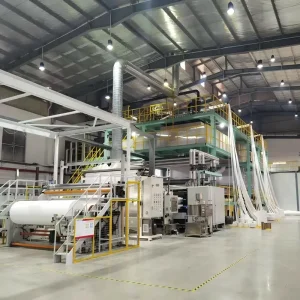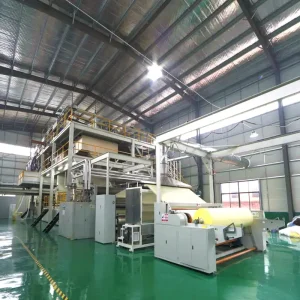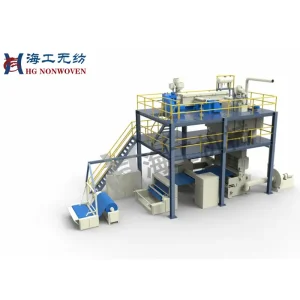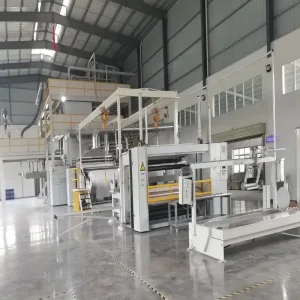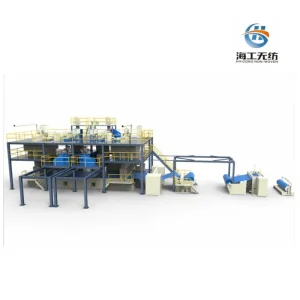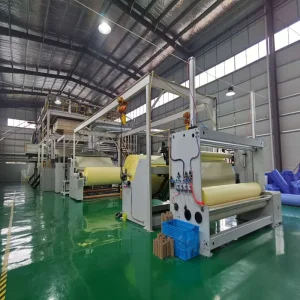
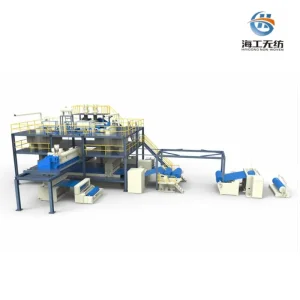
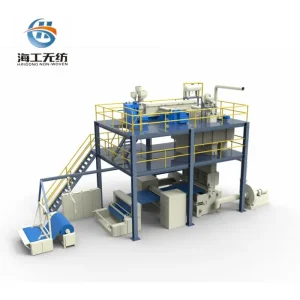
In the modern polymer processing landscape, nonwoven fabrics have transcended simple alternative textile categorization. Today, they serve as the foundational backbone for high-performance filtration, hygienic barriers, structural agricultural membranes, and complex packaging materials. As a premier China non woven fabric material supplier, HG Nonwoven Machinery integrates engineering, mechanical precision, and advanced materials science to support the massive volume shifts across international trade lanes.
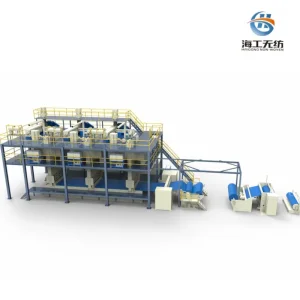
Our engineering framework specializes in 5th Generation Spunbond Spinning Technology. This design methodology features optimized polymer extrusion ratios, precise thermal regulation across high-density spinnerets, and ultra-high-velocity aerodynamic drawing chambers. The result is a nonwoven web that provides high isotropic tensile properties, exceptionally uniform basis weight distribution (down to low GSM variations), and substantial raw material savings.
By transitioning from traditional carded-web dynamics to our integrated spunbond and meltblown composite processes (SMS, SMMS, SSMMS), factories worldwide achieve significant reductions in operational footprint and energy consumption. This allows manufacturers to meet stringent environmental metrics without sacrificing production throughput.
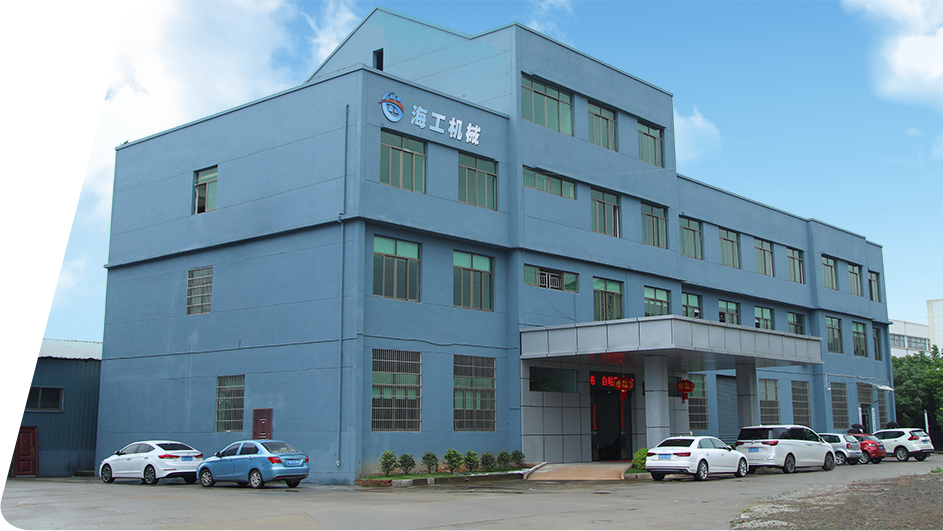
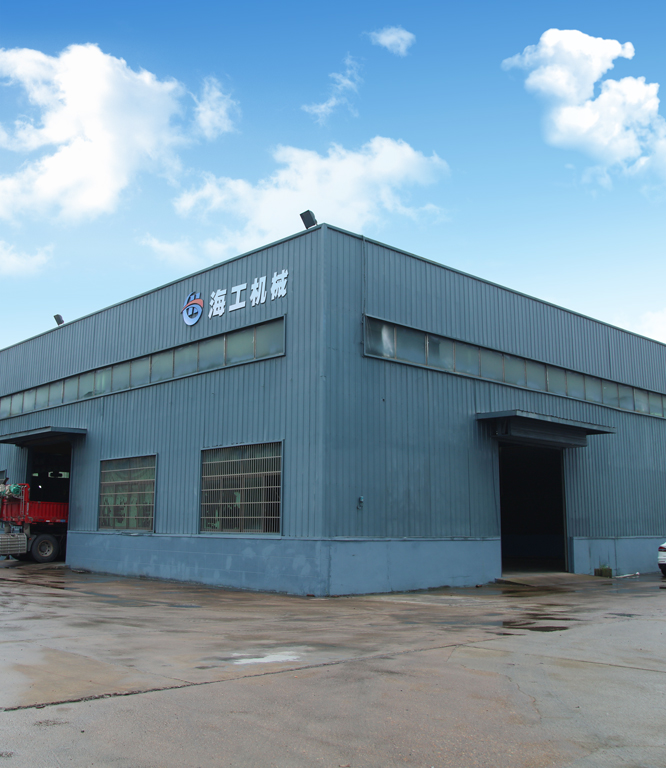
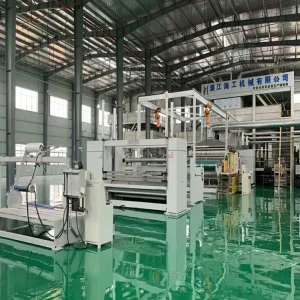
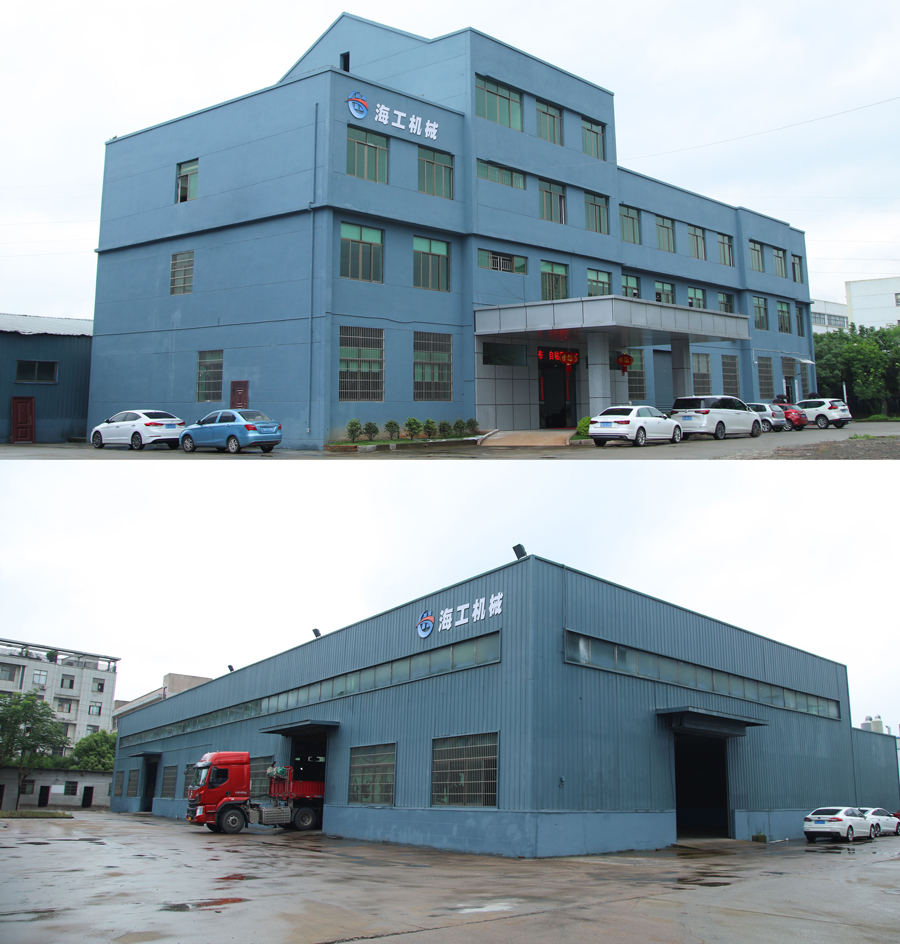
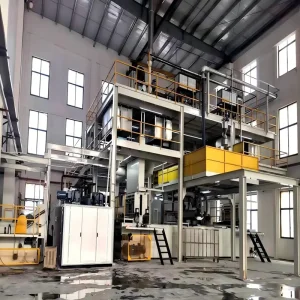
Established as an industry leader in 2014, Pujiang HG Nonwoven Machinery has built its foundation on a legacy that dates back over two decades. Our specialty lies in manufacturing PP spunbond and meltblown nonwoven fabric making machines with complete, end-to-end turnkey engineering services.
Our technical team has deployed more than 300 nonwoven fabric production lines worldwide, creating customized solutions that target high performance, ecological compliance, and biological degradability. We introduce advanced overseas concepts and synthesize them with localized, high-efficiency mechanical designs. This results in systems characterized by compact installation footprints, low electrical energy consumption per ton, and optimized operational costs.
By offering a complete lifecycle partner approach—from initial feasibility reporting and market analysis to installation, training, and 24-month on-site support—we guarantee structural reliability that helps our global clients maintain a competitive edge.
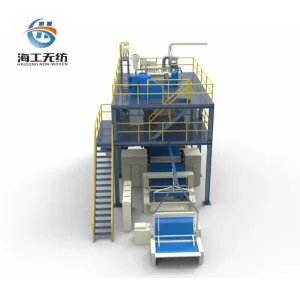
Polypropylene chips are fed into the extruder hopper, where they are melted and pressurized through custom screw geometries. The melt passes through a continuous filtration system to remove impurities, preventing clogging of high-density spinnerets. Under precise temperature control, filaments are extruded, cooled via cross-flow air quenching, and drafted aerodynamically to achieve high-tenacity microfibers.
Designed for filtration applications, the meltblown process uses high-velocity hot air to draw the polymer melt directly from the spinneret orifices. This creates extremely fine microfibers (1-5 microns in diameter). These fibers form a highly cohesive nonwoven web on the collecting drum, providing excellent barrier properties and filtration efficiency, critical for medical and hygiene applications.
By integrating spunbond (S) and meltblown (M) beams within a single production line (SMS/SMMS/SSMMS), we manufacture composite nonwovens. This structure merges the high tensile strength of spunbond layers with the barrier properties of meltblown microfibers. This material is highly suitable for medical gowns, sterilizing wraps, and premium personal hygiene products.
Once the multi-layer fiber web is formed on the collection belt, it must undergo thermal bonding to achieve structural integrity. Our machinery line integrates precise thermal calendering rollers designed with customized embossing patterns. The temperature distribution across the roll surface is maintained within ±1°C using high-performance thermal oil circulation systems. This prevents structural weaknesses or thermal spots that could cause localized web failure.
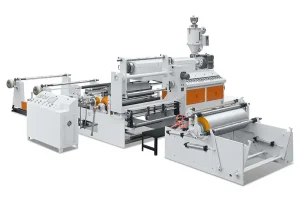
For specialty composites, we offer advanced lamination systems that bond nonwovens with breathable films or additional synthetic substrates. This process is essential for the production of barrier materials in extreme medical environments and protective gear.

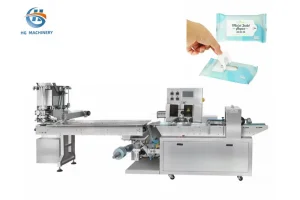
Provides breathability, softness, and fluid management for baby diapers, adult incontinence products, and feminine care items. Keeps liquid locked away while maintaining skin comfort.
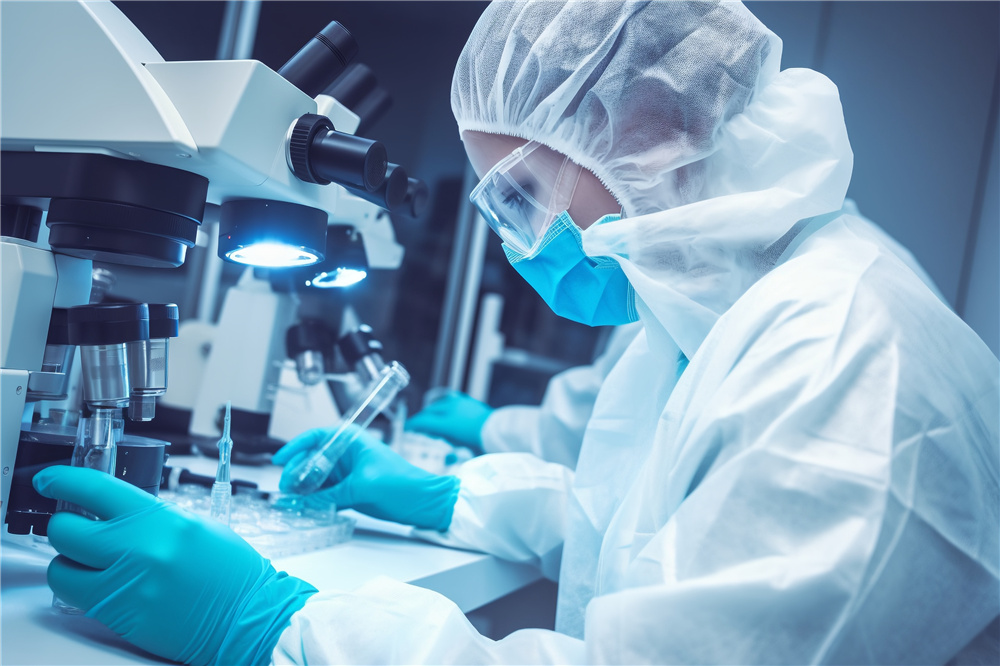
Used for face masks, surgical gowns, bed sheets, and surgical drapes. Deliver critical barrier defense against biological agents and infectious pathogens.
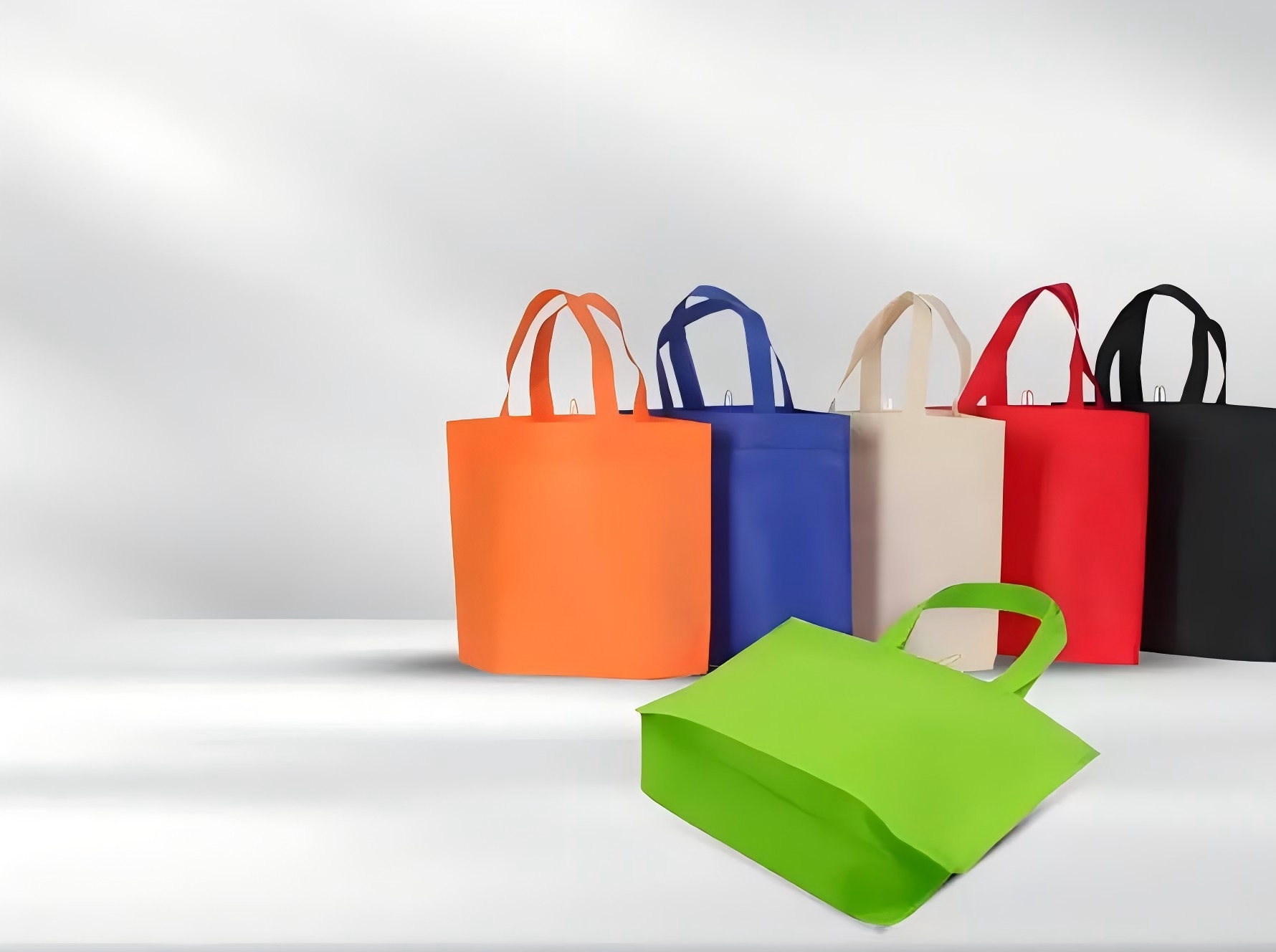
Lightweight, robust, and reusable materials designed for promotional shopping bags, pocket springs, garment interlining, and protective technical wraps.
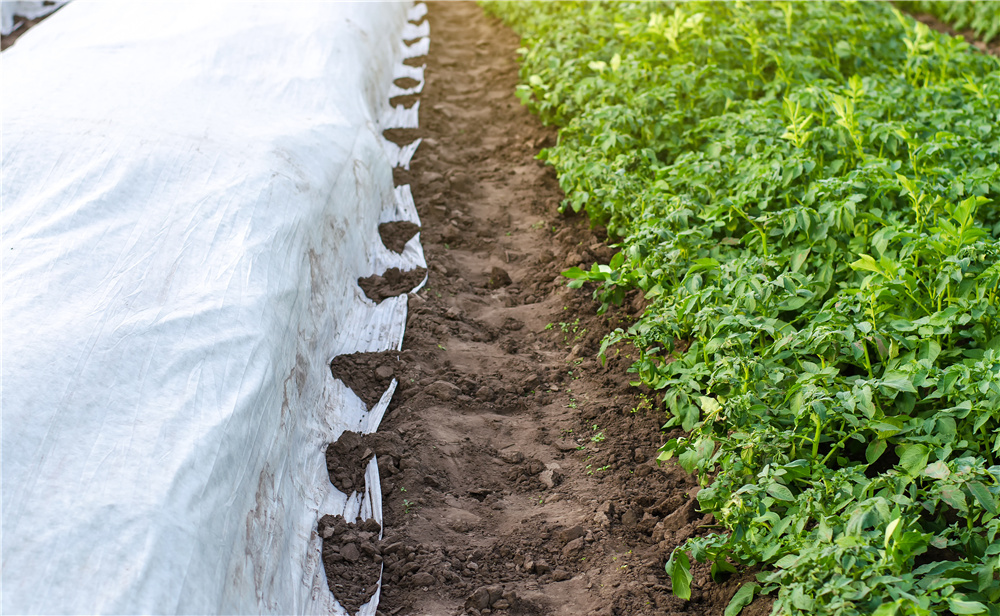
Breathable, water-permeable cover membranes that create a microclimate for crops, shield seeds from pests and frost, and provide UV stabilization.
Global sourcing partners look to a China non woven fabric material supplier not only for cost efficiencies, but for deep supply chain integration. The cluster effect within China's industrial zones ensures rapid access to raw polypropylene resins, high-performance additives (such as hydrophilic agents, UV stabilizers, and anti-static compounds), and mechanical components.
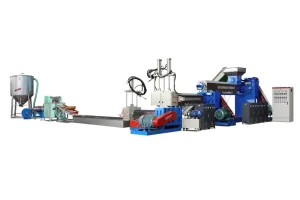
Furthermore, HG Nonwoven Machinery integrates auxiliary systems directly into its turnkey projects. By pairing our extrusion lines with on-site plastic waste granulator machines, factories can recycle edge trims and production waste in real time, converting scrap polymer back into high-quality raw materials. This closes the loop on material waste and helps stabilize margins against raw material price volatility.
The next decade of nonwoven production is defined by two key trends: the incorporation of biodegradable polymers and the digitization of production lines.
We support the creation of viable business models. In addition to primary spunbond and meltblown machinery, we assist clients in implementing downstream systems, including nonwoven recycling systems, slitting machines, flexo printing lines, lamination machines, and automatic bag-making equipment.
Our engineers handle site layout planning, electrical load balancing, and workflow optimization to ensure your production line operates efficiently from day one.
 HG NONWOVEN