Explore high-performance spunbond and meltblown line machinery, tailored to support medical, agricultural, and packaging applications globally.
An authoritative breakdown of manufacturing methodologies, technological evolution, and commercial factors for international procurement teams.
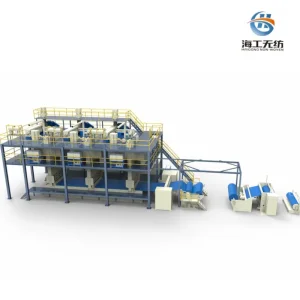
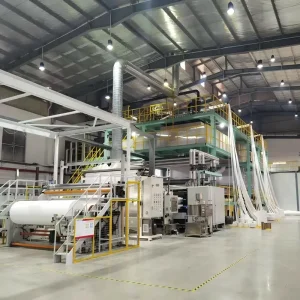
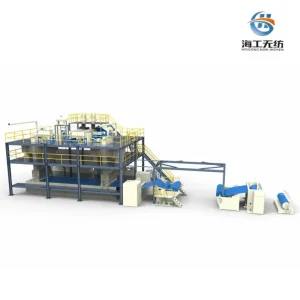
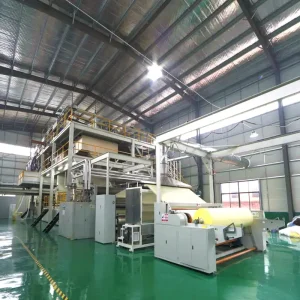
Meltblown and Spunbond technology represents the pinnacle of modern polymer-to-web direct engineering. The fundamental process leverages high-velocity hot air to attenuate extruded thermoplastic polymer materials (such as Polypropylene with high melt flow index) to form micro-fibers with diameters ranging between 1 to 5 micrometers. These micro-fibers are randomly dispersed onto a collector belt to form highly efficient web media characterized by unique barrier protection, high absorption capacity, and optimal filtration performance.
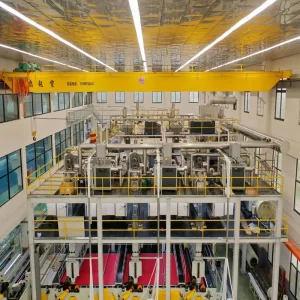
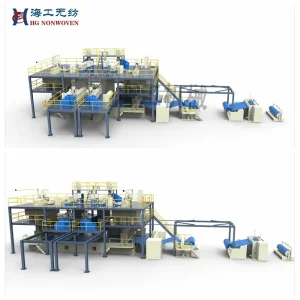
In modern hygiene and medical environments, combining Spunbond (S) and Meltblown (M) layers is essential for producing high-barrier materials like SMS, SMMS, and SSMMS. The spunbond layers provide tensile strength, structural integrity, and durability, while the internal meltblown layers form the essential filtration barrier that stops pathogens, dust particles, and fluids. Our 5th Generation machinery features improved meltblown beam geometries and optimized airflow distribution, yielding high-performance filtration webs that achieve BFE99 and PFE99 efficiency classes.
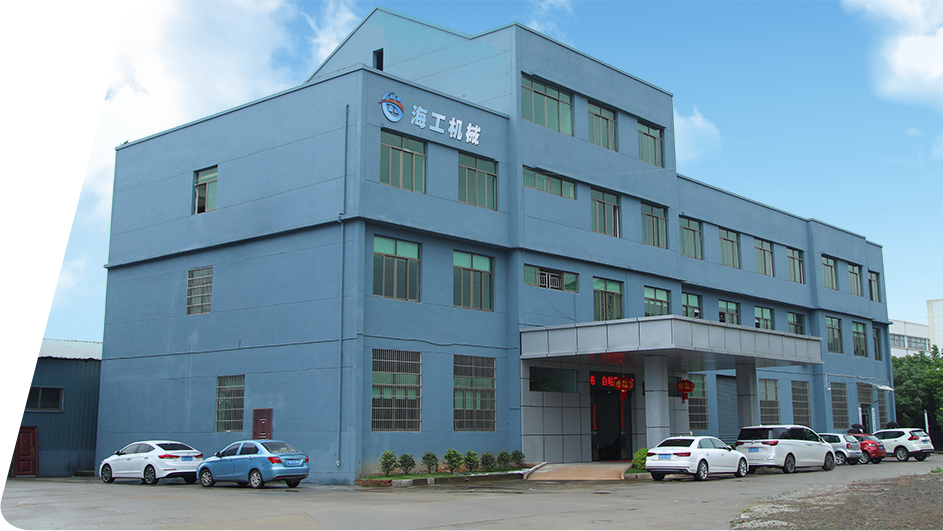
Sourcing industrial-scale nonwoven lines from China provides key strategic benefits. The regional manufacturing ecosystem delivers unmatched supply chain integration. The coordination of downstream tooling mills, high-precision CNC centers, specialist metallurgists, and advanced control systems manufacturers enables faster turnaround and lower overall production costs.
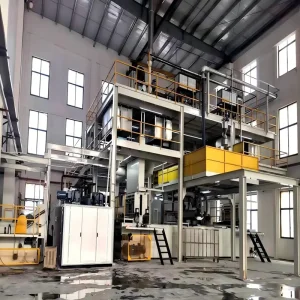
At HG Nonwoven Machinery, we combine international engineering standards with cost-efficient Chinese supply chains. This synergy allows us to produce high-specification systems—featuring robust calenders, stable spinning beams, and premium extrusion drives—at a fraction of the cost of European equivalents. This structural advantage directly lowers capital expenditure (CAPEX) for global buyers, accelerating their return on investment (ROI).
Building high-efficiency nonwoven production systems requires deep technical expertise, quality-driven construction, and reliable customer support.
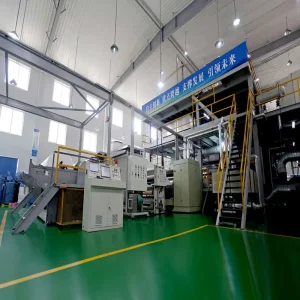
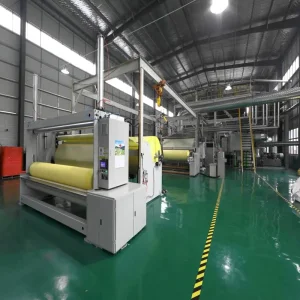
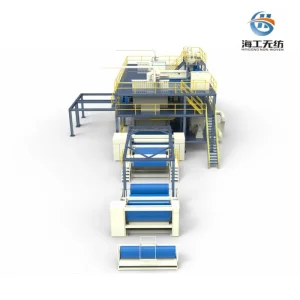
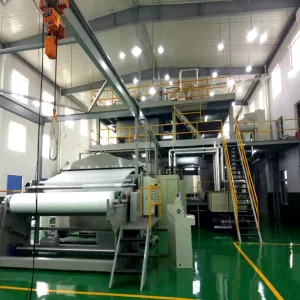
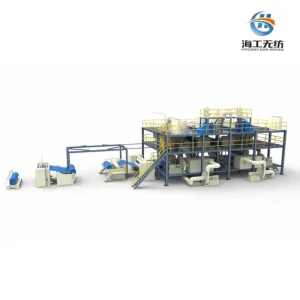
We focus exclusively on spunbond, meltblown, and composite line technologies. Our lines feature our 5th Generation spunbond spinning technology, engineered to maximize throughput while minimizing energy usage.
We help clients evaluate local market dynamics, raw material availability, and supply-demand patterns to produce detailed project feasibility reports, ensuring an optimal return on capital.
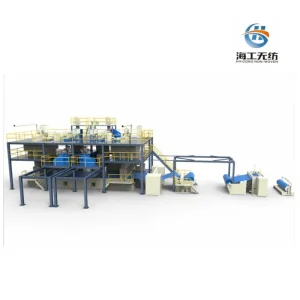
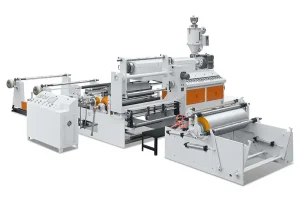
We supply complete turnkey setups, including primary spunmelt lines and auxiliary machinery such as edge recycling units, roll slitting systems, flexographic printers, fabric laminators, and bag-making equipment.
We offer comprehensive operator training and a 24-month maintenance warranty. Our technical support team assists you through digital remote monitoring or on-site engineer dispatches.
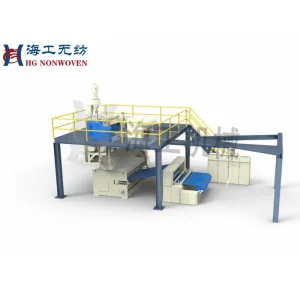
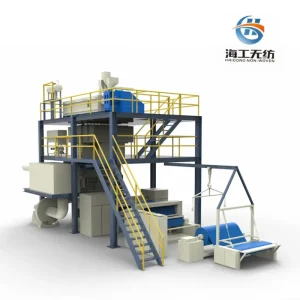
Engineered for high production stability, efficient polymer melt utilization, and long service lives.
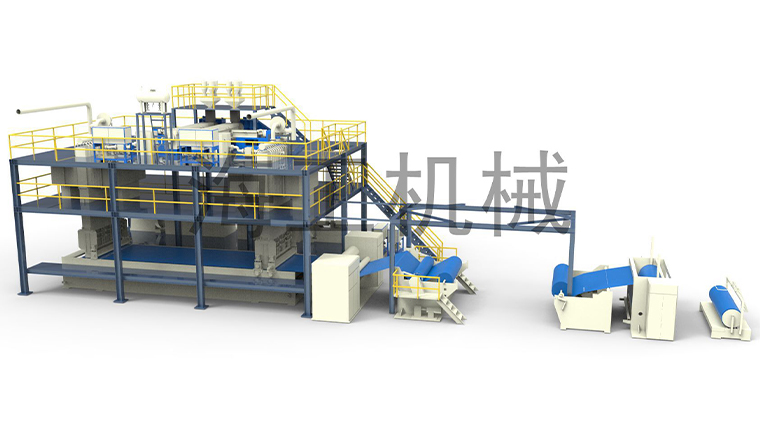
Ideal for packaging nonwoven bags, furniture uses, agricultural covers, and disposable lining applications.
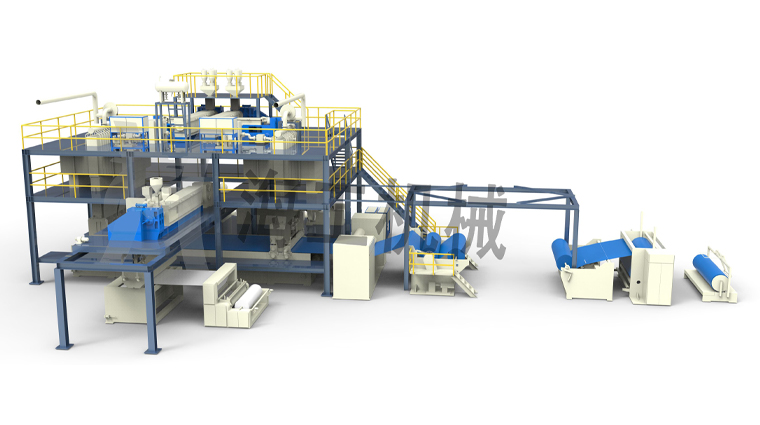
Engineered for the medical and personal hygiene sectors, delivering high fluid barrier properties and softness.
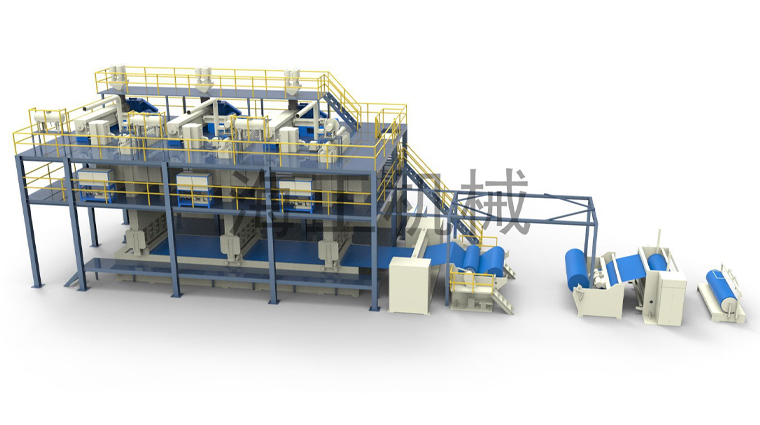
Features two meltblown beams for increased filtration efficiency compared to standard SMS lines.
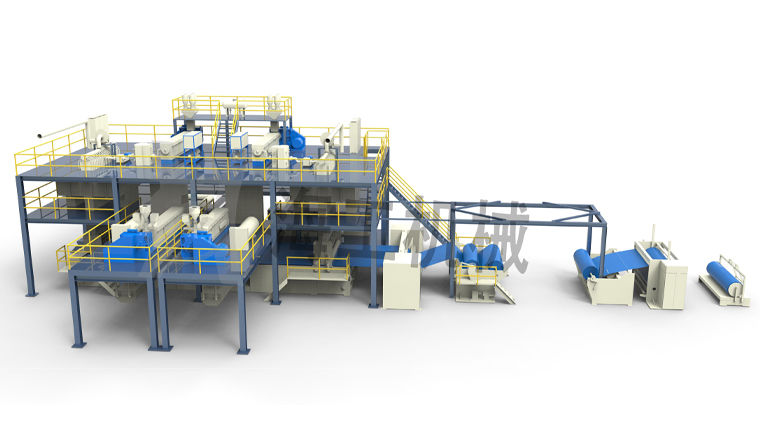
Delivers premium barrier protection, breathability, and softness for surgical drapes and advanced hygiene products.
Our systems are designed to match the specific fabric requirements of different industry sectors.
Nonwoven fabric is essential in the hygiene sector, offering breathability, softness, and excellent fluid management for comfort and protection. It quickly absorbs liquid and keeps it away from the skin, making it ideal for paper diapers, incontinence pads, and feminine hygiene products.

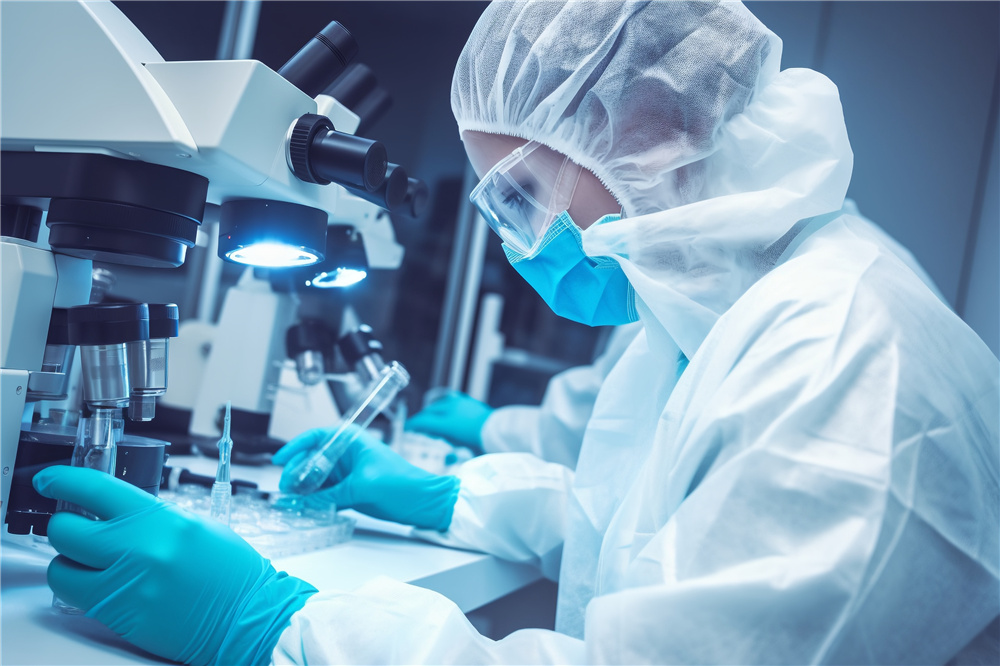
Nonwovens fabrics are extensively used in the medical field and in protection against biological agents in other sectors. They deliver critical safety properties, such as prevention against infections and diseases. They are essential for making face masks, surgical gowns, bed sheets, and surgical towels, ensuring effective filtration, protection, and comfort.
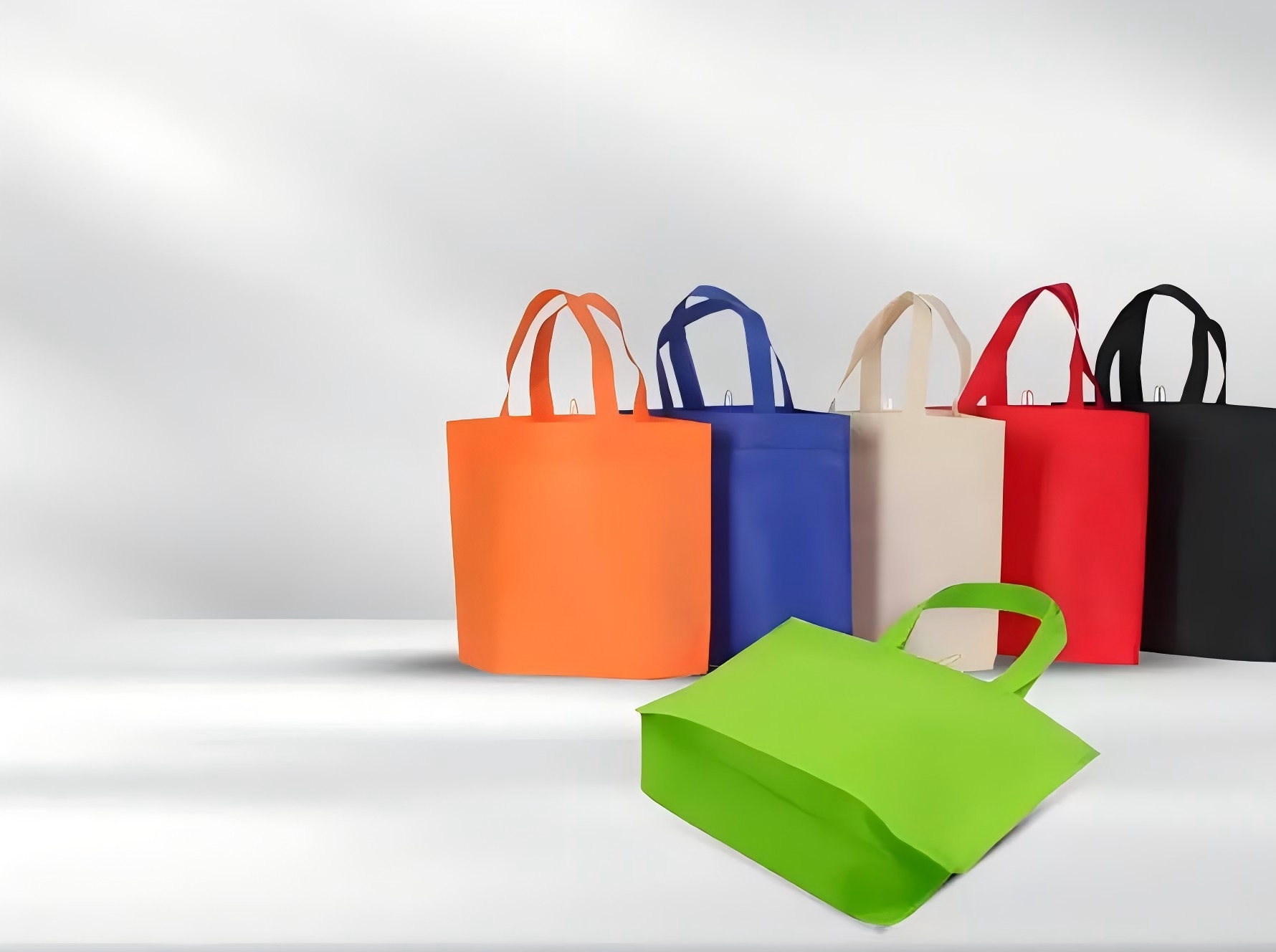
Nonwoven fabric is ideal for a variety of packaging end-uses, as their exceptional lightweight, their energy-efficient production, shipping and storage, and their long life and robustness allow for two important features: volume reduction and re-usability. It widely used for shopping bags, fruit bags, garment bags, rice bags, pocket springs, garment interlining, as well as packaging for pharmaceuticals and cosmetics, among other applications. Its versatility and long lifespan contribute to its popularity in various industries.
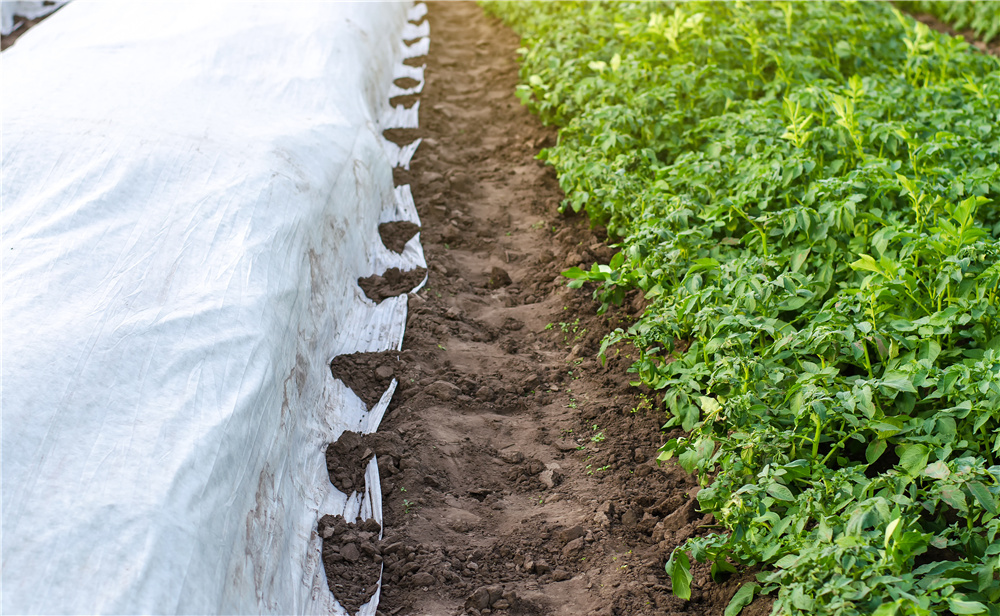
Agriculture Non Woven Fabric allow air and water to pass through while providing wind and cold protection by generating a microclimate around the crop. Furthermore, because nonwoven works as a physical protection media, it can assist prevent damage to crops, vegetables, and seeds from insects and birds. Nonwoven materials can assist regulate heat, UV blocker agriculture, while also providing superior air and water permeability. These materials are light weight, portable, and may be tailored to match specific needs and provide specific services.
Detailed technical answers addressing standard questions from global plant managers and procurement professionals.
Explore high-performance spunbond and meltblown line machinery, tailored to support medical, agricultural, and packaging applications globally.
 HG NONWOVEN