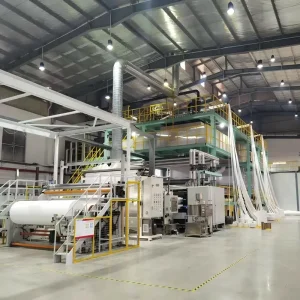
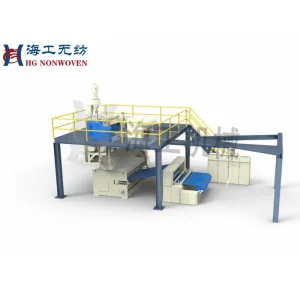
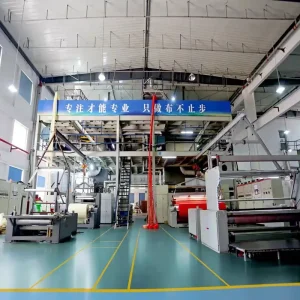
Explore our high-performance industrial machines engineered for global efficiency, durability, and raw material optimization.
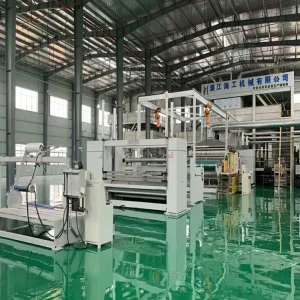
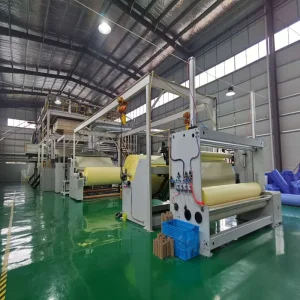
The global nonwoven fabric manufacturing sector is undergoing a massive paradigm shift. As hygiene standards rise, medical regulations tighten, and packaging materials transition towards eco-friendly substrates, the demand for high-performance laminated spunbond nonwoven fabrics has skyrocketed. Spunbond polypropylene technology—specifically when integrated with online laminating, meltblowing (SMS, SMMS, SSMMS), or specialized coating systems—represents the absolute vanguard of this industrial evolution.
In contemporary industrial applications, simple single-beam spunbond webs are no longer sufficient to meet complex downstream requirements. Modern engineering demands materials that feature high hydrostatic pressure resistance, advanced air permeability, liquid repellency, and high mechanical tensile strength. A laminated spunbond nonwoven machine operates by combining the structural integrity of spunbond filament webs with barrier layers (often microporous films or meltblown fibers) via thermal calendering, extrusion coating, or adhesive processes. Globally, manufacturers are looking for customizable lines capable of handling diverse polymers, minimizing carbon footprints, and delivering exceptionally uniform basis weights (GSM).
Information Gain Insight: The true efficiency of modern laminated spunbond lines lies in their capacity to minimize raw material waste. Advanced systems run online thickness gauges, closed-loop melt distribution blocks, and automated edge-trim recycling units that feed scrap directly back into the primary extruder. This dramatically lowers the cost per ton of finished fabric.
China has consolidated its position as the premier manufacturing hub for nonwoven machinery, offering unmatched efficiency, technological integration, and supply chain speed. However, navigating the landscape of "China Laminated Spunbond Nonwoven Machines Suppliers" requires a clear understanding of the engineering benchmarks that differentiate top-tier manufacturers from generic exporters.
Leading Chinese suppliers, like HG Nonwoven Machinery, have successfully integrated advanced foreign design concepts—such as the 5th Generation spunbond spinning technology—with localized, high-speed manufacturing agility. This fusion allows global buyers to acquire systems characterized by:
Pioneering Spunmelt Technology Since 2014
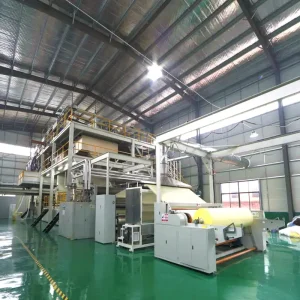
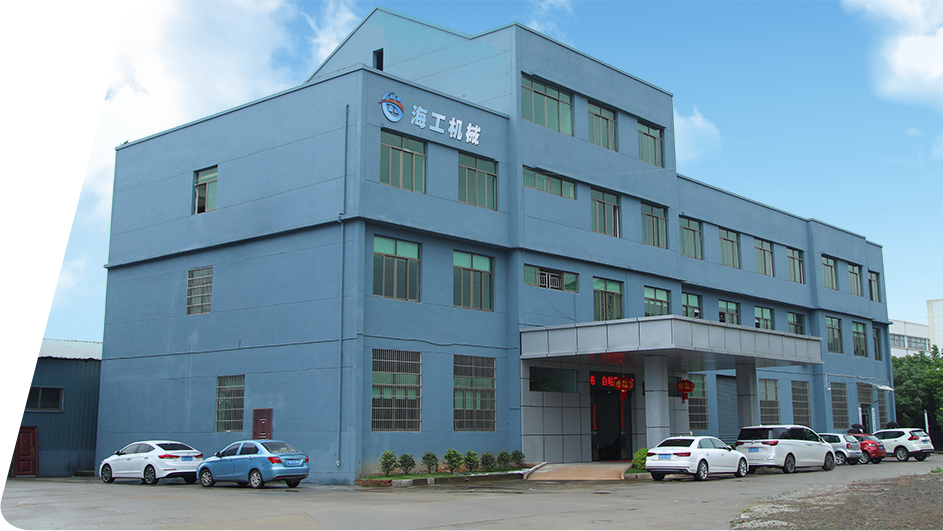
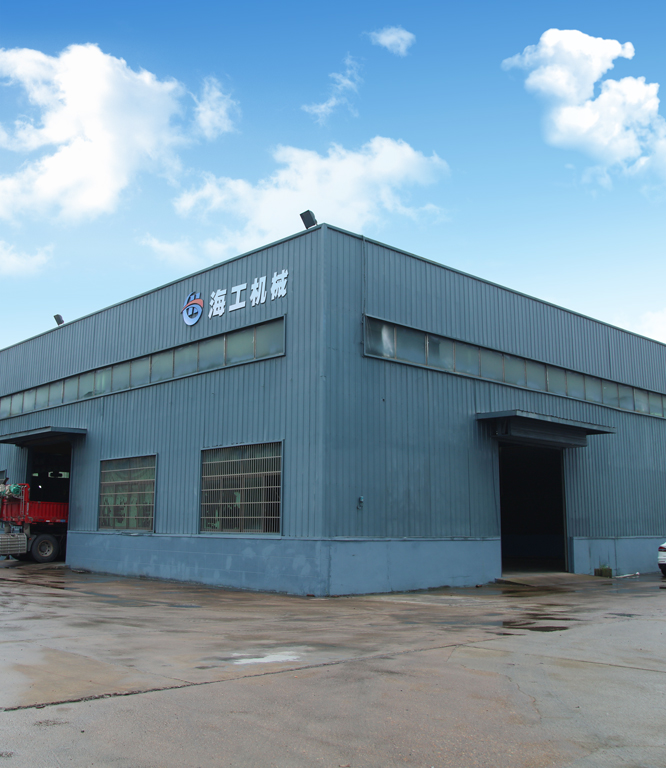
Pujiang HG Nonwoven Machinery Co., Ltd. is a well-known nonwoven fabric making machine manufacturer since 2014, specializing in manufacturing PP spunbond and meltblown nonwoven fabric making machines with complete turnkey engineering service. Our nonwoven fabric machines focus on producing high performance eco-friendly and biodegradable spunbonded nonwoven fabrics.
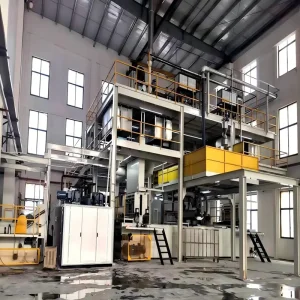
Our company introduced advanced design concepts (5th Generation spunbond spinning technology) from overseas and integrated them with autonomy to suit the specific needs of the global market. Consequently, HG nonwoven fabric making machines are characterized by convenient operation, small footprint, low power consumption, high efficiency, and low production cost.
"Our company regards 'high quality, good service' as our tenet. By choosing us, you gain a reliable partner committed to helping you stand out in a competitive market. Contact us today to learn more about how to produce non woven fabrics economically, reliably, and sustainably."

Providing One-Stop Turnkey Engineering Solutions from A to Z
Our machines are meticulously designed and incorporate the latest technology to ensure maximum production efficiency with minimal energy consumption. We offer customized solutions to ensure our machines align perfectly with your unique product needs.
With our rich experience in the nonwoven fabric industry, we provide clients with thorough local market analyses and operational cost simulations to help compile highly accurate project feasibility reports.
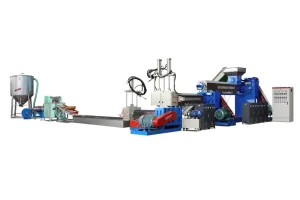
Beyond PP spunbond lines, we supply auxiliary machinery: nonwoven recycling granulators, slitting/rewinding systems, flexo printing presses, specialized lamination systems, and bag-making machinery.
We provide comprehensive staff training during commissioning. Our service package includes 24 months of engineer after-sales service, technical support, and quick-response on-site or digital diagnostics.
Explore our targeted industrial solutions designed to meet specific hygiene, medical, agricultural, and packaging demands.

Nonwoven fabric is essential in the hygiene sector, offering breathability, softness, and excellent fluid management for comfort and protection. It quickly absorbs liquid and keeps it away from the skin, making it ideal for paper diapers, incontinence pads, and feminine hygiene products.
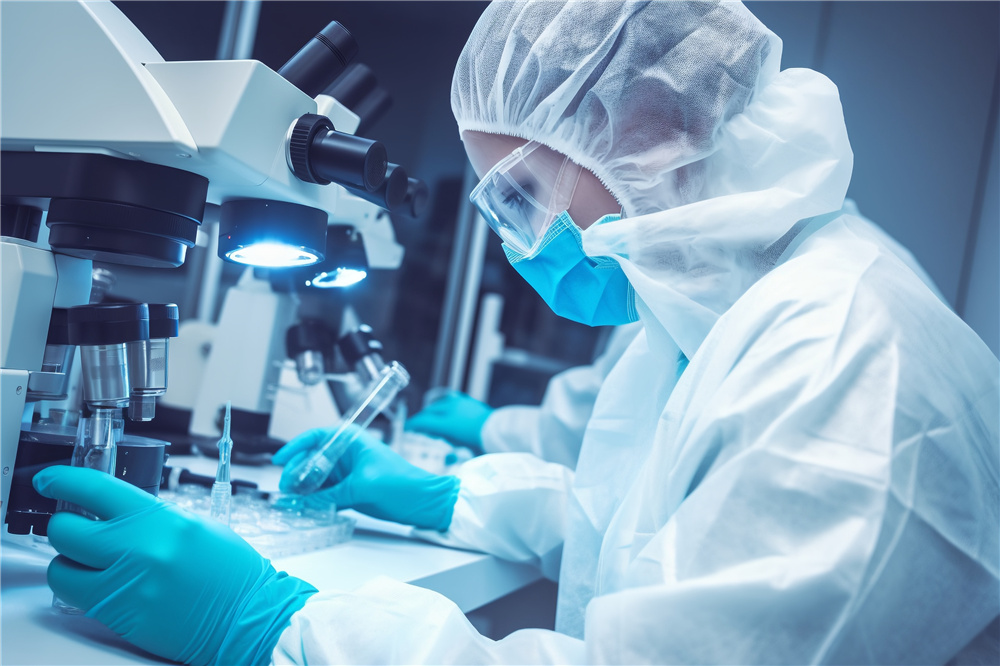
Nonwovens fabrics are extensively used in the medical field and in protection against biological agents in other sectors. They deliver critical safety properties, such as prevention against infections and diseases. They are essential for making face masks, surgical gowns, bed sheets, and surgical towels, ensuring effective filtration, protection, and comfort.

Nonwoven fabric is ideal for packaging end-uses due to its lightweight profile, energy-efficient production, simple shipping/storage, and long life. Widely used for shopping bags, fruit bags, garment bags, pocket springs, garment interlining, and pharmaceutical packaging.
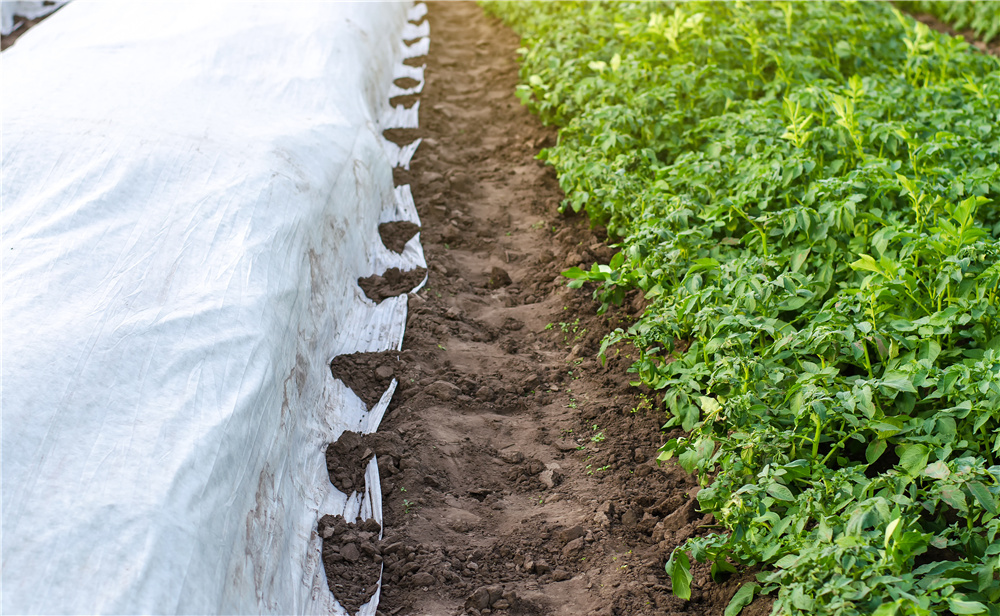
Agricultural nonwoven fabric allows air and water to pass through while providing wind and cold protection by generating a microclimate around crops. It acts as a physical barrier against insects and birds, and provides UV protection and heat regulation.
Engineered for high performance, maximum uptime, and optimized material usage.
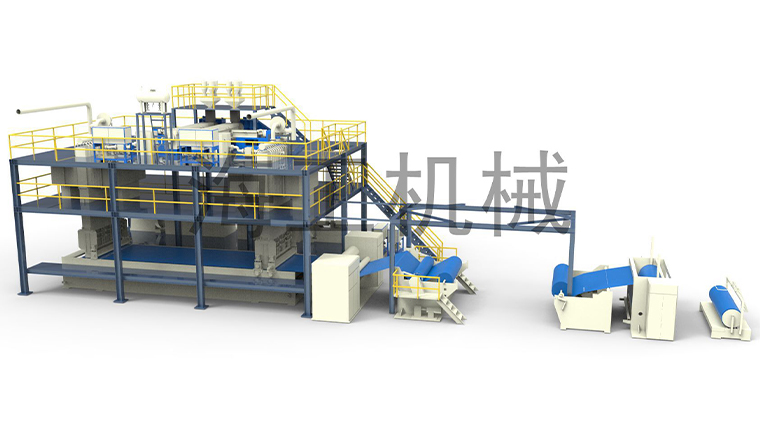
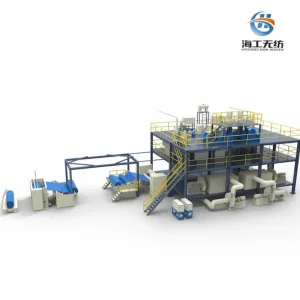
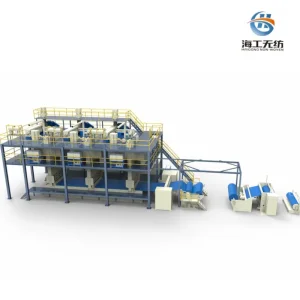
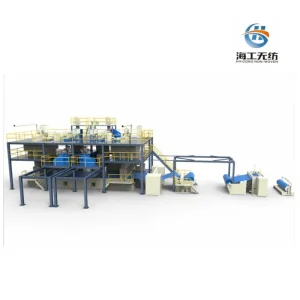
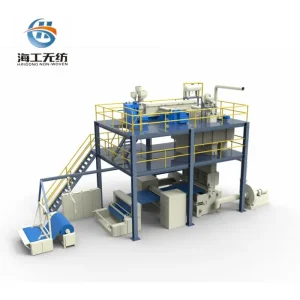
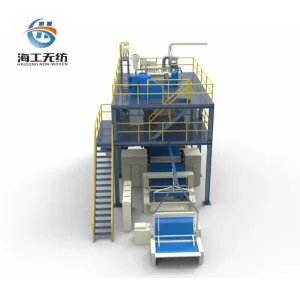
S/SS PP Nonwoven Fabric Making Machine
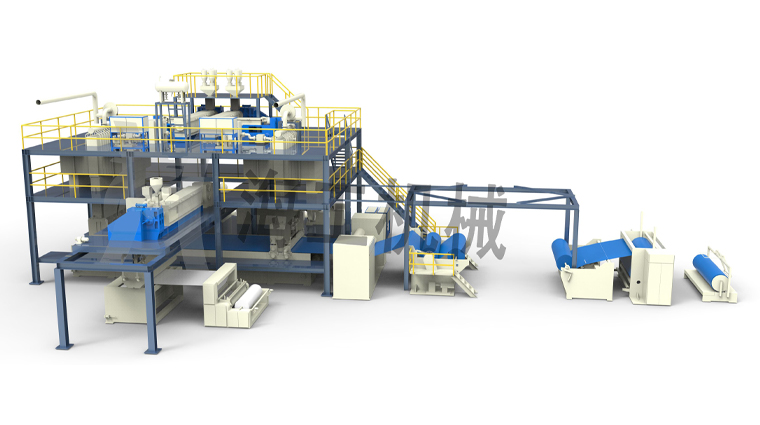
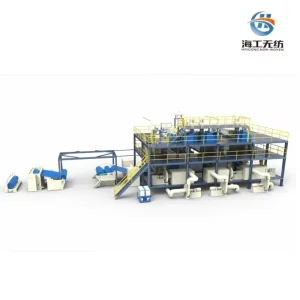
SMS Spunbond and Meltblown Nonwoven Machine
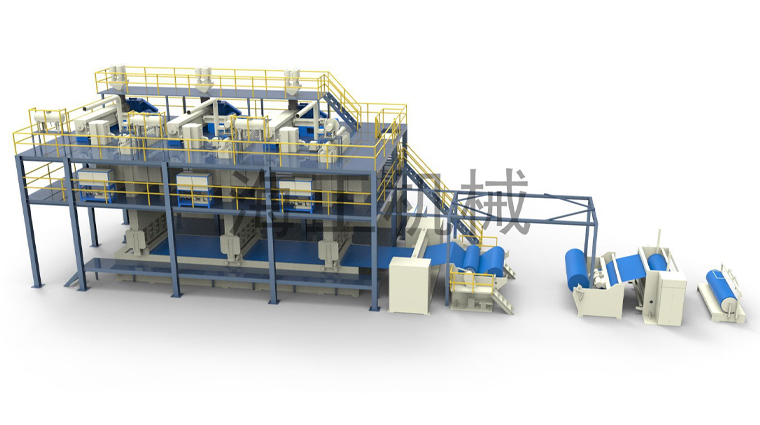
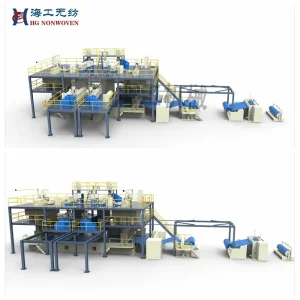
SMMS Nonwovens Production Machine
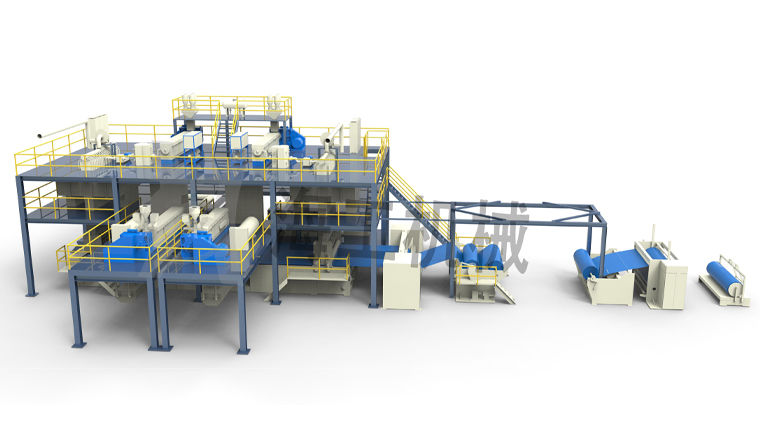
SSMMS Spunbond Production Line
The future of laminated spunbond nonwovens centers on green manufacturing and smart digitalization. Global brands are driving major shifts in the industrial equipment landscape, focusing on two key structural changes:
With stricter regulations on single-use plastics, engineering PLA (Polylactic Acid), PBAT, and bio-blended PP materials on spunbond machines is no longer optional. HG Nonwoven Machinery is actively developing spinneret manifolds and thermal calender controls optimized for these temperature-sensitive polymers. Achieving stable filament drawing and uniform web lay-down with biodegradable polymers requires precise temperature control in the extrusion barrel and drawing cabinet.
Modern manufacturing plants must run with minimal downtime. The implementation of real-time monitoring through OPC-UA communication protocols allows remote engineering diagnostic checks. From analyzing extruder melt pressure fluctuations to predictive maintenance alerts on calendar bearings, integrated cloud software helps factories maintain 99.8% production uptime.
Combining physical film lamination directly online with high-speed spunbond lines removes secondary rewind/unwind operations. This online process preserves web tensile strength and prevents contamination, creating high-barrier laminates for hazmat suits and critical medical barriers.
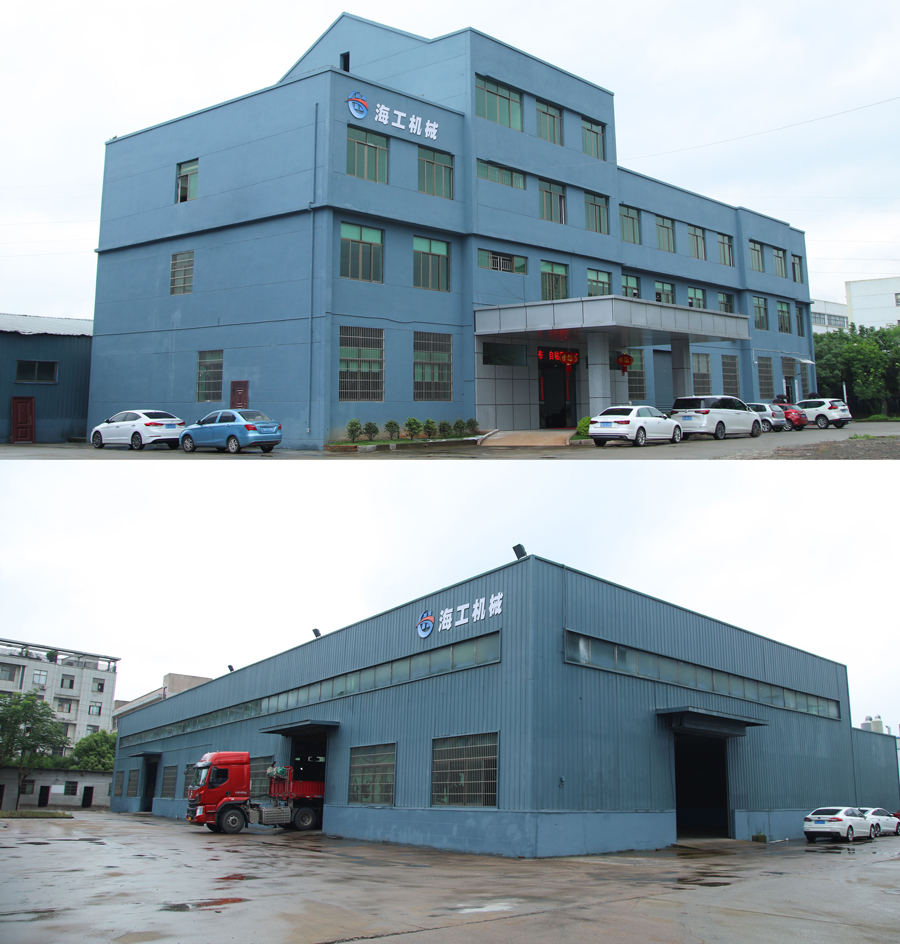
By utilizing advanced design concepts like the 5th Generation spunbond spinning technology, manufacturers can reduce raw energy draw by up to 15-20% per ton of fabric. This is achieved by utilizing optimized aerodynamic drafting channels that draw filaments at higher speeds with lower blower motor horsepower.
Procuring a full-scale nonwoven production line represents a significant capital layout. Technical purchasing departments must evaluate specific variables to ensure their capital asset aligns with corporate growth plans. Use the following guide for engineering verification:
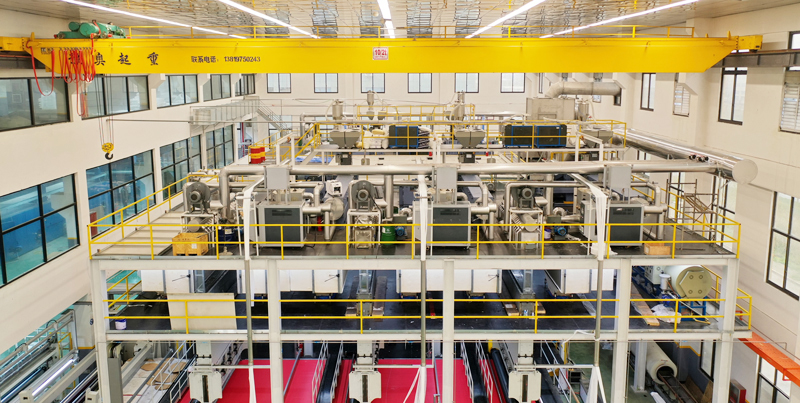
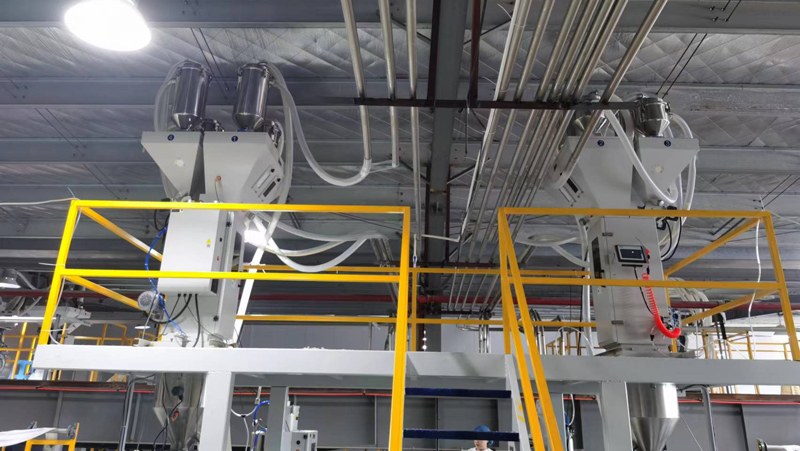
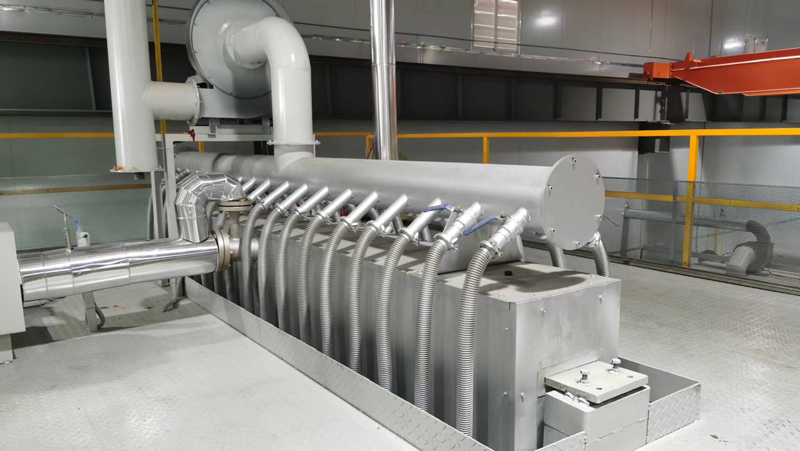
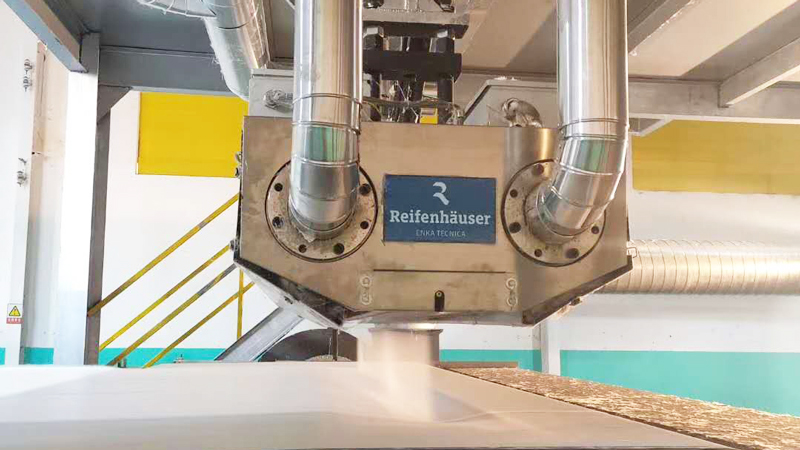
Get professional, engineering-level answers to common technical queries in nonwoven fabric manufacturing.
Premium solutions for composite nonwovens, recycling systems, and high-efficiency spunmelt lines.
 HG NONWOVEN