Explore our top industrial systems designed for high speed, continuous output, and optimized energy efficiency.
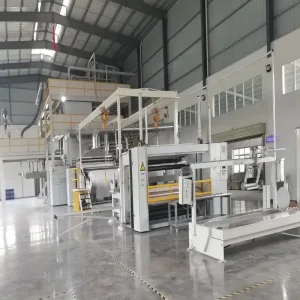
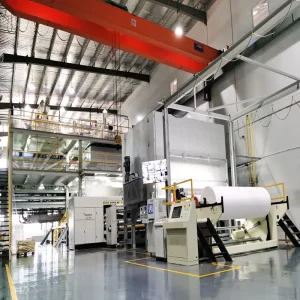
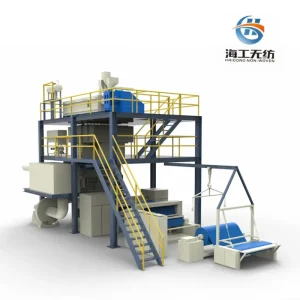
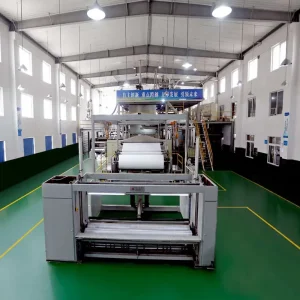
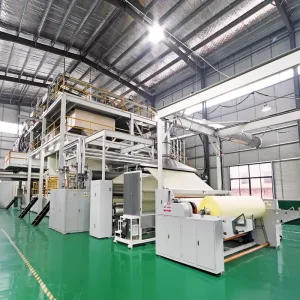
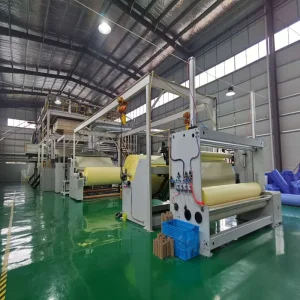
The international market for nonwoven fabrics is experiencing a profound paradigm shift driven by stringent regulatory frameworks, environmental considerations, and demands for advanced material barriers. High-capacity spunbond and meltblown integration lines stand at the center of this transition.
Industrial procurement officers face multi-faceted challenges: balancing capital expenditure (CAPEX) with operational efficiency (OPEX), meeting regional hygiene certifications, and managing escalating energy costs. Manufacturers in Asia, Europe, and the Americas must secure equipment that guarantees filament uniformity, consistent tensile strength, and long-term stability.
As standard single-beam (S) lines are rapidly replaced by double-beam (SS) and high-speed composite lines (SMS, SMMS, SSMMS), the necessity for precision manufacturing becomes paramount. Standardized production is no longer sufficient; global buyers require custom-engineered extruders that support flexible polymer formulations—including eco-friendly, biodegradable, and recycled polypropylene.
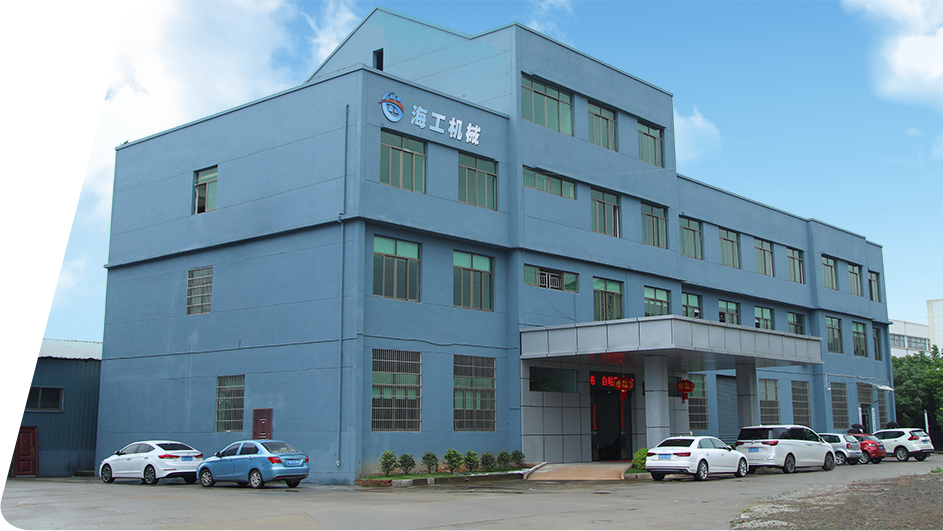
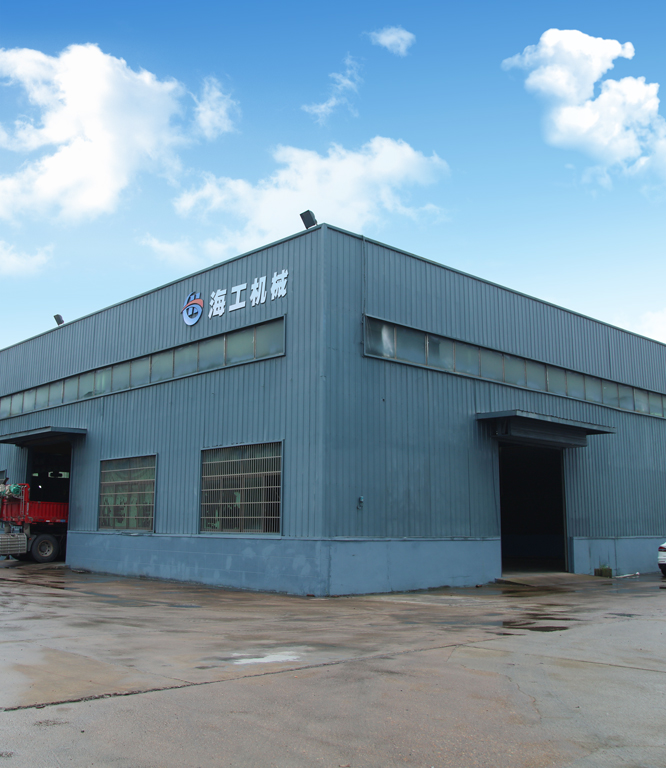
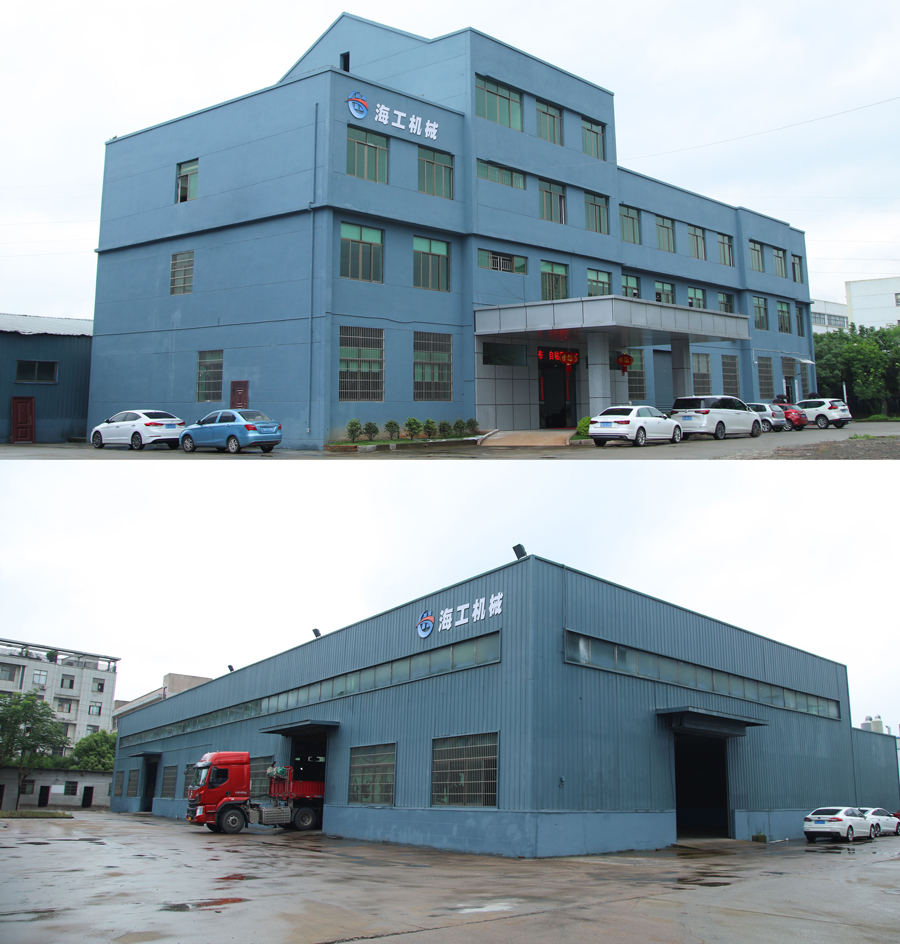
Pujiang HG Nonwoven Machinery is a well-known nonwoven fabric making machine manufacturer since 2014.
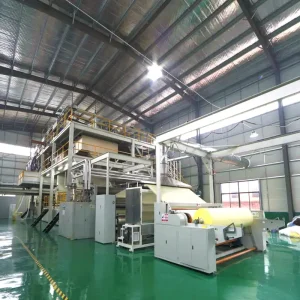
We specialize in manufacturing high-efficiency PP spunbond and meltblown nonwoven fabric making machines accompanied by complete turnkey engineering services. By integrating international design concepts—particularly the 5th Generation spunbond spinning technology—with our own proprietary autonomous market adaptations, we deliver systems engineered for streamlined operation, reduced footprint, minimal energy consumption, and high overall output.
"Our core directive is 'high quality, good service.' When choosing HG Machinery, you acquire a strategic partner committed to supporting your operational resilience in highly competitive global markets."
Our infrastructure covers the entire development cycle, from raw material formulation analysis and mechanical structural modeling to site commissioning and operator training. Our global after-sales service team provides field assistance and digital remote diagnostics to keep your lines running continuously.
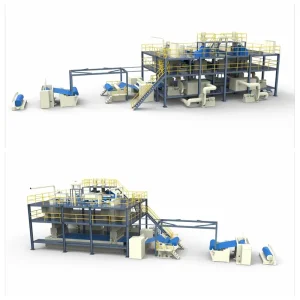
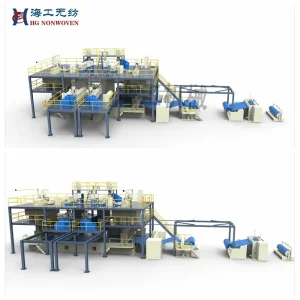
An overview of the engineering systems that power our high-output S, SS, SMS, and SSMMS manufacturing lines.
Our structural design leverages advanced international concepts, utilizing optimized draft air chambers to produce uniform filament diameter distribution, high tensile strength, and reduced energy consumption per ton of output.
Our systems utilize integrated heating elements, high-efficiency motors, and heat exchangers to capture and recycle thermal energy from the extrusion process, reducing operational expenses.
The combination of high-velocity air attenuation and polymer distribution in our SMS/SMMS lines creates fine-fiber meltblown barriers that meet medical-grade filtration and fluid resistance standards.
| Production Line Model | Filament Web Type | Production Width (mm) | Maximum Mechanical Speed | Target Applications |
|---|---|---|---|---|
| HG-1600 S / SS Series | Single / Double Beam PP Spunbond | 1600 - 3200 | Up to 350 m/min | Eco Bags, Furniture Liners, Agriculture Blankets |
| HG-SMS Composite Series | Spunbond-Meltblown-Spunbond | 2400 - 3200 | Up to 400 m/min | Surgical Gowns, Infection Control Apparel, Hygiene Shields |
| HG-SMMS / SSMMS High Barrier | Multi-layer Spunmelt Composite | 2400 - 3200 | Up to 600 m/min | Premium Baby Diapers, Adult Incontinence Pads, Sterile Wraps |
Our primary machinery solutions, engineered to meet international standards for reliability and sustainability.
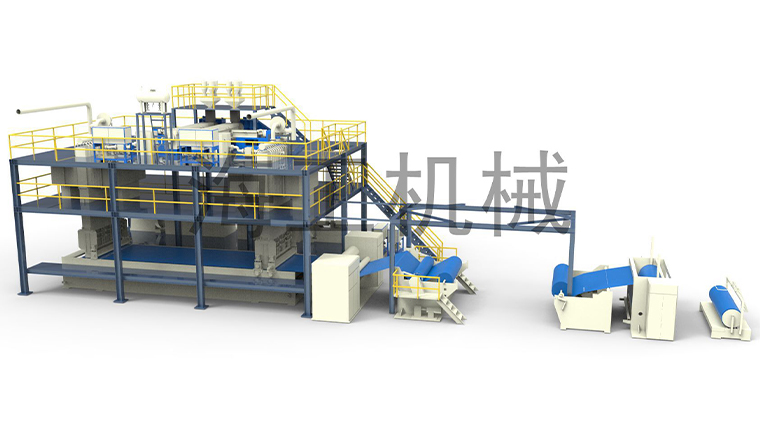
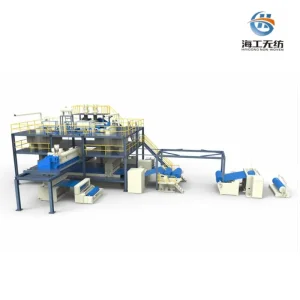
Engineered for packaging nonwoven bags, furniture use, and agricultural fields.
View Details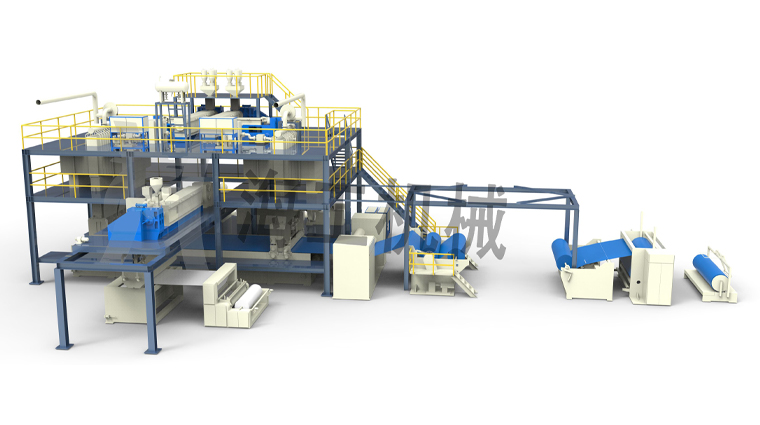
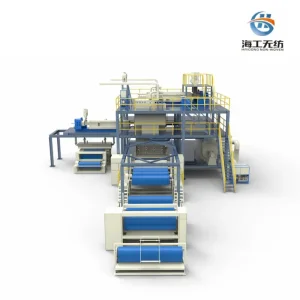
Engineered to produce high-barrier materials for medical use and hygiene health care.
View Details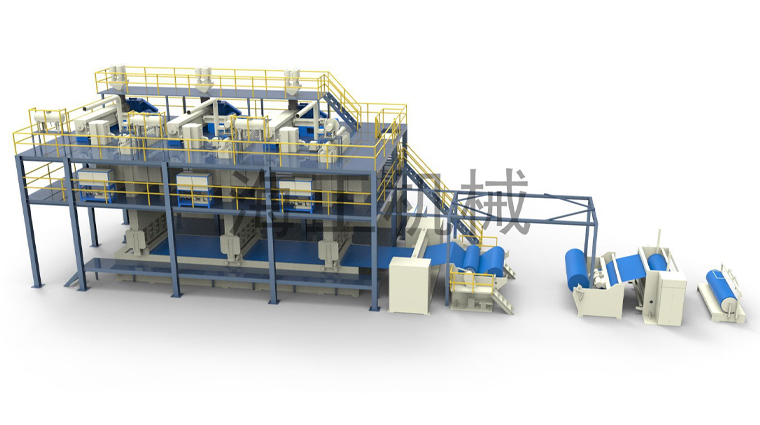
4 layers of fabric provide a higher filtration efficiency compared to standard SMS fabric.
View Details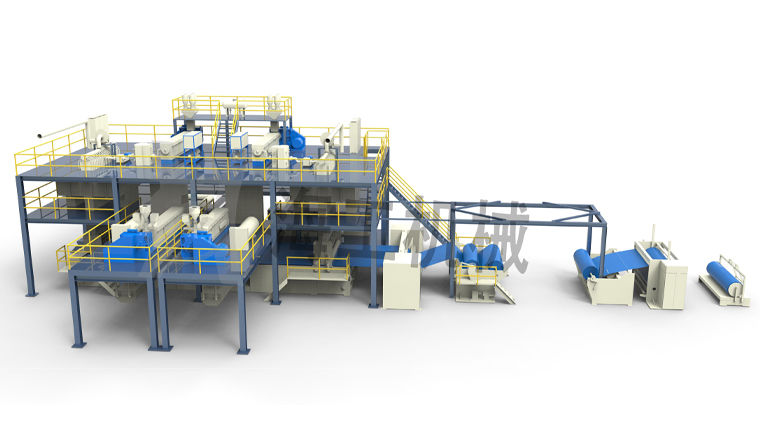
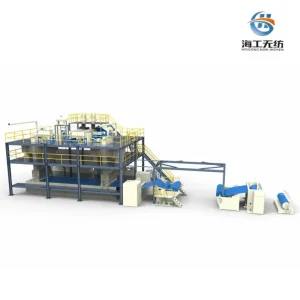
Provides excellent barrier properties, softness, and comfort for medical and hygiene applications.
View DetailsWe assist you in selecting the proper machinery configuration based on your target market requirements, output specifications, and regulatory standards.
Non-woven fabric is essential in the hygiene sector, offering breathability, softness, and liquid management for comfort and protection. It absorbs liquid and pulls it away from the skin, making it suitable for diapers, incontinence pads, and feminine hygiene products.
Nonwovens fabrics are used in the medical field and for biological protection. They provide critical barrier properties to prevent infections and diseases, and are used to make face masks, surgical gowns, bed sheets, and surgical towels, ensuring filtration and protection.
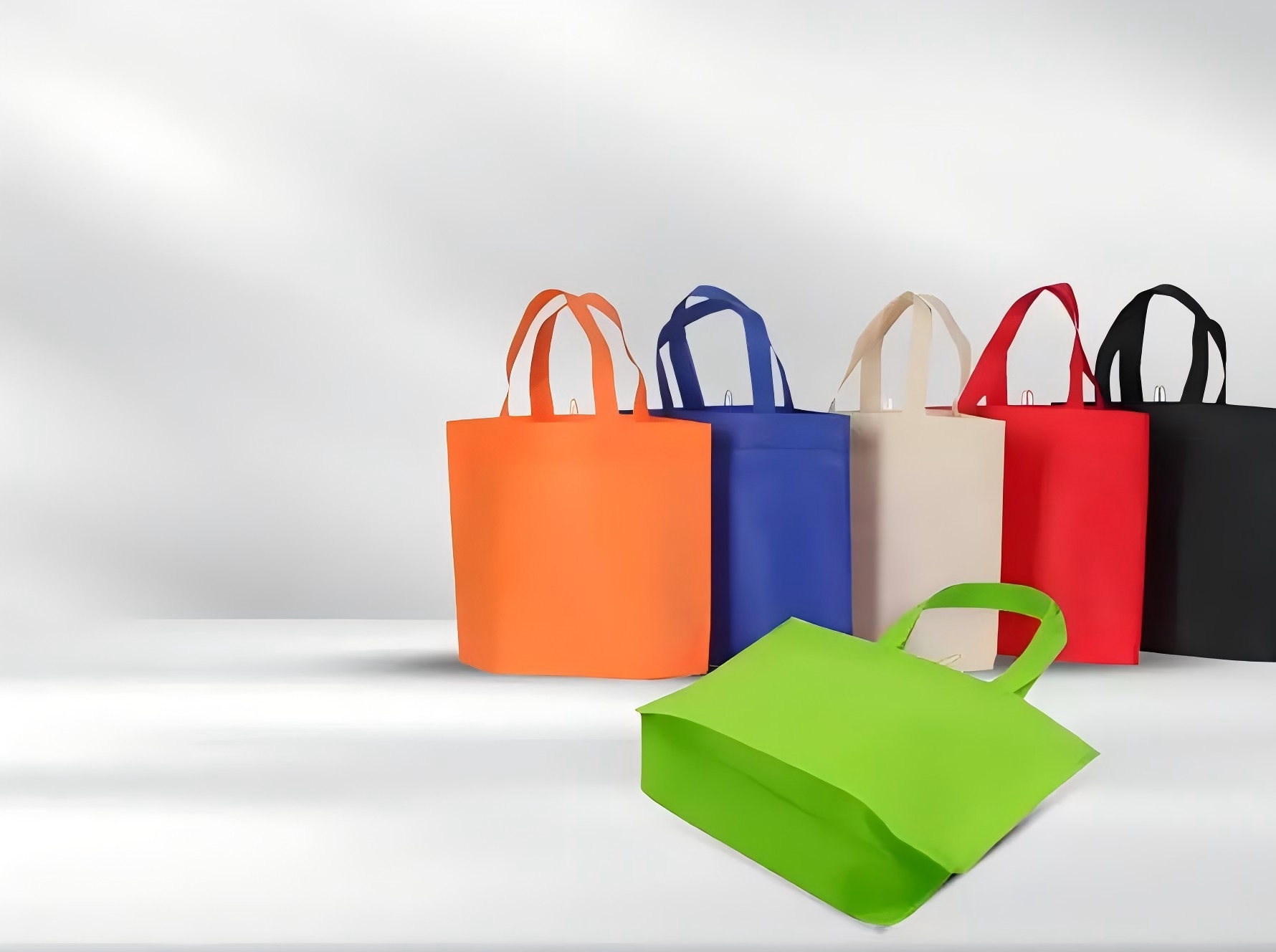
Nonwoven fabric is lightweight, durable, and facilitates space-efficient shipping and storage. It is used for shopping bags, fruit bags, garment bags, pocket springs, garment interlining, and pharmaceutical packaging, offering reusability and volume reduction.
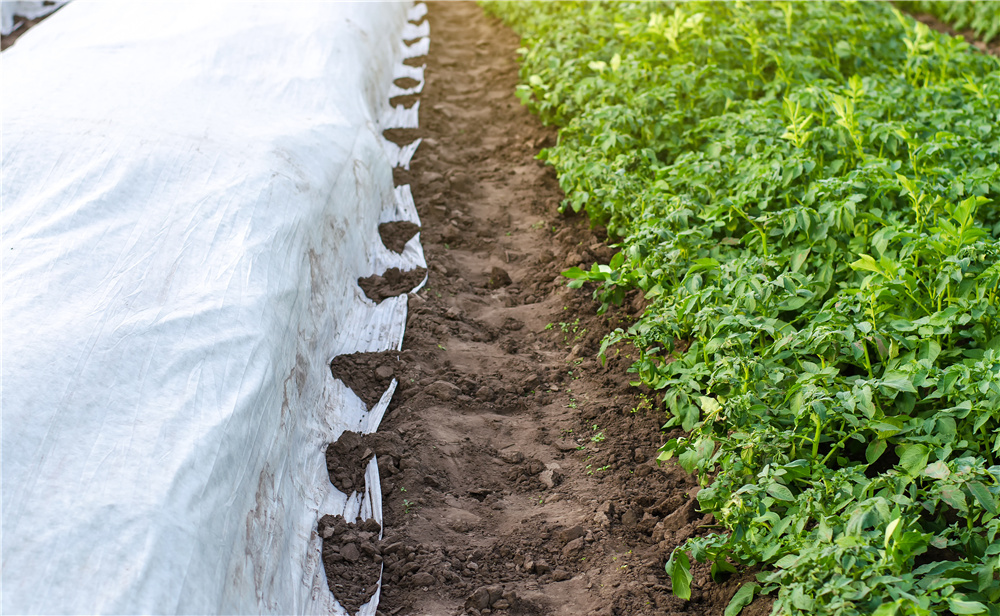
Agriculture Non Woven Fabric allows air and water to pass through while providing protection against wind, cold, insects, and birds. It creates a microclimate around the crops, regulates heat, provides UV protection, and can be customized to meet specific agricultural needs.
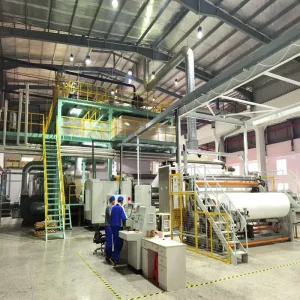
Setting up a nonwoven production facility requires precise alignment of mechanical, thermal, electrical, and control systems. We manage the process from design through final commissioning.
With deep experience in the nonwoven fabric industry, we provide local market analysis to assist you in preparing a detailed project feasibility report.
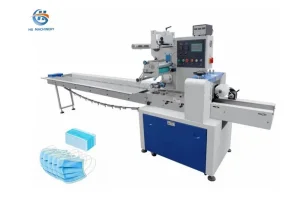
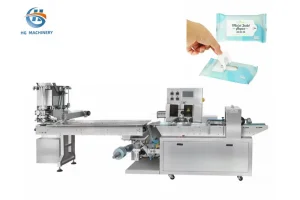
In addition to PP nonwoven fabric making machines, we integrate essential auxiliary equipment, including recycling machines, slitting machines, flexo printing machines, lamination machines, and nonwoven bag-making systems.
Following installation, we provide structured training for your operators to support proper machine handling. We offer a 24-month technical support and maintenance window, accessible on-site or via digital services.
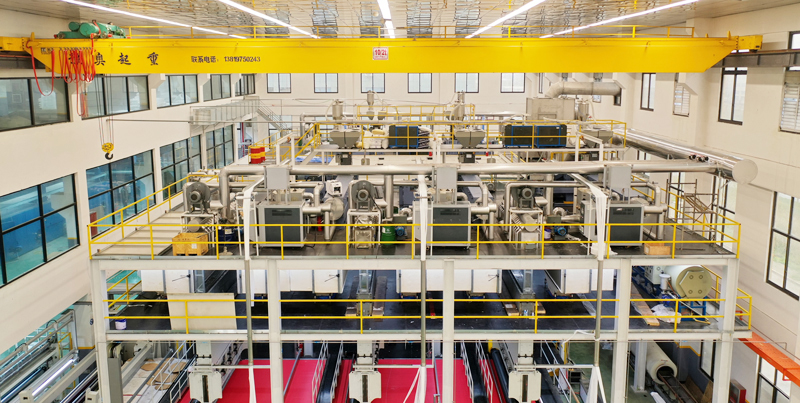
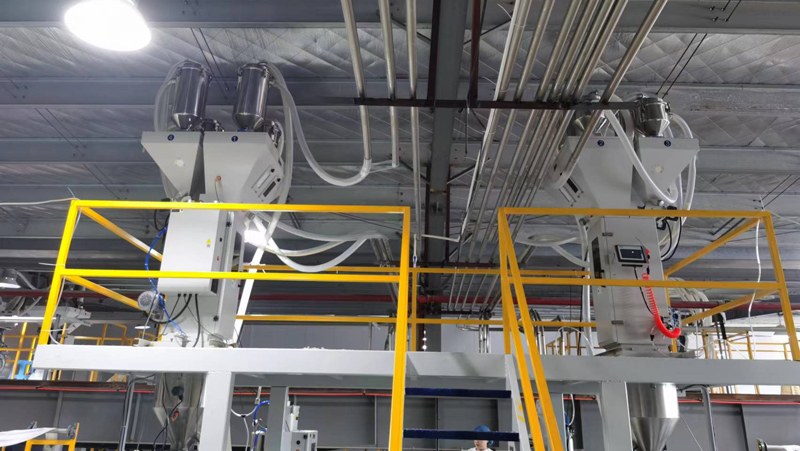
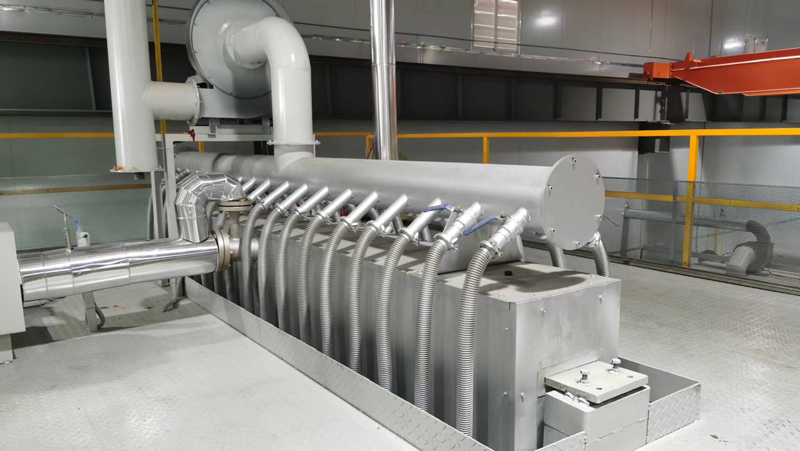
An overview of the polymer-to-fabric conversion process and key mechanical specifications.
The spunbond process begins with the extrusion of raw polypropylene chips. This material is melted and pushed through spinneret dies containing thousands of micro-orifices. The resulting filaments are drawn downward and cooled by controlled airflow in the draft chamber, which aligns the molecular chains of the polymer to establish tensile strength.
The attenuated filaments are distributed onto a moving wire mesh belt to form a loose web. This web is fed into a calender roll heated by thermal oil, which fuses the filaments at discrete points to create a fabric with consistent tensile properties, breathability, and weight distribution.
For applications requiring a high liquid barrier, we combine spunbonding with meltblowing. Meltblown fibers are much thinner (1–5 microns) than spunbond fibers (15–25 microns), creating a dense, micro-porous structure that prevents liquid penetration while allowing air passage.
All HG Nonwoven Machinery lines are manufactured to comply with international standards, featuring CE markings and electrical cabinets that meet UL or CSA requirements. The system's PLC controls use Siemens or Allen-Bradley modules to enable integration into plant-wide SCADA monitoring systems, supporting safe and predictable operation.
Answers to common technical, logistics, and operational questions from procurement teams.
The output depends on the fabric's basis weight (GSM) and filament thickness. Typically, our HG-1600 PP spunbond line operates at mechanical speeds up to 350 m/min, yielding approximately 4 to 10 tons of finished fabric per 24 hours.
Composite SMS and SMMS lines integrate one or two meltblown dies between the spunbond beams. This configuration produces multi-layer fabrics that combine the physical strength of spunbond with the high filtration barrier properties of meltblown, making them suitable for surgical gowns and masks.
Our turnkey solutions include raw material mixers, dosing systems, edge-trim recycling extruders, automatic roll winders, high-precision slitting machines, and packaging systems to prepare rolls for distribution.
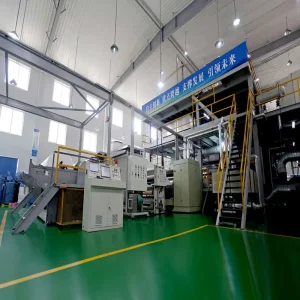
Our 5th Generation lines are designed to minimize footprint. A standard SS 1600mm line requires approximately 30m x 15m x 11m (L x W x H) and has an installed heating capacity of around 350kW, with active consumption optimized during steady-state operation.
We provide a 24-month warranty on major components. Following this period, we support operations through spare parts delivery, scheduled technician visits, and remote troubleshooting via online PLC diagnostics.
Review our range of spunbond, meltblown, composite lines, and specialized conversion machinery.
 HG NONWOVEN