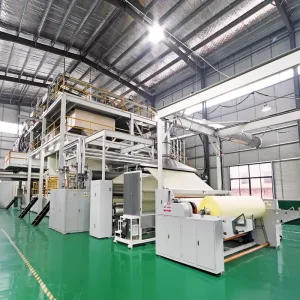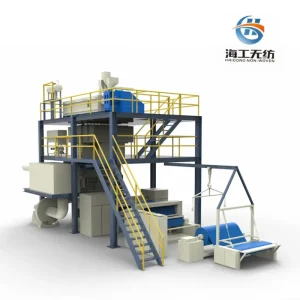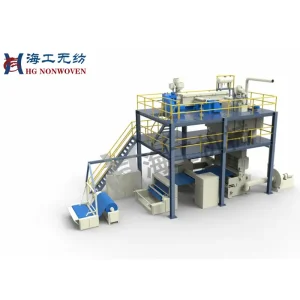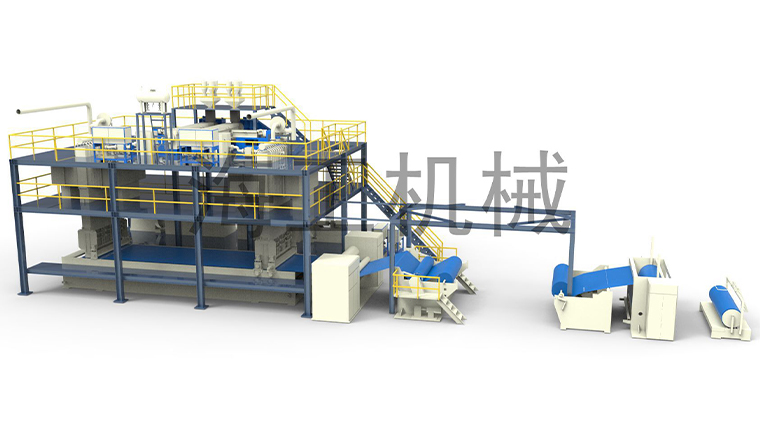
The global industrial demand for highly efficient synthetic fabrics has driven massive innovations in web consolidation, extrusion, and shrinking technologies. In high-speed production, thermal bonding, hot-calendering, and shrinking processes determine the tensile properties, dimensional stability, and tactile feedback of the final nonwoven product. As leading manufacturers, we understand that optimizing these parameters requires deep polymer knowledge and aerodynamic precision.
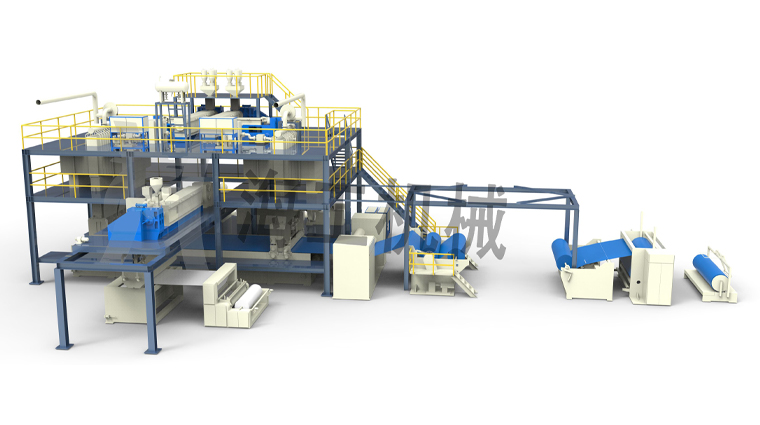
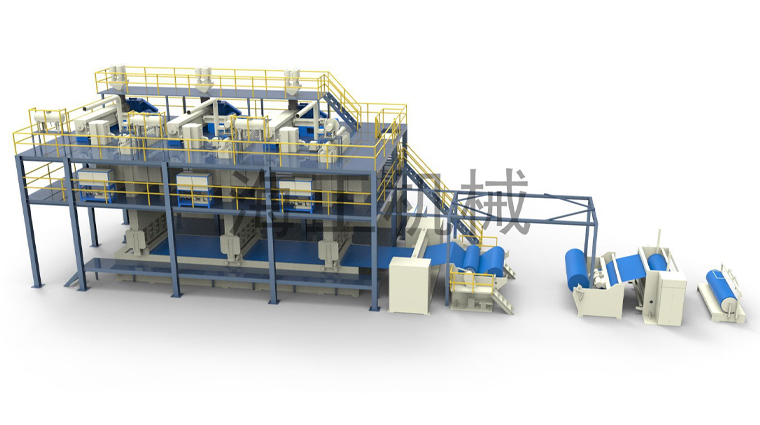
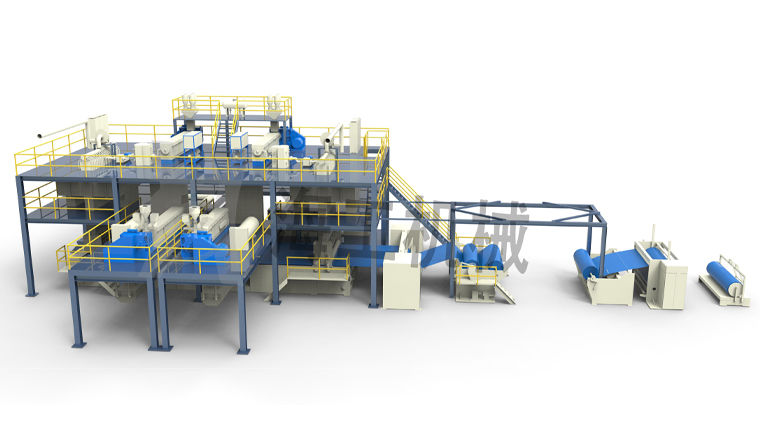
HG Nonwoven Machinery stands at the forefront of this industrial transformation. We integrate 5th Generation spunbond spinning technology with autonomous market adaptability to manufacture high-yield, compact, and energy-conscious systems. By minimizing chemical binders and optimizing heat distribution, our machines produce high-performance, eco-friendly, and biodegradable fabrics.
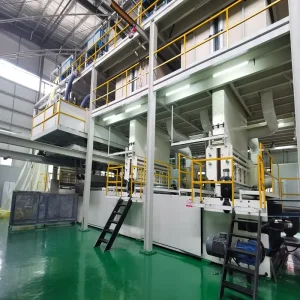
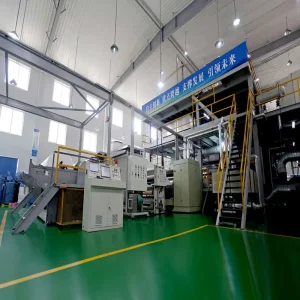
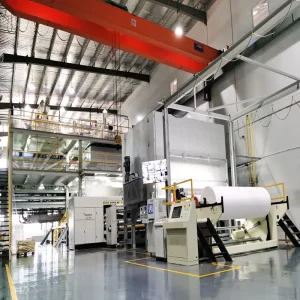
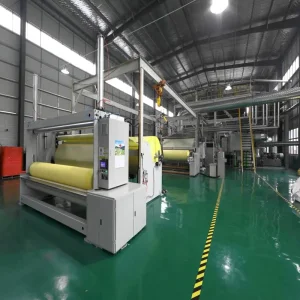
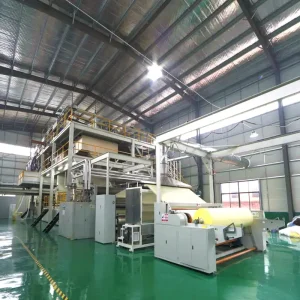
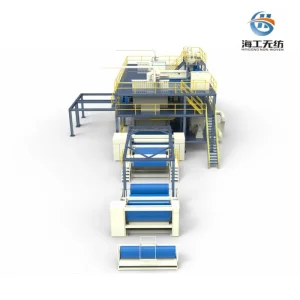
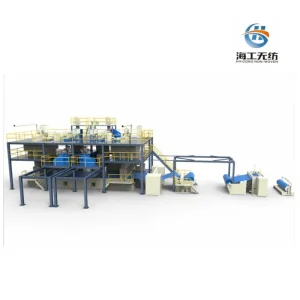
Our engineering focus bridges the gap between raw polypropylene extrusion and fine structural density. The thermal consolidation process, which functions as the primary "shrinking" mechanism within the web-forming line, utilizes precise oil-heated calender rolls. This stabilizes the spunbond matrix and provides uniform thickness across dynamic speeds.
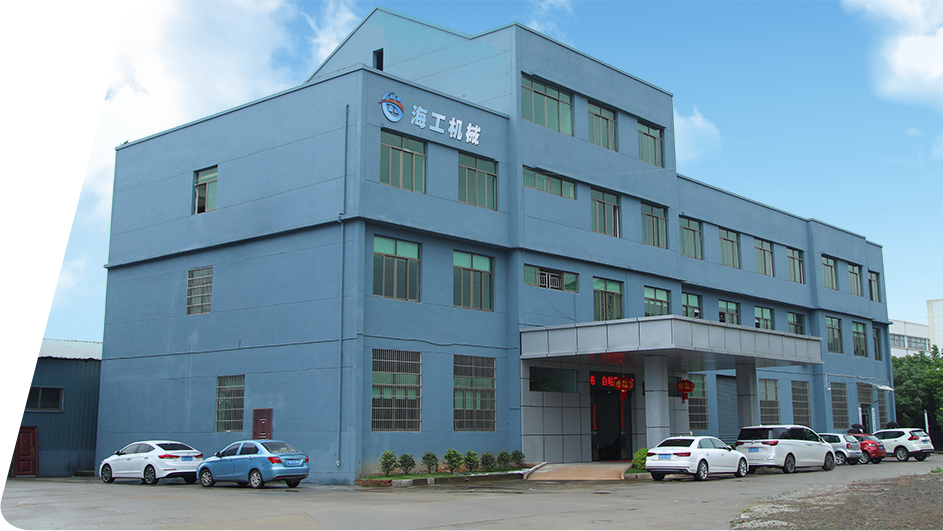
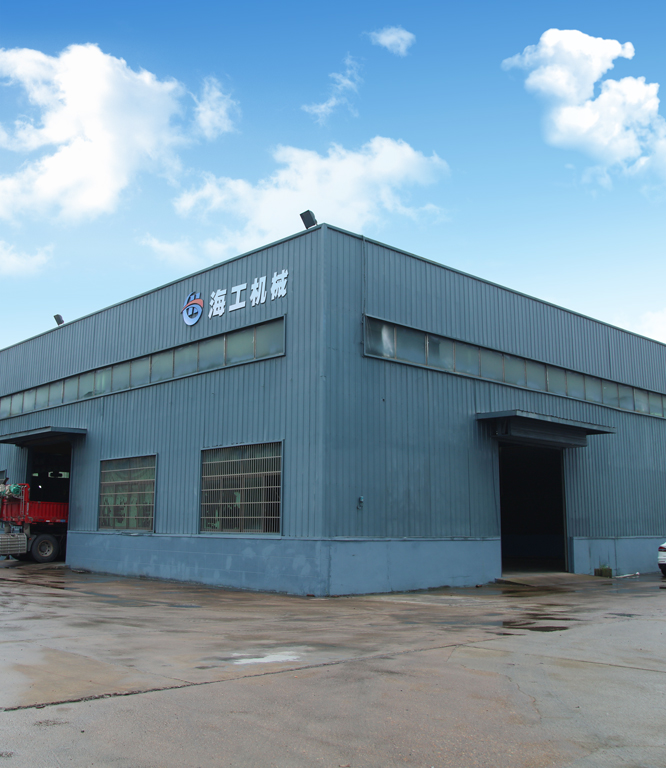
Established in 2014, Pujiang HG Nonwoven Machinery has grown into a prestigious international brand specializing in manufacturing PP spunbond and meltblown nonwoven fabric making machines. Our systems offer complete turnkey engineering service, covering everything from primary design to commercial production.
By designing machinery that prioritizes sustainability, energy efficiency, and high operational speed, we help our clients maintain a competitive edge. Our systems are optimized to consume less power per ton of output, require a smaller spatial footprint, and remain highly cost-efficient compared to traditional industrial lines.
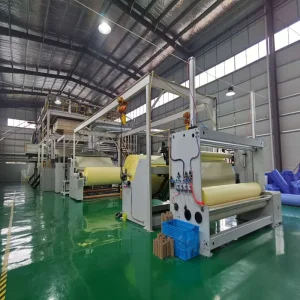
To achieve the desired tensile properties, modern spunbond processes rely on complex aerodynamic drafting and thermal bonding. The "shrinking" effect occurs as heated rollers press the loose web of extruded polypropylene filaments together. During this critical millisecond interface, the polymer fibers partially melt at their cross-points, creating a highly stable grid structure without compromising the soft texture of the nonwoven sheet.
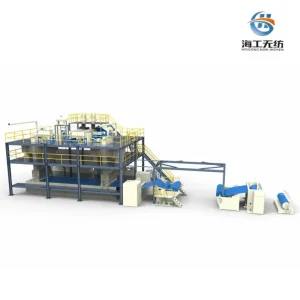
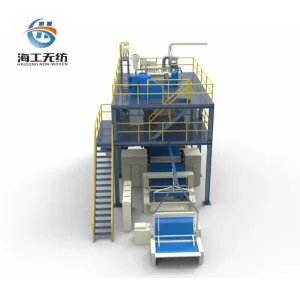
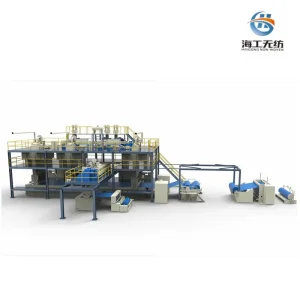
Precision dosing units feed virgin Polypropylene (PP) chips, additives, and color masterbatches. The material enters a high-torque, energy-saving single-screw extruder where it undergoes controlled heating and melting. Our systems feature advanced temperature zones to maintain consistent viscosity.
Our 5th Generation technology introduces high-pressure air drafting channels that stretch the extruded filaments to sub-denier sizes. The drawn fibers are then laid down uniformly on a moving belt screen, forming a high-loft web characterized by multi-directional fiber orientation.
The web enters the calender unit containing advanced thermal rollers. By applying heat and pressure, the rolls press the polymer fibers to the optimal thickness. This step shrinks the high-loft web into a dense, strong, yet soft fabric layer, achieving high efficiency with low raw material consumption.
Our machines are meticulously designed and incorporate the latest technology to ensure maximum production efficiency with minimal energy consumption. We also offer customized solutions to ensure our machines align perfectly with your unique needs.
With rich experience in nonwoven fabric industry, we will give you thoroughly local market analysis to help you to do a project feasibility report.
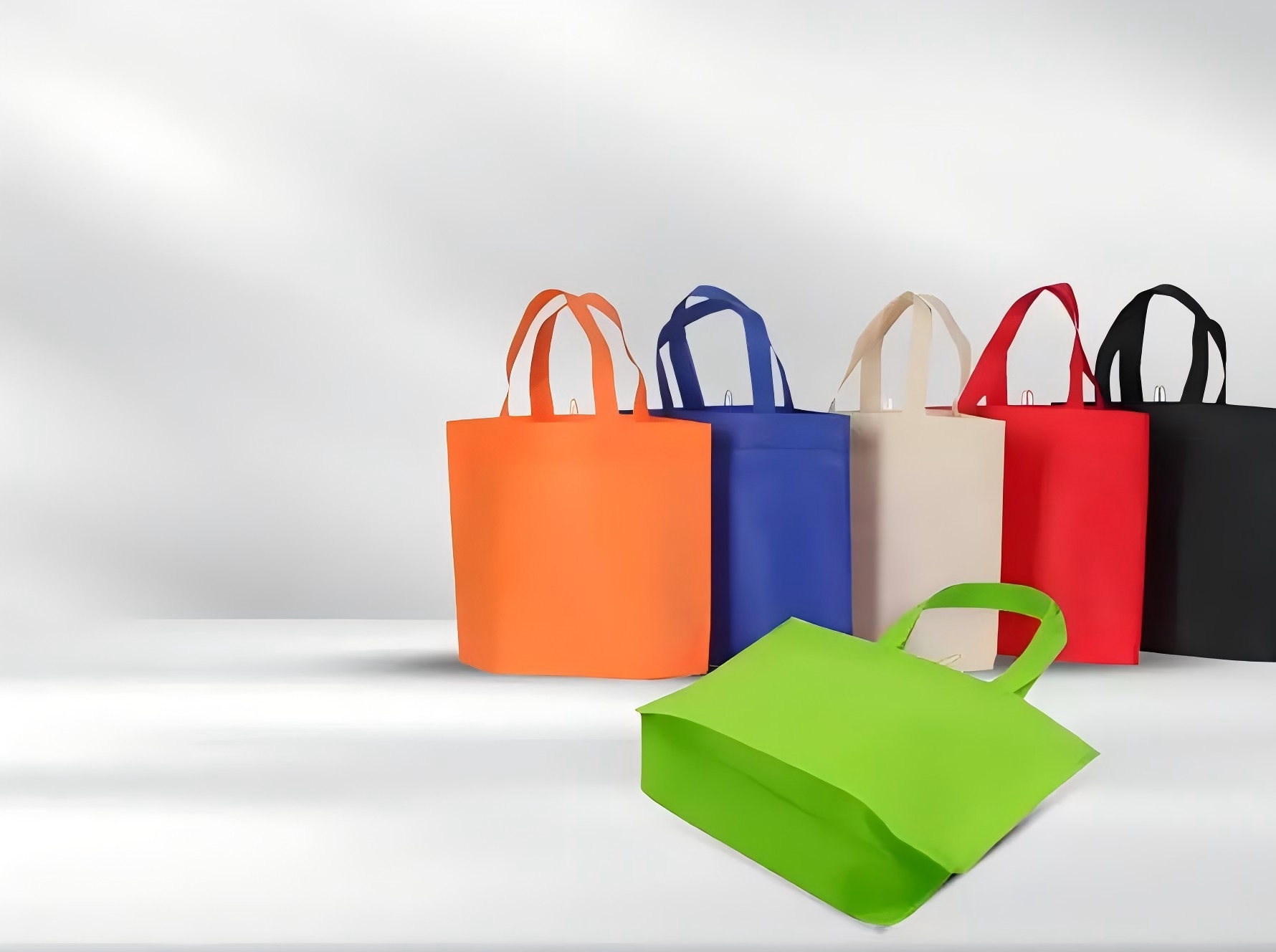
Besides the PP nonwoven fabric making machines, we also can help in providing service in related nonwoven machine like non woven recycling machine, non woven fabric slitting machine, non woven flexo printing machine, non woven lamination machine, non woven fabric bag machine and etc.
After installation, we will give training service to make sure that your team can learn all operation and run machine line well. We will also provide 24 months engineer after-sale service if you need to give technical support. Whether on-site or through Digital Services - we help you quickly and reliably.
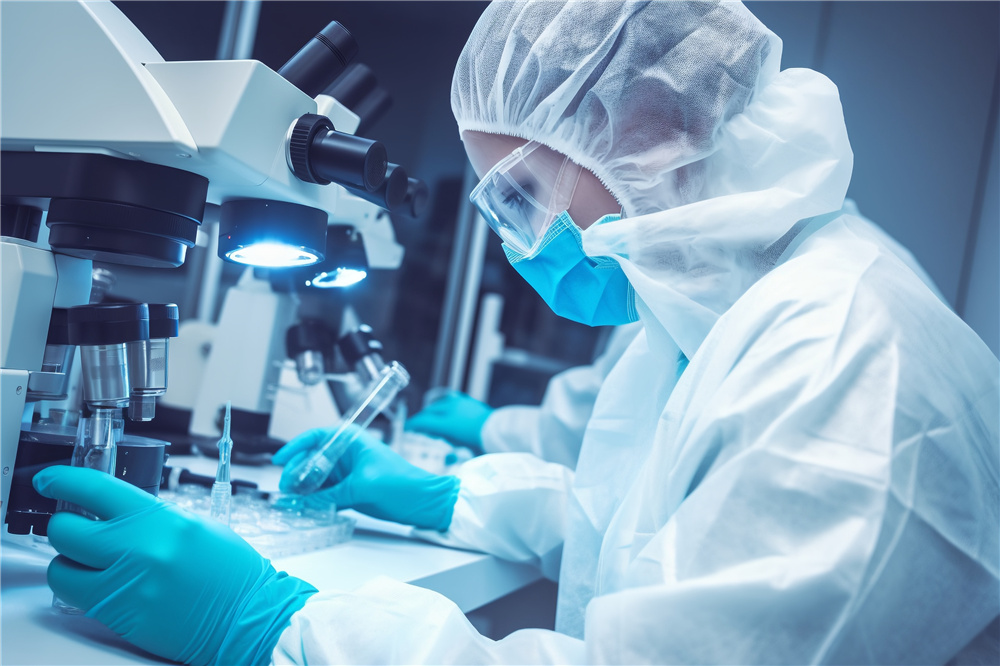
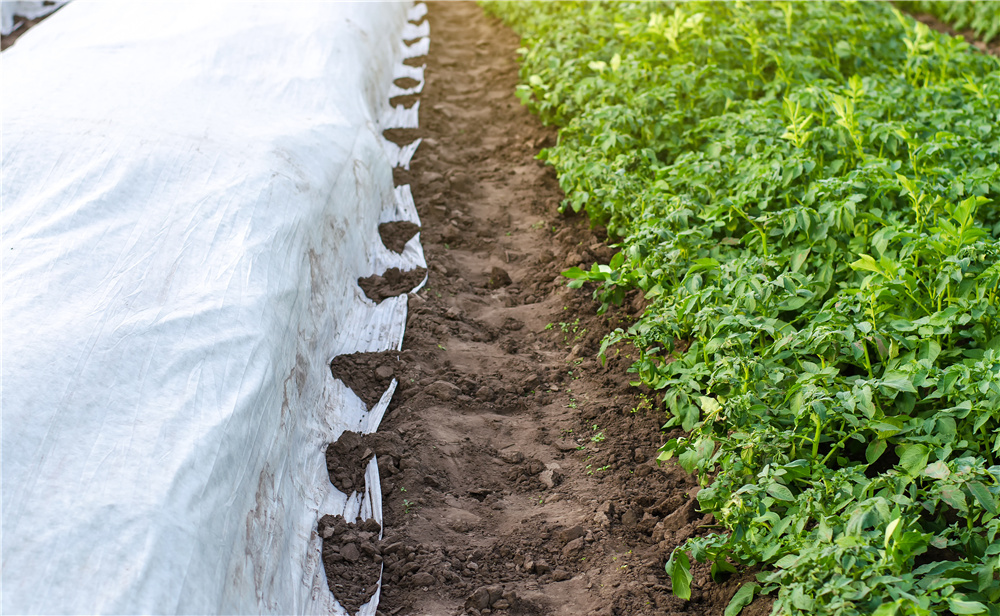
Please consider and select which kind of nonwoven business you want to start. With our deep expertise across diverse sectors like packaging, medical, hygiene, and agriculture, we will guide and help you with technical support to choose the most suitable line to start your business easily.
Deploying nonwoven manufacturing lines in major global markets requires adherence to local electrical, mechanical, and safety regulations. HG Nonwoven Machinery integrates international safety standards into every machine build. From CE certification for the European market to UL/CSA compliance for North American operations, our engineering team ensures that the electrical cabinets, pressure vessels (calender rolls), and high-speed mechanical linkages comply with regional occupational health and safety guidelines.
We construct our structures using robust steel and wear-resistant roll components, ensuring long operational lives and low repair intervals. Our heating channels are insulated to reduce radiative thermal losses, keeping plants in line with strict eco-efficiency standards.
Investing in a high-speed nonwoven production facility requires significant financial planning. To support our clients, HG provides full local market analysis and detailed project feasibility assessments. We calculate energy costs, raw material consumption rates, waste management steps, and labor needs based on regional statistics. This gives partners a transparent view of their return on investment before machinery installation begins.
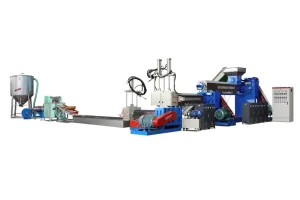
Our turnkey setup includes auxiliary systems like recycling machines (plastic granulator machines), slitting lines, flexo-printing presses, and automatic laminators. This creates a cohesive production floor where waste nonwoven edge trims are immediately converted back into reusable PP granules, eliminating waste and reducing material costs.
As consumer demand shifts toward sustainable products, the nonwoven sector is migrating toward biodegradable resins, such as Polylactic Acid (PLA) and polybutylene succinate (PBS). Spunbond machinery must adapt to handle these biopolymers, which exhibit different thermal and melting characteristics than standard polypropylene. HG's technology roadmap features specialized thermal calendering lines that handle precise temperature gradients, preventing structural deformation of PLA fibers during bonding.
Additionally, our integration of IoT-enabled sensor suites allows factory operators to monitor live extrusion pressure, spinneret consistency, and calender heat profiles. This digital transformation reduces the need for manual oversight, allowing remote troubleshooting and predictive maintenance schedules that prevent costly downtime.
 HG NONWOVEN