Direct factory access to highly optimized polypropylene extrusion, spinning, and web bonding configurations engineered for durability and efficiency.
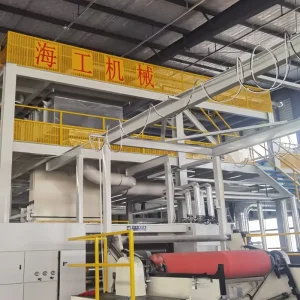
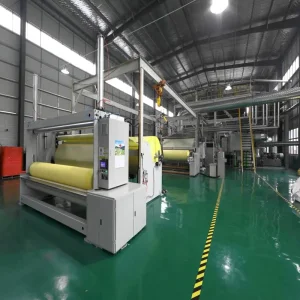
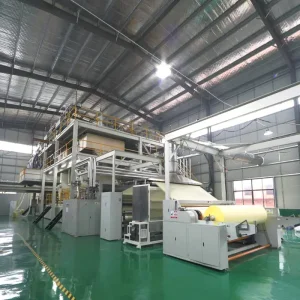
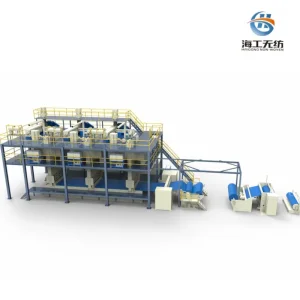
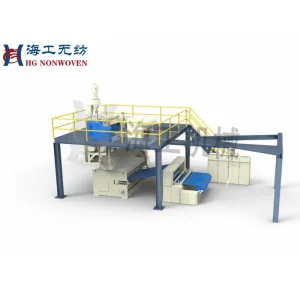
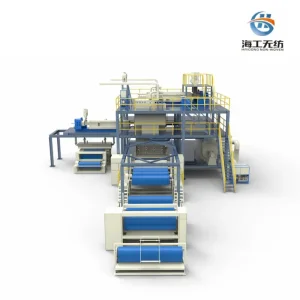
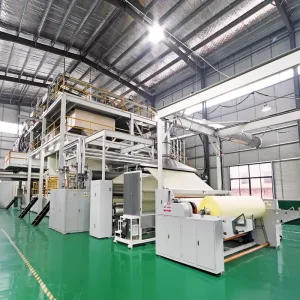
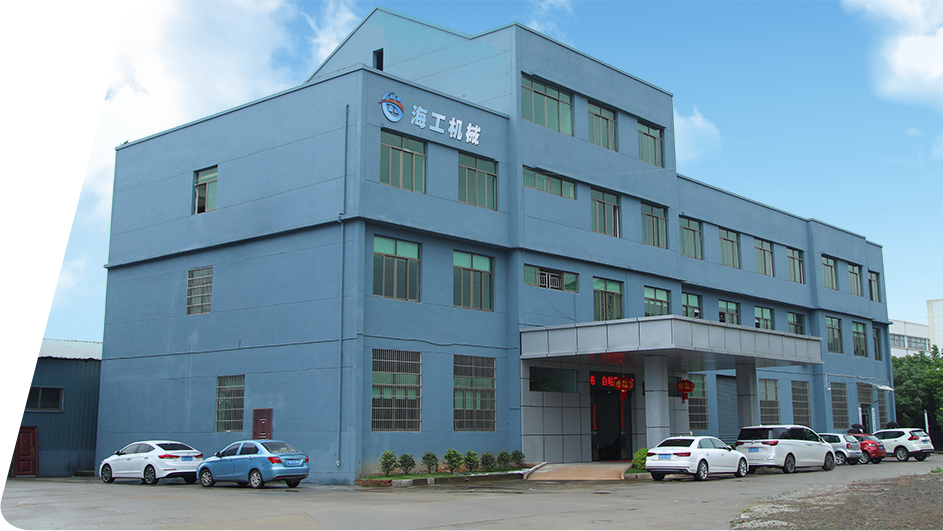
HG Nonwoven Machinery is a professional manufacturer of spunbond, meltblown, and composite nonwoven fabric machine lines, dedicated to providing high-efficiency and innovative spunbond nonwoven fabric production solutions to the global market. Our company introduced advanced design concepts—specifically our 5th Generation spunbond spinning technology—from overseas, and integrated them with our own proprietary developments tailored specifically to evolving market needs.
Consequently, HG nonwoven fabric making machines are characterized by highly convenient operations, compact spatial footprints, minimized power consumption, maximum output efficiency, and exceptionally low production overheads. Our manufacturing headquarters, Pujiang HG Nonwoven Machinery, has established itself since 2014 as a well-known authority specializing in PP spunbond and meltblown lines equipped with complete, multi-tiered turnkey engineering services.
Understanding the structural and thermodynamic transformations in modern polymer processing allows procurers to transition toward sustainable, high-yield materials.
Utilizing custom-profiled L/D ratios in our single and twin-screw extruders to guarantee complete, shear-free polymer melting, reducing energy-intensive hot spots and maximizing raw material consistency.
Transitioning from traditional mechanical drafting mechanisms to advanced aerodynamic slot drafting. This maximizes structural orientation of individual filaments, boosting tensile strength in both CD and MD orientations.
Equipped with ultra-precise thermal oil heating systems inside structural steel calender rolls. Ensures uniform thermofusion across widths up to 3.2 meters without compressing or damaging delicate web matrices.
Seamless integration options for biodegradable PLA, recycled PET chips, and inline stitching adapters. This guarantees compliance with global single-use plastic reduction directives and carbon-neutral operational schemes.
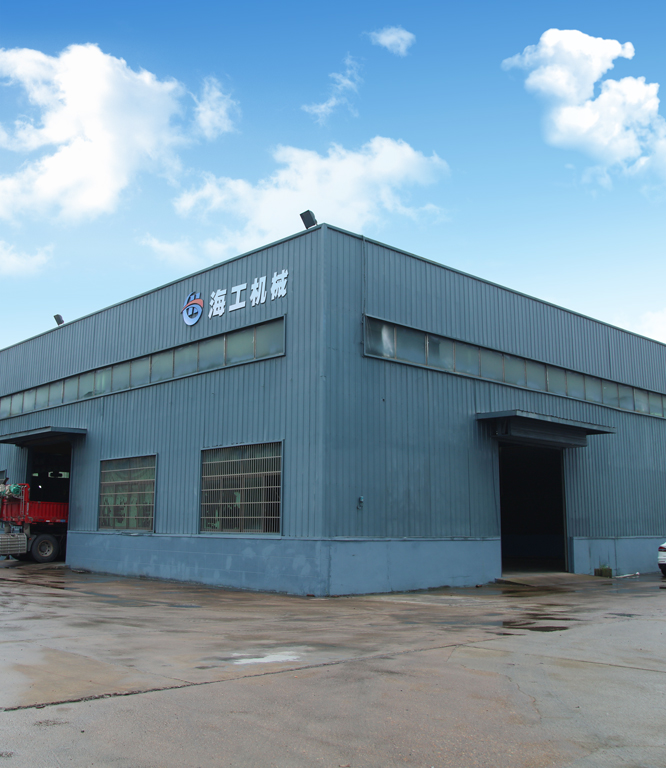

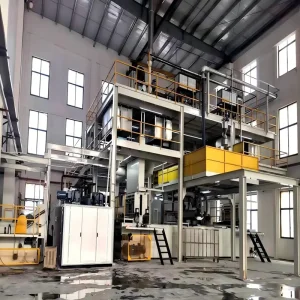
Industrial buyers often struggle with long lead times, poor metal sourcing, and insufficient structural testing of primary structural frames. At Pujiang HG Nonwoven Machinery, we operate under a strict, digitized Quality Management System. Our assembly layout ensures that every component—from the high-speed extruder down to the pneumatic winding systems—undergoes rigorous simulated loading before shipment.
By localizing the supply of specialized steel castings and partnering with global brands for electronics (Siemens PLC systems, ABB motor drivers, and Omron temperature controllers), we balance cost efficiency with unparalleled field reliability. This robust domestic supply network protects our global partners from shipping delays, fluctuating component costs, and configuration mismatch issues.
Modern nonwoven fabrics serve divergent markets, each demanding specific filtration, absorption, and tensile capabilities. We design bespoke systems tailored to these four essential pillars.
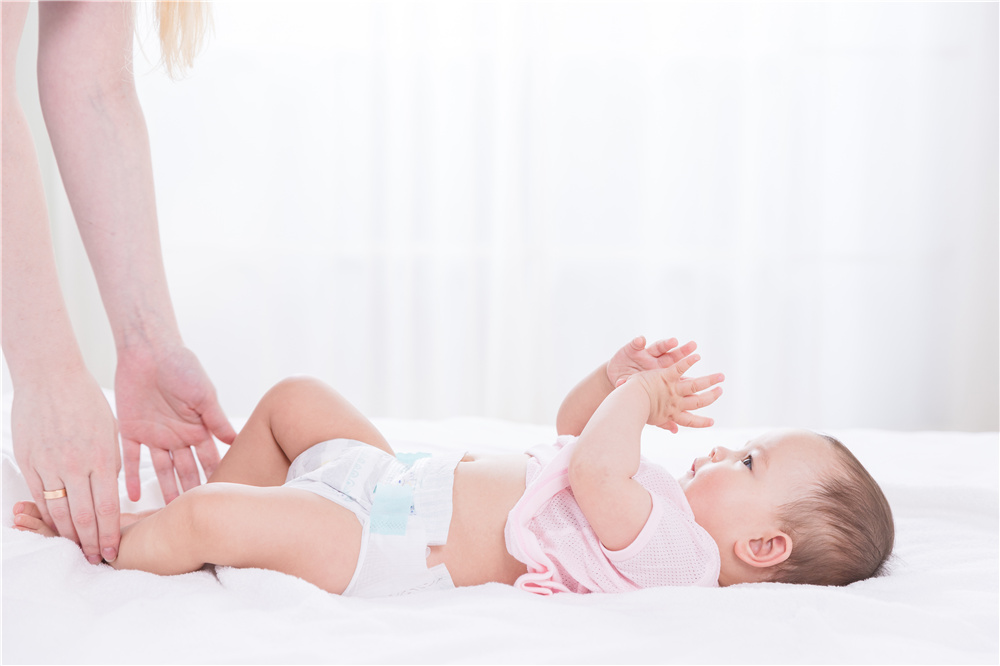
Non-woven fabric is essential in the hygiene sector, offering breathability, softness, and excellent fluid management for comfort and protection. It quickly absorbs liquid and keeps it away from the skin, making it ideal for paper diapers, incontinence pads, and feminine hygiene products.
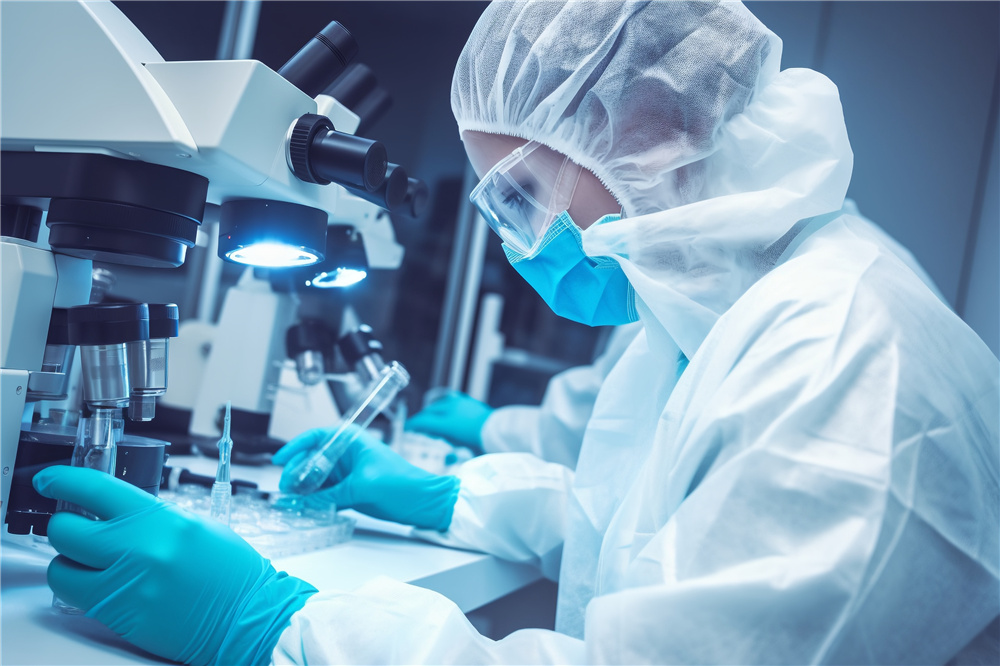
Nonwovens fabrics are extensively used in the medical field and in protection against biological agents in other sectors. They deliver critical safety properties, such as prevention against infections and diseases. They are essential for making face masks, surgical gowns, bed sheets, and surgical towels, ensuring effective filtration, protection, and comfort.
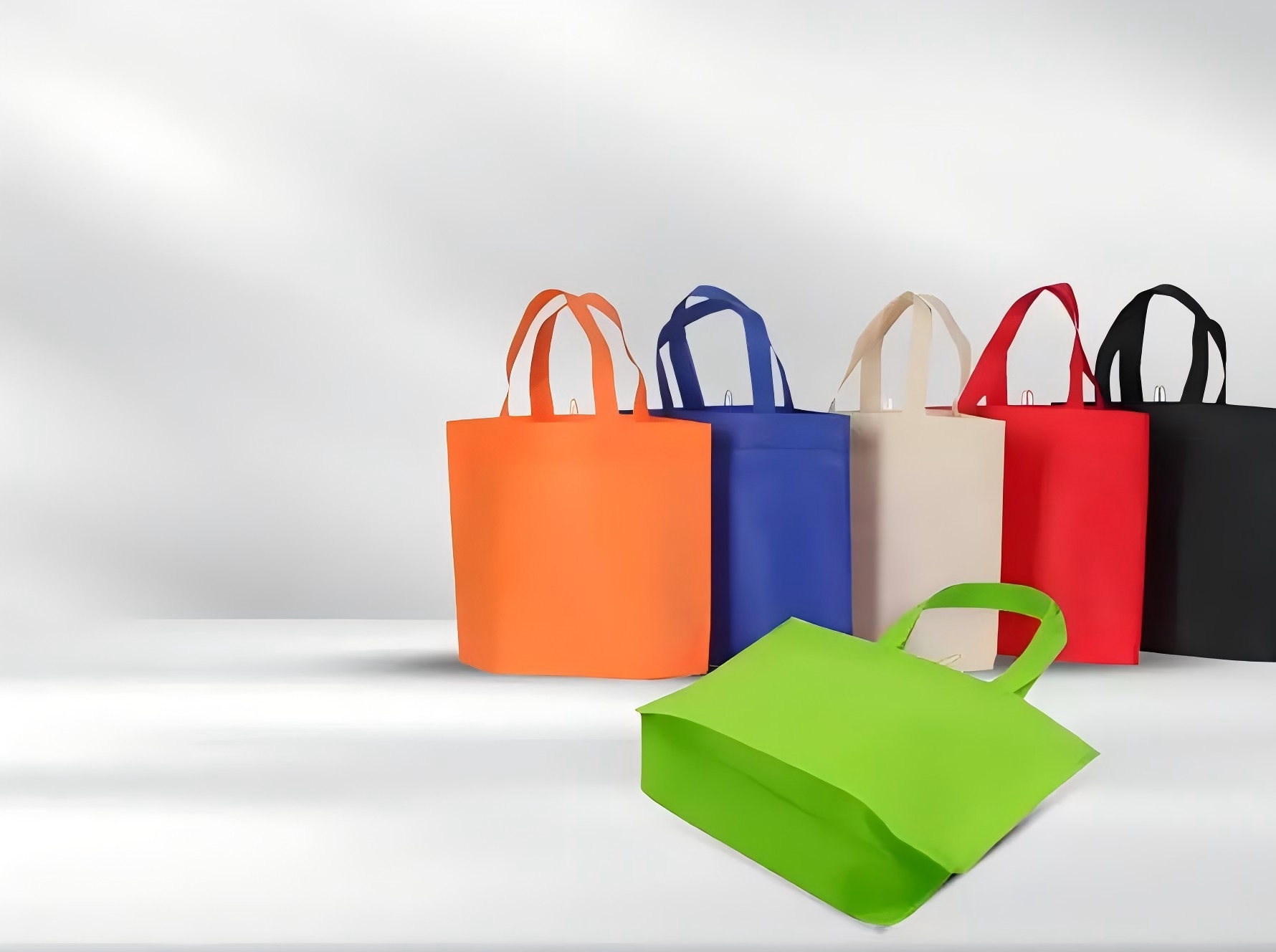
Nonwoven fabric is ideal for a variety of packaging end-uses, as their exceptional lightweight, their energy-efficient production, shipping and storage, and their long life and robustness allow for two important features: volume reduction and re-usability. It widely used for shopping bags, fruit bags, garment bags, pocket springs, as well as pharmaceutical wrap.
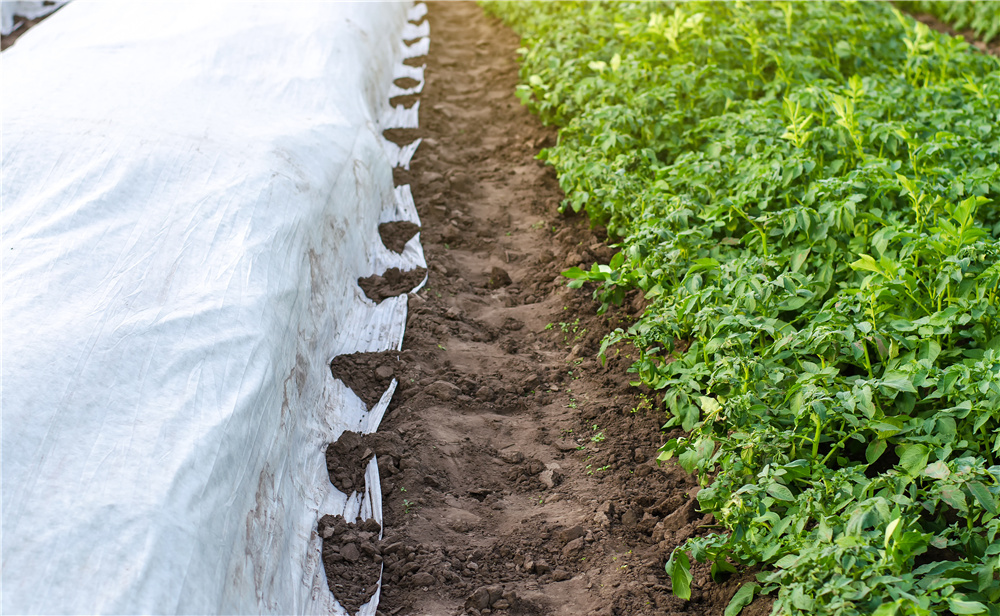
Agriculture Non Woven Fabric allow air and water to pass through while providing wind and cold protection by generating a microclimate around the crop. Furthermore, because nonwoven works as a physical protection media, it can assist prevent damage to crops, vegetables, and seeds from insects and birds. Features include UV stabilization and water permeability.
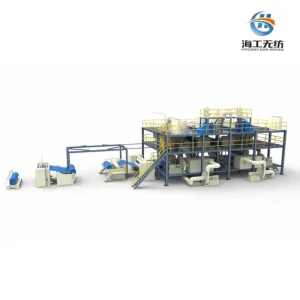
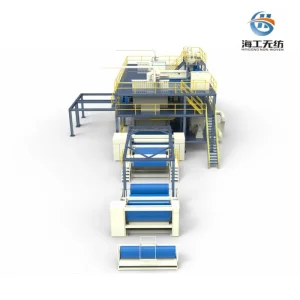
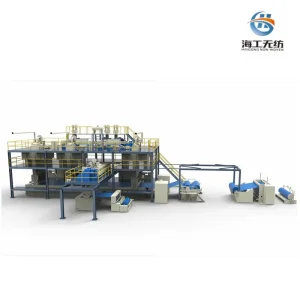
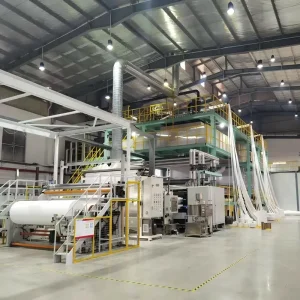
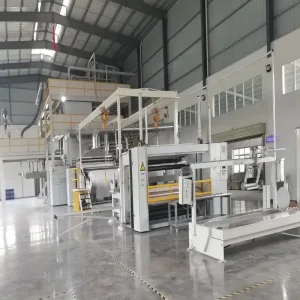
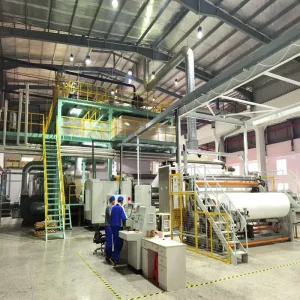
Engineered to deliver high throughput, small floor area, and minimal downtime. Our primary configurations represent the vanguard of spunbonding.
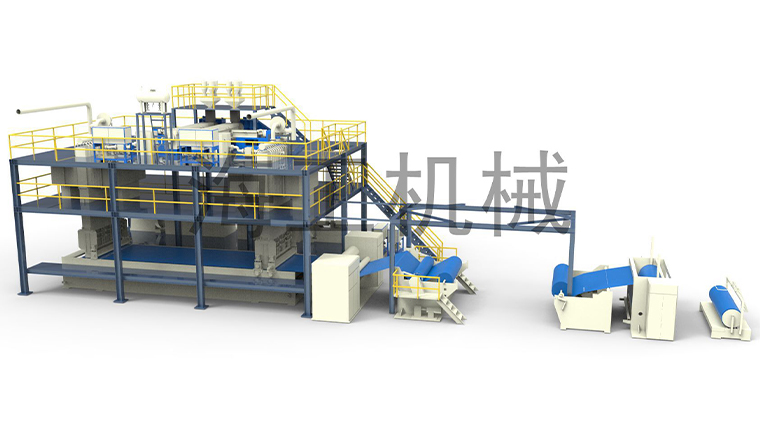
Excellent choice for lightweight packaging, pocket springs, and agricultural protective covers. Highly economical.
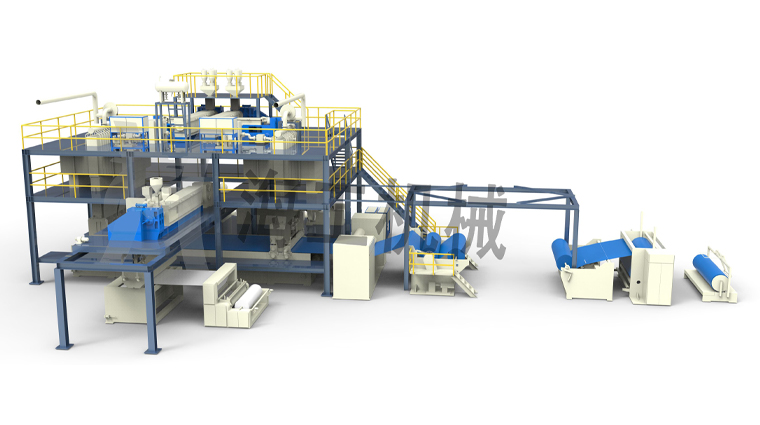
Integrates inline meltblown extrusion for high-performance barriers needed in hygiene products and surgical masks.
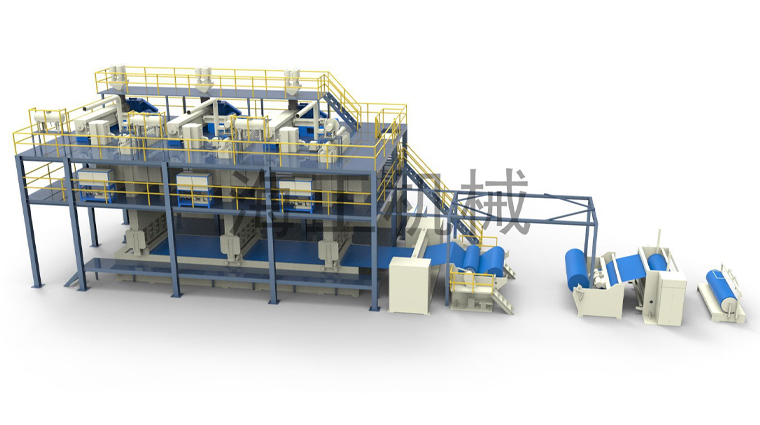
Features 4 layers (Spunbond-Meltblown-Meltblown-Spunbond) to achieve higher filtration efficiency without blocking airflow.
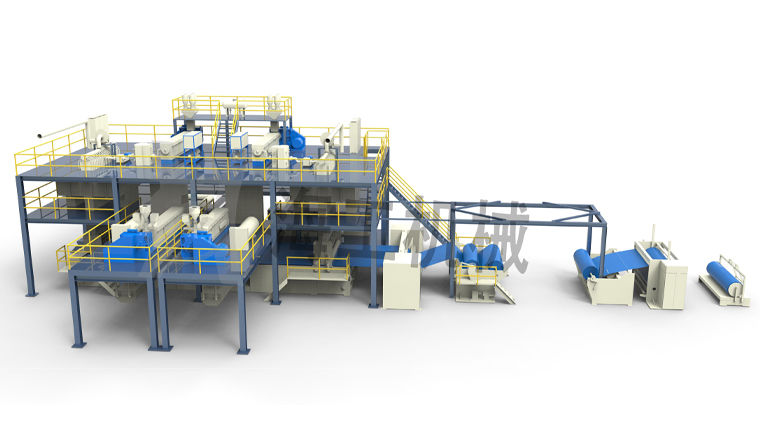
Premium medical-grade production line delivering superior barrier properties, ultra-softness, and clinical comfort.
Simplifying the capital acquisition process with unified electrical control systems, synchronized mechanical components, and verified downstream processing machinery.
Deploying a new nonwoven project involves balancing multiple suppliers, leading to critical integration errors during hot commissioning. HG Nonwoven Machinery eliminates this structural friction by engineering, manufacturing, and verifying the entire line layout. We offer complete compatibility diagnostics before the machines leave our assembly factory floor.
We analyze local polymer pricing, electricity tariffs, and target product metrics to produce a detailed project feasibility dossier.
We design and configure the extruder size, drafting width, calender pattern roll, and winding profiles to match your targeted tensile specs.
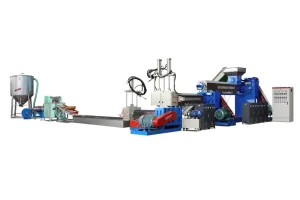
We supply and coordinate matching auxiliary components including waste recycling granulators, slitting machines, and packaging devices.
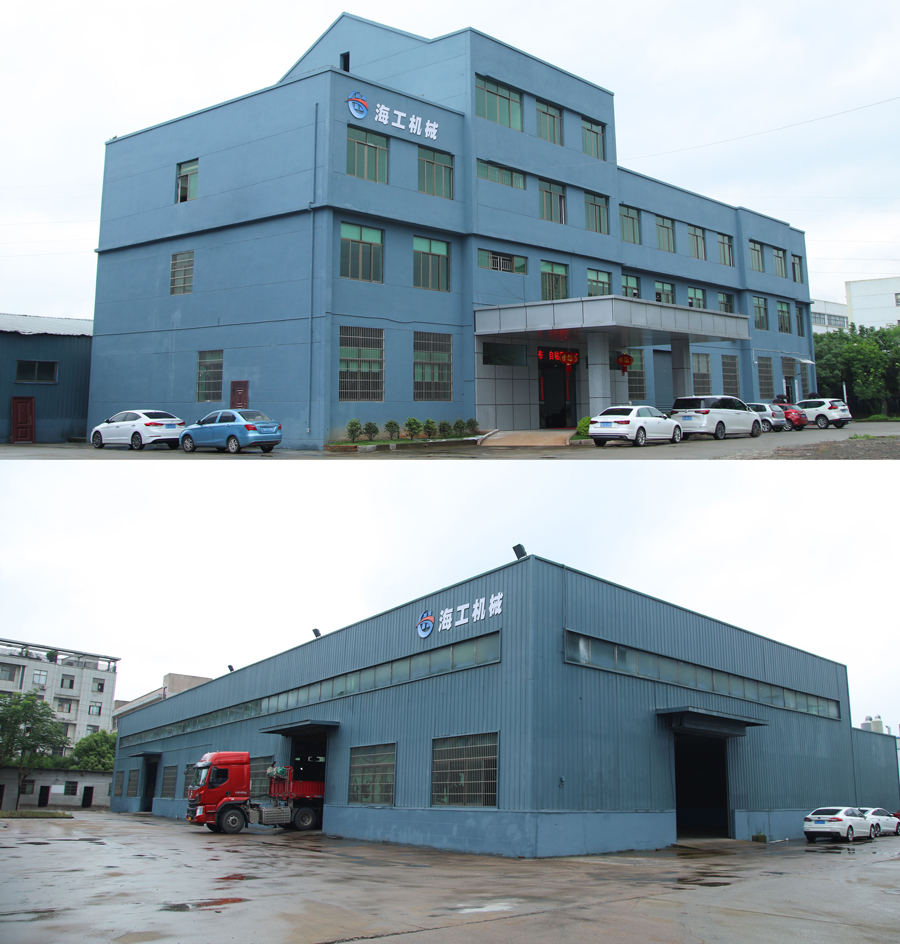
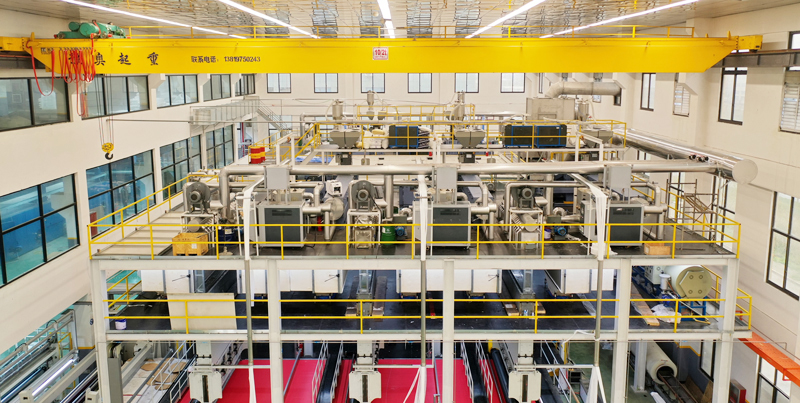
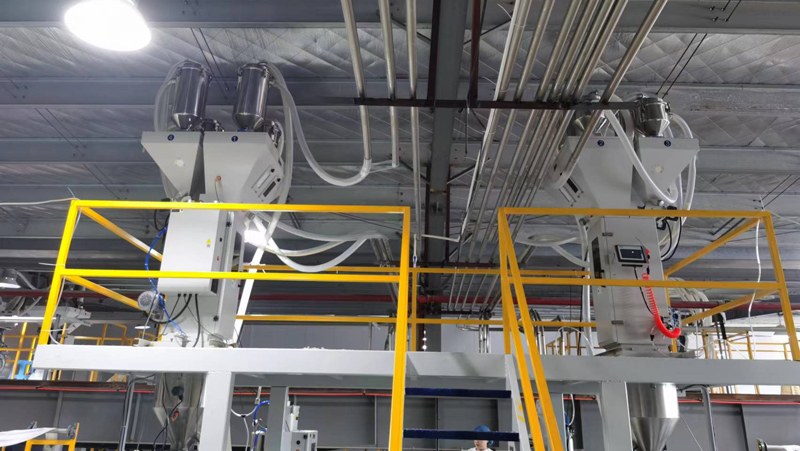
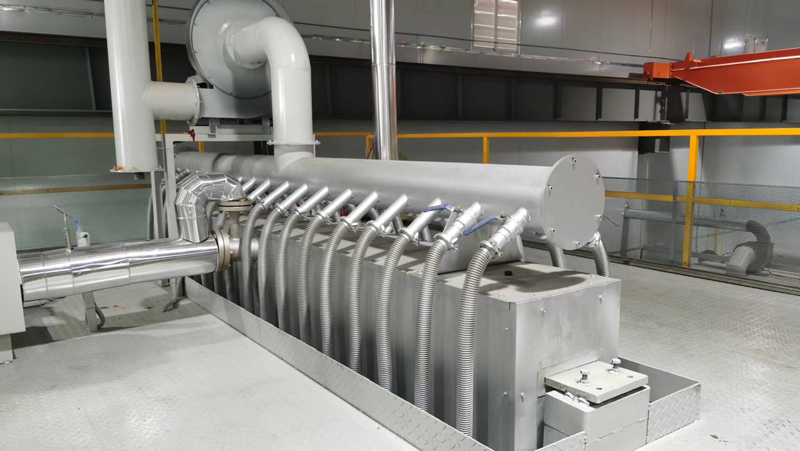
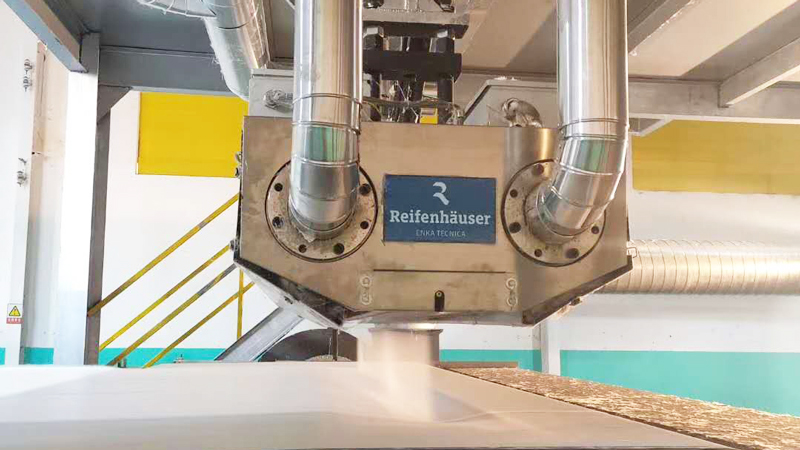
Minimizing commissioning hurdles with on-site engineering expertise, standard compliance documentation, and multi-lingual technical dispatch.
Every line is built in compliance with EU CE directives, machinery safety standards (EN ISO 12100), and electrical safety parameters (EN 60204-1). This ensures seamless local inspection approvals upon factory integration.
Our senior technical engineers deploy globally to oversee mechanical installation, test thermal distribution across the spin beam, and train local line operators in parameter optimization.
We provide an extended 24-month warranty on our main structural frames and primary electrical gear, backed by remote video troubleshooting and rapid replacement parts shipping.
Deep technical answers to help manufacturing directors make informed infrastructure planning decisions.
Our 5th Generation design optimizes the heating system within the extruder and calender roll while using an aerodynamic negative-pressure drafting system. This combined efficiency reduces overall electricity usage by 15-20% per output ton compared to older, high-pressure mechanical draw lines.
Traditional mechanical stitching machines rely on needles and threads to stitch pre-formed fibers, which limits production speed and adds thread costs. HG Spunbond lines use a continuous thermal calender roll. Point-bonding the extruded filaments under precise heat and pressure creates a high-tensile web inline. This configuration is faster, more hygienic, and eliminates consumable cost.
Yes. By adjusting the extruder's thermal profile, feeding screw speed, and drafting air volume, our machines can process biodegradable PLA (Polylactic Acid) chips and recycled PET (rPET) alongside standard Polypropylene (PP).
The buyer needs to provide a factory floor with appropriate clearance heights (typically 8 to 12 meters depending on single or multi-beam configurations), structural concrete foundation, electrical substation capacity, cooling water loops, and compressed air infrastructure. We supply comprehensive layout blueprints and mechanical requirements ahead of delivery.
Expand your facility's processing flexibility with customized auxiliary winding, slitting, and recycling systems built for continuous operation.
 HG NONWOVEN