Explore our elite collection of engineered nonwoven fabric machinery, built for efficiency and high output consistency.
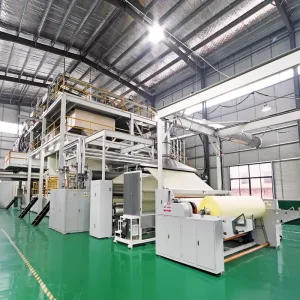
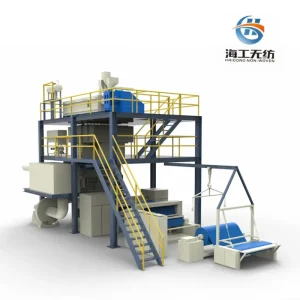
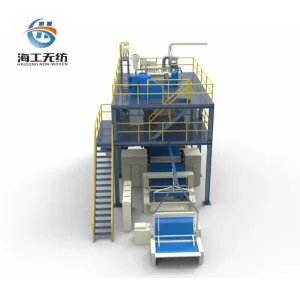
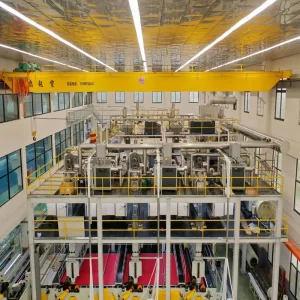
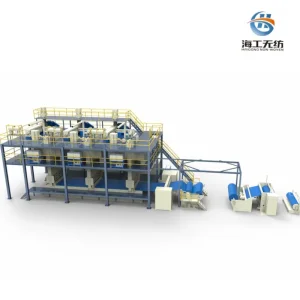
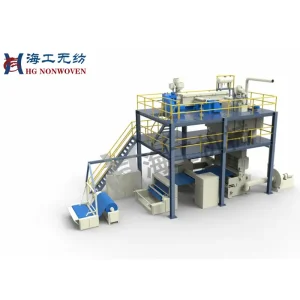
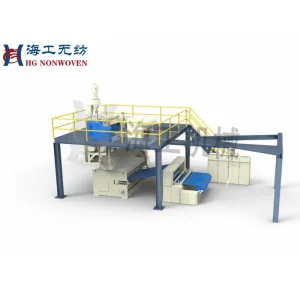
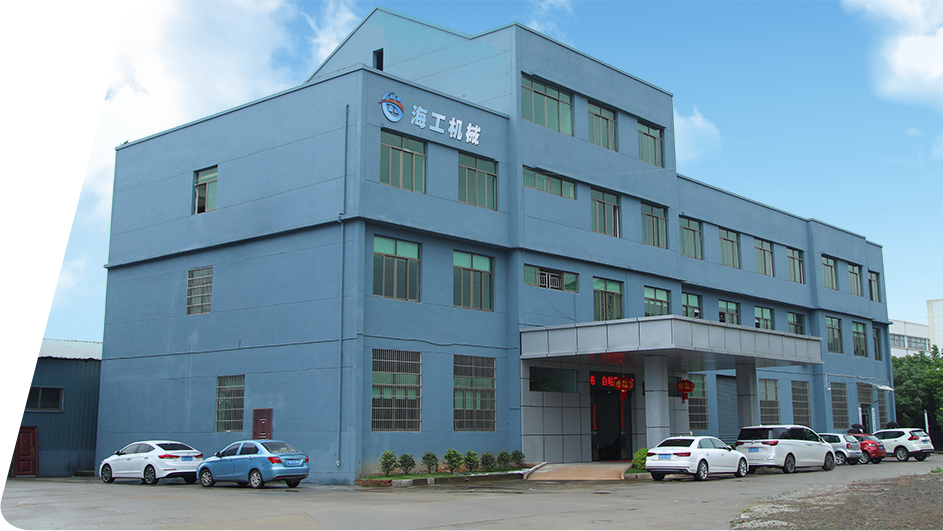
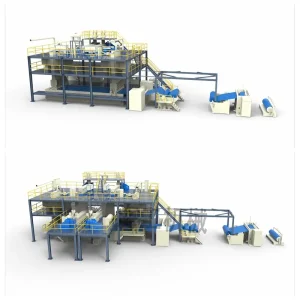
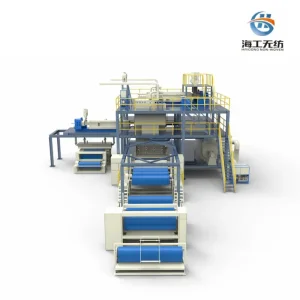
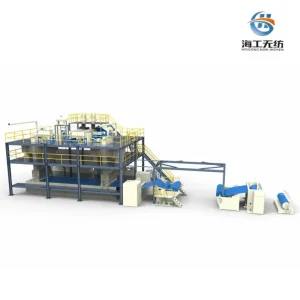
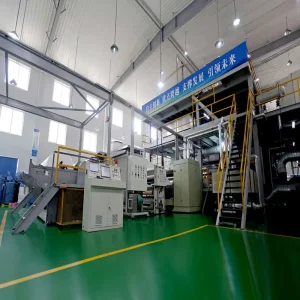
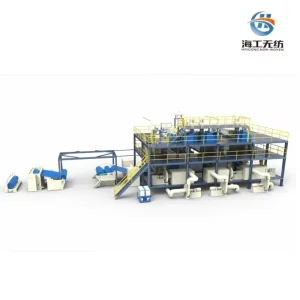
Pujiang HG Nonwoven Machinery has been a well-known, specialized nonwoven fabric making machine manufacturer since 2014. We design and construct high-performance, eco-friendly, and biodegradable spunbonded and meltblown nonwoven production lines, supported by a complete turnkey engineering service.
By introducing advanced foreign design concepts and integrating them with autonomous, market-oriented engineering innovations—most notably our 5th Generation spunbond spinning technology—HG nonwoven fabric making machines offer convenient operation, a compact layout, reduced energy consumption, high output yields, and highly competitive unit production costs.
"Our core values center around high quality and good service. Choosing HG means acquiring a reliable engineering partner dedicated to supporting your brand's growth in an increasingly competitive global textile marketplace."
An analytical breakdown of the technological innovations, structural advantages, and economic efficiency offered by HG Nonwoven Machinery.
The manufacturing of PP nonwoven fabric requires extreme process control over thermal degradation, melt filtration, and drafting speeds. HG Machinery's 5th Generation Spunbond system achieves superior cross-directional (CD) and machine-directional (MD) tensile strength uniformity by optimizing the polymer melt path inside the coat-hanger distributor die. The drafting channel has been engineered to run with lower air temperatures while achieving higher filament speed, leading to lower electrical consumption and improved web structure.
China's nonwoven machinery cluster offers a profound competitive advantage. Every structural element, from the heavy-duty calenders, spinneret plates, and air suction systems to high-precision slitting rollers, is sourced from local, highly specialized component ecosystems. This geographic concentration allows HG Nonwoven Machinery to pass on massive raw component savings to buyers while maintaining rigid quality controls. Our turnkey pricing structures are typically 40-50% more capital-efficient than European alternatives, with no compromise on raw structural integrity.
Operational expenses represent the largest share of a nonwoven production line's life-cycle cost. HG's integrated control architecture optimizes the heater bands and extrusion screws to minimize thermal loss. Our smart drafting slot systems ensure that the pressure drop inside the process air loop is minimal, allowing smaller blower motors to execute the high-velocity drafting required for fine denier filaments (1.5–2.0 denier). The compact footprint saves valuable cleanroom space, lowering civil engineering costs for international procurement managers.
We design and coordinate complete plant architectures, minimizing multi-vendor friction and optimizing downstream processes.
Our machinery configurations are optimized to match client specifications for grammage (GSM), mechanical width, line speed, and filtration requirements. From specialized spinneret geometries to high-speed winding heads, we ensure your line matches your output goals.
We provide localized feasibility reports detailing energy costs, resin price variables, and target market opportunities to maximize your ROI. Our team ensures you enter the market with a secure business model.
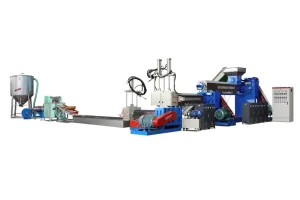
A nonwoven line is only as fast as its slowest link. We coordinate peripheral machinery including in-line waste recycling granulators, precision slitting and rewinding machines, high-speed bag-making lines, flexographic printing machines, and hot-melt lamination systems.
Our 24-month mechanical warranty is backed by on-site technicians and modern IoT remote diagnostic capabilities. We quickly identify and resolve potential process variations, minimizing downtime and training your local operators.
Engineered configurations designed for specific industrial, hygiene, and medical applications.
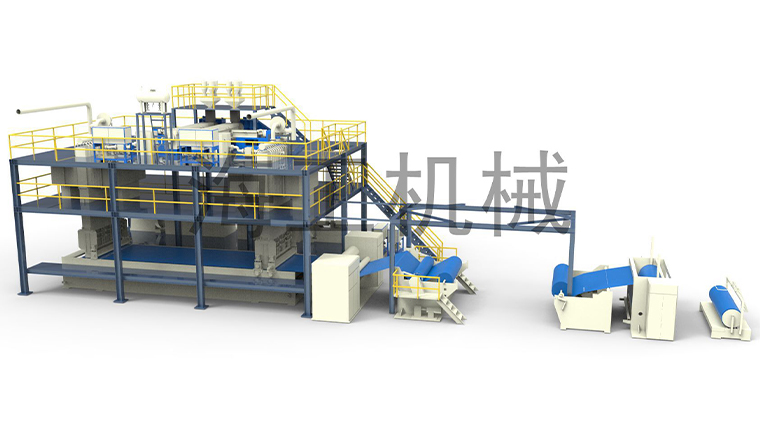
Optimized for packaging nonwoven bags, furniture backing, and agricultural crop covers with high tensile strength and elasticity.
View Details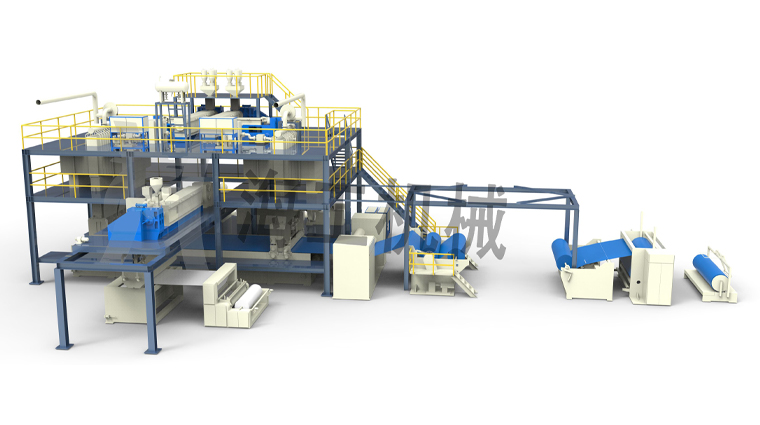
Designed for medical gowns, face mask substrates, and disposable hygiene items demanding superior biological barriers.
View Details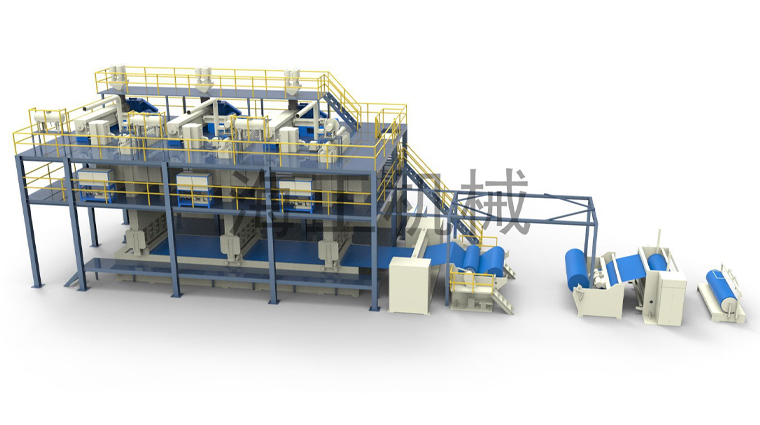
Four structural layers deliver significantly improved barrier properties and filtration efficiency compared to basic SMS configurations.
View Details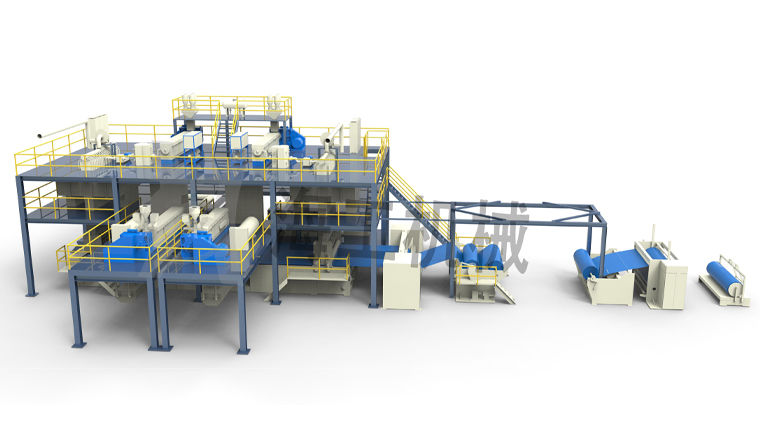
Top-tier barrier performance paired with exceptional fabric softness and comfort for demanding medical applications.
View DetailsHow nonwoven fabric solutions are adapting to global demand for sustainability, high barrier performance, and specialized functions.
Global environmental regulations are driving manufacturers to adapt traditional PP lines for PLA (Polylactic Acid), PBAT, and other biodegradable resins. HG Nonwoven Machinery remains at the forefront of this shift, modifying extruder temperatures, screw feed designs, and cooling slots to process bioplastics with different melting points and crystallization rates. This flexibility allows operators to meet strict plastic reduction targets in Europe, North America, and beyond.
Modern hygiene and surgical fields require advanced fluid-barrier properties combined with high breathability. Single-beam lines struggle to achieve this balance. By integrating multiple spinning beams (SSMMS), our systems create micro-fine fibers (less than 1 micron in the meltblown layers) layered between high-strength spunbond webs. This micro-layer construction blocks liquids and microbes while keeping the fabric lightweight and comfortable.
Industrial digitalization has transformed the nonwoven factory floor. Modern HG production lines utilize integrated Siemens PLC systems connected via EtherCAT networks. This architecture monitors extrusion pressures, temperature profiles, drafting air velocity, and calender roll pressures in real time. Automated adjustments prevent common defects like fiber drop-out or calender sticking, while predictive maintenance alerts help prevent unscheduled downtime.
When evaluating machine widths (e.g., 1.6m, 2.4m, or 3.2m), calculate your regional standard roll widths for downstream operations (such as diapers or crop covers) to minimize scrap waste during slitting.
Selecting the optimal nonwoven configuration for different industry standards and applications.
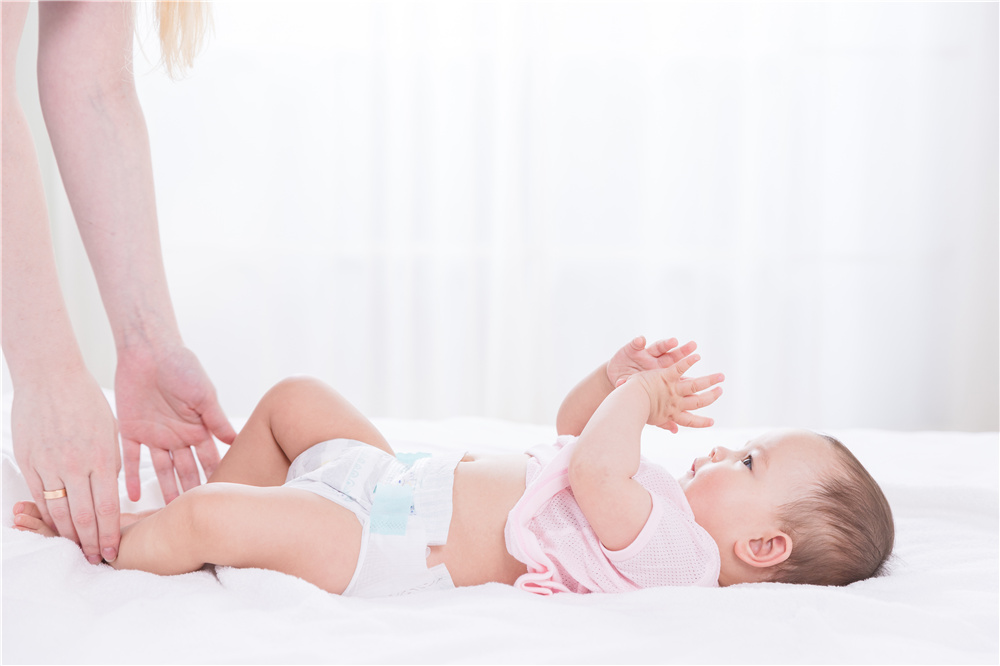
Non-woven fabric is essential in the hygiene sector, offering breathability, softness, and excellent fluid management for comfort and protection. It quickly absorbs liquid and keeps it away from the skin, making it ideal for diapers, incontinence pads, and feminine care products.
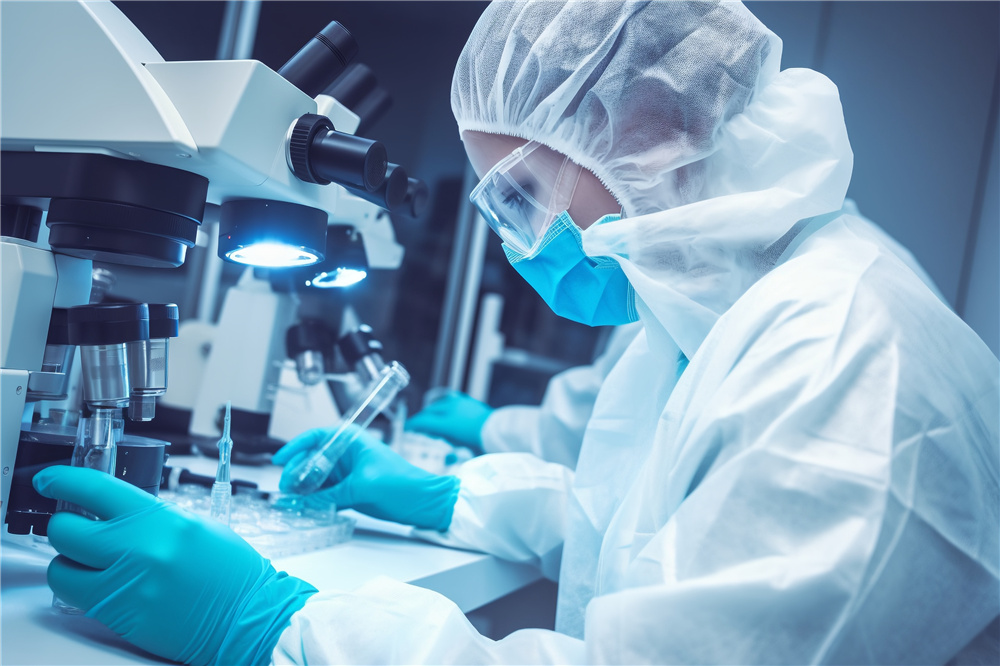
Nonwoven fabrics deliver critical safety properties, such as protection against infections and pathogens. They are essential for surgical gowns, drapes, sterilized wraps, and medical face masks, providing high filtration efficiency, liquid repellency, and comfort.
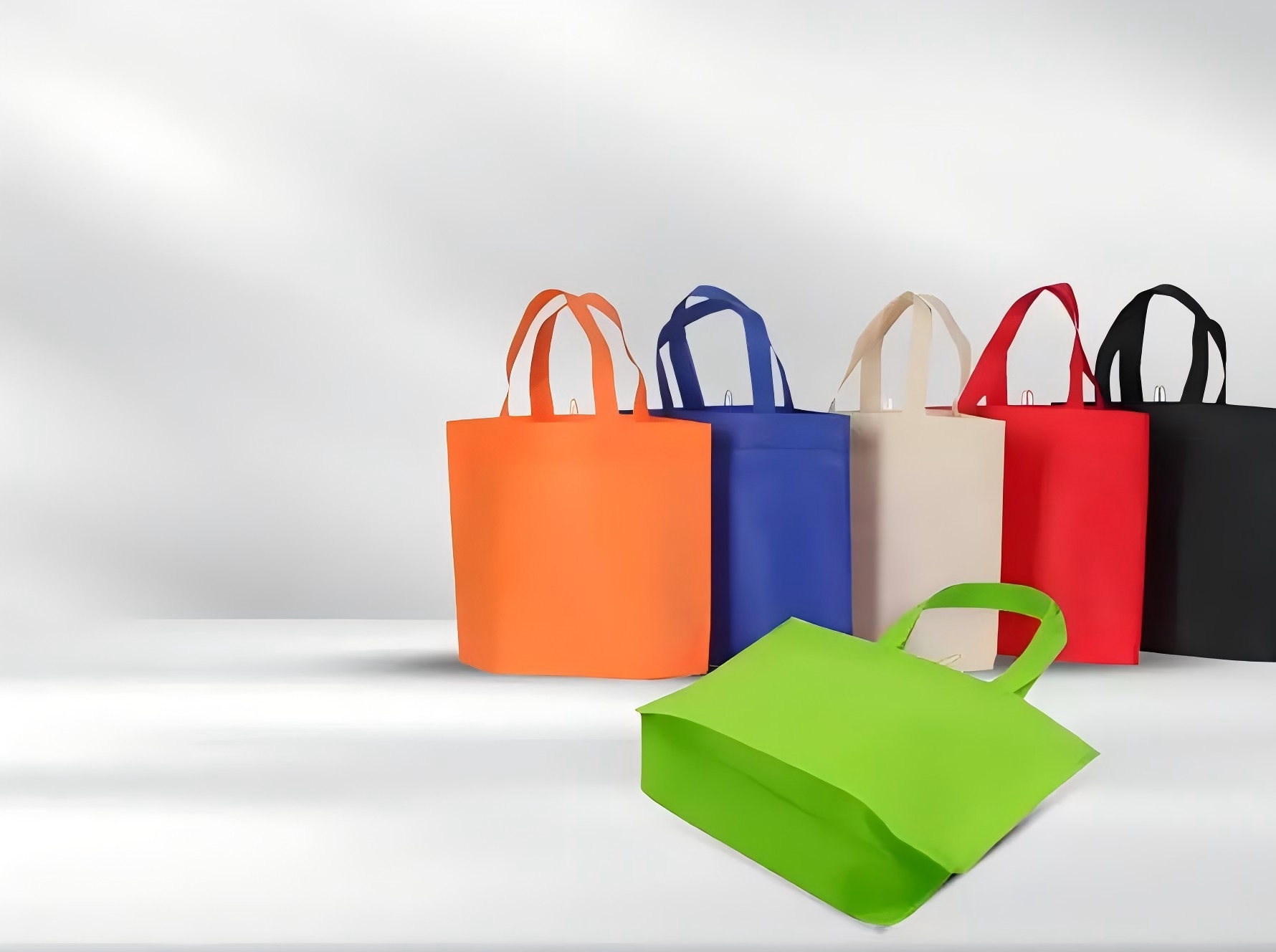
Nonwovens offer high tensile strength, lightweight design, and long service life. They are widely used for promotional shopping bags, garment interlinings, storage boxes, pocket spring casings, and protective wraps for electronics and cosmetics.
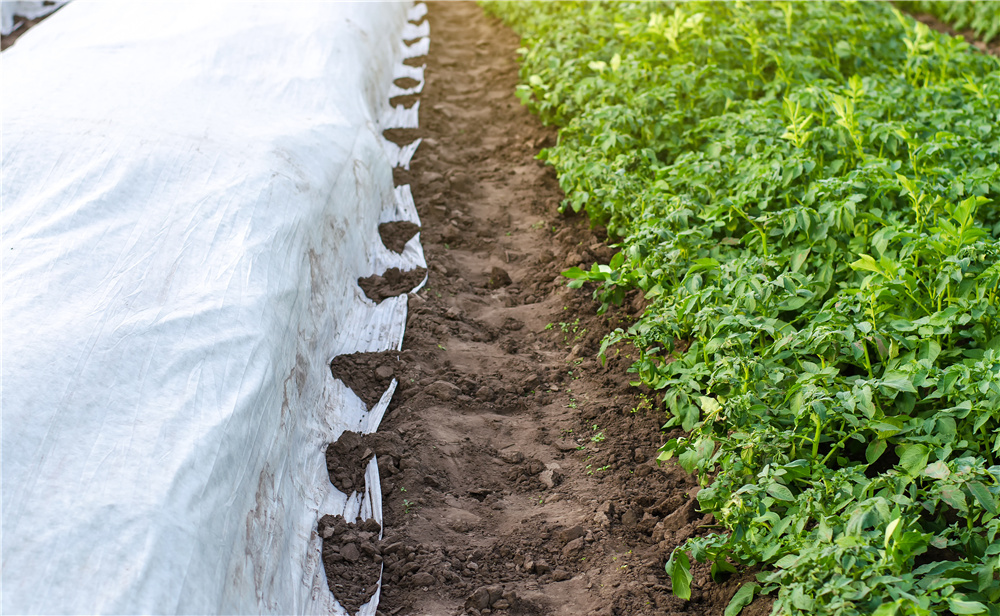
Crop covers and agricultural nonwovens create a protective microclimate, permitting air and water transmission while defending against frost and pests. These UV-stabilized materials control heat retention, reduce water loss, and improve crop yields.
Critical parameters to verify when sourcing high-output nonwoven machinery from China.
Sourcing a nonwoven line is a major capital investment. When comparing Chinese manufacturers, global procurement teams should evaluate the following structural specifications:
In addition to the raw output speeds, verify the quality of the raw material feed throat and the screw design. HG nonwoven machinery features optimized screw geometry with a 30:1 L/D ratio, ensuring homogeneous melting of PP granules with different melt flow indices (MFI). This structural design prevents thermal degradation and allows for the trouble-free addition of color masterbatches, UV stabilizers, and hydrophilic additives.
Answers to technical and commercial questions about sourcing and operating HG nonwoven machinery.
Examine our advanced multi-beam configurations and specialized converting machinery solutions.
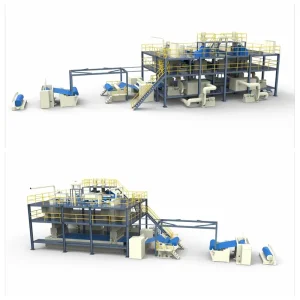
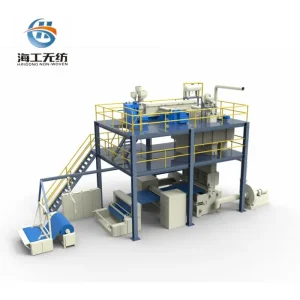
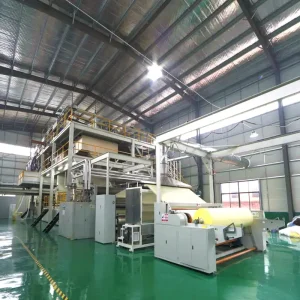
 HG NONWOVEN