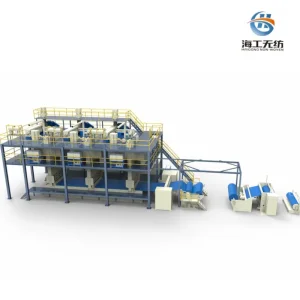
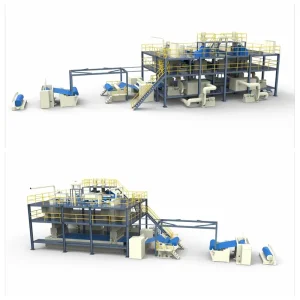
Pioneering 5th generation spunbond, meltblown, and composite line technologies engineered for high yield, efficiency, and eco-friendly manufacturing.
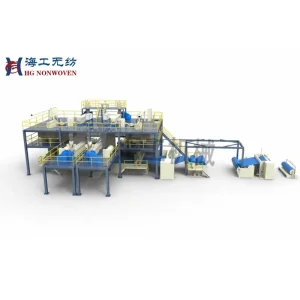
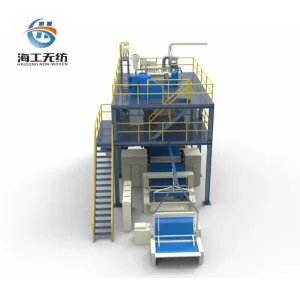
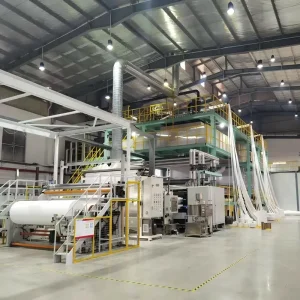
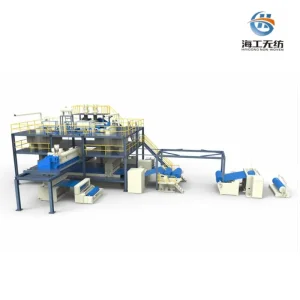
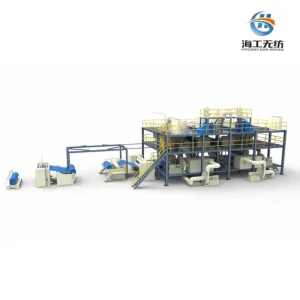
HG Nonwoven Machinery is a professional manufacturer of spunbond, meltblown, and composite nonwoven fabric machine lines, dedicated to providing high-efficiency and innovative spunbond nonwoven fabric production solutions to the global market. Our company introduced advanced design concepts, specifically our 5th Generation spunbond spinning technology, from overseas, seamlessly integrating it with autonomy to meet dynamic local market demands.
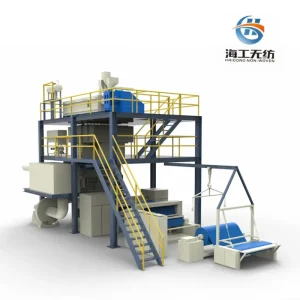
As a well-known nonwoven fabric making machine manufacturer since 2014, Pujiang HG Nonwoven Machinery specializes in manufacturing PP spunbond and meltblown nonwoven fabric making machines with complete turnkey engineering services. Our engineering focus lies in producing high-performance, eco-friendly, and biodegradable spunbonded nonwoven fabrics that meet international standards.
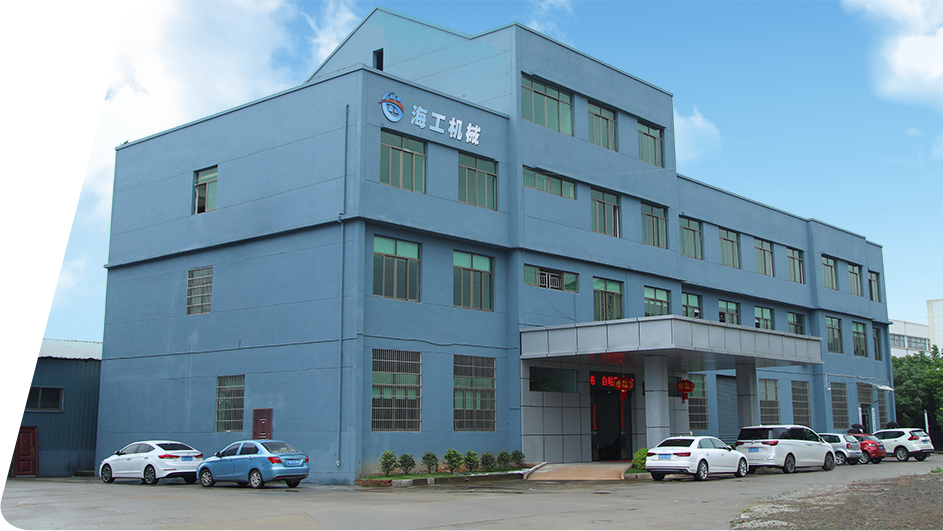
Delivering technological innovation, cost efficiency, and end-to-end turnkey machinery solutions for high-yield nonwoven production.
Our machines are meticulously designed incorporating 5th Gen spinning plates, optimized air-drawing channels, and automatic thermal calendars to ensure maximum output with minimal energy consumption.
With decades of data in the global nonwovens sector, we provide local market assessments, costing worksheets, and plant feasibility reports tailored to local industrial parks.
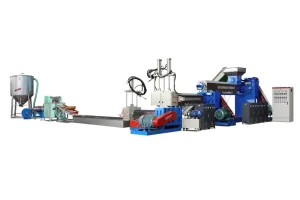
Beyond extrusion, we supply inline recycling granulators, high-speed slitting systems, multi-color flexo printers, online laminating setups, and automated bag conversion units.
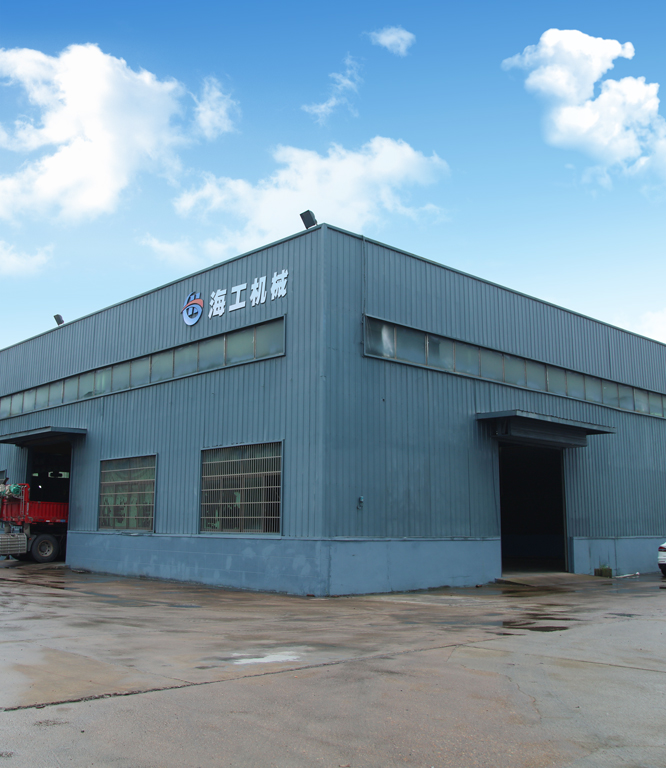
At our advanced manufacturing facility, we implement a highly structured workflow spanning precise structural metal fabrication, dynamic roller dynamic balancing, custom spinneret micro-hole CNC drilling, and thorough PLC circuit assembly. Every mechanical module undergoes strict factory trial runs before packing and shipping.

Compliant with European CE Standards, ISO9001 and strict energy-saving ratings.
"High quality, good service" is our core tenet. By choosing HG Nonwoven Machinery, you gain a reliable partner committed to helping you stand out in competitive markets. Contact us today to learn how to produce nonwoven fabrics economically, reliably, and sustainably.
Explore our most requested extrusion lines built to balance initial investment, energy consumption, and high-performance product characteristics.
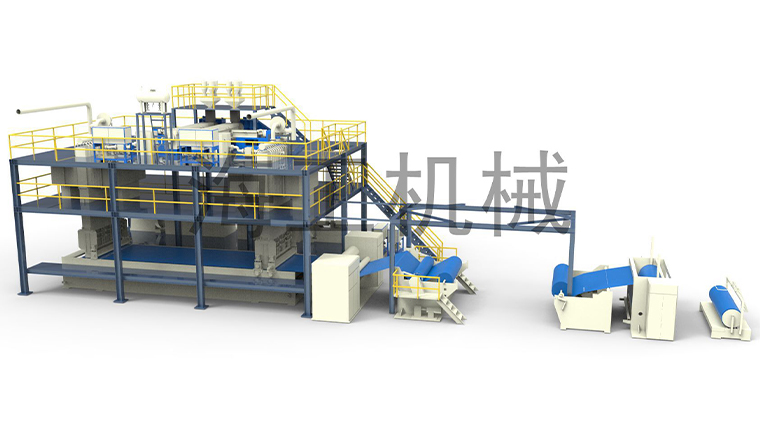
Optimized for packaging bags, home furniture interlining, pocket springs, and agricultural crop protective covers.
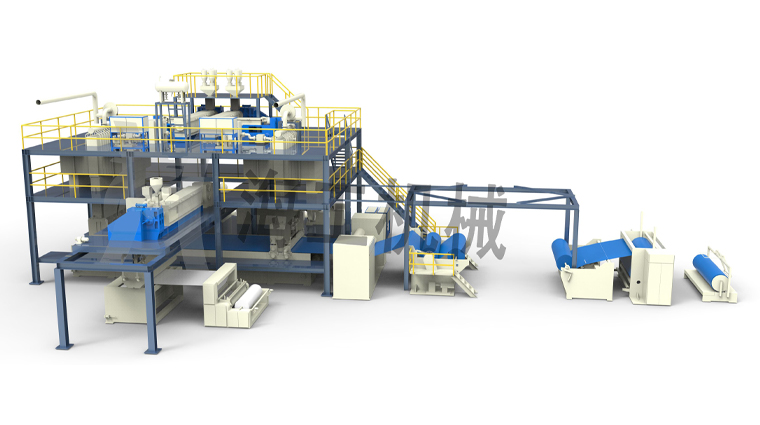
Perfectly engineered for medical-grade disposable protective gear, face masks, and sanitization fabrics.
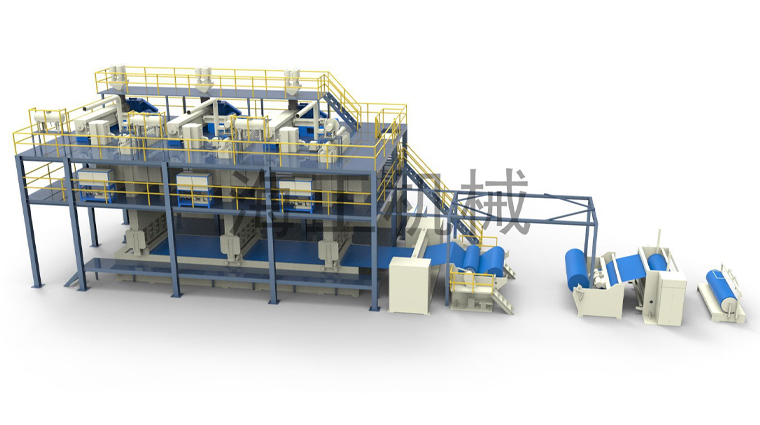
Four layered structure system offering superior barrier protection and filtration properties compared to standard SMS lines.
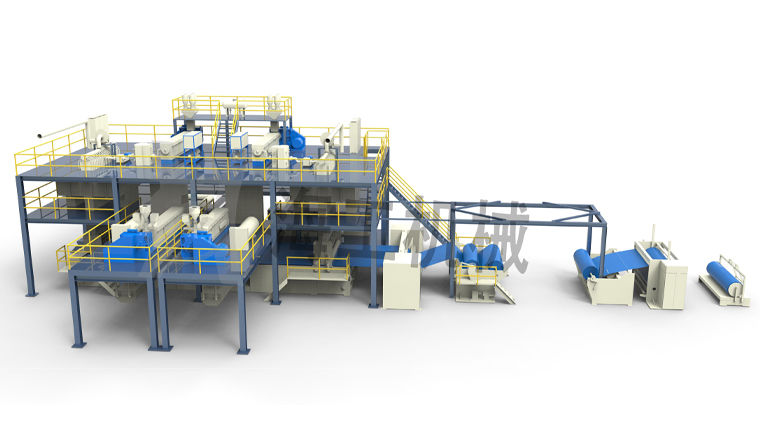
High-speed system delivering excellent barrier performance along with premium tactile softness and skin comfort.
The global nonwoven fabric sector has shifted towards composite systems that merge Spunbond (strength, elongation, and structural integrity) and Meltblown (filtration efficiency, barrier, and pore size density) technologies. Understanding the micro-details of these extrusion setups is essential for international buyers looking to scale manufacturing operations. Pujiang HG Machinery's 5th generation spinning systems optimize raw material distribution, melt viscosity control, and quenching stability, yielding a highly uniform fabric web weight (GSM) deviation of less than 1.5%.
The Chinese machinery sector leverages dense industrial manufacturing clusters. For nonwoven machinery, these clusters bring together metallurgy, high-precision machining, heater engineering, and electronic controls in unified geographic zones. Pujiang HG machinery incorporates these localized supply chain advantages to source top-tier mechanical casting housings, high-efficiency motors, and precision heating rings, while retaining control over specialized designs such as spinnerets, drafting systems, and calendars in-house. This integration reduces production costs by 30% to 45% compared to European equivalents, without sacrificing engineering precision or life expectancy.
Energy consumption represents the largest single operational cost in nonwoven fabric extrusion. Standard older production lines consume up to 1000-1200 kWh per ton of finished fabric. Our 5th Generation machines deploy variable frequency AC drives (primarily Siemens or ABB), optimized barrel induction heating systems, and advanced air recycle paths in the quenching phase to reduce consumption to 700-800 kWh per ton. This provides a significant cost advantage in high-volume, low-margin packaging and agricultural fabric markets.
Vacuum loading, multi-component gravimetric dosing, additive dosing (masterbatch for color, UV-stabilizers, antistatic treatments).
Precision extruder heating, hydraulic screen changers, spinning gear pump dosing, 5th gen spinneret capillary extrusion.
High velocity quench air cooling, aerodynamic drawing, vacuum web forming table laydown, thermal oil heated calendar embossing.
Fully automatic surface winders, precision slitting knives for various widths, and edge-trim recyclers that feed scrap directly back to the extruder.
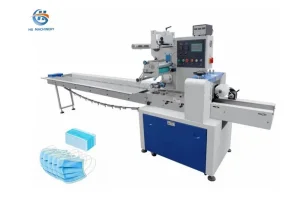
Integration of flexographic printing, lamination, and automatic nonwoven shopping bag making machinery to yield high-value end products.
An inside look at our machinery modules, custom designs, and globally installed nonwoven lines.
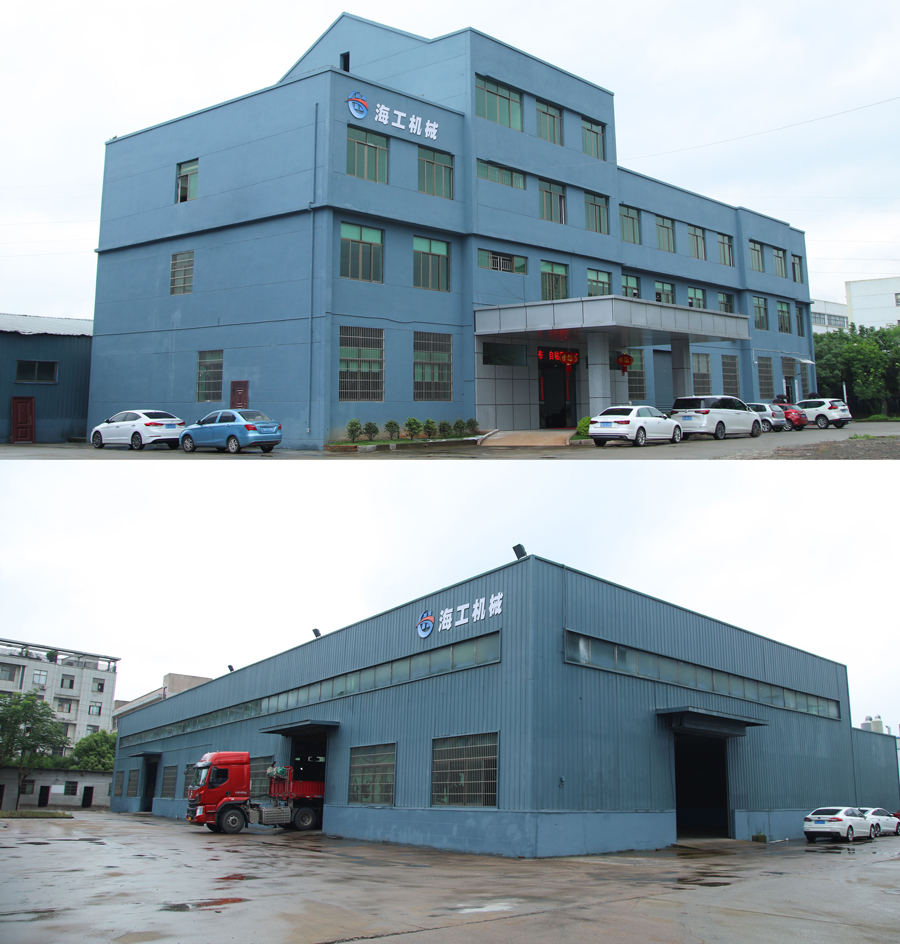
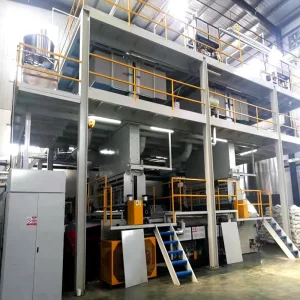
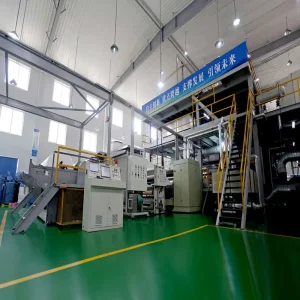
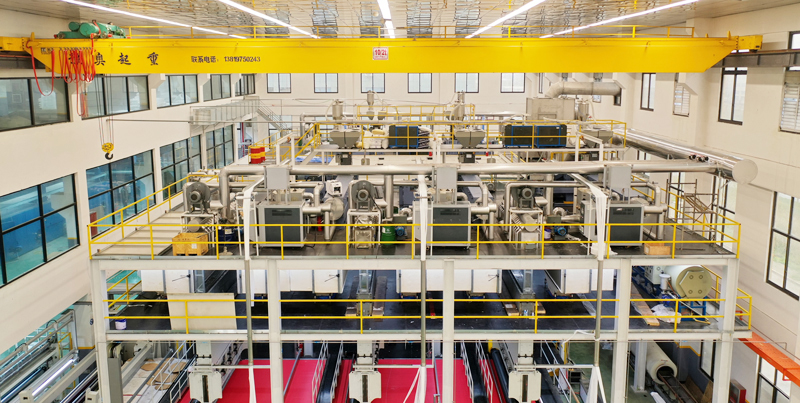
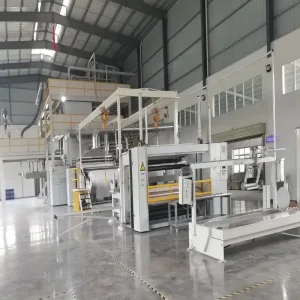
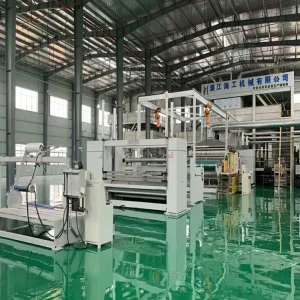
Production Line Testing Area
Precision Calendar Roller Modules
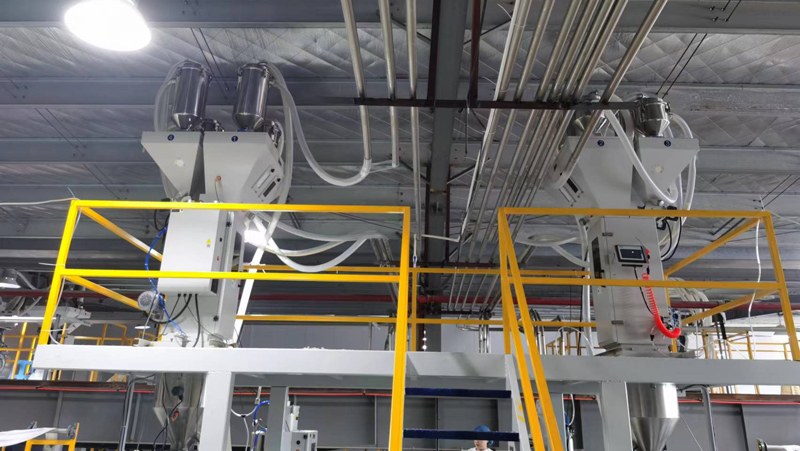
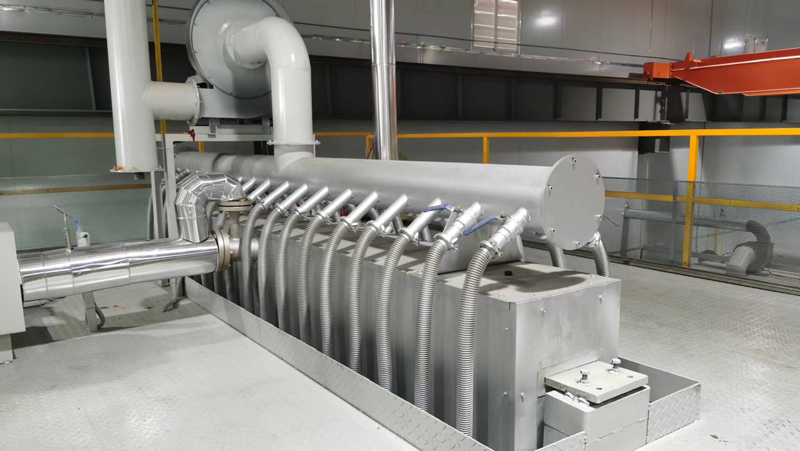
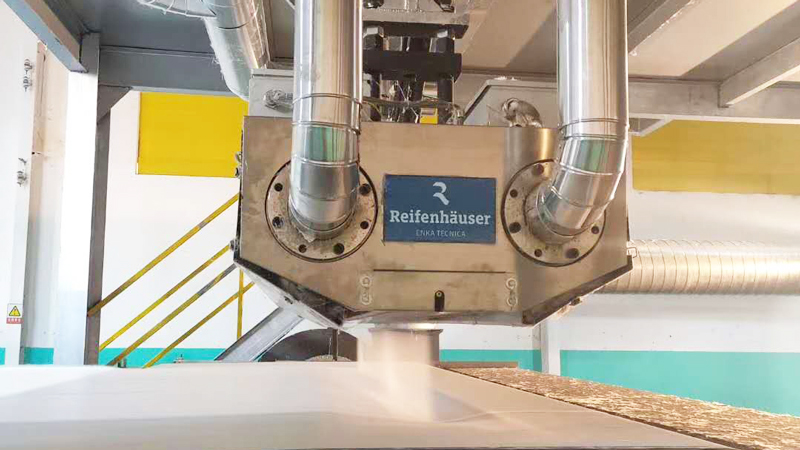
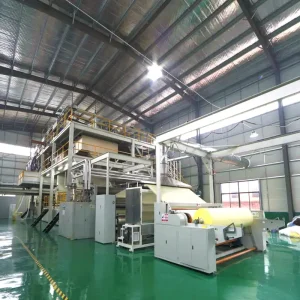
Global Installation Sites
Align your technical specifications with end-user criteria. We guide you in selecting the correct extrusion parameters based on your target industries.
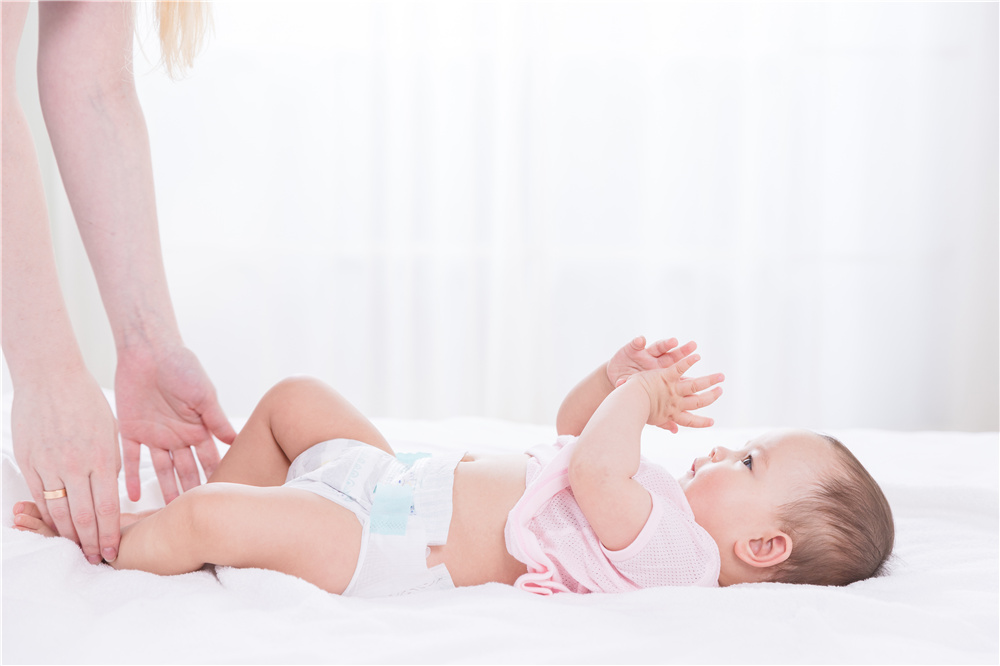
Nonwoven fabric is essential in the hygiene sector, offering breathability, softness, and excellent fluid management for comfort and protection. It quickly absorbs liquid and keeps it away from the skin, making it ideal for diapers, incontinence pads, and feminine hygiene products.
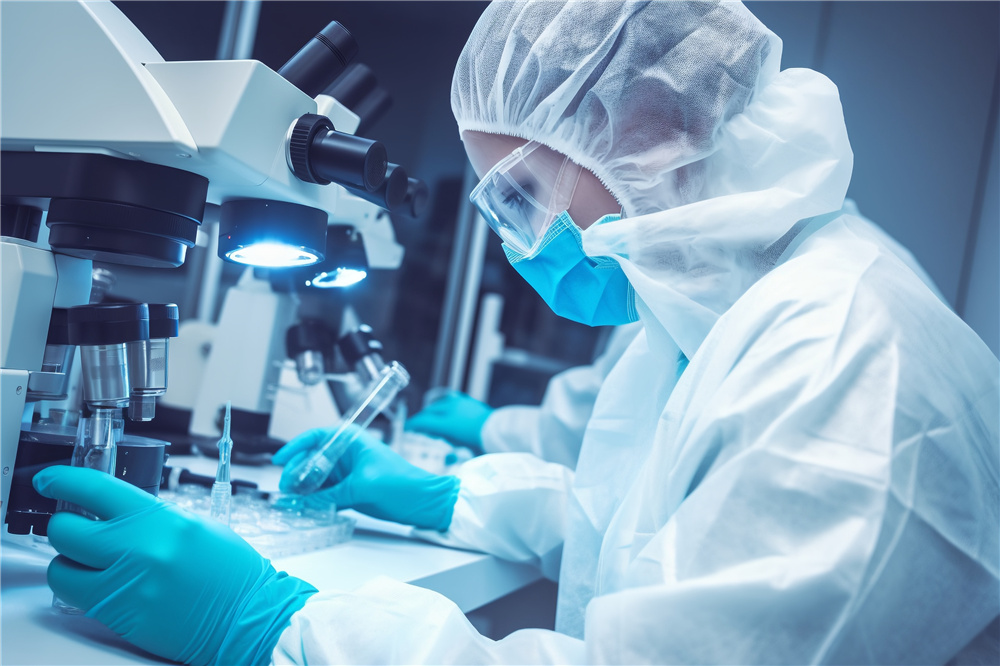
Nonwovens fabrics are extensively used in the medical field and in protection against biological agents in other sectors. They deliver critical safety properties, such as prevention against infections and diseases. They are essential for making face masks, surgical gowns, bed sheets, and surgical towels, ensuring effective filtration, protection, and comfort.
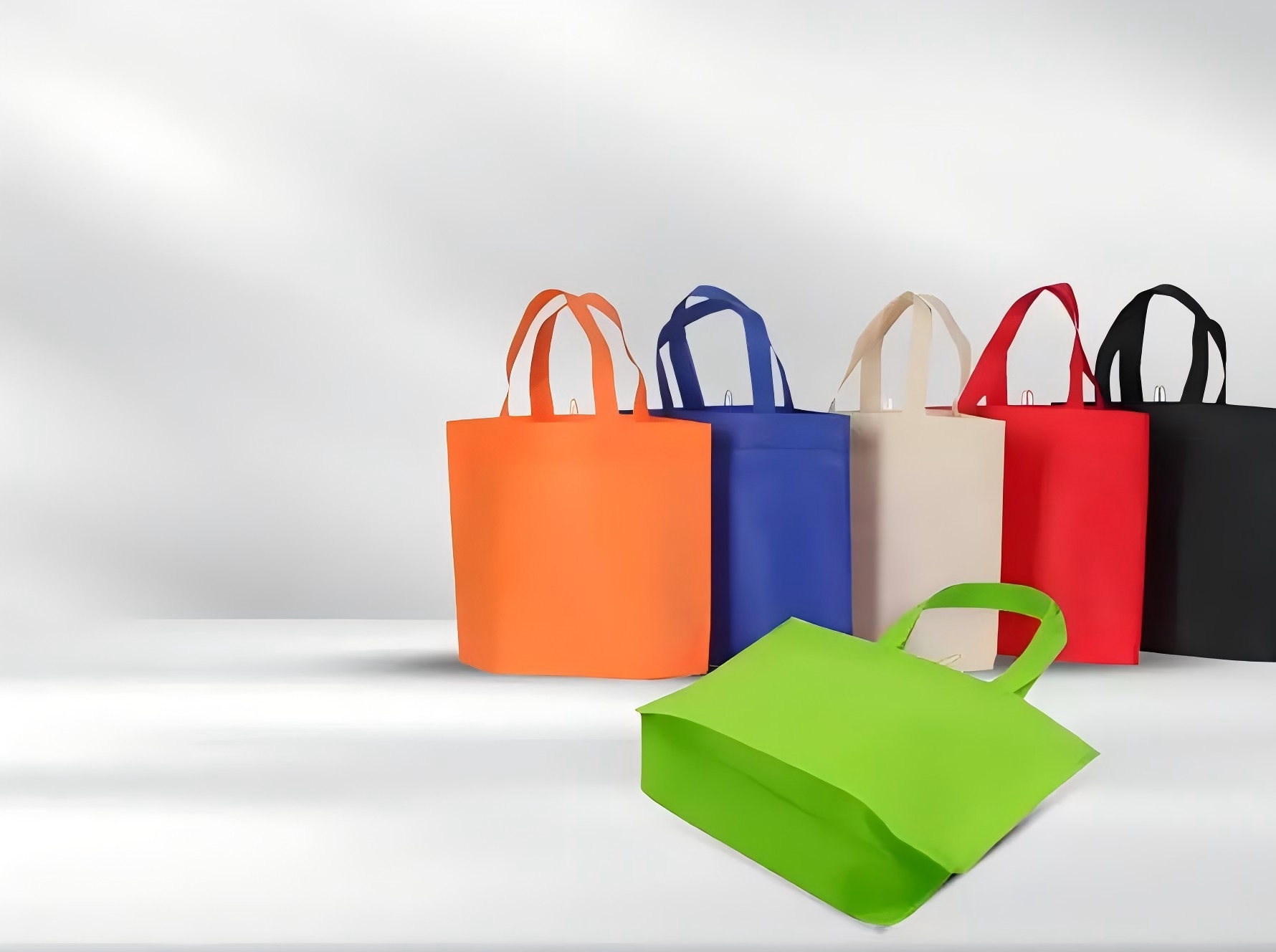
Nonwoven fabric is ideal for a variety of packaging end-uses. Their lightweight, energy-efficient production, transport advantages, and robustness allow for volume reduction and re-usability. It is widely used for shopping bags, fruit packaging, garment bags, pocket springs, and pharmaceutical wrapping.
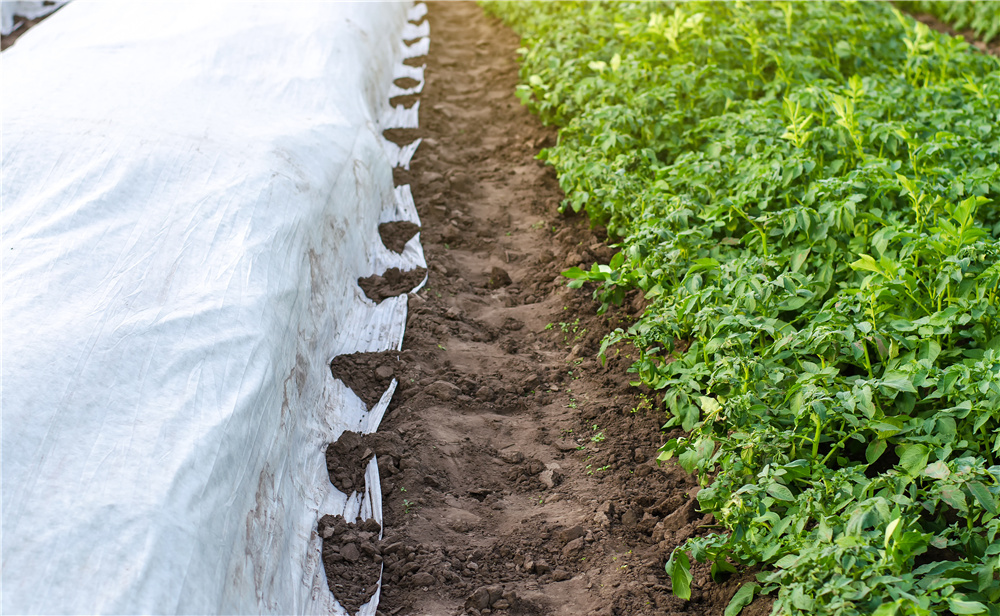
Agriculture Non Woven Fabric allows air and water to pass through while providing wind and cold protection by generating a microclimate around the crop. Furthermore, because nonwoven works as a physical protection media, it can assist prevent damage to crops, vegetables, and seeds from insects and birds.
Answers to key operational, mechanical, and logistical questions for global project managers establishing nonwoven manufacturing plants.
HG's 5th generation PP spunbond nonwoven lines consume between 700 to 800 kWh per metric ton of fabric produced. This represents an energy efficiency gain of approximately 20% to 25% over older configurations, achieved through the use of variable-frequency AC drives, direct-coupled extruders, optimized thermal oil pathways in the calendar, and a smart cooling zone structure.
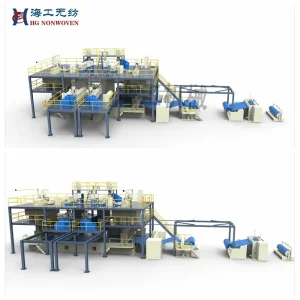
The difference lies in the configuration of extrusion beams. A Single S line has one spunbond die beam to form a single layer web. An SS line contains two tandem spunbond beams, producing a denser, more uniform two-layered web at higher speeds. An SMS line integrates a meltblown die beam between the two spunbond beams, creating a three-layer composite web (Spunbond-Meltblown-Spunbond) designed for high filtration and barrier applications.
Yes, our extrusion systems are designed with modified screw geometries, precise temperature profiles, and adjustable air-drawing speeds to process PLA (Polylactic Acid), PBAT, and recycled PET, alongside standard Polypropylene (PP) chips. Modifications are made to the extruder heating bands and the L/D ratio of the screw to prevent thermal degradation of bio-polymers.
Pujiang HG Nonwoven Machinery provides a 24-month comprehensive mechanical and electronic warranty. Post-installation, our engineers remain on-site to train your local team on startup protocols, recipe parameters, and emergency procedures. We also offer 24/7 remote diagnostic support connected to the machine's PLC interface.
Our turnkey systems include an inline recycling granulator. The edge trims sliced during the slitting process are drawn by vacuum and fed directly into the recycler. Scrap is remelted and fed back to the main extruder barrel without requiring manual handling or external pelletization, minimizing waste and optimizing raw material usage.
Height requirements depend on the machine configuration. A single-beam S line requires a minimum height of 8 meters, while an SS line typically needs 9 to 10 meters. Composite lines like SMS or SMMS, which feature double drafting zones, require a clearance of 11.5 to 13.5 meters.
Fabrication of custom components and initial testing at our Chinese facility takes approximately 90 to 120 days. Shipments require 20 to 40 days depending on the destination port. On-site positioning, assembly, connection of utilities, and commissioning are usually completed within 30 to 45 days.
We use high-precision metering pumps that supply melt to the spinneret with minimal pulsation. Additionally, our dual-flow quench air channels feature integrated flow rectifiers to maintain stable cooling air speed and temperature across the entire working width (e.g., 1.6m, 2.4m, or 3.2m), preventing thin spots or weight variations in the fabric.
Explore additional high-performance auxiliary machines and primary spunmelt systems designed to complement your manufacturing setup.
 HG NONWOVEN