In the modern industrial materials sector, the efficiency of converting polymer raw materials into high-performance web matrices is heavily dependent on technical synthesis. As a premier destination for global procurement, China HG Nonwoven Machinery has engineered automated ecosystems that merge high-speed fiber deposition with next-generation slitting and cutting systems.
Understanding user search intent highlights that enterprise buyers do not simply purchase a fabric machine. They seek integrated solutions that combine high-output extruders, thermal calenders, and high-precision cutting machines. Precision in downstream processes, such as cutting, slitting, and rewinding, ensures that structural properties like tensile strength and edge configuration are preserved without fraying or thermal deformation.
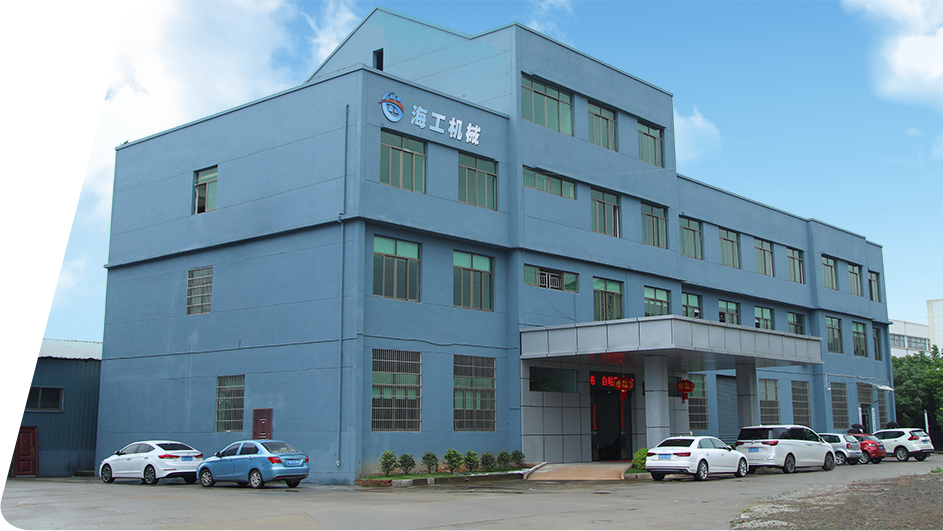
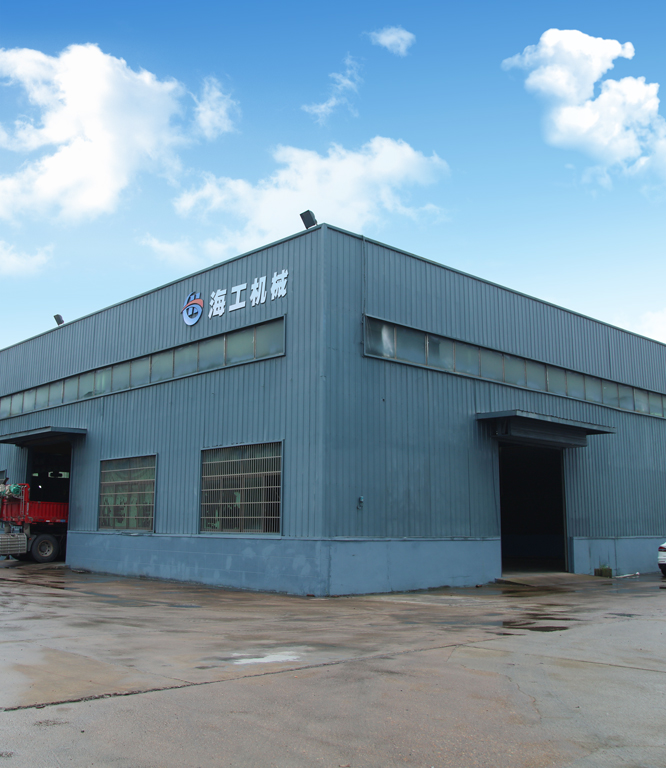

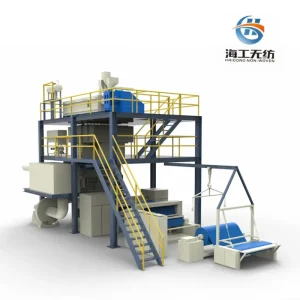
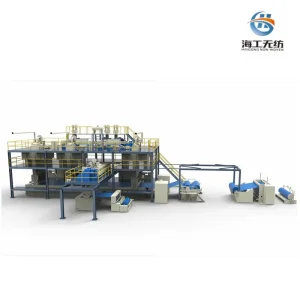
Operating since 2014, Pujiang HG Nonwoven Machinery has established itself as an innovative designer of PP spunbond, meltblown, and composite nonwoven fabric machine lines. By integrating global concepts with locally responsive engineering, we offer turnkey solutions tailored for green, biodegradable, and high-strength fabric processing.
Our core technical breakthrough is the introduction of the 5th Generation Spunbond Spinning Technology. Unlike traditional methods, this system utilizes high-velocity air attenuation below the spinneret to produce micro-denier fibers with enhanced tensile balance. Additionally, the machinery operates with a reduced physical footprint and lower energy demands per ton of finished fabric, lowering operating expenses for manufacturers globally.
Our commitment is based on a transparent mission: delivering high quality and responsive service. By providing full lifecycle technical support, HG Machinery helps production facilities optimize raw material consumption, minimize waste, and maintain stable uptime.
Historically, spunbond manufacturing and secondary cutting were performed on separate, isolated machinery. This offline method required heavy handling, increased roll storage, and risked edge contamination. Modern factories utilize inline high-speed slitting and cutting systems directly integrated after the calendering stage.
HG's integrated slitting stations use pneumatic score cutters and shear-cut systems with digital web guides. This combination achieves clean edges and precise tolerances, even on lightweight materials down to 9 gsm.
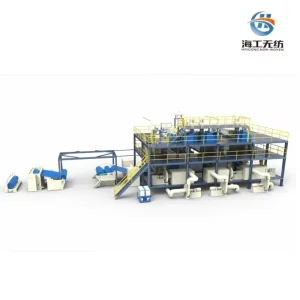
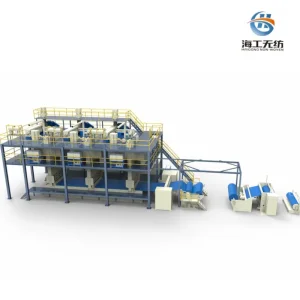
The medical and hygiene sectors have driven the demand for multi-beam composite lines. Combining spunbond layers (which provide tensile strength) with meltblown barriers (which offer filtration) requires careful coordination of cooling air, fiber distribution, and calender temperatures.
Managing these composite materials requires precise tension control during the winding and cutting process. Our machines feature closed-loop load-cell systems to prevent elongation or deformation of the web matrix.
With growing regulations on single-use plastics, manufacturers are transitioning to PLA (Polylactic Acid) and biodegradable PP blends. Processing these bio-polymers requires precise temperature controls along the extruder barrel.
The 5th generation spinning systems by HG are built to handle variations in polymer melt flow index (MFI), allowing factories to transition between petrochemical and bio-sourced materials without swapping spinnerets.
Every system is engineered to balance production throughput with energy conservation. Customized options ensure each configuration is tailored to the client's material specifications, web width requirements, and floor space layouts.
We provide localized market analysis, raw material sourcing forecasts, and utility calculation reports. This data supports factory planning and helps establish a realistic return-on-investment timeline.
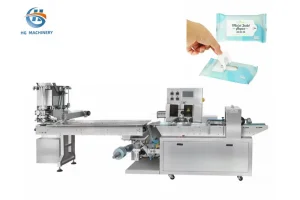
We coordinate the entire downstream and auxiliary layout. Beyond the main spinning lines, we supply edge-trim recycling systems, high-capacity roll slitting/cutting machines, multi-color flexographic printers, coating units, and automatic bag converters.
Our engineering teams assist with mechanical assembly, electrical wiring, and parameter optimization on-site. We offer an extended 24-month structural warranty alongside remote diagnostic support.
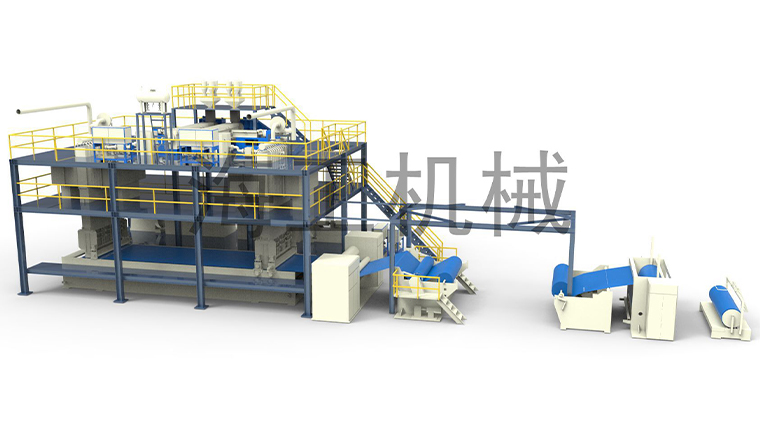
Engineered for packaging materials, furniture backings, and agricultural protective covers.
Request Configuration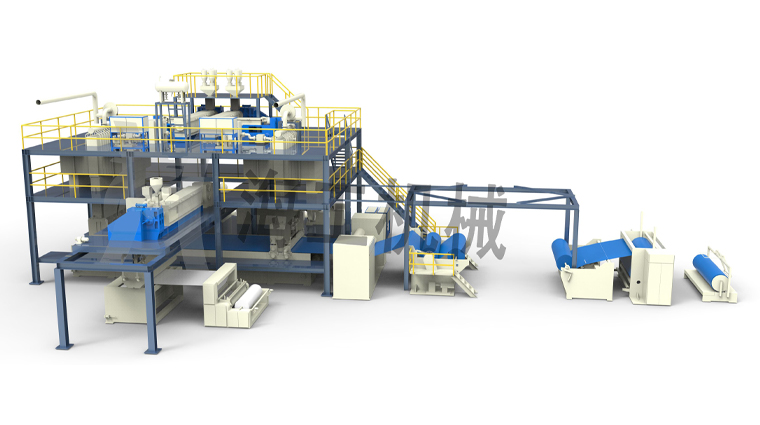
Engineered for medical drapes, surgical wraps, and disposable protective clothing.
Request Configuration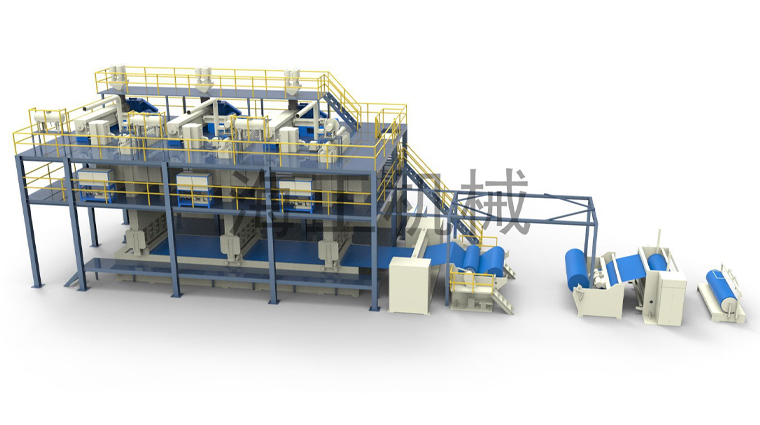
Four-layer configuration providing high barrier protection and fine filtration.
Request Configuration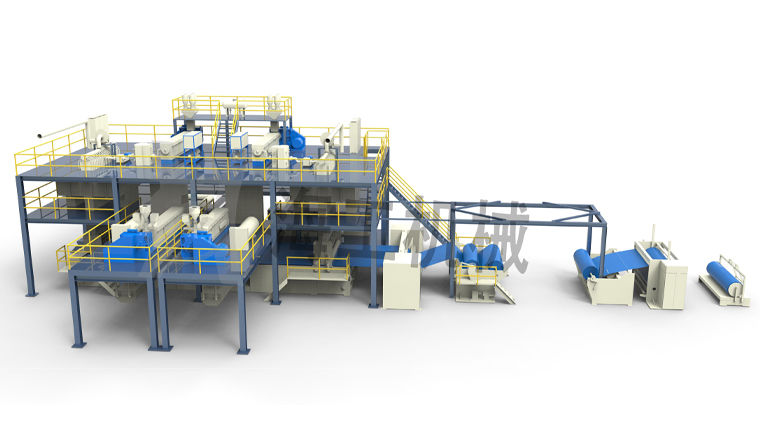
Offers barrier properties alongside softness for premium personal care items.
Request ConfigurationIn the modern industrial landscape, sourcing capital machinery requires looking beyond initial purchase price. Industrial buyers prioritize supply chain integration, parts availability, and engineering responsiveness.
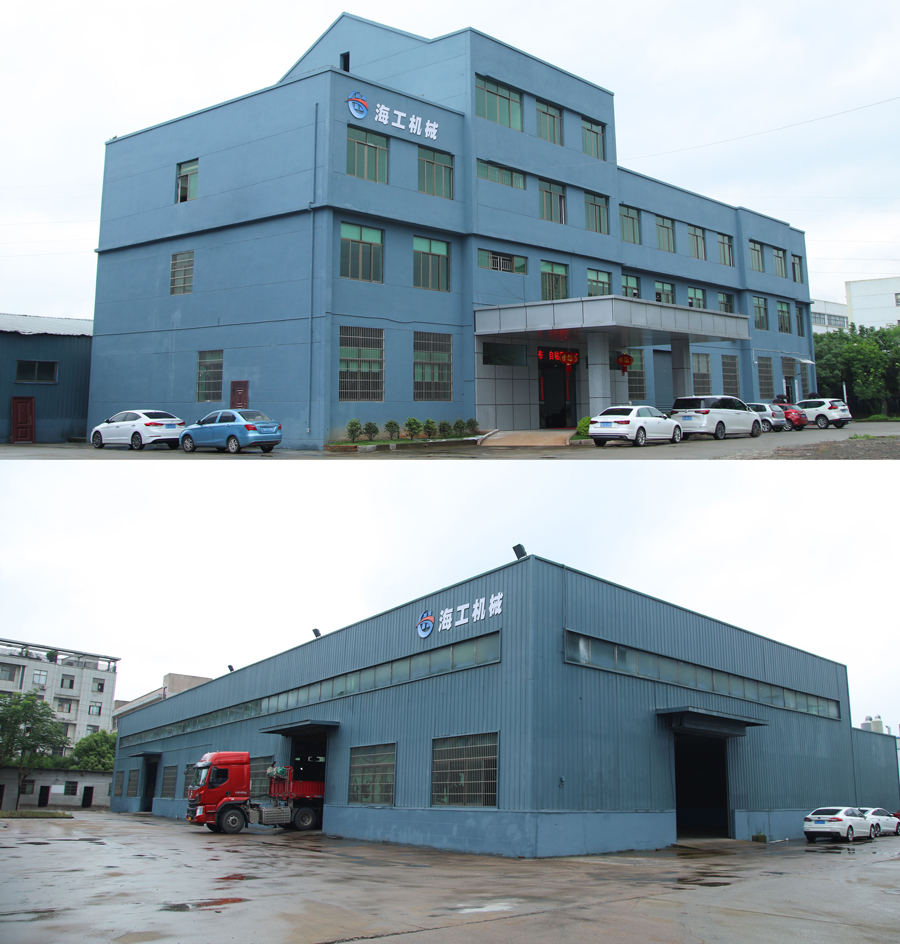
Operating from our integrated manufacturing base, HG Nonwoven Machinery manages the supply chain from raw metal fabrication to electronics integration. This centralized model ensures consistent quality control and reduces assembly lead times.
With PLC architectures based on global industry standards, operations teams can quickly source replacement electrical or pneumatic parts locally. Additionally, HG keeps critical spares like spunbond spinnerets, meltblown die plates, and slitter blades in stock to minimize downtime during maintenance windows.
Calculating the Total Cost of Ownership (TCO) for a spunbond line requires analyzing energy consumption and waste rates during roll changes and width adjustments.
HG Nonwoven Machinery's 5th generation spinning systems are built to lower production costs through two key design features:
Furthermore, our modern cutting and slitting setups feature quick-change knife shafts. This allows plant technicians to reconfigure roll-width patterns in minutes, reducing waste during short-run production cycles.
Our machinery solutions are customized to match the demands of different target markets, ensuring optimal performance for specific end-use applications.

Produces soft, breathable top-sheets and barrier leg cuffs for diapers, feminine hygiene products, and adult incontinence pads.

Fabricates high-barrier materials for surgical gowns, face masks, and sterile drapes, meeting global microbial filtration standards.
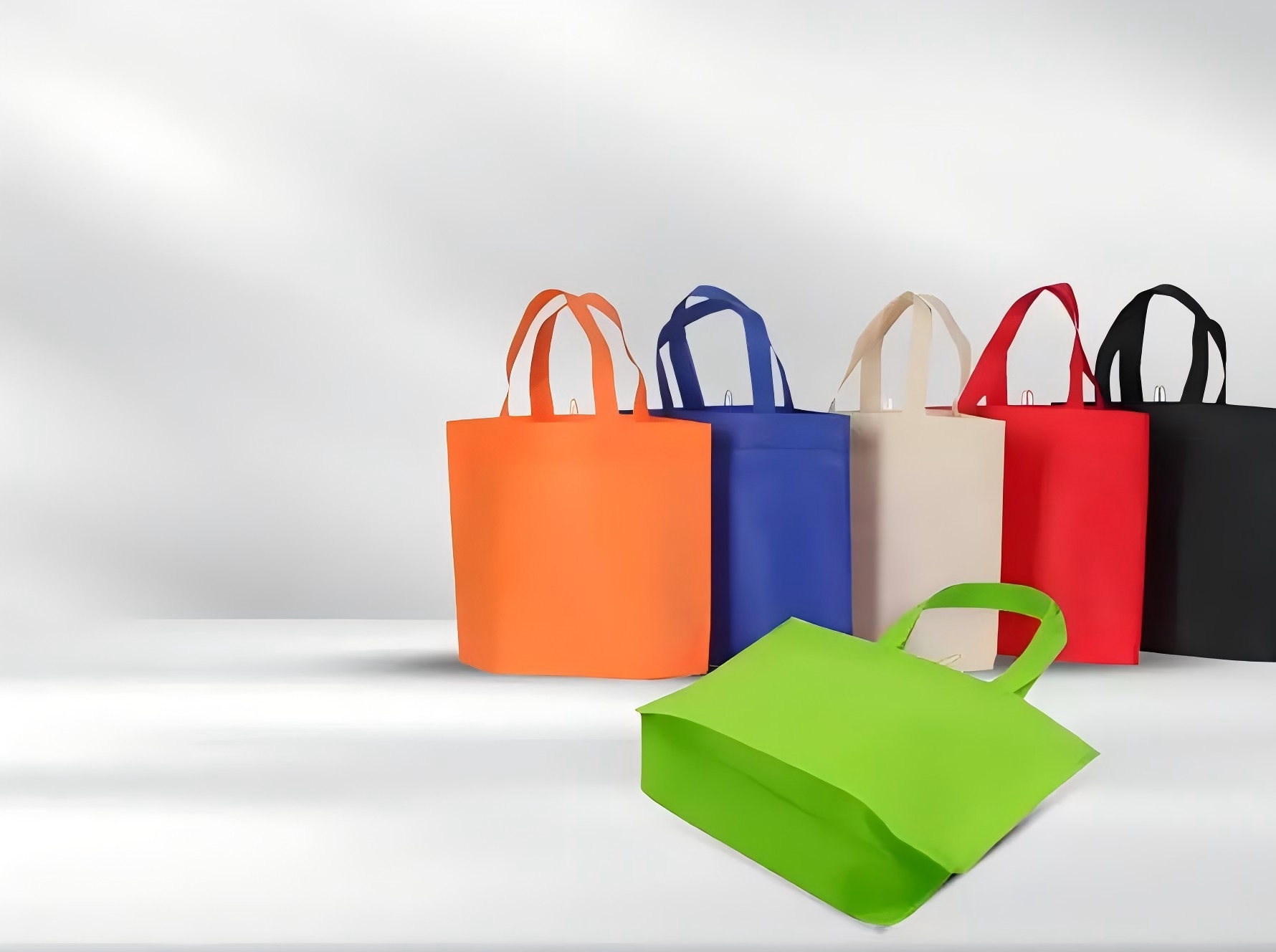
Produces high-tensile materials for reusable shopping bags, garment covers, pocket spring wraps, and protective industrial packaging.

Produces durable, UV-stabilized crop covers and weed-control fabrics that balance microclimate temperature with water and air permeability.
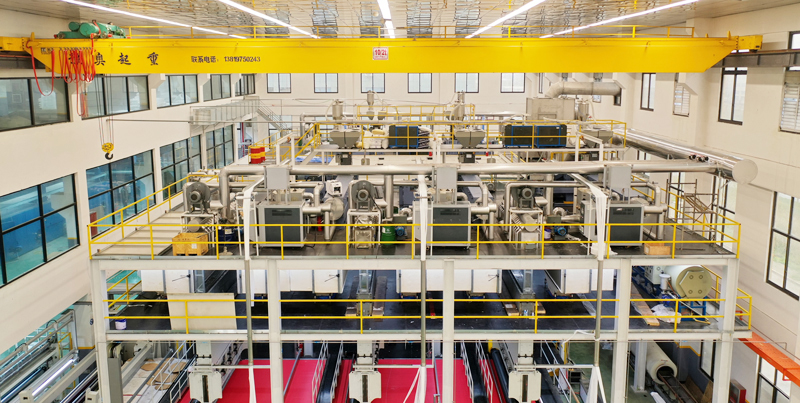
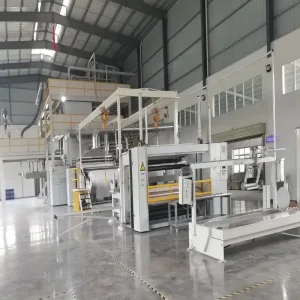
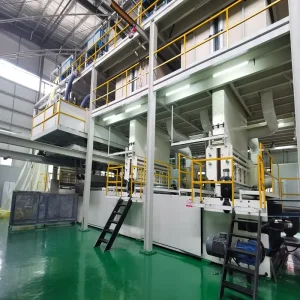
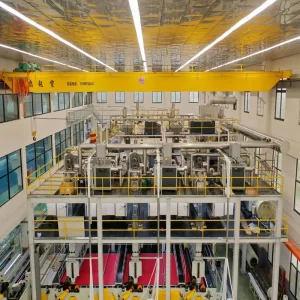
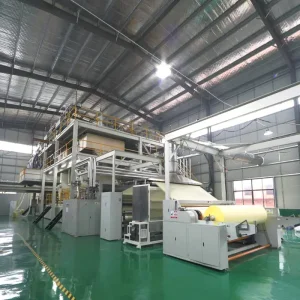
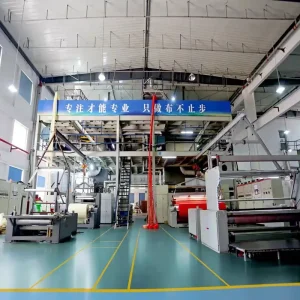
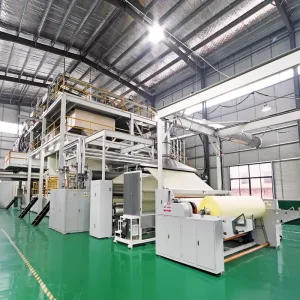
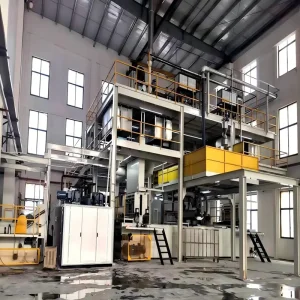
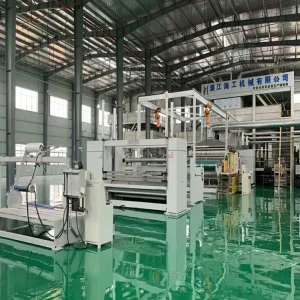
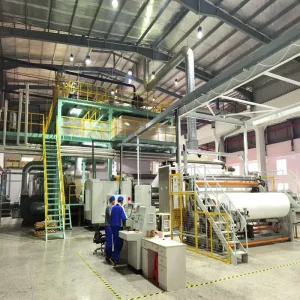
Main floor configuration showcasing raw frames undergoing optical alignment prior to extrusion setups.
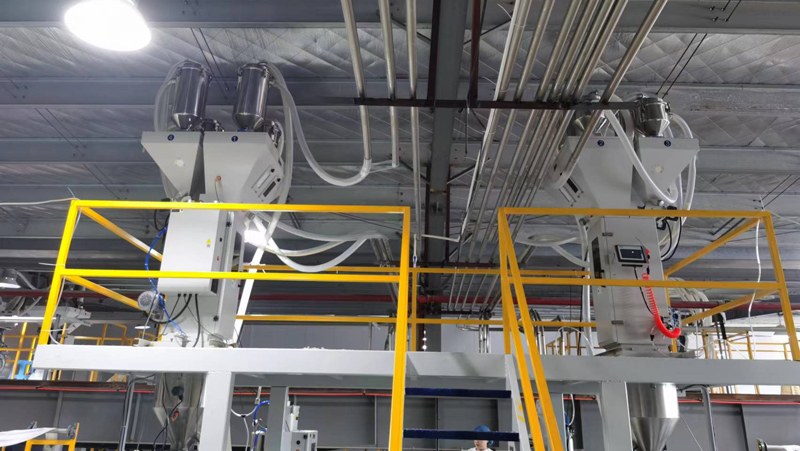
High-precision micro-hole die assemblies designed to distribute polymer melt at high velocities.
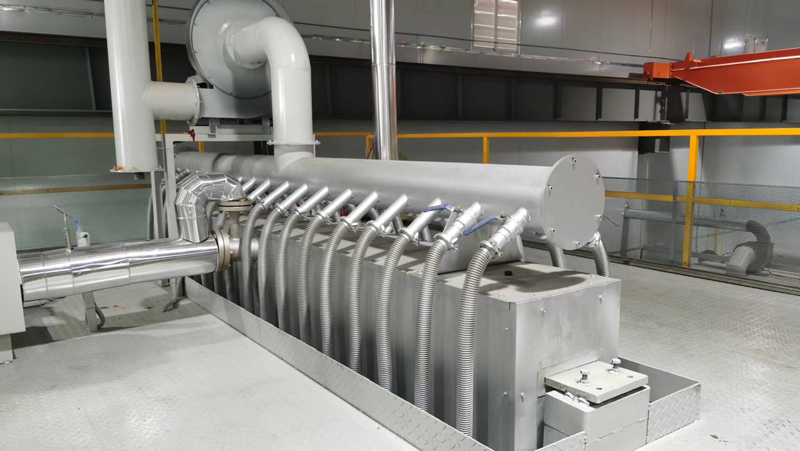
Polished embossing rolls configured to thermally bond fiber webs with precise nip-pressure control.
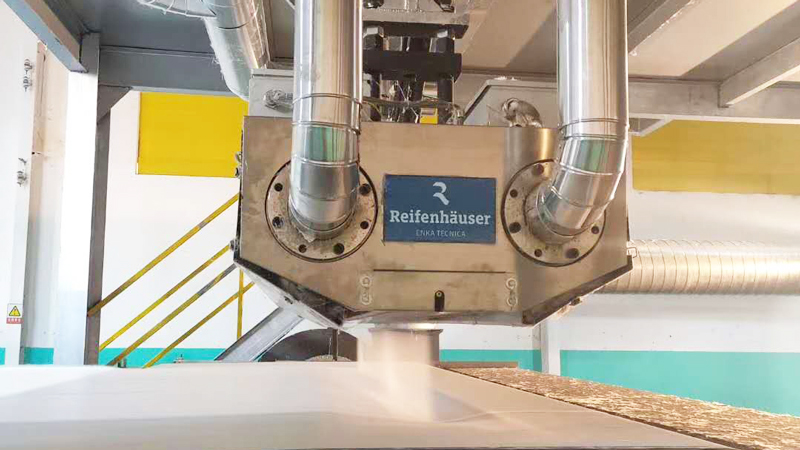
Intelligent PLC control interfaces regulating line speeds, heater profiles, and cutting blade layouts.
Our inline cutting and slitting machines maintain high edge precision, with mechanical slitting tolerances within ±1mm at operating speeds up to 400m/min. By using pneumatic slitter positioning and closed-loop web tension controls, the machine prevents web drift, ensuring consistent roll widths.
The 5th generation design improves air distribution and cooling channel geometry below the spinneret. By stabilizing melt flow and increasing fiber attenuation speeds, it produces finer filaments (down to 1.5-2.0 Denier) and improves fabric tensile strength while consuming up to 15% less energy per ton of material.
Yes, our machines can be configured to process PLA and other biodegradable polymers. This setup includes specialized extruder screw profiles, precise zone-heating control, and adjusted cooling air conditions to manage the slower crystallization rates of bio-polymers.
HG provides complete downstream integrations, including high-speed center-surface rewinders with automated cutting, inline edge trim recycling systems, flexographic roll printing, and lamination units. Edge trims are fed directly back into the extruder to minimize polymer waste.
Our turnkey service covers every stage of the project: plant layout planning, mechanical and electrical engineering, on-site installation, commissioning, and operator training. We also assist with trial runs to ensure the machinery meets the buyer's specified target weight (gsm) and tensile properties.
 HG NONWOVEN