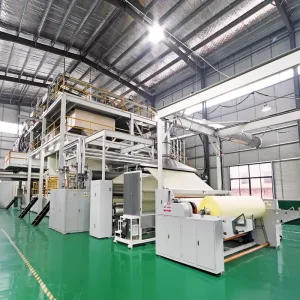
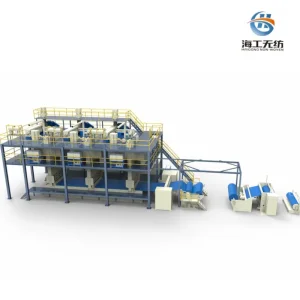
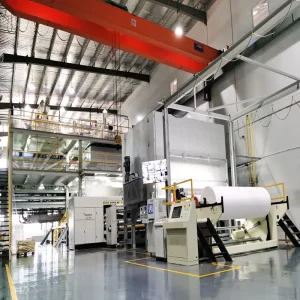
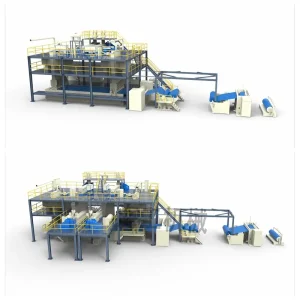
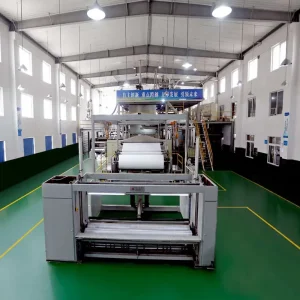
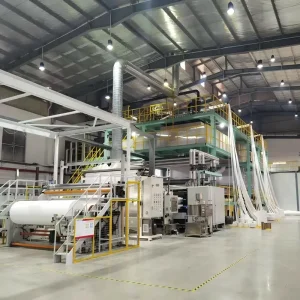
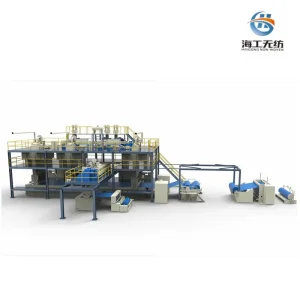
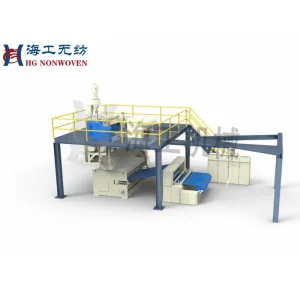
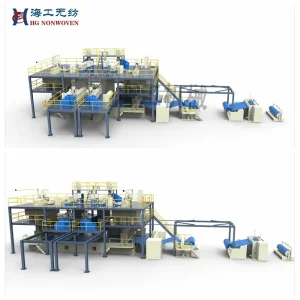
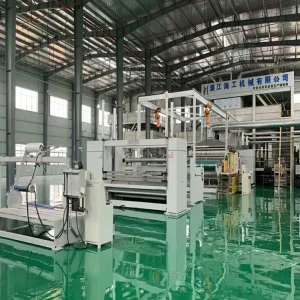
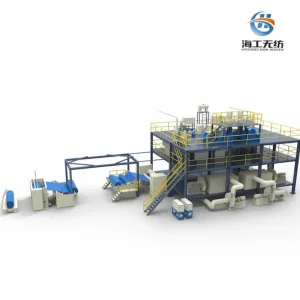
In the contemporary landscape of global industrial textile production, the demand for high-durability, structurally integral, and cost-effective synthetic webs is witnessing unprecedented growth. Leading this mechanical and polymer-chemical evolution are needle punch and spunbond nonwoven machineries. These systems represent the absolute peak of modern polymer-to-web direct engineering, transforming raw polypropylene (PP), polyester (PET), and composite resins into high-strength membranes.
For global industrial procurement departments, sourcing from an authoritative manufacturer like HG Nonwoven Machinery provides not just hardware assets, but a comprehensive integration of thermal, mechanical, and aerodynamic systems. As an industry pioneer in China, HG specializes in delivering custom nonwoven lines capable of continuous high-speed output, addressing the crucial trade-off between energy consumption per metric ton of material and tensile structure excellence.
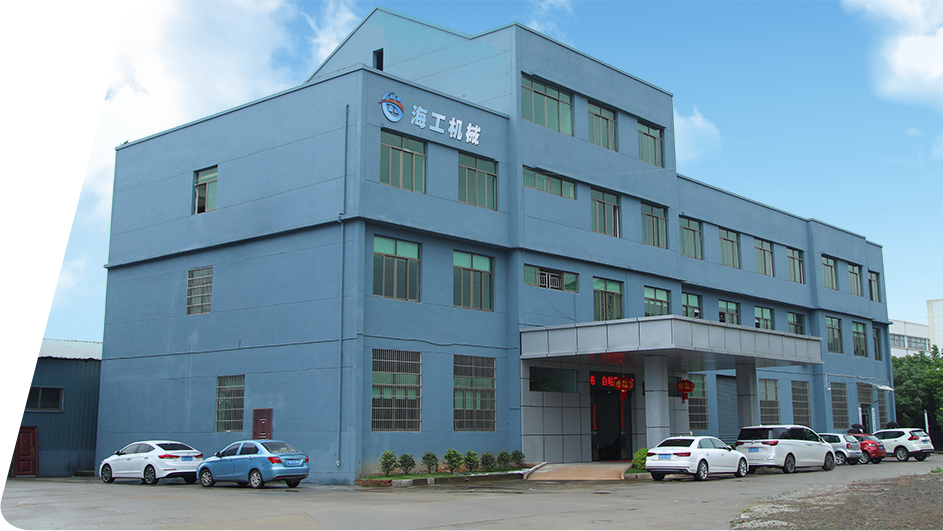
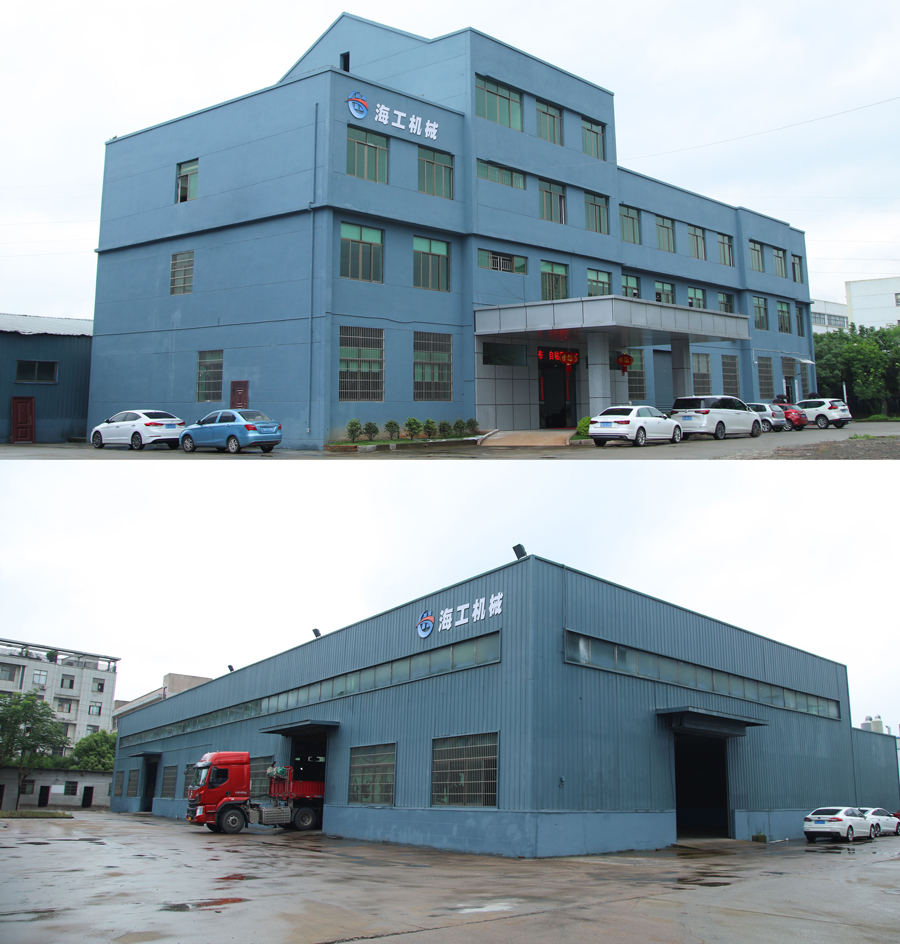
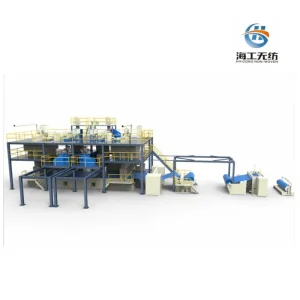
Pujiang HG Nonwoven Machinery has been a cornerstone nonwoven fabric making machine manufacturer since 2014, with deep team heritage spanning over 20 years of continuous technical innovation. We specialize in engineering and commission of PP spunbond, meltblown, and composite SMS/SMMS lines that champion environmental stewardship, high efficiency, and absolute reliability.
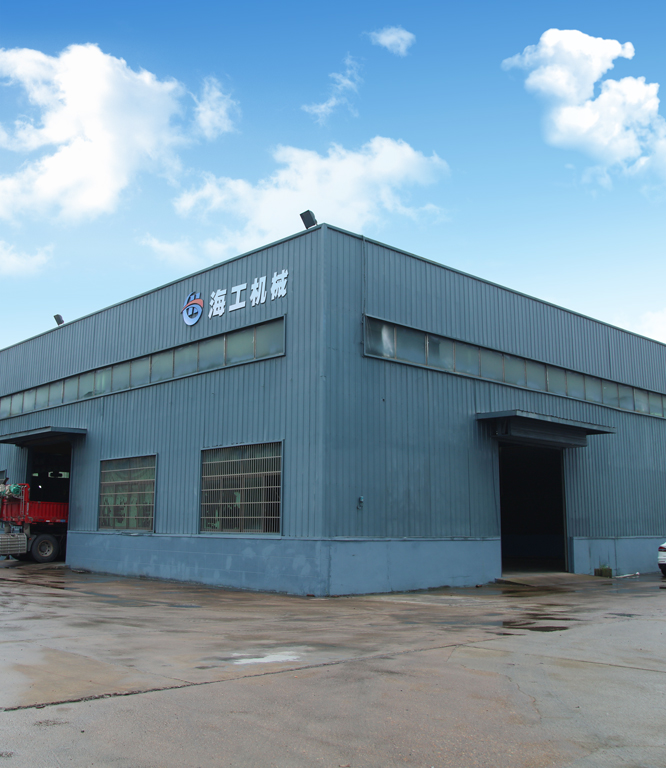
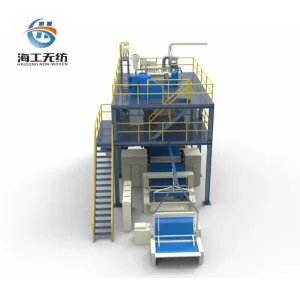
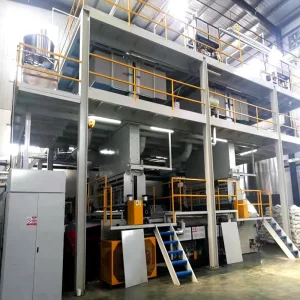
HG Nonwoven Machinery introduces the highly refined 5th Generation Spunbond Spinning Technology. By blending advanced overseas airflow dynamics and slot-attenuation designs with our autonomous market modifications, HG machinery has drastically minimized the layout footprint and reduced energy expenditure. This innovation translates directly to a lower cost of goods sold (COGS) for nonwoven roll manufacturers.
Our primary focus centers on delivering green, bio-friendly, and biodegradable spunbond and composite nonwoven fabrics. The systems are built to run continuous long-run polymer cycles, maintaining consistent cross-directional (CD) and machine-directional (MD) strength coefficients.
Our production platforms are engineered to optimize polymer distribution channels, ensuring uniform web density and thickness while utilizing energy-efficient motors and heat recyclers.
We provide extensive regional market evaluation reports, local raw material pricing metrics, and comprehensive financial projection matrices for project planning.
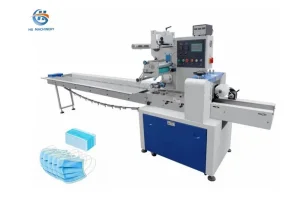
From initial structural drawings to downstream integrations like slitting, flexo-printing, lamination, recycling, and bag making, we handle the complete lifecycle.
HG guarantees proactive technical support, on-site diagnostics, remote SCADA system updates, and a comprehensive 24-month structural component warranty.
Engineered to satisfy high-throughput demands, our signature composite lines are the systems of choice for top-tier medical and industrial operations.
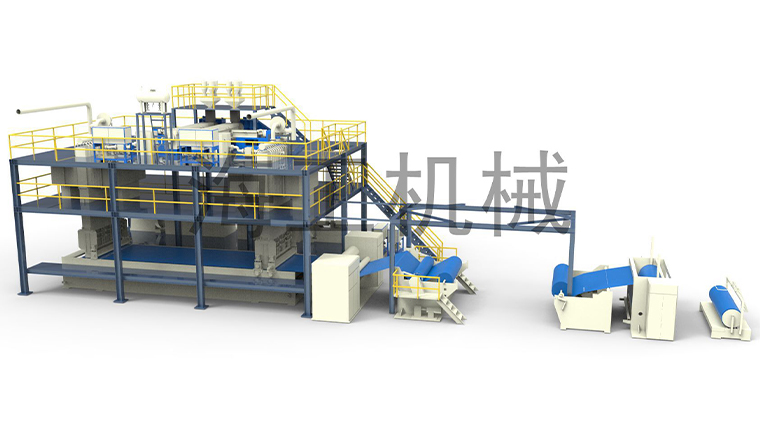
Engineered for packaging nonwoven bags, home furniture substrates, and agricultural crop covers.
Explore Technology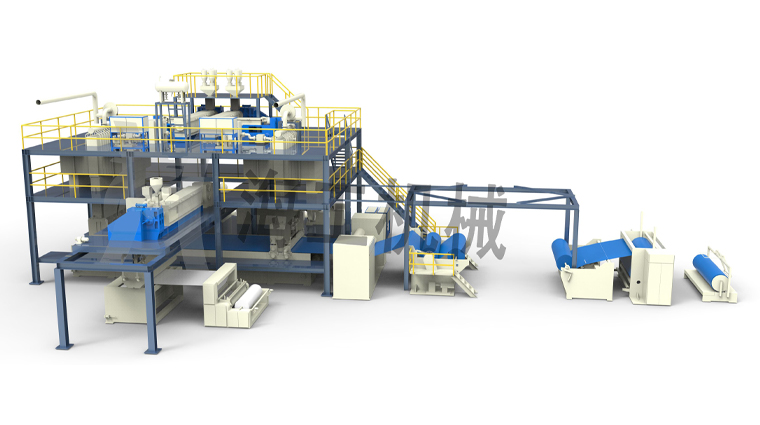
Optimized barrier systems designed for high-protection medical gowns, surgical drapes, and sterilizations.
Explore Technology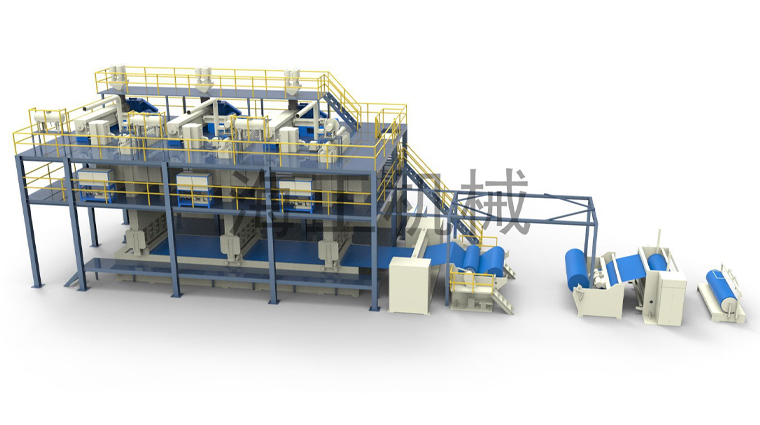
Features a 4-layer configuration providing superior filtration performance over traditional 3-layer composites.
Explore Technology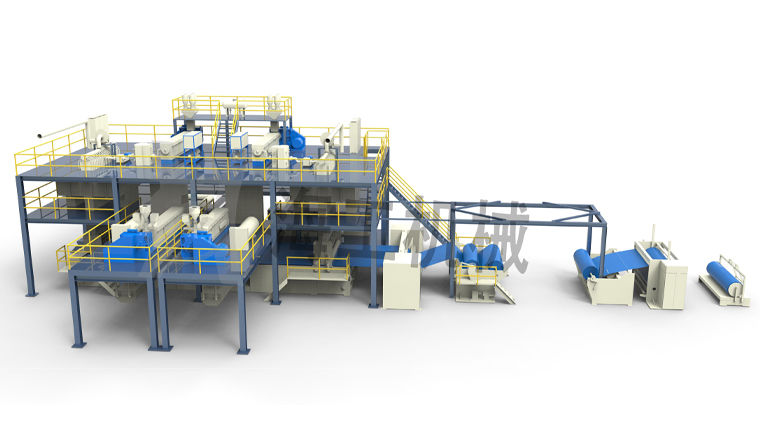
Provides high barrier security, micro-fiber distribution, and top-tier handfeel comfort and softness.
Explore TechnologyIndustrial materials call for diverse polymer configurations. With deep technological experience spanning packaging, medicine, hygiene, and civil infrastructure, HG guides you toward the optimal line configuration.

Provides the required breathability, low surface friction, and optimal liquid routing essential for baby diapers, pads, and feminine care products.

Delivers critical resistance against microbial invasion and liquid penetration. Vital for sterile gowns, surgical sheets, and respirator face masks.
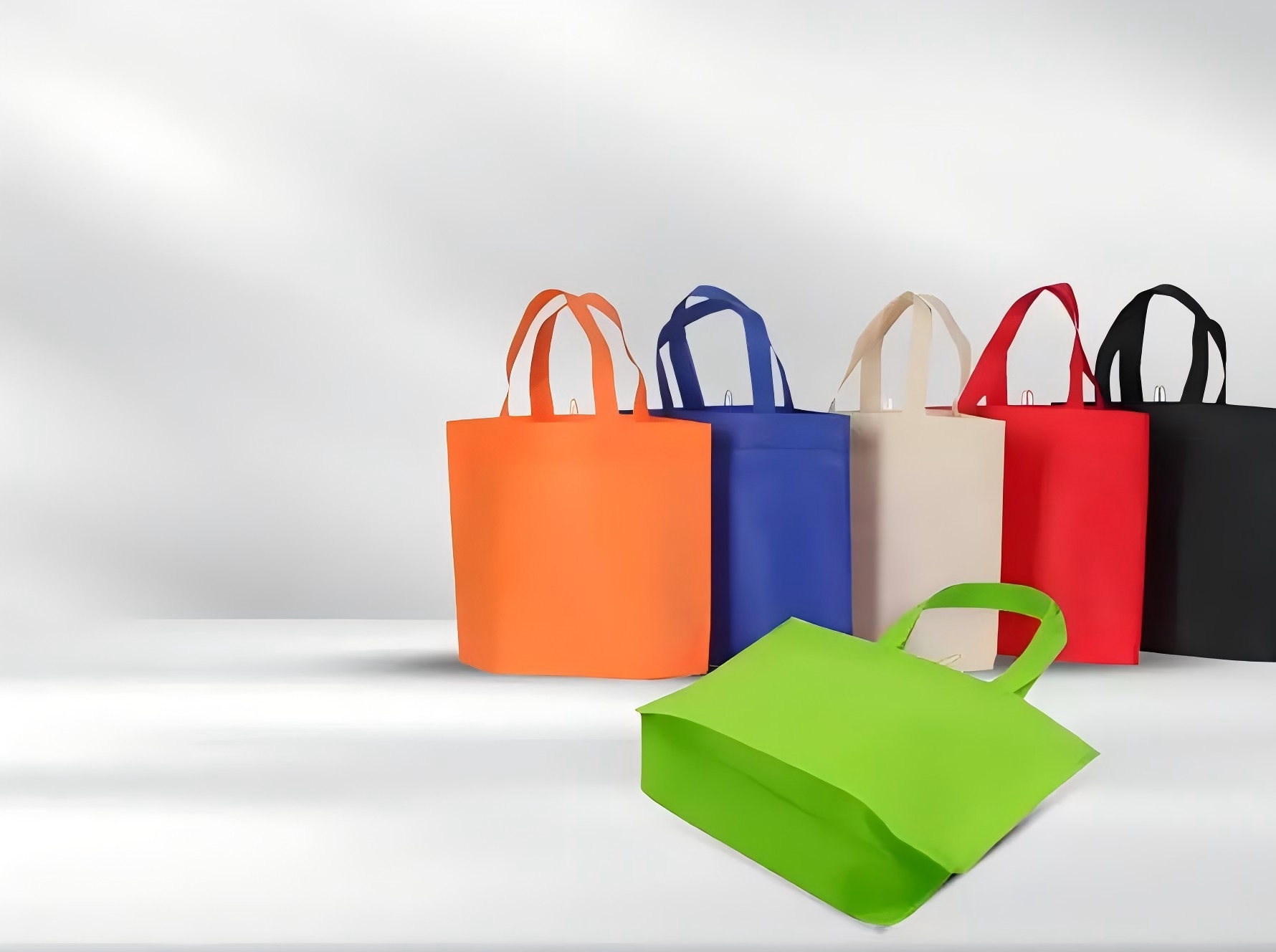
High-durability structures engineered for eco-friendly shopping bags, grain packaging, garment envelopes, pocket spring wrapping, and cosmetic lining.
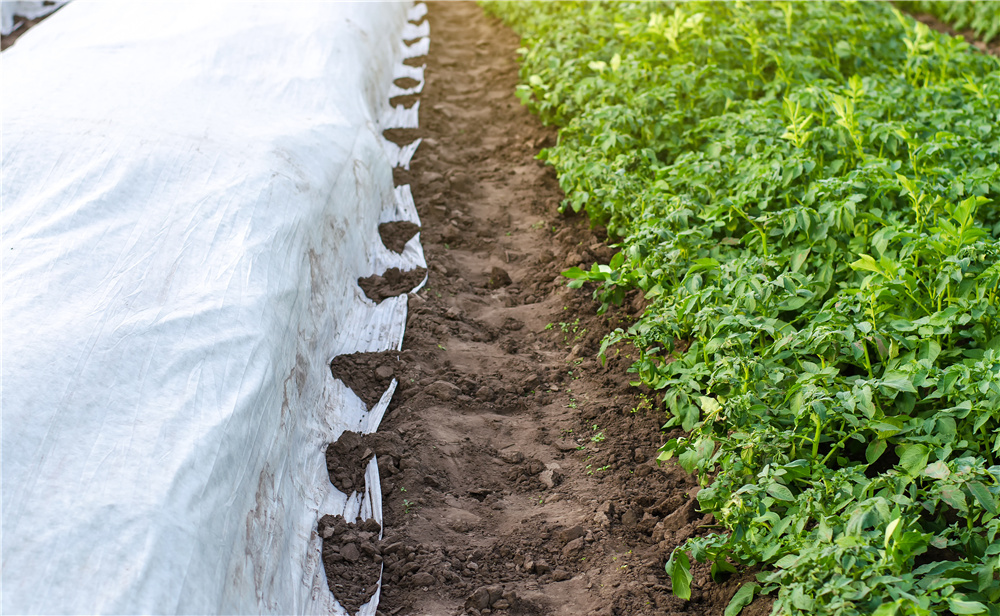
Offers balanced air/water permeability, UV filtering, and weather shielding to optimize microclimates for crops and nursery plants.
When implementing complex multi-million dollar nonwoven lines, strict compliance with international mechanical and electrical standards is paramount. HG Nonwoven Machinery integrates components that conform to CE and ISO 9001 certifications. Our designs leverage globally accessible electrical systems, such as Siemens PLCs, ABB drives, and Omron controllers, ensuring that local maintenance teams can source parts easily, reducing operational downtime.
Furthermore, our composite lines incorporate active weight-control software, guaranteeing that the target GSM (grams per square meter) remains within +/- 1.5% tolerance across the entire roll. This level of precision is critical for medical filtration and geotextile specifications, where weight deviations could compromise safety and structural integrity.
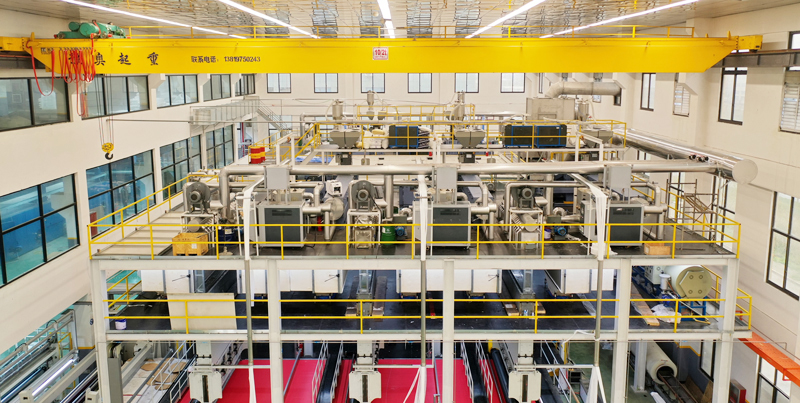
Prior to shipping, every production line undergoes a continuous 72-hour trial run under actual manufacturing conditions at our assembly factory to verify heat distribution, extrusion consistency, and winding tension dynamics.
Explore the mechanical and thermal processes used in HG machinery lines to produce reliable industrial webs.
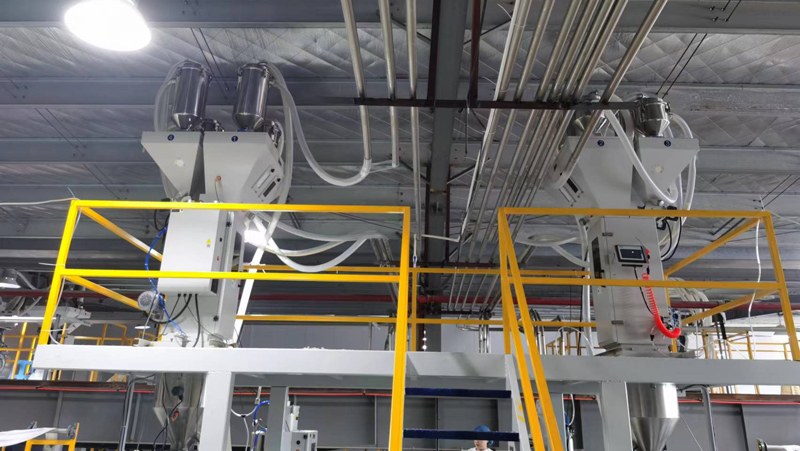
Using specialized L/D ratio screw extruders, our systems melt polypropylene under strict temperature profiles, minimizing polymer degradation and ensuring consistent viscosity before spinning.
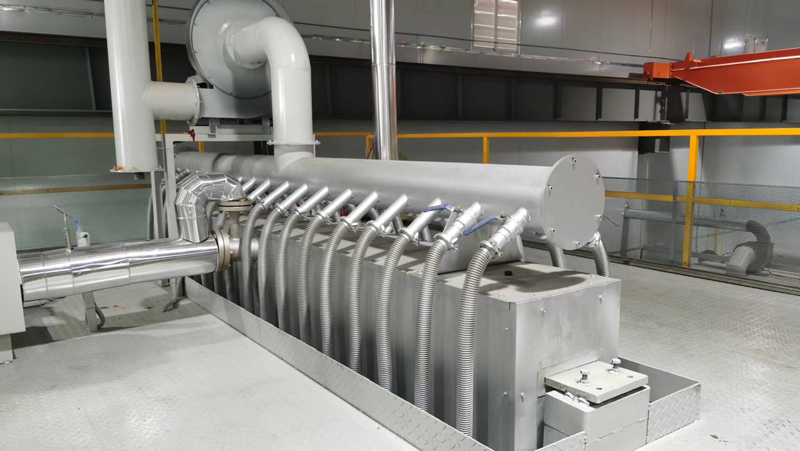
Employs a custom slot drawing structure where high-velocity quench air draws extruded filaments down to micro-denier levels, maximizing molecular orientation and tensile strength.
Features constant-tension, high-speed turret winders and computerized slitting systems, producing tightly-wound rolls ready for direct downstream conversion.
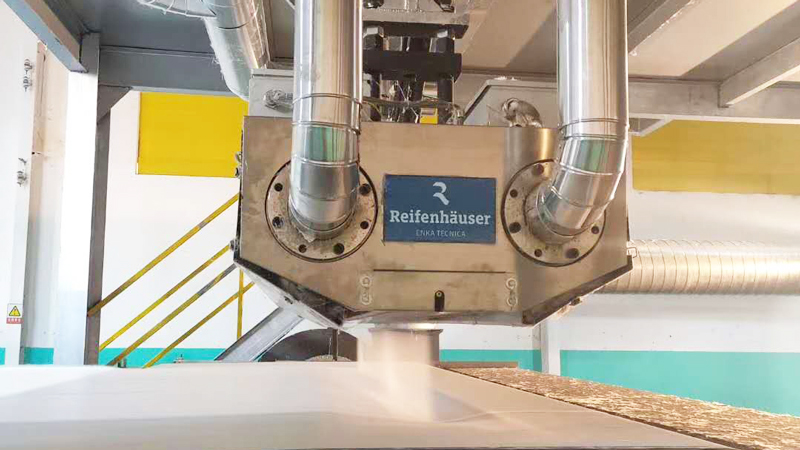
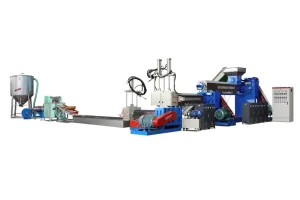
As environmental regulations tighten globally, the transition toward circular production loops is a priority. HG Nonwoven Machinery integrates inline waste recycling granulators. These systems automatically process side trims and scrap web, feeding them back into the main extruder screw without stopping production, helping manufacturers achieve zero-waste operations.
Furthermore, our team is testing adaptations for processing Polylactic Acid (PLA) and other biodegradable copolyesters. Our future-focused thermal calenders and air-drawing chambers are engineered to handle the narrower processing temperature windows of bio-based resins, preparing our customers for upcoming environmental legislation.
Critical technical insights for prospective investors and plant directors evaluating nonwoven equipment.
 HG NONWOVEN