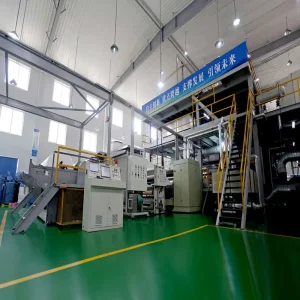
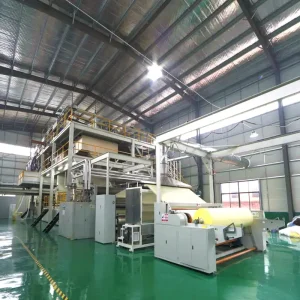
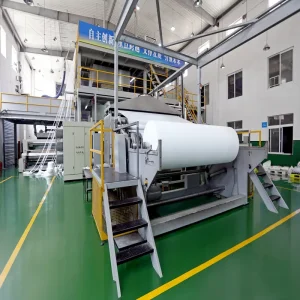
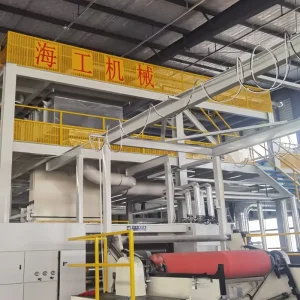
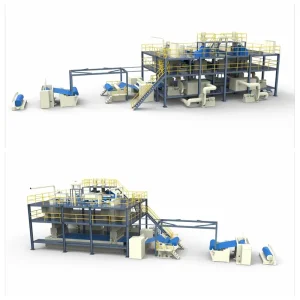
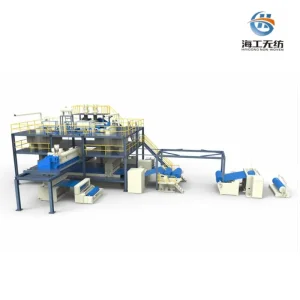
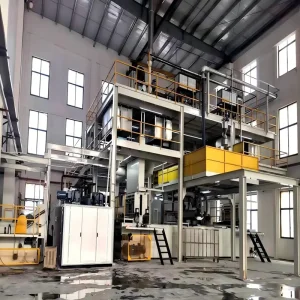
Explore our state-of-the-art polymer extrusion and spunbond-meltblown machinery built for industrial-scale reliability.
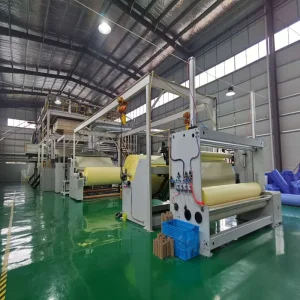
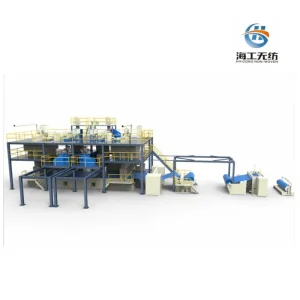
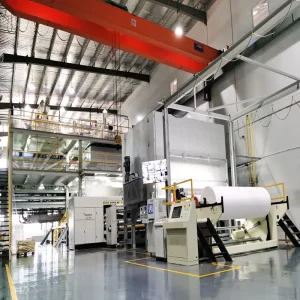
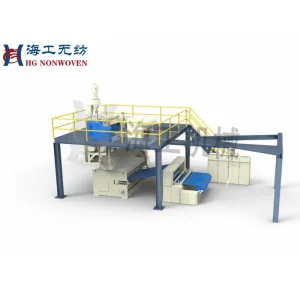
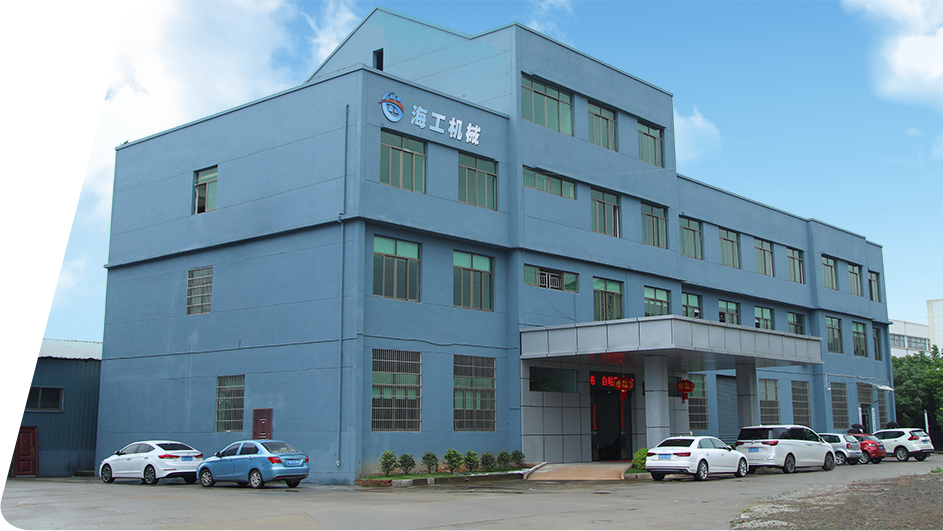
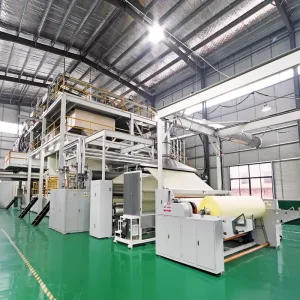
HG Nonwoven Machinery is a professional manufacturer of spunbond, meltblown, and composite nonwoven fabric machine lines, dedicated to providing high-efficiency and innovative spunbond nonwoven fabric production solutions to the global market.
Our company introduced advanced design concepts, specifically the 5th Generation Spunbond Spinning Technology, from overseas, seamlessly integrating it with autonomy to meet dynamic market demands. As a result, HG nonwoven fabric making machines are characterized by convenient operation, minimized spatial footprint, low power consumption, high efficiency, and exceptionally low production costs. Since 2014, Pujiang HG Nonwoven Machinery has grown into a well-known turnkey engineering service provider, focusing on high-performance, eco-friendly, and biodegradable spunbonded fabric processing.
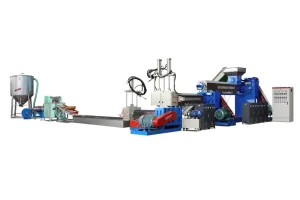
In modern synthetic polymer processing, the extruder acts as the central heart of the manufacturing line. For spunbond, meltblown, and composite technologies (SMS, SMMS, SSMMS), the design, thermodynamic stability, and mechanical precision of the extrusion screw directly determine the quality, strength, filament distribution, and commercial viability of the resulting nonwoven web. This document outlines the core technical innovations driving Chinese extruder manufacturing, aligning them with the demanding needs of global procurement vectors.
Chinese manufacturers have transitioned from low-cost machinery builders to world-leading innovators in precision metallurgy and thermal dynamics. HG Nonwoven Machinery leverages a highly localized industrial cluster in Zhejiang, allowing for the integration of premium hardened alloy screws, advanced heating bands, and high-precision gearboxes at a highly optimized capital expense structure. This integration ensures:
HG Nonwoven Machinery's 5th Generation technology represents a paradigm shift in aerodynamic drafting and polymer distribution. Traditional systems often suffered from uneven filament distribution, resulting in weak points in the fabric web. The 5th Generation spinning system overcomes this through:
Setting up a nonwoven factory requires more than just the primary extruder. To ensure complete operational efficiency, HG Nonwoven Machinery provides a full suite of auxiliary solutions integrated seamlessly into the main PLC system:
Why global brands select HG as their long-term partner in polymer extrusion and nonwoven machinery.
Over 20 years of relentless focus on designing high-efficiency nonwoven extruders. We analyze local market data to assist you in formulating detailed feasibility reports.
We deliver complete A to Z engineering, incorporating recycling machines, slitting, printing, lamination, and automated bag-making equipment under a unified production line.
Enjoy comprehensive, 24-month after-sales service. Our team provides both on-site mechanical debugging and remote digital monitoring to keep your line running at 100% capacity.
Proven industrial configurations designed for specific commercial sectors and high-speed operation.
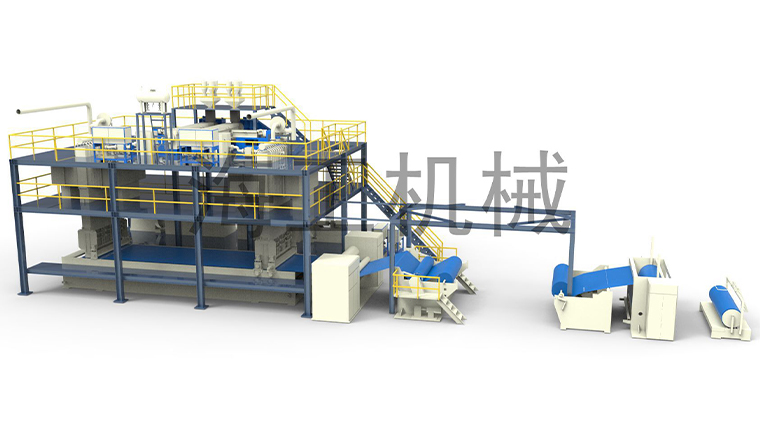
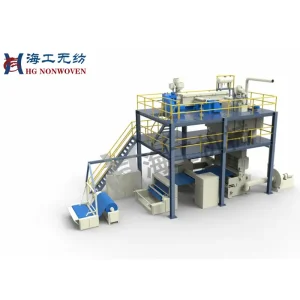
Ideally suited for producing nonwoven shopping bags, furniture lining, and protective agricultural crop covers.
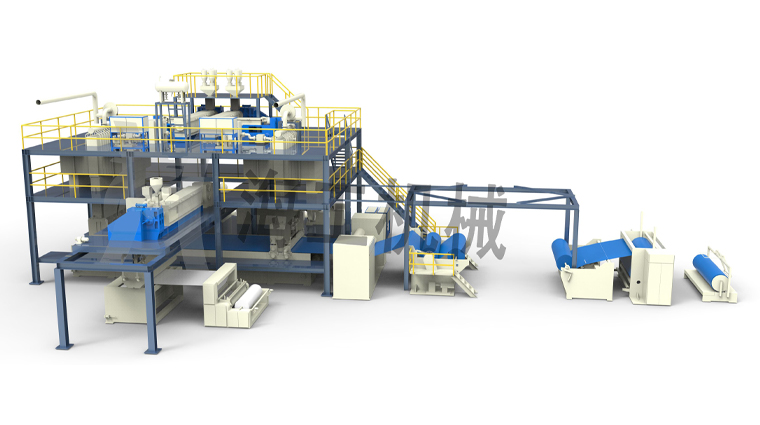
Features dual spunbond beams and an integrated meltblown extrusion head for medical sheets and protective wear.
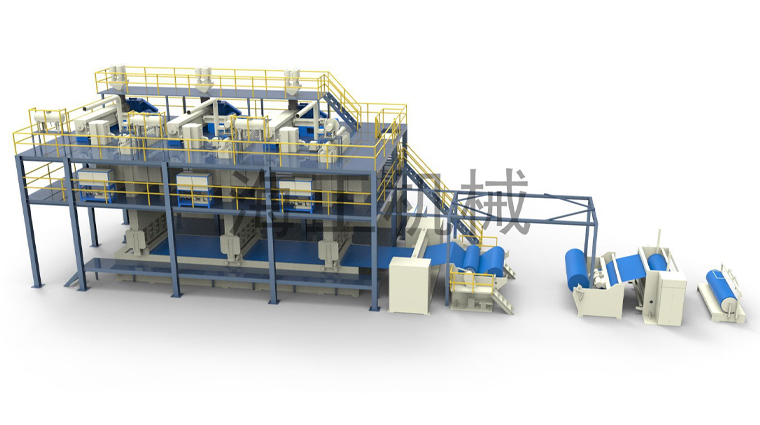
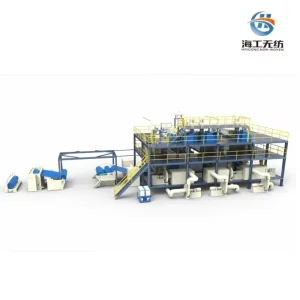
Provides four layers of barrier protection with exceptional filtration efficiency compared to standard SMS lines.
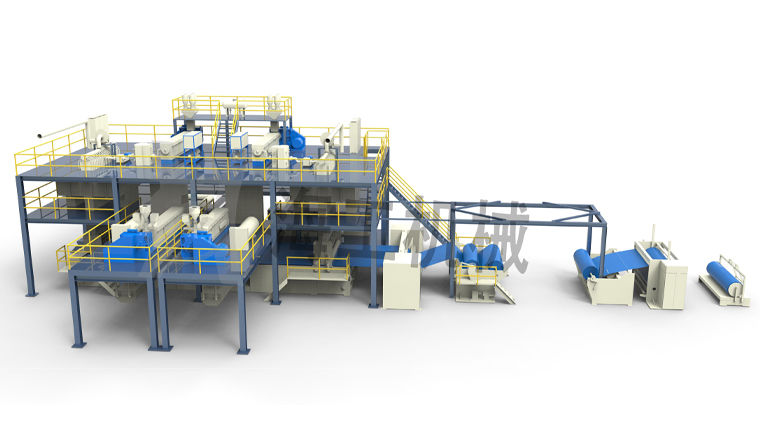
Delivers advanced barrier performance while maintaining ultra-soft feel and comfort for hygiene and surgical masks.
How nonwoven fabrics produced by HG extrusion machinery add value across major global industries.
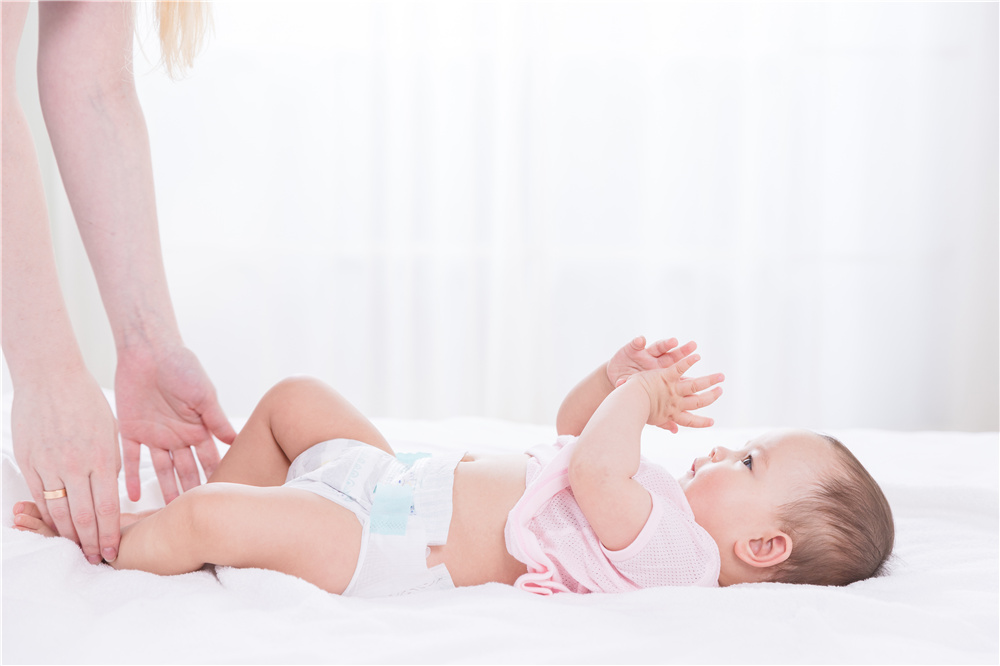
Non-woven fabric is essential in the hygiene sector, offering breathability, softness, and excellent fluid management for comfort and protection. It quickly absorbs liquid and keeps it away from the skin, making it ideal for paper diapers, incontinence pads, and feminine hygiene products.
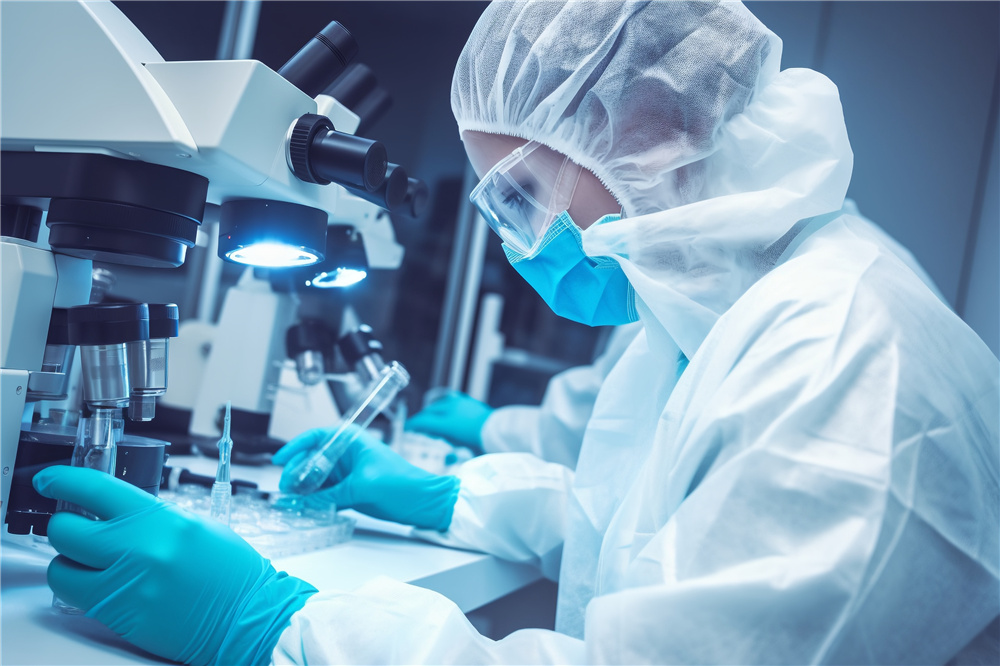
Nonwovens fabrics are extensively used in the medical field and in protection against biological agents in other sectors. They deliver critical safety properties, such as prevention against infections and diseases. They are essential for making face masks, surgical gowns, bed sheets, and surgical towels, ensuring effective filtration, protection, and comfort.
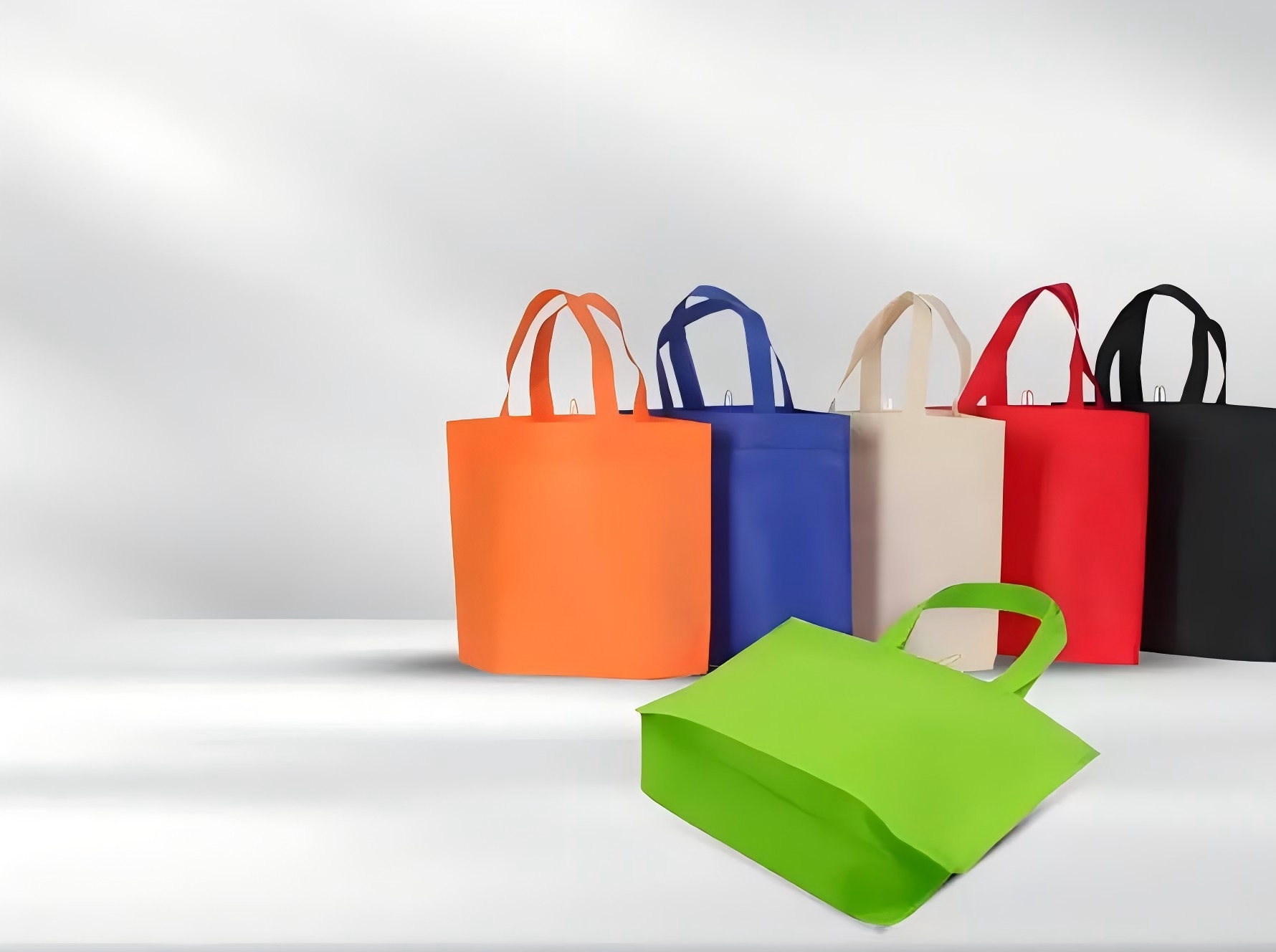
Nonwoven fabric is ideal for a variety of packaging end-uses, as their exceptional lightweight, their energy-efficient production, shipping and storage, and their long life and robustness allow for two important features: volume reduction and re-usability. It widely used for shopping bags, fruit bags, garment bags, rice bags, pocket springs, garment interlining, as well as packaging for pharmaceuticals and cosmetics, among other applications. Its versatility and long lifespan contribute to its popularity in various industries.
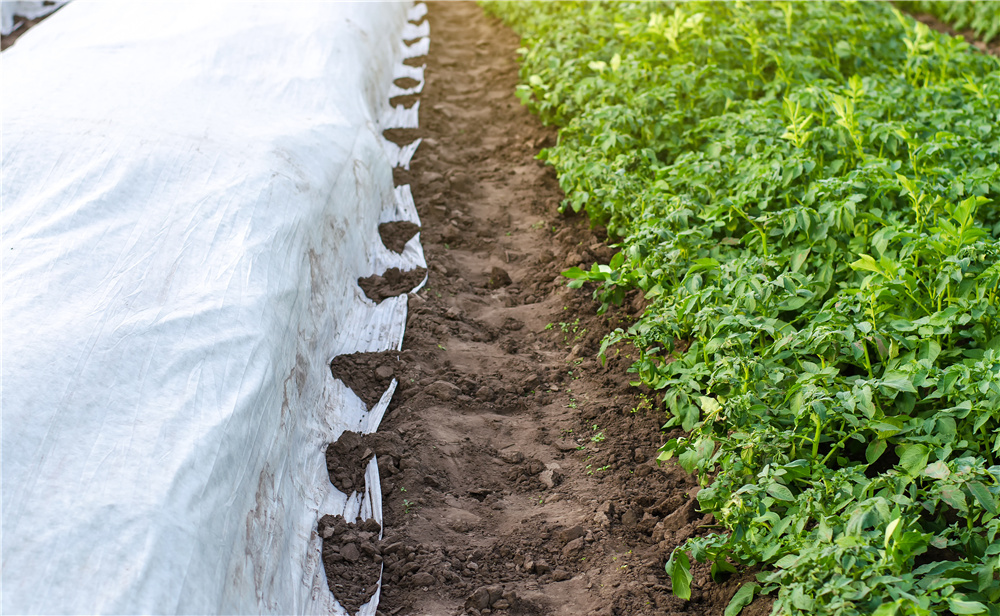
Agriculture Non Woven Fabric allow air and water to pass through while providing wind and cold protection by generating a microclimate around the crop. Furthermore, because nonwoven works as a physical protection media, it can assist prevent damage to crops, vegetables, and seeds from insects and birds. Nonwoven materials can assist regulate heat, UV blocker agriculture, while also providing superior air and water permeability. These materials are light weight, portable, and may be tailored to match specific needs and provide specific services.
The global nonwoven market is shifting rapidly towards high-performance composite layers (SMMS/SSMMS) and sustainable, biodegradable raw materials such as PLA (Polylactic Acid) and PBS (Polybutylene Succinate). To remain competitive, buyers must partner with manufacturers whose extruders are prepared for this material transition.
Traditional nonwovens rely heavily on petroleum-based polypropylene. However, environmental regulations are driving a switch to bio-based polymers. HG Nonwoven Machinery has optimized its extruder screw designs to handle the unique melt temperatures and rheology of PLA. Our customized screws prevent material shear degradation, ensuring that bio-based nonwovens retain high structural strength and uniform web texture.
Modern plants require continuous data visibility. Our manufacturing lines feature centralized industrial control systems monitoring parameters such as pressure at the spinneret, heating zone power draw, extruder speed, and fabric density. These smart diagnostics allow for micro-adjustments in real-time, reducing material waste and maintaining a consistent GSM (Grams per Square Meter) index across large-scale production runs.
Detailed technical insights for machinery buyers, plant operators, and procurement managers.
HG Nonwoven Machinery utilizes a 30:1 Length-to-Diameter (L/D) ratio for standard PP extrusion. This specific geometry ensures adequate heating residence time, complete material plasticization, and uniform pressure control prior to the melt pump, which directly influences filament consistency.
Our 5th Generation system incorporates a high-speed aerodynamic slot drafting design. Instead of mechanically drawing the fibers with rollers, it pulls filaments using supersonic, temperature-controlled air currents. This generates fibers down to 1.5 denier with isotropic tensile strength, yielding highly durable fabrics.
Yes. Our customized screw profiles and advanced PID temperature zones allow operators to easily process PLA, PBS, and recycled PET chips. We optimize screw shearing effects to prevent thermal degradation of sensitive bio-polymers.
We supply the complete layout, primary spunbond/meltblown extruder beams, thermal calender rollers, winding systems, alongside custom auxiliary machinery (granulator waste recyclers, online slitting units, flexo printing devices, lamination systems, and bag-making equipment).
High-performance production lines for hygiene, medical, and industrial filtration solutions.
 HG NONWOVEN