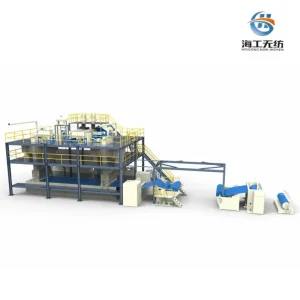
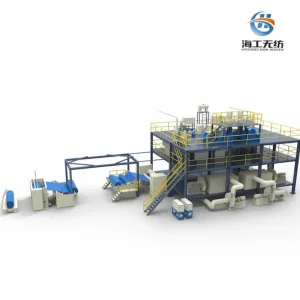
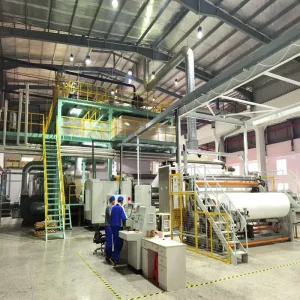
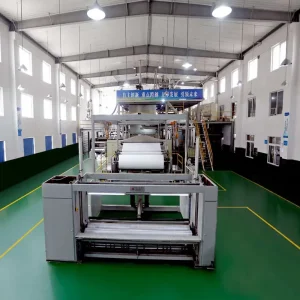
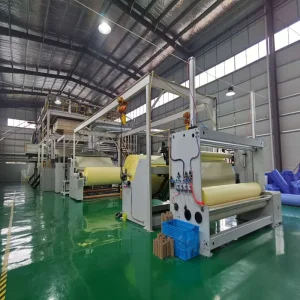
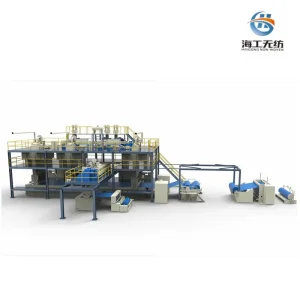
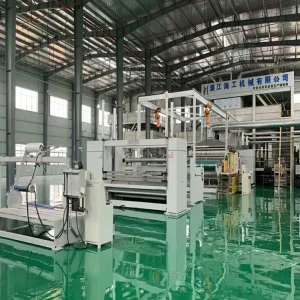
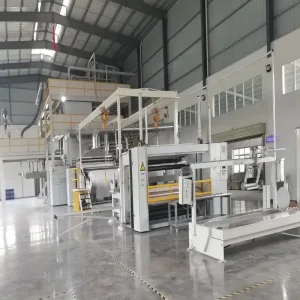
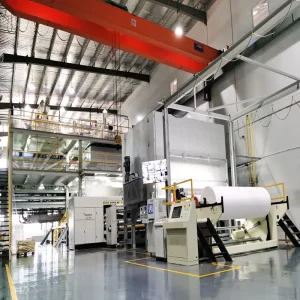
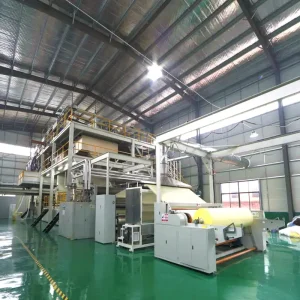
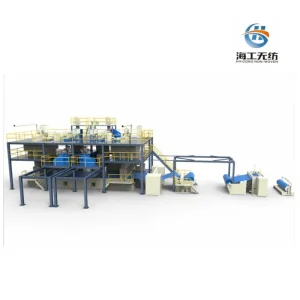
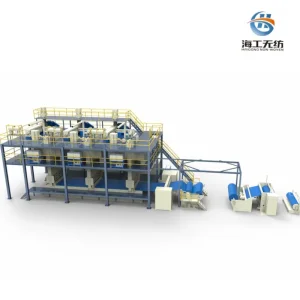
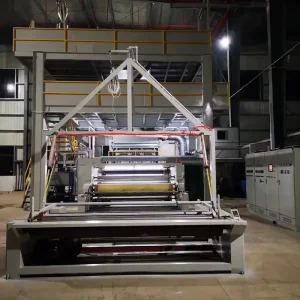
Explore our flagship industrial extrusion solutions engineered for high productivity, continuous operation, and minimal energy consumption.
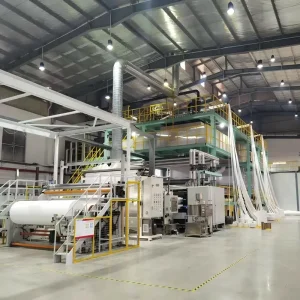
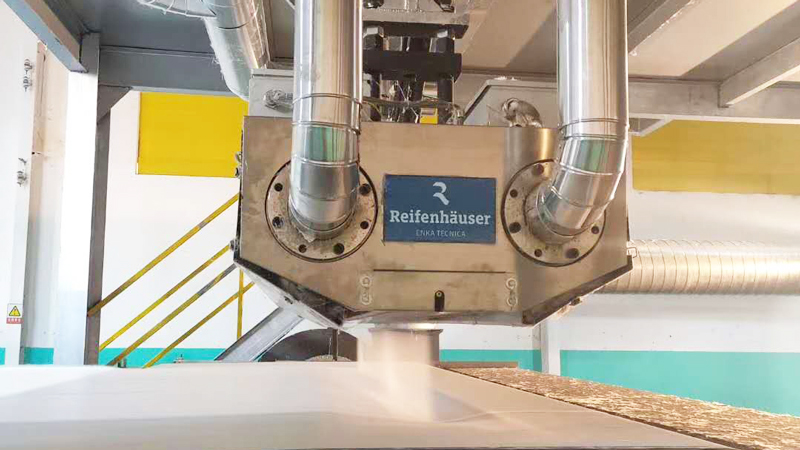
In high-capacity polymer meltspinning, the extruder machine is not merely a melting pot but the dynamic core of the entire molecular transformation process. The production of spunbond and meltblown fabrics relies heavily on the controlled thermomechanical shearing of Polypropylene (PP) resins. When purchasing from leading China extruder machine suppliers, global enterprises must prioritize barrel zoning controls, feed throat thermal isolation, and screw geometry configurations.
The extrusion system processes raw PP chips (typically possessing a Melt Flow Index or MFI of 25–40 for Spunbond, and 800–1800 for Meltblown) under high thermal thresholds ranging from 200°C to 260°C. Through precise L/D (Length/Diameter) ratio configurations (commonly 30:1 or 32:1), these machinery setups guarantee complete plasticization, homogenous melt density, and a stable output pressure profile. Dynamic pressure regulation, managed via advanced closed-loop gear pumps, ensures uniform polymer delivery directly to the spinneret assemblies, mitigating the risk of mass variation or strand breakage.
Modern 5th Generation extrusion technology utilizes barrier-type screws with specialized mixing elements (Maddock mixers) to eliminate micro-gels and thermal gradients within the melt. This ensures that every single filament exiting the capillary orifices displays uniform mechanical properties, resulting in superior tensile values.
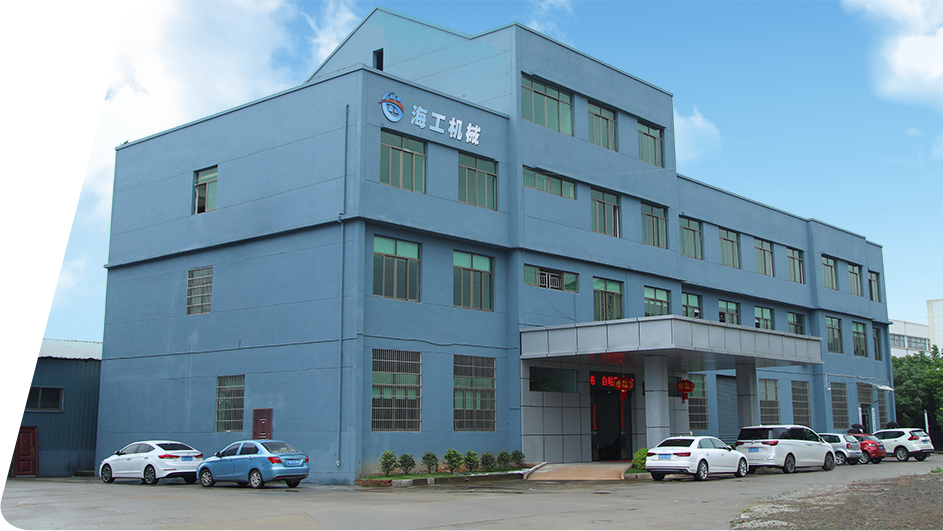
Established in 2014, Pujiang HG Nonwoven Machinery has grown into a highly recognized brand and trusted authority in manufacturing PP spunbond and meltblown nonwoven fabric making machines. Integrating advanced overseas engineering philosophies with a rich pedigree of domestic intellectual property, our team specializes in delivering robust, high-efficiency turnkey systems.
Our operations are built on a bedrock of over 20 years of industry experience. We pride ourselves on the design and manufacture of 5th Generation spunbond spinning technology, achieving optimization metrics characterized by convenient operation, compact footprint, reduced energy overheads, and competitive per-ton operational costs. Choosing us means working with an engineered manufacturing partner dedicated to green sustainability and operational resilience.
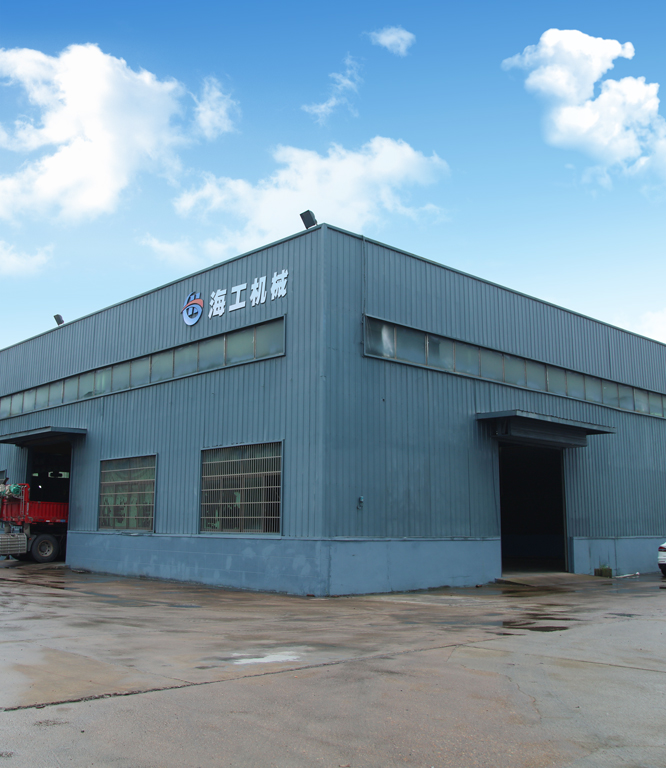

Discover how geographic positioning, complete component ecosystems, and advanced metallurgy deliver significant CapEx advantages to global enterprises.
Located within China's premier industrial hubs, our facility draws directly from a network of high-precision component manufacturers, offering CNC machining, custom metallurgy, and specialized heat treatments without intermediate logistics delays.
Our extruder barrels utilize bimetallic layers with tungsten carbide coatings, dramatically improving abrasion and corrosion resistance when processing high-pressure polymers and aggressive functional additives (e.g., TiO2, flame retardants).
By leveraging our specialized in-house assembly pipelines, we offer top-tier European-standard mechanical outputs at a fraction of the cost, making large-scale factory upgrades economically viable and accelerating ROI.
Delivering advanced material barrier properties and ultra-fine fiber distribution through advanced aerodynamics and optimized melt distribution.
The nonwoven industry is seeing a transition away from traditional mechanical drafting systems toward advanced aerodynamic slot drawing. Our 5th Generation spunbond technology integrates low-pressure melt distribution channels, optimized spinneret geometries, and a high-velocity air quench slot to pull filaments down to titers as fine as 1.5–1.8 denier. This dramatically enhances fabric coverage, softness, and mechanical strength while utilizing significantly less raw PP per square meter.
Through the integration of electromagnetic induction heating systems for the extruder barrel, we cut heating-up durations by 40% and overall electric draw by up to 20% compared to legacy resistance heating bands.
Each spin pack utilizes specialized laser-drilled capillary channels (L/D ratios optimized up to 4:1) ensuring absolute flow uniformity across widths ranging from 1.6m to 3.2m.
Direct from our manufacturing facility, here are our most popular configurations for global industrial applications.
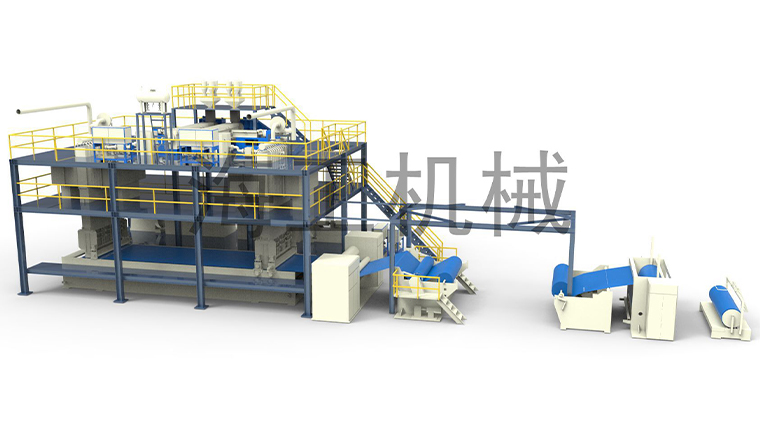
Perfectly engineered for packaging nonwoven bags, furniture backings, and agricultural field protection covers.
Request Technical Specs →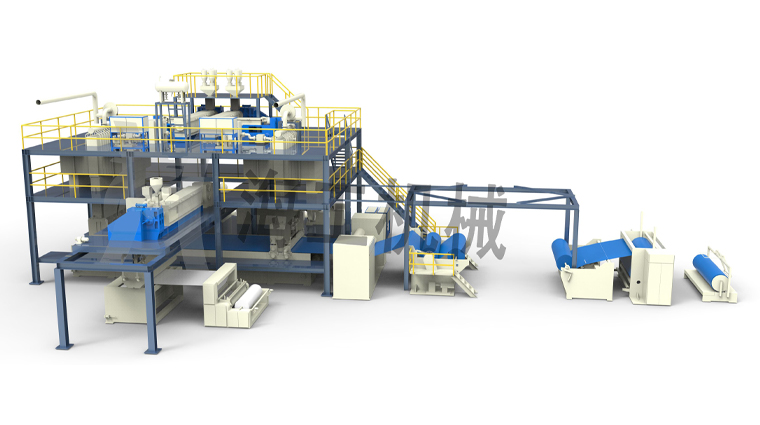
Optimized for surgical gowns, cleanroom suits, face mask layers, and medical-grade hygiene applications.
Request Technical Specs →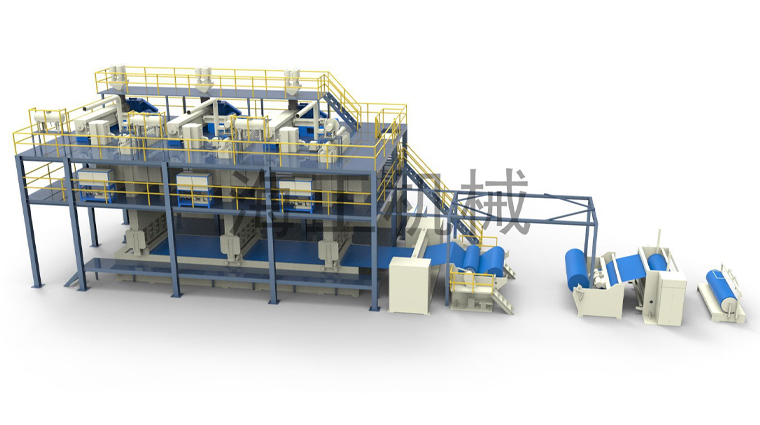
Features a 4-layer composition providing significantly higher filtration efficiency and liquid barrier performance compared to SMS fabrics.
Request Technical Specs →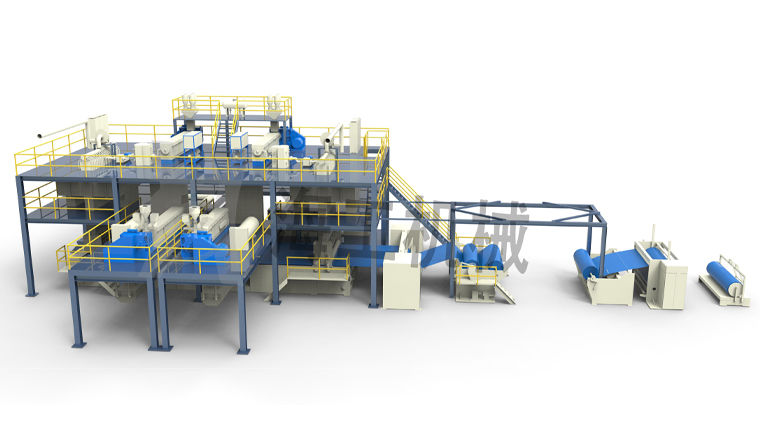
Engineered for excellent barrier properties while retaining comfort, breathability, and premium softness.
Request Technical Specs →We customize machinery lines to help you target specific, high-margin industries with the optimal fabric characteristics.

Providing critical softness, breathability, and rapid liquid absorption for baby diapers, adult incontinence underwear, and feminine hygiene items.

Strict barrier properties preventing pathogen penetration, optimized for surgical face masks, drapes, gowns, and sterile wrap materials.

Strong, lightweight, and highly reusable. Popular choice for eco-shopping bags, garment lining, pocket springs, and pharmaceutical bags.
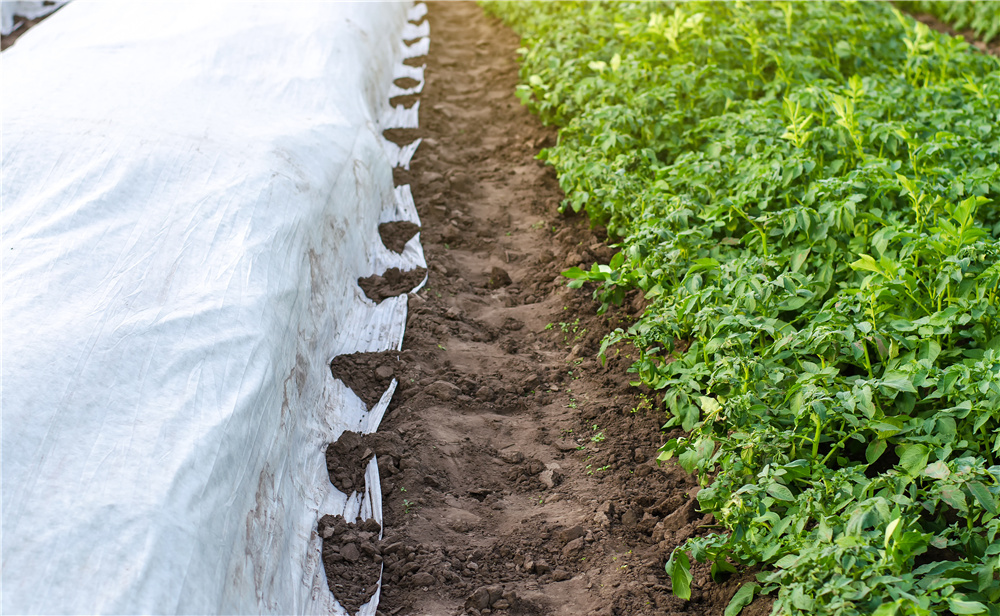
Creates microclimates allowing moisture/air permeability while protecting crops against cold, insect vectors, and ultraviolet degradation.
Establishing a new nonwoven plant requires extensive integration. As a leading manufacturer, HG does not just deliver the extruder and spinning beam; we supply complete integrated turnkey ecosystems designed for immediate start-up and minimal commissioning time.
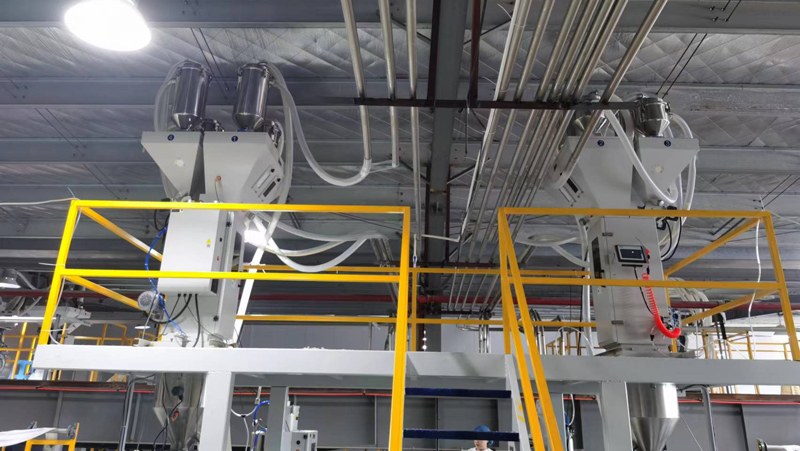
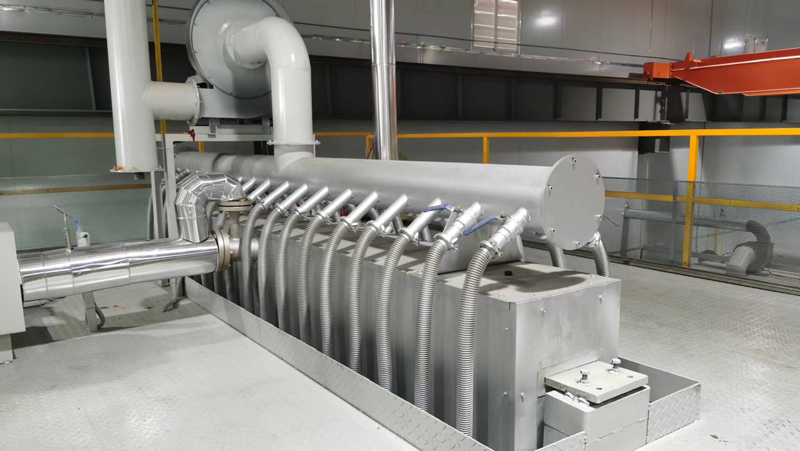
Our process starts with site layout architecture, material flow charts, and comprehensive local market feasibility evaluations. We coordinate the integration of all necessary auxiliary systems, including masterbatch dosing units, multi-stage filtration systems, in-line edge trim recycling systems, high-speed slitting machines, and automatic winding systems.
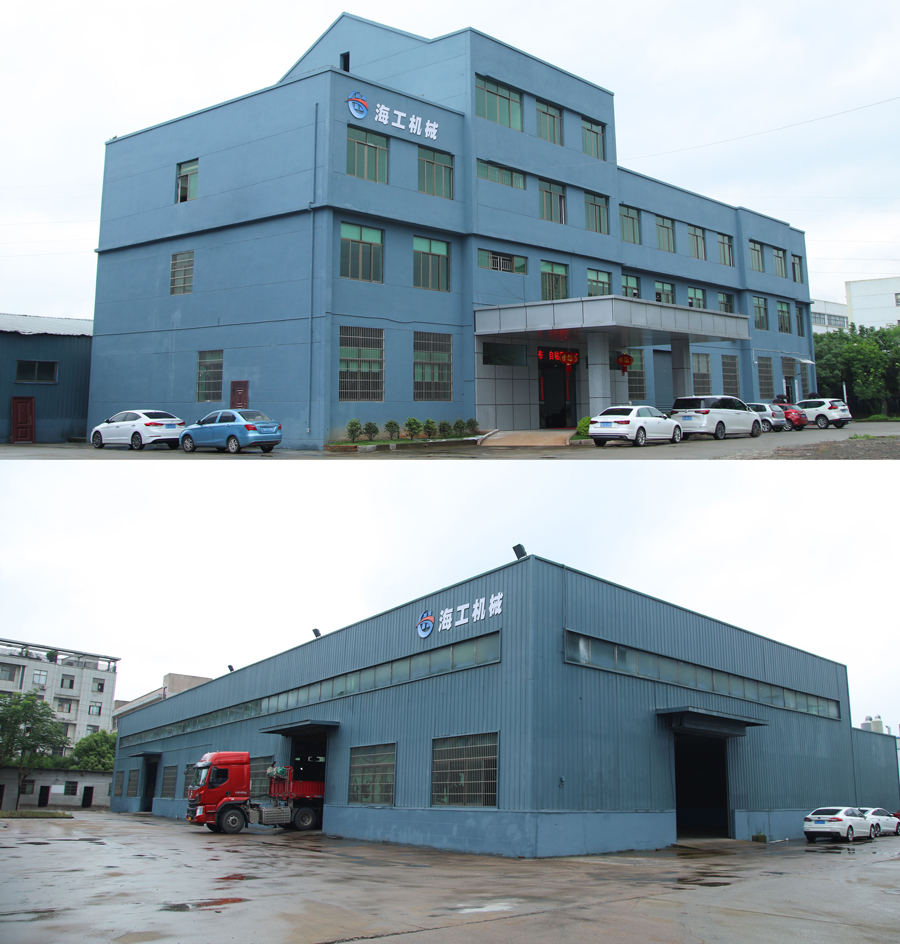
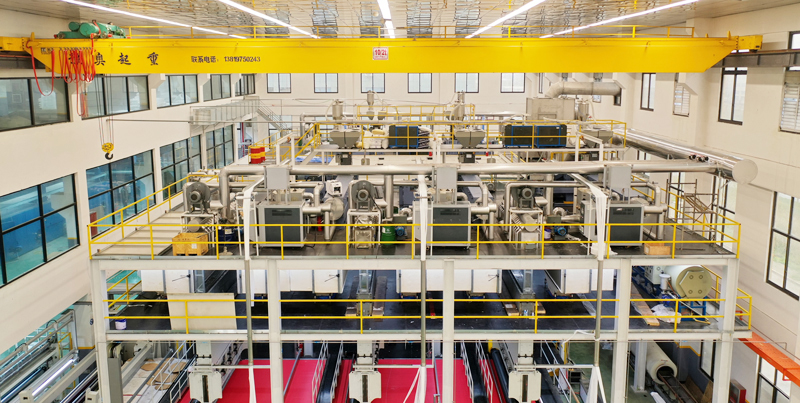
Ensuring full regulatory compliance, site integration safety, and hands-on operational training across every continent.
Procuring heavy machinery from China requires confidence in safety, certification, and localized deployment. HG machines are fully compliant with European CE certifications, ISO9001 quality frameworks, and local OSHA guidelines. Electrical cabinetry features components from global suppliers (Siemens PLC, ABB inverters, Schneider electrical components) to ensure spare parts are readily available worldwide.
Beyond simple machine delivery, our field engineers travel to customer sites to supervise line erection, fine-tune mechanical alignments, and configure localized control loops. Once installation is complete, we run comprehensive on-site training sequences. This ensures your local operators fully understand startup/shutdown steps, safety precautions, maintenance windows, and recipe optimization parameters.
| Integration Phase | Technical Activities | Enterprise Deliverable |
|---|---|---|
| Pre-Engineering | Detailed plant layout drawing, electrical loading profiles, and water piping design. | Operational Site Readiness Checklist |
| FAT (Factory Acceptance Test) | Dry-cycle and extrusion trials with selected materials at our China headquarters. | Quality Assurance Certificate & Video Record |
| Installation & Commissioning | Mechanical line placement, vacuum purging, and heater calibration by HG technicians. | Operational Handover Report |
| Staff Education | Hands-on training covering emergency stops, recipe shifts, and winder settings. | Certified Local Operator Certificates |
Expert answers regarding melt-spinning engineering, material compatibility, and facility operation.
We utilize a standard L/D ratio of 30:1 or 32:1. This length-to-diameter ratio ensures that the polymer stays in the barrel long enough for uniform melting. This design prevents the extrusion of unmolten raw materials and minimizes shear stress on the polymer chains.
Yes, our extrusion lines are highly flexible. While standard recipes are based on Polypropylene (PP), we offer specialized designs with modified temperature controls and screw profiles tailored to process polylactic acid (PLA) and PBAT. This helps manufacturers meet growing demands for biodegradable nonwoven products.
By shifting to high-efficiency induction barrel heaters and aerodynamic slot drafting systems, we eliminate the need for high-pressure air compressors. This optimization reduces the overall energy overhead of the drawing phase, saving up to 20% in electricity costs compared to legacy 3rd and 4th Gen systems.
Our HMI touchscreen controls feed rate variables, melt temperature profiles across each heating zone, gear pump operating speeds, spinneret pressures, air draft velocities, winder tension limits, and safety trip thresholds.
HG systems feature integrated on-line trim recycling machines. The edge trims are continuously fed into a specialized shredding and re-extrusion loop, returning the material back to the main extruder barrel without stopping the main production line.
We provide a 24-month comprehensive engineering warranty on key structural elements. Post-sale requests are managed through our digital remote diagnostic interface, backed by global field technicians ready for rapid on-site deployments.
Discover our comprehensive collection of spunbond machinery lines, engineered for diverse applications and production capacities.
 HG NONWOVEN