The manufacturing sector in Nigeria is undergoing a monumental shift. Driven by federal import substitution policies, the expansion of the regional ECOWAS trade framework, and an urgent demand for localized packaging and hygiene materials, Nigeria has emerged as Sub-Saharan Africa’s powerhouse for industrial plastics and nonwoven applications. Modern lamination processes represent the core infrastructure required to transition Lagos, Kano, and Port Harcourt factories from simple assembly centers to high-margin producers.
In response to volatile raw material costs and currency fluctuations, Nigerian manufacturers are increasingly shifting from importing finished multi-layer materials to manufacturing locally. Installing a robust nonwoven lamination and fabric extrusion line allows local enterprises to serve key regional hubs. With applications spanning medical disposable apparel, structural agricultural barriers, high-density grain bags, and eco-friendly shopping carriers, the investment in reliable machinery pays dividend through sustainable operational independence.
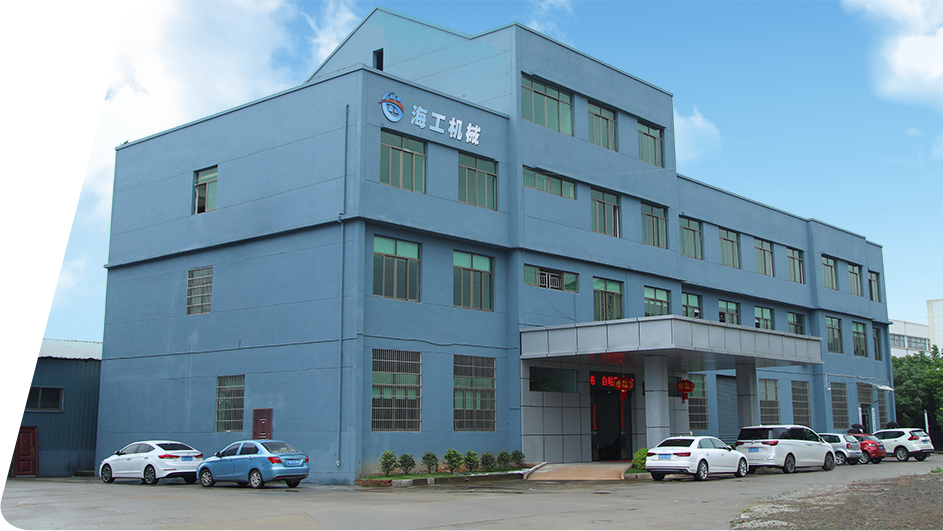
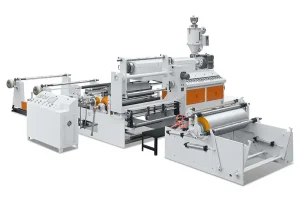
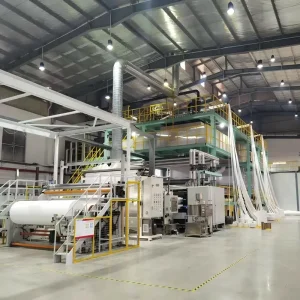
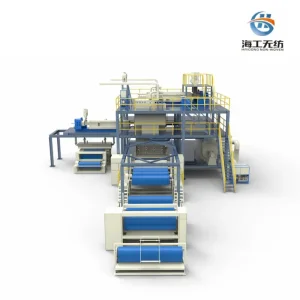
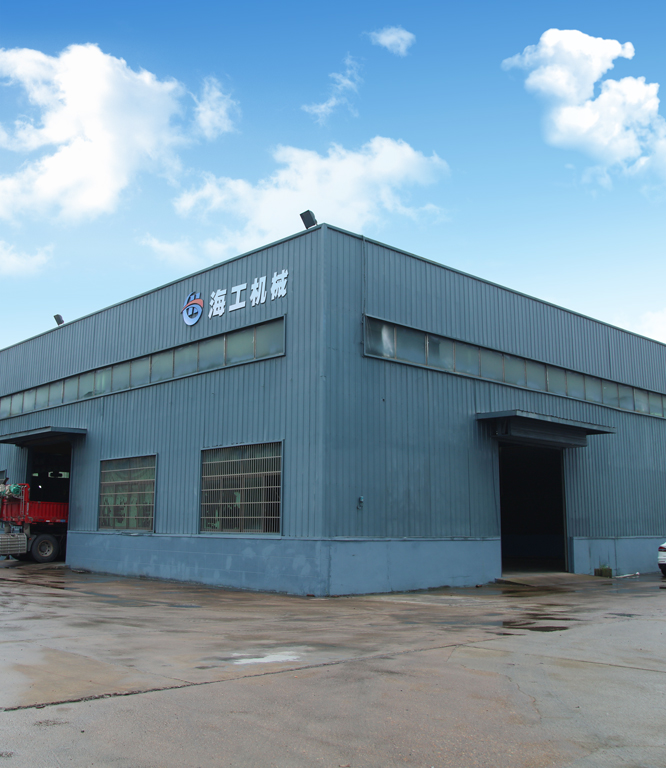
Purchasing heavy machinery for deployment in Nigeria is not just about procurement; it is about local adaptation, reliable engineering, and sustained operational uptime. With years of experience serving fast-growing markets, we provide total integration services. This includes complete plant design, custom structural layouts tailored for local facilities, power configuration consulting (to handle voltage fluctuations), installation, and rigorous on-site training.
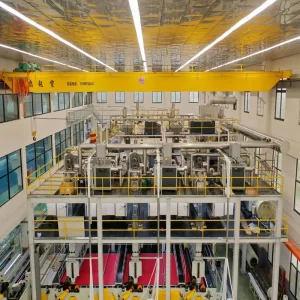
Power Stabilization & Infrastructure Design: Recognizing Nigeria's complex power grid challenges, our systems are optimized for dual generator/mainline power grids. We integrate high-efficiency Siemens motors and low-vibration structural designs that lower electricity consumption and minimize mechanical strain during production shifts.
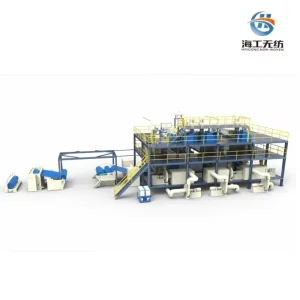
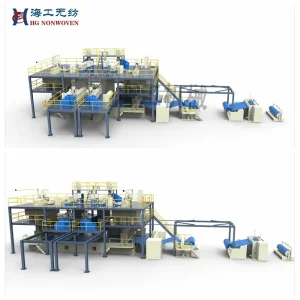
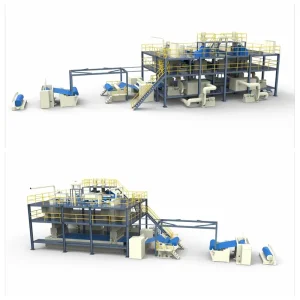
Upstream & Downstream Integration: In addition to supplying Spunbond nonwoven machinery, we engineer peripheral equipment including high-precision slitting systems, nonwoven flexo printing lines, high-speed recycling machines, and advanced composite lamination lines to assure a seamless production chain.
Our 5th Generation spunbond spinning technology utilizes advanced thermal isolation layouts. It reduces specific electrical demand per ton of output, maximizing production margins even under challenging municipal power costs in Nigeria.
Achieve world-class filtration and liquid barrier performance. Our SMS/SMMS lines deploy precise air-drawing systems to distribute sub-micron filaments uniformly, yielding optimal protection for medical PPE production.
From initial design layout to machine installation, commissioning, and staff training, HG Nonwoven covers the entire timeline, eliminating deployment bottlenecks for Nigeria factories.
We provide long-term technological security. We deploy experienced installation engineers to factory sites across West Africa, and offer round-the-clock remote troubleshooting support.
Discover how different composite fabric weights and characteristics fit key commercial sectors throughout Nigeria and West Africa.

Engineered for diaper backsheets, sanitary towels, and incontinence pads. Offers soft-touch skin contact, breathability, and rapid liquid distribution.

SMS barrier technology blocks pathogens, body fluids, and particulate matter, ensuring compliance with global healthcare safety standards.

Reinforced nonwoven fabric supports heavy-duty shopping carriers, agricultural storage sacks, and durable wrapping materials.
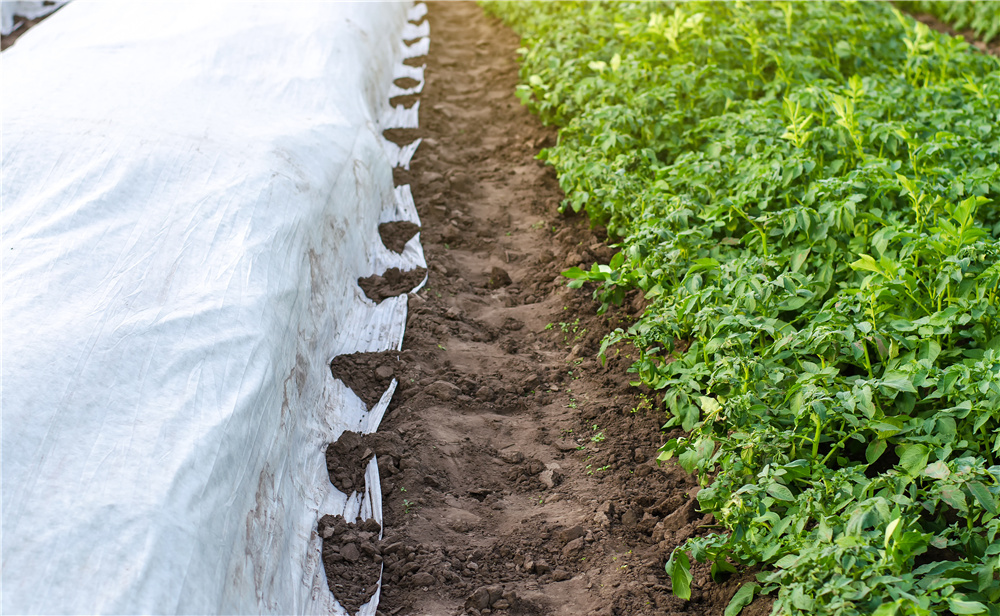
UV-protected crop covers regulate microclimates, shield fields from heavy rain, permit air and water passage, and deter pests.
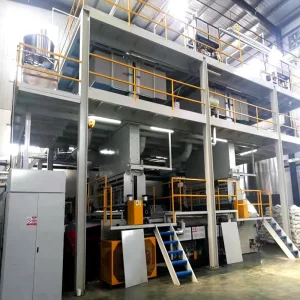
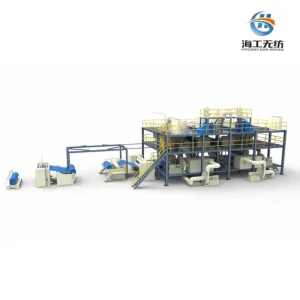
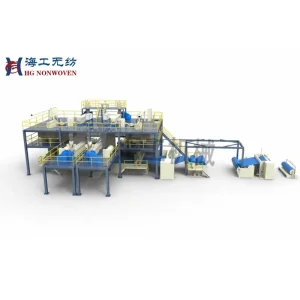
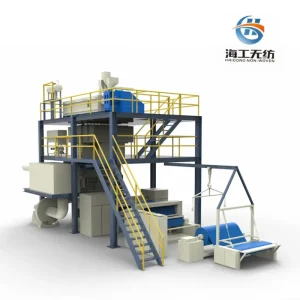
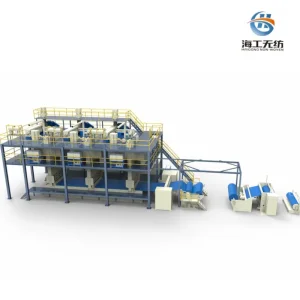
Operating industrial equipment in Nigeria demands robust local supply chains and reliable maintenance infrastructure. Recognizing these local conditions, HG Nonwoven Machinery integrates specific protective features directly into our lines exported to Africa. Our power systems feature multi-tier circuit isolation and optimized electrical panels designed to absorb standard grid disruptions without compromising extruder motors or PLC computers.
Additionally, we facilitate compliance with Nigeria's Standard Organisation of Nigeria Conformity Assessment Programme (SONCAP). We supply comprehensive document trails, technical drawings, and certifications, streamlining import clearance at ports in Apapa or Tin Can Island. Our on-site commissioning guarantees that local engineers learn mechanical protocols, maintenance procedures, and quality optimization parameters.
Key operational, mechanical, and logistical questions answered by our engineering experts for the Nigeria market.
The expansion of domestic manufacturing capacity in West Africa is heavily shaped by regional consumer demands and raw material sourcing opportunities. Traditionally, the Nigerian market relied on imported composite films and nonwoven rolls from Europe and East Asia. However, high logistics fees, customs clearing procedures at busy ports, and volatile exchange rates make importing semi-finished materials increasingly cost-ineffective. Forward-looking manufacturing groups are replacing this high-risk supply chain with direct investment in domestic extrusion lamination lines.
Within nonwoven composite lines, the precise thermal control of spunbond and meltblown layers dictates final tensile strength and barrier performance. HG Nonwoven Machinery integrates state-of-the-art heating zones and dynamic drawing channels. Through advanced PLC panels, operators in Nigeria can adjust fiber thickness, extrusion speed, and web distribution in real-time. This level of technical oversight is critical for medical fabric lines (SMS, SMMS) that require strict regulatory certification prior to hospital deployment.
Energy reliability remains a primary challenge for manufacturing facilities across Sub-Saharan Africa. Generators and variable power grids cause voltage drops that can ruin continuous plastic extrusions. To mitigate these risks, our machinery features synchronized servo-drive motors, power factor correction systems, and automated shutdown routines that protect spinnerets and calendering rollers in the event of an abrupt electrical drop. These safety measures reduce downtime, prevent material waste, and extend the lifespan of your industrial investment.
We believe true technology transfer involves comprehensive training. Our engineering team remains on-site in Nigeria until local staff are comfortable managing thermal zones, executing product changeovers, and performing routine maintenance. By fostering local technical expertise, we ensure your plant maintains peak efficiency and operates reliably for decades to come.
 HG NONWOVEN