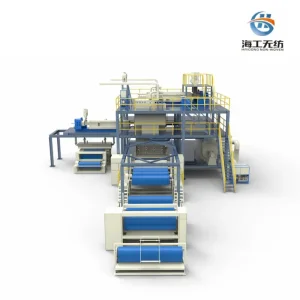
High-precision composite spunbond lines for multi-layer nonwoven fabric structures, ensuring top-tier strength and uniformity.
Configure Machine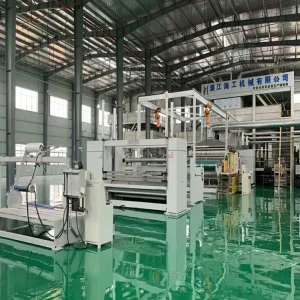
Advanced extrusion and spinning technology designed for efficient raw material utilization and continuous output.
Configure Machine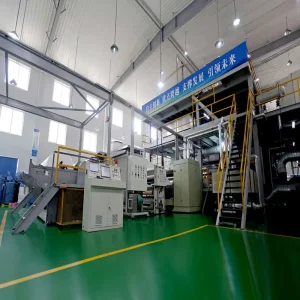
Turnkey plants featuring automatic feeding, drafting, thermal bonding, and high-speed winding systems.
Configure Machine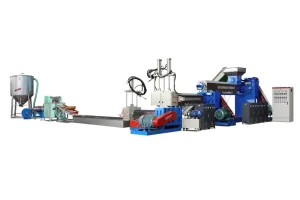
Sustainable closed-loop recycling granulator designed to reprocess scrap fabrics and minimize raw material losses.
Configure Machine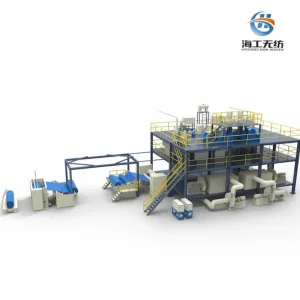
Composite spunbond-meltblown-spunbond production lines for high-barrier medical protective equipment fabric.
Configure Machine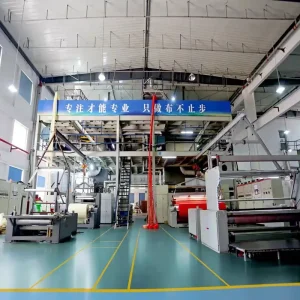
Heavy-duty machinery optimized for industrial grade PP spunbond webs with high tensile strength requirements.
Configure Machine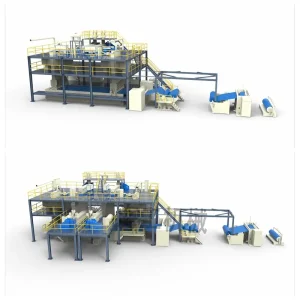
Four-layer SMMS configurations providing exceptional filtration, barrier properties, and softness control.
Configure Machine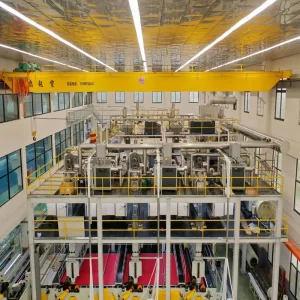
Cost-efficient single beam (S) and double beam (SS) plants with compact footprints and low energy metrics.
Configure MachineIn the rapidly evolving landscape of advanced materials, the global demand for high-performance nonwoven fabrics—specifically Spunlace (hydroentangled) and Spunbond/Meltblown composites—has reached unprecedented heights. Industry operators and global procurement departments are no longer searching merely for equipment suppliers; they require authoritative OEM engineering partners capable of delivering technological innovations that maximize production yield while slashing energy metrics.
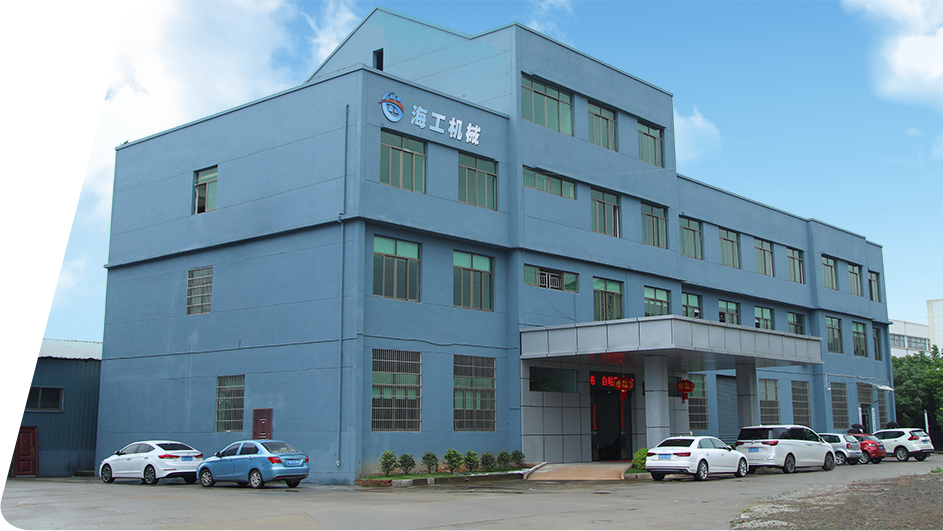
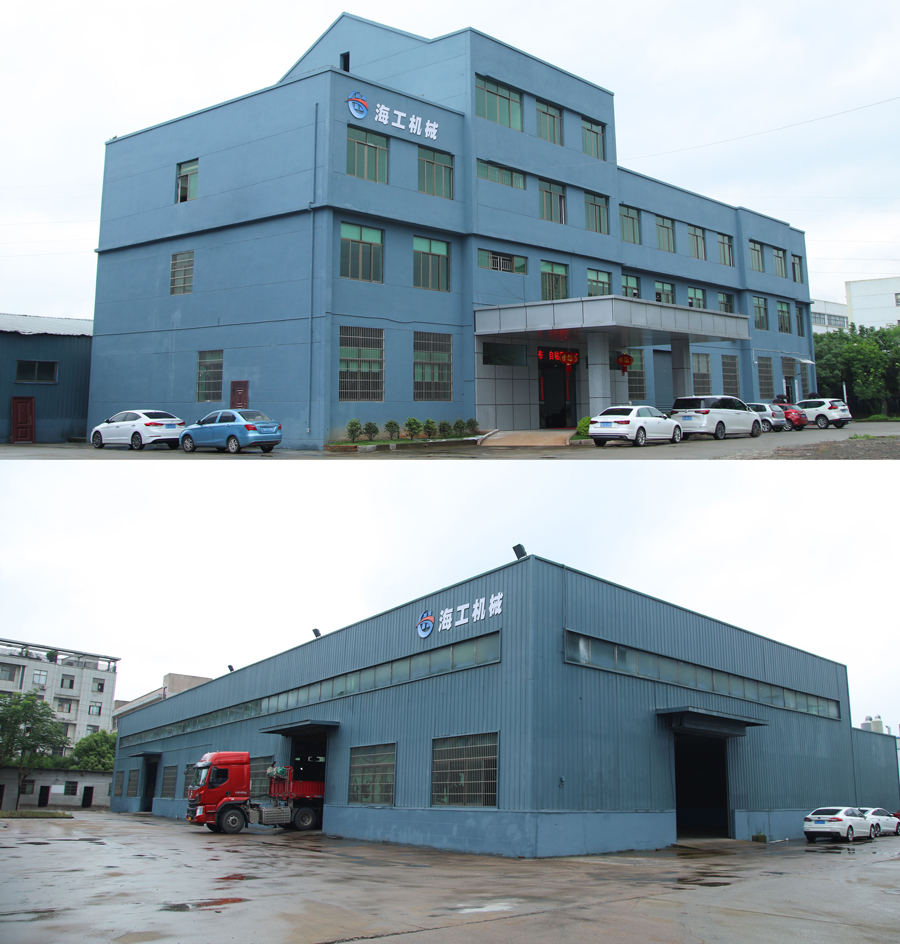
As a premier China Spunlace & Spunbond Nonwoven Machinery Manufacturer, HG Nonwoven Machinery has established itself as an industry leader since 2014. By merging over 20 years of internal engineering expertise with international 5th Generation spunbond spinning technologies, we build machinery lines that integrate convenient operation, reduced plant footprint, minimal power consumption, and optimal manufacturing cost-efficiency.
True information gain in nonwoven production lies in optimization of filament extrusion, pneumatic drafting, and high-pressure water entangling. The traditional manufacturing bottlenecks—such as fiber diameter inconsistency, high carbon footprint, and complex mechanical setups—are fully resolved through our 5th Gen engineering upgrades.
Utilizes high-speed aerodynamic stretching without mechanical friction, achieving filament fineness down to 1.5–2.0 denier with outstanding cross-directional weight uniformity.
For specialized Spunlace applications, our system controls high-pressure water jets from 30 to 250 bars, locking fibers securely with minimal energy loss and efficient water recycling loops.
Designed with closed-loop thermal recovery systems, reducing heating costs in meltblown air heaters and spunlace dryers by up to 22% compared to historical configurations.
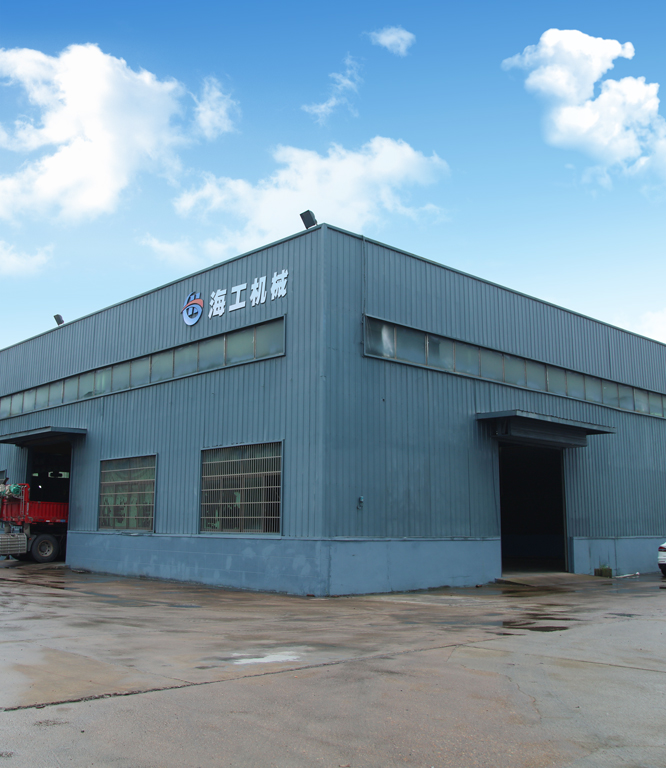
Manufacturing nonwoven machinery in China is not merely about labor arbitrage; it is about the concentration of high-end component ecosystems. By basing our production in Pujiang, HG Nonwoven Machinery integrates key metallurgy, precision CNC machining, and electrical component suppliers locally. This allows us to rapidly prototype custom die heads, spin packs, and calenders while enforcing strict tolerances.
Global Compliance & Regional Customization: Global clients face strict safety standards. Our production lines conform to CE directives and regional machinery safety rules (such as OSHA for North America). We integrate localized PLC architectures (Siemens, Allen-Bradley, or Mitsubishi) to align with your facility's maintenance skills and spare part availability, avoiding costly custom imports.
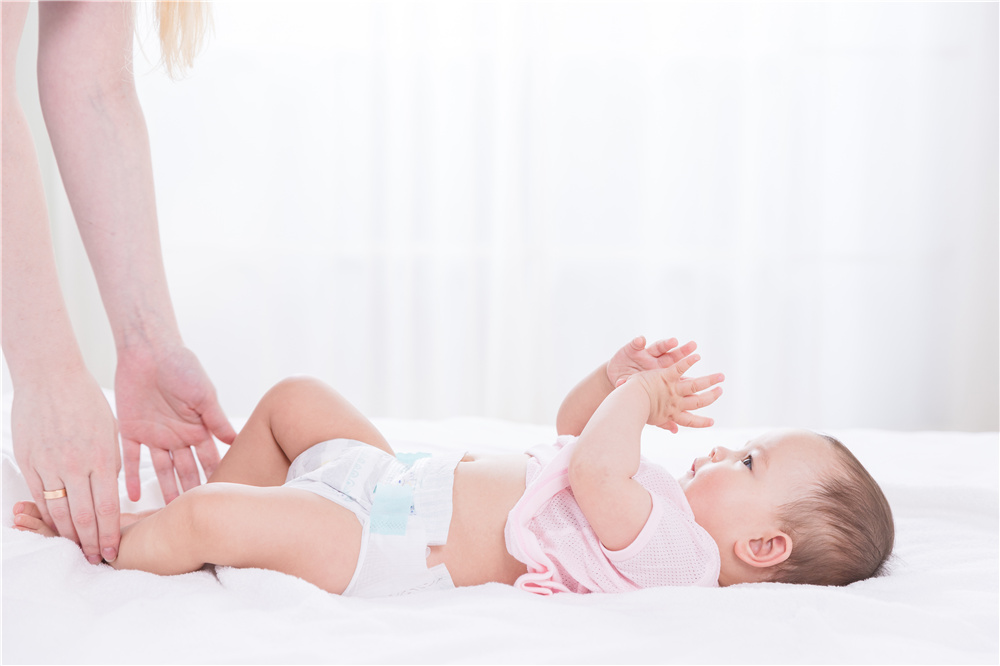
Nonwoven fabric is essential in the hygiene sector, offering breathability, softness, and excellent fluid management for comfort and protection. It quickly absorbs liquid and keeps it away from the skin, making it ideal for paper diapers, incontinence pads, and feminine hygiene products.
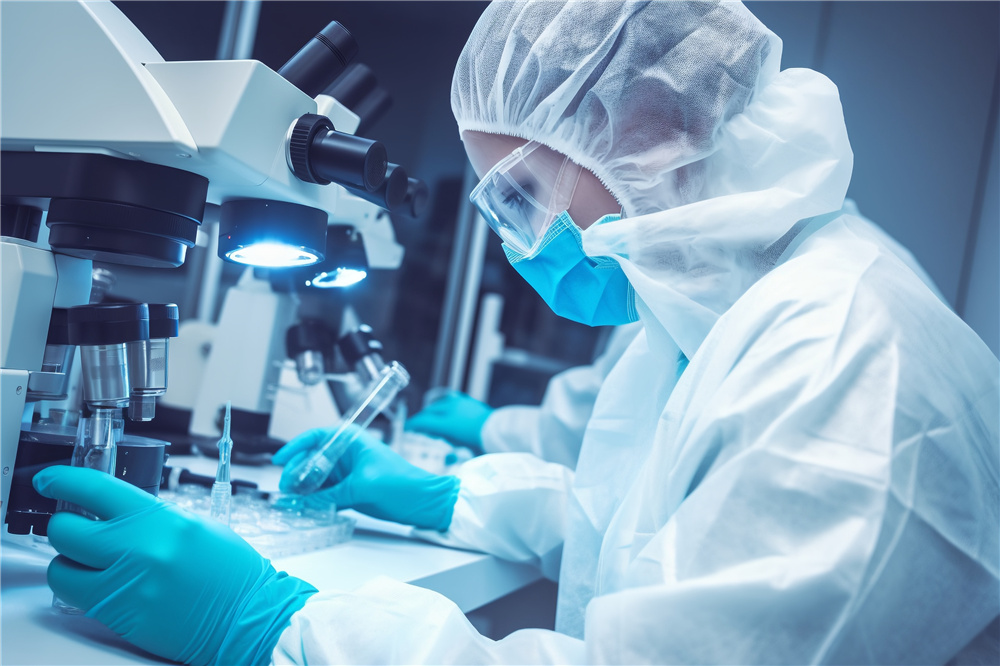
Nonwovens fabrics are extensively used in the medical field and in protection against biological agents in other sectors. They deliver critical safety properties, such as prevention against infections and diseases. They are essential for making face masks, surgical gowns, bed sheets, and surgical towels.
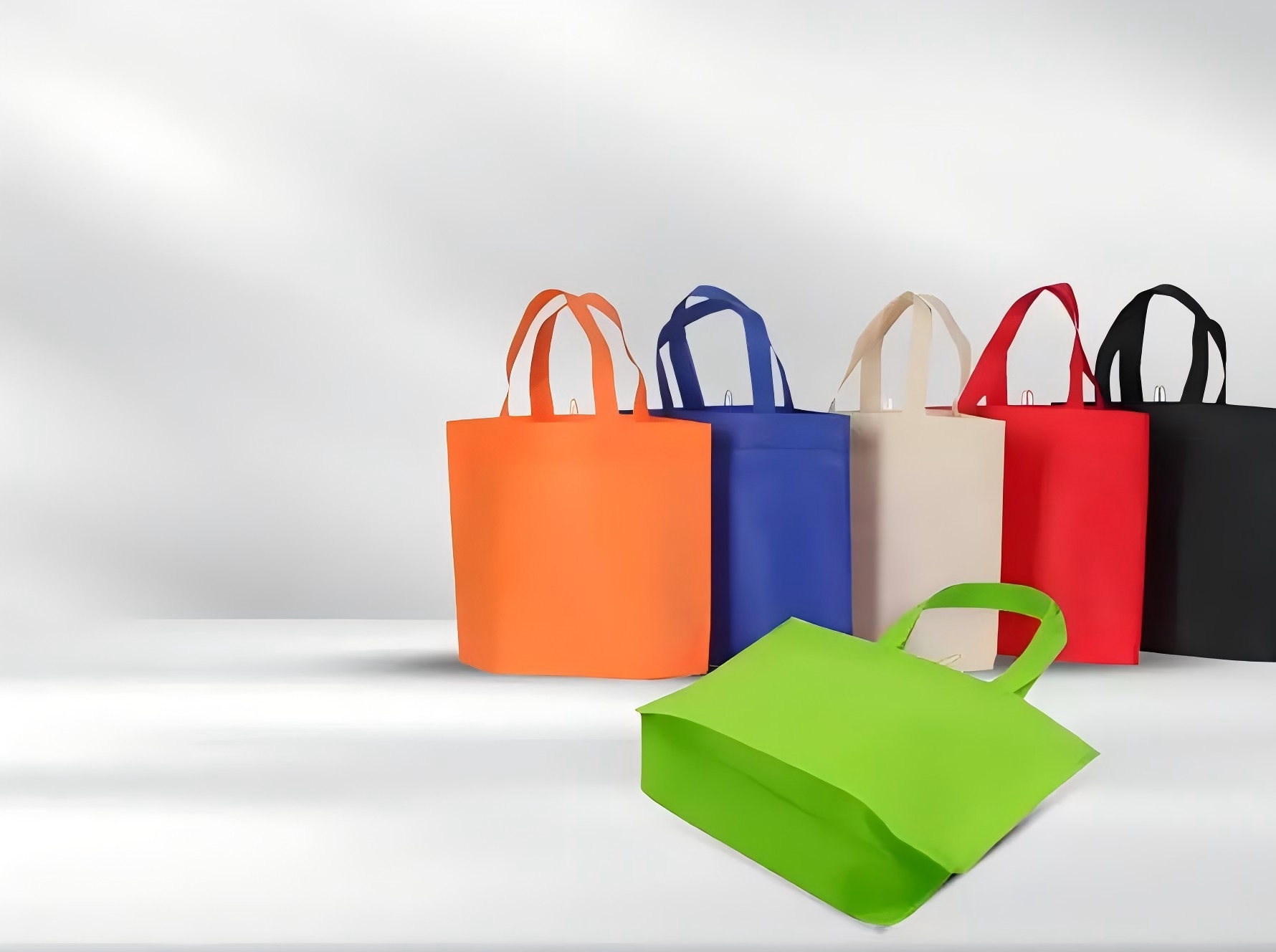
Nonwoven fabric is ideal for a variety of packaging end-uses, as their exceptional lightweight, their energy-efficient production, shipping and storage, and their long life and robustness allow for volume reduction and re-usability. It is widely used for shopping bags, fruit bags, garment bags, and cosmetic packaging.
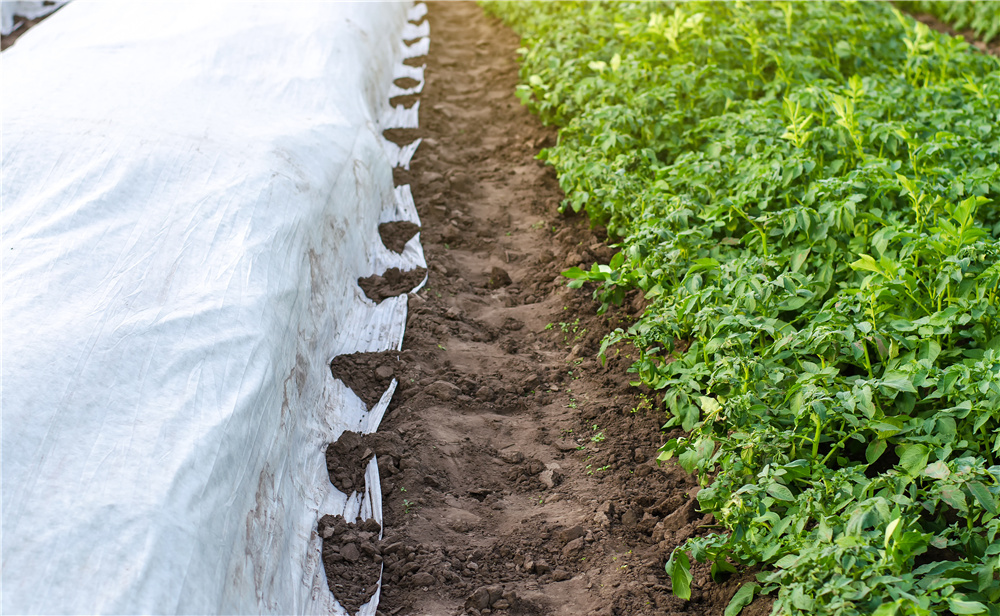
Agriculture Non Woven Fabric allows air and water to pass through while providing wind and cold protection by generating a microclimate around the crop. Furthermore, it works as a physical protection media to prevent damage to crops, vegetables, and seeds from insects and birds, offering superior air and water permeability.
Large enterprises demanding millions of square meters of nonwoven webs prioritize factory compliance. Whether you are producing medical gowns or baby wipes, the machinery must meet strict regulatory and safety requirements.
Our spunlace and composite SMS/SMMS machinery lines utilize FDA-compliant polymer extrusion zones and clean water filtration systems. This ensures the output fabric is free from toxic chemicals or micro-particle pollution, meeting medical requirements.
All machinery components, from mechanical calenders to high-pressure winder drums, are engineered in accordance with European CE safety regulations. Safety guards, emergency interlocks, and sensor-monitored processing regions protect operators.
Our spunlace machines handle organic viscose, bamboo fibers, and PLA polyester blends, allowing clients to certify their materials under strict OEKO-TEX Standard 100 for baby skin contact.
The nonwoven industry is undergoing a major transition toward sustainability. Rising plastic taxes and consumer demand for eco-friendly products are pushing manufacturers to explore alternative raw materials.
1. Biodegradable Polymers: Spunbond technology is adapting to process polylactic acid (PLA) and polyhydroxyalkanoates (PHA). These materials degrade in industrial composting facilities, replacing fossil-fuel-based polypropylene.
2. Cross-lapped Spunlace Composites: Hydroentanglement lines are blending natural cotton, wood pulp, and bamboo fibers. This provides the soft hand feel and high absorption capacity needed for flushable wipes, facial masks, and high-purity medical dressings.
3. Smart AI Monitoring: Real-time defect detection systems analyze fiber distribution density, identifying pinholes and weak points down to 0.5 mm in real time, preventing waste and ensuring product quality.
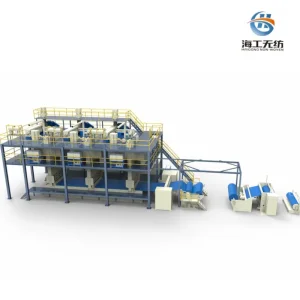
Precision machinery designed for producing uniform polypropylene webs used in industrial and construction applications.
Configure Machine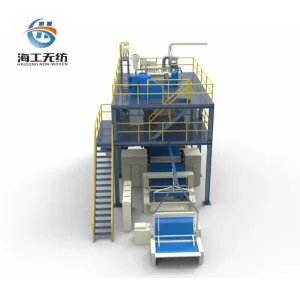
Designed for continuous, high-volume production with optimized energy consumption metrics.
Configure Machine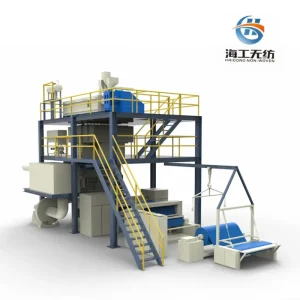
Standard 1.6m width spunbond line, ideal for regional suppliers starting high-efficiency manufacturing projects.
Configure Machine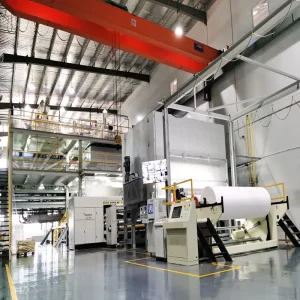
Specifically configured to produce fabric grades optimized for ultrasonic nonwoven bag welding.
Configure Machine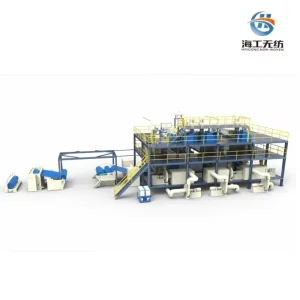
Advanced composite machine ensuring high hydrostatic head resistance, ideal for surgical drapes and gowns.
Configure Machine
Heavy duty extrusion lines featuring automatic raw material dosing and integrated weight-per-square-meter monitoring.
Configure Machine
Advanced edge-trim recycling system designed to feed clean scrap material directly back into the extruder loop.
Configure Machine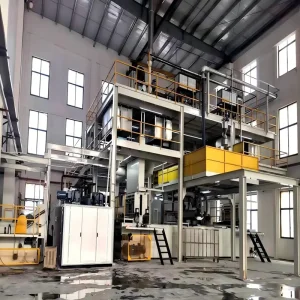
Customizable production line offering speed adjustments, variable heat configurations, and easy maintenance access.
Configure Machine HG NONWOVEN