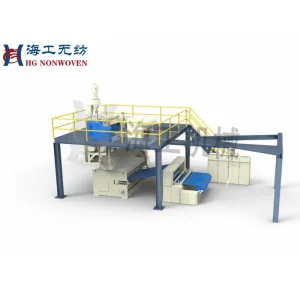
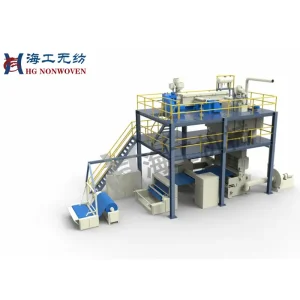
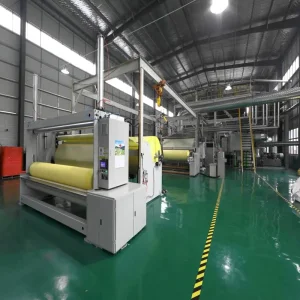
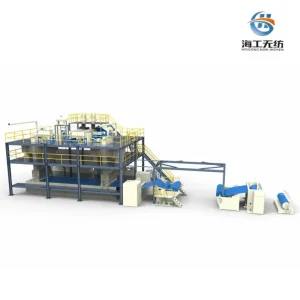
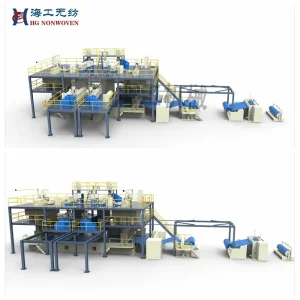
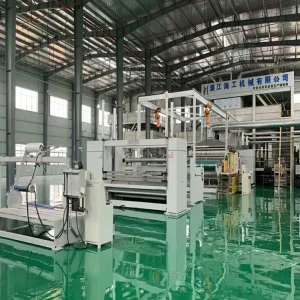
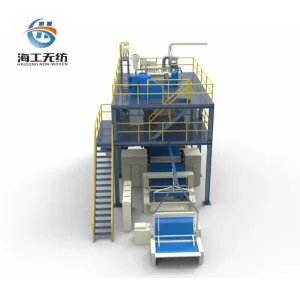
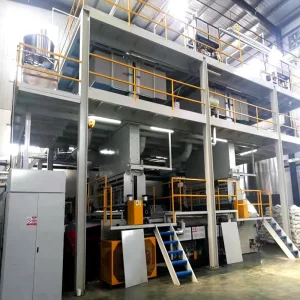
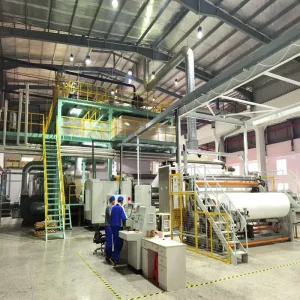
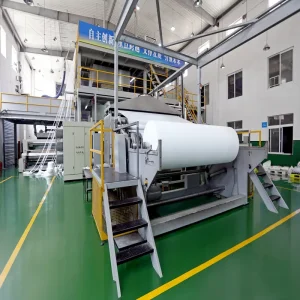
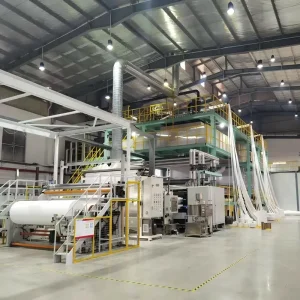
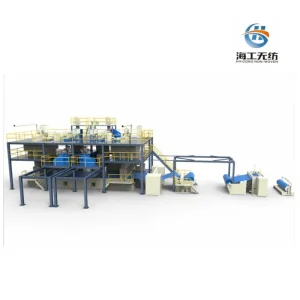
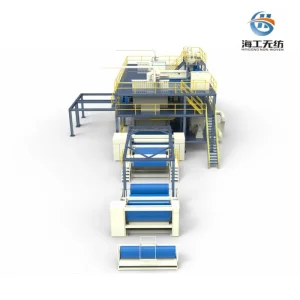
Explore our premium grade spunbond extrusion lines, composite spunmelt systems, and integrated downstream recycling machinery engineered for global output excellence.
The manufacturing architecture of spunbond nonwoven fabric making machines has transitioned from mechanical filament drawing to advanced high-speed aerodynamic closed loop slot-drafting systems. Historically, early-generation machinery relied heavily on open-width draw frames that suffered from turbulent cross-drafts, yielding highly inconsistent fabric GSM (grams per square meter) profiles and poor isotropic tensile ratios.
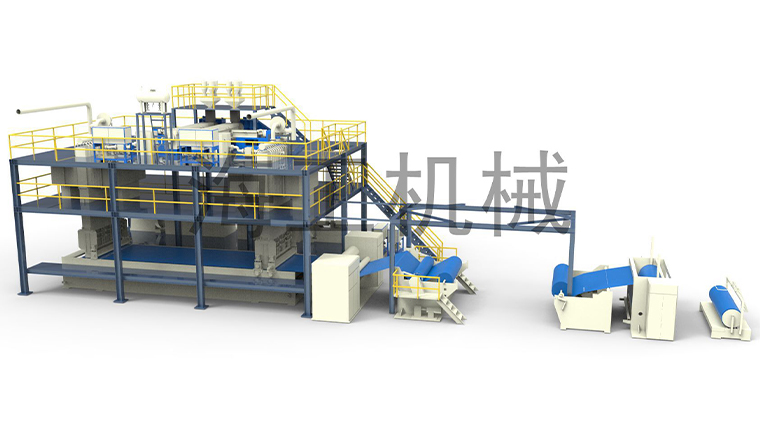
Today, leading Chinese manufacturers, such as Pujiang HG Nonwoven Machinery, have commercialized 5th Generation spinning technology. This system structures the polymer extrusion pathway through high-precision spinneret plates with density arrays up to 8,000 capillaries per meter width. By utilizing uniform downward quench systems coupled with optimized multi-zone hot air attenuators, filaments are drawn to diameters of 1.5 to 2.5 denier. The resulting nonwoven fabric displays near-perfect MD/CD (Machine Direction / Cross Direction) tensile distribution, making it the material of choice for high-strength technical textiles.
Analyzing key procurement trends for international industrial buyers seeking Chinese nonwoven machinery solutions.
Global operators face rising electricity tariffs. Sustainable industrial practices mandate investment in machinery with low specific energy consumption (SEC) metrics, utilizing Variable Frequency Drives (VFD) and waste heat recovery loops.
The market has moved past simple single-beam 'S' fabric. Advanced converters demand modular lines capable of upgrade paths to SMS, SMMS, and SSMMS configurations to cater to high-barrier medical gown and diaper barrier cuff specifications.
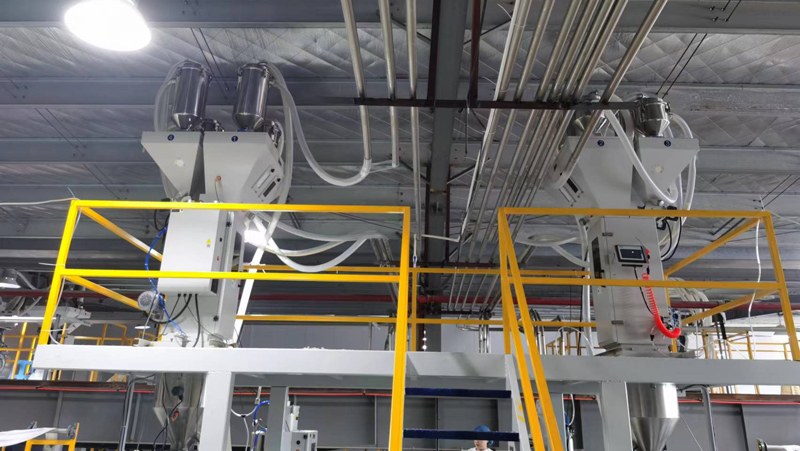
Procuring raw extrusion lines is insufficient. Buyers require unified system control, from resin vacuum dryers and gravimetric feeding mixers to automatic offline slitter rewinders, flexo printers, and zero-waste edge trim recycling extruders.
The concentration of precision metallurgical tooling shops, PLC automation programming hubs, and specialized induction heating manufacturers in Zhejiang and Jiangsu provinces gives Chinese manufacturers a profound global competitive advantage. This localization enables rapid component prototyping, ensuring custom spinneret patterns can be optimized and delivered within compressed lead times.
Furthermore, Pujiang HG Nonwoven Machinery integrates modern Smart Control architectures. These lines utilize SCADA interfaces, enabling real-time remote diagnostics, sensor-based melt pressure feedback loops, and predictive maintenance schedules. Such features significantly lower the Total Cost of Ownership (TCO) by reducing unscheduled downtime—a critical differentiator compared to higher-priced European alternatives.
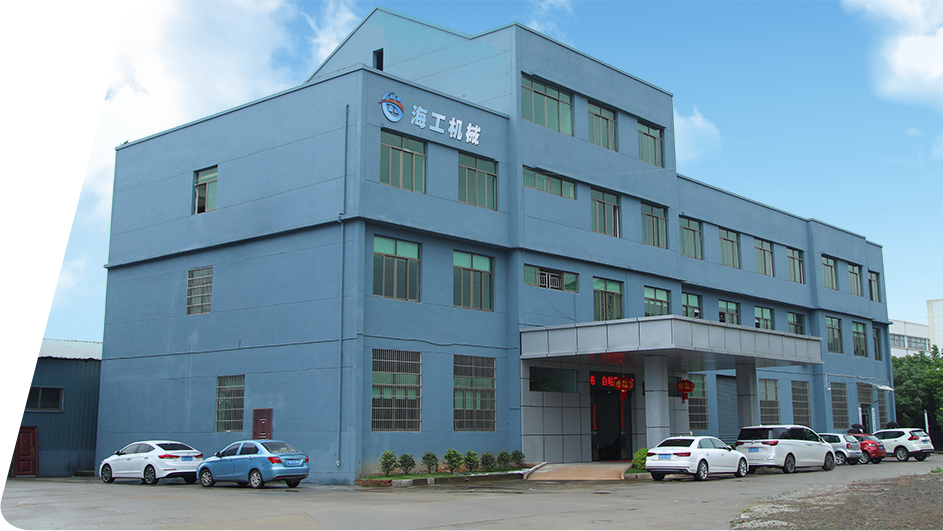
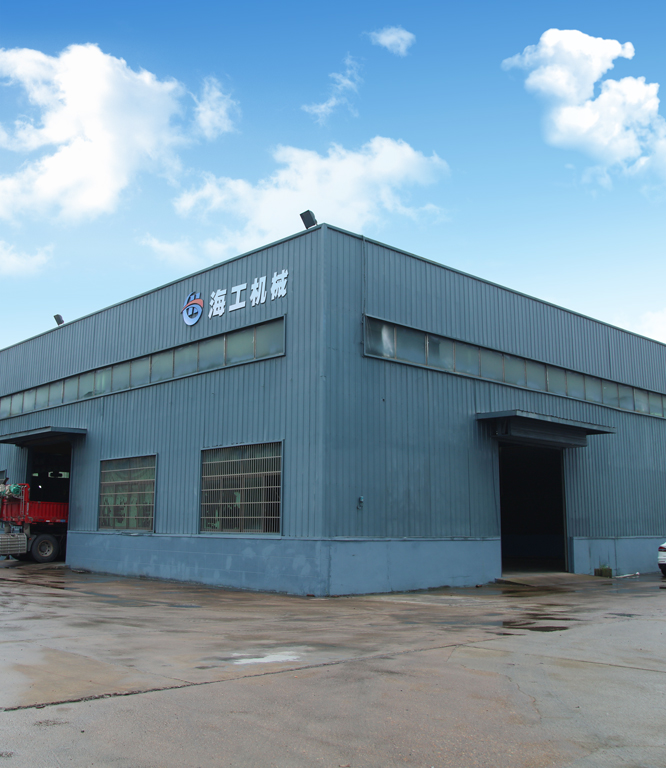
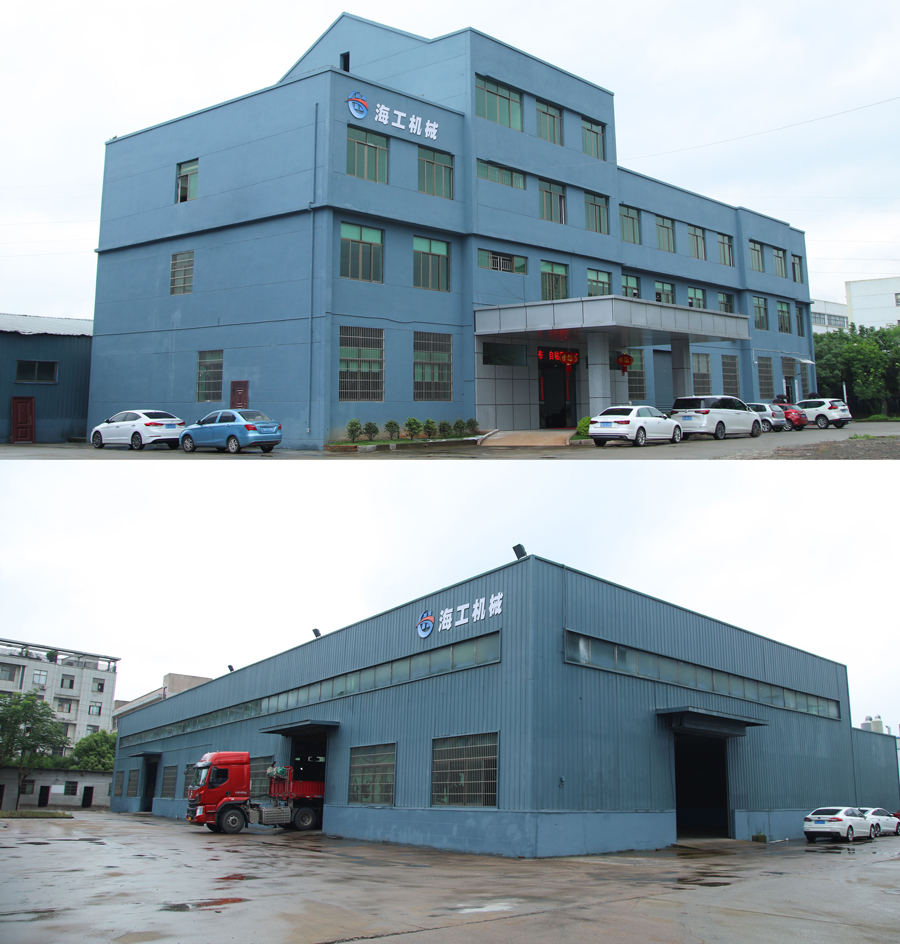
HG Nonwoven Machinery is a professional manufacturer of spunbond, meltblown, and composite nonwoven fabric machine lines, dedicated to providing high-efficiency and innovative spunbond nonwoven fabric production solutions to the global market. Our company introduced advanced design concepts from overseas and integrated them with autonomy to address specific market needs. Consequently, HG nonwoven fabric making machines are characterized by convenient operation, small footprint, low power consumption, high efficiency, and low production cost.
Pujaing HG Nonwoven Machinery has been a well-known nonwoven fabric making machine manufacturer since 2014, specializing in manufacturing PP spunbond and meltblown nonwoven fabric making machines with complete turnkey engineering services. Our engineering efforts focus on producing high-performance, eco-friendly, and biodegradable spunbonded nonwoven fabrics to support sustainability directives worldwide.
Explore our highly integrated systems designed for massive output capacities and superior web quality across diverse industrial sectors.
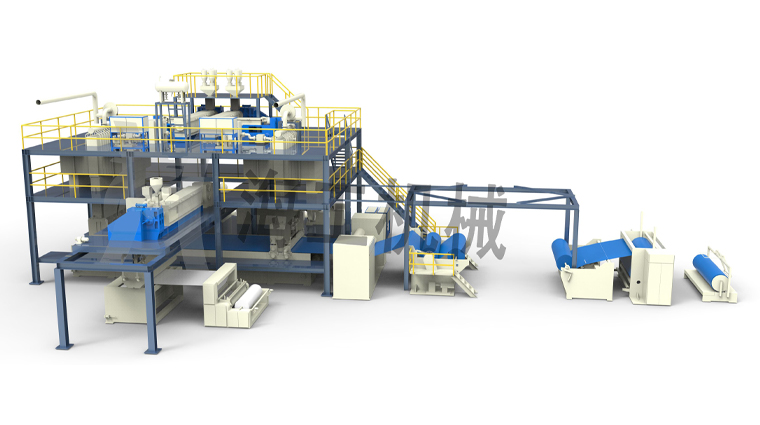
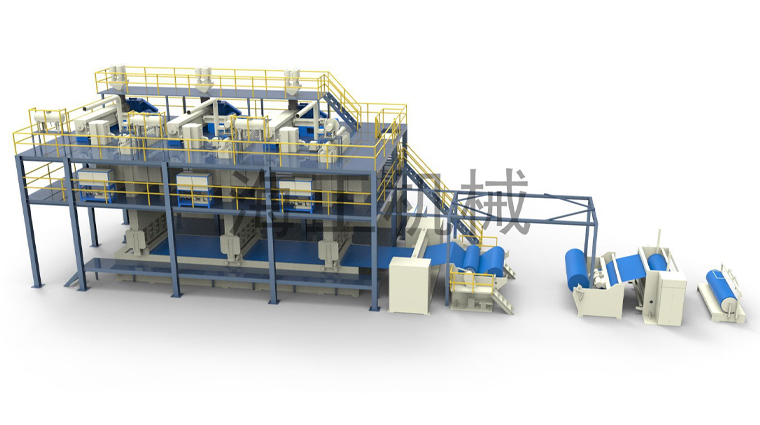
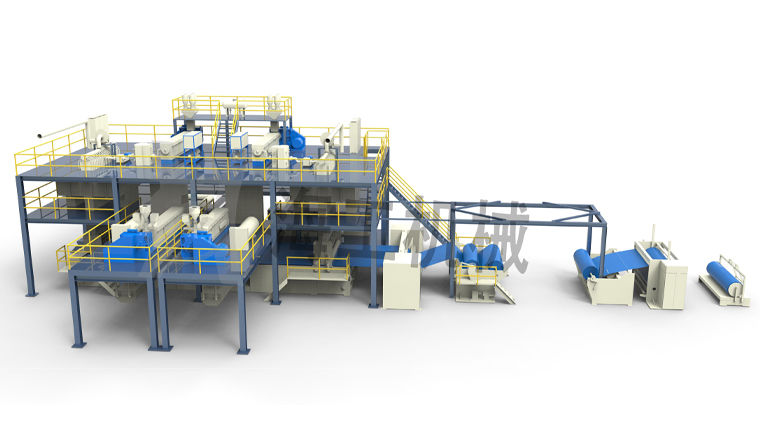
How we optimize investment values, from pre-feasibility analysis to downstream ancillary processing integration.
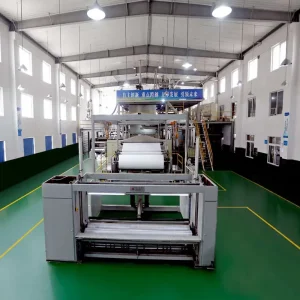
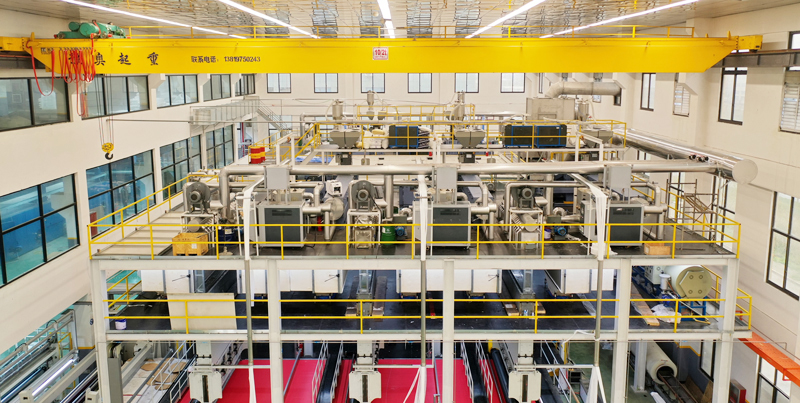
Each production environment features unique structural parameters. HG designs machine layouts specifically optimized for ceiling height, floor loading capacities, and existing plant footprints, minimizing construction overhead.
We leverage international project deployment data to supply buyers with targeted regional consumption analysis. This supports robust ROI planning and aligns equipment setups with local compliance metrics.
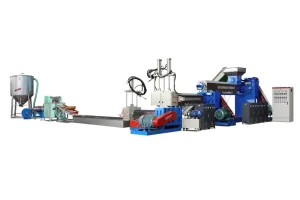
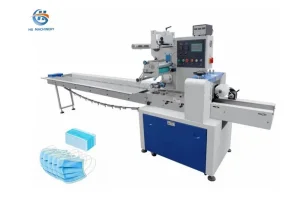
Streamline vendor management via unified supply of auxiliary machinery, including PP recycling extruders, high-speed slitters, flexographic printers, hot-melt laminating stations, and bag converting units.
HG deploys specialized mechanical and electrical engineers globally for on-site calibration, setup, and commissioning. We include a comprehensive 24-month technical support package and integrated remote digital support.
Matching configuration specifications with the performance demands of localized market segments.



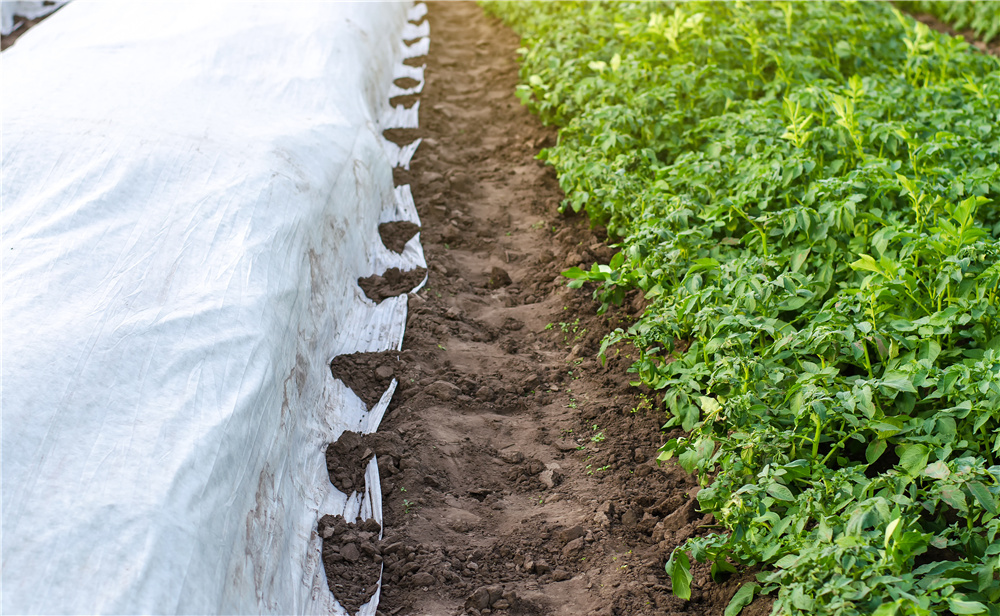
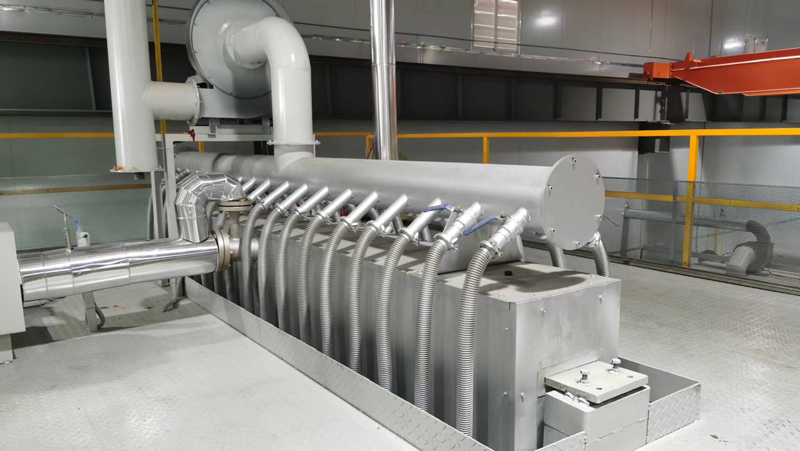
To produce consistent nonwoven webs, a spunbond machine must maintain precise control over the polymer melt temperature. Polypropylene (PP) resins, typically chosen with a Melt Flow Rate (MFR) range of 25 to 40 g/10 min, are fed through high-performance extruders featuring L/D (Length to Diameter) ratios of 30:1 or 32:1. This ensures complete shear heating and uniform melt distribution before the polymer enters the spin pack.
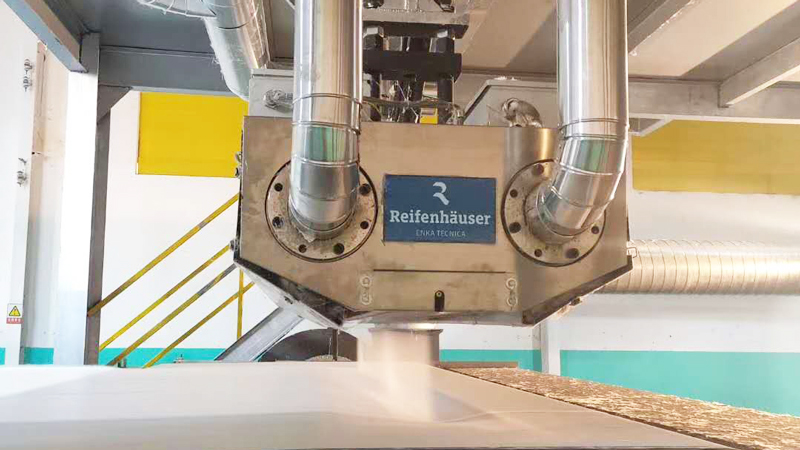
Within the spin pack, computerized coat-hanger type distributors guarantee that the pressure drop across the entire transverse width of the die is minimal. If pressure variations exceed 1.5%, the extruded filaments will display diameter variations, causing physical defects in the finished web. Modern systems integrate automated closed-loop sensors linked to heating zones on the die block. This setup maintains temperature tolerances within ±1°C, preventing polymer degradation and spinneret clogging.
Downstream, the web-forming process relies on high-speed calender rolls featuring custom engraving patterns. The bonding temperature and nip pressure are adjusted based on the target GSM. For instance, lightweight medical webs are bonded under lower temperatures and higher speeds to preserve hand-feel and flexibility, while heavy packaging webs undergo intensive thermal bonding to maximize puncture resistance.
Authoritative technical answers to common questions about selecting, operating, and optimizing spunbond nonwoven production systems.
Explore our specialized machinery models designed for high-efficiency processing and specific application scenarios.
 HG NONWOVEN