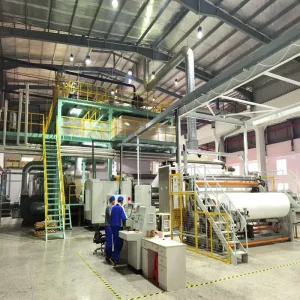
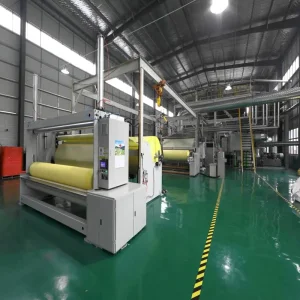
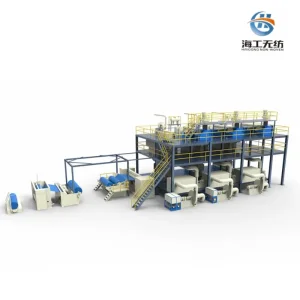
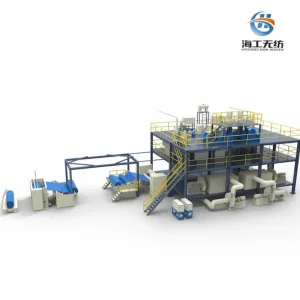
Explore our industrial-grade production machinery designed for high fiber uniformity, optimized energy usage, and continuous manufacturing cycles.
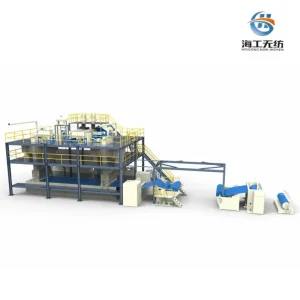
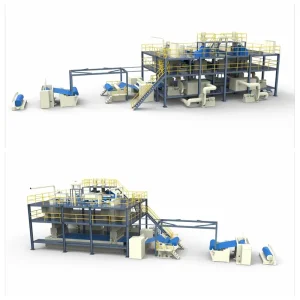
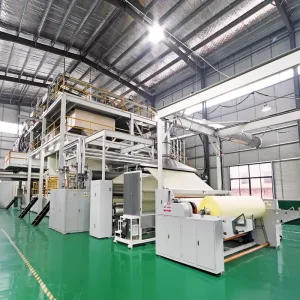
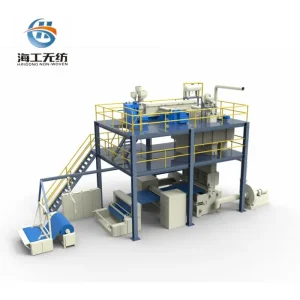
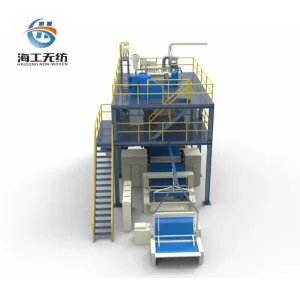
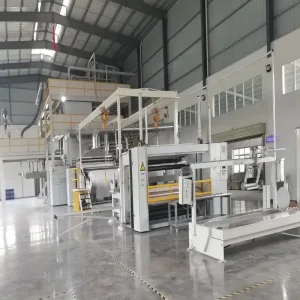
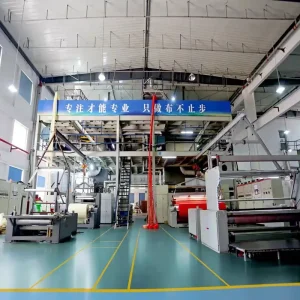
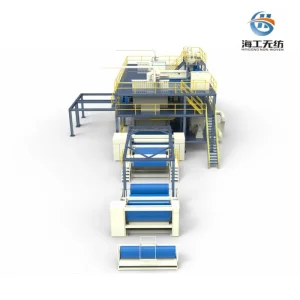
Established in 2014, Pujiang HG Nonwoven Machinery has established itself as an authoritative leader in the development and manufacture of high-performance polypropylene (PP) spunbond, meltblown, and composite nonwoven fabric machinery. By introducing and refining advanced 5th-generation spunbond spinning concepts, our turnkey solutions ensure exceptional tensile strength, optimized filament diameter control, and superior uniformity across all outputs.
Our manufacturing operations are built upon energy conservation, minimized floor space footprints, and low production costs per ton. By selecting HG Nonwoven Machinery, you secure a manufacturing partner capable of designing customized machinery configurations that meet rigorous global standards, ensuring sustainability and longevity.
The global demand for nonwoven pants—spanning baby pull-up diapers, adult incontinence underwear, sanitary protective garments, and sterile medical apparel—has seen a rapid technological transition. Historically, textile converters relied on multi-step assembly lines with high labor inputs. Today, fully integrated automated extrusion lines are crucial for modern plants.
By leveraging SSS, SMS, SMMS, and SSMMS web formation technologies, manufacturers can build composites that offer superior hydro-head resistance, skin friendliness, and elastic stretchability. This technological shift is key to maximizing material usage, reducing waste, and securing a reliable production line.
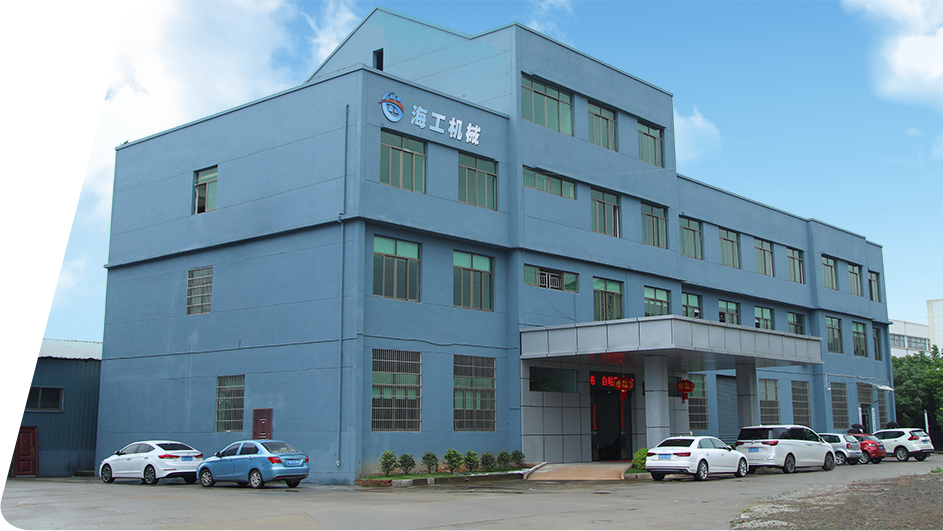
Why international procurement teams prioritize Pujiang HG Nonwoven Machinery for high-capacity projects.
Chinese machinery manufacturers benefit from localized component ecosystems. From high-grade electrical cabinets featuring Siemens PLCs to high-precision spinning pumps, hanger-type extrusion dies, and advanced calenders, all elements are sourced within a unified geographical area. This lowers logistics costs and speeds up design-to-delivery timelines.
Our manufacturing lines feature modular configurations. The integration of high-precision gravimetric feeding systems and automated side-trim recycling reduces polymer waste to near-zero levels. This allows factories to quickly scale up production capacities without excessive capital re-investment.
We employ thermal bonding calendar technology with micro-gap control, ensuring high web uniformity and tensile values. This precision prevents filament breakage during downstream converting, a critical requirement for high-speed diaper and medical pants making machines.
Our machine architectures incorporate advanced aerodynamic drawing technology, allowing for consistent web formation and low energy consumption per ton of nonwoven fabric produced.
We provide localized market analysis, helping global buyers evaluate ROI, layout planning, power demands, raw material specifications, and logistics variables before installation.
In addition to basic extrusion machinery, our engineering solutions cover upstream and downstream equipment, including nonwoven recycling systems, slitting machines, lamination lines, and bag-making integrations.
We provide comprehensive field training, 24-month warranties, and rapid digital troubleshooting to ensure your operations run continuously and efficiently.
Engineered for high-volume converting lines, medical applications, and robust packaging systems.
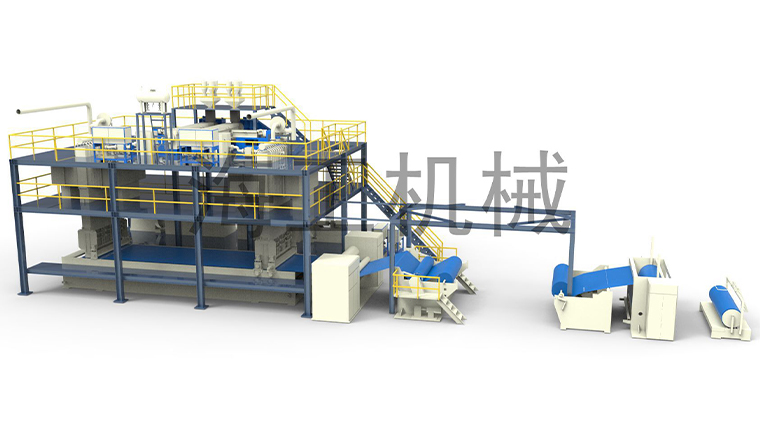
Designed for packaging nonwoven bags, furniture backings, and agricultural protective covers.
View More Details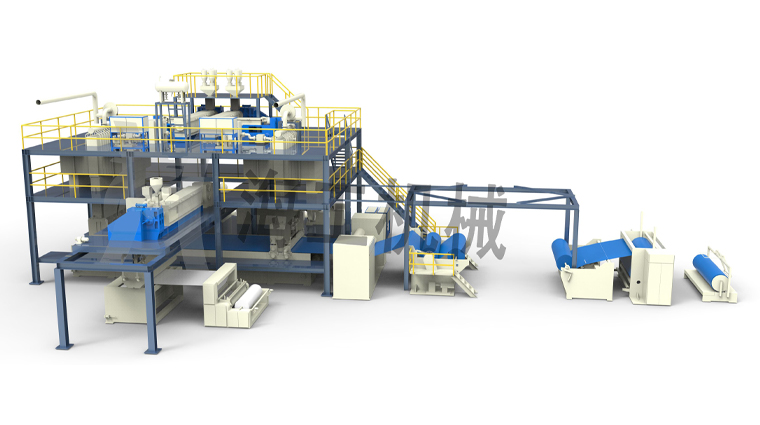
Excellent barrier properties optimized for medical surgical drapes, gowns, and personal hygiene products.
View More Details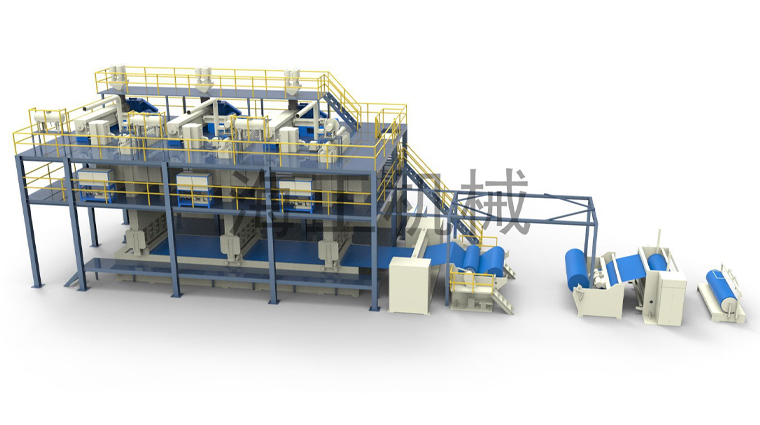
4-layer barrier structure providing higher filtration efficiency, softness, and skin comfort for sanitary applications.
View More Details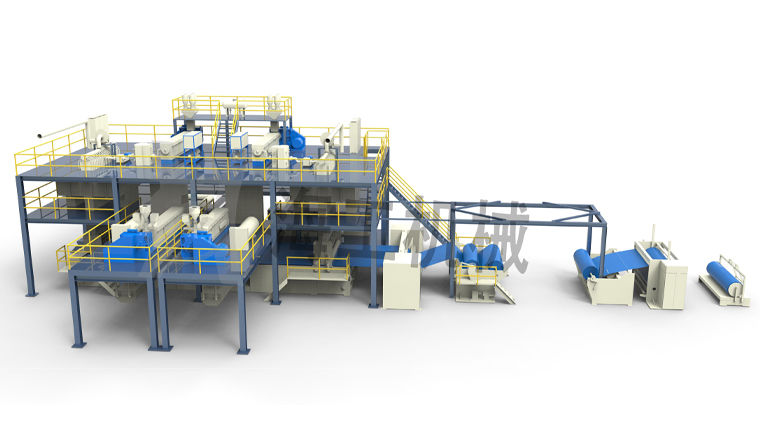
High-end composite system delivering barrier performance, fluid resistance, breathability, and tactile comfort.
View More DetailsHow different configurations address specific global market segments and user requirements.
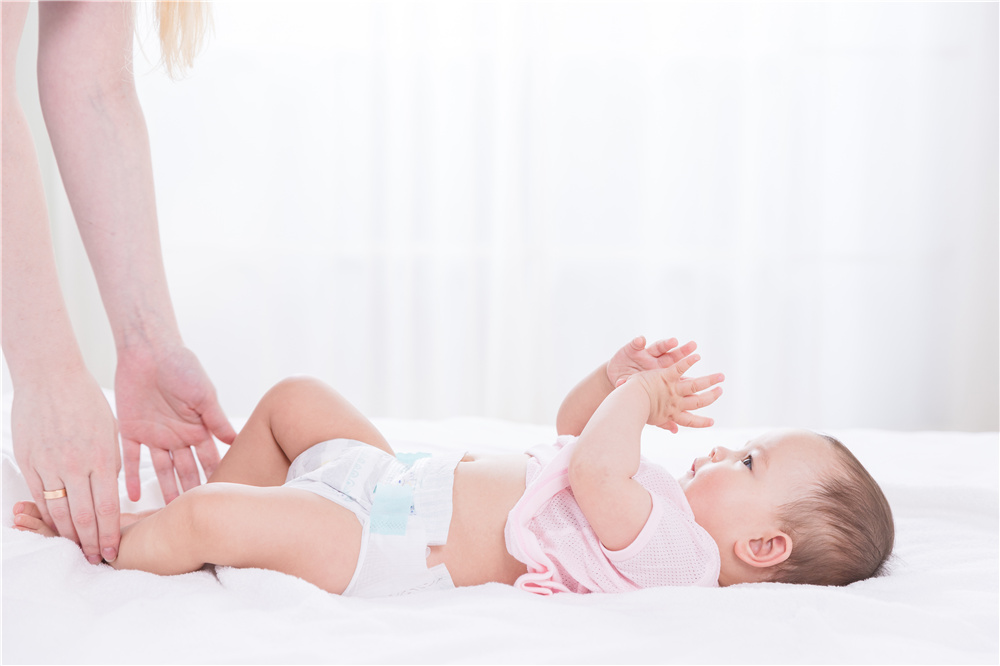
Nonwoven fabric is essential in the hygiene sector, offering breathability, softness, and excellent fluid management for comfort and protection. It quickly absorbs liquid and keeps it away from the skin, making it ideal for paper diapers, incontinence pads, and feminine hygiene products.
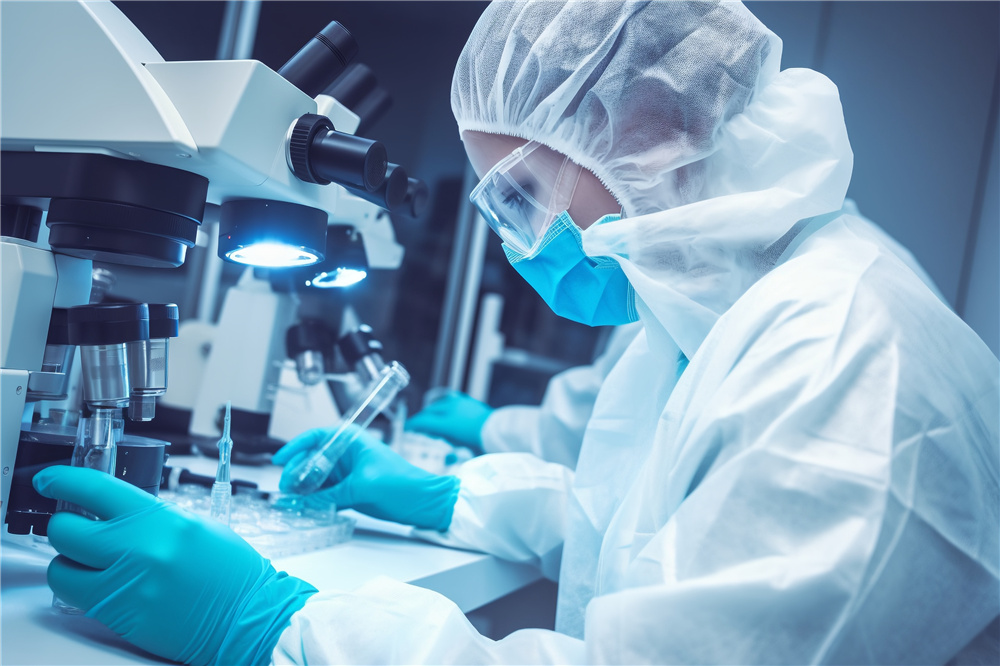
Nonwovens fabrics are extensively used in the medical field and in protection against biological agents in other sectors. They deliver critical safety properties, such as prevention against infections and diseases. They are essential for making face masks, surgical gowns, bed sheets, and surgical towels, ensuring effective filtration, protection, and comfort.
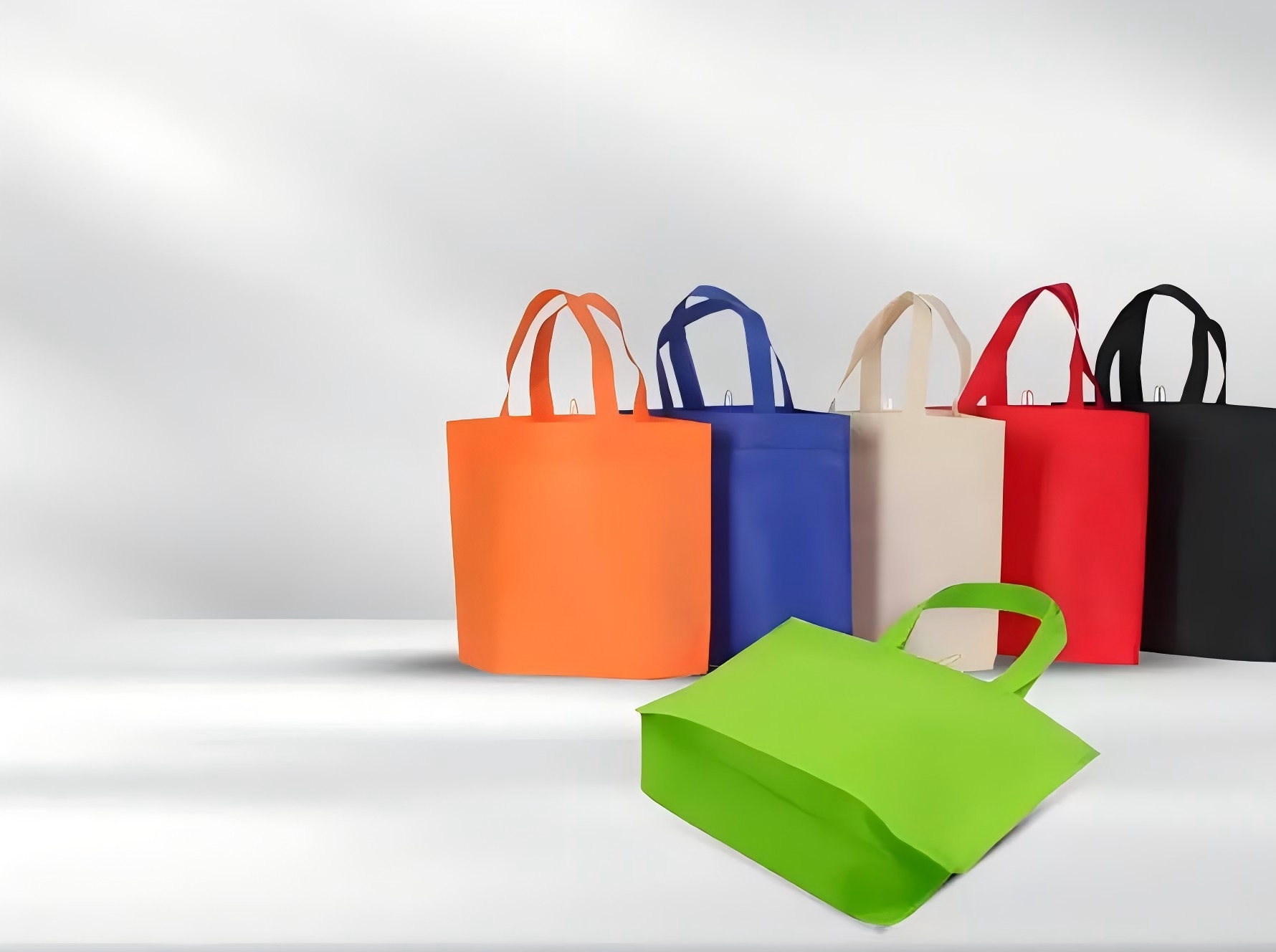
Nonwoven fabric is ideal for a variety of packaging end-uses, as their exceptional lightweight, their energy-efficient production, shipping and storage, and their long life and robustness allow for two important features: volume reduction and re-usability. It widely used for shopping bags, fruit bags, garment bags, rice bags, pocket springs, garment interlining, as well as packaging for pharmaceuticals and cosmetics, among other applications.
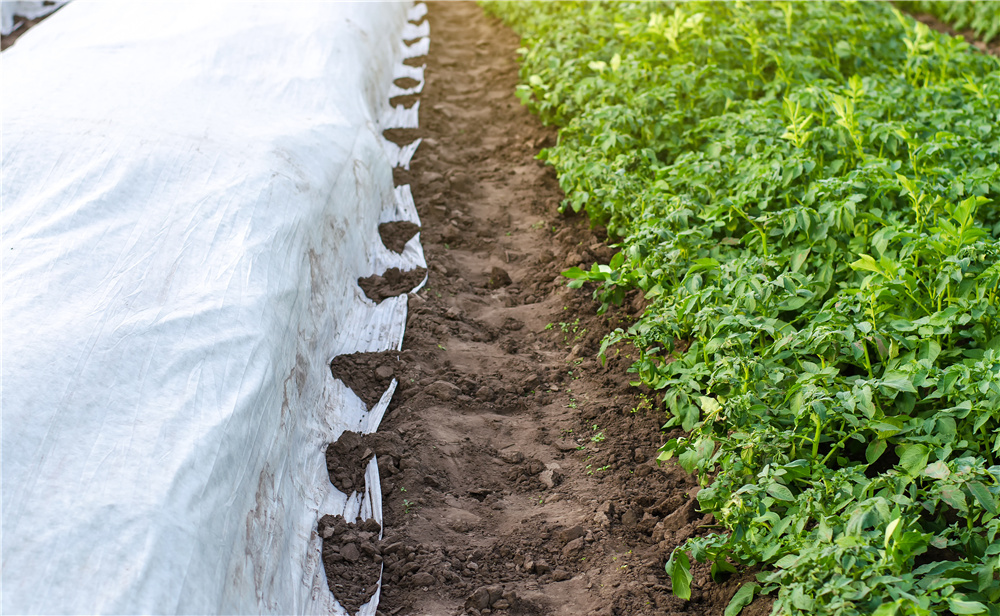
Agriculture Non Woven Fabric allow air and water to pass through while providing wind and cold protection by generating a microclimate around the crop. Furthermore, because nonwoven works as a physical protection media, it can assist prevent damage to crops, vegetables, and seeds from insects and birds. Nonwoven materials can assist regulate heat, UV blocker agriculture, while also providing superior air and water permeability.
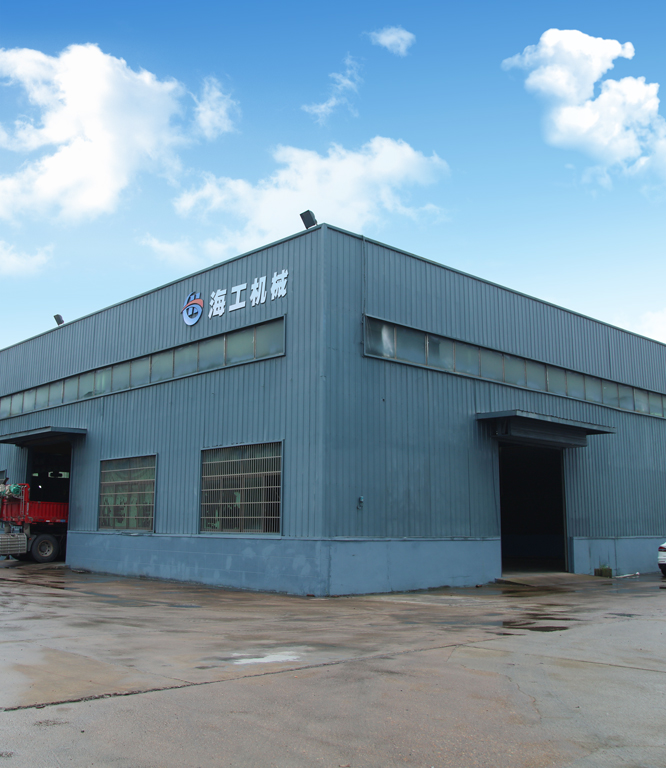

Pujaing HG Nonwoven Machinery has specialized in manufacturing high-performance PP spunbond and meltblown lines since 2014. By implementing eco-friendly, energy-efficient configurations, our production lines enable global manufacturers to deliver premium, biodegradable nonwoven materials designed for demanding, hygienic markets.
When evaluating a China Nonwoven Pants Making Machine Factory, international engineering teams focus on specific performance criteria, system compatibilities, and mechanical tolerances. Standard configurations are no longer sufficient to maintain competitive advantages. Buyers now prioritize the following criteria:
The Coefficient of Variation (CV%) in nonwoven weight distribution determines the reliability of hygiene pants. Our 5th-generation spinning systems utilize micro-slits and optimized air-drawing designs, keeping the CV value below 4%. This ensures consistent leak-proof performance, preventing tears along joint seams during high-speed converting.
To produce reliable baby diaper pull-ups and adult incontinence garments, lines must process composite webs seamlessly. Spunbond beams provide high tensile strength, while meltblown beams supply barrier performance. HG lines synchronize these layers dynamically, optimizing polymer melt temperatures and preventing micro-voids in the final composite structure.
Rising energy costs make operational efficiency critical. HG Machinery utilizes frequency-inverter controls on primary extruder motors and drawing fans, reducing power requirements by up to 15% to 20% compared to legacy systems. An integrated recycle screw system captures and reprocesses edge trim directly, keeping material loss below 1.5%.
All our manufacturing lines are certified to meet CE standards, ISO9001 quality frameworks, and strict safety protocols. Electrical panels feature layout separation for high and low voltage systems, reducing interference and meeting major international plant requirements.
Answering key technical and operational questions for procurement managers and factory engineers.
Explore additional high-speed spunbond and composite nonwoven machinery designed for diverse industrial applications.
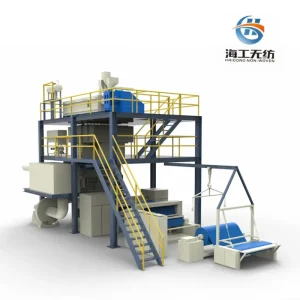
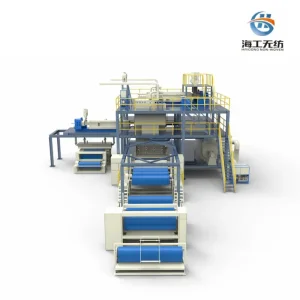
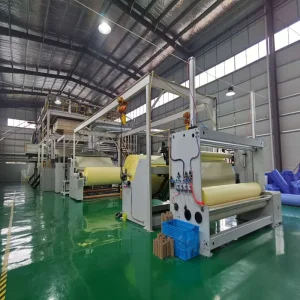
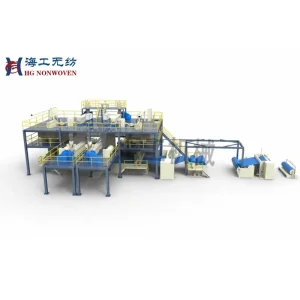
By choosing Pujiang HG Nonwoven Machinery, you partner with a manufacturer committed to supporting your growth in competitive global markets. Our engineering team designs energy-efficient, reliable, and sustainable production lines tailored to your exact manufacturing requirements. Contact us today to receive a detailed system quote, project feasibility analysis, and layout blueprints.
 HG NONWOVEN