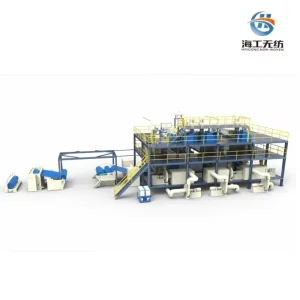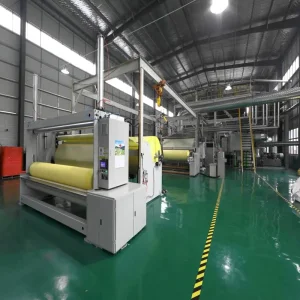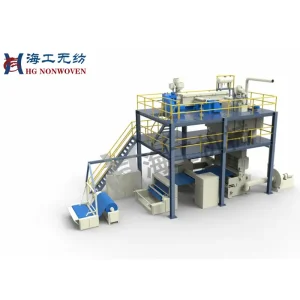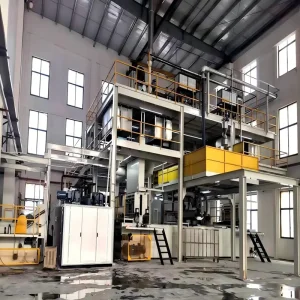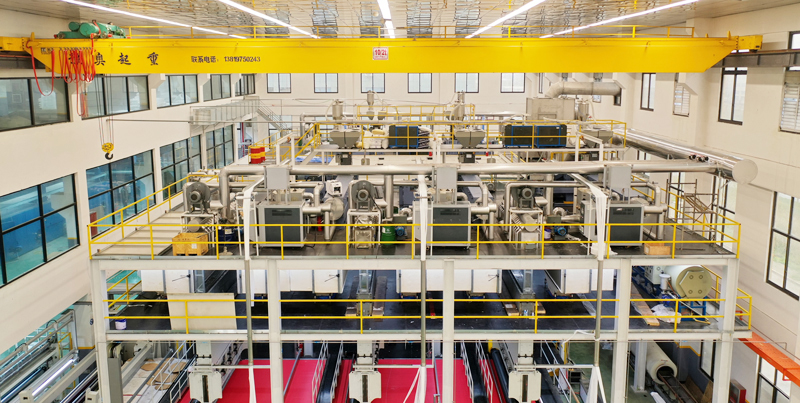
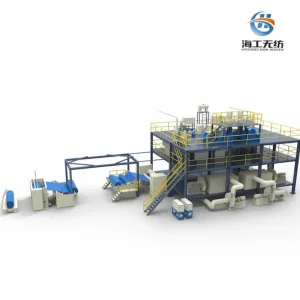
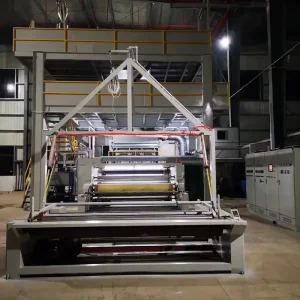
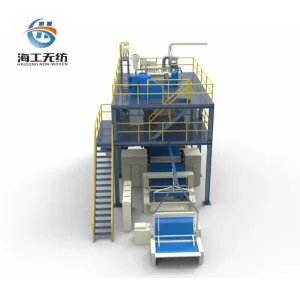
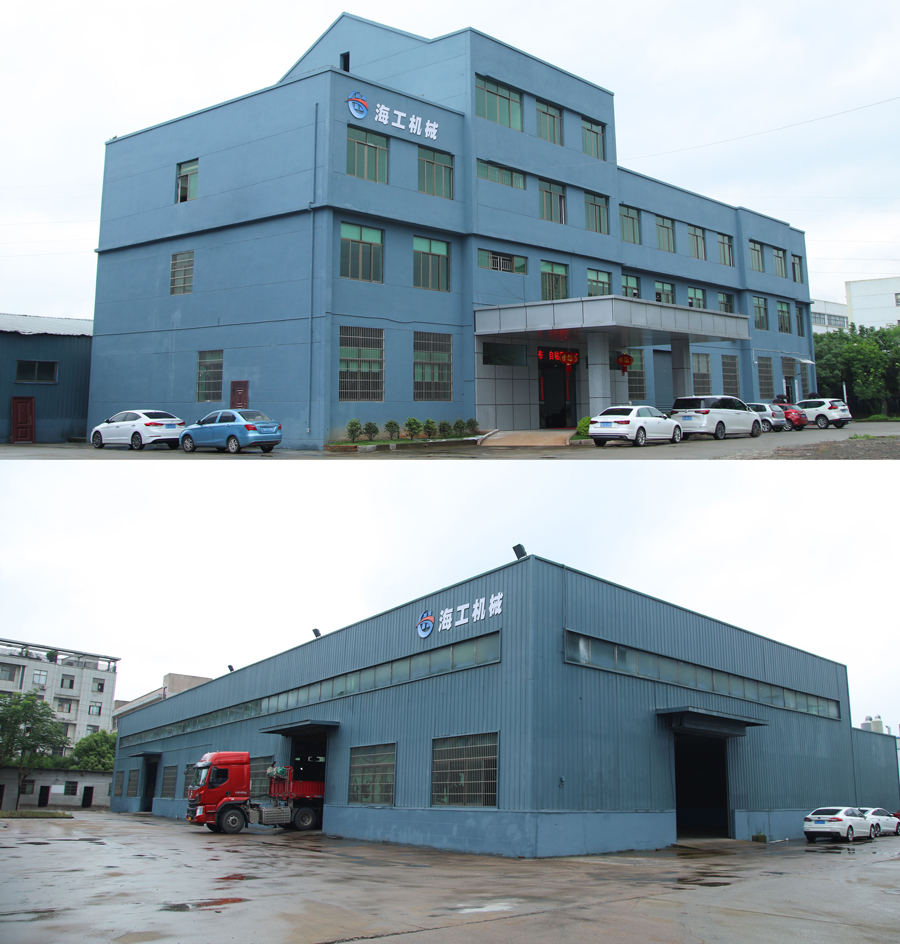
HG Nonwoven Machinery is a professional manufacturer of spunbond, meltblown, and composite nonwoven fabric machine lines, dedicated to providing high-efficiency and innovative spunbond nonwoven fabric production solutions to the global market. Our company introduced advanced design (5th Generation spunbond spinning technology) concepts from overseas and integrated them with autonomy for the specific needs of the market. Consequently, HG nonwoven fabric making machines are characterized by convenient operation, small spatial footprint, low power consumption, high efficiency, and low production costs.
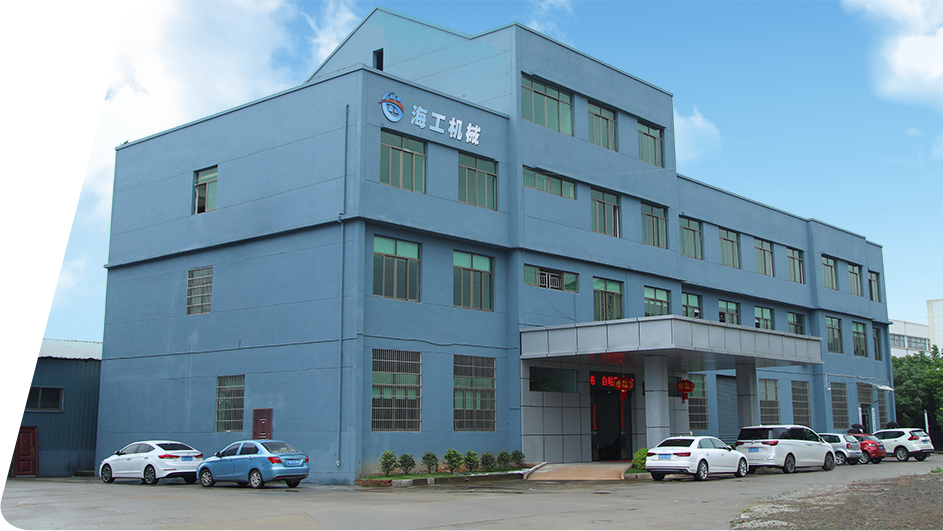
Pujiang HG Nonwoven Machinery has been a well-known nonwoven fabric making machine manufacturer since 2014, specializing in manufacturing PP spunbond and meltblown nonwoven fabric making machines with complete turnkey engineering services. Our nonwoven fabric machines focus on producing high-performance, eco-friendly, and biodegradable spunbonded nonwoven fabrics. We prioritize high quality and robust service as our core tenets, ensuring that our global partners gain a competitive edge through state-of-the-art technological infrastructures.
Our machines are meticulously designed and incorporate the latest technology to ensure maximum production efficiency with minimal energy consumption. We also offer customized solutions to ensure our machines align perfectly with your unique needs.
With rich experience in the nonwoven fabric industry, we will provide you with a thorough local market analysis to help you formulate a solid project feasibility report.
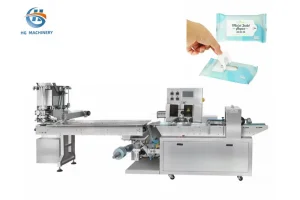
Besides PP nonwoven fabric making machines, we also assist in providing related nonwoven downstream machinery, including recycling machines, slitting machines, flexo printing machines, lamination machines, and nonwoven bag-making machines.
Post-installation, we deliver thorough training to ensure your team operates and runs the machine line at peak performance. We provide 24-month engineer after-sales service to give you premium technical support quickly and reliably.
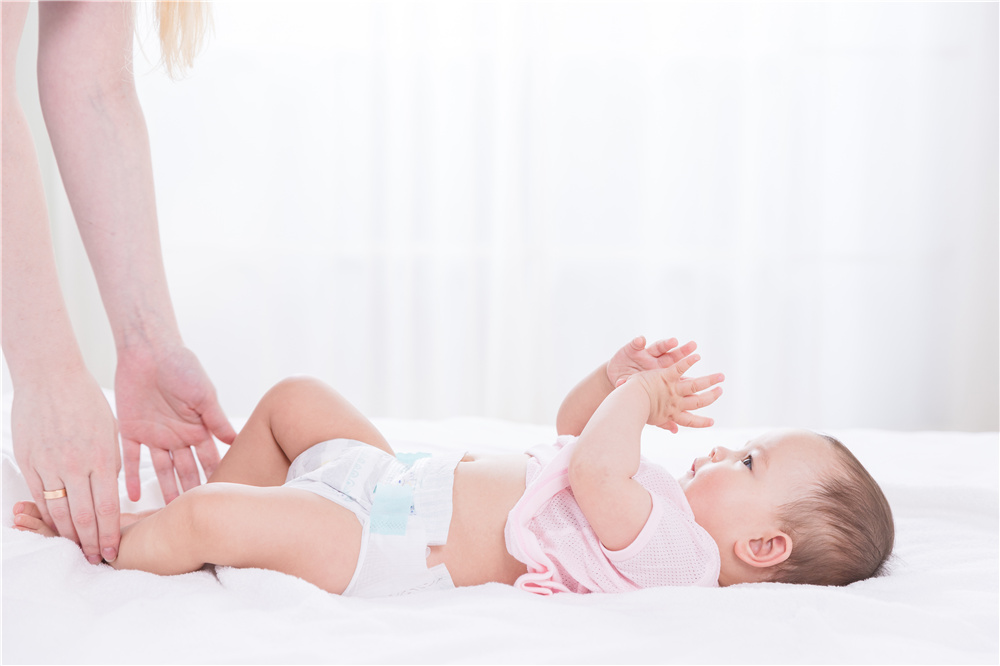
Nonwoven fabric is essential in the hygiene sector, offering breathability, softness, and excellent fluid management for comfort and protection. It quickly absorbs liquid and keeps it away from the skin, making it ideal for diapers, incontinence pads, and feminine hygiene products.
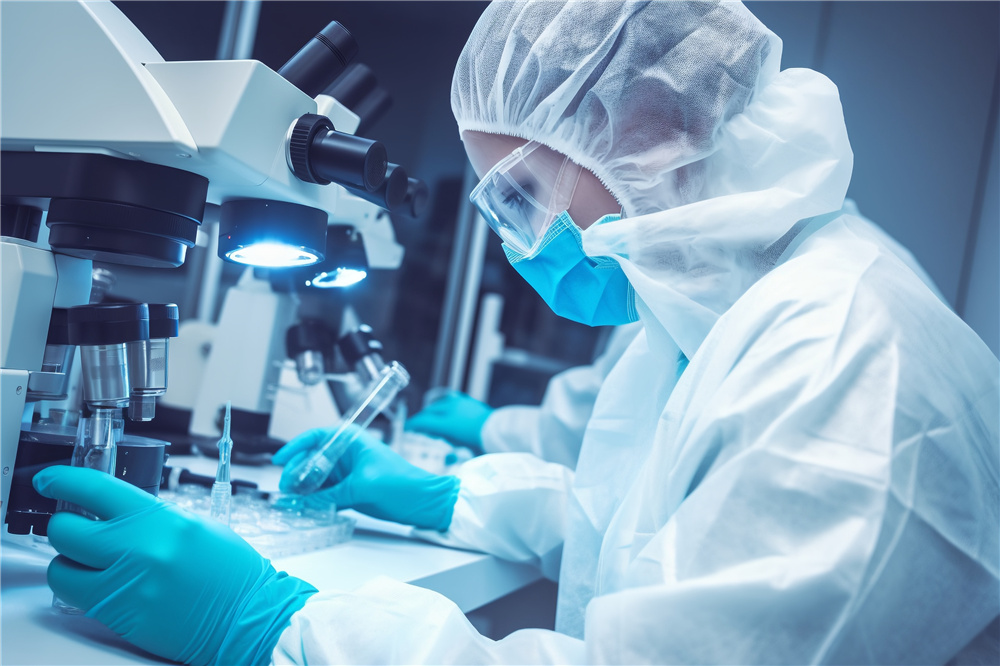
Nonwovens fabrics are extensively used in the medical field and in protection against biological agents in other sectors. They deliver critical safety properties, such as prevention against infections and diseases. They are essential for making face masks, surgical gowns, bed sheets, and surgical towels, ensuring effective filtration, protection, and comfort.
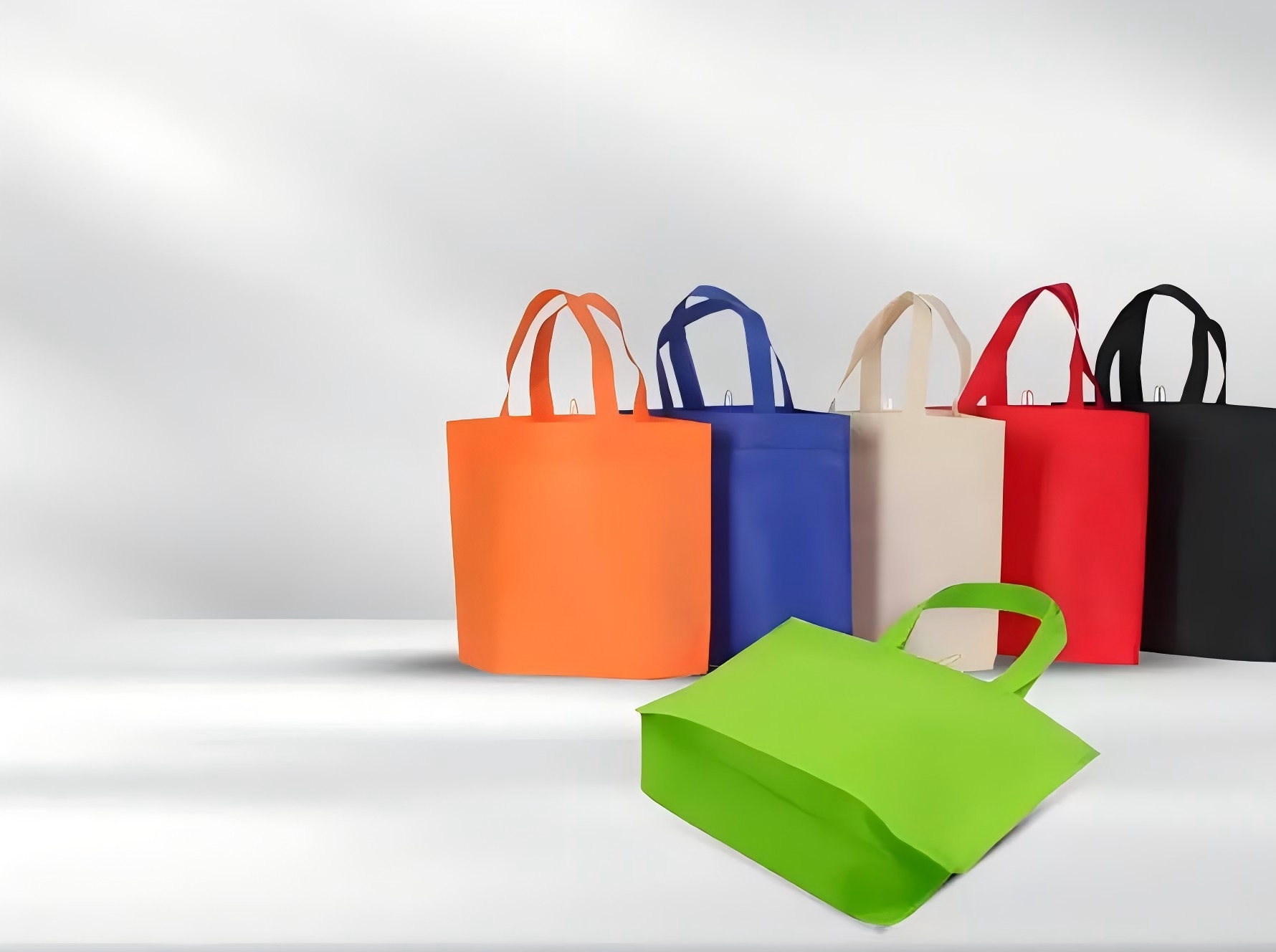
Nonwoven fabric is ideal for a variety of packaging end-uses, as their exceptional lightweight, their energy-efficient production, shipping and storage, and their long life and robustness allow for two important features: volume reduction and re-usability. It is widely used for shopping bags, fruit bags, garment bags, rice bags, pocket springs, garment interlining, as well as packaging for pharmaceuticals and cosmetics, among other applications.
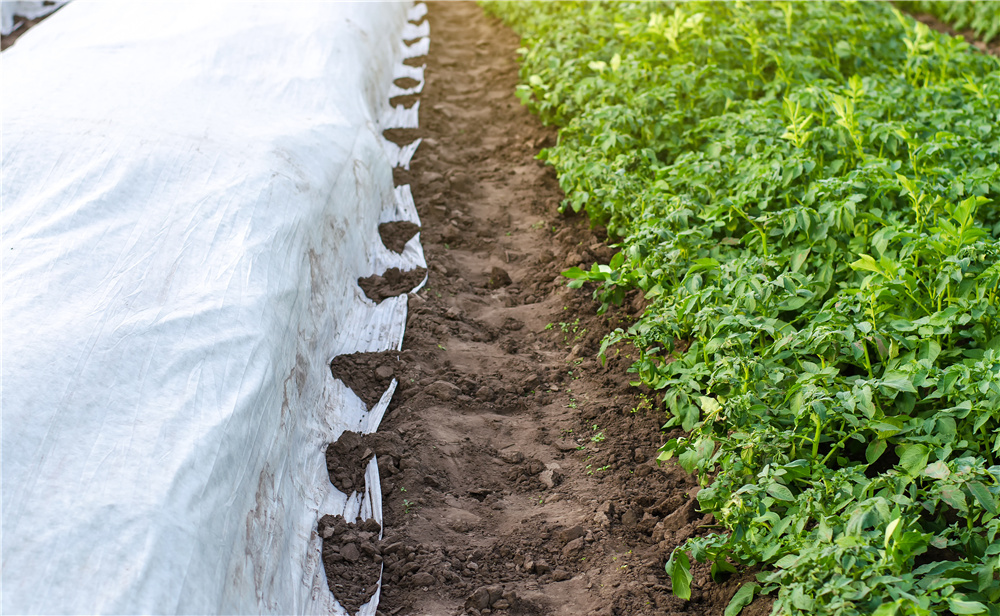
Agriculture Non Woven Fabric allows air and water to pass through while providing wind and cold protection by generating a microclimate around the crop. Furthermore, because nonwoven works as a physical protection media, it can assist prevent damage to crops, vegetables, and seeds from insects and birds. Nonwoven materials can assist regulate heat, UV blocker agriculture, while also providing superior air and water permeability.
In the global market for nonwoven fabric manufacturing machinery, China has evolved from a high-volume assembly hub to the primary epicenter of precision engineering and mechanical innovation. The core strength of Chinese suppliers lies not just in capital optimization, but in the dense integration of vertical supply chains. Factories located in industrial hubs like Zhejiang and Jiangsu have immediate proximity to specialized steel processing units, high-grade extruder manufacturers, precision slot-die calibrators, and advanced PLC automation engineers. This geographical consolidation minimizes logistics latency and fosters rapid iterative prototyping.
For global buyers, this translates to unmatched flexibility. Chinese manufacturers can custom-engineer lines that balance mechanical throughput with energy efficiency, conforming to both European CE safety guidelines and local environmental mandates. Pujiang HG Nonwoven Machinery stands at the vanguard of this paradigm, leveraging a Decade of dedicated R&D since 2014, backed by over 20 years of collective industry expertise to craft high-efficiency spunbond, meltblown, and composite S/SS/SMS/SMMS lines.
"By integrating advanced 5th-generation spinning technologies with autonomous control algorithms, contemporary Chinese nonwoven systems reduce power consumption by up to 15-20% compared to legacy setups, while guaranteeing structural web uniformity down to ±1.5% CV value."
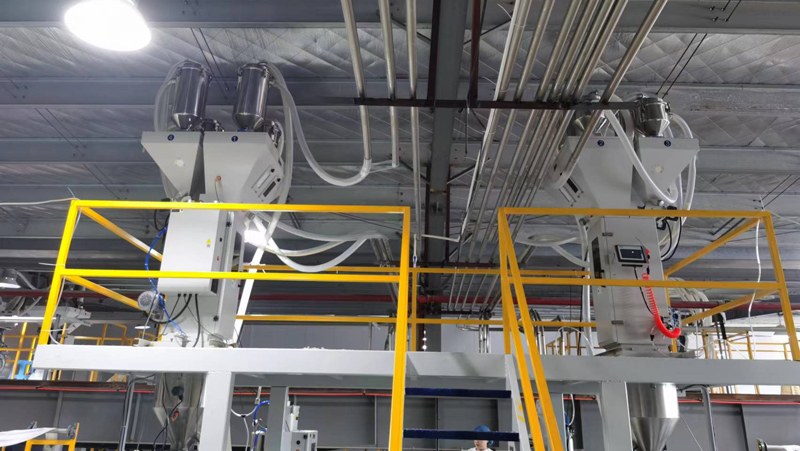
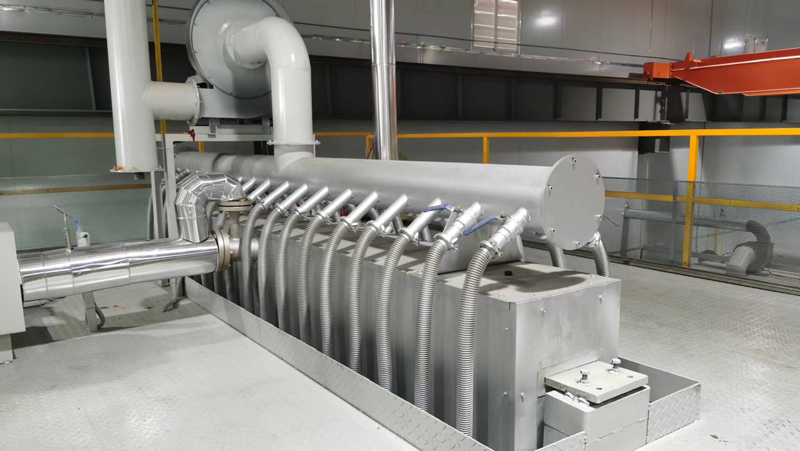
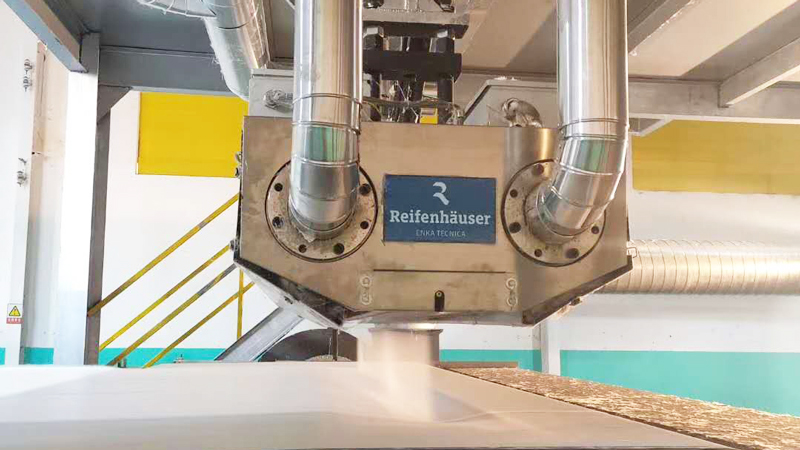
The engineering configuration of a modern spunbond line relies on the precise synchronization of polymer dosing, extrusion, filament drawing, web formation, thermal bonding, and winding. The transition from single-beam (S) to double-beam (SS) and multi-beam composite configurations (SMS, SMMS, SSMMS) represents a massive leap in technical capability:
Acquiring a commercial-grade nonwoven production line is a capital-intensive decision that dictates an enterprise's operating margins for the next 15 to 20 years. When evaluating suppliers, global procurement teams must analyze the total cost of ownership (TCO) rather than just the initial capital expenditure (CAPEX). Chinese manufacturers offer a highly competitive ROI profile by combining lower initial procurement costs with high-quality components (such as Siemens PLCs, ABB motors, and customized high-hardness calenders).
Additionally, HG Nonwoven Machinery mitigates transition risks by offering comprehensive project feasibility studies, mechanical layout blueprints, custom integration with auxiliary slitters or recycling systems, and a robust 24-month after-sales warranty period with guaranteed digital remote troubleshooting and on-site engineering deployments.
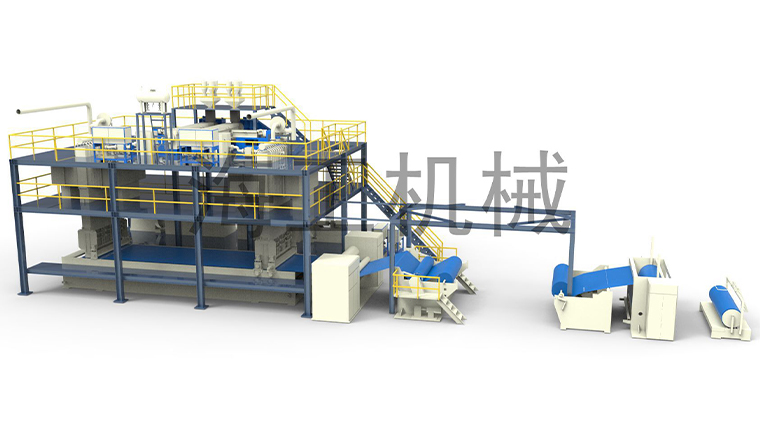
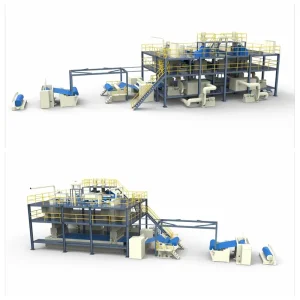
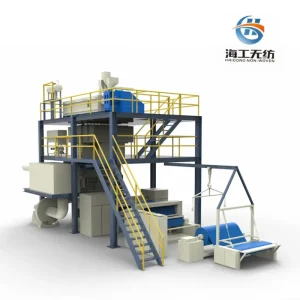
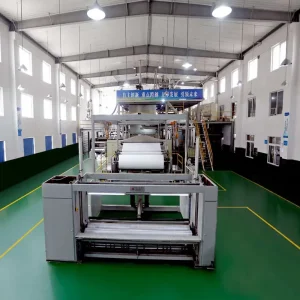
S/SS PP Nonwoven Fabric Making Machine
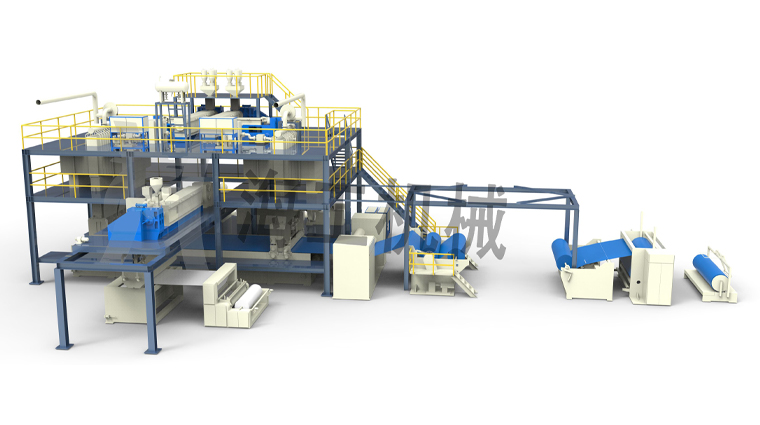
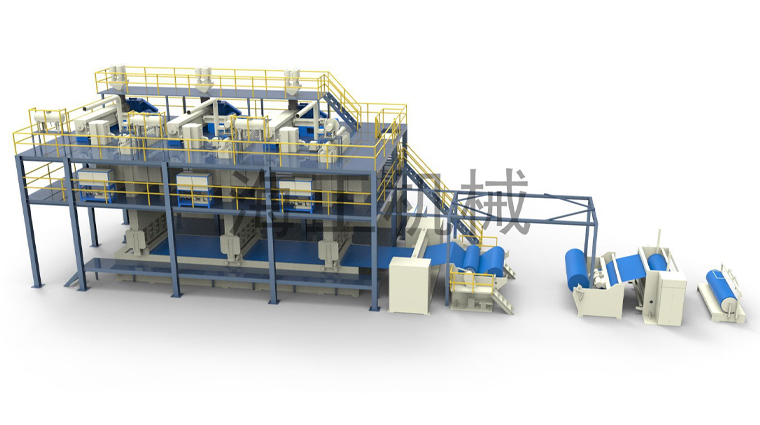
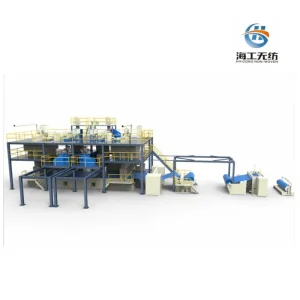
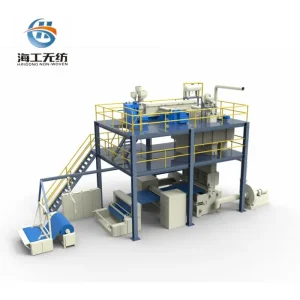
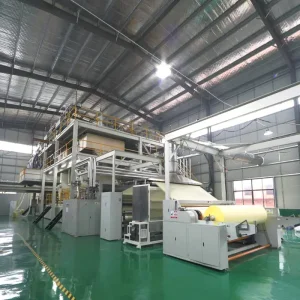
SMMS Nonwovens Production Machine
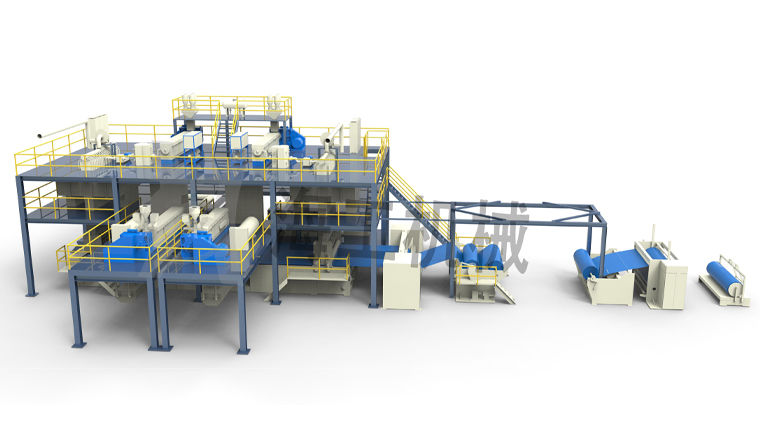
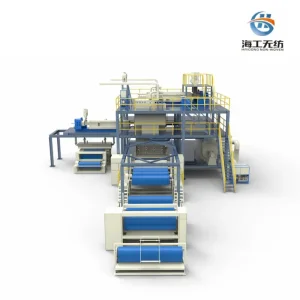
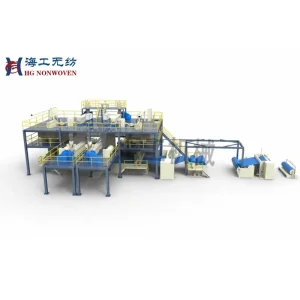
SSMMS Polypropylene Spunbond Nonwoven Production Line
Our company regards "high quality, good service" as our core tenet. By choosing us, you gain a reliable partner committed to helping you stand out in a highly competitive market. Contact us today to learn more about how to produce nonwoven fabrics economically, reliably, and sustainably.
We supply turnkey machinery lines designed to match the rigid quality criteria of top-tier medical and hygienic applications. Every step of our manufacturing—from drawing steel frames to finalizing the electronic configurations—is audited for precision. Our plants are optimized to ensure that the final nonwoven fabric rolls have high tensile strength, consistent GSM distribution, and zero polymer dripping defects.
The nonwoven manufacturing sector is undergoing a rapid transition driven by consumer demand and environmental legislation. Three macro trends are reshaping how machinery is engineered and configured:
Setting up a new factory or adding a new production line requires coordinated project management. An optimized installation cycle usually follows these phases:
An 'S' line uses a single spunbond beam to create a single web layer, suitable for simple packaging or agricultural covers. 'SS' lines feature two spunbond beams, resulting in double-layered webs that offer significantly higher tensile strength, softness, and uniformity. 'SMS' (Spunbond-Meltblown-Spunbond) lines add a meltblown die head between the two spunbond stations. This creates a composite fabric that combines the physical strength of spunbond filaments with the high-barrier filtration capabilities of meltblown microfibers, which is essential for surgical gowns and personal protective equipment.
The 5th-generation technology utilizes a more advanced slot-drafting system and optimized spinneret configurations. It allows for the production of finer filaments (down to 1.5 denier) at higher web-forming speeds, while reducing energy consumption. This generation also offers better control over the fabric's GSM distribution and physical characteristics, allowing operators to transition between different fabric types with minimal material waste.
With standard operation and routine maintenance, our machinery lines are engineered for a service life of over 15 to 20 years. Key mechanical components, such as extruder screws and calendar rolls, are manufactured using high-alloy steel and specialized surface treatments to minimize wear. We recommend routine weekly checks on electrical systems and filters, along with scheduled deep maintenance every six months to clean spinnerets and inspect pneumatic lines.
Yes, our lines can be configured to run Polylactic Acid (PLA) and other biodegradable or bio-sourced polymers. Because PLA has a lower thermal stability and different rheological characteristics than PP, we adjust the extruder screw design, temperature profiles, and drawing velocities to prevent degradation and ensure stable filament forming.
A standard 2.4-meter-wide SS spunbond line requires a physical building footprint of approximately 30 meters in length, 15 meters in width, and 12 meters in height to accommodate the spinning tower. Electrical power requirements typically range from 400 kW to 800 kW of connected capacity, depending on the number of extrusion beams and heating zones. Detailed plant engineering layout diagrams are provided during our turnkey planning phase.
An online thickness scanner travels continuously across the width of the moving web. If it detects a thin or thick spot, it sends real-time feedback to the central control system. The PLC then makes immediate micro-adjustments to the corresponding zone of the spinneret monomer feed or the speed of the drafting air blower, correcting the deviation within seconds to maintain web uniformity.
We provide on-site installation supervision and commission the line using our own engineers. Once the line is running, we provide hands-on operator training covering daily start-up, parameter tuning, spinneret maintenance, and emergency protocols. We also offer a 24-month comprehensive mechanical warranty and lifelong remote support via digital diagnostics.
Every step of production complies with ISO 9001 and CE directives. Raw materials are audited before machining, and critical components, such as spinnerets and calenders, undergo ultrasonic testing to verify structure. The entire line is dry-run at our plant during FAT before being packaged and shipped.
 HG NONWOVEN