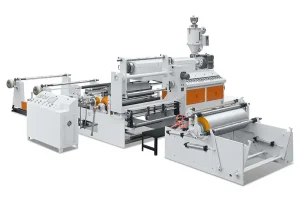
High-speed polypropylene, SMS composite, and performance-driven nonwoven extrusion manufacturing systems.
In the global market of nonwoven fabric production, selecting the right partner is not merely a purchasing transaction; it is a critical step towards building operational capacity, ensuring consistency, and achieving sustainable growth. As a premier China non woven spunbond fabric manufacturer, HG Nonwoven Machinery integrates foreign-engineered core concepts with indigenous innovations to deliver high-capacity machinery built to last.
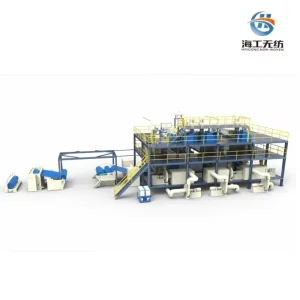
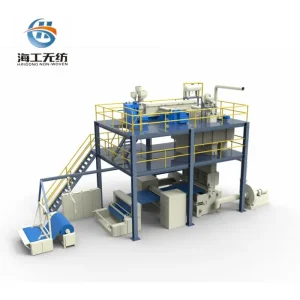
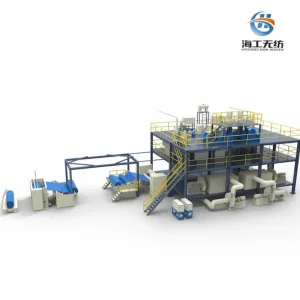
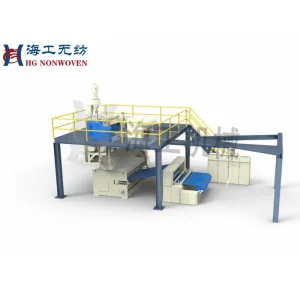
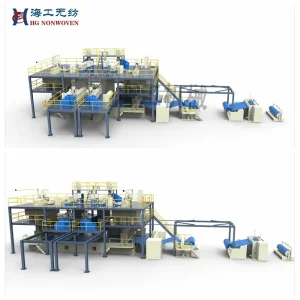
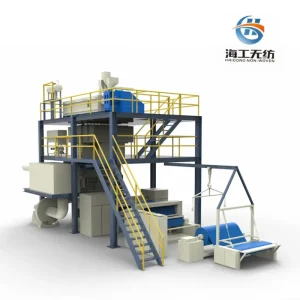
Our company focuses on the development, fabrication, and commissioning of turnkey PP spunbond, meltblown, and composite spunmelt (SMS, SMMS, SSMMS) machinery. Backed by decades of continuous R&D and over 300 successful production lines running worldwide, our plants are customized to balance investment costs with superior technical efficiency. By using our proprietary 5th Generation slot drafting spinning systems, operators can reduce energy metrics by 15-20% compared to legacy machinery while securing high tensile strength and uniform fiber web layout.
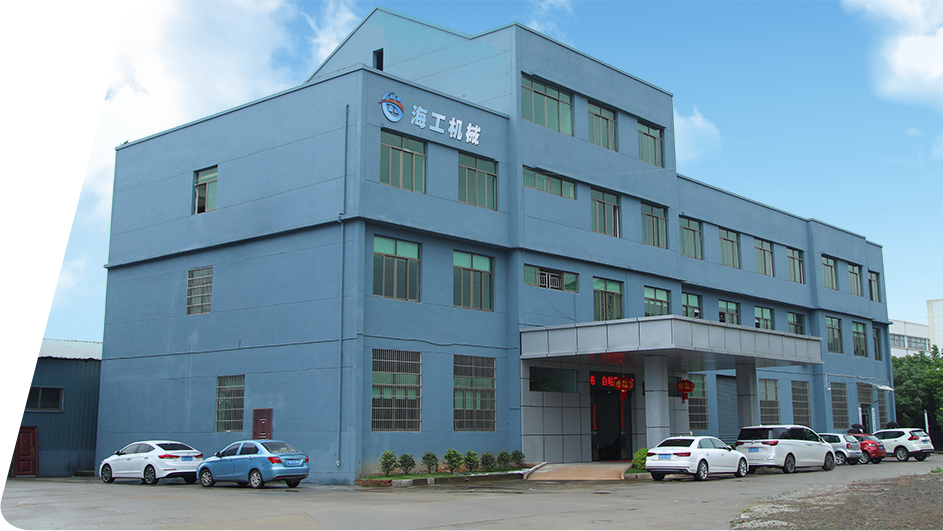
A decade of engineering excellence, designing automated machinery that shapes the global textile and medical manufacturing industries.
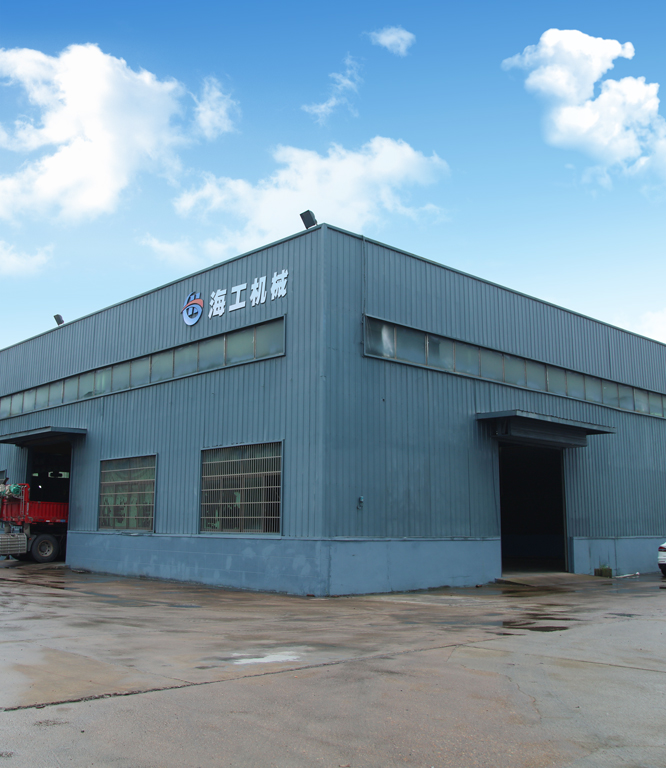

Established in 2014, Pujiang HG Nonwoven Machinery Co., Ltd. has risen to become a household name in the global technical nonwoven systems market. We recognize that producing nonwoven fabrics economically, reliably, and sustainably is the primary concern for modern high-output factories. Hence, we approach every design from a holistic mechanical perspective: optimizing screw speed, polymer pressure profiles, and air volume distribution to achieve unmatched output uniformity.
Our company regards "high quality, good service" as our core operating tenet. By choosing HG Nonwoven Machinery, you acquire a reliable engineering partner committed to making your factory standout in a competitive market. From layout drawings and infrastructure alignment to final commissioning, raw material formulation, and hands-on staff training, we support our clients at every developmental phase.
We deliver structural advantages that optimize operational expenditure (OPEX) and improve product quality metrics.
Our machinery is meticulously designed to incorporate the latest aerodynamic drafting tech, achieving maximum extrusion efficiency with minimal energy input. We construct bespoke setups to align perfectly with your factory footprint and budget.
Leveraging our decades of industry data, we assist clients in conducting localized market demand assessments. We help establish comprehensive project feasibility reports detailing raw material sources, energy costs, and ROI margins.
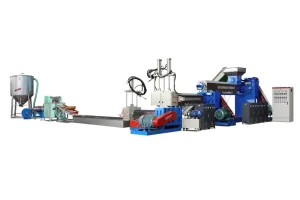
Beyond main PP nonwoven fabric making machines, we supply all auxiliary systems: fabric recycling machinery, slitting machines, flexographic printing machines, lamination machines, and nonwoven bag-making plants. A single source for all hardware assets.
Post-installation, our engineers provide complete on-site operational training. We provide a full 24-month warranty support system, supplemented by digital predictive diagnosis systems, keeping downtime minimal and productivity continuous.
Our best-selling systems engineered to produce elite-grade nonwoven roll goods.
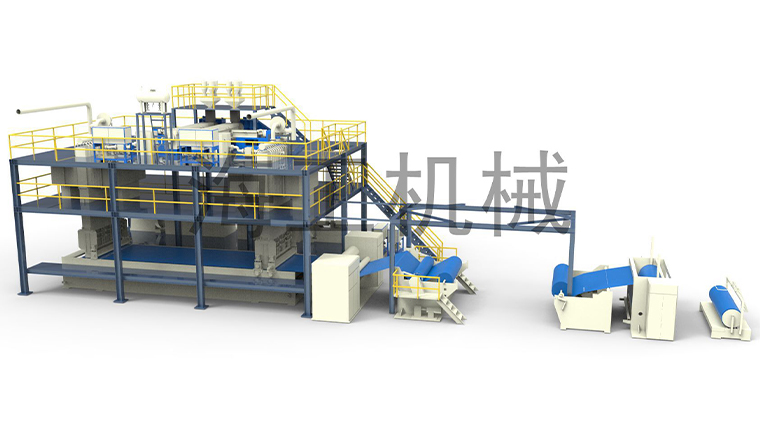
Ideal for high-strength shopping bag production, upholstery backing, spring pocket covers, and agricultural microclimate crop covers.
Request Details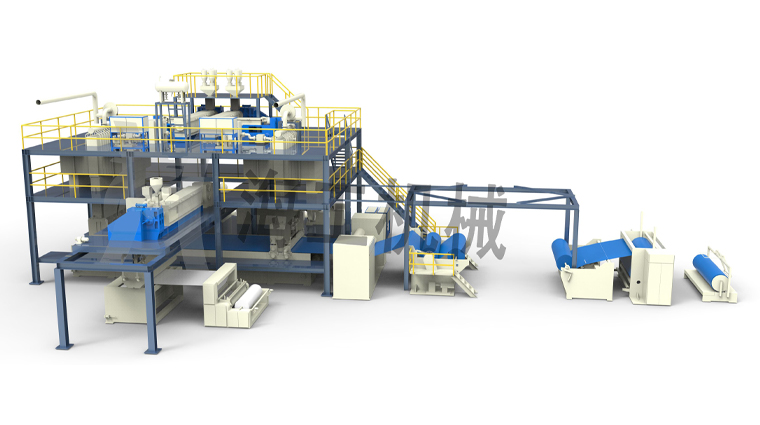
Dual spunbond and meltblown integration. Crucial for producing surgical gowns, medical drapes, and high-efficiency protective face wear.
Request Details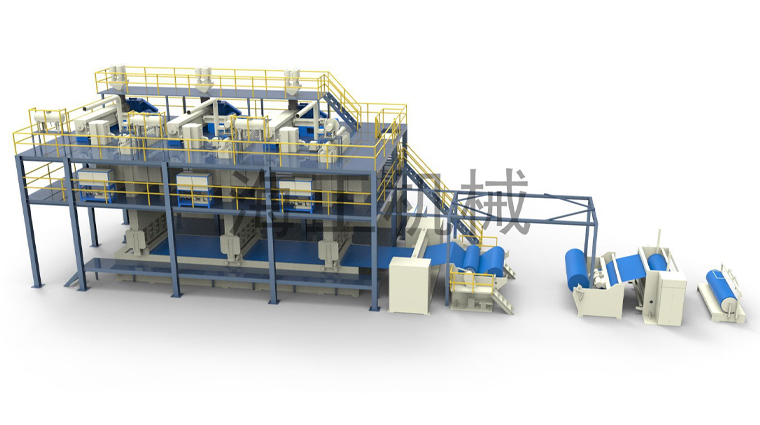
Incorporates four layers of web distribution, offering a superior hydrostatic head barrier and fine aerosol filtration compared to base SMS systems.
Request Details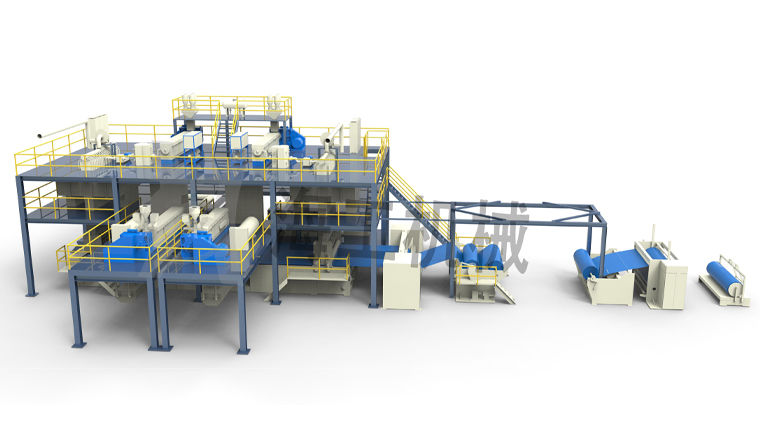
Designed for medical/hygiene applications demanding ultra-soft tactile feel, extreme breathability, and reliable viral barrier properties.
Request DetailsWe help engineers and business leaders select and deploy optimized setups matching precise sector specifications.
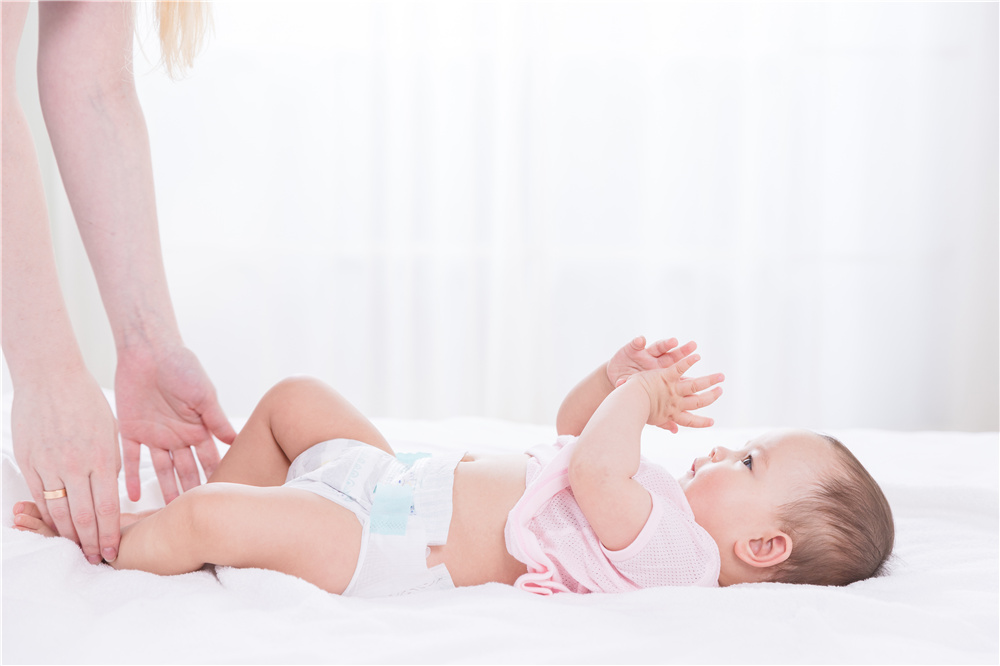
High loft, supreme softness, and ultra-fast liquid absorption metrics. Indispensable for baby diapers, adult incontinence garments, and feminine hygiene pads.
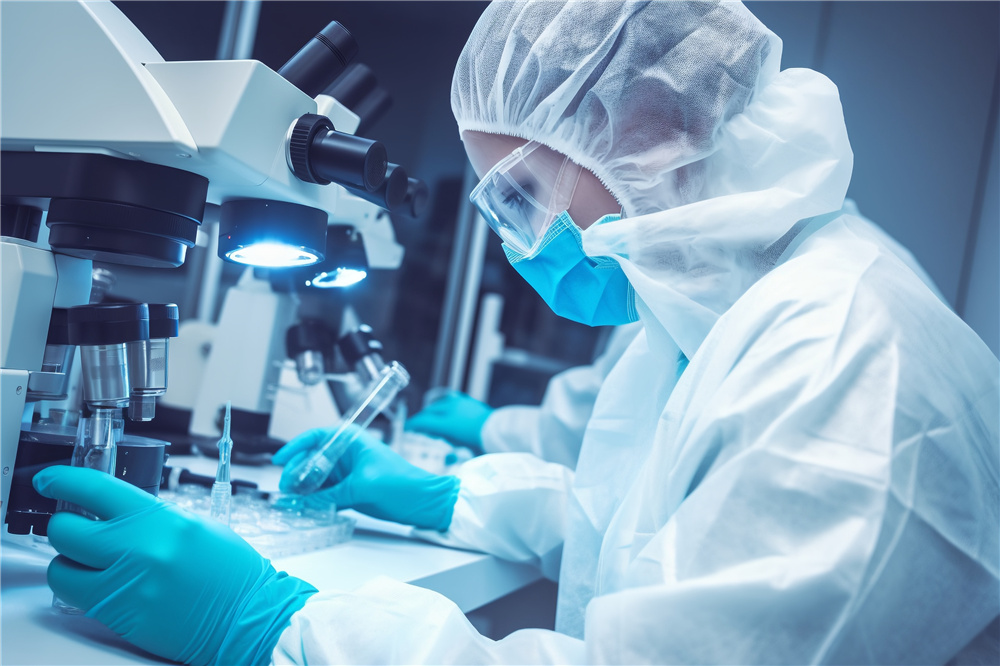
High filtration efficiency combined with reliable fluid repellency. Crucial for surgical masks, protective hoods, sterile wrap sheets, and physician garments.
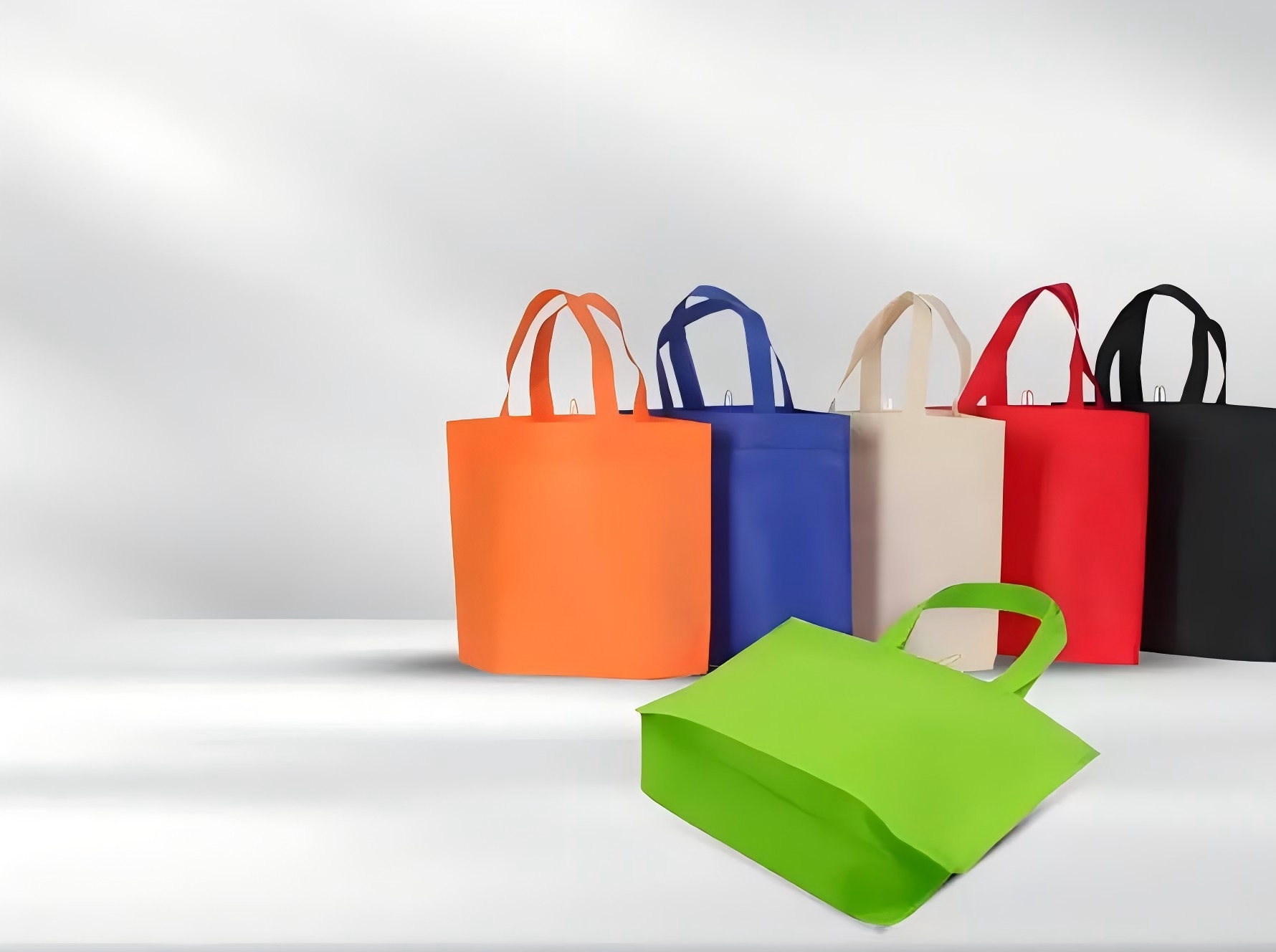
Optimum tensile properties, abrasion resistance, and surface printability. Extensively used in heavy-duty shipping bags, garment sleeves, and protective cases.
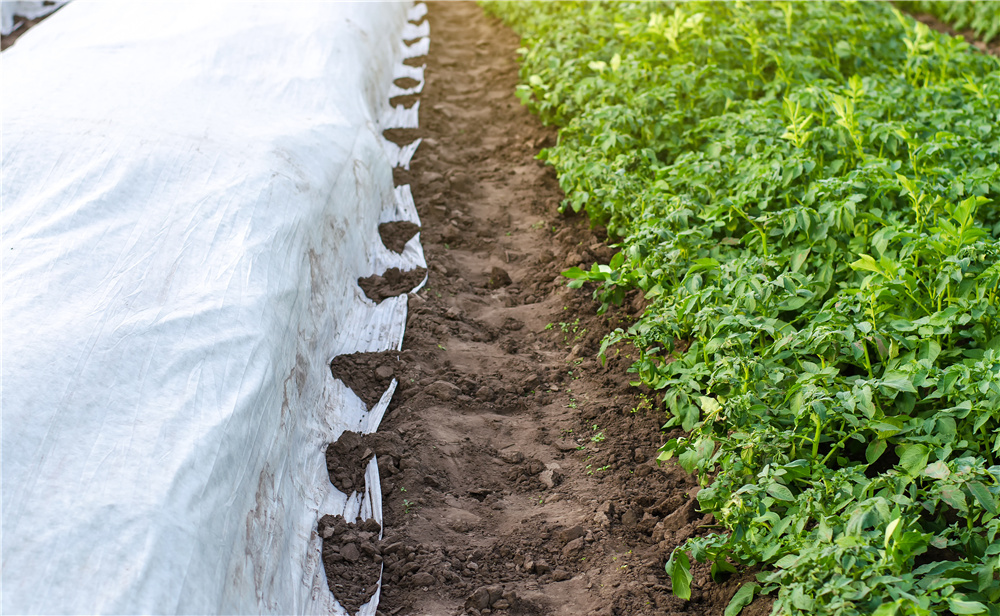
Engineered with high UV stabilizers. Offers air/water permeability, frost shielding, and physical barrier against crop pests and weather elements.
The global market for nonwoven fabrics is experiencing a profound technological transformation, driven by two primary forces: the demand for sustainable raw materials and the requirement for high-speed, automated production systems. Spunbond technology, which accounts for the largest market share in the nonwovens industry, utilizes thermoplastic polymers (primarily Polypropylene, Polyester, and Polyethylene) to extrude continuous filaments, draft them aerodynamically, and bond them thermally using heated calenders.
Key trends changing the industry landscape include:
Procuring a nonwoven production line represents a significant capital investment. Corporate buyers, particularly in North America, Europe, and the Middle East, encounter specific procurement hurdles:
At HG Nonwoven Machinery, our technological roadmap is defined by continuous improvement in fiber uniformity and operational energy reduction. Our 5th Generation design introduces several improvements over traditional tube drawing systems:
Optimized Melt Extrusion & Filtration: The polymer melt flows through a high-precision dosing pump and a continuous screen changer. Specially designed spinneret plates feature optimal hole densities, assuring uniform polymer pressure at each capillary.
Aerodynamic Slot Cabin Drawing: Instead of separate tubes, a wide, single-slot cabin draws the filaments. High-pressure air from the cooling unit attenuates the filaments evenly, producing fibers with high molecular orientation and excellent tensile properties in both machine direction (MD) and cross direction (CD).
Advanced Thermobonding Calendering: Precision-ground heated steel rolls with custom embossed patterns bond the web. High-precision heating systems maintain a surface temperature tolerance within ±1°C across the entire roller face, avoiding unbonded spots or weak points.
To maintain high reliability, HG Nonwoven Machinery has established a comprehensive global after-sales and localization framework. We deploy experienced engineers to install systems directly on-site, providing complete mechanical, electrical, and operational training.
Additionally, our digital remote monitoring system enables our engineering team in China to diagnose program faults, optimize PLC parameters, and recommend maintenance actions in real-time, eliminating the need for expensive and slow on-site technician dispatches for software adjustments.
Clear answers to crucial engineering, operational, and procurement questions.
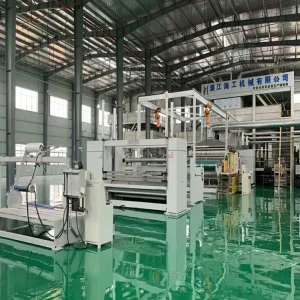
Visualizing the manufacturing precision and advanced assembly lines behind every machine shipped.
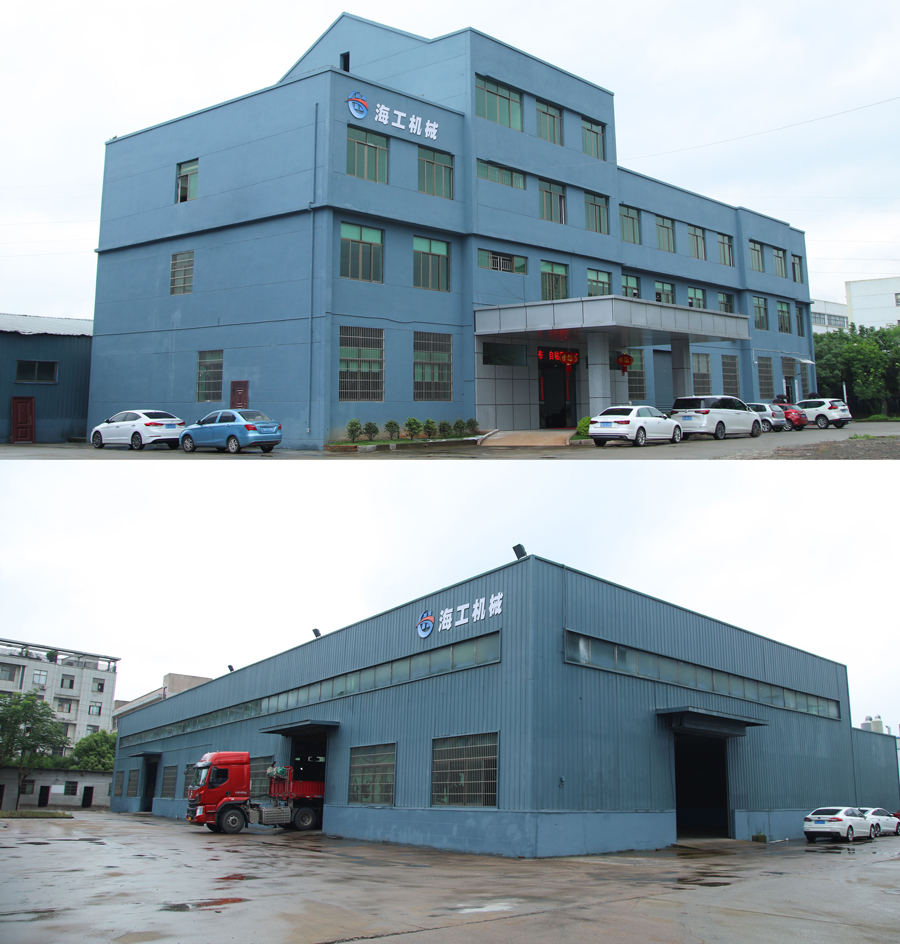
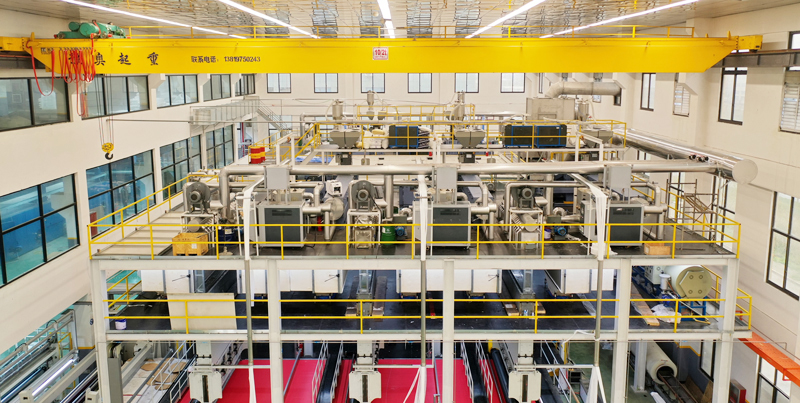
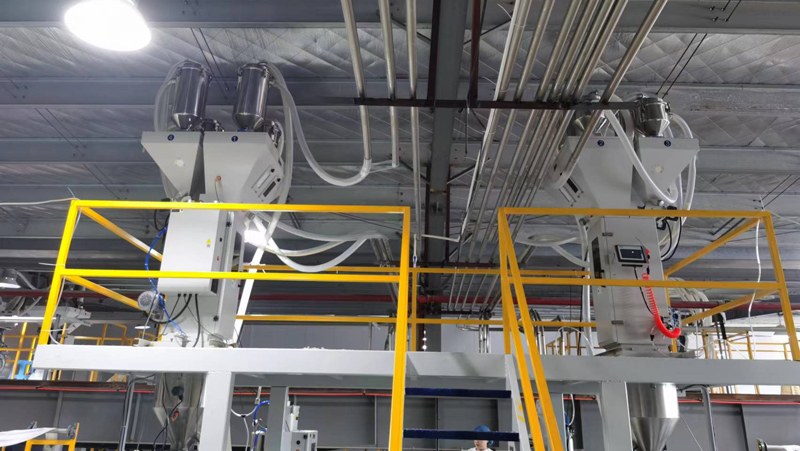
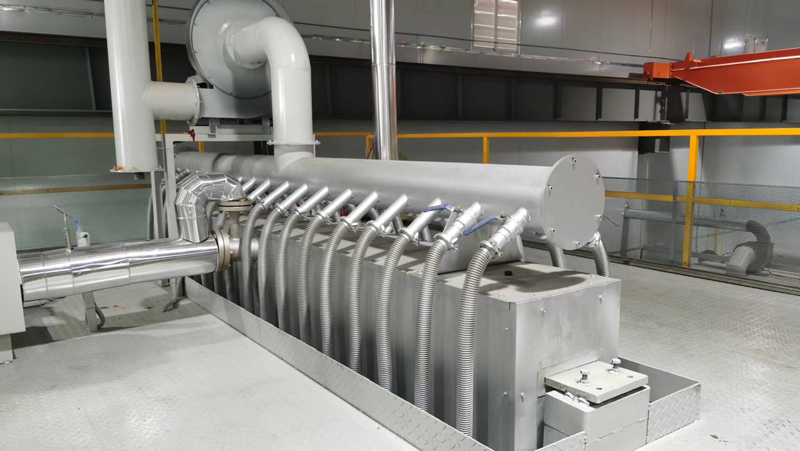
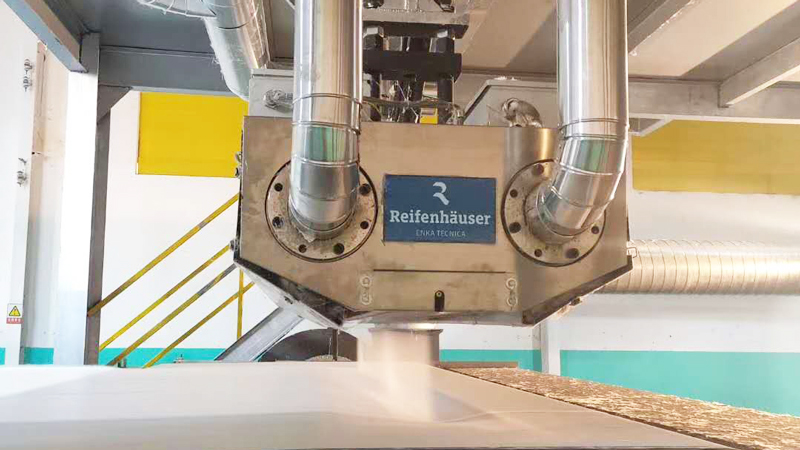
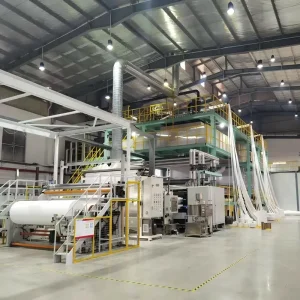
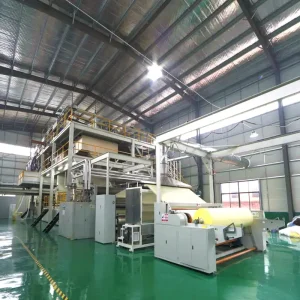
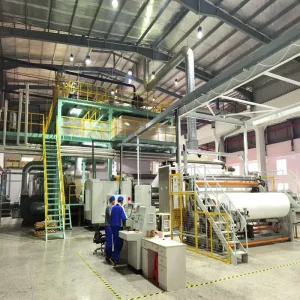
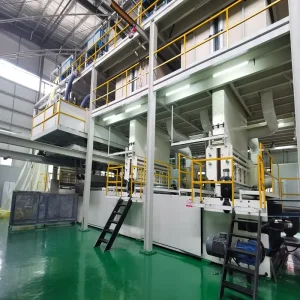
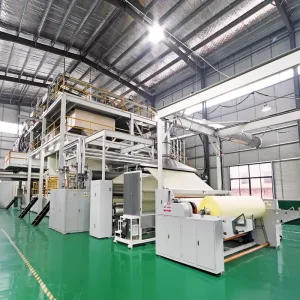
Industrial-scale integration showing extruder lines, draw units, calendering rollers, and automatic roll winding stations.
Discover our specialized nonwoven fabric extrusion lines, recycling plants, and thermal laminators.
 HG NONWOVEN