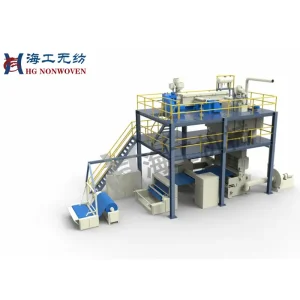
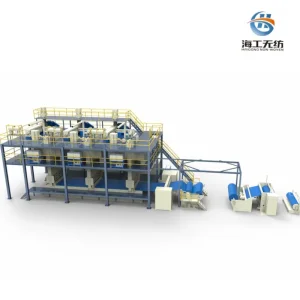
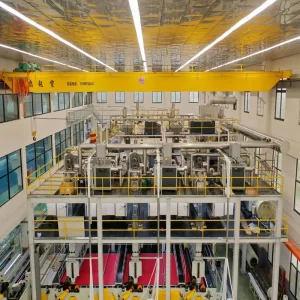
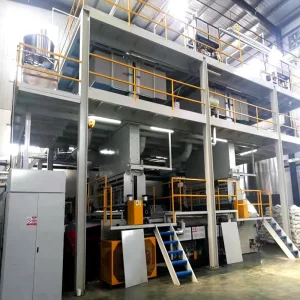
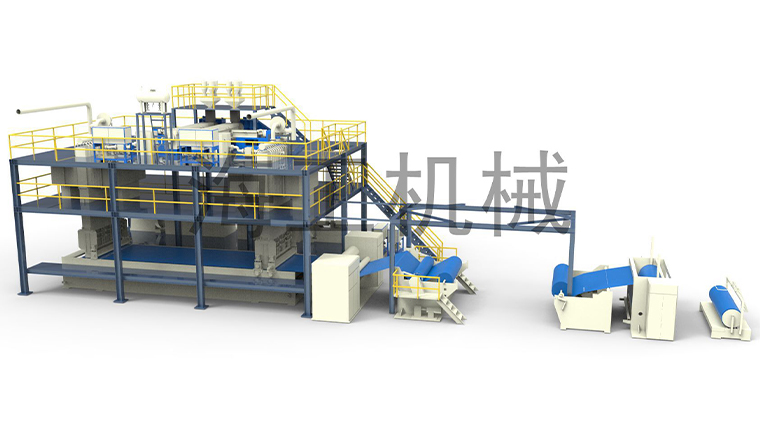
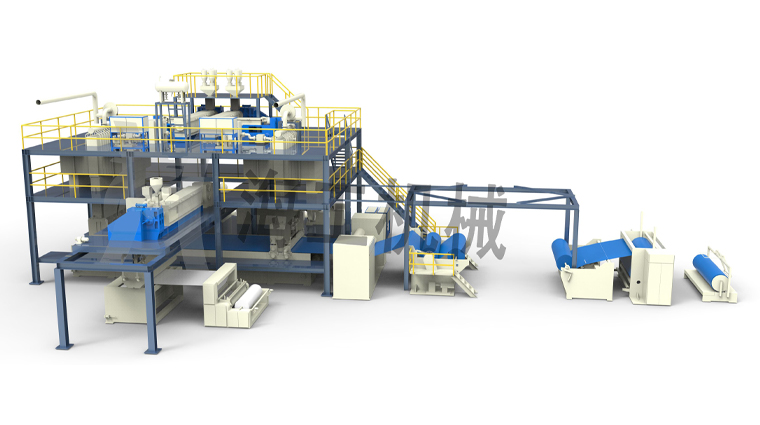
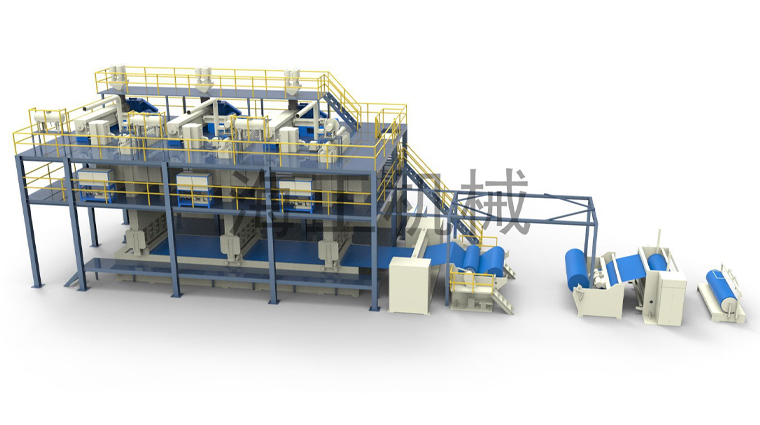
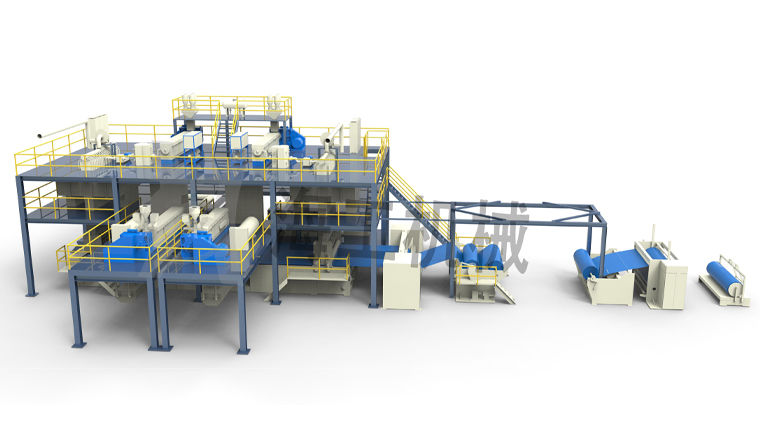
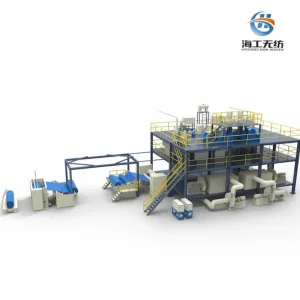
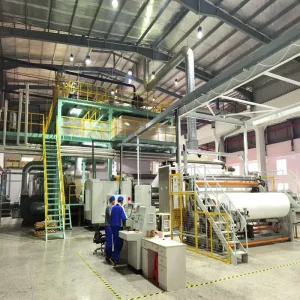
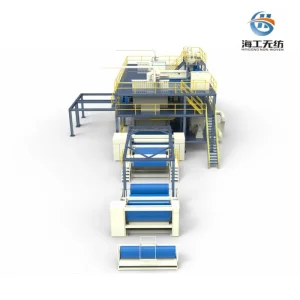
Explore our primary high-output manufacturing lines and industrial waste recycling granulators. Engineered to achieve maximum material efficiency and minimize ecological footprints.
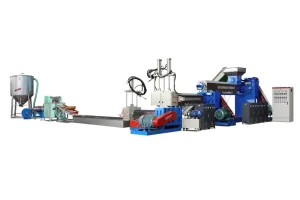
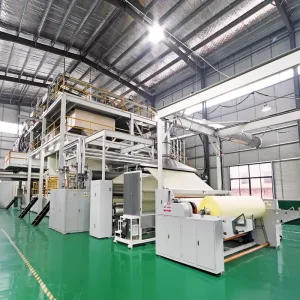
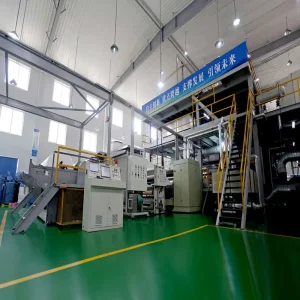
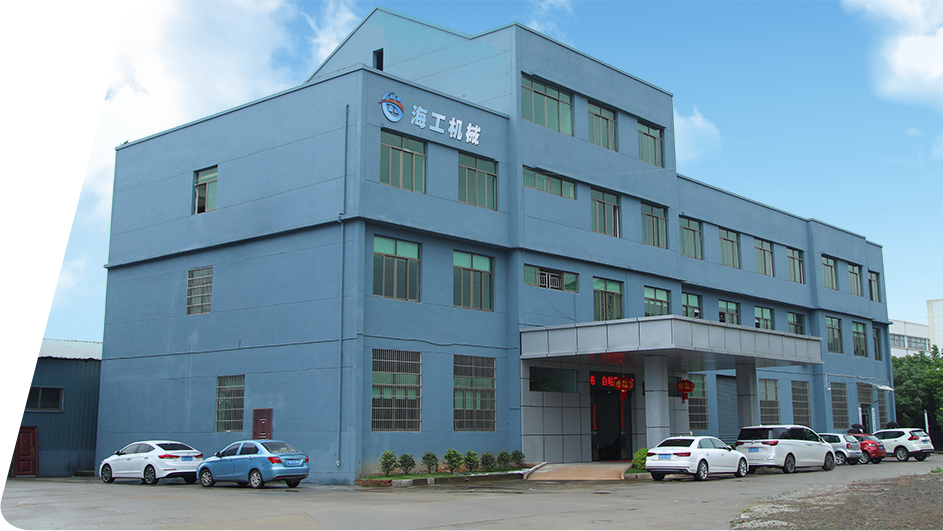
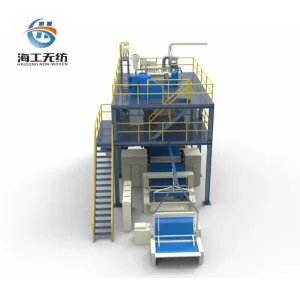
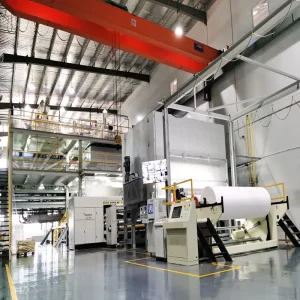
Pujiang HG Nonwoven Machinery is a well-known nonwoven fabric making machine manufacturer since 2014, specializing in manufacturing PP spunbond, meltblown, and composite nonwoven fabric making machines with complete turnkey engineering services.
We introduced advanced design concepts, specifically our 5th Generation spunbond spinning technology, from overseas and integrated them with our proprietary innovations to match real-world global market demands. As a result, HG nonwoven fabric making machines are characterized by highly convenient operations, space-saving layouts, minimal power consumption, exceptional throughput, and low operational costs.
Our engineering focus is dedicated to manufacturing high-performance, eco-friendly, and biodegradable spunbonded nonwoven fabrics. We believe in providing robust systems that help global companies pivot towards circular manufacturing models by converting inline production scrap into high-value raw material through advanced recycling technologies.
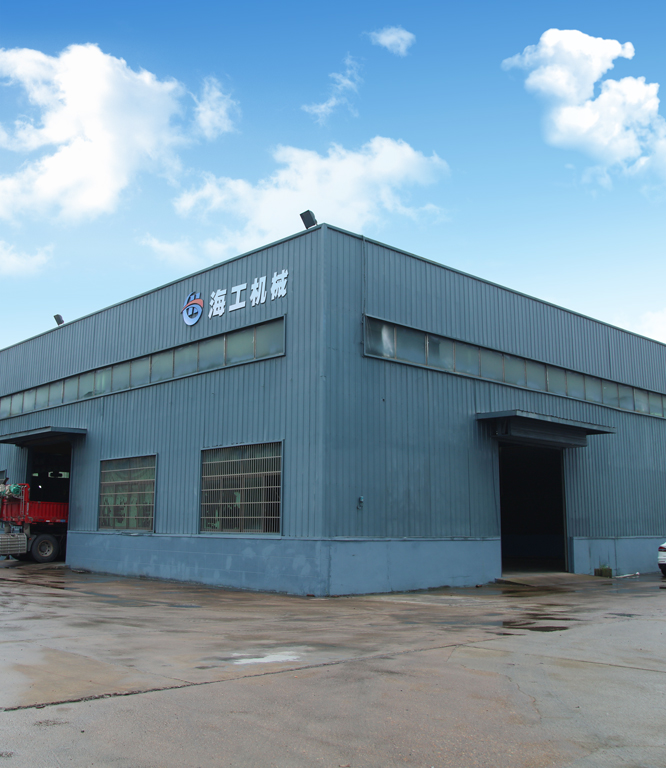
Analyzing mechanical recovery mechanisms, polymeric flow optimization, and the operational resilience of Chinese industrial manufacturing.
In modern industrial manufacturing, polypropylene (PP), polyethylene (PE), and polyester (PET) nonwoven fabrics represent a substantial portion of global polymer consumption. Fields ranging from healthcare and agricultural barriers to hygiene and geotextiles generate significant volumes of post-industrial scrap during slitting, edge-trimming, and product changeover. Managing this waste efficiently is no longer just a regulatory requirement; it is a critical driver for cost competitiveness and operational sustainability.
Traditional waste processing methods such as simple incineration or external waste disposal represent significant financial losses. Industrial players are increasingly implementing closed-loop, inline mechanical recovery systems. These systems convert edge trims and off-spec material directly back into processable granules. Using these granules alongside virgin resins maintains the mechanical properties of the end product while significantly reducing costs.
Mechanical recycling of nonwoven fabrics requires precise control to prevent thermal degradation of the thermoplastic polymers. High-efficiency recycling lines utilize a coordinated thermal-mechanical process:
| Recycling Parameter | Traditional Recycling Extruders | HG 5th Gen Integrated Recycling & Granulation Systems |
|---|---|---|
| Thermal Degradation Rate | High (due to high shear and localized overheating) | Very Low (optimized low-shear screw with precise PID temperature control) |
| Melt Flow Index (MFI) Retention | Fluctuates by >15%, causing spinning instability | Maintained within ±5% variation, suitable for direct spunbond blending |
| Energy Consumption | 0.45 - 0.60 kWh/kg | 0.28 - 0.35 kWh/kg (due to thermodynamic regeneration) |
| Filtration Accuracy | Manual mesh changers (often >120 µm) | Automatic continuous backflush filtration (down to 40 µm) |
As the global hub for nonwoven machinery production, China's Yangtze River Delta and surrounding industrial zones offer unmatched supply chain integration. The concentration of component manufacturers—ranging from specialized metallurgy for extruder screws to advanced electrical control systems (such as Siemens and Omron integrations)—allows manufacturers like HG Nonwoven Machinery to source, assemble, and test machines rapidly. This local ecosystem reduces lead times by up to 40% compared to Western counterparts.
This geographic concentration creates significant cost-to-performance advantages. Chinese manufacturers deliver advanced engineering solutions—such as turnkey SSMMS composite spunbond-meltblown production lines and matching recycling granulators—at fraction of the capital expenditure required elsewhere, while maintaining strict European CE quality standards.
The next phase of nonwoven fabric recycling focuses on smart factory integration. Future lines will feature real-time MFI monitoring, automated material sorting based on near-infrared (NIR) spectroscopy, and dynamic extrusion speed adjustments that respond to variations in bulk density. These technologies will enable factories to process complex multi-layer composites (such as SMS and SMMS) without manual intervention, bringing the industry closer to the goal of zero-waste manufacturing.
Our company regards "high quality, good service" as our core operating principle. By choosing us, you gain a reliable partner committed to helping you stand out in a competitive global market.
Our machines are meticulously designed and incorporate the latest technology to ensure maximum production efficiency with minimal energy consumption. We also offer customized solutions to ensure our machines align perfectly with your unique operational needs.
Leveraging our extensive experience in the nonwoven industry, we provide comprehensive local market analyses and project feasibility reports to help you minimize risks and maximize return on investment.
In addition to our core PP nonwoven fabric making machines, we offer a complete suite of supporting equipment, including nonwoven recycling machines, slitting lines, flexo printing units, lamination systems, and bag-making machines.
Following installation, our technical teams provide comprehensive operator training. We back all systems with 24 months of on-site and remote engineering support to keep your production lines running reliably.
Our engineering expertise spans hygiene, medical protection, advanced packaging, and microclimate agriculture. Find the production line configuration that fits your target market.
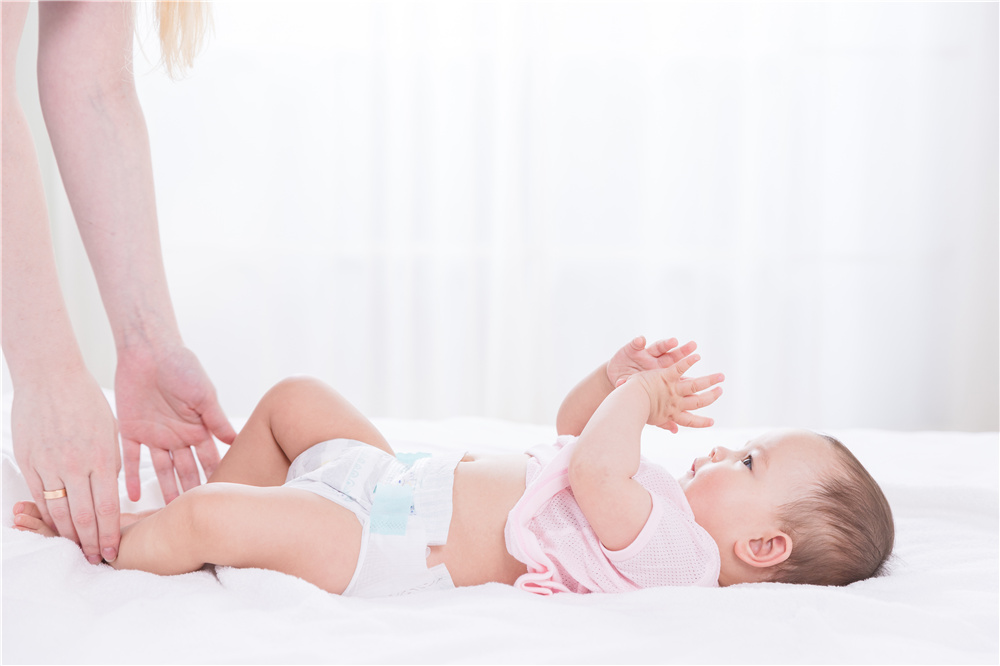
Non-woven fabric is essential in the hygiene sector, offering breathability, softness, and excellent fluid management for comfort and protection. It quickly absorbs liquid and keeps it away from the skin, making it ideal for paper diapers, incontinence pads, and feminine hygiene products.
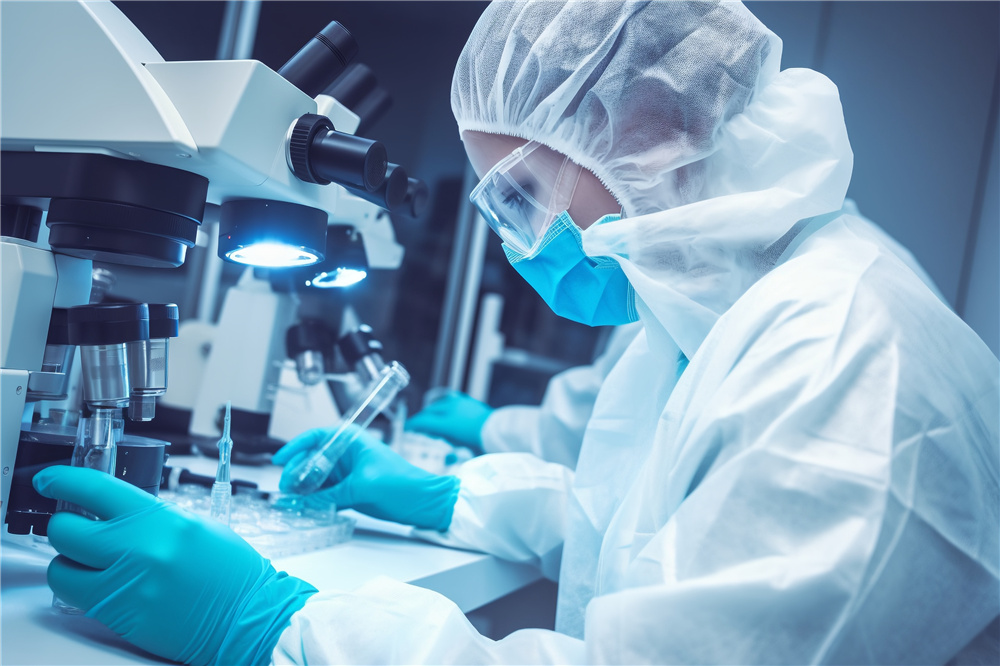
Nonwovens fabrics are extensively used in the medical field and in protection against biological agents in other sectors. They deliver critical safety properties, such as prevention against infections and diseases. They are essential for making face masks, surgical gowns, bed sheets, and surgical towels, ensuring effective filtration, protection, and comfort.
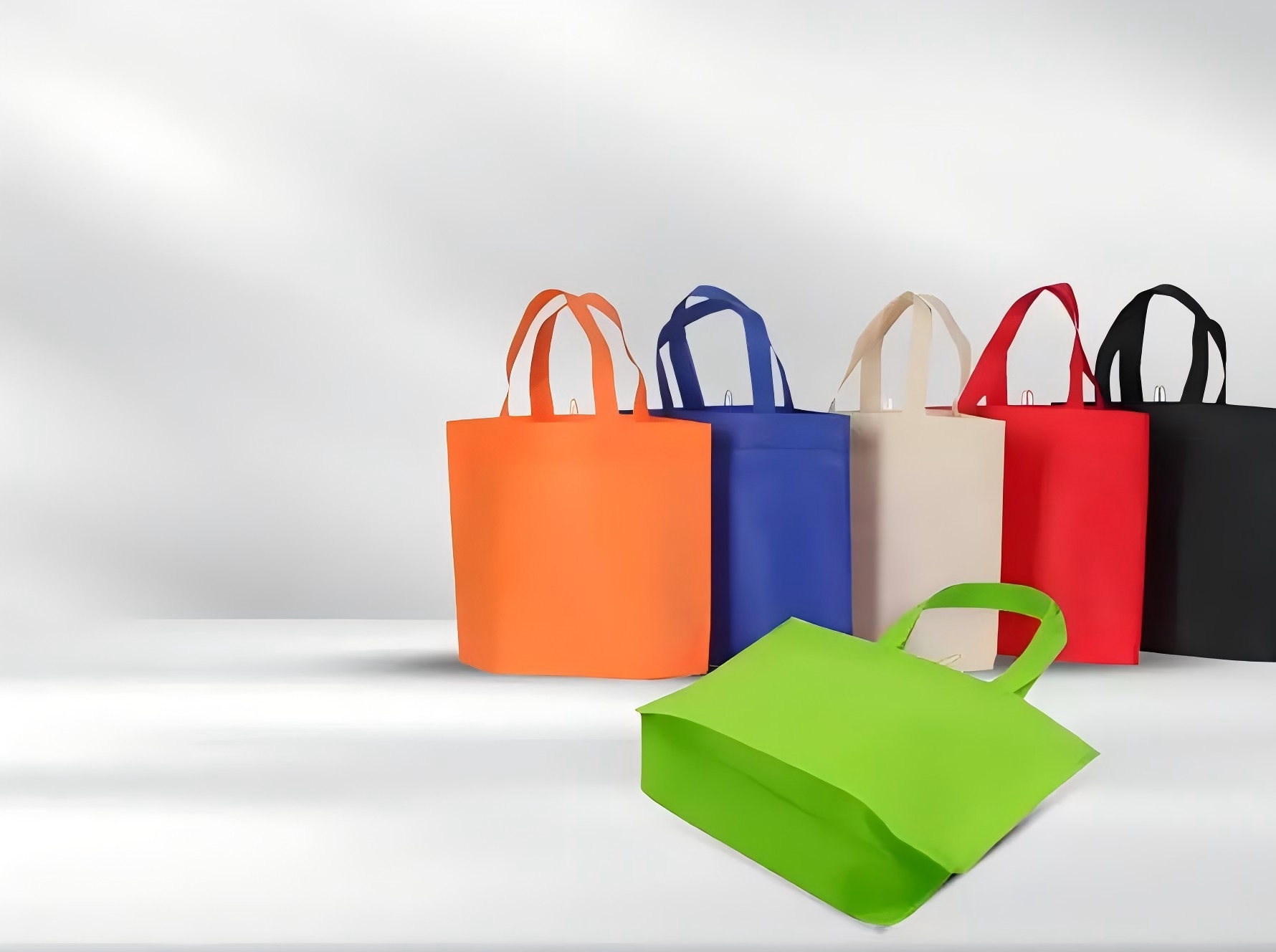
Nonwoven fabric is ideal for a variety of packaging end-uses, as their exceptional lightweight, their energy-efficient production, shipping and storage, and their long life and robustness allow for two important features: volume reduction and re-usability. It is widely used for shopping bags, fruit bags, garment bags, rice bags, pocket springs, garment interlining, as well as packaging for pharmaceuticals and cosmetics, among other applications.
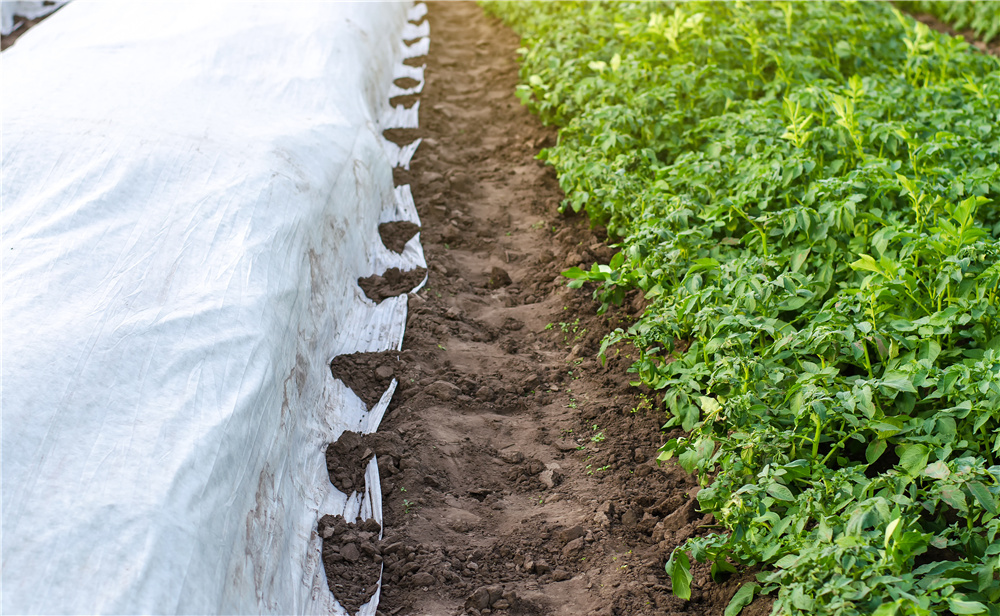
Agriculture Non Woven Fabric allow air and water to pass through while providing wind and cold protection by generating a microclimate around the crop. Furthermore, because nonwoven works as a physical protection media, it can assist prevent damage to crops, vegetables, and seeds from insects and birds. Nonwoven materials can assist regulate heat, UV blocker agriculture, while also providing superior air and water permeability.
Our best-selling industrial configurations, designed to maximize throughput and ensure high product quality.
Clear, engineering-focused answers to standard questions about nonwoven manufacturing, polymer recycling systems, and procurement logistics.
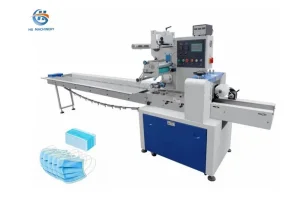
Complete list of auxiliary machines, flow packaging machinery, and custom multi-beam lines for global factories.
 HG NONWOVEN