Explore our high-performance manufacturing solutions engineered for global industrial applications. Direct factory configuration with turnkey services.
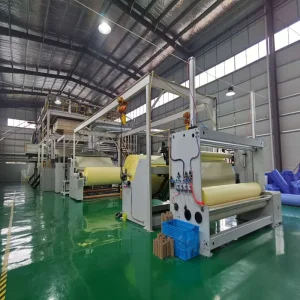
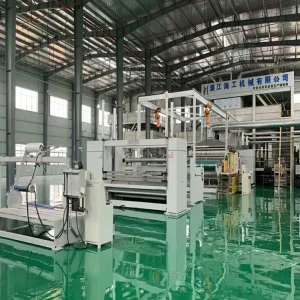
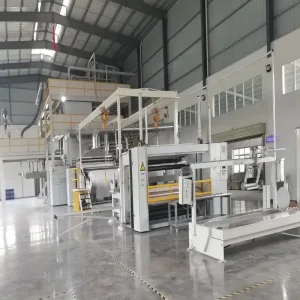
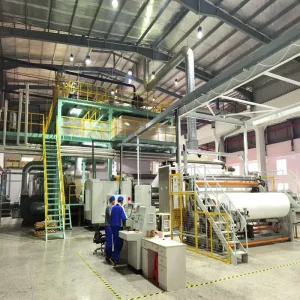
In the modern industrial manufacturing sector, synthetic nonwoven fabrics have become an indispensable cornerstone. Primarily synthesized from polypropylene (PP), polyester (PET), or polyethylene (PE), these materials provide critical structural utility across fields like hygiene, healthcare, agriculture, and high-performance filtration. The technology powering this industry—most notably Spunbond (S, SS, SSS) and Meltblown Composite (SMS, SMMS, SSMMS) lines—demands massive initial capital expenditures. Consequently, evaluating the China non woven fabric manufacturing machine price is no longer just a purchasing step; it is a critical strategy for global manufacturing enterprises to balance ROI, efficiency, and reliability.
Globally, nonwoven machine setups are undergoing a technological transition. While legacy lines consumed disproportionate amounts of electrical power and suffered high raw material waste, modern 5th-generation configurations emphasize energy recovery, closed-loop raw material recycling, and high-speed multi-beam design. By analyzing production capabilities, automation levels, and local factory variables, procurement managers can unlock significant competitive advantages.
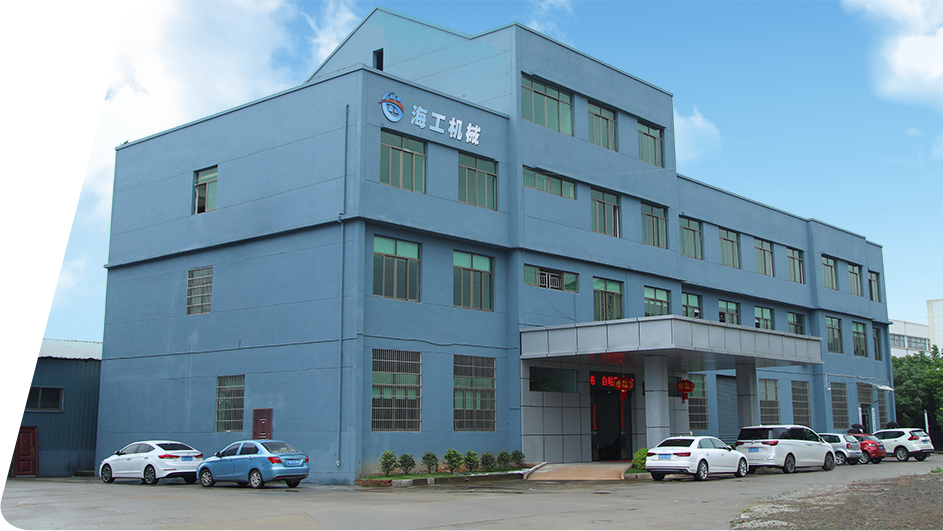
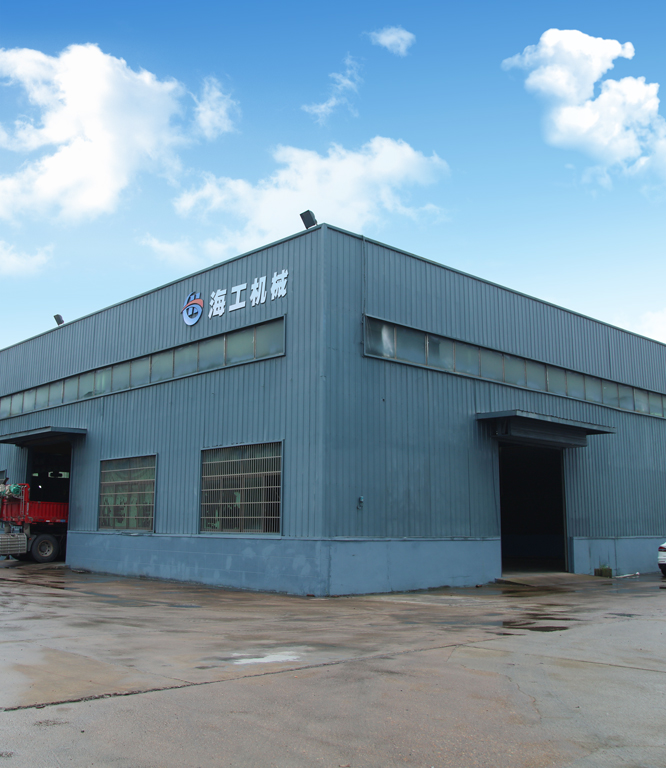
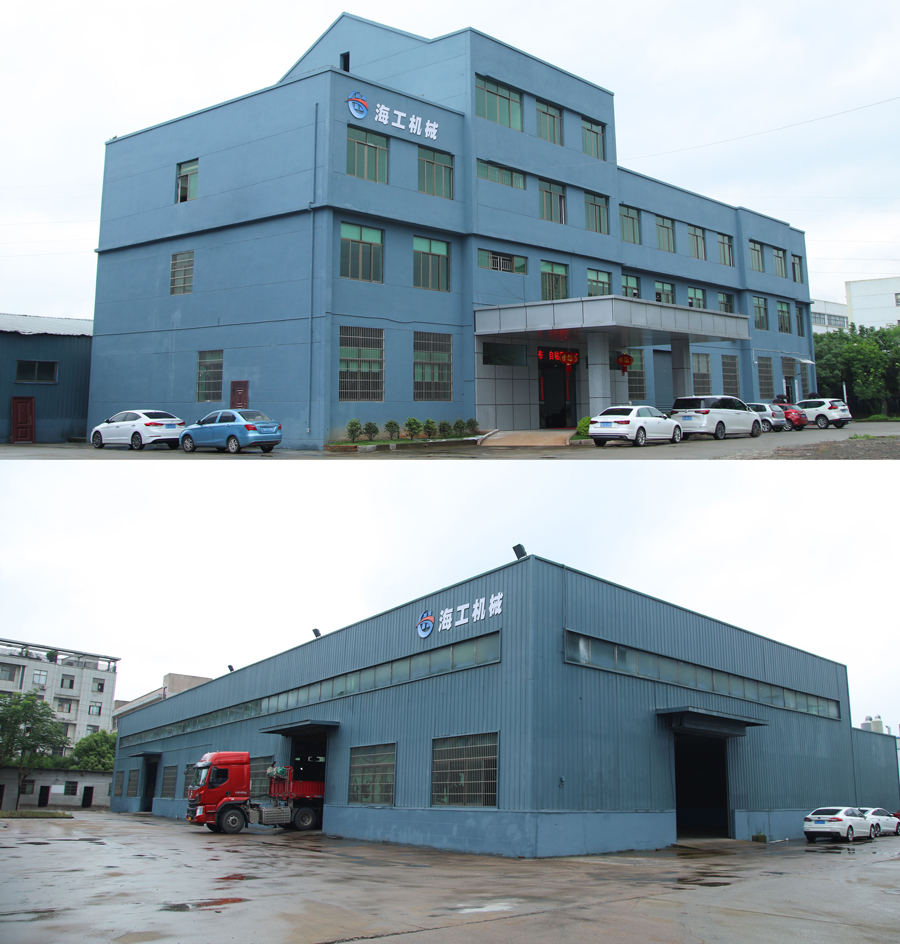
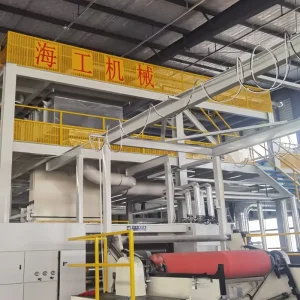
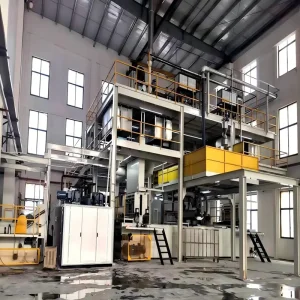
HG Nonwoven Machinery (Pujiang HG Nonwoven Machinery Co., Ltd., established in 2014) stands at the forefront of nonwoven machine design. By introducing and refining advanced 5th Generation spunbond spinning technology concepts from overseas, we have successfully developed high-capacity, low-energy production setups.
Our machines are specifically designed to require smaller footprints, operate at lower overall utility costs, and guarantee a uniform fabric gram-weight distribution down to 10 gsm. Through meticulous material selection, advanced CNC fabrication, and integrations with premium global automation components, we deliver robust machinery lines that allow regional manufacturers to thrive even under strict environmental and economic constraints.
"We regard high quality and good service as our principal tenets. Partnering with HG enables global buyers to produce nonwoven fabrics economically, reliably, and sustainably, ensuring high competitive advantage."
Providing end-to-end operational capacity, project feasibility analysis, and global support structures.
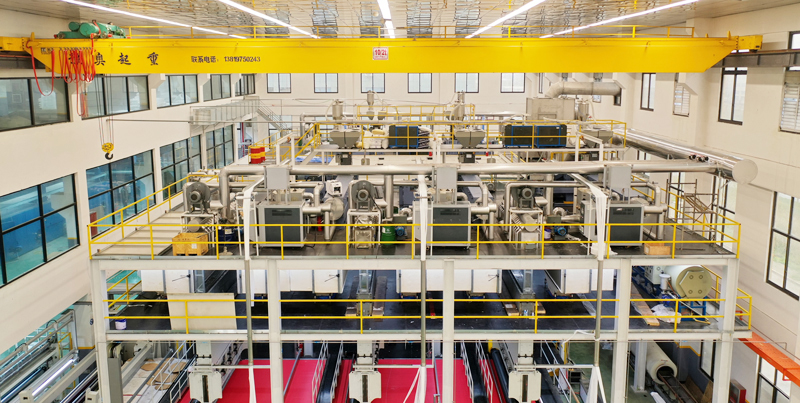
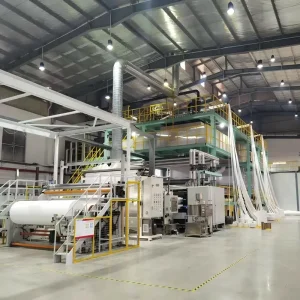
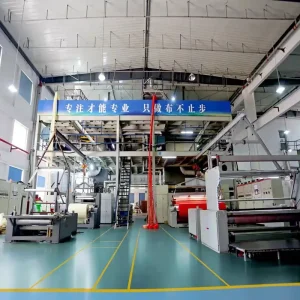
Our lines incorporate structural precision to maximize efficiency and reduce power draw. Custom beam structures ensure fabric aligns perfectly with requirements.
We provide regional market analyses, detailed ROI modeling, and site structural evaluations to assist buyers in preparing project feasibility reports.
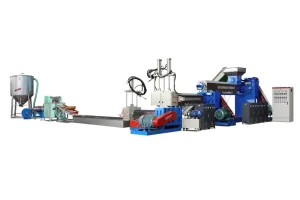
Beyond main extruders, we source and configure slitting machines, flexo printers, off-line laminators, bag makers, and edge trim recycling units.
We deliver exhaustive operational training, 24-month comprehensive warranties, and rapid on-site maintenance to keep lines running continuously.
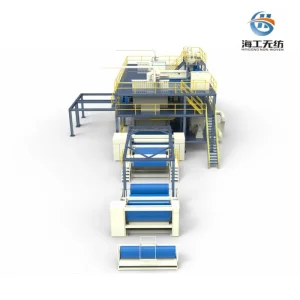
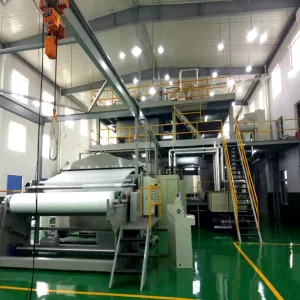
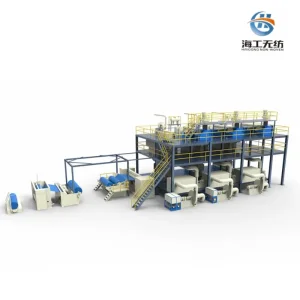
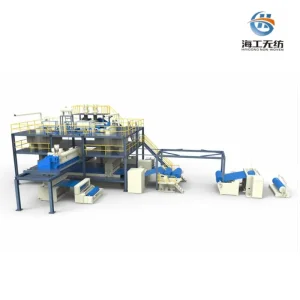
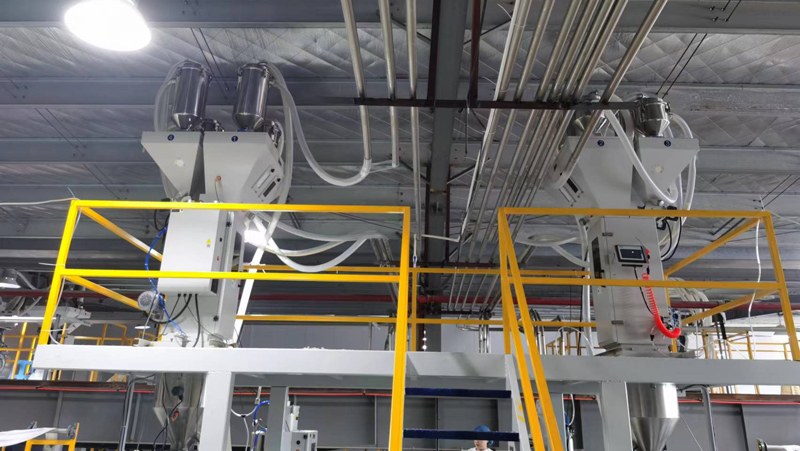
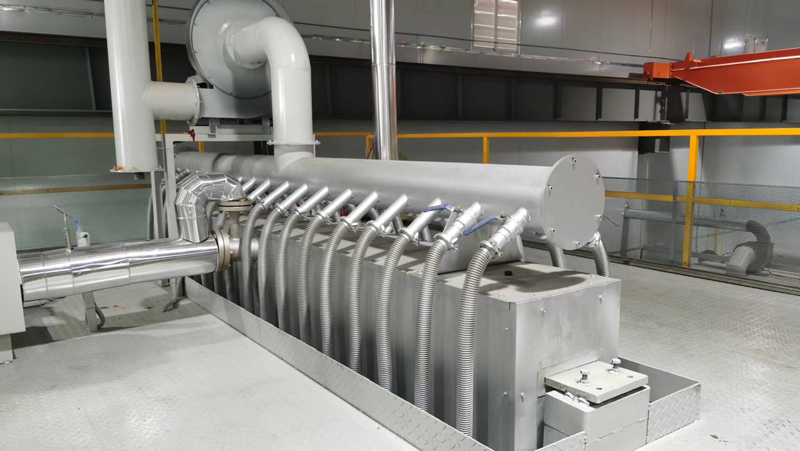
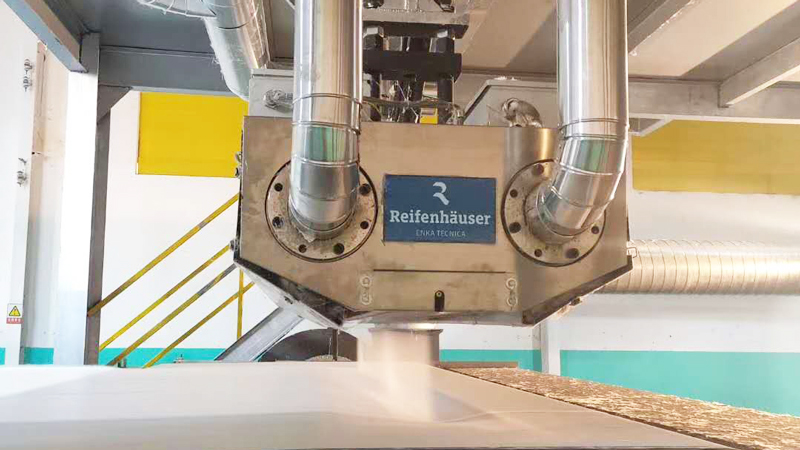
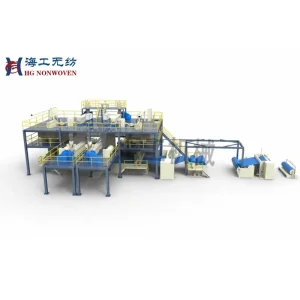
Understanding the price structure of nonwoven fabric machinery requires assessing the engineering components that determine the machine's speed, stability, and final product quality. A standard configuration involves raw material dosing systems, high-speed extruders, spinnerets, continuous quenching chambers, tension-controlled drafting systems, web formers, calendar thermal bonders, and automatic turret winders.
Key cost drivers include:
| Machine Model Type | Standard Width Options | Filament Fineness (dpf) | Typical Gram-Weight Range | Primary Application Areas |
|---|---|---|---|---|
| S / SS Spunbond Line | 1600mm, 2400mm, 3200mm | 1.8 - 2.2 denier | 10 - 150 gsm | Shopping bags, pocket spring covers, agricultural crop protection |
| SSS High-Speed Spunbond | 2400mm, 3200mm | 1.5 - 2.0 denier | 8 - 100 gsm | Hygiene back-sheets, top-sheets, diaper leg cuffs |
| SMS/SMMS Composite | 2400mm, 3200mm | SB: 1.8-2.2 / MB: 2-4 µm | 12 - 80 gsm | Surgical gowns, sterilization wraps, medical face masks |
| SSMMS Premium Line | 3200mm | SB: 1.5-2.0 / MB: 1-3 µm | 10 - 70 gsm | Premium medical barrier protective wear, high-end diapers |
These configurations represent our most sought-after machinery designs, favored by top-tier nonwoven manufacturers for their reliability and performance.
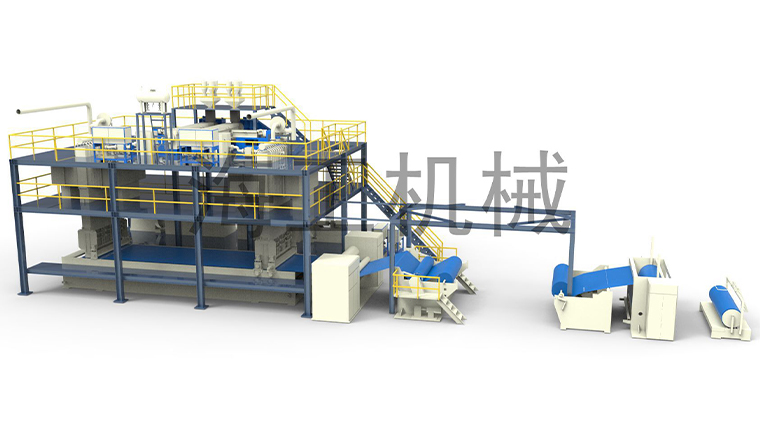
Ideal for packaging nonwoven bags, furniture construction, and agricultural crop covers. Features high throughput and low operational overhead.
View Product Line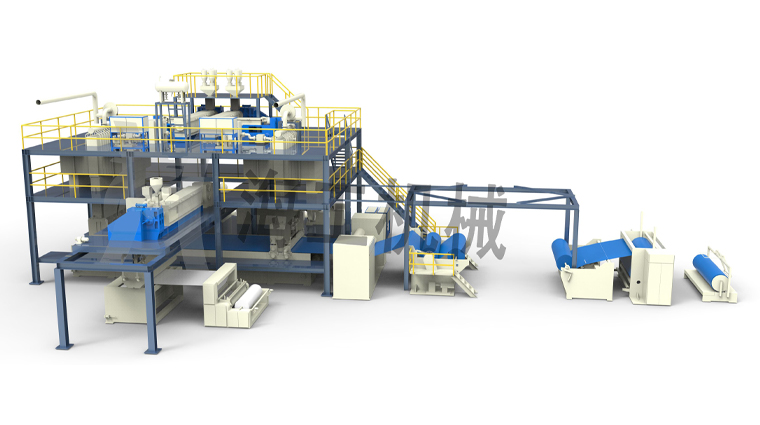
Specifically designed for hygiene products and medical applications. Exceptional barrier properties combined with high tensile strength.
View Product Line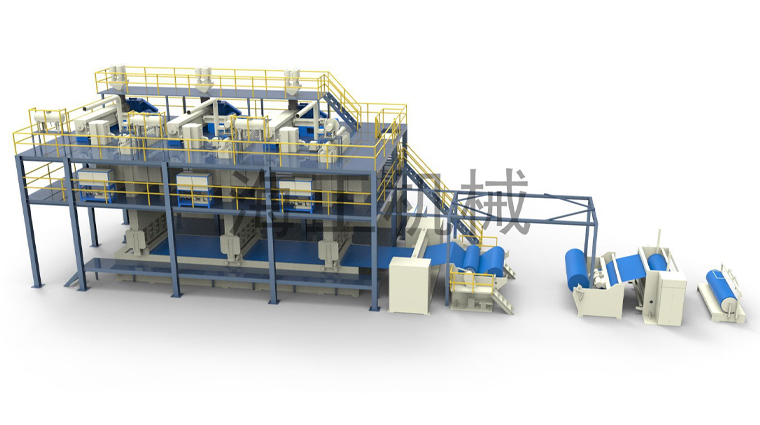
4-layer composite architecture providing significantly higher filtration efficiency and dust holding capacity than standard SMS lines.
View Product Line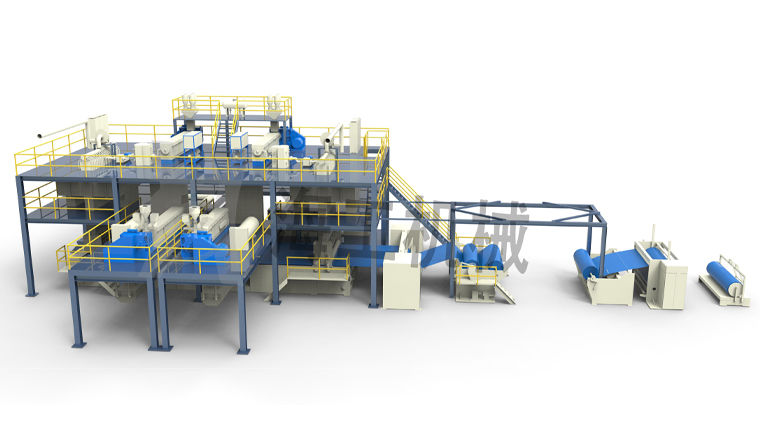
Advanced medical grade machinery. Provides barrier properties while maintaining softness and drape comfort for surgical environments.
View Product LineUnderstanding end-user requirements ensures the configured machinery aligns with market demands, boosting profitability.
When international buyers research the China non woven fabric manufacturing machine price, comparing capital expense (CAPEX) with operational expense (OPEX) is essential. A lower purchase price from a factory utilizing older technology can result in higher energy bills, frequent down-times, and lower-quality output.
To structure a high-performance sourcing strategy, global enterprises should verify the following components:
In-depth responses from HG Nonwoven engineering specialists concerning configurations, pricing, and project deployment.
The price varies significantly depending on the design width, operating speed, and number of spinning beams. A basic Single Beam (S) spunbond line starts at approximately $80,000 to $150,000 USD. High-speed double beam (SS) and triple beam (SSS) lines range from $180,000 to over $450,000 USD. Large-scale multi-beam composite configurations, such as SMS or SSMMS medical-grade lines with integrated meltblown extruders, can range from $500,000 to over $1,200,000 USD depending on automation level and components.
Our 5th generation spunbond technology incorporates an aerodynamic drafting and closed-air quenching system. This stabilizes the air volume, reducing the electrical load on the main blower motors by 20-30% compared to legacy setups. In addition, it improves melt drawing speeds, producing finer fibers (1.5 - 1.8 denier) that yield high tensile strength even at lower gram weights.
A standard 2400mm SS spunbond line requires a minimum ceiling height of 10.5 meters to accommodate the vertical gravity feeding system, extruders, spinning beams, and drafting channels. The plant floor must be reinforced concrete to support the calender assembly without vibration. Additionally, a steady electrical substation (minimum 400 KVA capacity), industrial cooling water circulation, and compressed air systems must be planned prior to delivery.
Depending on regional raw material pricing and local energy rates, most operations achieve full ROI (Return on Investment) within 14 to 24 months. Factors like on-site waste recycling (returning edge trim back into the extruder feed loop) and maintaining high operational efficiency help control costs and accelerate profitability.
We offer full engineering packages: pre-shipment layout check, on-site supervision, calibration, and complete electrical debugging. We provide 24 months of on-site and digital diagnostic service to ensure your technicians can operate and optimize the line independently.
From custom S/SS configurations to high-barrier composite lines and auxiliary recycling units, our range covers the entire operational cycle.
 HG NONWOVEN