Explore our premium grade PP spunbond, meltblown, and composite nonwoven fabric production lines customized for maximum throughput and structural integrity.
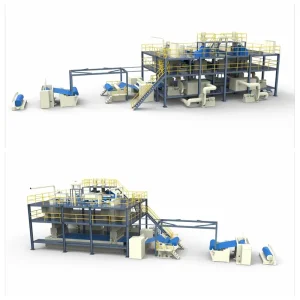
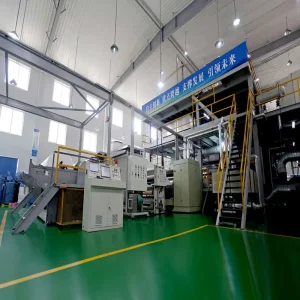
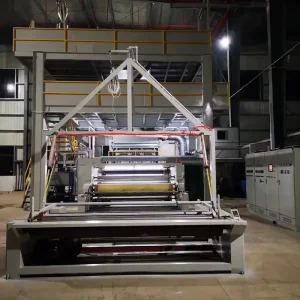
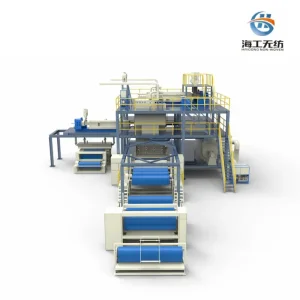
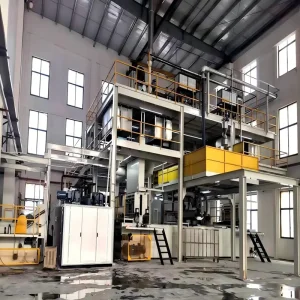
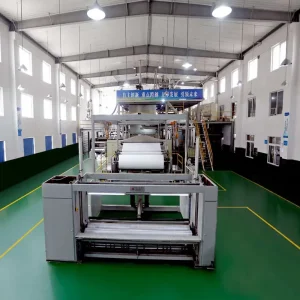
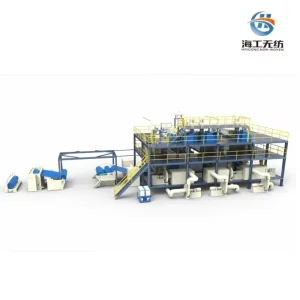
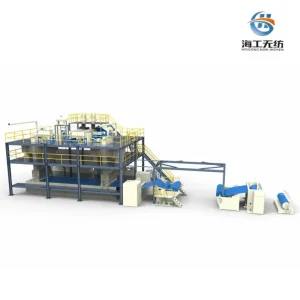
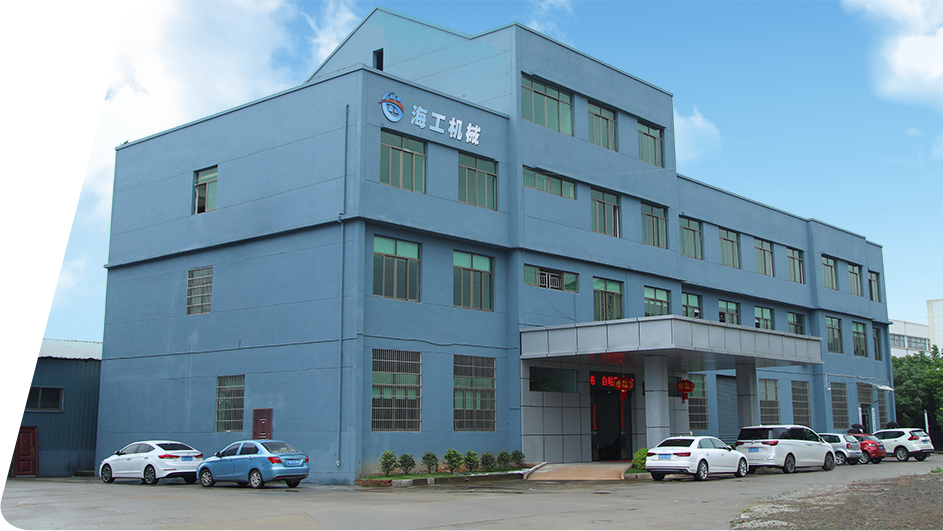
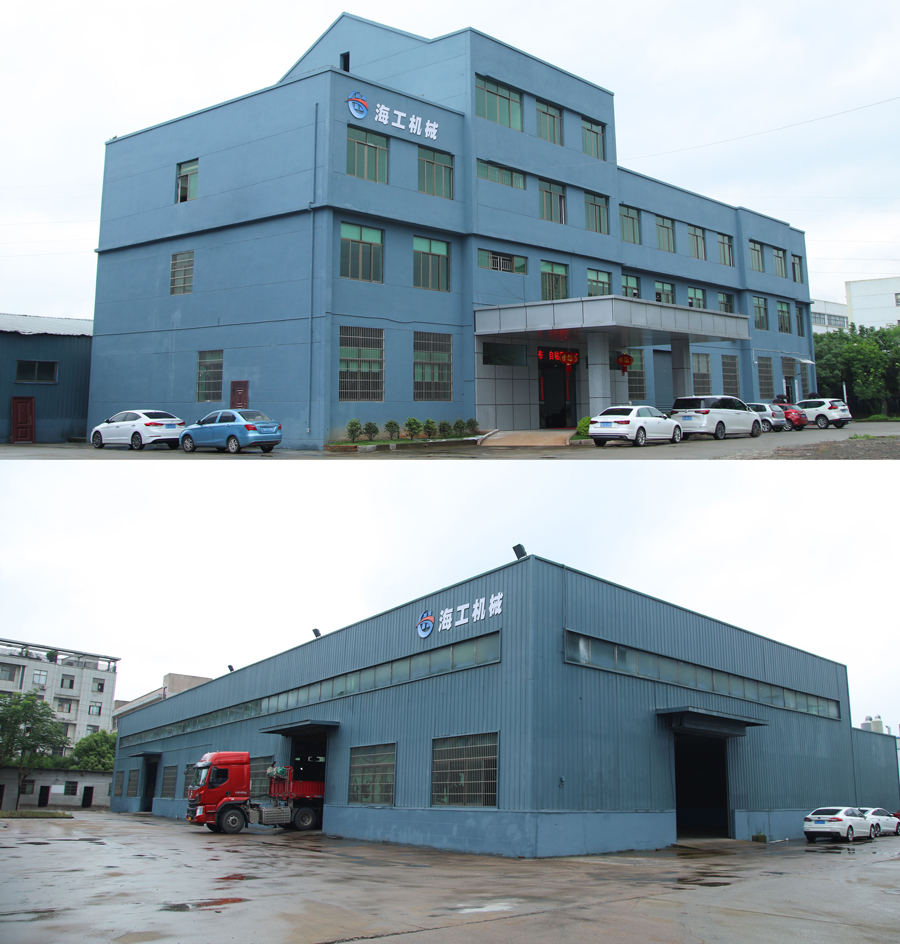
Founded in 2014, Pujiang HG Nonwoven Machinery has consolidated its position as a dominant global manufacturer of spunbond, meltblown, and composite nonwoven fabric machine lines. Our core engineering principle revolves around bridging the gap between sophisticated, overseas design methodologies—specifically our advanced 5th Generation spunbond spinning technology—and localized, highly customizable systems that directly address modern industrial demands.
By prioritizing high operational speed, low energy draw, layout footprint compression, and maximum yield efficiency, we enable global commercial enterprises to drastically minimize overall production costs while adhering strictly to ecological and technological criteria. We operate on a foundational philosophy: high quality, reliable partnerships, and end-to-end responsibility.
The global demand landscape for disposable nonwoven fabrics has shifted significantly over the past decade. Driven by demographic shifts, heightened hygiene requirements in emerging markets, and strict regulatory frameworks surrounding disposable medical consumables in North America and the European Union, global procurement leaders are seeking machinery that balances capital expenditure (CAPEX) with operational excellence. HG Nonwoven Machinery delivers this optimal equilibrium through systematic technological design and advanced mechanical execution.
High-volume procurement of disposable nonwoven fabrics in the contemporary market is no longer dictated solely by unit price. Modern multinational corporations, medical group purchasing organizations (GPOs), and consumer packaged goods (CPG) conglomerates assess their vendor relationships through the prism of supply chain stability, energy-to-output ratios, compliance configurations, and multi-layer structural configurations.
In regions such as North America and Europe, the regulatory scrutiny over medical barrier materials (specifically ASTM F2100 levels for face masks and AAMI levels for surgical drapes and gowns) demands strict homogeneity in filament distribution. Fluctuations in fabric density, known as GSM (grams per square meter) variation, can cause catastrophic structural failures in sterile environments. Therefore, smart enterprise buyers look for machinery equipped with closed-loop pressure drafting systems, steady polymer melt distribution, and automated real-time defect scanning. HG’s 5th generation spinning systems are designed specifically to eliminate micro-variations, ensuring that finished disposable nonwovens comfortably surpass critical international medical standards.
To understand the high filtration capabilities of disposable nonwovens, one must analyze the physical structure of composite webs like SMS, SMMS, and SSMMS. These structures represent a symbiotic combination of two distinct technology groups: Spunbond (S) and Meltblown (M).
The consolidation of these layers (e.g., S-M-S or S-M-M-S) through dynamic thermobonding calenders yields a composite material that is both physically resilient and biologically protective. This material forms the baseline of surgical masks, sterile wraps, diapers, and industrial insulation suits worldwide.
HG Nonwoven Machinery’s proprietary 5th generation design integrates high-density spinnerets with a specialized aerodynamic air drafting cabinet. This structural configuration delivers several advantages:
In the medical and hygiene fields, compliance is non-negotiable. Machines engineered by HG Nonwoven Machinery are designed to process materials that meet the world's most stringent quality protocols. Whether manufacturing surgical drape fabrics that comply with EN 13795 guidelines, or filtration layers destined for N95 and FFP2 respirator certifications, our machines maintain the precise parameter control necessary to pass these stringent product evaluations.
Furthermore, our manufacturing facilities and engineering designs are fully CE certified and comply with all applicable ISO standards. We recognize that industrial machinery represents a multi-decade investment. Consequently, we employ premium steel alloys, high-end electrical components (from suppliers like Siemens and ABB), and precision-machined spinnerets to guarantee operational longevity and reliable structural performance.
Starting a nonwoven manufacturing venture involves complex engineering dependencies. A mistake during the plant layout phase or an oversight in electrical distribution can lead to costly operational delays. To mitigate these risks, HG Nonwoven Machinery provides a comprehensive, one-stop turnkey service:
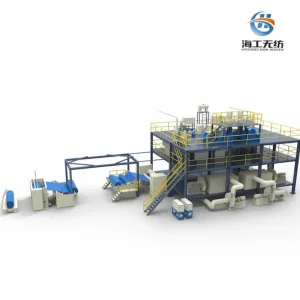
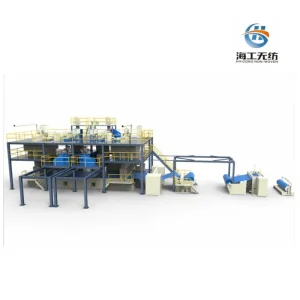
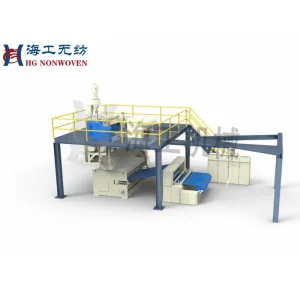
Explore our highly-regarded standard production setups, engineered for targeted market applications from packaging to high-barrier medical barriers.
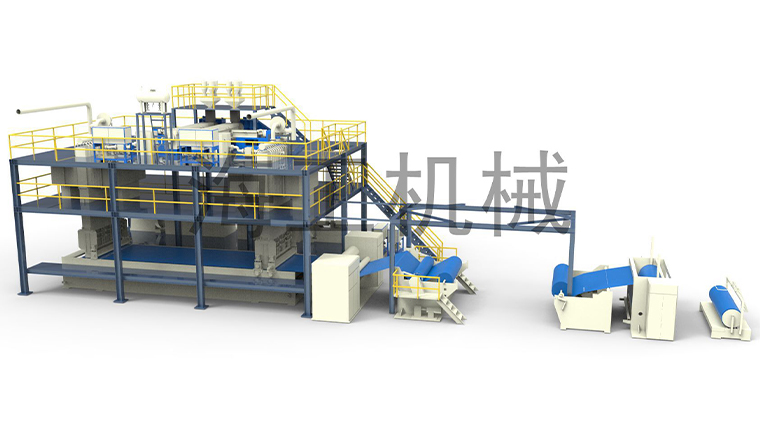
Optimized for packaging bags, furniture interlinings, crop covers, and agricultural protection sheets.
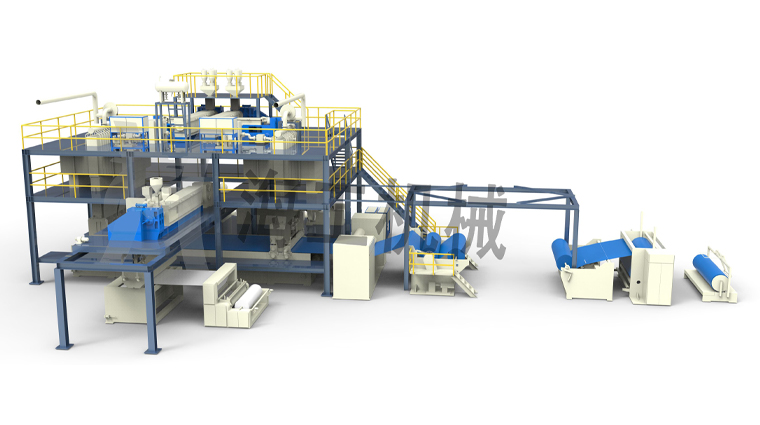
Perfect for medical barrier gowns, isolation drapes, and high-efficiency hygiene products.
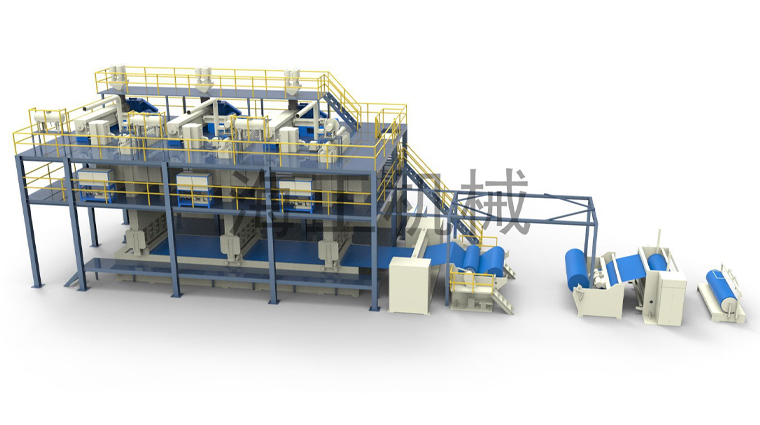
Features 4 distinct extrusion layers to provide exceptional filtration efficiency and fluid resistance.
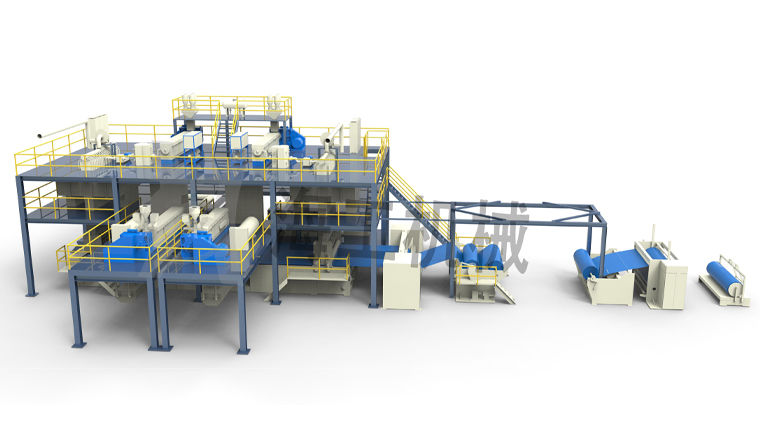
Engineered for high-end applications demanding ultimate softness, comfort, and barrier performance.
We guide your investment choice based on target market applications, raw material economics, and quality certifications.
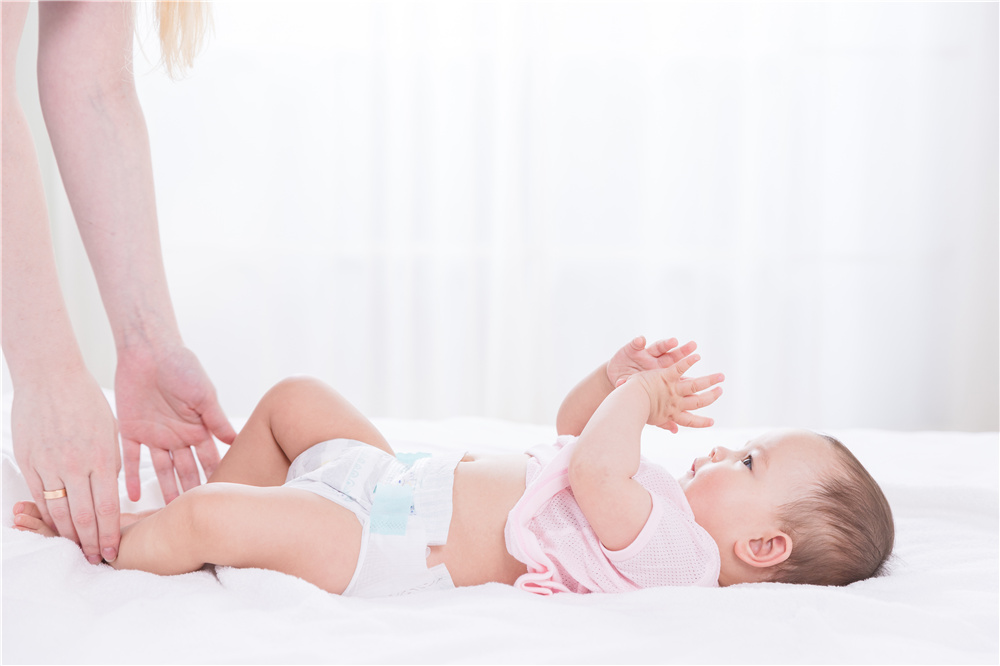
Nonwoven fabric is essential in the hygiene sector, offering breathability, softness, and excellent fluid management for comfort and protection. It quickly absorbs liquid and keeps it away from the skin, making it ideal for paper diapers, incontinence pads, and feminine hygiene products.
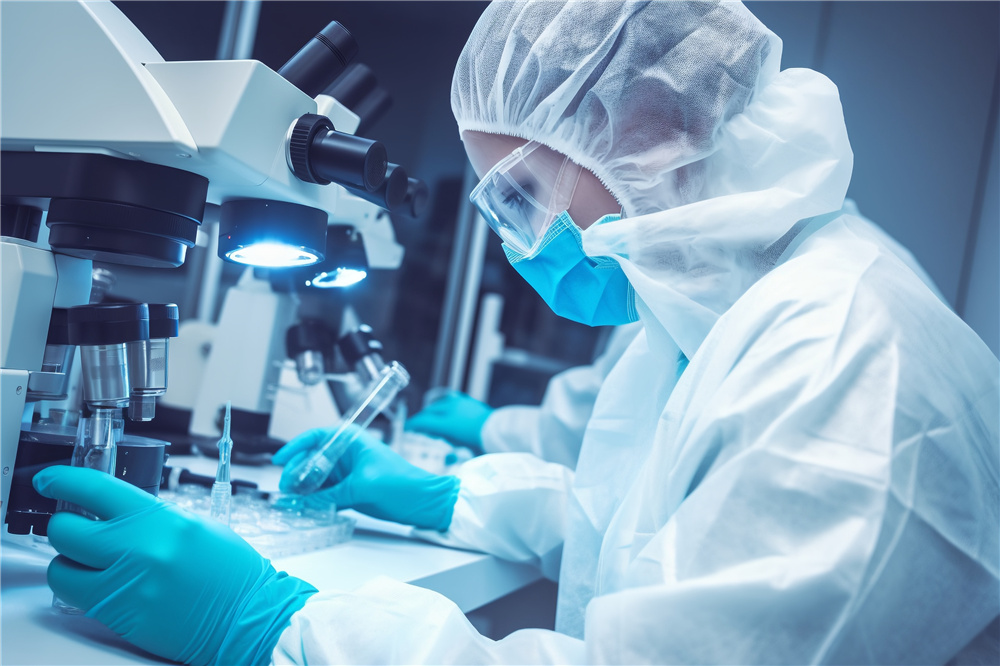
Nonwovens fabrics are extensively used in the medical field and in protection against biological agents in other sectors. They deliver critical safety properties, such as prevention against infections and diseases. They are essential for making face masks, surgical gowns, bed sheets, and surgical towels, ensuring effective filtration, protection, and comfort.
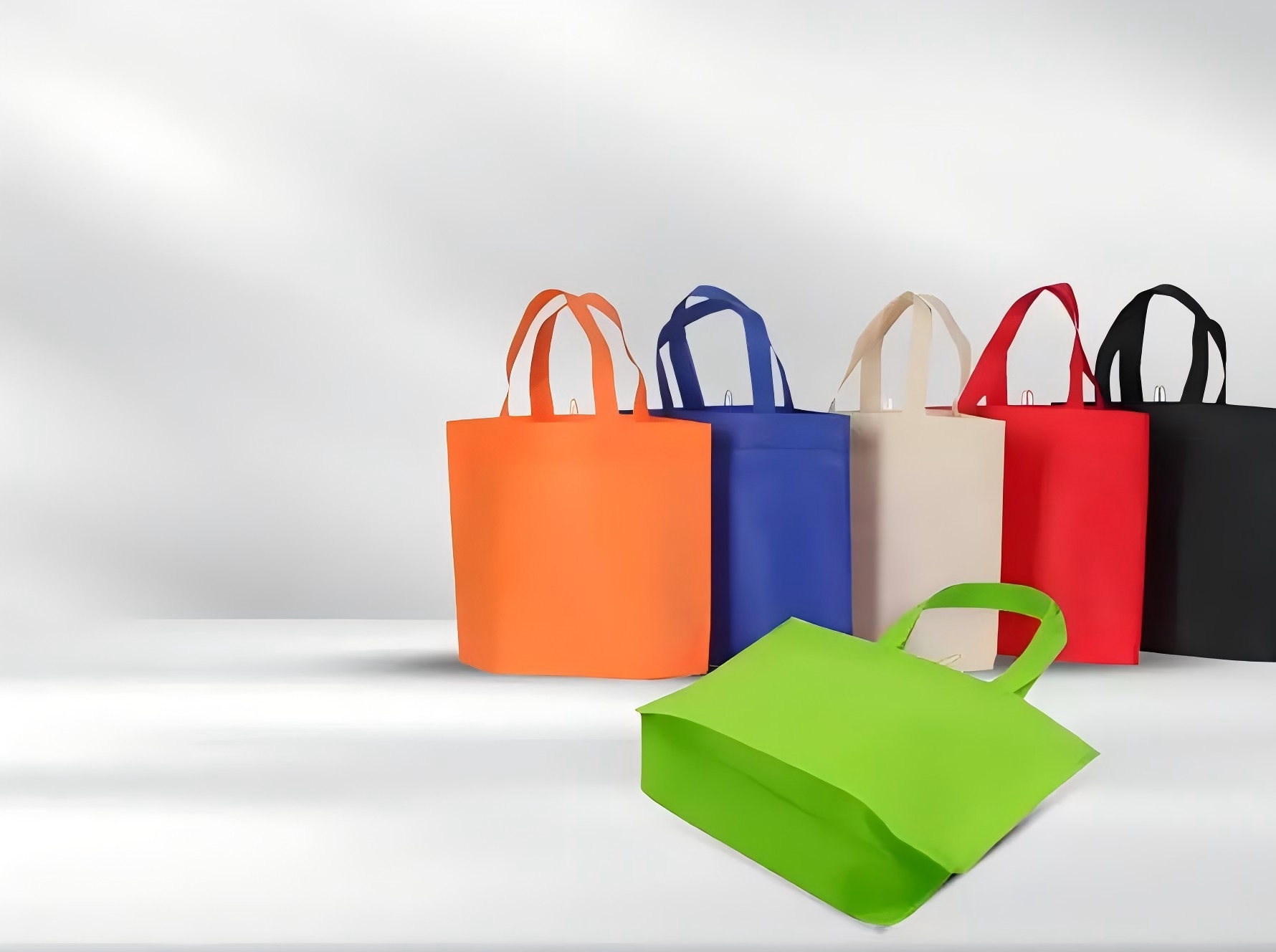
Nonwoven fabric is ideal for a variety of packaging end-uses, as their exceptional lightweight, their energy-efficient production, shipping and storage, and their long life and robustness allow for two important features: volume reduction and re-usability. It widely used for shopping bags, fruit bags, garment bags, rice bags, pocket springs, garment interlining, as well as packaging for pharmaceuticals and cosmetics.
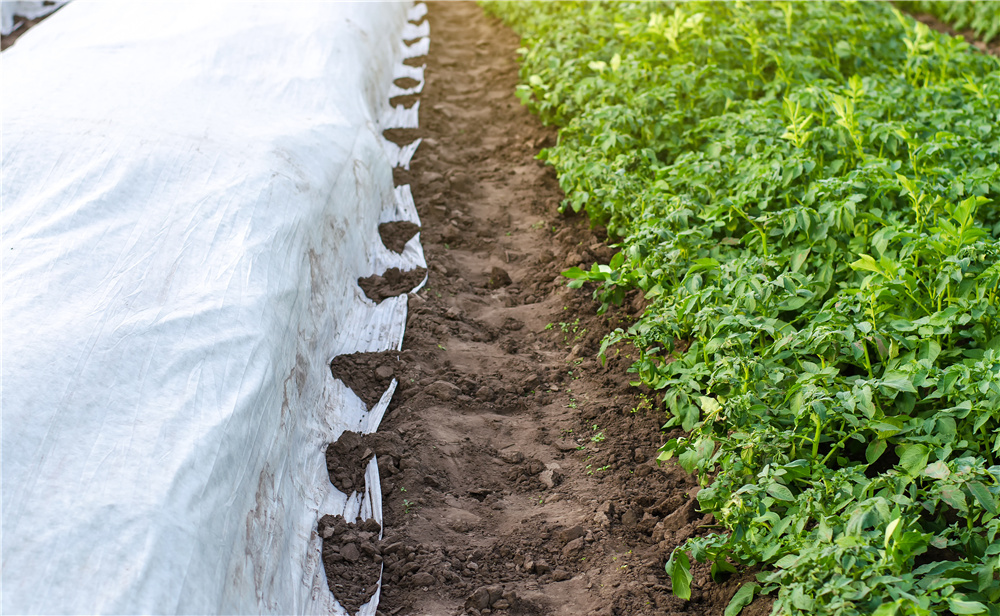
Agriculture Non Woven Fabric allow air and water to pass through while providing wind and cold protection by generating a microclimate around the crop. Furthermore, because nonwoven works as a physical protection media, it can assist prevent damage to crops, vegetables, and seeds from insects and birds. Nonwoven materials can assist regulate heat, UV blocker agriculture, while also providing superior air and water permeability.
As sustainability initiatives take center stage globally, nonwoven manufacturers are under intense pressure to reduce waste and carbon footprint. A critical parameter in assessing the profitability of a nonwoven production facility is how efficiently it handles post-industrial scrap and edge trim material. Generating excess waste without an immediate recovery mechanism leads to high operational costs.
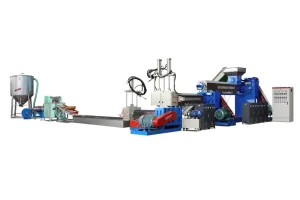
HG Nonwoven Machinery addresses this issue by offering integrated polymer recycling systems. By incorporating our specialized polypropylene recycling machines and plastic waste granulators directly into the production layout, manufacturers can reclaim edge trim and scrap reels in real time. These waste streams are re-granulated into uniform pellets that can be mixed back into the primary feed hoppers without affecting the structural strength or filtration properties of the finished nonwoven fabric.
Additionally, our research division is constantly working on software and hardware upgrades to support bio-based and biodegradable polymers such as Polylactic Acid (PLA) and Polybutylene Succinate (PBS). By modifying the thermal zones of our extruders and optimizing the air drafting speeds, HG lines can transition to eco-friendly raw materials, helping clients stay ahead of evolving global single-use plastic regulations.
The next phase of nonwoven manufacturing technology will be defined by digitization and artificial intelligence. Our development roadmap focused on integrating IoT sensors at every stage of the extrusion line. Real-time diagnostic data—from melt pressure fluctuations to calender roller temperatures—is analyzed on-site or sent to cloud databases, allowing for predictive maintenance and reducing unexpected downtime.
Furthermore, developments in electrostatic charging technology for meltblown lines are highly prioritized. By improving the charge retention of PP fibers, we help manufacturers achieve N99-grade filtration performance at lower base weights, reducing raw material usage while maintaining high safety standards.
Addressing the critical technical, operational, and financial queries of global sourcing managers and factory engineers.
Complete your production ecosystem with our auxiliary equipment, designed to handle custom widths and support circular manufacturing initiatives.
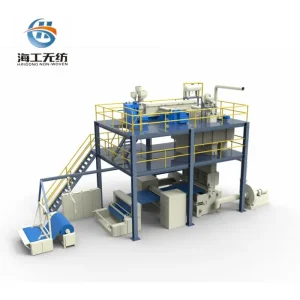
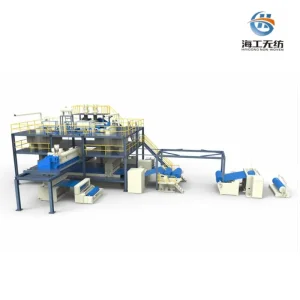
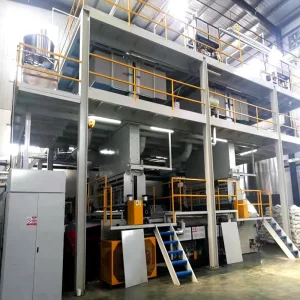
By choosing HG Nonwoven Machinery as your technology partner, you gain access to an experienced engineering team dedicated to helping your business thrive in competitive global markets. Contact us today to discover how our high-efficiency nonwoven production lines can help you achieve your manufacturing goals reliably, economically, and sustainably.
 HG NONWOVEN