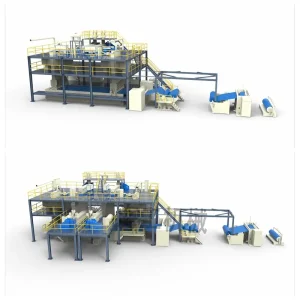
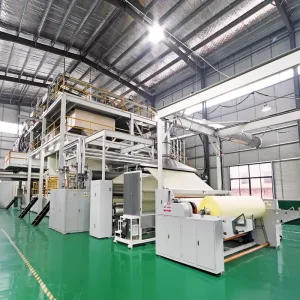
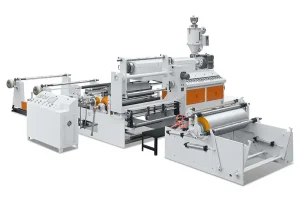
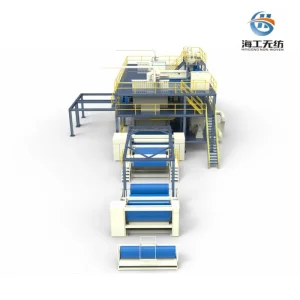
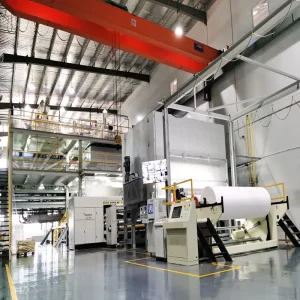
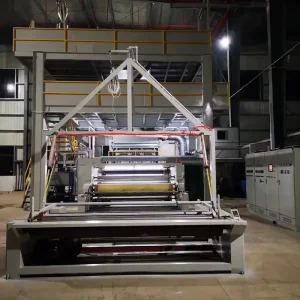
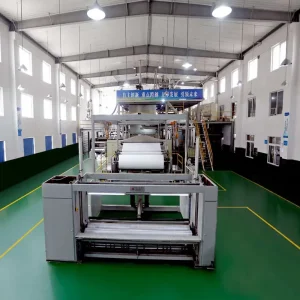
Explore our premium selection of industrial machinery tailored for ultra-high-efficiency nonwoven fabrication and high-speed flow packing operations.
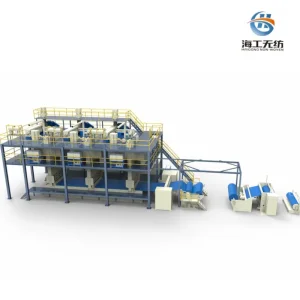
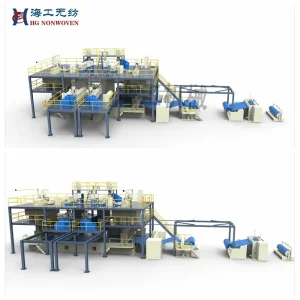
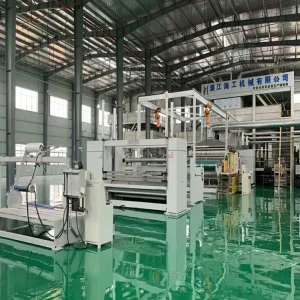
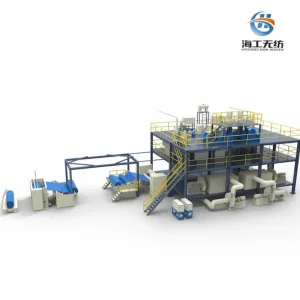
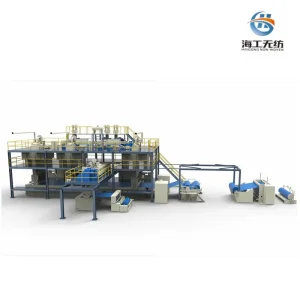
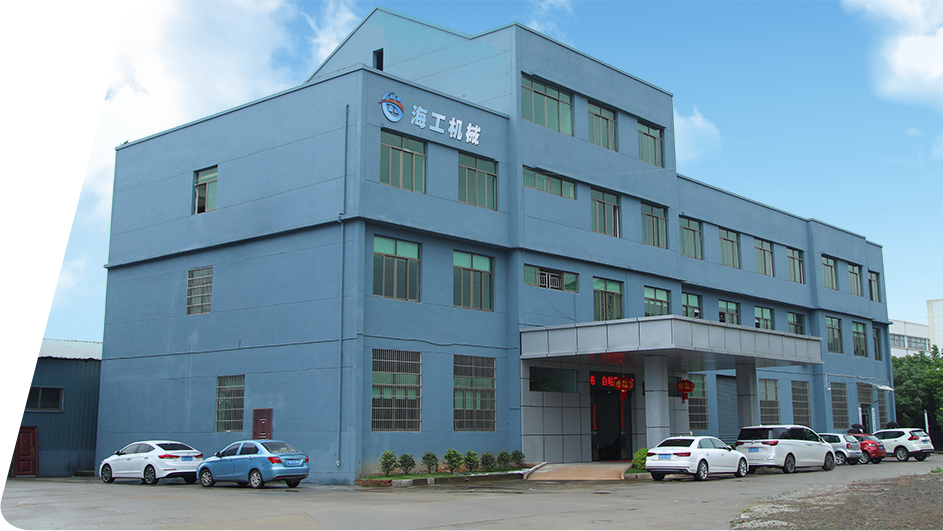
In the high-stakes sectors of medical, hygiene, packaging, and agriculture, operational effectiveness hinges on the seamless integration of raw fabric manufacturing and automated packaging lines. As an industry-leading authority in nonwoven and packaging machinery design, Pujiang HG Nonwoven Machinery has engineered this gap out of existence. Since 2014, we have designed, delivered, and optimized turnkey systems that synthesize advanced extrusion methods with robust downstream flow wrapping.
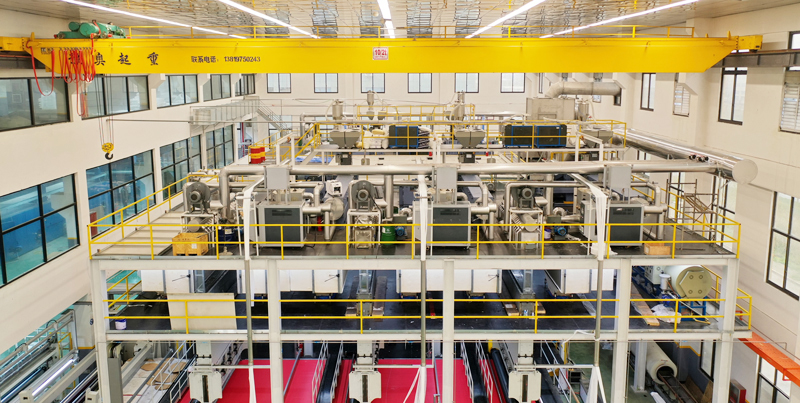
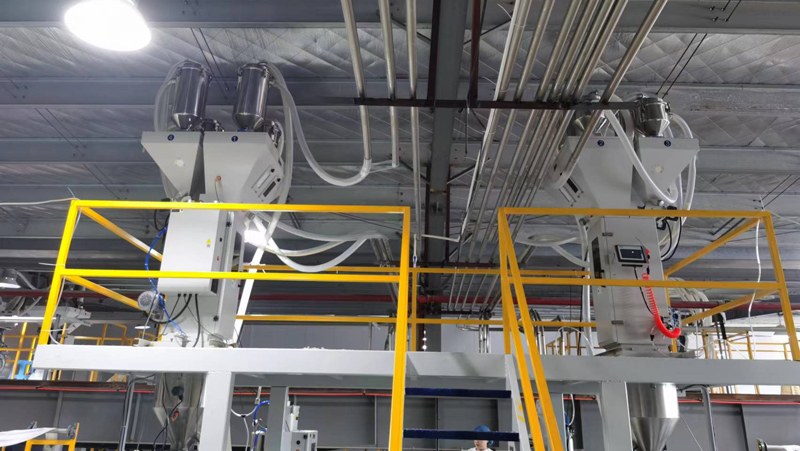
Our commitment to engineering excellence is highlighted by our 5th Generation spunbond spinning technology, which integrates overseas design principles with customized automation. Our systems are engineered to address the critical economic demands of the modern plant floor: low power consumption, minimized floor footprint, operational simplicity, and exceptionally low unit production costs.
"True efficiency is not found by optimizing isolated machines, but by developing integrated production lines where materials flow seamlessly from polymers to shelf-ready packed products."
Keeping pace with dynamic global production standards requires deep familiarity with evolving technological trends.
Modern flow packing machines utilize multi-axis, fully electronic servo control architectures. By replacing traditional mechanical gearboxes and chains with independent servo motors, plants can achieve precise synchronization, eliminate film wastage during acceleration, and cut down-time for product size changes to minutes.
With tightening environmental regulations, the demand for machines that can handle PLA, bio-plastics, and paper-based cold-seal wraps is surging. Modern flow wrappers are designed to accommodate sensitive film structures, preventing thermal deformation during sealing while maintaining high packaging speeds.
IoT-enabled control panels allow managers to monitor Overall Equipment Effectiveness (OEE) in real-time. By tracking sealing jaw temperature deviations, torque peaks, and roll consumption, our automated lines provide actionable intelligence to prevent unplanned downtime before it occurs.
Building a profitable manufacturing facility demands more than just sourcing hardware. It requires deep analysis, architectural planning, and vertical integration. Our engineering services cover the entire production lifecycle:
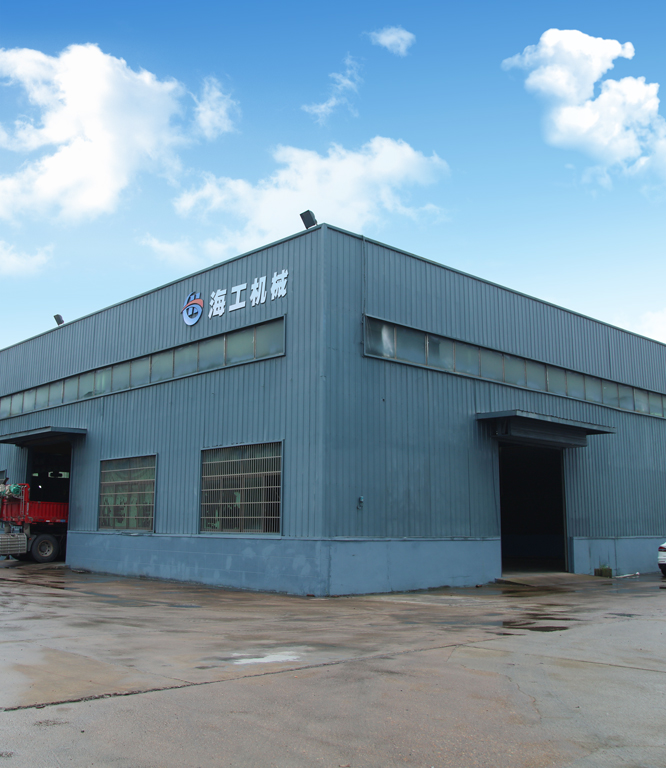
Select the production system tailored to your specific application requirements. Our deep cross-industry experience ensures optimal performance.

Non-woven fabric is essential in the hygiene sector, offering breathability, softness, and excellent fluid management for comfort and protection. It quickly absorbs liquid and keeps it away from the skin, making it ideal for paper diapers, incontinence pads, and feminine hygiene products.

Nonwovens fabrics are extensively used in the medical field and in protection against biological agents in other sectors. They deliver critical safety properties, such as prevention against infections and diseases. They are essential for making face masks, surgical gowns, bed sheets, and surgical towels, ensuring effective filtration, protection, and comfort.
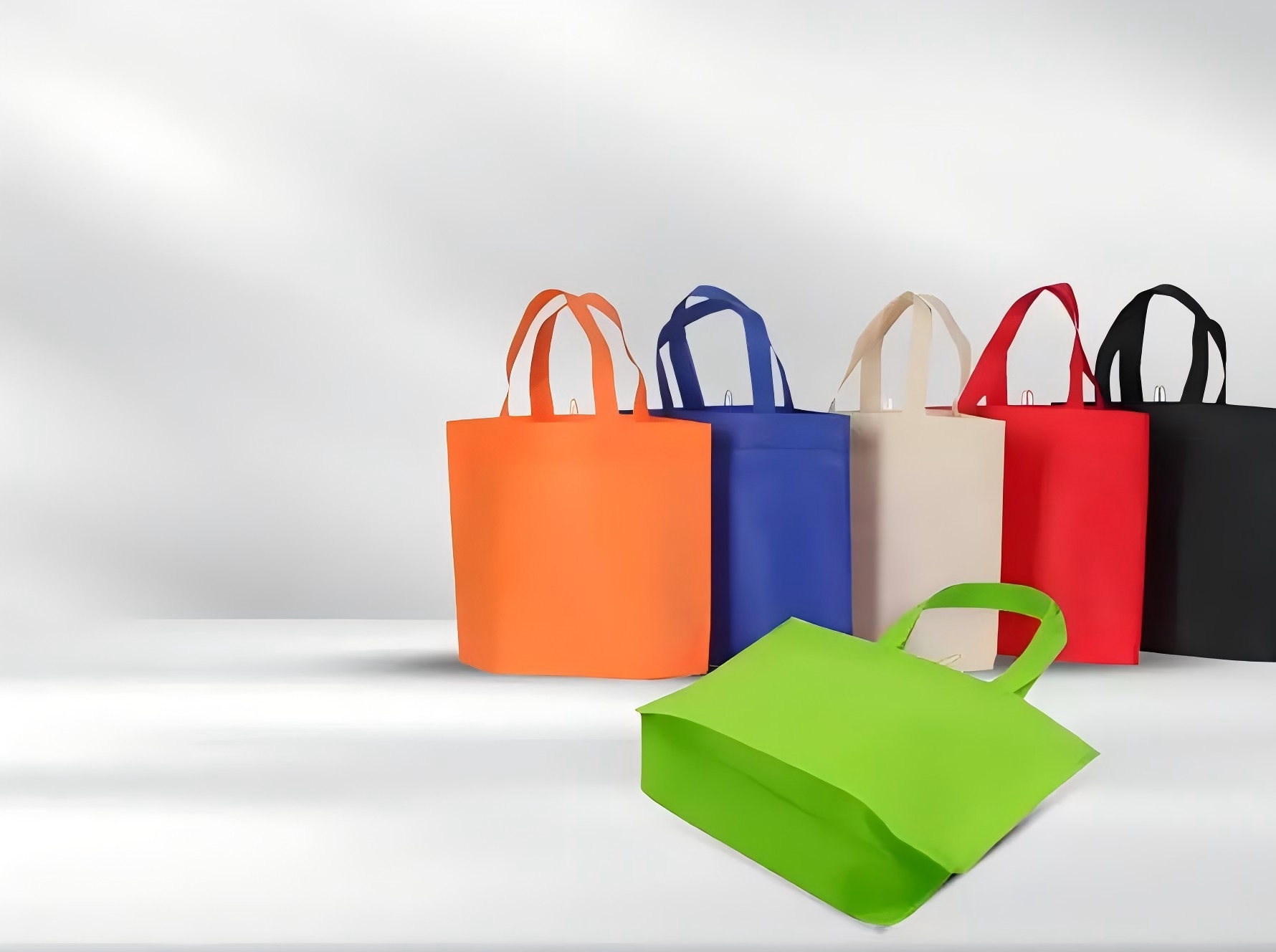
Nonwoven fabric is ideal for a variety of packaging end-uses, as their exceptional lightweight, their energy-efficient production, shipping and storage, and their long life and robustness allow for two important features: volume reduction and re-usability. It widely used for shopping bags, fruit bags, garment bags, rice bags, pocket springs, garment interlining, as well as packaging for pharmaceuticals and cosmetics, among other applications.
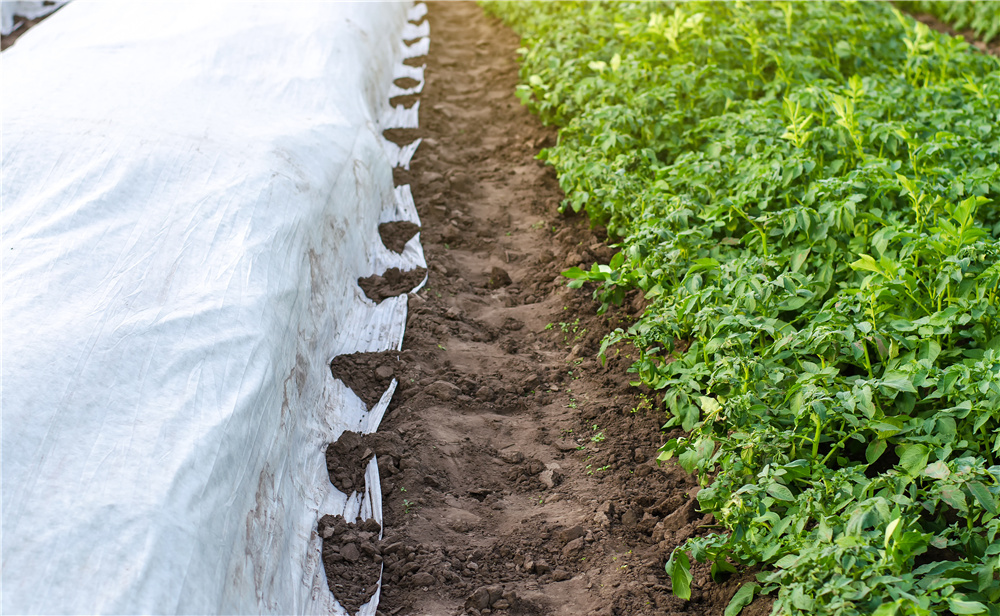
Agriculture Non Woven Fabric allow air and water to pass through while providing wind and cold protection by generating a microclimate around the crop. Furthermore, because nonwoven works as a physical protection media, it can assist prevent damage to crops, vegetables, and seeds from insects and birds. Nonwoven materials can assist regulate heat, UV blocker agriculture, while also providing superior air and water permeability.
Discover how our core configurations serve high-volume global markets.
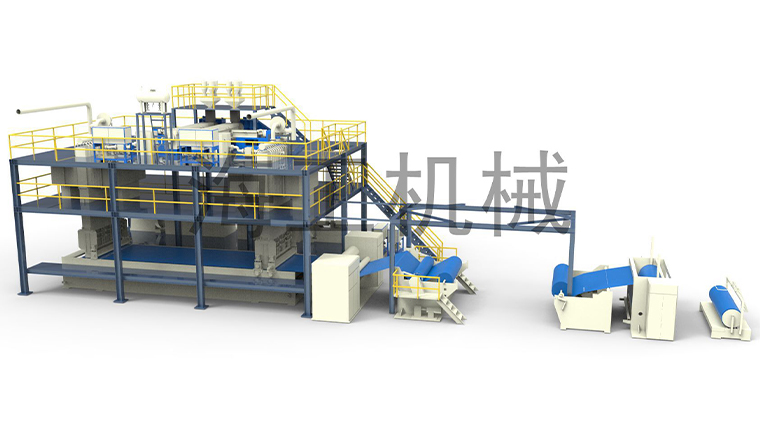
Designed primarily for manufacturing durable nonwoven bags, structural furniture backing, and lightweight agricultural protective covers.
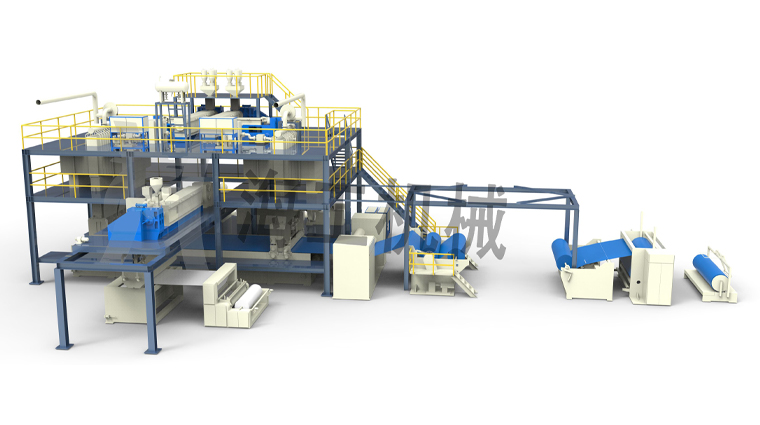
High-speed composite lines engineered specifically for medical-grade fabrics, surgical gowns, and hygienic health care materials.
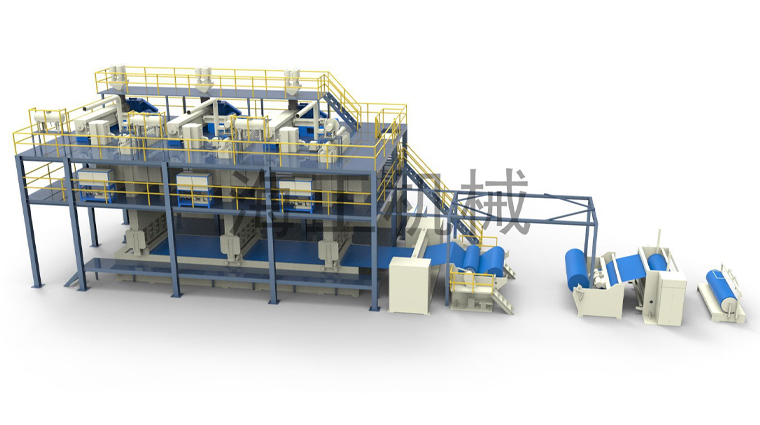
Incorporates a four-layer composite structure that delivers higher filtration efficiency and superior barrier performance compared with SMS fabric.
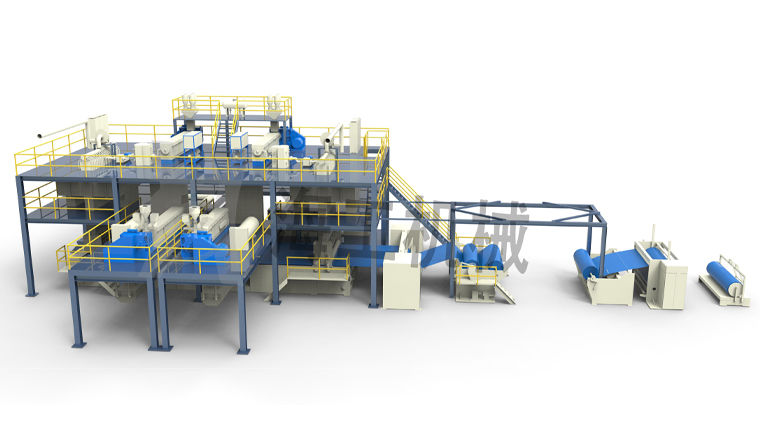
Advanced multi-beam layout offering excellent barrier properties alongside high levels of softness and comfort for delicate skin contact.
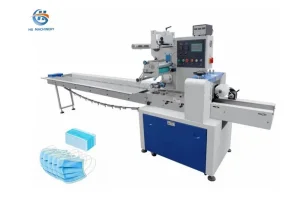
Our flow packing systems are designed for high throughput, robust seal integrity, and operational simplicity. By coordinating downstream packaging with upstream nonwoven fabric manufacturing, we help eliminate common production bottlenecks.
| Parameter | Standard Configuration | High-Speed Configuration |
|---|---|---|
| Film Width Capacity | Max. 450 mm | Max. 650 mm |
| Packaging Speed | 50 - 150 bags/min | 150 - 350 bags/min |
| Control System | PLC-based Interface | Multi-Axis Servo Control |
| Sealing Method | Rotary or Box-motion Sealing | Continuous Motion D-Cam / Box-motion |
Each setup is equipped with adjustable forming boxes, color mark sensor tracking for precise film positioning, and integrated touch screens (HMI) featuring step-by-step troubleshooting diagnostics. These technical features ensure that your production line operates smoothly, minimizing material loss and maximizing hourly throughput.
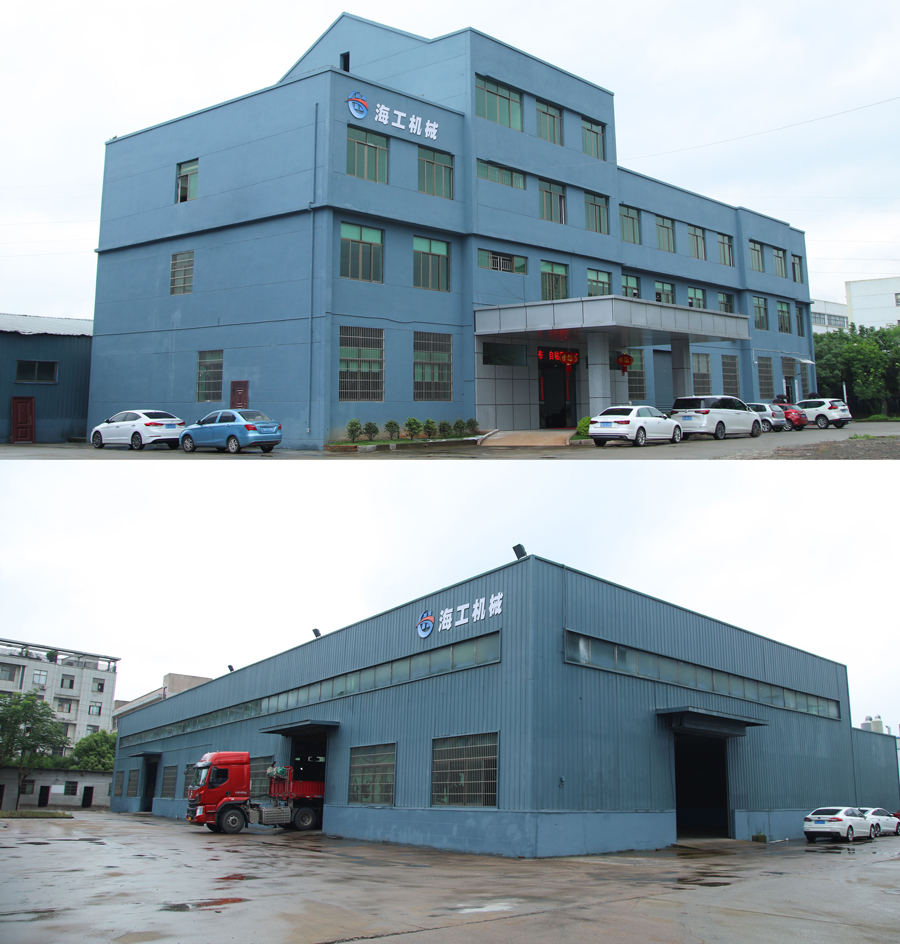
Deploying heavy machinery globally requires systematic logistics and strict adherence to international safety guidelines. Our manufacturing processes comply fully with the European CE Machinery Directive and ISO9001:2015 quality standards.
Clear answers to help you make informed procurement and engineering decisions.
A Flow Packing Machine, also known as a Horizontal Form Fill Seal (HFFS) machine, wraps products in a continuous film roll, seals the bottom seam, and finishes with cut and sealed ends. When integrated with a nonwoven line—such as a medical mask or sanitary wipe line—spunbond material is slit, laminated or folded, and directly fed into the flow wrapper. This inline process eliminates intermediate manual handling, maintains sanitary conditions, and significantly boosts overall production efficiency.
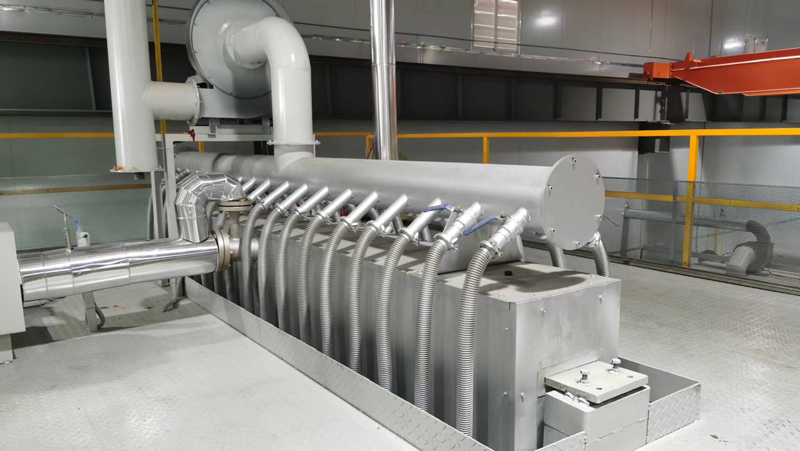
Our 5th Generation spunbond spinning technology uses optimized extrusion channels and variable-frequency drives (VFD) across all major motors. This, combined with high-performance heating zones, reduces heat dissipation losses. As a result, our plants achieve up to a 20% reduction in electricity consumption per ton of finished fabric compared to older configurations.
Yes. Our extrusion lines can be adjusted to process Polylactic Acid (PLA) polymers. Additionally, our flow wrapping machinery features precise, localized temperature control loops and specialty sealing jaw coatings. This allows them to handle delicate, heat-sensitive biodegradable films without causing structural damage or adhesive leakage.
We provide a 24-month comprehensive warranty that covers structural and electrical systems. When on-site assistance is required, our technicians handle setup, fine-tuning, and operator training. For day-to-day operations, we offer remote diagnostic support via integrated PLC communication links to troubleshoot software and calibration issues quickly.
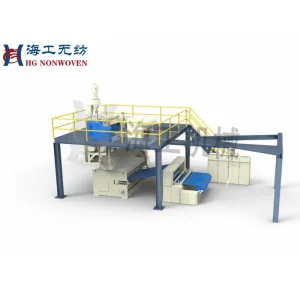
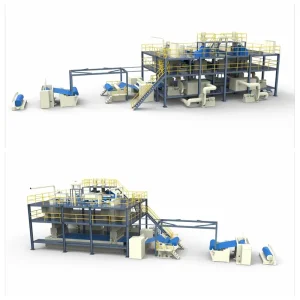
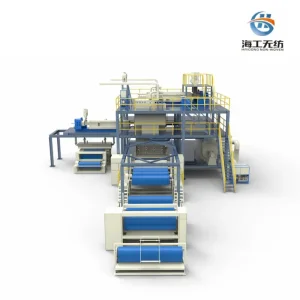
Browse our selection of specialized nonwoven extrusion lines and flow wrapping setups built for heavy-duty industrial environments.
 HG NONWOVEN