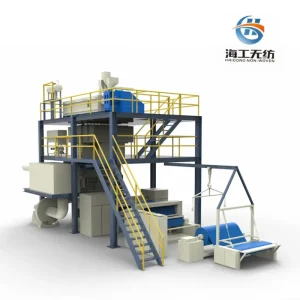
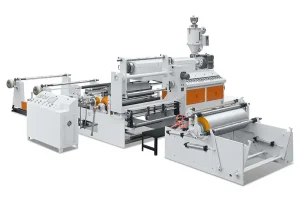
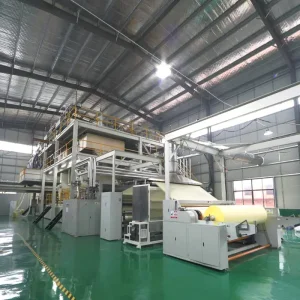
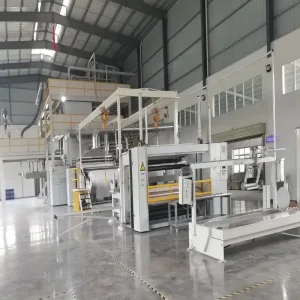
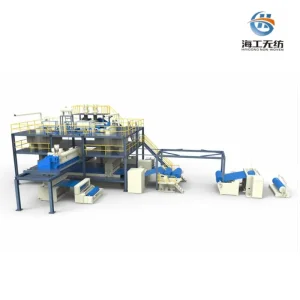
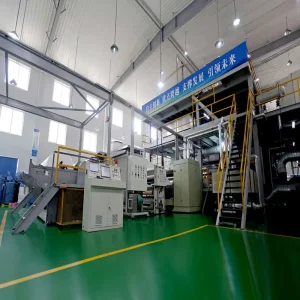
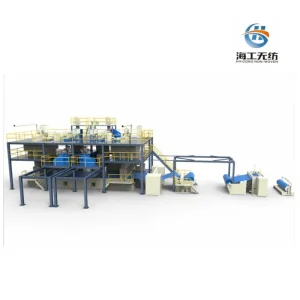
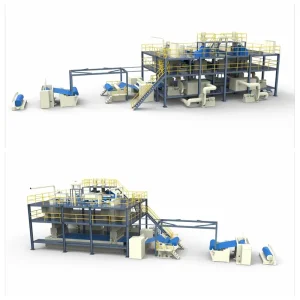
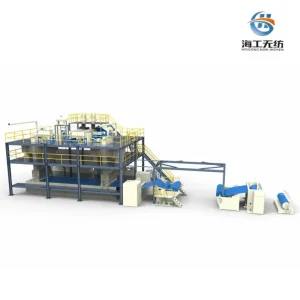
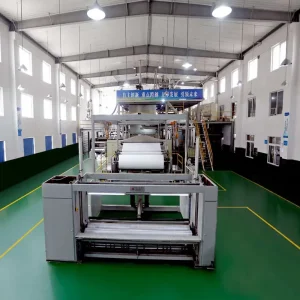
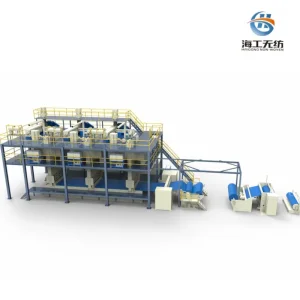
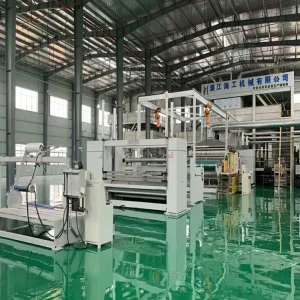
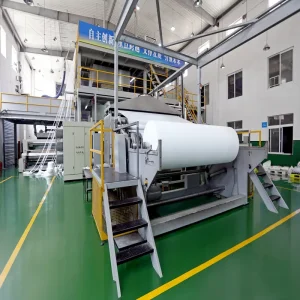
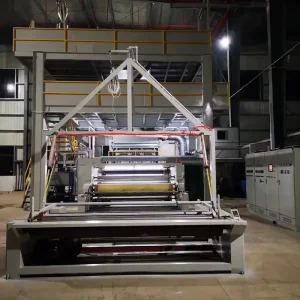
Explore our industrial range of high-efficiency PP spunbond, meltblown, and composite nonwoven machinery lines, designed to drive manufacturing output and maintain superior reliability.
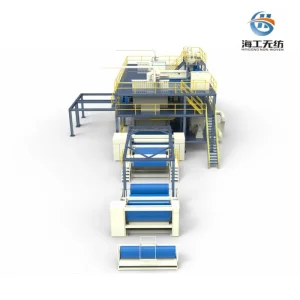
HG Nonwoven Machinery is a professional manufacturer of spunbond, meltblown, and composite nonwoven fabric machine lines, dedicated to providing high-efficiency and innovative spunbond nonwoven fabric production solutions to the global market. Our company introduced advanced design concepts, integrating the 5th Generation spunbond spinning technology from overseas with autonomous adjustments engineered for the exact demands of the international market. Consequently, HG nonwoven fabric making machines are characterized by convenient operation, minimized footprint, low power consumption, high efficiency, and minimized overall production cost.
Established in 2014, Pujiang HG Nonwoven Machinery has grown into a well-known nonwoven fabric making machine manufacturer. We specialize in manufacturing PP spunbond and meltblown nonwoven fabric making machines with complete turnkey engineering services. Our equipment is focused on producing high-performance, eco-friendly, and biodegradable spunbonded nonwoven fabrics to support global sustainability directives.
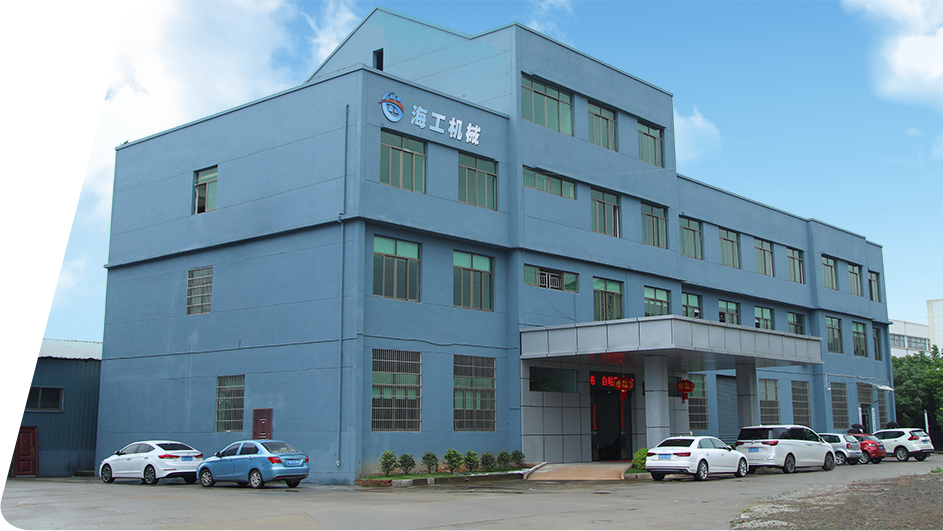
Unveiling market demand metrics, material challenges, and how technical evolution impacts productivity in post-extrusion processes.
Modern slitting lines must handle variable web widths, lightweight PP spunbond fabrics (as low as 9 gsm), and heavy needle-punched or composite webs. Precise web guiding systems (EPC/LPC) are required to avoid mechanical deformation and ensure straight edges during roll conversion.
High-speed friction generates electrostatic charges and micro-fibers (slitting dust). Standard mills require integrated rotary pneumatic cutting shear knives with vacuum exhaust systems and industrial active ionization bars to keep the working space clean and safe for medical-grade rolls.
Nonwoven materials are highly compressible. Improper tension maps lead to core crushing, dishing, or telescoping rolls. Advancements in Siemens PLC automatic closed-loop tension calculations allow independent pressure controls for differential shaft configurations.
The mechanical roadmap showing how HG Machinery integrates advanced automation into slitting line setups for continuous, zero-fault production.
Our upcoming lines implement servo-driven automatic knife positioning. Instead of manual adjustment down-times, operators input the recipe on the HMI screen, and individual knife assemblies realign within 30 seconds with accuracy within ±0.2mm.
By measuring continuous tension variations at the unwinding stage, the computer system modulates magnetic powder brakes or AC vector drive motors dynamically. This ensures tension tolerance remains under 1.5% throughout roll transition cycles.
HG machinery connects slitting and extrusion systems via cloud-based gateway protocols. Operational statistics, heat dissipation markers on bearings, and current fluctuations are monitored to generate preventive maintenance alerts before a breakdown happens.
How slitting adjustments match different industry applications like packaging, healthcare, and geotextiles.
Ultra-thin materials like spunbond and SMS fabrics used for diapers require low contact force rewinding to preserve bulkiness, softness, and absorption performance. Slitting edges must be smooth without fraying fibers.
Medical gowns and masks utilize SMS and meltblown nonwovens. Our slitting systems are designed for clean-room installations, featuring stainless steel contact components and absolute dust extraction units to comply with health requirements.
Heavy duty spunbond PP fabrics for reusable shopping bags require speed-optimized slitting. Our machinery supports multi-roll slitting at rates up to 150m/min to match downstream printing and bag-making equipment demands.
Agricultural covers require large web widths and high tensile strength. Our heavy-duty slitter-rewinders process high-gsm materials up to 3.2m in width, winding large-diameter rolls that survive outdoor handling.
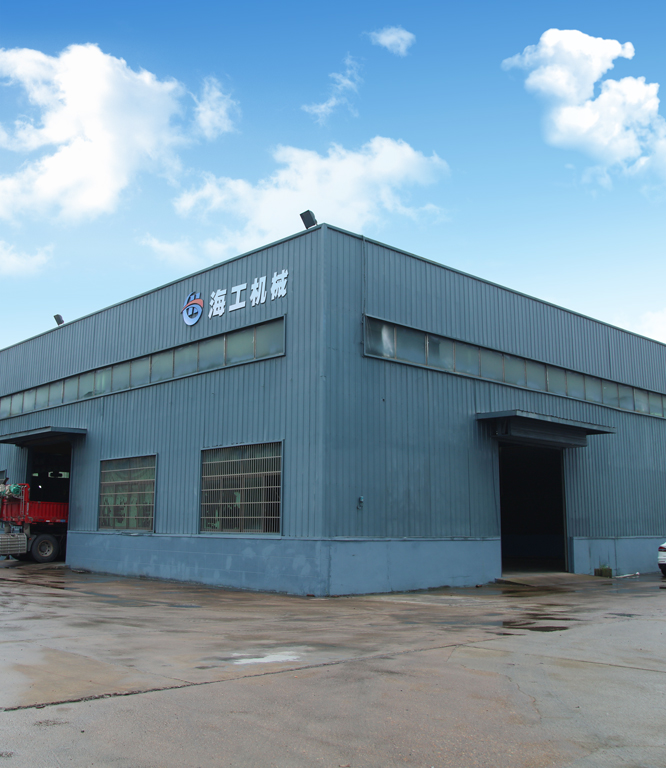
By prioritizing high quality and good service as our primary tenets, HG Nonwoven Machinery has grown into a reliable partner committed to helping clients stand out in a competitive global market. Whether you require standard PP spunbond machinery lines or custom-engineered auxiliary converting equipment, we deliver solutions designed to operate economically, reliably, and sustainably.
Our solutions focus on maximizing performance while containing footprints. Our core technologies address challenges such as melt quality control, fiber drawing uniformities, and high-speed mechanical slitting. This ensures the output fabric meets international standards for tensile strength, elongation, and filtration efficiency.
Why industrial operations choose HG Machinery for spunbond production and converting requirements.
We design machines incorporating modern structural technologies to ensure maximum production output with minimal energy consumption. We also offer customized setups tailored to specific layout requirements.
Leveraging our background in the nonwoven industry, we provide market feasibility analyses to support your initial projects, raw material sourcing evaluations, and ROI estimations.
Beyond our primary PP nonwoven fabric making machines, we supply integrated auxiliary systems, including recycling units, slitting units, flexo printing units, lamination units, and bag-making machinery.
Following installation, we provide onsite crew training. Our service includes up to 24 months of direct engineering support, with remote digital assistance and fast part replacement cycles.
Operating out of Pujiang, Zhejiang Province, HG Nonwoven Machinery operates within one of the world's most concentrated industrial equipment manufacturing clusters. This proximity grants us access to specialized casting foundries, heavy CNC machining centers, and high-tensile steel providers. The resulting logistics efficiencies allow us to compress delivery lead times compared to Western counterparts.
Furthermore, our engineering teams supervise every step, from structural weldments to raw material inspections and electrical cabinet wiring. Working with globally recognized component suppliers, such as Siemens, Schneider Electric, and Omron, helps ensure our machinery integrates smoothly with international control standards.
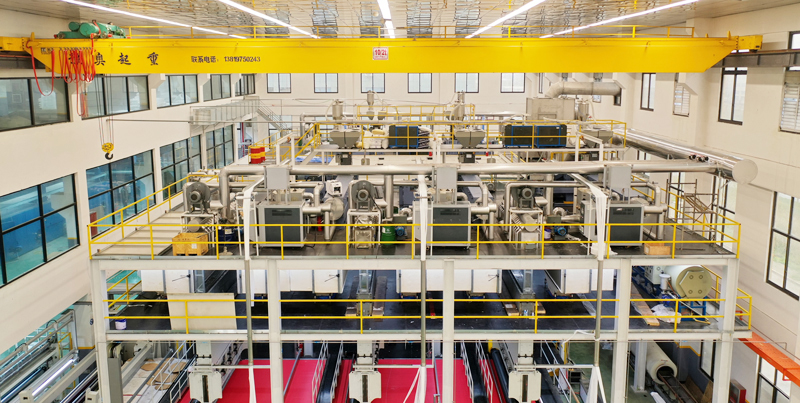
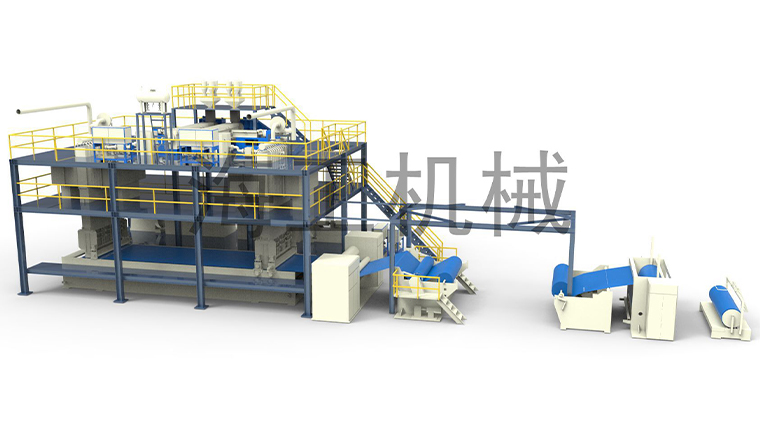
Explore some of our most requested spunbond, meltblown, and composite line layouts below.
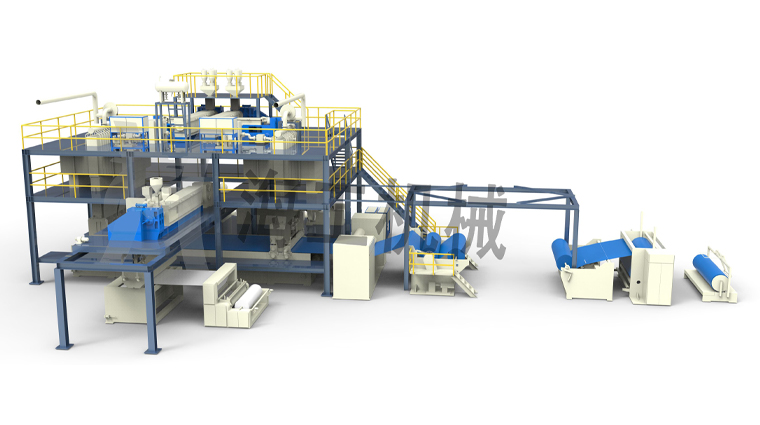
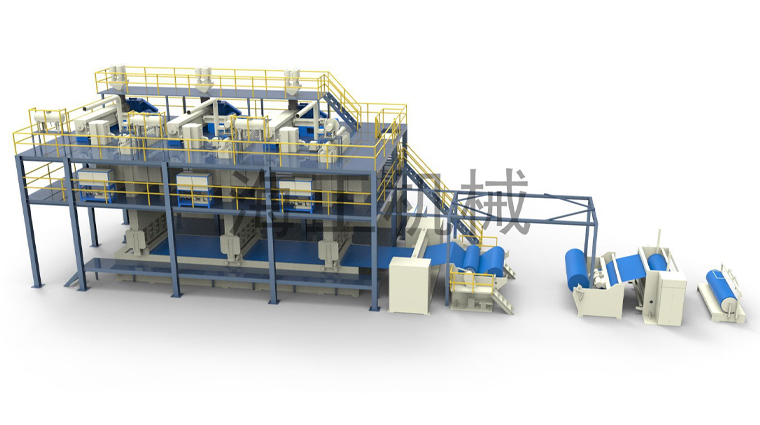
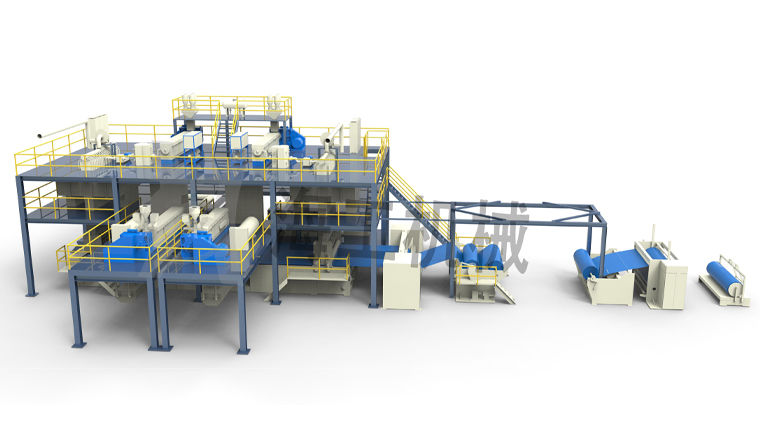
Our solutions target diverse sectors, designed to save setup time, lower operational costs, and help resolve plant layout issues.

Nonwoven fabric is essential in the hygiene sector, offering breathability, softness, and fluid management for comfort. It absorbs liquid quickly and keeps it away from skin, making it suitable for diapers, pads, and feminine hygiene products.

Used extensively for biological agent protection. They provide critical barrier properties to prevent infections. Essential for face masks, surgical gowns, bed sheets, and surgical towels, ensuring filtration, protection, and comfort.
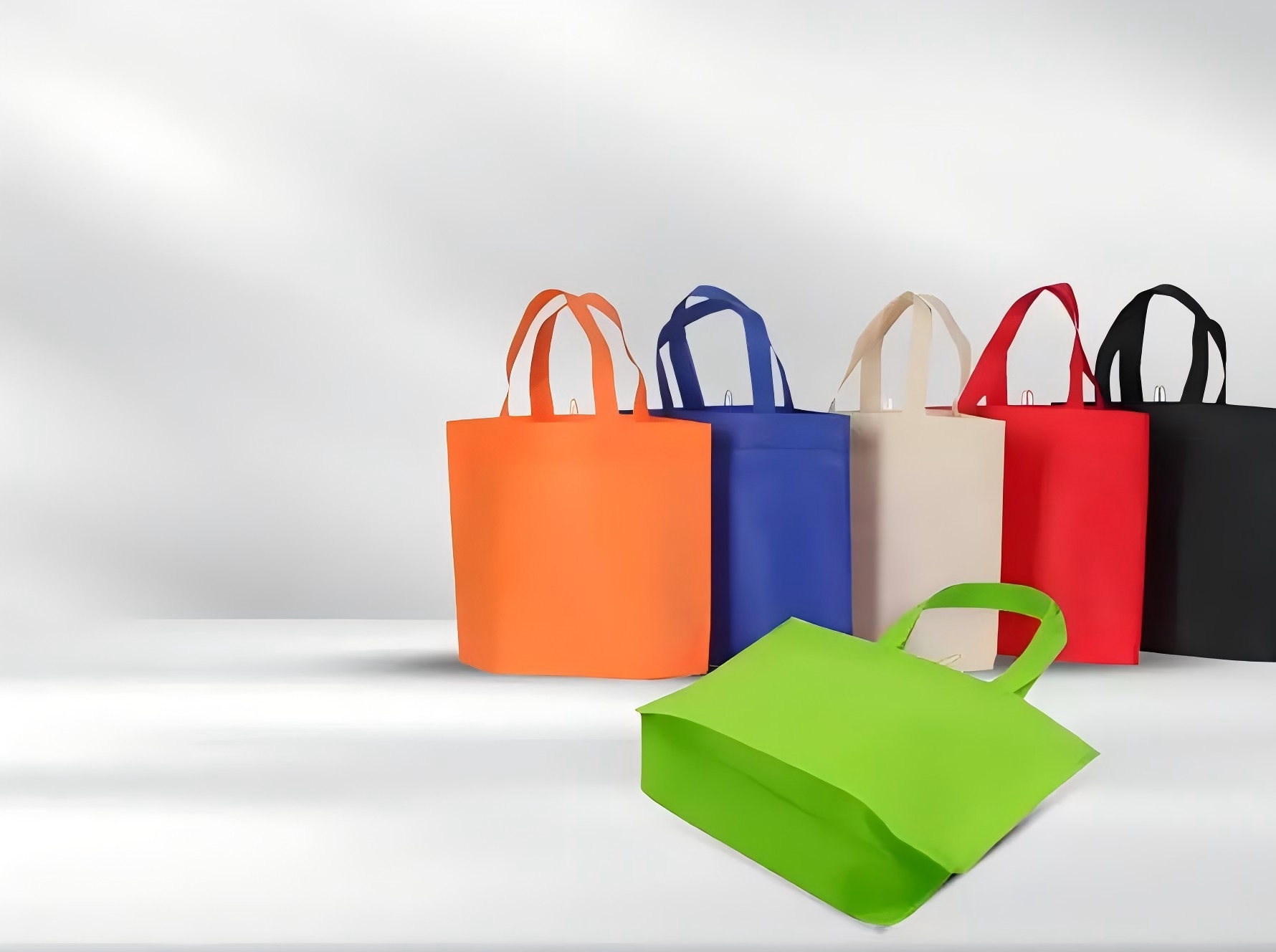
Ideal for diverse packaging end-uses due to light weight, energy-efficient transport, and durability. Useful for volume reduction and reuse, and popular for shopping, garment, and food packaging, as well as pharmaceutical containment.
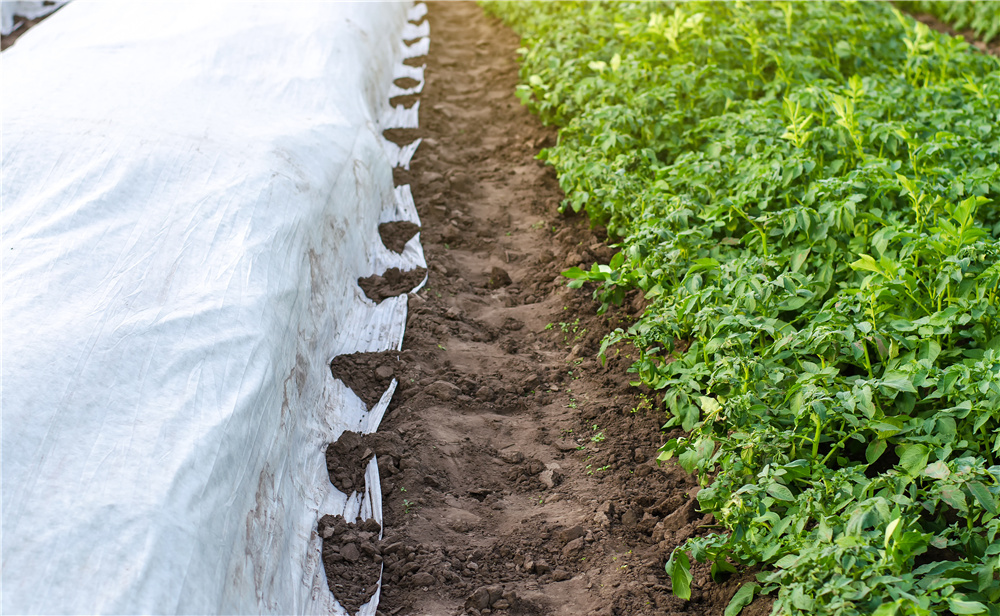
Agriculture fabrics let air and water pass while protecting crops from cold. By generating a local microclimate and serving as a barrier, they help safeguard plants, vegetables, and seeds from pests, UV rays, and heavy weather.
Deep technological insights, maintenance considerations, and answers to common industrial production inquiries.
Shear slitting utilizes two rotary knives (an upper blade and a lower blade) acting similarly to scissors to cut the material clean. It is highly suitable for high-speed, dust-free operations on lightweight materials like spunbond and SMS. Crush slitting, or score cutting, presses a radiused knife against a hardened anvil roller to separate the material. Crush slitting is easier to set up for width changes but is prone to generating more fiber dust and edge fraying on synthetic nonwoven polymers.
A Web Guiding System (Edge Position Control/Line Position Control) detects deviations in the feeding web position using ultrasonic or optical sensors. It then adjusts the unwinding carriage sideways to correct course. If accuracy is sub-par, the slit rolls will suffer from uneven edges, telescoping, and structural misalignment, causing feed errors and web breaks during final conversion (e.g., in diaper or bag-making machines).
Nonwoven webs are rarely completely uniform in thickness across their entire width. When slitting a single wide roll into multiple smaller rolls, minor variations in thickness can cause differences in roll diameter and tension. A differential shaft allows individual rewinding cores to slip slightly under controlled slip pressures, maintaining consistent tension profile across all rolls and preventing loose cores or over-tightening.
HG Nonwoven Machinery provides comprehensive engineering services from A to Z. We start with pre-shipment assembly and dry testing at our plant. Once approved, we coordinate the global shipping and dispatch engineers to the client's facility. Our team handles local installation, configures PLC variables, runs test materials, and conducts operator training to transition the line to your production crew.
To address static electricity, we incorporate double-sided active ionizing static bars adjacent to the slitting zone and the rewinding station. In addition, all metal rollers are grounded, and drive belts are selected from conductive, anti-static grades. This lowers the risk of static shocks for operators and prevents the finished web from adhering to surrounding machine surfaces.
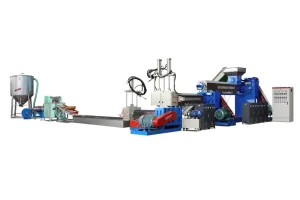
Explore the remainder of our engineered product range, complete with options for high-capacity output and material recycling configurations.
 HG NONWOVEN