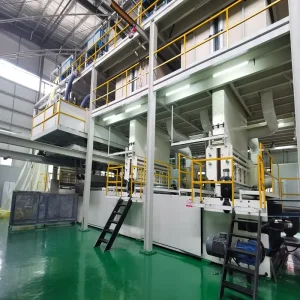
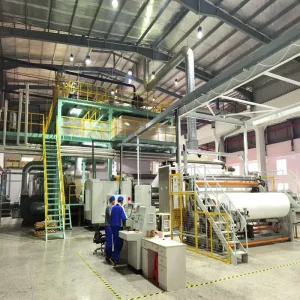
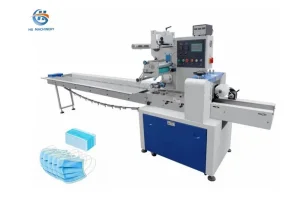
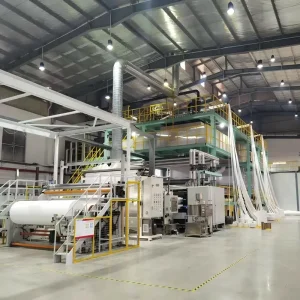
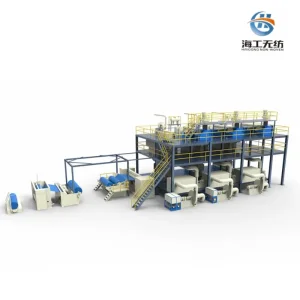
Discover our top-selling machinery solutions engineered for high performance, material savings, and environmental sustainability.
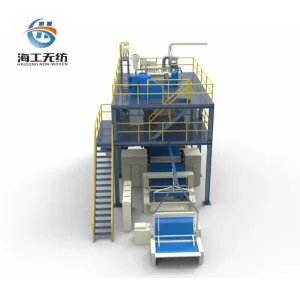
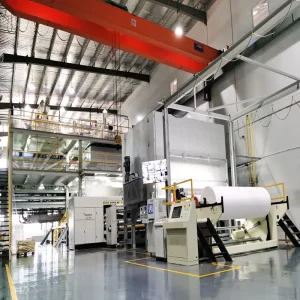
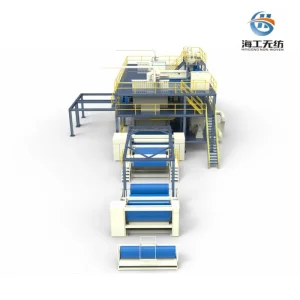
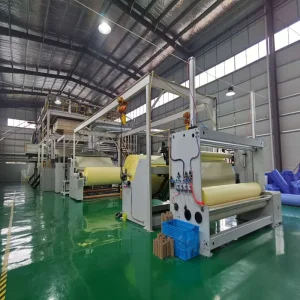
The global demand for nonwoven fabrics is experiencing unprecedented growth, driven by key end-use industries including hygiene products, medical PPE, eco-friendly packaging, and agricultural protective solutions. As a leading China Non Woven Line Manufacturer and Supplier, HG Nonwoven Machinery has observed a fundamental shift toward energy-efficient, automated, and sustainable production technologies. Modern operators require equipment that does not just output tons of fabric, but maximizes material savings, reduces carbon footprints, and provides high flexibility to handle diverse raw materials like virgin PP, recycled polymers, and biodegradable alternatives (PLA/PBAT).
Investing in a nonwoven line requires deep evaluation of thermodynamic systems, spinneret precision, draft channel designs, and post-processing automation. Our lines utilize advanced flow simulation technologies to guarantee uniform filament distribution, optimal fiber diameter control, and superior tensile strength ratios. This strategic whitepaper explores the technological parameters, structural engineering advantages, and regional service models that distinguish our high-speed spunbond and composite lines on the global stage.
Pujiang HG Nonwoven Machinery Co., Ltd. (active since 2014) is a globally recognized manufacturer specializing in PP spunbond, meltblown, and composite nonwoven fabric making machines with complete turnkey engineering services. By integrating advanced 5th Generation spunbond spinning concepts from overseas with our own autonomous technological innovations, we have optimized the system configuration to match localized operational parameters across the world.
HG nonwoven fabric making machines are characterized by convenient operation, compact footprint, low power consumption, high production efficiency, and reduced manufacturing costs. We believe in providing eco-friendly and sustainable solutions to help our partners succeed in highly competitive markets.
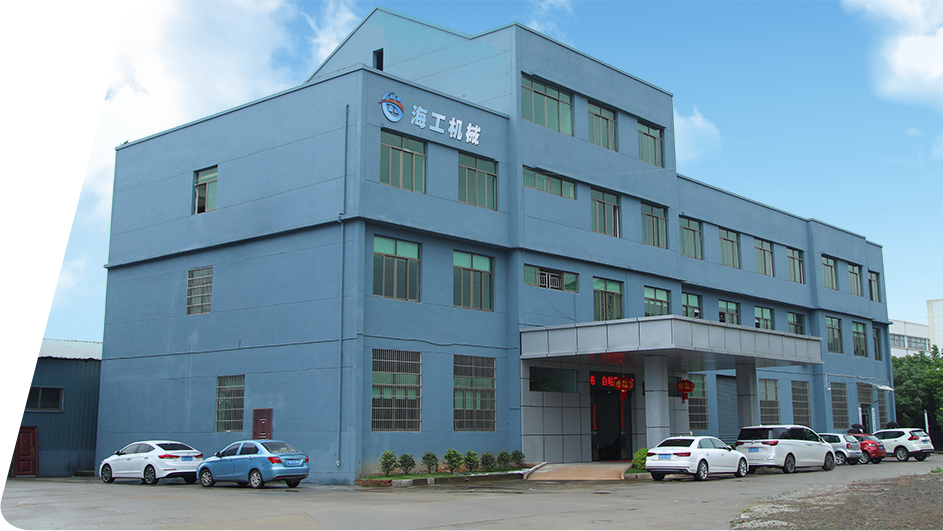
The nonwoven industry has progressed rapidly from low-speed, single-beam lines to high-speed, multi-beam composite systems (SSMMS). HG Nonwoven Machinery is actively developing the next phase of manufacturing lines, with plans focused on automation, IoT connectivity, and sustainable processing.
Real-time monitoring of melt pressure, melt temperature, and screw speed. Automated adjustments ensure uniform polymer viscosity before entering the spin pack, preventing fiber breaks and weight variance.
Optimized slot drawing channels utilizing aerodynamic simulation software. This enables high-speed air currents to stretch filaments down to 1.5–2.0 denier, giving the fabric a soft hand-feel and high tensile strength.
Adapting spinnerets and heating zones for biodegradable PLA (Polylactic Acid) and bio-resins. Advanced thermal controls prevent PLA degradation, supporting eco-friendly consumer demands.
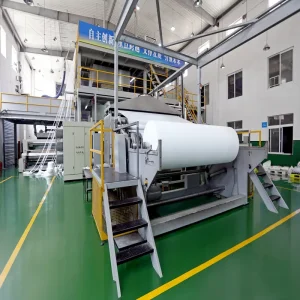
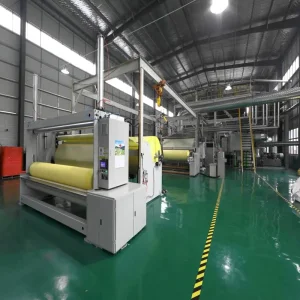
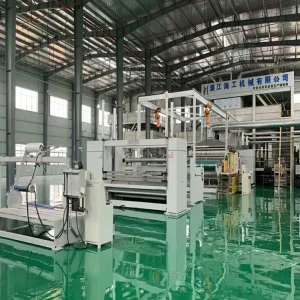
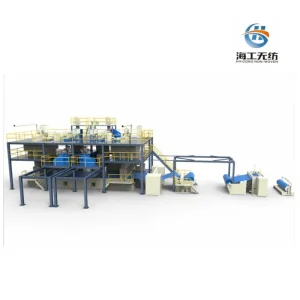
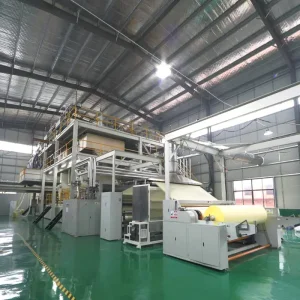
Explore our main production setups designed to meet specific industry standards and material properties.
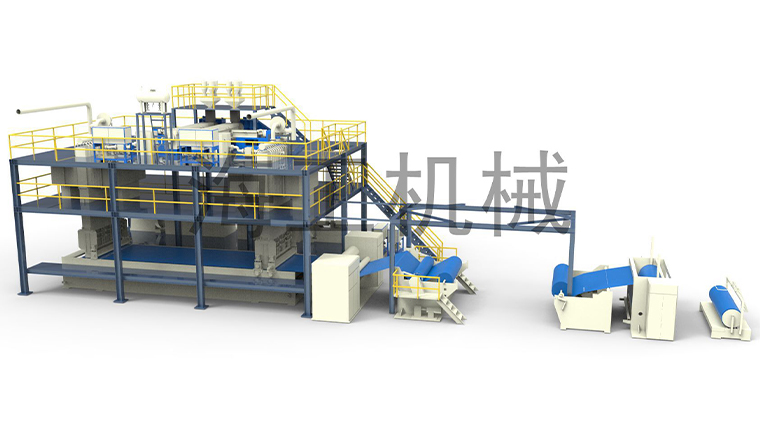
Commonly used for packaging bags, furniture backing, and agricultural crop covers.
High Efficiency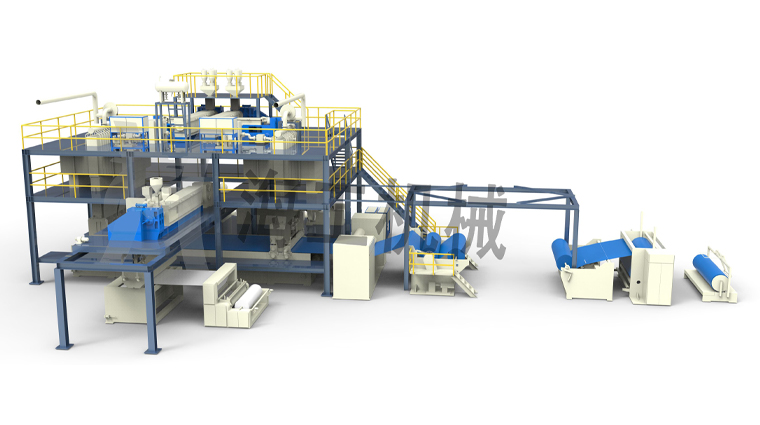
Engineered specifically for medical grade fabrics, isolation gowns, and hygiene applications.
High Barrier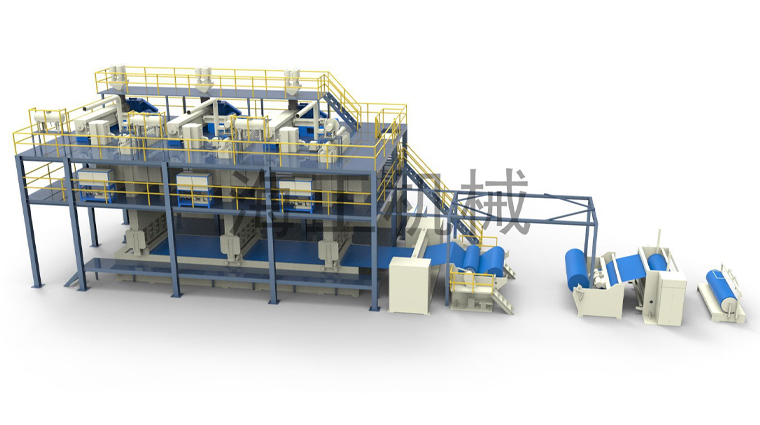
Includes 4 layout layers to provide high filtration efficiency for premium hygiene products.
Premium Filtration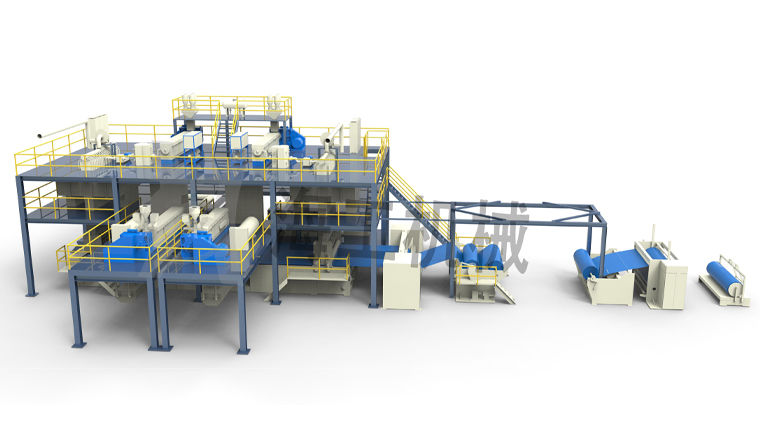
Top-tier barrier performance combined with softness and breathability for premium baby diapers.
Max ComfortThe versatility of our spunbond and meltblown lines allows manufacturers to serve multiple high-growth industries. We customize lines to optimize mechanical properties (tensile strength, elongation, tear resistance, hydrostatic head) according to the target market:
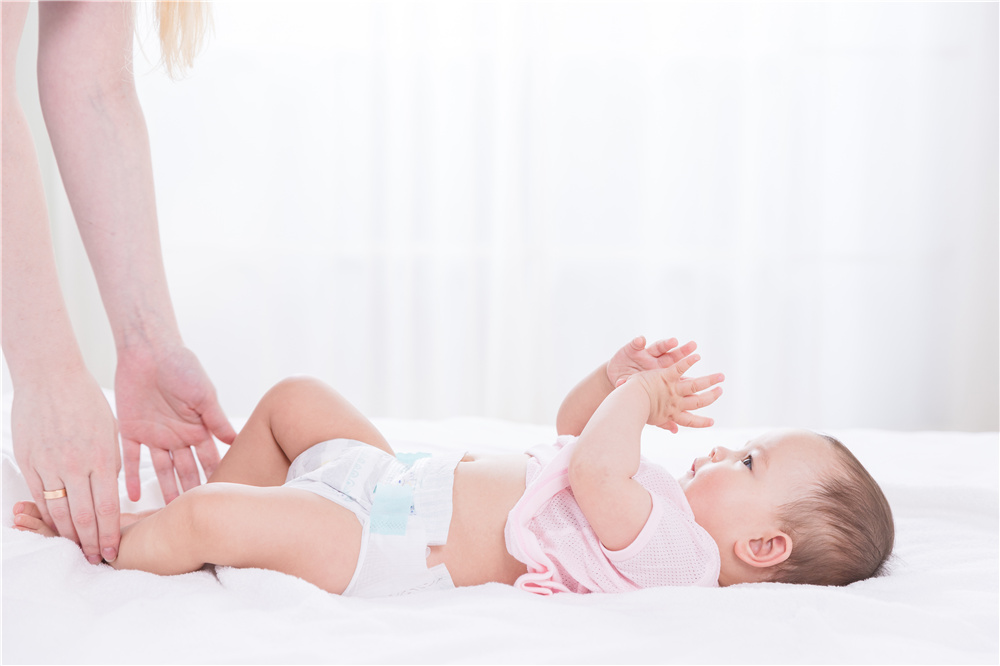
Spunbond nonwoven fabric is crucial in the hygiene sector, offering breathability, softness, and excellent fluid management. It quickly distributes liquid and keeps it away from the skin, making it ideal for baby diapers, adult incontinence products, and feminine care lines. Our SSMMS lines excel at producing hydrophilic topsheets and hydrophobic backsheets.
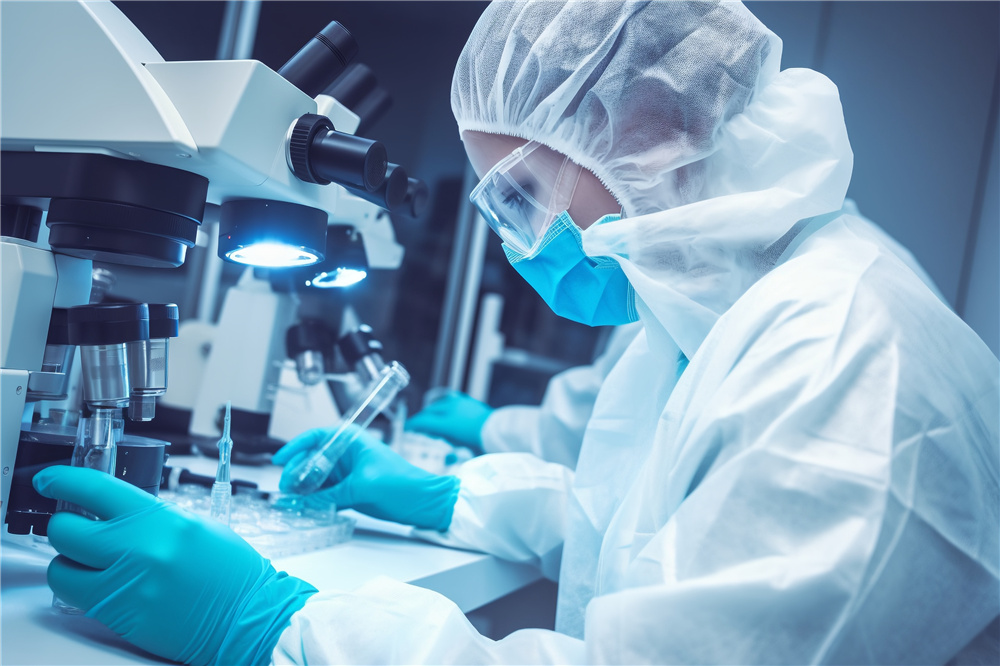
Nonwoven fabrics are extensively used in the medical field to provide barriers against liquid penetration and biological agents. Critical safety properties, such as high bacterial filtration efficiency (BFE) and fluid resistance, are essential for products like face masks, surgical gowns, drape kits, and sterilization wraps.
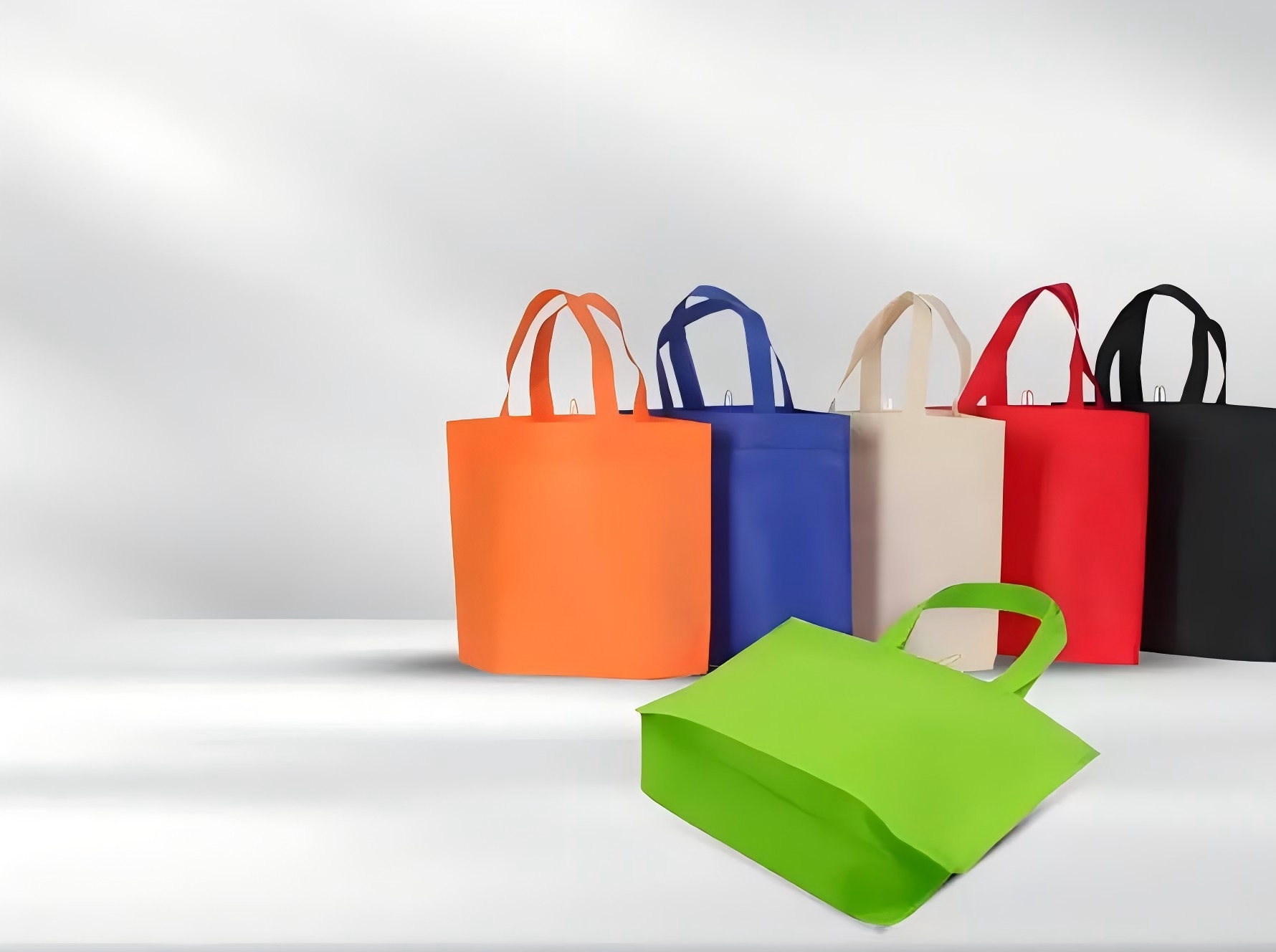
Lightweight structures, shipping efficiency, and long lifespan make nonwoven fabrics a strong alternative for industrial packaging. Spunbond materials are widely applied in shopping bags, garment covers, pocket springs, and protective packaging for cosmetics or pharmaceuticals, contributing to sustainable product designs.
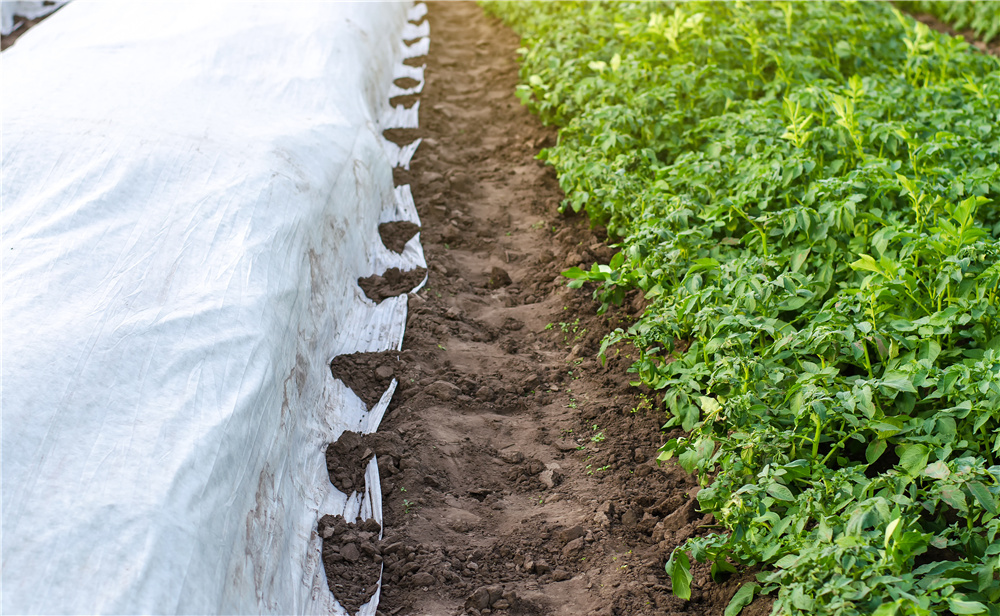
Agricultural nonwovens allow water and air to pass while protecting crops from cold, frost, wind, and pests. They provide a balanced microclimate, managing UV radiation, heat retention, and soil moisture permeability, making them practical tools for commercial growers.
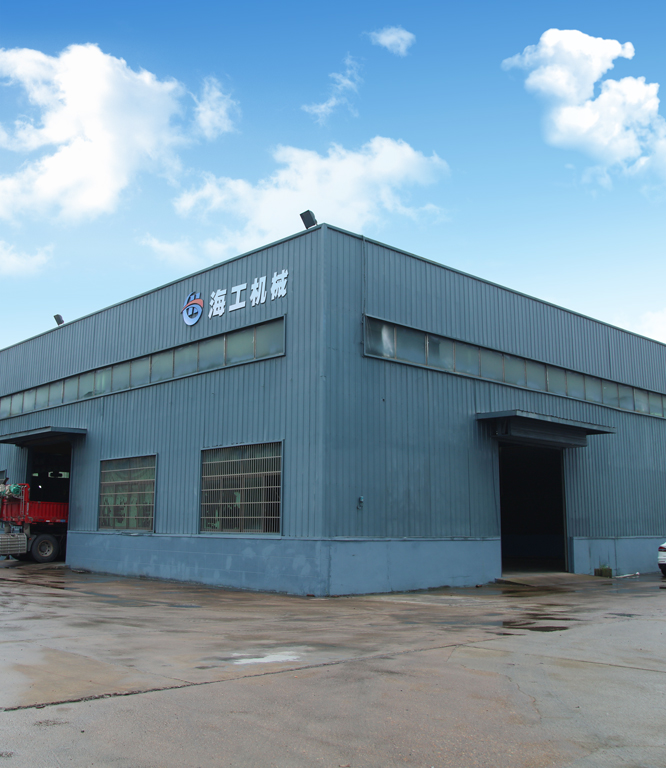
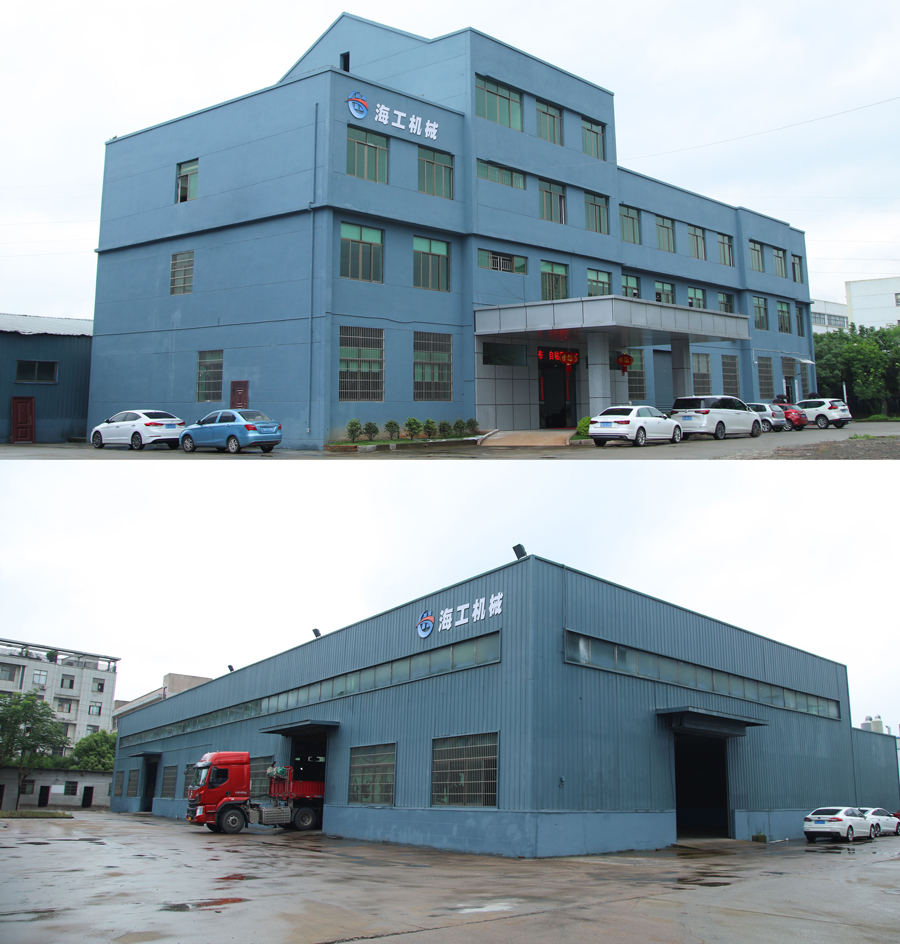
Operating out of Zhejiang, China, HG Nonwoven Machinery leverages a highly integrated industrial ecosystem to manufacture high-speed nonwoven lines. This localized cluster grants us significant advantages that translate directly to cost savings and reliable delivery schedules for our global clients:
Building a nonwoven manufacturing facility requires more than just buying the primary extrusion system. HG Nonwoven Machinery provides a full suite of services to ensure operational readiness:
We support our clients with regional market analyses and project feasibility planning, determining the most viable product weights and widths for their target markets.
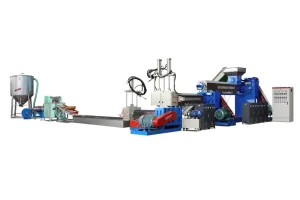
Beyond the core PP nonwoven line, we assist in sourcing and integrating essential auxiliary systems, including inline slitting, flexo-printing, lamination, bag making, and waste recycling equipment.
Our service includes site installation, operator training, and an engineering-backed warranty. Technical support is available via digital remote channels or on-site visits to resolve production issues.
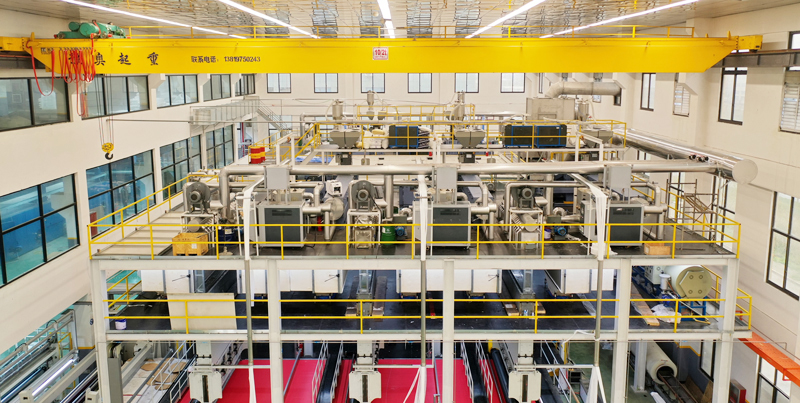
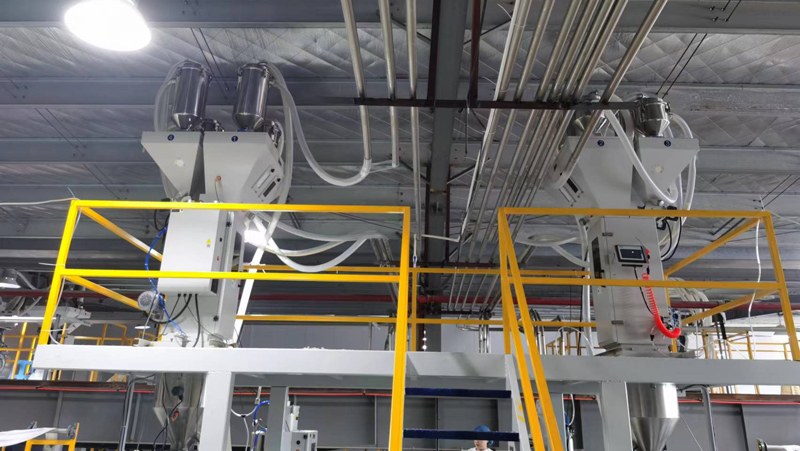
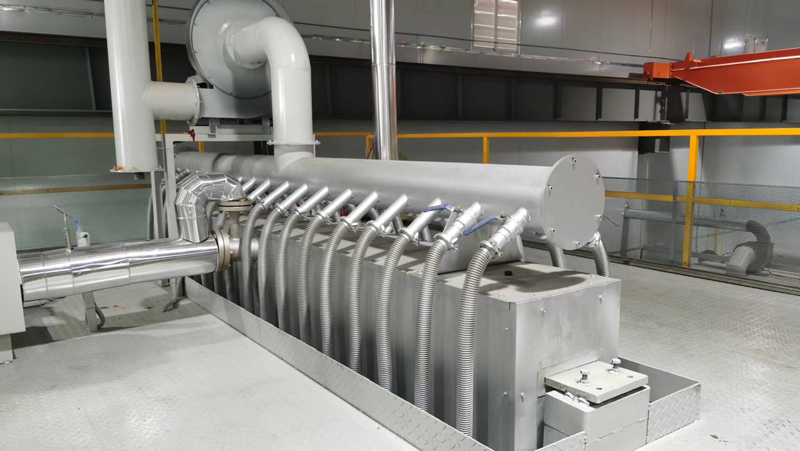
Procuring industrial equipment requires balancing capital expenditure (CAPEX) with long-term operating expenses (OPEX). Below is an overview of key technical parameters that procurement teams should monitor to evaluate suppliers:
Get professional answers to common technical and operational questions regarding nonwoven production equipment.
View our range of machinery configurations, recycling systems, and downstream processing equipment.
 HG NONWOVEN