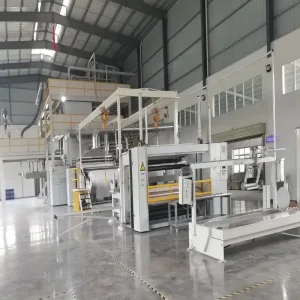
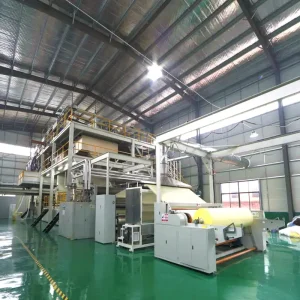
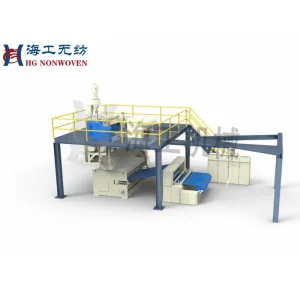
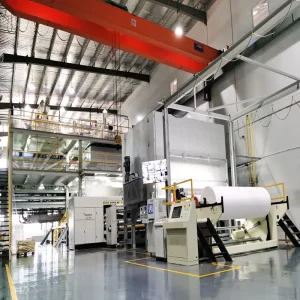
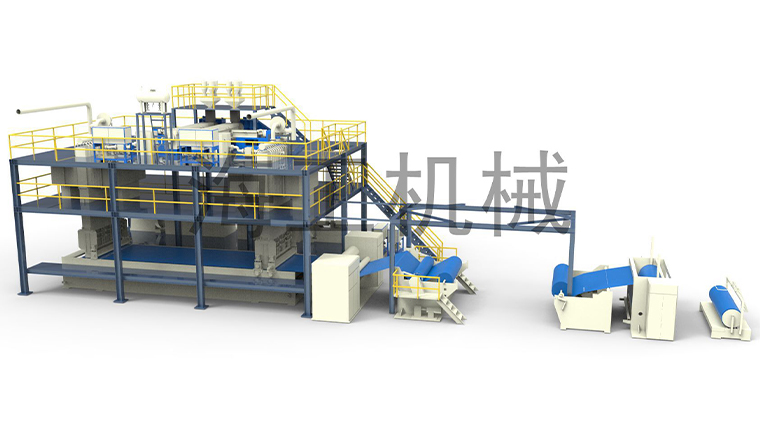
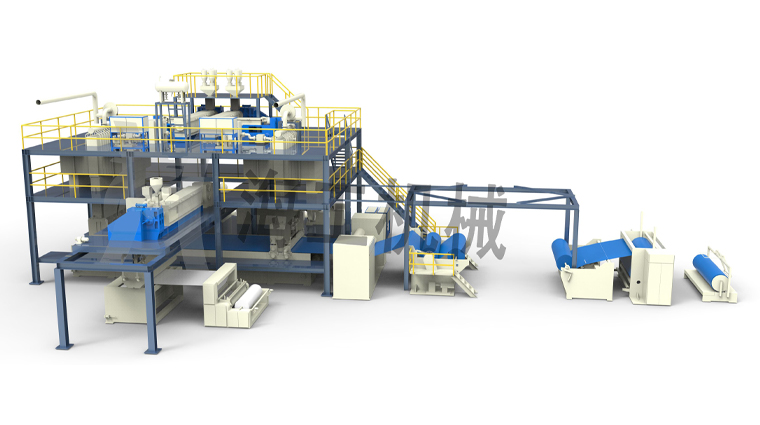
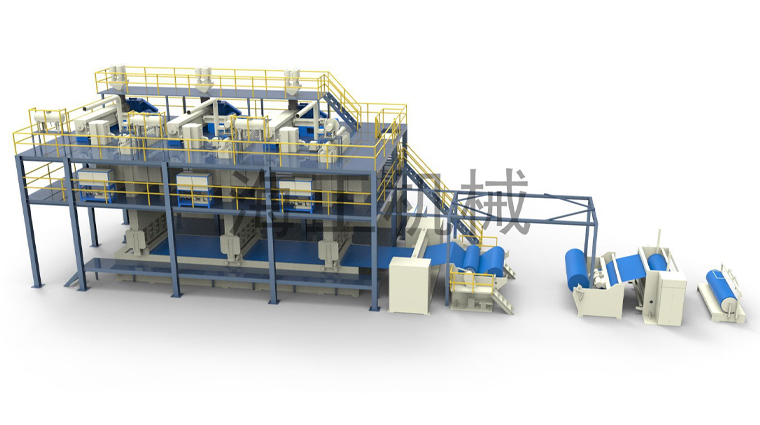
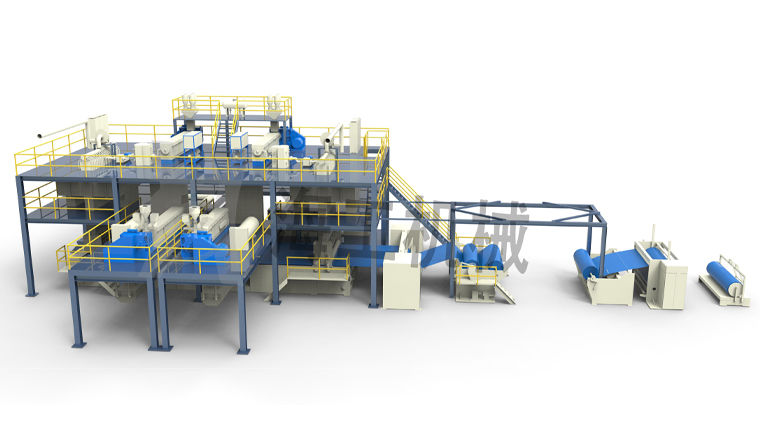
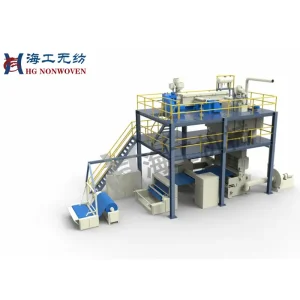
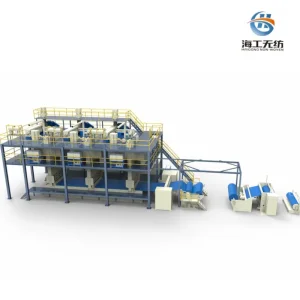
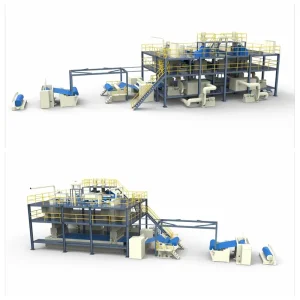
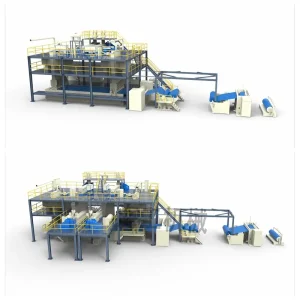
Explore our advanced high-speed spunbond, meltblown, and customized multi-beam nonwoven composite systems designed for high-yield manufacturing.
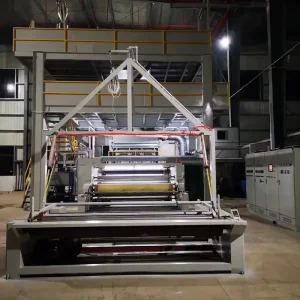
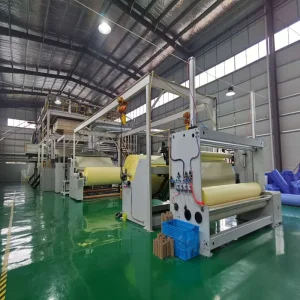
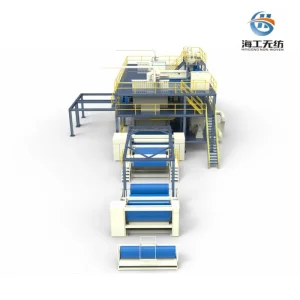
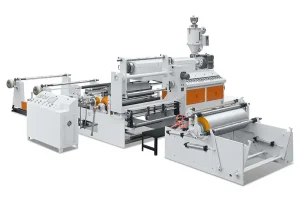
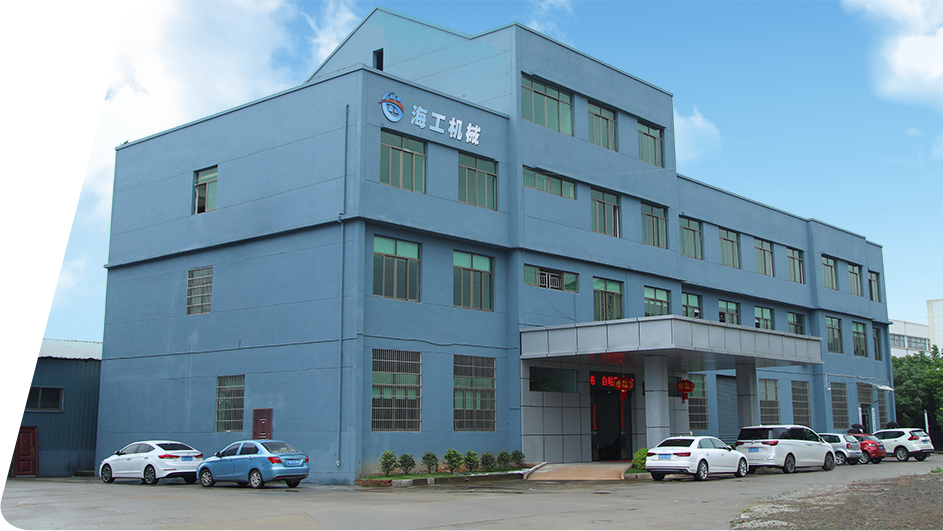
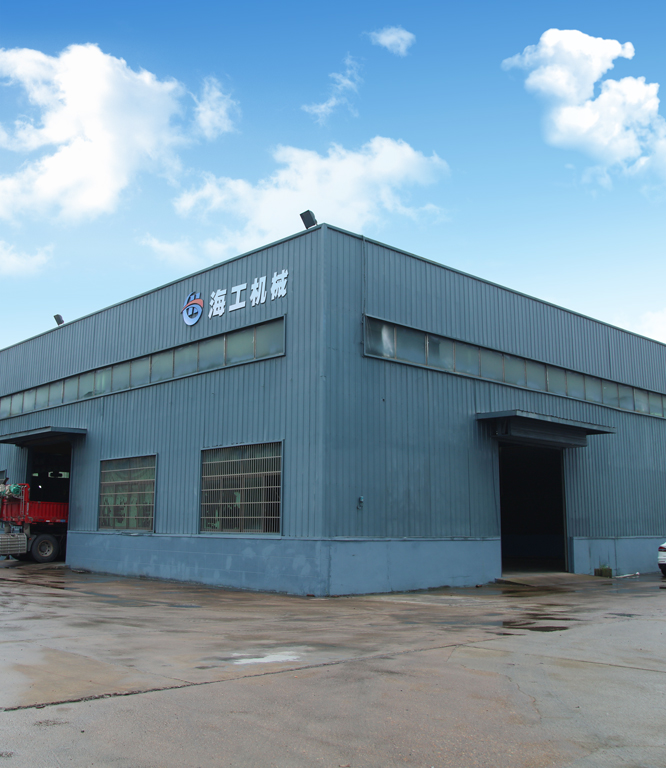
Established in 2014, Pujiang HG Nonwoven Machinery has emerged as an authoritative leader and premier manufacturer of PP spunbond, meltblown, and composite nonwoven fabric machine lines. We combine advanced overseas designs—specifically our pioneering 5th Generation spunbond spinning technology concept—with highly autonomous, local engineering developments tailored to precision demands in the global market.
HG's engineering philosophy centers on creating machinery lines that demonstrate operational convenience, compact space footprints, ultra-low power consumption, high processing efficiency, and rock-bottom manufacturing overheads. Our comprehensive turnkey project engineering service covers the entire workflow from initial conceptual design (A) to full commissioning and site-wide optimization (Z).
Our nonwoven fabric machine lines focus strongly on manufacturing high-performance, eco-friendly, and biodegradable spunbonded nonwoven fabrics. By selecting HG, you gain a reliable partner committed to economic viability and sustainability.
Analyzing technical macro shifts in composite materials production, multi-layer extrusion coating, and smart manufacturing.
In modern technical textiles, the demands placed on composite fabrics have expanded dramatically. Historically, single-layer nonwovens served packaging and basic agriculture. Today, the convergence of medical-grade barrier requirements, hygienic breathability, and structural durability in structural engineering has catalyzed the need for advanced nonwoven lamination machinery.
A state-of-the-art nonwoven extrusion lamination machine operates by applying a uniform film of molten thermoplastic resin (such as PP, PE, or TPU) onto a moving nonwoven substrate. High-precision tension control, uniform thermal bonding, and melt-index synchronization are critical to prevent delamination while maintaining the soft hand-feel of the fabric.
Global regulations are steering manufacturers away from single-use plastics. There is a massive technical shift toward PLA (Polylactic Acid) and water-based coatings. Modern lamination machines must feature adjustable heat profiles and extrusion dies specifically calibrated to accommodate the narrow processing windows of biodegradable polymers.
To keep unit costs competitive, processing speeds have climbed past 250-400 meters per minute. Achieving structural integrity at these speeds requires automated turret unwinders and rewinders with zero-speed flying splices, maintaining precise tension across thin substrates without tearing or wrinkling.
Real-time defects like pinholes, coating voids, or thickness variations must be detected instantly. Modern lines are increasingly integrating optical camera inspection systems backed by machine learning, generating dynamic quality mapping and reducing scrap rates by up to 30% compared to legacy setups.
Evaluating the technical frameworks, mechanical parameters, and ROI drivers expected by global B2B procurement agents.
Procuring an industrial-grade nonwoven lamination machine is a capital-intensive decision. Enterprise buyers must conduct a rigorous review of physical line compatibility, component origins, electrical safety, and maintenance schedules. Below is an engineering checklist highlighting standard technical parameters expected of tier-1 manufacturers:
Buyers require automatic T-dies with internal deckling to adjust coating widths cleanly. An automatic thickness profiling system (beta or infrared sensor gauge) ensures cross-directional variation is kept under ±1.5%.
The system must dynamically process PP spunbond, meltblown, SMS, spunlace, woven fabrics, and plastic films. Multi-station unwinders with powder brakes or AC servo motors are standard requirements.
With surging energy costs, procurement mandates insulated extrusion barrels, electromagnetic induction heating systems, and regenerative heat exchangers to reclaim up to 25% of heating energy.
A major challenge for global procurement departments is selecting a configuration that meets current market standards but retains flexibility for future polymer developments. Cheaper machinery often leads to high operational costs (OPEX) due to high waste generation, frequent maintenance shutdowns, and high power usage.
HG Machinery addresses this dynamic by integrating premium components (such as Siemens PLC controls, Omron temperature regulators, and ABB drives). This guarantees that your line operates at peak efficiency with minimal downtime, preserving structural alignment for decades.
Engineered configurations customized for specialized high-performance industrial applications.

Crucial for baby diapers, adult incontinence pads, and feminine sanitary napkins. Delivers high breathability, exceptional liquid management, and a ultra-soft hand feel that protects sensitive skin.

Designed for surgical gowns, drapes, wrap fabrics, and protective masks. Focuses on high-barrier microbial filtration, fluid repellency, and compliance with strict EN 13795 and AAMI standards.
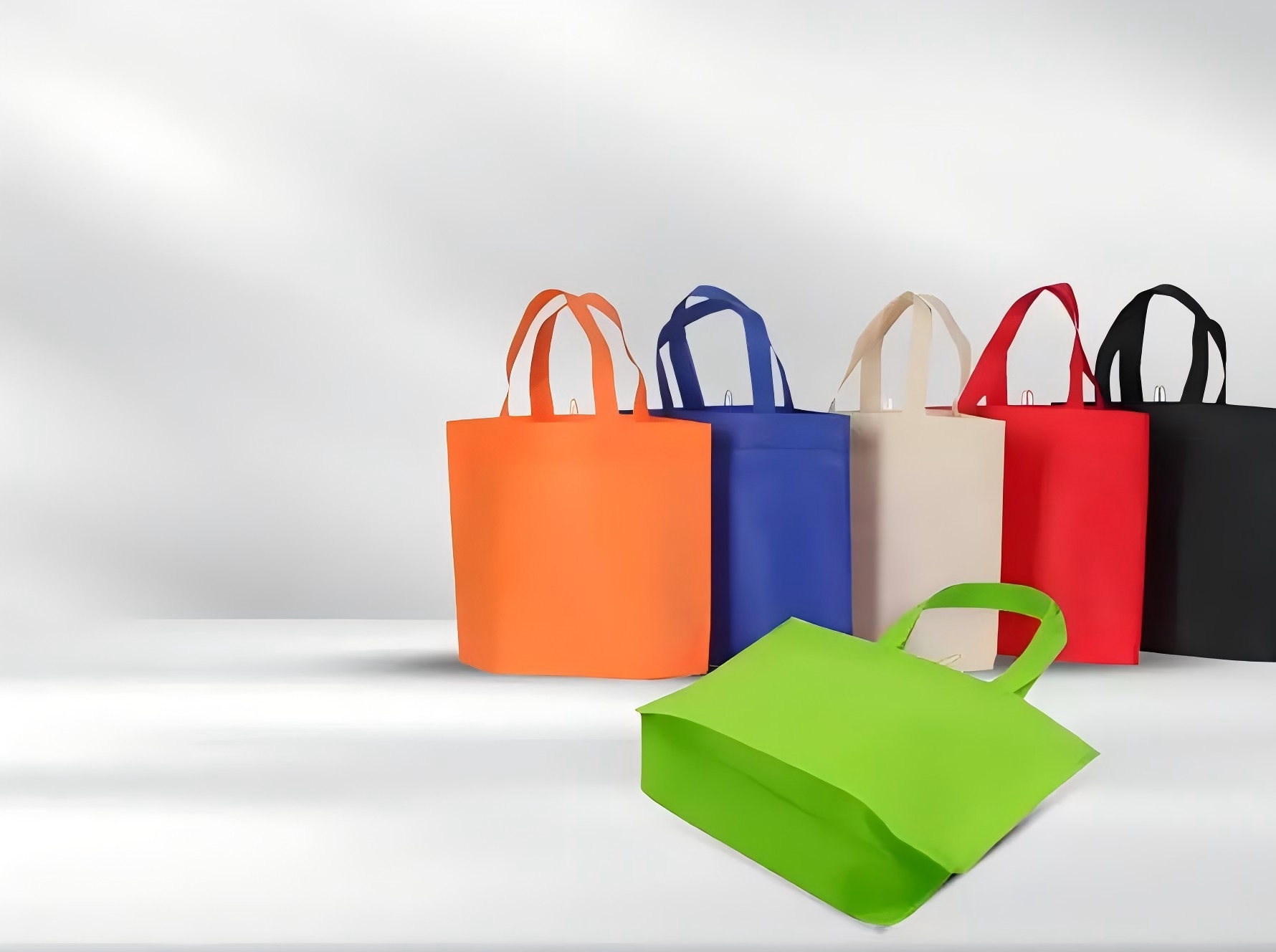
Ideal for durable shopping bags, garment covers, pocket springs, and agricultural wraps. Provides high tensile strength, structural durability, lightweight transport profiles, and easy reusability.
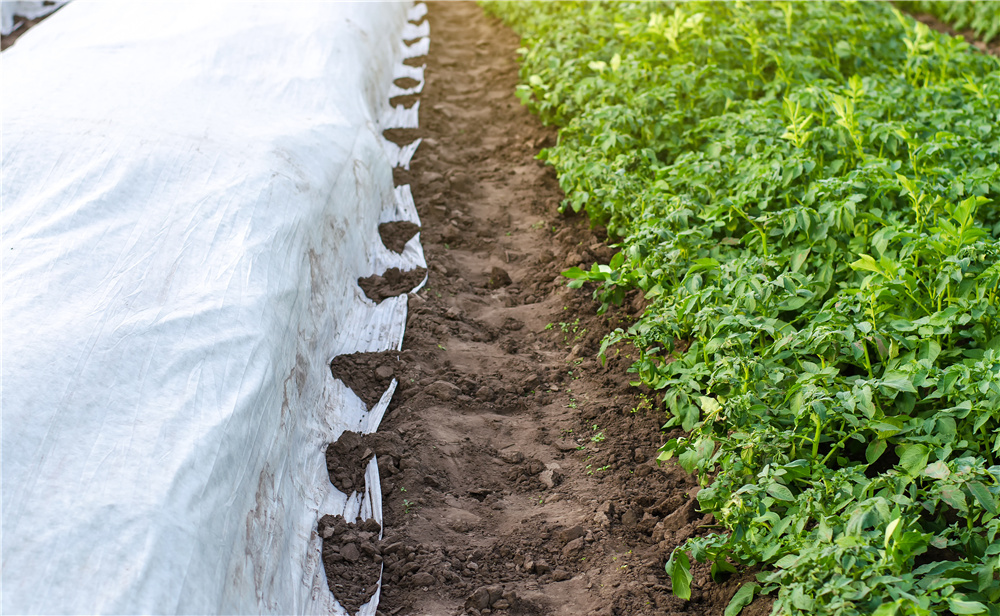
Provides optimal microclimates, protects crops from frost, pests, and birds, and provides UV resistance. Highly permeable to water and air, supporting high crop yields.
How HG manages the design, installation, training, and compliance processes for global buyers.
We analyze local market conditions, land requirements, raw material sources, and power distribution setups. This allows us to provide a detailed project feasibility study before machine design begins.
Our engineers design customized components to suit your production targets. This includes adjusting extruder dimensions, calendar rolls, winding capacities, and physical machine placement drawings.
HG coordinates logistics and sends experienced technicians to manage mechanical assembly, electrical integration, piping connections, and initial material testing.
We train your operators on basic line operations, calibration, troubleshooting, and safety. A 24-month warranty provides reliable long-term technical security.
Beyond our standard spunbond and meltblown lines, our turnkey solutions integrate a range of essential auxiliary machinery, including high-precision slitting and rewinding machines, waste recycling systems, flexographic printing presses, lamination units, and automated bag-making machines.
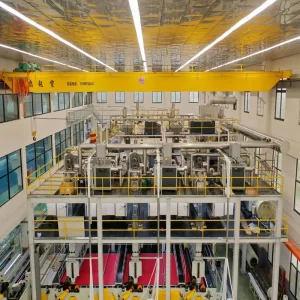
High-performance production lines running in manufacturing hubs worldwide.
Evaluating HG's ongoing development of smart extrusion lines and green technologies.
Optimizing the distribution of meltblown fibers to support sub-micron filtration efficiency. This enables medical composites to meet NIOSH N95 and EN149 standards with low breathing resistance.
Developing thermo-bonding systems with uniform heat distribution. This prevents thin spots and guarantees reliable lamination across the entire web width.
Integrating secure IoT modules that allow our engineers to perform remote troubleshooting, diagnose sensor faults, and advise on optimization settings from our central facility.
Detailed technical answers to common queries regarding nonwoven production and extrusion lamination machinery.
High-capacity extrusion lines engineered for global manufacturing demands and strict quality standards.
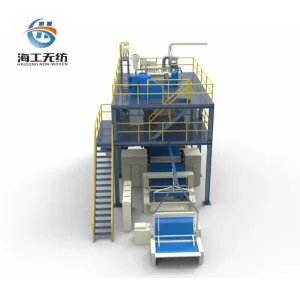
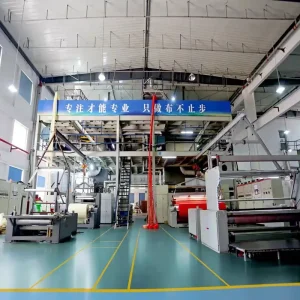
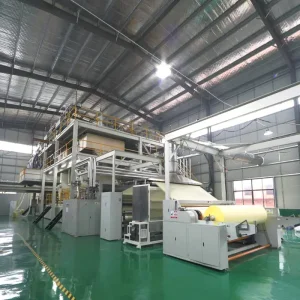
 HG NONWOVEN