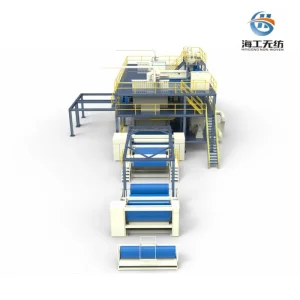
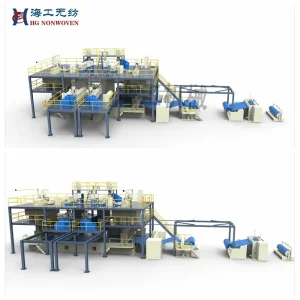
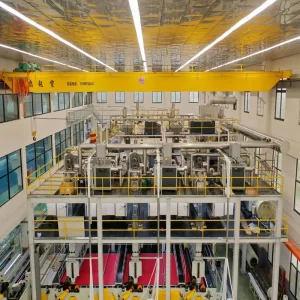
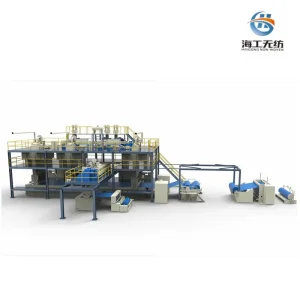
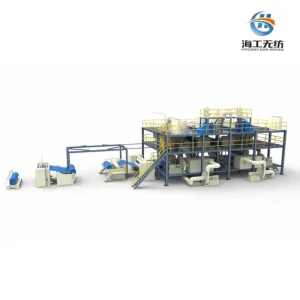
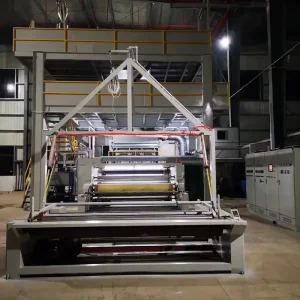
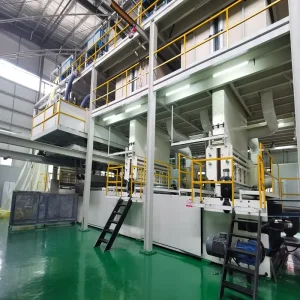
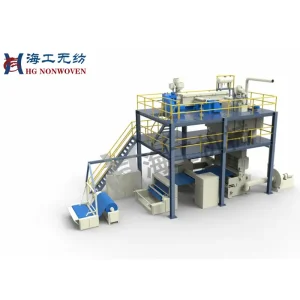
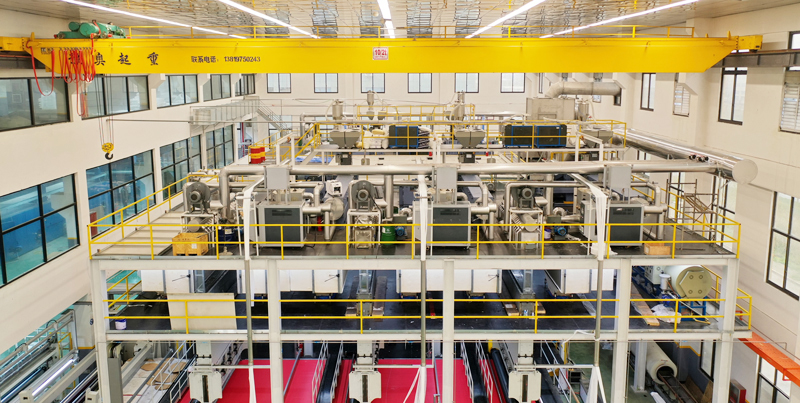
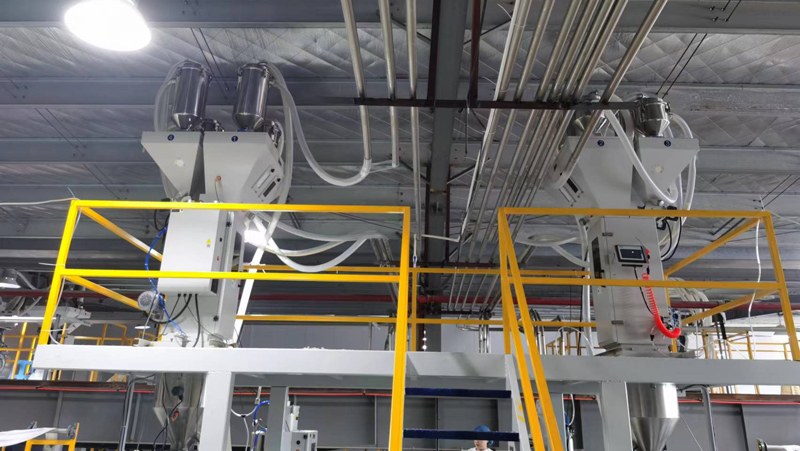
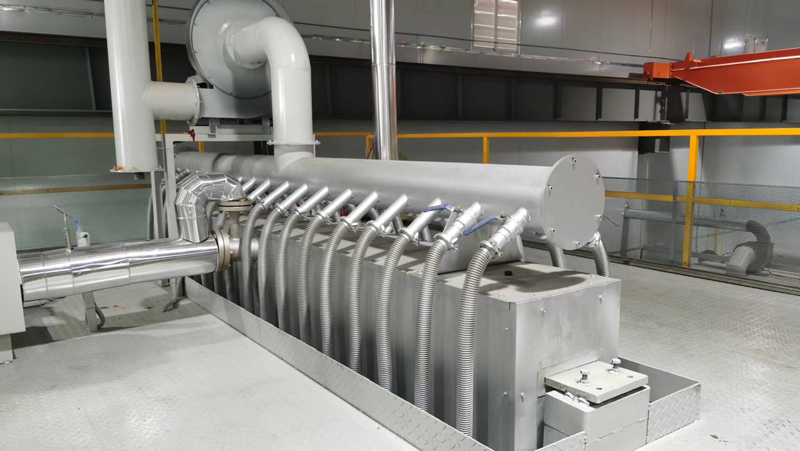
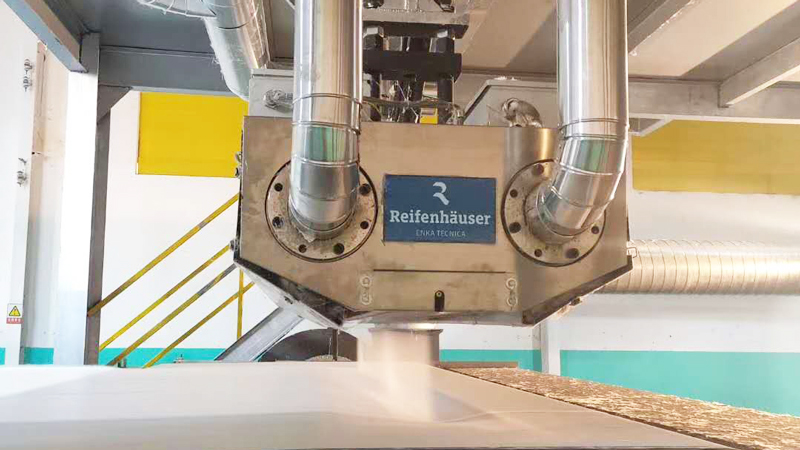
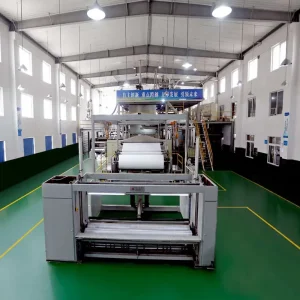
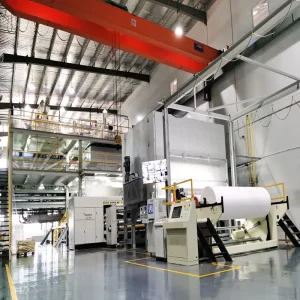
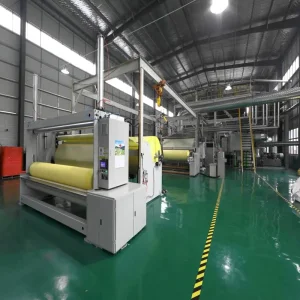
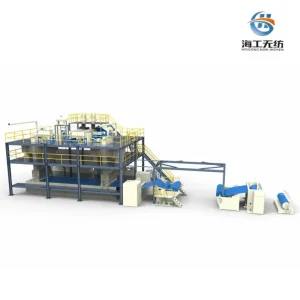
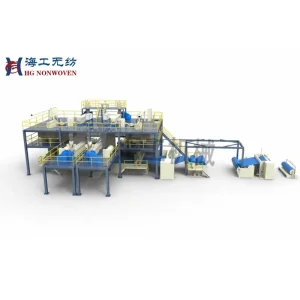
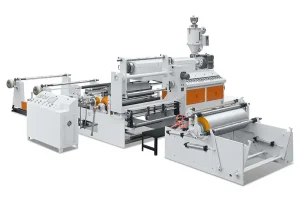
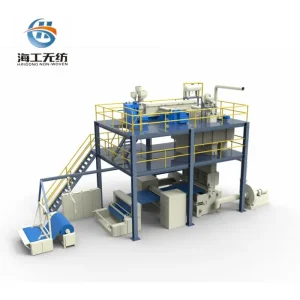
Explore our flagship nonwoven production lines with integrated high-speed winding and slitting systems.
The global technical textiles landscape is undergoing a significant transformation driven by automation, material diversity, and high-speed efficiency requirements. As a pivotal stage in web conversion, the Non Woven Fabric Slitting Machine bridges the gap between raw wide-width extrusion (Spunbond, Meltblown, or SMS) and consumer-ready rolls. Achieving precision slitting requires specialized mechanical integrity to handle varying GSM weights, tensile strengths, and surface properties without structural deformation.
Modern industrial trends emphasize minimum downtime, automatic knife positioning, and closed-loop tension systems. As slitting speeds surpass 400 m/min, manual mechanical adjustments are obsolete. High-performance slitter-rewinders now utilize differential shaft rewinding, advanced PLC controls, and pneumatic shear cut systems to deliver perfect edge straightness and uniform tension profiles across all slit rolls.
Advanced motorized linear guides enable knife positioning accuracy to ±0.1mm, reducing setup times from hours to seconds and eliminating operator alignment errors.
Pneumatic slip shafts compensate for thickness variations across the web width, maintaining constant tension to prevent soft-roll cores or telescoping.
Closed-loop tension system integrated with load cells and AC servo drives dynamically adjusts roll density, preserving fabric loft and breathability.
Leading Global Turnkey Engineering Supplier for Nonwoven Web Processing Technology
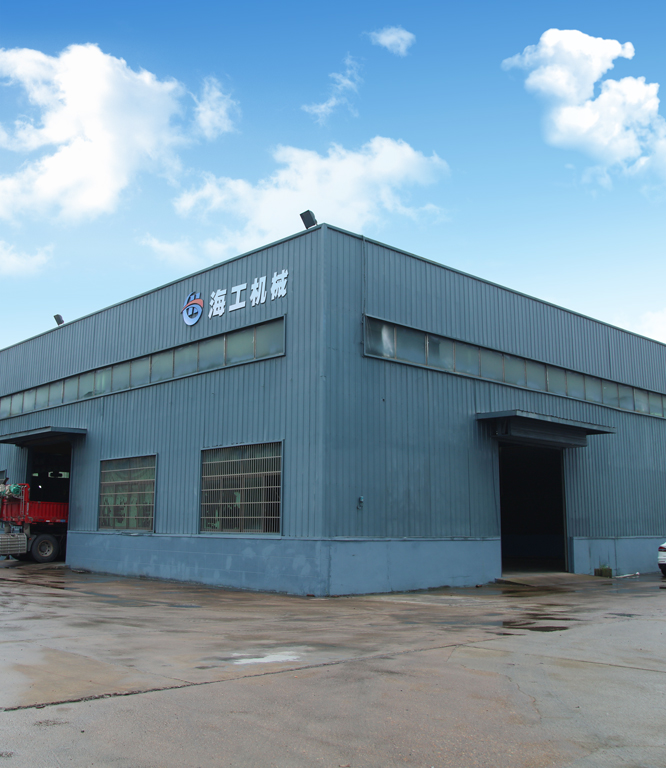

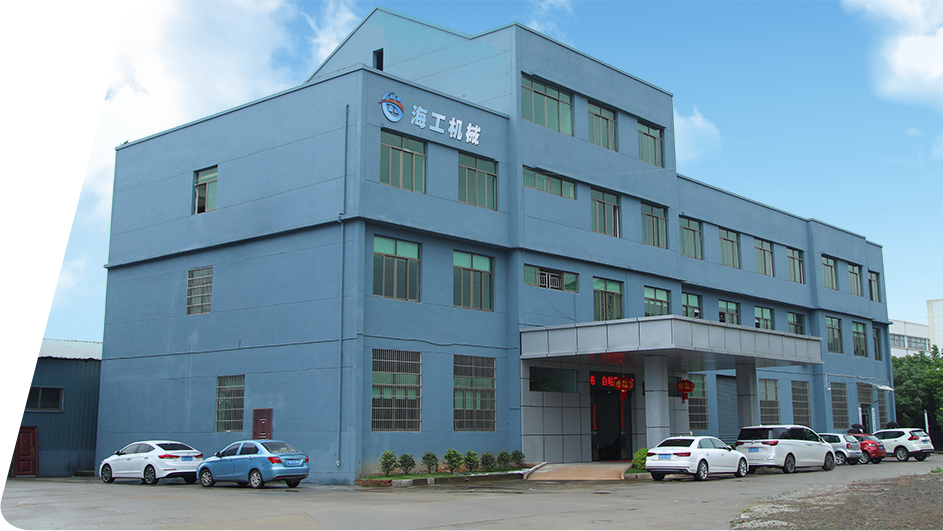
Pujaing HG Nonwoven Machinery is a well-known nonwoven fabric making machine manufacturer since 2014, specializing in PP spunbond and meltblown lines with complete turnkey engineering services.
Established on the foundations of innovation and precision, HG Nonwoven Machinery is a premier OEM/ODM developer of high-speed spunbond, meltblown, and composite nonwoven fabric lines. By incorporating our proprietary 5th Generation Spunbond Spinning Technology alongside customized downstream slitting and winding mechanisms, we supply global technical textile processors with robust, efficient, and cost-effective turnkey plants.
Beyond standard production machinery, HG builds fully integrated downstream slitting configurations designed for high-tensile nonwovens. Our solutions cover the entire line from polymer dosing to finished narrow-slit rolls, ensuring seamless cross-system communication and tension synchronization.
Maximizing ROI by integrating raw extrusion with secondary converting machinery
Every component of our nonwoven making and slitting machinery is engineered to minimize vibrations, optimize web flow, and ensure durability at 24/7 run speeds.
Leveraging over 20 years of sector experience, we provide in-depth localized analysis, helping you draft project feasibility reports tailored to regional raw material and energy costs.
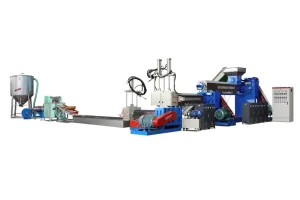
We supply the core PP nonwoven line alongside crucial downstream systems: recycling extruders, high-speed slitting machines, flexo printing presses, and bag-making machines.
Our service includes mechanical installation, PLC commissioning, staff training, and an industry-leading 24-month warranty with active remote diagnostic services.
Proven composite machinery platforms active in top-tier medical and hygienic converting plants
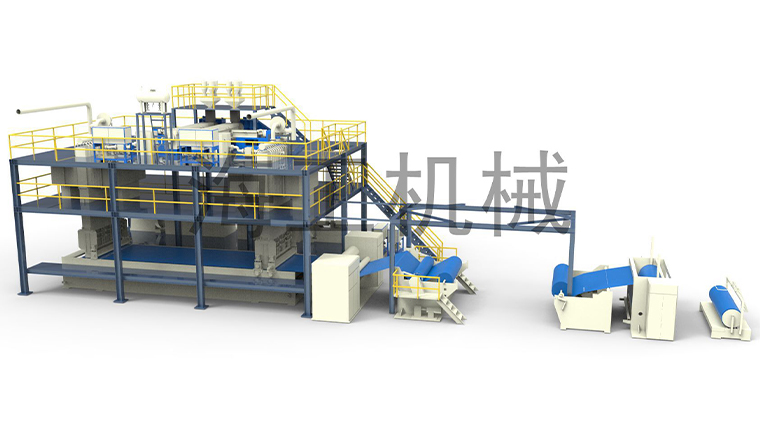
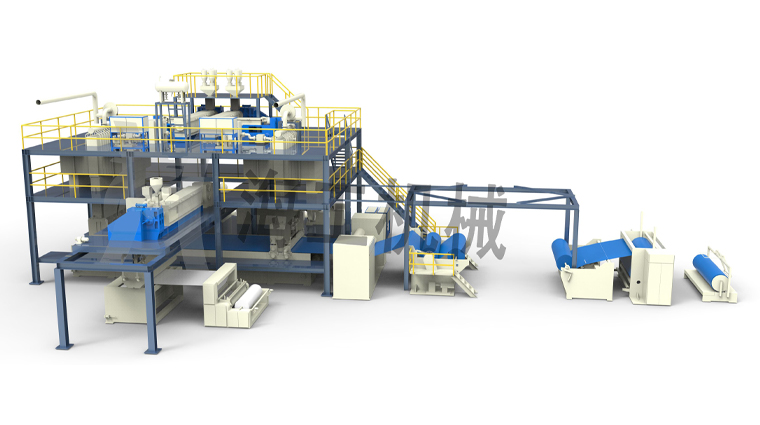
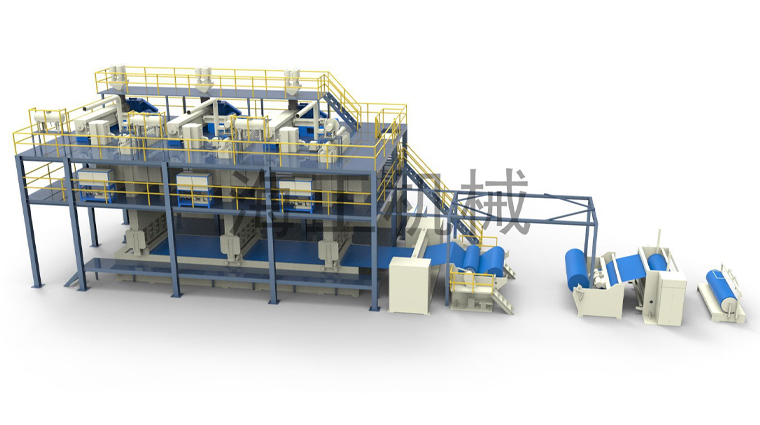
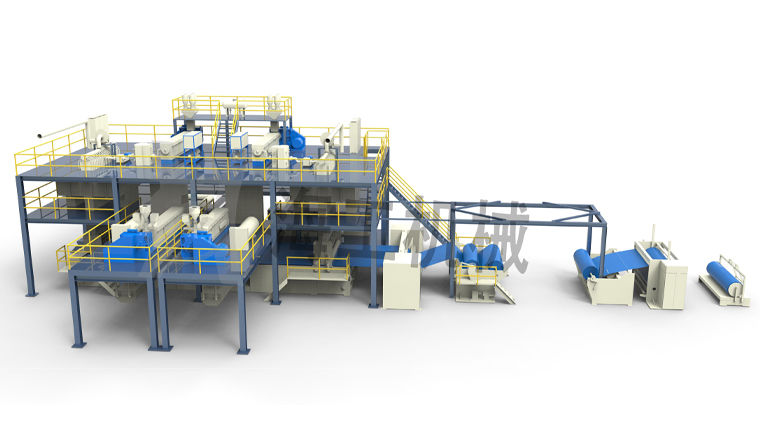
China's manufacturing sector has transitioned from manual assembly to advanced digital integration. At HG Nonwoven Machinery, we employ Industry 4.0 principles to improve machine design, structural testing, and assembly tolerance control. Modern China Non Woven Fabric Slitting Machines utilize advanced precision engineering to achieve high-performance operation.
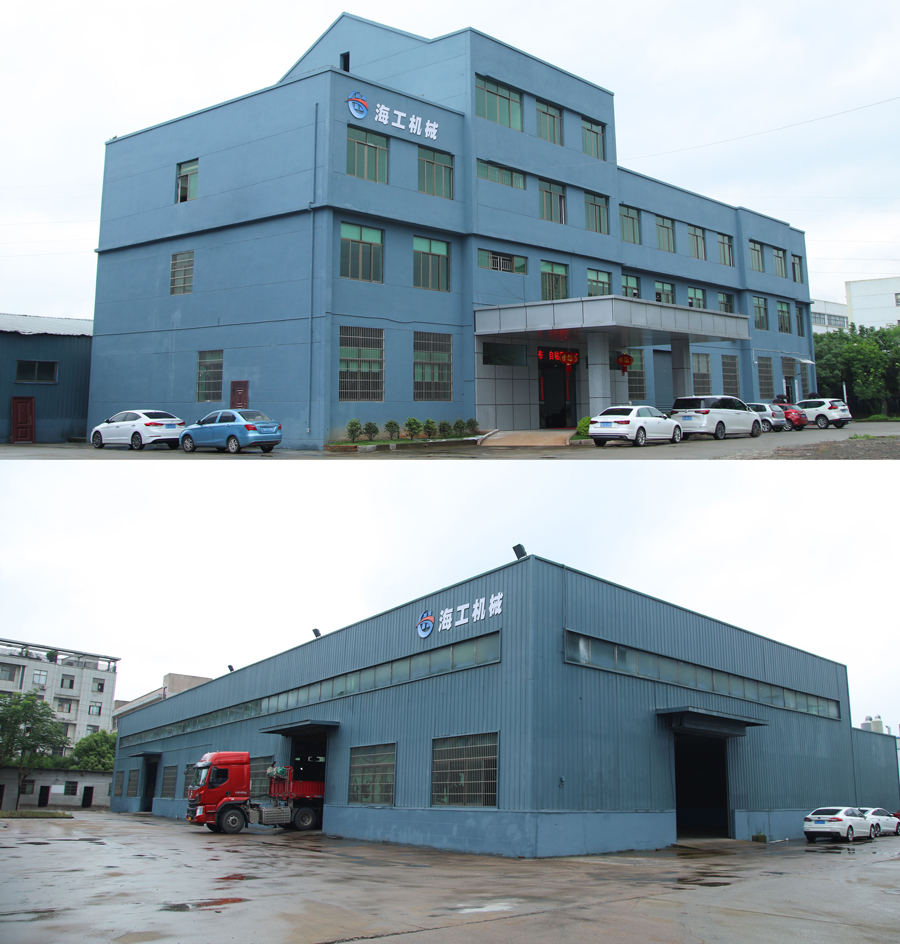
Our factory integrates advanced CNC milling centers, dynamic balancing machines for slitter rollers, and automated coordinate-measuring machines. This manufacturing depth ensures that all steel frames, knife shafts, and winding drums are precisely balanced. It reduces web oscillation at high speeds, extending blade life and ensuring uniform roll winding.
Additionally, China's extensive mechanical and raw material supply chains allow us to source high-grade components (Siemens PLCs, Festo pneumatics, SKF bearings) at favorable costs. These savings are passed directly to our customers through competitive pricing, while ensuring robust parts availability.
How slitting configuration, blade selection, and winding control adapt to different end-use markets.

Requires micro-slitting of light spunmelt webs (SMS/SSMMS down to 10-12 GSM) for baby diapers and feminine care. Demands extremely precise tension control to maintain fabric loft and soft tactile properties.

Surgical gowns, drapes, and face masks require sterile, dust-free cutting. Shear-slitting mechanisms with integrated static eliminators and vacuum dust collection systems are essential to maintain hygiene standards.

Heavy duty PP Spunbond materials (70-120 GSM) used in shopping bags need high-pressure winding and robust blades. This system supports high torque winding and uses wear-resistant, hardened steel rotary blades.

Crop covers and UV-barrier fabrics are processed in large roll diameters. These require specialized inline slitting and folding devices to format wide agricultural rolls for convenient packaging and field installation.
A look at the web handling parameters that determine the quality of your finished rolls.
Rewinding nonwovens requires precise control over three primary variables: Tension, Nip Pressure, and Torque (TNT). Because nonwovens are highly compressible, excessive nip pressure can crush the web, reducing thickness and compromising the breathability of medical or hygiene products. Our slitter-rewinders feature pneumatic cylinders that control the contact force between the winding rolls and the rider roll, automatically reducing pressure as the roll diameter increases.
Depending on material composition and GSM:
Expert answers regarding procurement, system integration, and operation of industrial slitter-rewinding machines.
Complete your factory setup with our high-output slitter-rewinding and auxiliary processing systems.
 HG NONWOVEN