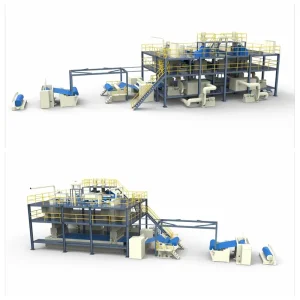
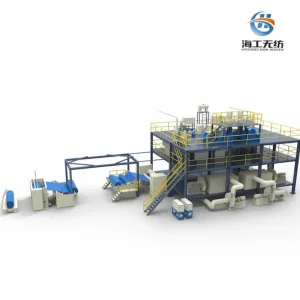
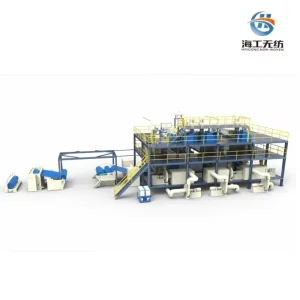
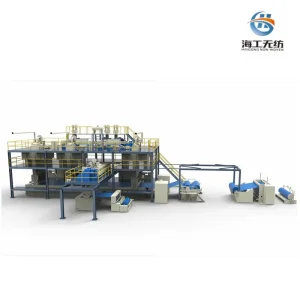
Explore our premium grade spunbond and nonwoven processing lines optimized for durability, throughput, and efficiency.
Pioneering the Future of Synthetic Fiber Web Processing Technologies Since 2014
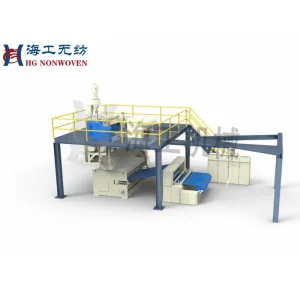
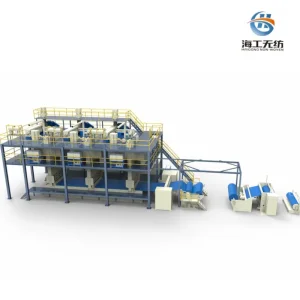
HG Nonwoven Machinery stands as a premier manufacturer of state-of-the-art spunbond, meltblown, and composite nonwoven fabric machine lines, dedicated to providing high-efficiency and innovative spunbond nonwoven fabric production solutions to the global market. Headquartered in Pujiang, our company introduced advanced design concepts, specifically the 5th Generation spunbond spinning technology, from overseas and integrated them with autonomy to match the exact requirements of international industrial markets. Consequently, HG nonwoven fabric making machines are characterized by convenient operation, small footprint area, low power consumption, high production efficiency, and remarkably low operational costs.
Established as Pujaing HG Nonwoven Machinery, we have earned a distinguished reputation as a well-known nonwoven fabric making machine manufacturer since 2014. We specialize in manufacturing PP spunbond and meltblown nonwoven fabric making machines accompanied by complete turnkey engineering services. Our corporate focus remains clear: designing machines that produce high-performance, eco-friendly, and biodegradable spunbonded nonwoven fabrics to align with global environmental mandates.
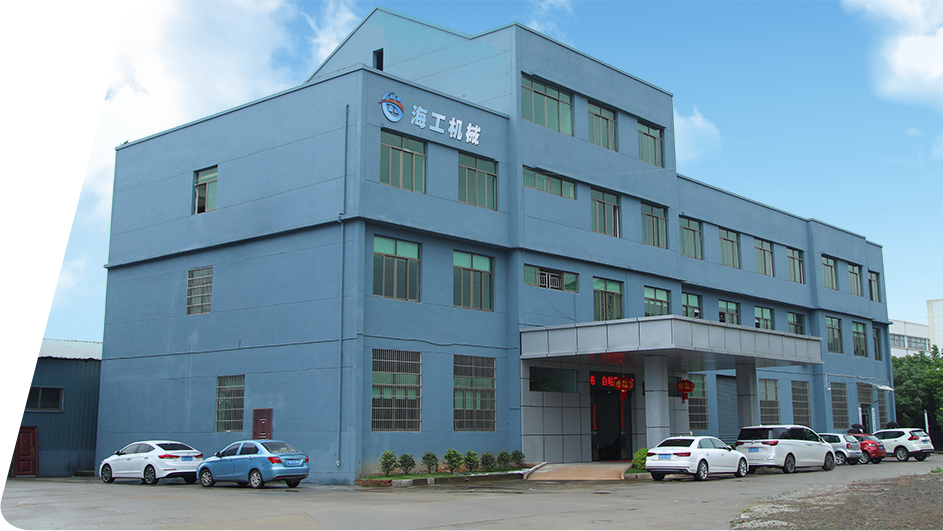
Inside the mechanics of the 5th Generation Spunbond and Meltblown composite lines.
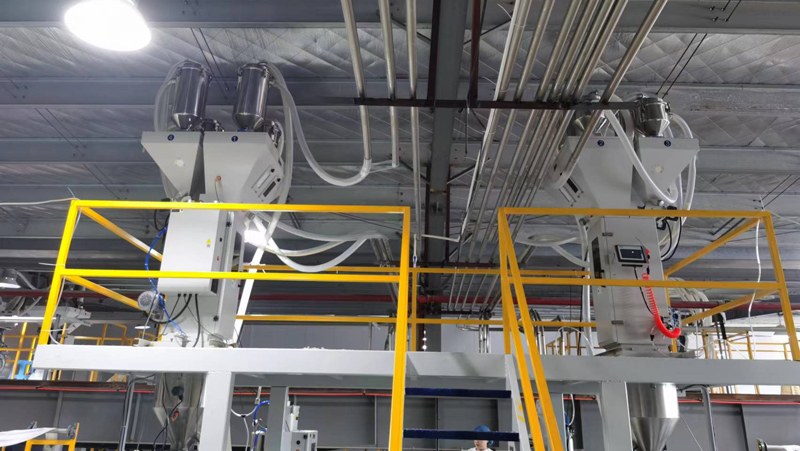
The engineering philosophy behind our extrusion machinery centers on material rheology and thermodynamic efficiency. By transitioning raw polypropylene (PP) chips through automated pneumatic feeding systems into our specially designed extruders, we ensure optimal polymer melt homogeneity. Our thermal design reduces energy waste through precision ceramic heaters and high-efficiency induction systems.
"The core of modern synthetic nonwoven engineering lies in the filament drawing velocity. Our high-speed aerodynamic slot attenuation system operates under controlled static air pressures, allowing web-forming filaments to reach diameters of 1.5 to 2.5 denier, delivering unprecedented tensile strength ratios across both Machine Direction (MD) and Cross Direction (CD)."
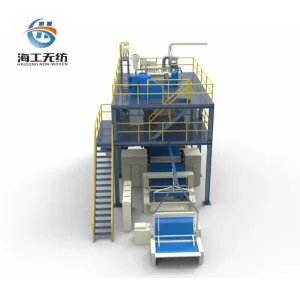
Our composite systems, including SMS (Spunbond-Meltblown-Spunbond) and SSMMS configurations, integrate dual or triple spinning beams with dedicated meltblown die heads. This allows for the production of barrier fabrics containing ultra-fine microfibers (1-3 microns) that are essential for medical surgical gowns and liquid-impervious personal protection gear. The entire process from raw material dosing to final slitting and winding is controlled via central PLC panels featuring closed-loop diagnostic mechanisms.
Utilizes advanced melt extrusion with an optimized L/D ratio to ensure stable polymer viscosity and uniform melt flow distribution.
Engineered for high-yield processing of biopolymers like PLA (Polylactic Acid) and biodegradable polyester resins.
High-velocity air channels draw fibers to ultra-fine diameters, promoting high tensile strength in all directions.
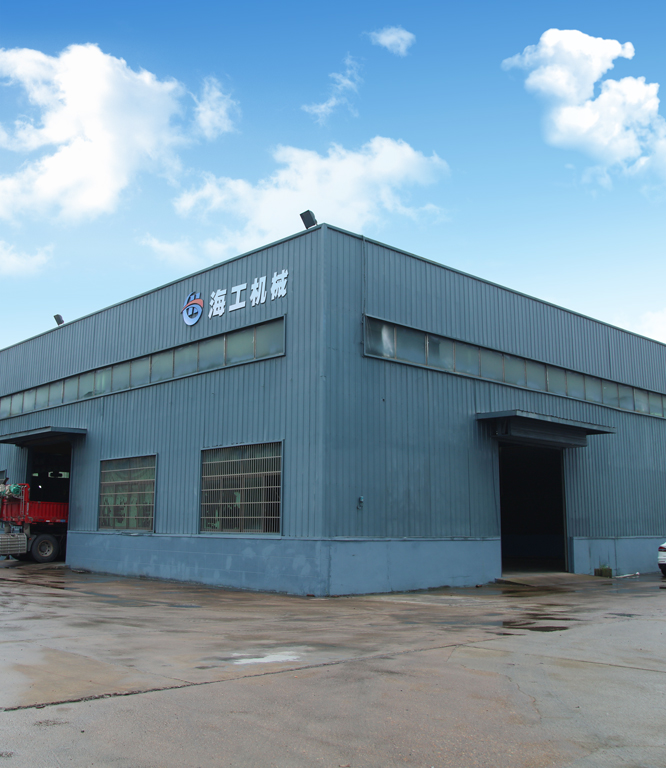
How HG Nonwoven Machinery integrates regional logistics to guarantee high quality and low lead times.
Operating from our major manufacturing facility, HG Nonwoven Machinery utilizes China's robust industrial ecosystem to source premium steel alloys, high-torque gearboxes, and precision electrical components. The concentration of specialized engineering clusters enables us to conduct rigorous stress-testing on raw mechanical parts before assembly.
Our supply chain model reduces logistics delays by securing core components locally, passing these cost savings directly to the client. This spatial efficiency guarantees that clients receive top-tier engineering solutions at competitive investment price points, ensuring an excellent Return on Investment (ROI) and minimizing overall cost of ownership.
Selecting the Ideal Nonwoven Fabric Machine Line for Your Target Market Segment
Choosing the correct line configuration is critical to securing market share in your local region. With our deep expertise across diverse sectors like medical protection, sanitary hygiene, sustainable packaging, and agricultural protection, we guide you through the process to ensure you select the machinery configuration that maximizes efficiency and profitability.
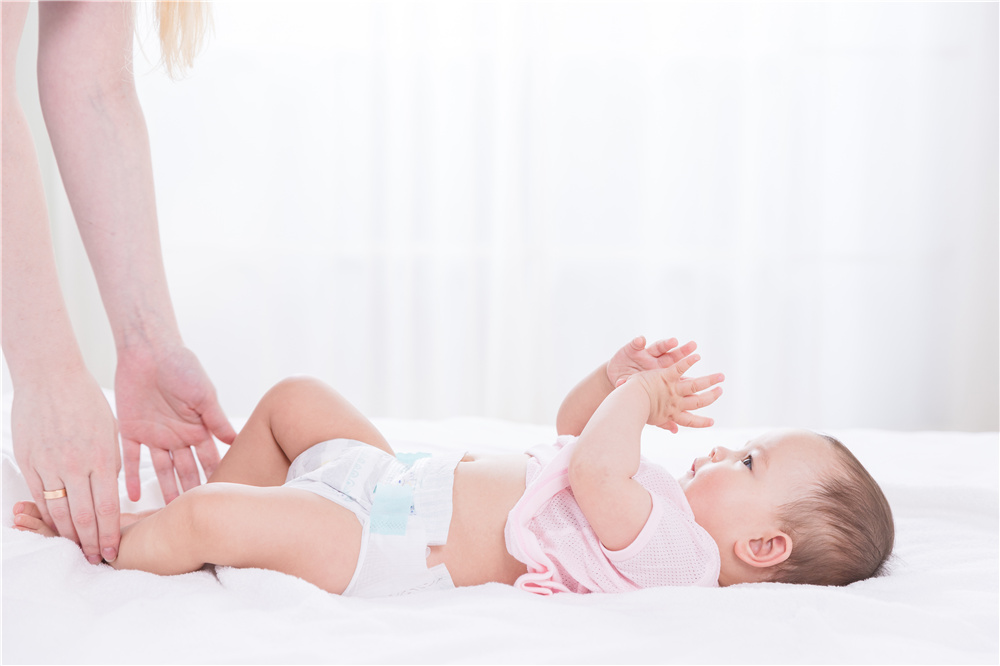
Non-woven fabric is essential in the hygiene sector, offering breathability, softness, and excellent fluid management for comfort and protection. It quickly absorbs liquid and keeps it away from the skin, making it ideal for disposable paper diapers, adult incontinence pads, and feminine hygiene products.
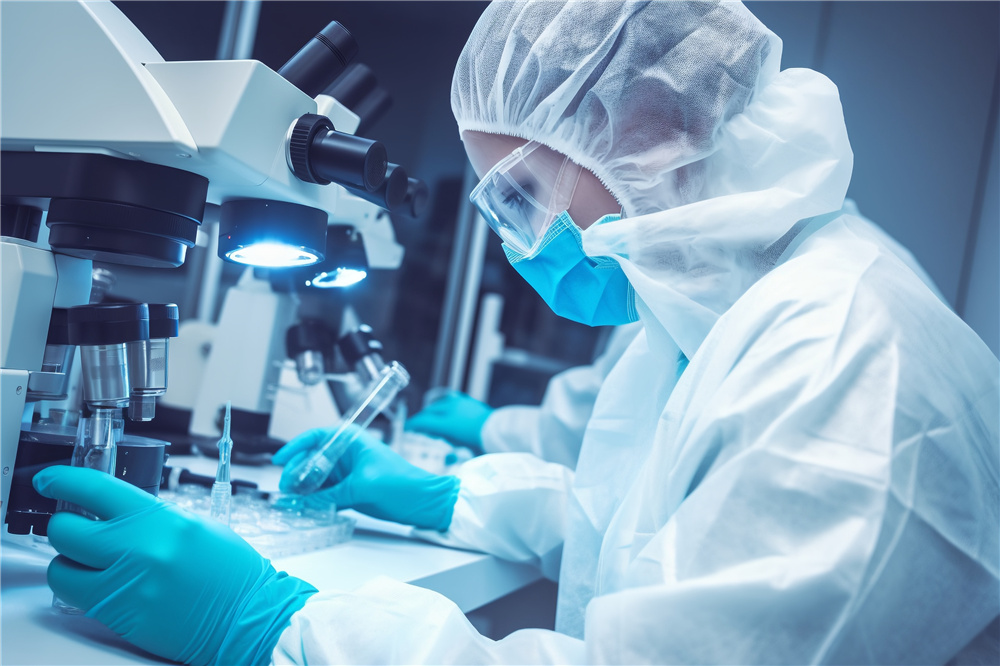
Nonwovens fabrics are extensively used in the medical field and in protection against biological agents in other sectors. They deliver critical safety properties, such as prevention against infections and diseases. They are essential for making face masks, surgical gowns, bed sheets, and surgical towels, ensuring effective filtration, barrier protection, and patient comfort.
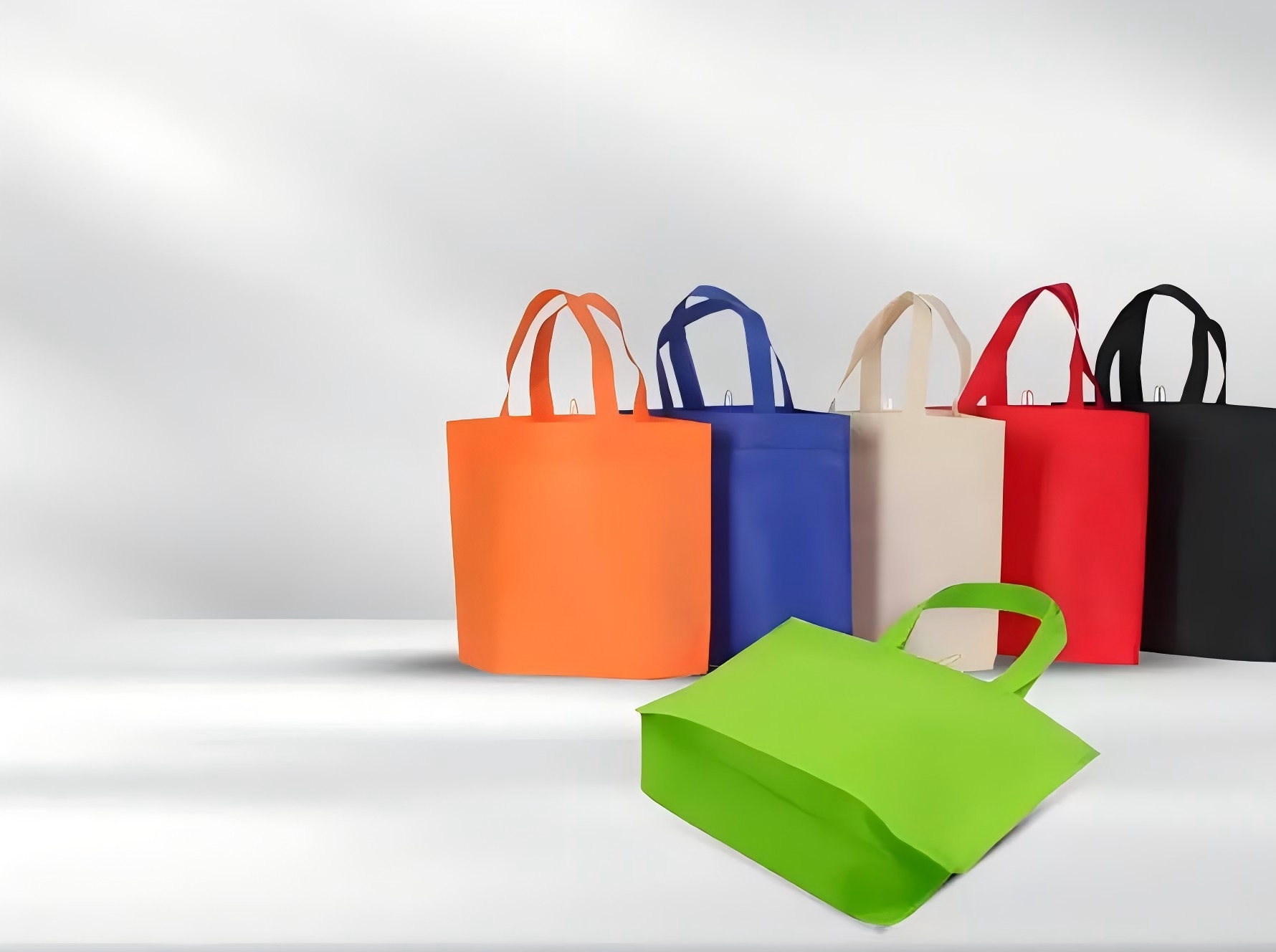
Nonwoven fabric is ideal for a variety of packaging end-uses, as their exceptional lightweight nature, energy-efficient production, ease of shipping/storage, long life, and robustness allow for volume reduction and re-usability. It is widely used for shopping bags, fruit bags, garment bags, rice bags, pocket springs, garment interlinings, as well as packaging for pharmaceuticals and cosmetics.
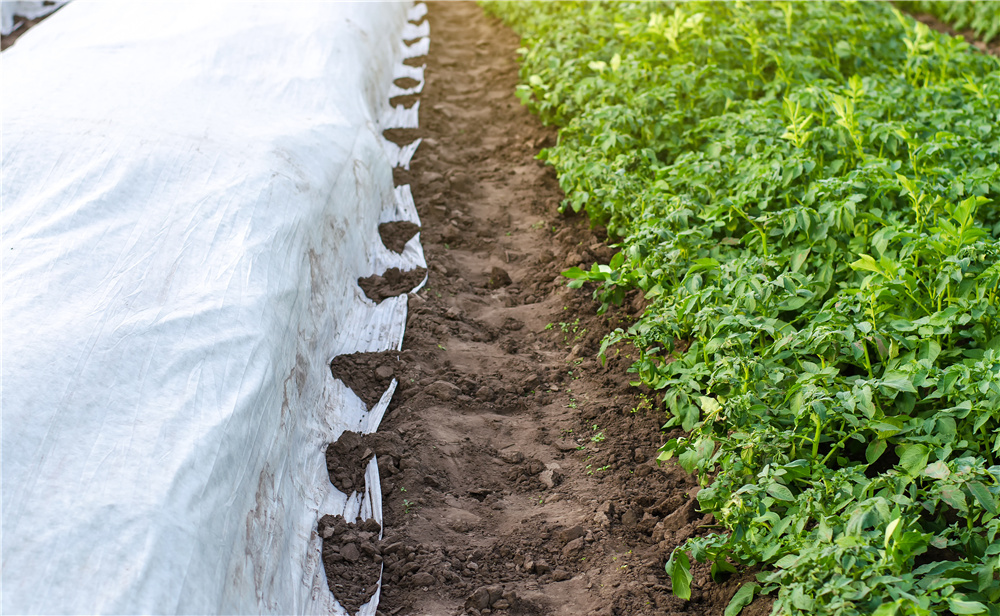
Agriculture Non Woven Fabrics allow air and water to pass through while providing wind and cold protection by generating a microclimate around the crops. Furthermore, because nonwovens work as physical protection media, they prevent crop damage from insects and birds. The materials regulate heat, act as UV blockers, and provide superior air and water permeability.
A comprehensive lifecycle approach from initial market feasibility to final product slitting and recycling.
With rich experience in nonwoven fabric industry, we will give you thoroughly local market analysis to help you to do a project feasibility report.
Our machines are meticulously designed and incorporate the latest technology to ensure maximum production efficiency with minimal energy consumption. We also offer customized solutions to ensure our machines align perfectly with your unique space and utility limitations.
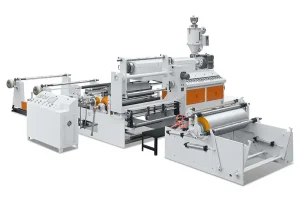
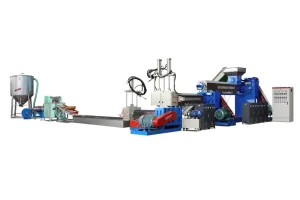
Besides the PP nonwoven fabric making machines, we also can help in providing service in related nonwoven machines like non woven recycling machine, non woven fabric slitting machine, non woven flexo printing machine, non woven lamination machine, non woven fabric bag machine, and etc.
After installation, we will give training service to make sure that your team can learn all operation and run machine line well. We will also provide 24 months engineer after-sale service if you need to give technical support. Whether on-site or through Digital Services - we help you quickly and reliably.
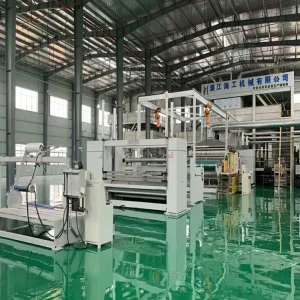
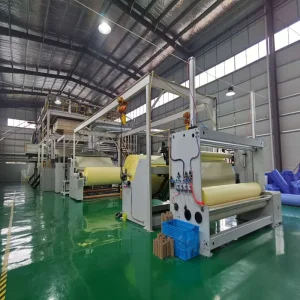
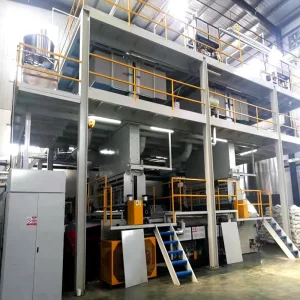
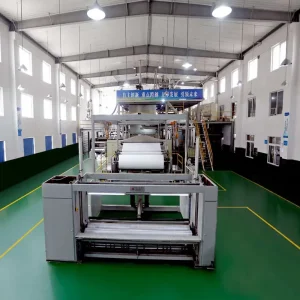
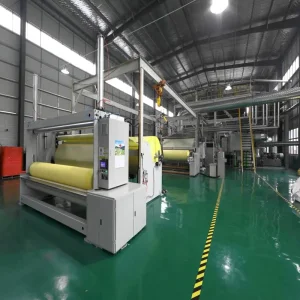
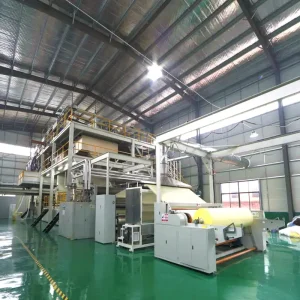
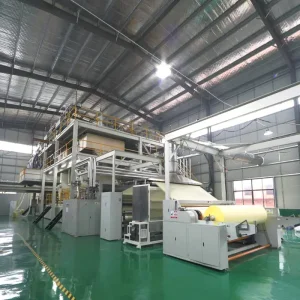
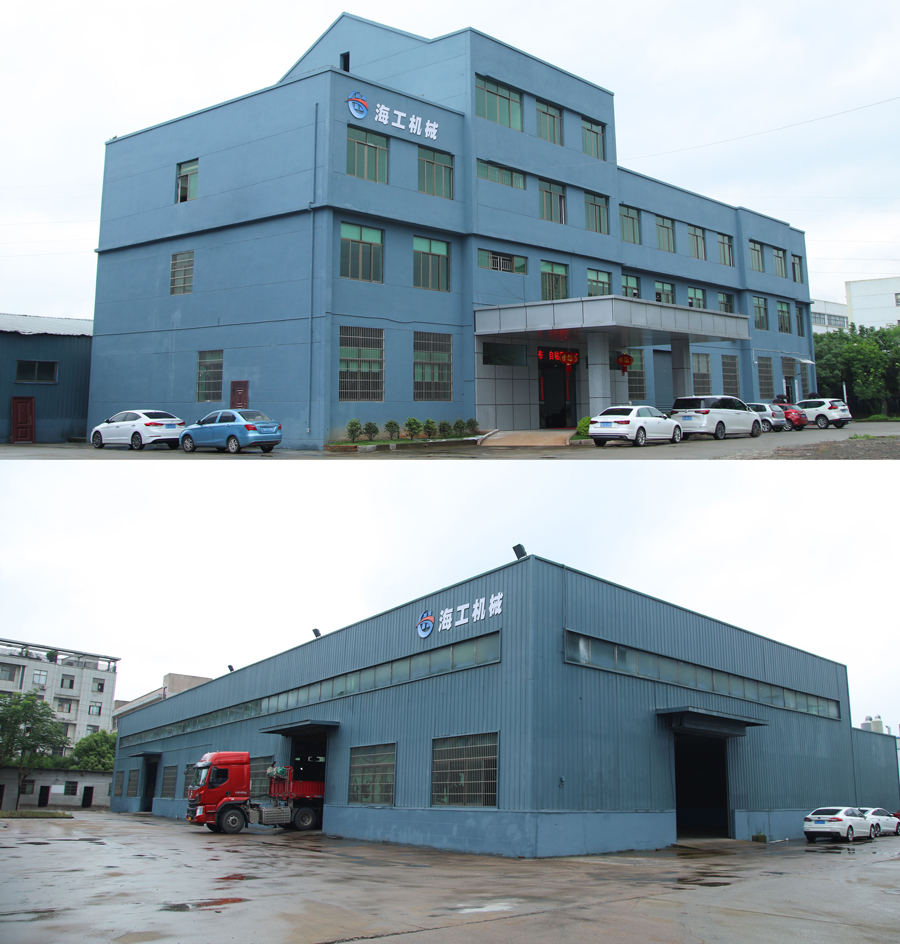
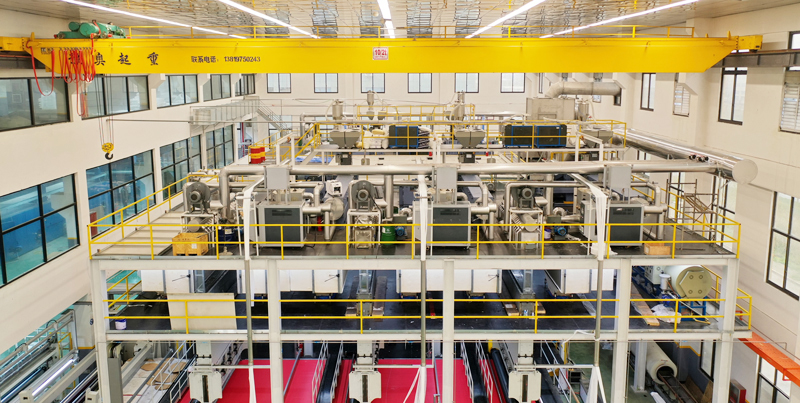
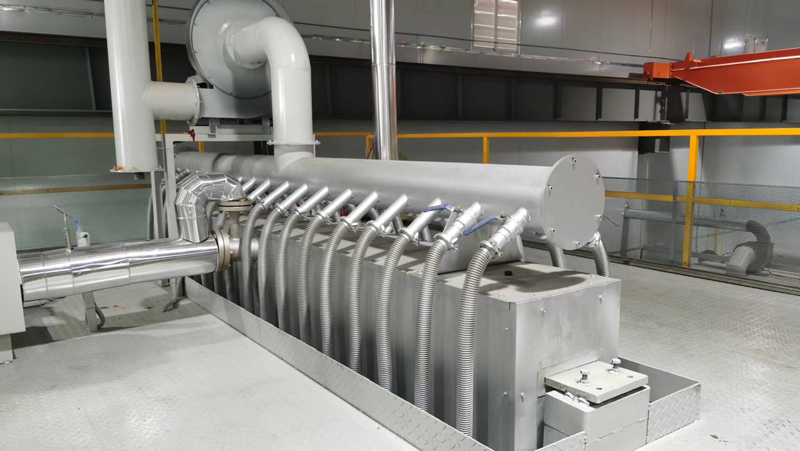
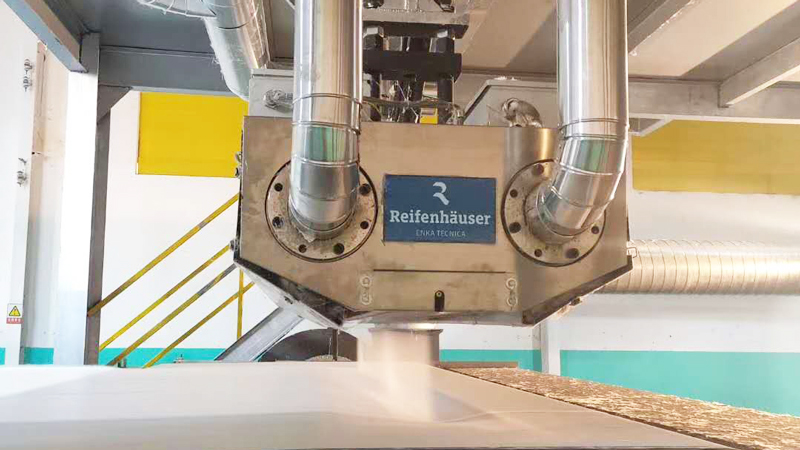
Original photographs from our state-of-the-art production lines installed worldwide.
Highly requested manufacturing configurations optimized for specific commercial end-products.
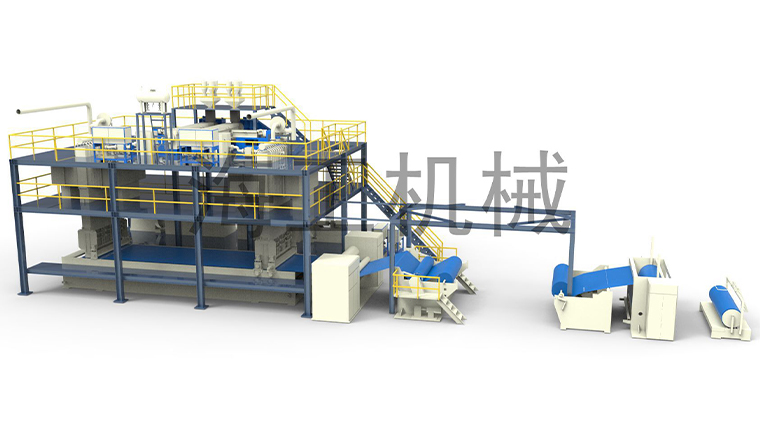
Ideal for Packaging nonwoven bags, furniture backing, and agricultural crop protection.
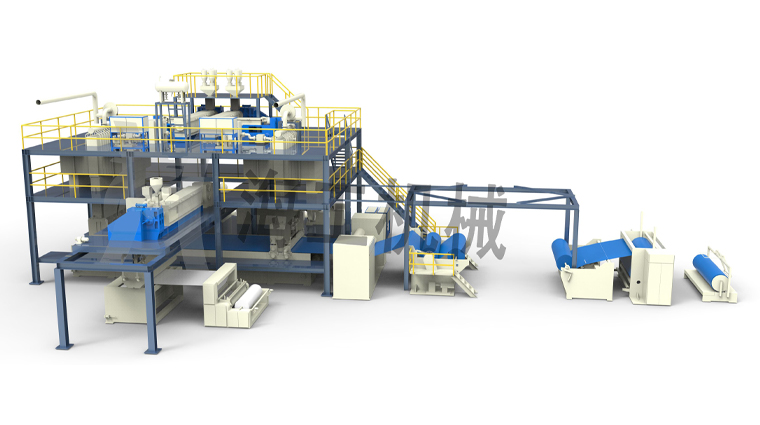
Tailored specifically for sterile medical applications, surgical drapes, and hygiene healthcare.
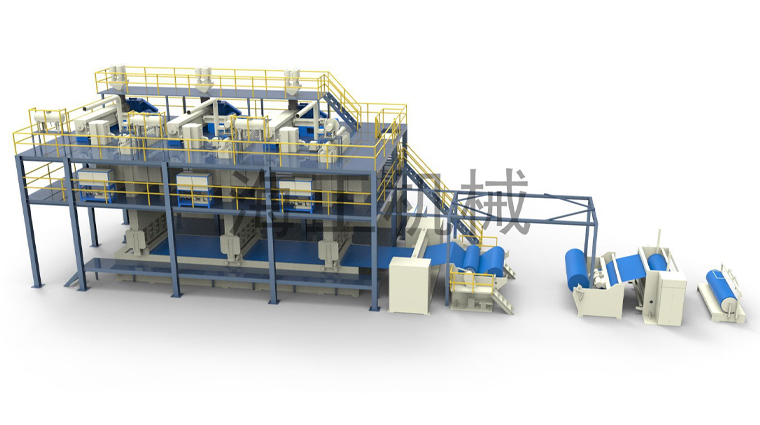
Advanced 4-layers fabric production lines offering a significantly higher filtration efficiency compared with standard SMS fabrics.
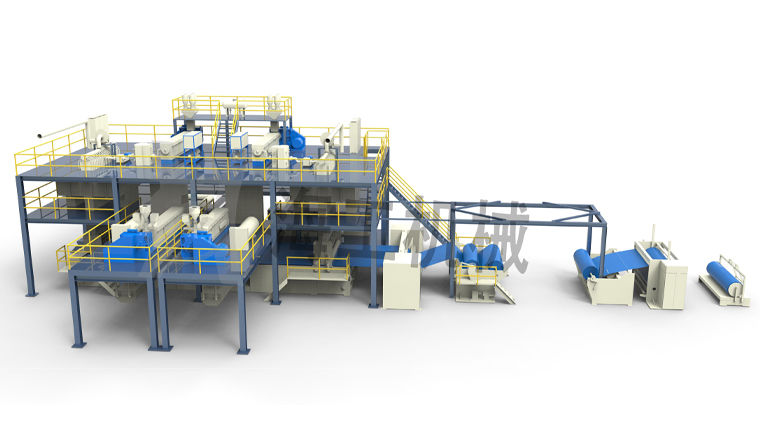
Premium system providing excellent barrier properties and exceptional performance in softness, breathability, and skin comfort.
In-depth responses regarding configuration options, power requirements, and localized compliance standards.
Power consumption and factory space requirements vary significantly based on model configuration (e.g., S, SS, SMS, or SSMMS) and the production width (normally ranging from 1.6m to 3.2m). A standard S-line with a 2.4m width usually requires around 250-350 kW of installed power and a minimum height clearance of 9.5 to 11 meters to accommodate the polymer extrusion tower and air-drawing ducts.
Our 5th Generation design incorporates optimized airflow systems in the slot attenuation cabin, reducing the blower horsepower needed to draw filaments. Coupled with advanced heating elements and improved thermal insulation around the main extruders, our systems reduce overall electricity costs per ton of produced fabric by 15% to 20% compared to legacy designs.
Yes, our extrusion and thermal calender systems can be customized to process PLA, PBS, and other bio-derived polymers. Because these biopolymers exhibit different thermal behavior and melt strengths than standard polypropylene, we adjust the screw geometry, thermal profiles, and quenching systems to ensure stable web formation.
We supply a complete 24-month after-sales warranty period with our nonwoven lines. Our localization support packages include on-site installation, system debugging, and comprehensive hands-on training for your local operators. Additionally, we assist in establishing local spare parts storage systems and offer 24/7 online technical support.
Explore our specialized meltblown composite systems, medical grade SMS machinery, and plastic waste recycling granulators.
 HG NONWOVEN