High-yield, automated nonwoven machinery engineered for reliable long-term operations.
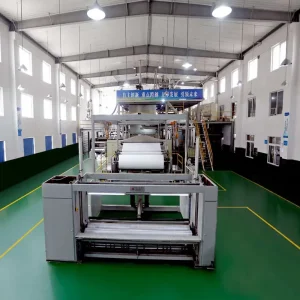
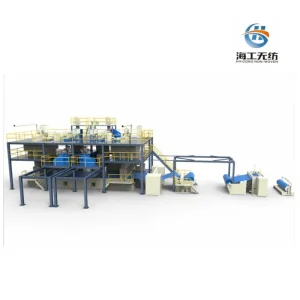
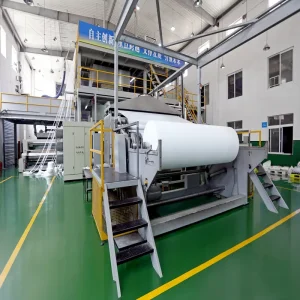
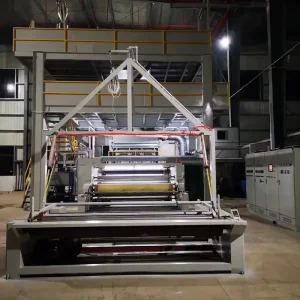
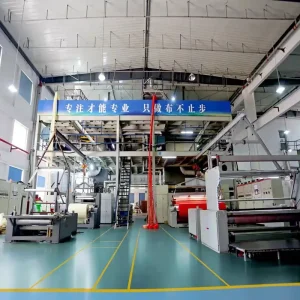
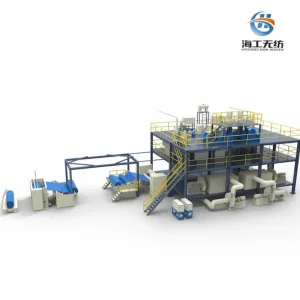
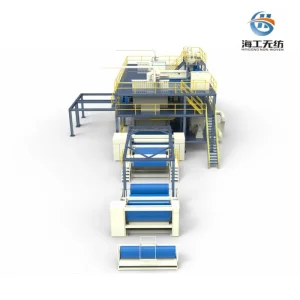
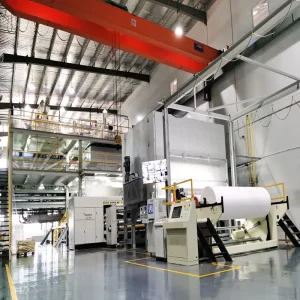
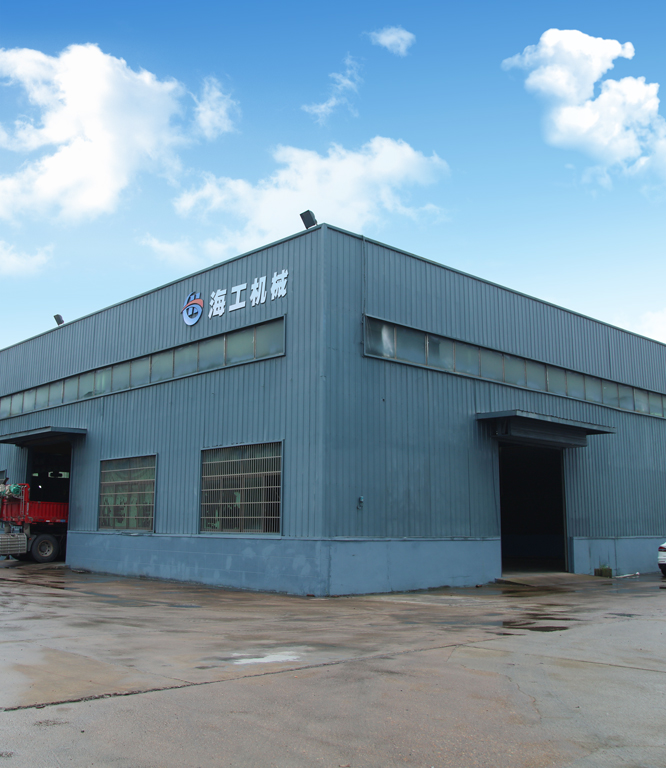
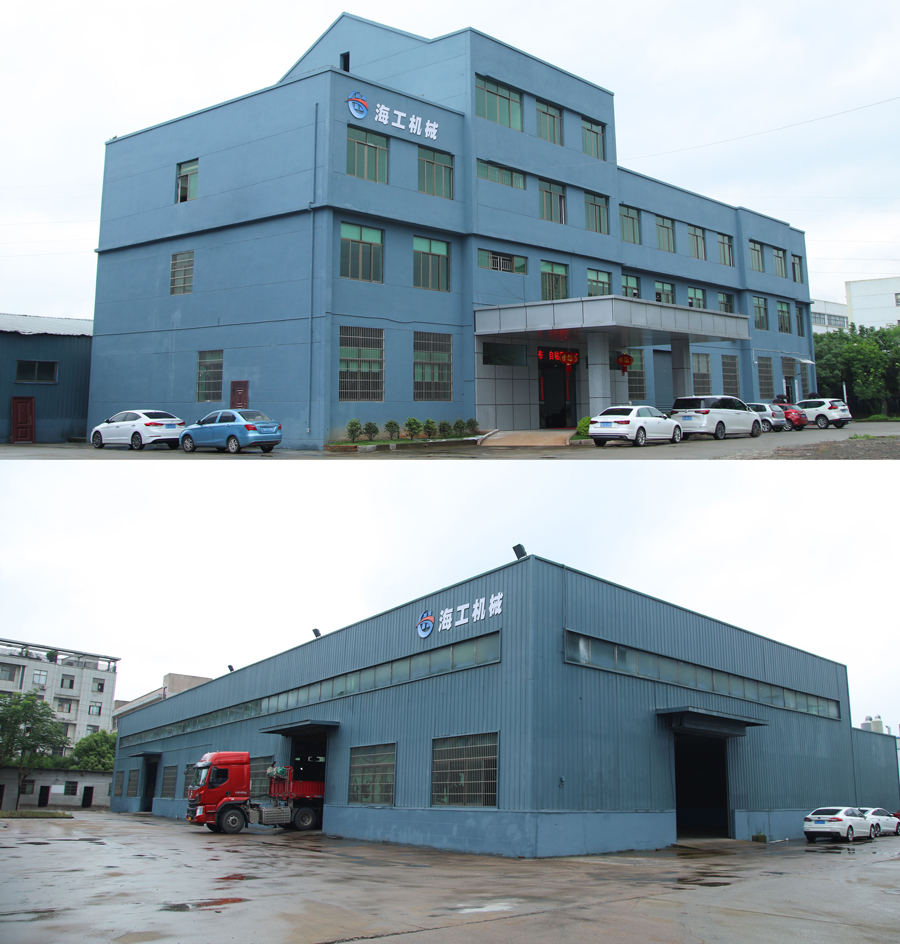
Established in 2014, Pujiang HG Nonwoven Machinery Co., Ltd. has grown to become a globally distinguished name in the engineering and fabrication of PP spunbond and meltblown nonwoven fabric production lines. With over 20 years of collective industry experience, we have successfully developed, installed, and scaled more than 300 nonwoven fabric production lines worldwide, exporting high-performance machinery to 20+ countries and regions.
We introduce advanced overseas designs, specifically our proprietary 5th Generation spunbond spinning technology, integrated with autonomous improvements to suit the dynamic demands of the global market. The machinery developed by HG Nonwoven is characterized by compact physical footprint, low energy consumption profiles, and exceptionally high throughput efficiency, driving down unit-level production costs for manufacturers worldwide.
By offering a complete turnkey engineering service from A to Z, we handle structural design, installation, commissioning, worker training, and provide an industry-leading 24-month after-sales warranty, backed by an expert technical team offering remote and on-site diagnostics.
Analyzing macroeconomic shifts, automation demands, and technical parameters defining modern nonwoven manufacturing.
The demand for nonwoven materials is surging across health, packaging, agriculture, and construction sectors. High-performance composite nonwovens such as SMS and SSMMS are essential in maintaining barrier properties while ensuring high breathability. Procurement teams are looking past entry-level machinery to source automated platforms that run 24/7 with zero downtime.
Governments worldwide are implementing strict regulations on single-use plastics. Modern manufacturing setups must handle not only classic Polypropylene (PP) but also biodegradable polymers (PLA) and recycled PET. HG’s nonwoven machinery lines are updated to support multi-polymer processing, mitigating the ecological impact while preserving tensile strength.
Industrial automation is transforming production floors. Continuous real-time diagnostic systems, automatic PLC-controlled tensioners, motorized winder systems, and high-efficiency calendar configurations keep operational waste to a minimum. Smart sensors adjust the drafting airflow inside the stretching channels automatically to secure uniform fabric grammages.
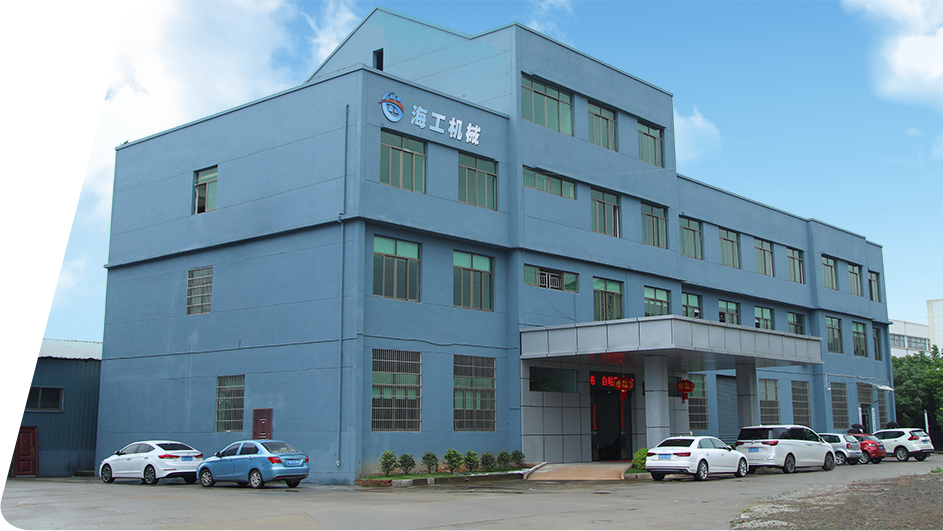
Global buyers consistently encounter challenges related to logistics, long lead times, and unstable equipment delivery. HG Nonwoven bypasses these bottlenecks through the implementation of a localized China Factory 4.0 Supply Chain integration model. Our engineering facility maintains close, direct connections with leading steel mills, precision toolmakers, electrical component suppliers (using global brands like Siemens, Omron, ABB), and pneumatic developers.
This dense industrial clustering enables us to offer:
Explore our most popular nonwoven fabric production setups, optimized for specific industrial applications.
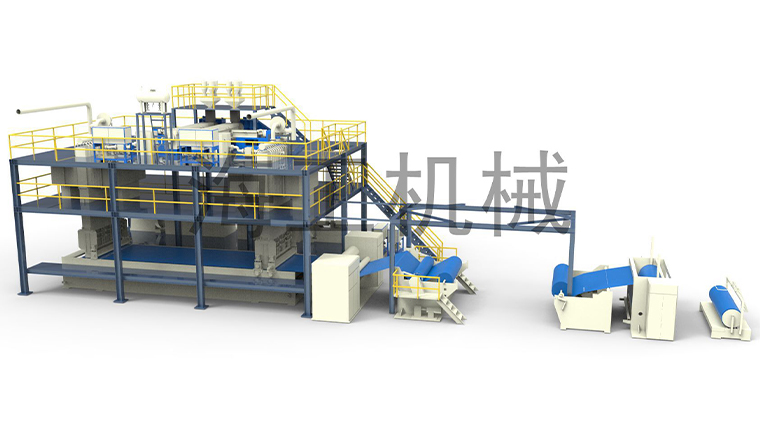
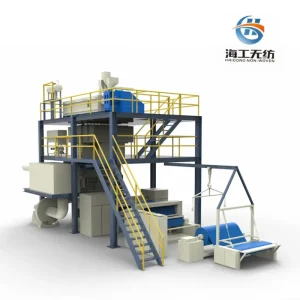
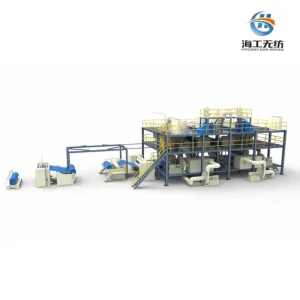
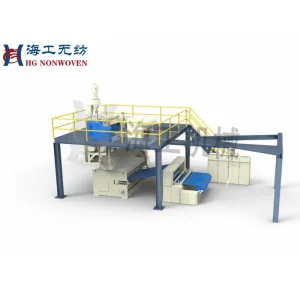
Engineered for packaging nonwoven bags, furniture lining, and agricultural microclimate covers. Delivers excellent tensile strength and uniform web structures.
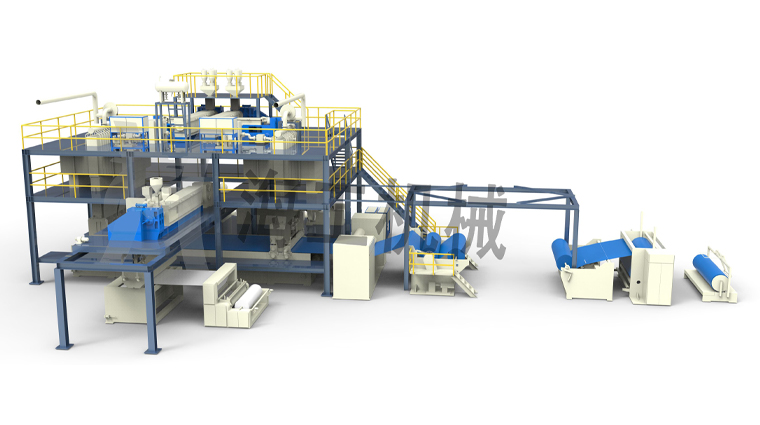
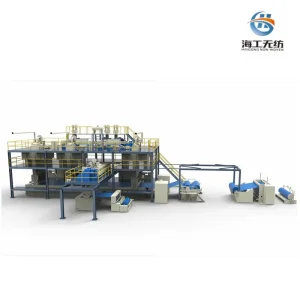
Ideal for medical gowns, sterile drapes, and high-protection facial masks. Combines spunbond strength with meltblown filtration barrier features.
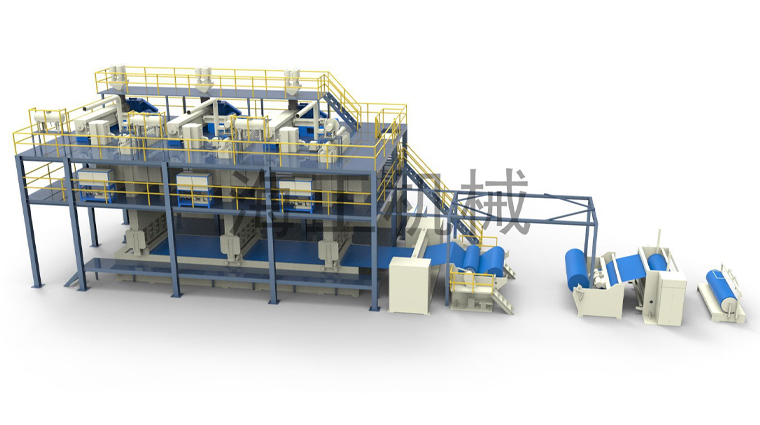
Features four layers of fabric for significantly elevated filtration efficiency, maintaining low breathing resistance. Suitable for advanced hygiene applications.
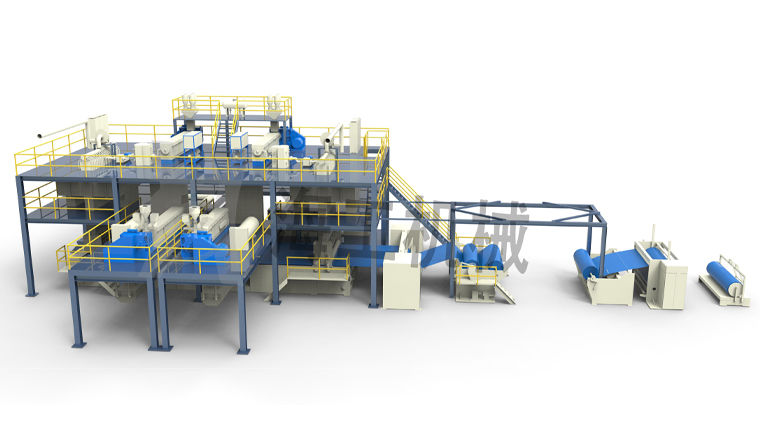
Premium production line offering maximum barrier protection, high hydro-head resistance, and outstanding softness for diapers and hygiene pads.
How HG Machinery ensures project viability, seamless machinery commissioning, and high operational ROI.
With extensive experience in global nonwoven markets, we analyze raw material availability, labor, and local distribution channels. We help customers prepare financial feasibility studies to ensure project profitability and viability prior to capital allocation.
We optimize factory floor layouts based on building dimensions, ceiling heights, power distribution, and ventilation. Our tailored configurations maximize production flow efficiency while keeping the overall machine footprint compact.
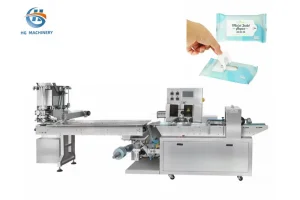
In addition to main PP extrusion lines, we provide essential auxiliary equipment, including offline slitting/rewinding units, nonwoven waste recycling granulators, flexo printing units, lamination systems, and nonwoven bag-making machines.
Our engineers handle precision component assembly, electronic calibration, and system testing. We train local operators on control interfaces, diagnostics, and preventive maintenance routines to ensure smooth daily operations.
Equipped with remote diagnostic links, our software team updates and troubleshoots PLC controls globally in real time. We maintain a ready inventory of critical spare parts to minimize unplanned downtime.
Align machinery parameters with target markets to maximize production quality and yield.
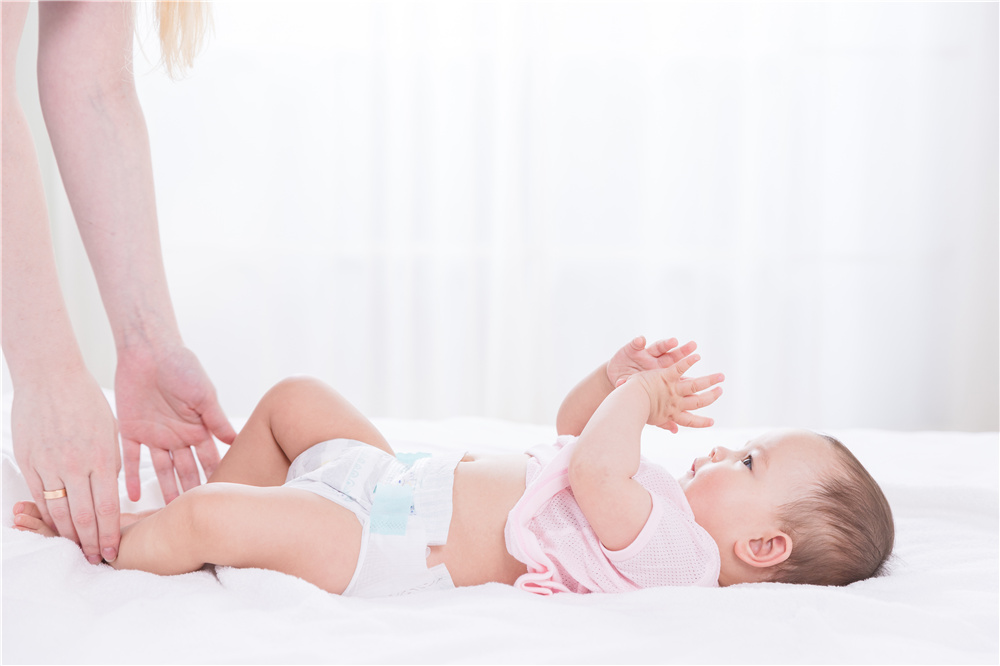
Essential for diapers, sanitary pads, and incontinence products. Requires ultra-soft textures, quick absorption properties, and high liquid retention performance.
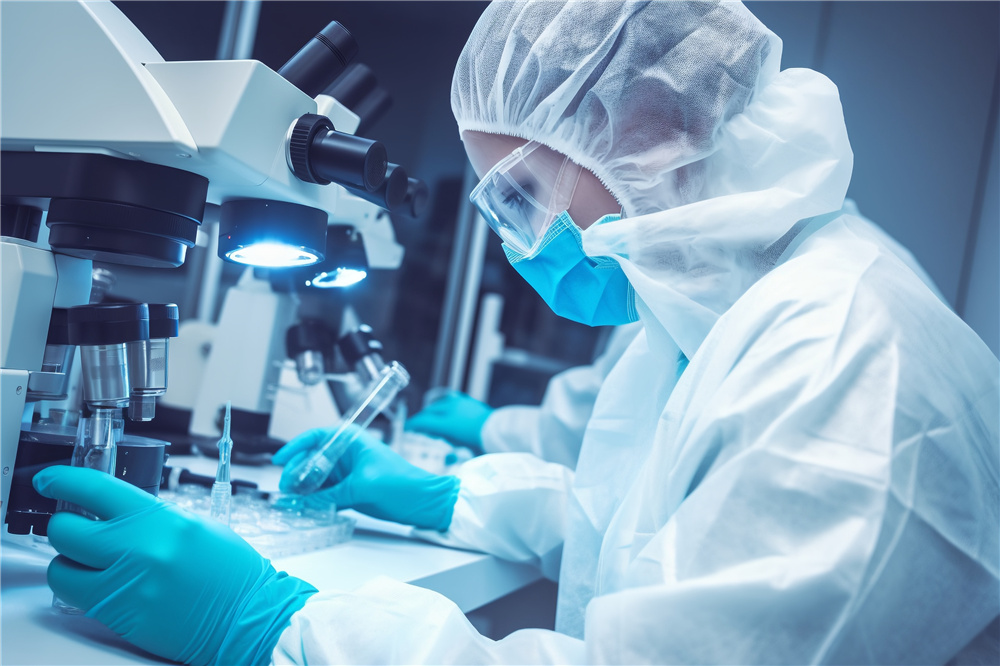
Critical for face masks, surgical gowns, head covers, and sterile wraps. Demands high filtration efficiency and excellent barrier properties against biological pathogens.
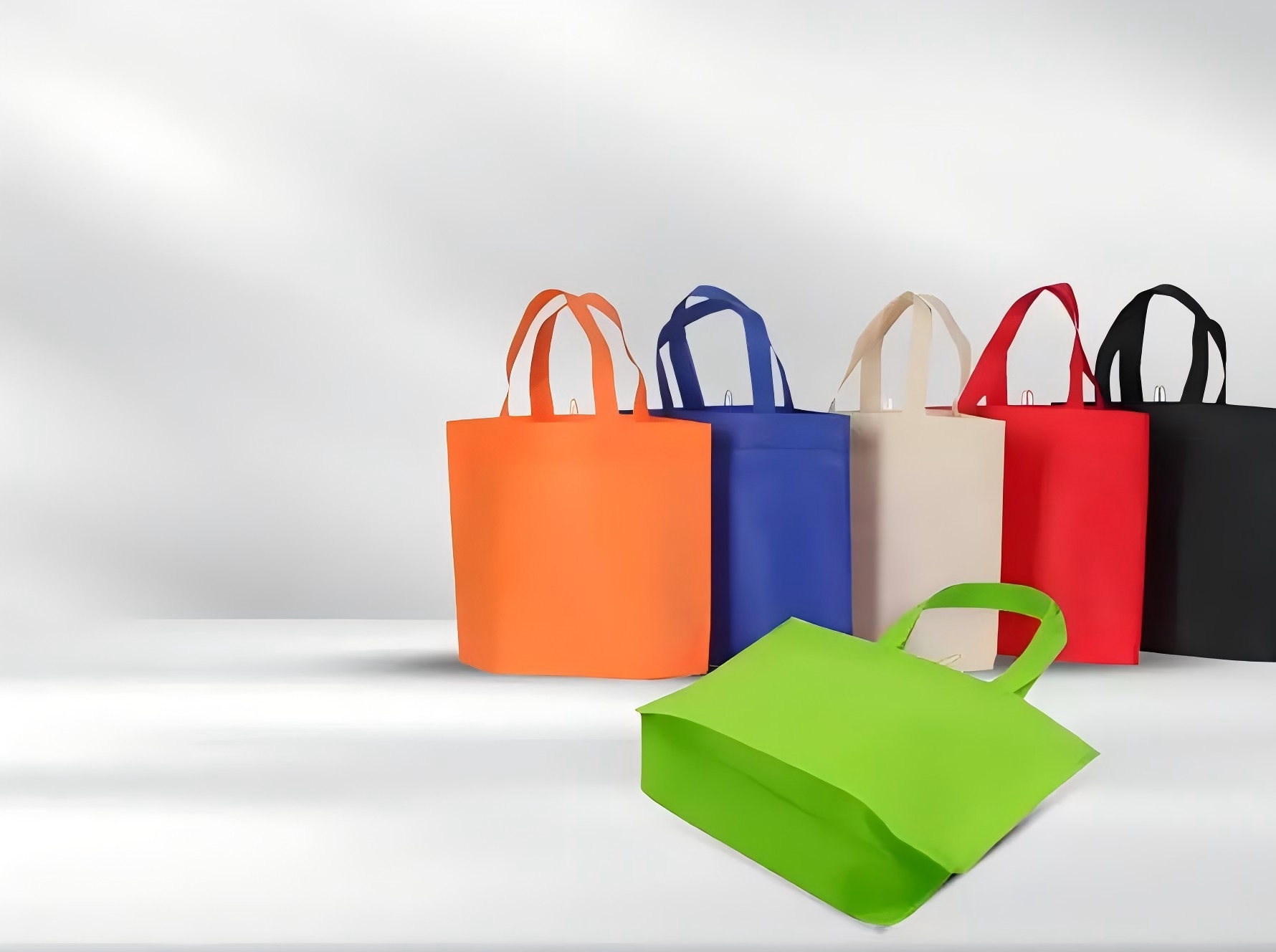
Used for heavy-duty shopping bags, garment covers, pocket springs, and lining. Requires high tear resistance, custom printability, and lightweight reuse attributes.
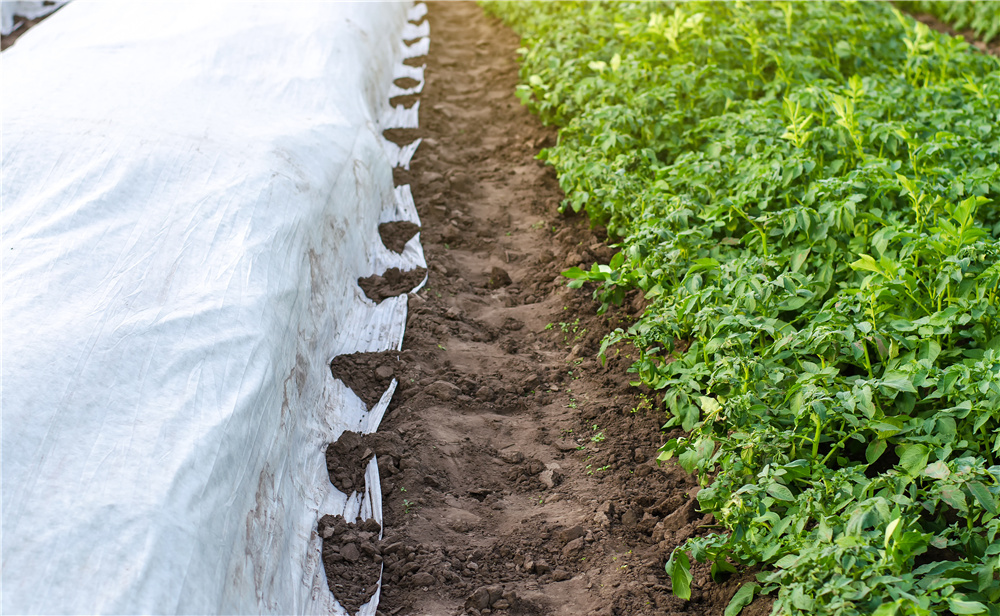
Protects crops against insects, frost, and excessive heat. Formulated with UV blockers while retaining air and water permeability to support microclimate regulation.
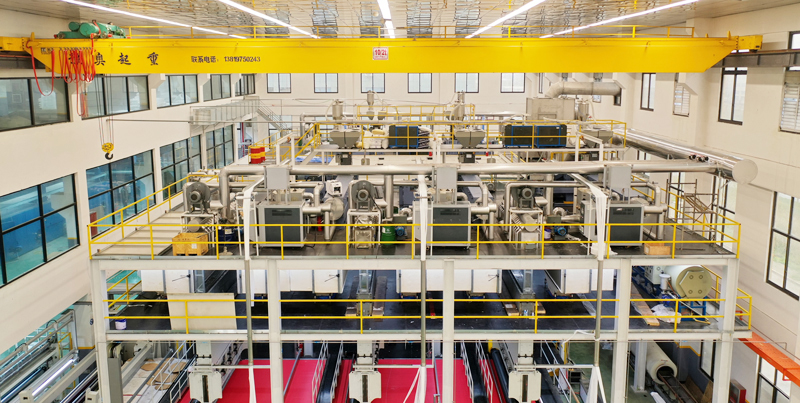
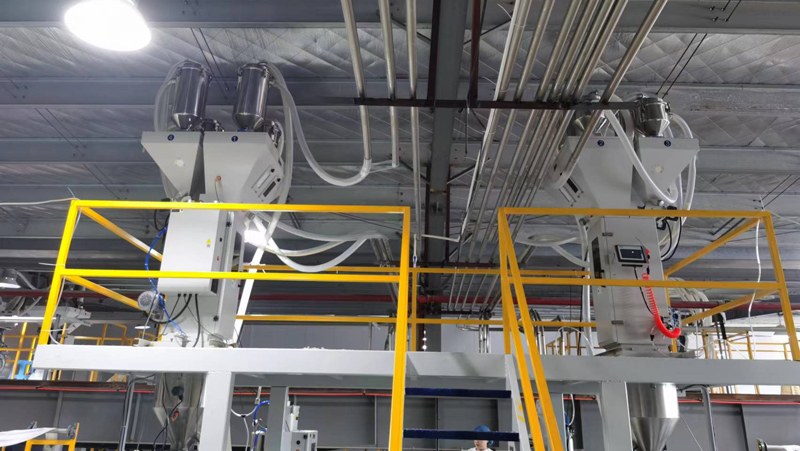
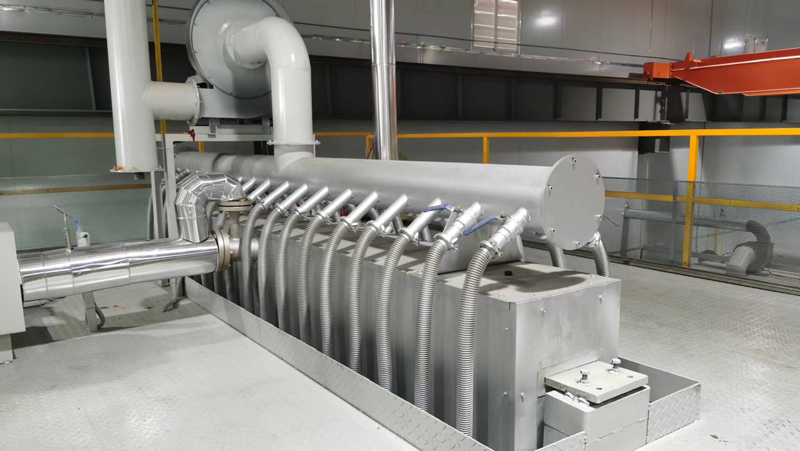
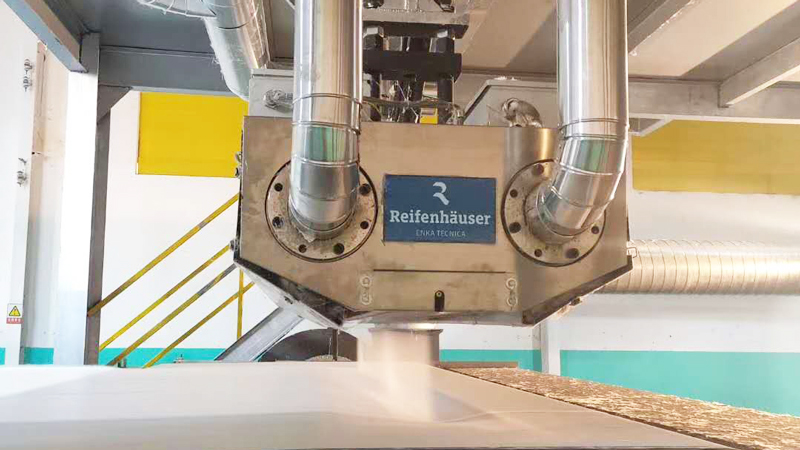
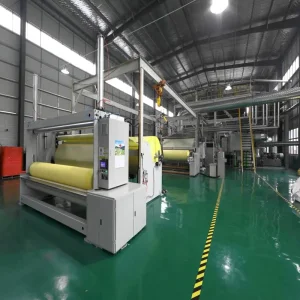
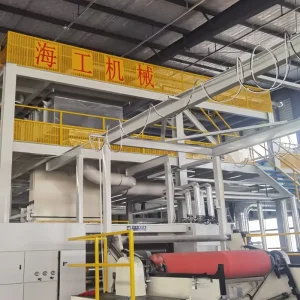
The spunbond nonwoven manufacturing process converts thermoplastic polymers (primarily polypropylene) directly into cohesive web structures. Polymer granules are pneumatically fed into the extruder hopper, where thermal energy and mechanical shear melt the material. Precise metering pumps then deliver the molten polymer through spinneret plates containing thousands of micro-orifices.
As the molten polymer streams emerge from the spinneret, they enter a cooling chamber. Controlled high-velocity air streams quench the filaments, initiating crystallization. These quenched fibers are continuously drawn through high-pressure drafting channels. Aerodynamic drawing stretches the molecular chains, increasing filament tensile strength and reducing fiber diameter to the target range of 1.5 to 2.5 denier.
Following attenuation, the filaments are deposited onto a moving belt, forming a loose, randomized web. A vacuum extraction fan located beneath the belt secures the web position and removes air. This web then passes through a heated thermal calender. Pressure and heat bond the filaments at crossing points, creating a strong, thin fabric web. The calender roller patterns determine the fabric texture, softness, and breathability.
To streamline production and maximize ROI, modern lines incorporate inline or offline auxiliary setups. Automated slitting and rewinding machines slice large rolls into exact commercial widths. Material recycling granulators reclaim Edge-trim waste directly, feeding the granules back into the main extruder to maintain a low-waste, sustainable manufacturing cycle.
Complete auxiliary machinery, high-speed slitting systems, and specialized multi-beam composite production lines.
Expert technical answers regarding nonwoven machine configuration, procurement timelines, energy efficiency, and post-sales installation.
 HG NONWOVEN