Explore our leading selection of industrial-grade nonwoven machinery manufactured with high-precision engineering protocols.
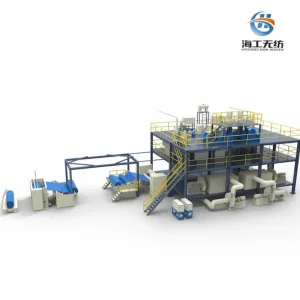
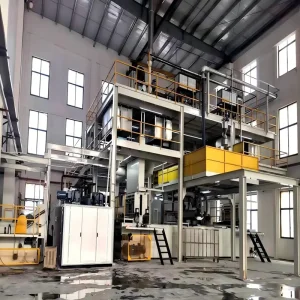
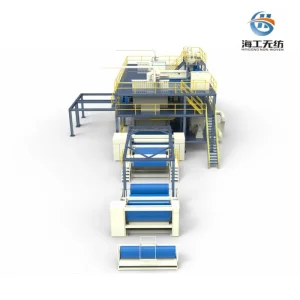
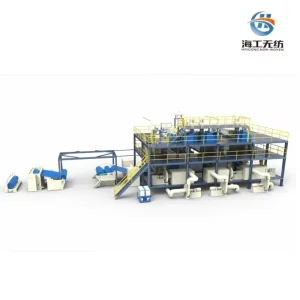
The global technical textile domain is witnessing structural expansion. No longer bound simply to disposable shopping bags, modern polypropylene (PP) spunbond and meltblown fabrics form the backbone of modern healthcare barriers, critical fluid filtration arrays, structural geotextiles, and high-performance automotive interlinings.
Sourcing managers must navigate complex engineering metrics when investing in capital extrusion assets. Operational throughput, energy intensity ratios, denier distribution uniformity, and electrostatic charging capability directly govern final product competitiveness. Pujiang HG Nonwoven Machinery Co., Ltd. bridge this gap by bringing 5th Generation spunbond spinning technologies to the global market, combining foreign design principles with local production agility.
"With over 20 years of technical expertise and 300+ manufacturing lines installed worldwide, HG Machinery translates raw polymer science into clean, energy-efficient operational realities."
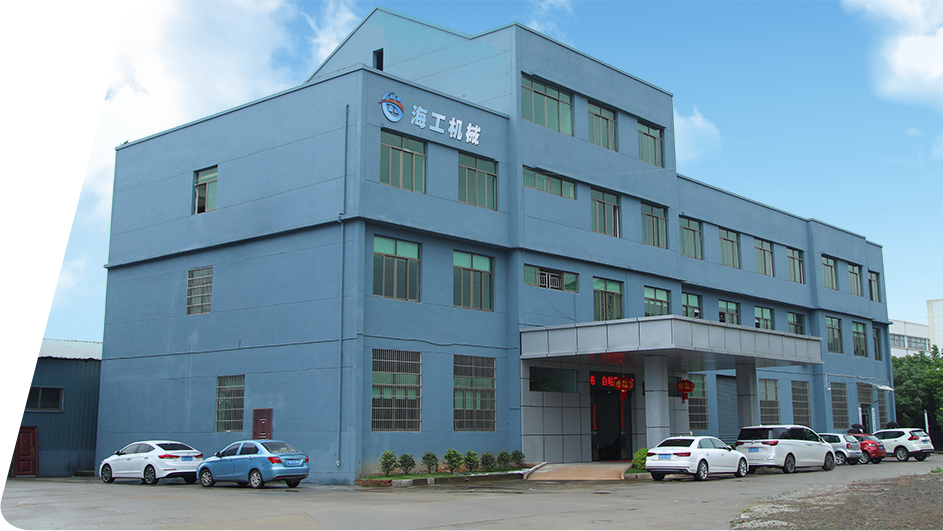
Established as a specialized manufacturer since 2014, Pujiang HG Nonwoven Machinery focuses on high-performance eco-friendly and biodegradable spunbonded nonwoven fabric systems. Our core philosophy addresses the dual imperatives of the contemporary factory manager: **minimizing operational overhead** and **maximizing output quality**.
Our 5th Generation Spunbond Spinning Technology focuses on minimizing pressure drop in the melt distribution manifold, ensuring uniform spinneret flow. The integrated cross-flow aerodynamic quenching system draws filaments down to fine deniers while maintaining high tensile strength in both machine direction (MD) and cross direction (CD).
Up to 20% lower electricity draw compared to older multi-beam configurations through optimized zone heating and inverter-driven high-pressure fans.
Clever overhead assembly dynamics and optimized cooling chimneys reduce physical height requirements and floor space by 15%.
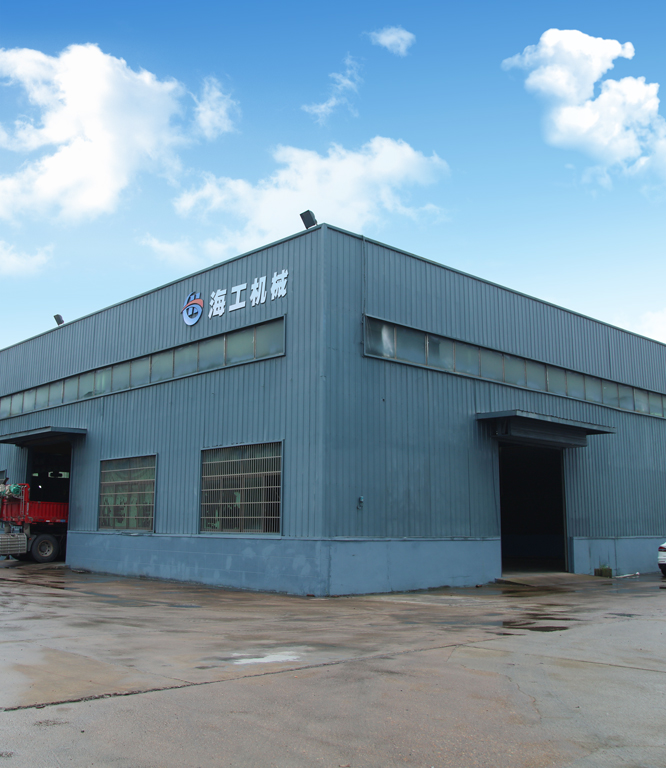

Decades of manufacturing validation, machinery optimization, and global client trust summarized in numbers.
What modern procurement directors look for when planning long-term nonwoven machinery investments.
With global environmental frameworks tightening, the demand for PLA (polylactic acid), PBS, and co-polyester processing is rising. Our extrusion lines are designed to handle variable thermal profiles and lower melt strengths, enabling factories to transition from PP to biodegradable materials with minimal component modifications.
Modern nonwoven fabrication leverages automation. We integrate Siemens PLC control architectures with closed-loop sensor feedback. This enables continuous tracking of melt pressure, melt temperature, spinneret back-pressure, and winding tension, reducing operator intervention and ensuring consistent fabric roll parameters.
Global businesses require components that are standardized and easily sourced. Pujiang's engineering cluster ensures access to high-grade calenders, specialized spinneret drilling labs, and advanced induction heater setups. By localizing component fabrication, we offer resilient delivery lead times and lower capital costs.
Highly sought-after production lines engineered for speed, uniform density, and continuous operations.
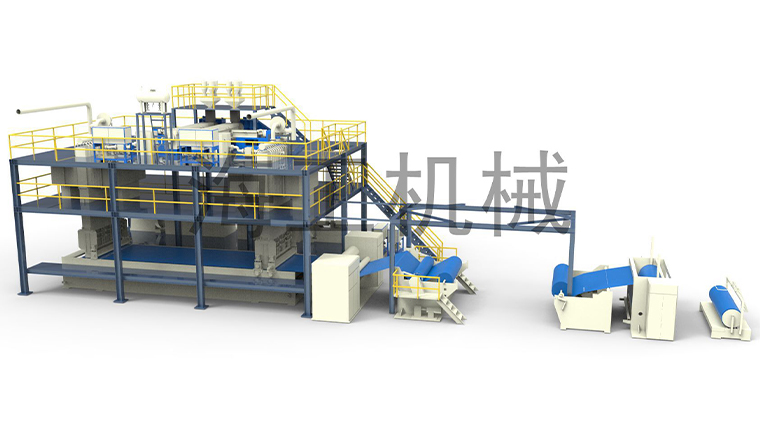
Optimized for high-tensile packaging bags, furniture backing, pocket springs, and agricultural protective covers.
View More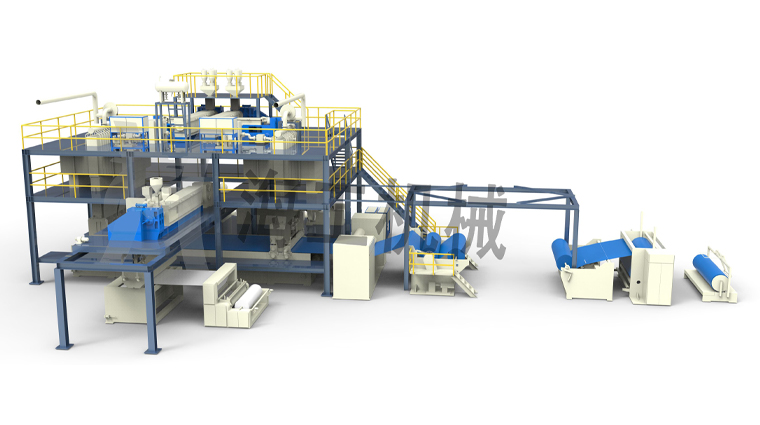
Engineered for high-barrier medical applications, surgical drapes, sterilizing wraps, and medical face masks.
View More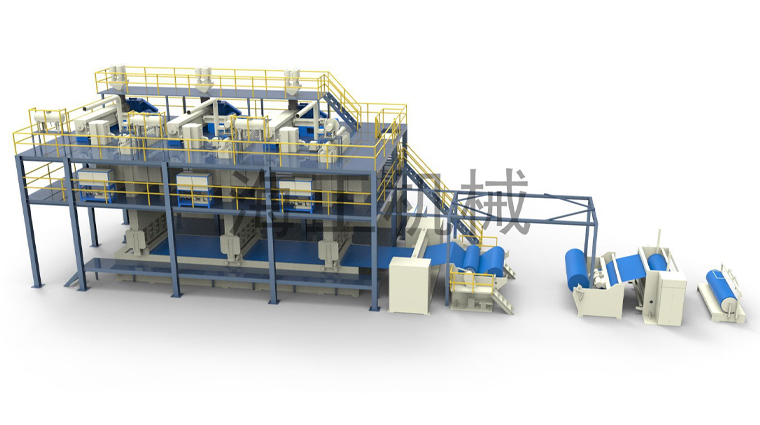
Four-layer system providing high filtration efficiency, ideal for premium medical and hygiene protection garments.
View More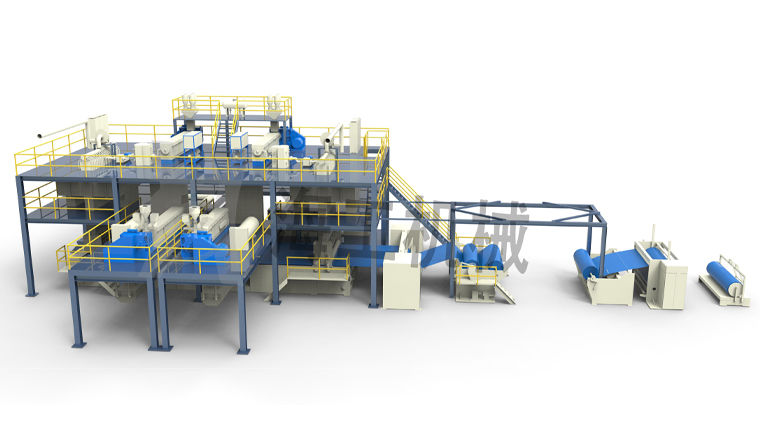
High-speed, high-barrier extrusion offering excellent softness and fluid protection for premium hygiene products.
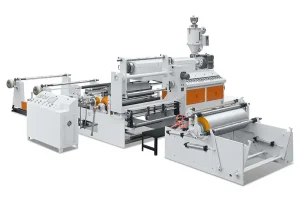
View MoreInvesting in a nonwoven line requires matching the machine configuration to the physical property requirements of the end product. The choice of spunbond or meltblown structures, the number of beams (S, SS, SSS, SMS, SMMS, SSMMS), and downstream web conditioning elements (calendering, slitting, laminating) directly determine the tensile strength, barrier performance, breathability, and feel of the finished fabric.
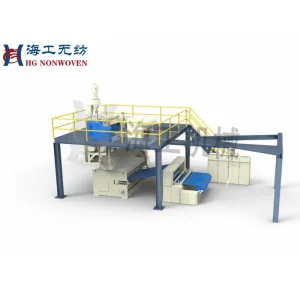
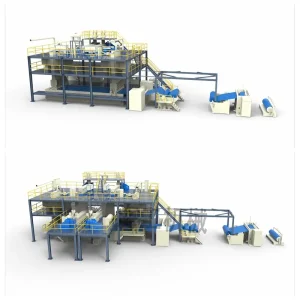
For packaging and industrial applications, single-beam (S) or double-beam (SS) lines offer high productivity for fabrics ranging from 15 to 100 GSM. When targeting the medical or hygiene sectors, composite SMS/SMMS configurations are standard. The spunbond beams provide the tensile strength, while the integrated meltblown beams deposit sub-micron fiber webs that block fluid penetration and filter particulate matter.
HG Machinery offers complete turnkey solutions, handling every stage of the project: local market analysis, feasibility reports, structural layout design, auxiliary machinery sourcing (recycling, slitting, printing, laminating), and 24 months of on-site/digital engineering support.
Our machinery is designed to produce fabrics customized for specific industrial and commercial requirements.
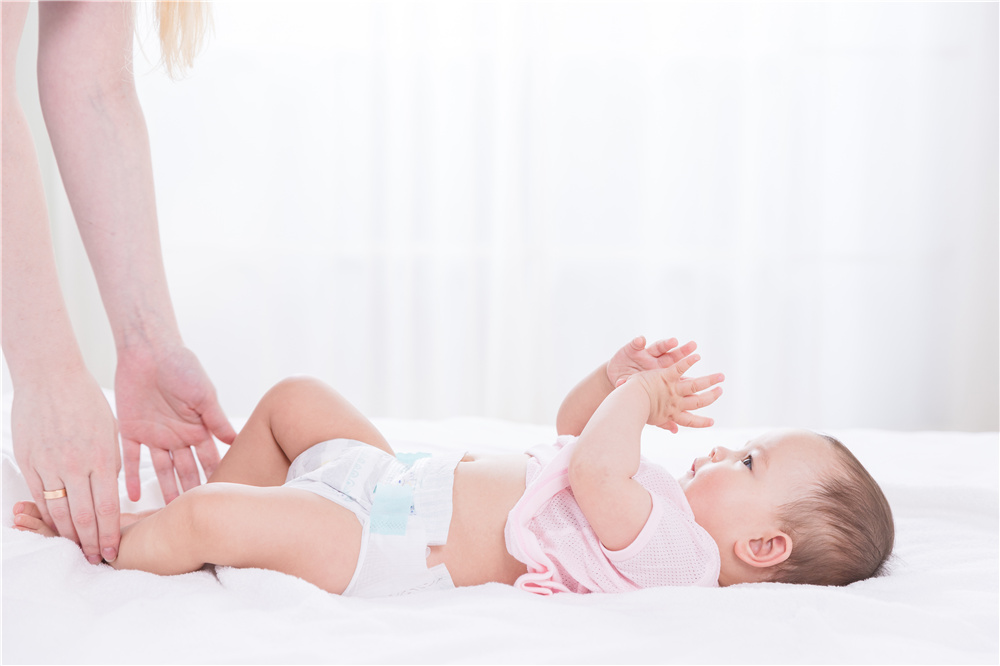
Nonwoven fabrics are essential in the hygiene sector, offering breathability, softness, and fluid management. They absorb liquid and keep it away from the skin, making them ideal for diapers, adult incontinence pads, and feminine hygiene products.
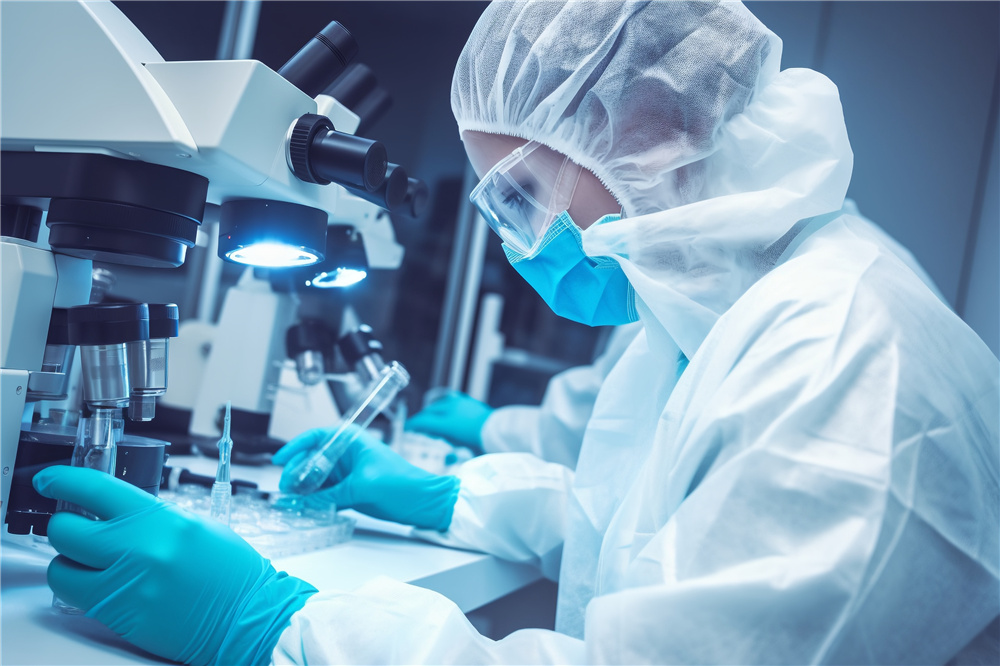
Nonwovens deliver critical safety properties, preventing infection and fluid transfer. They are essential for face masks, surgical gowns, bed sheets, and surgical towels, ensuring filtration, protection, and comfort.
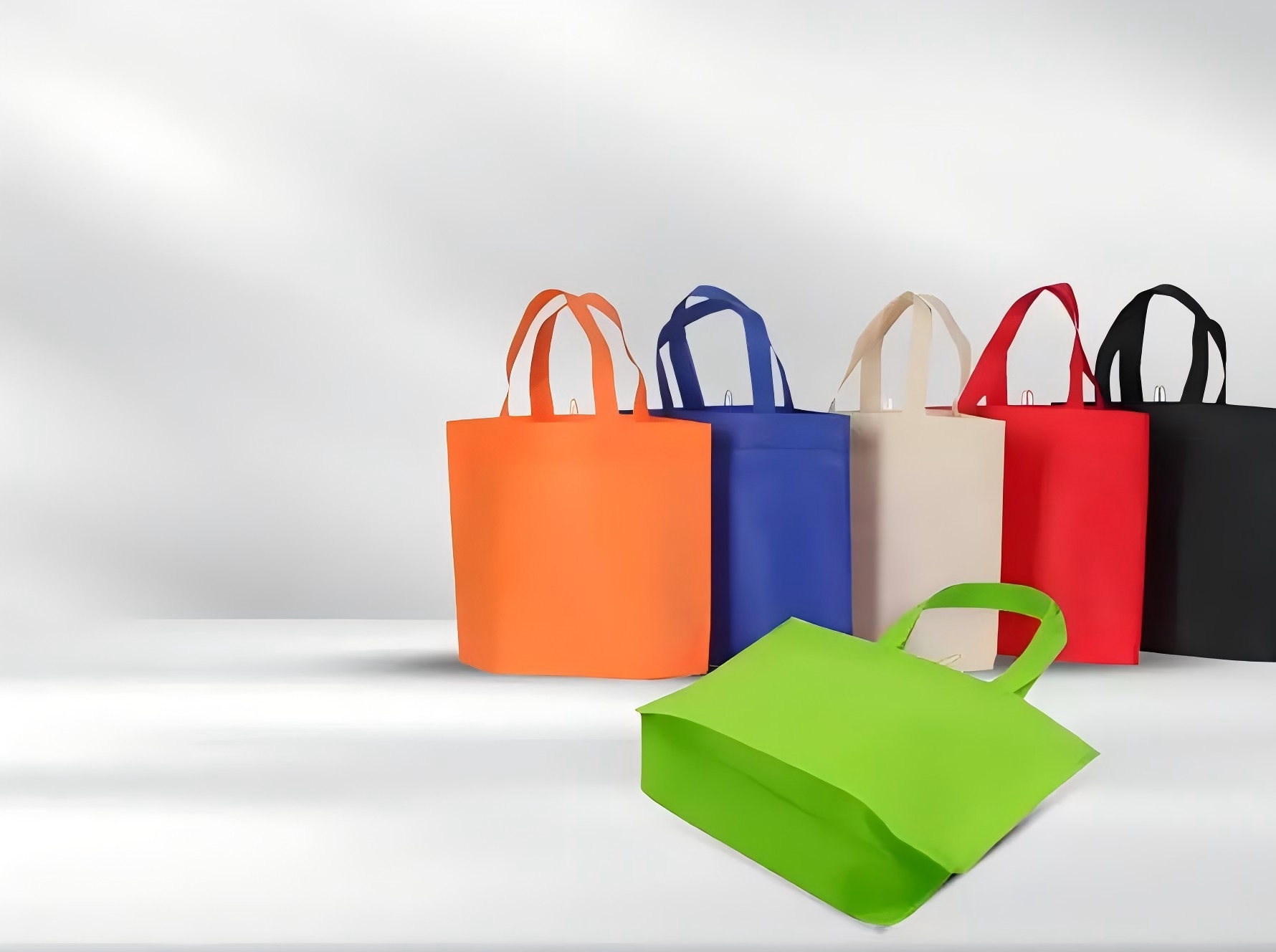
Lightweight and durable, nonwovens are widely used for shopping bags, garment covers, pocket springs, and pharmaceutical wrapping. Their long lifespan and strength make them a sustainable choice for packaging.
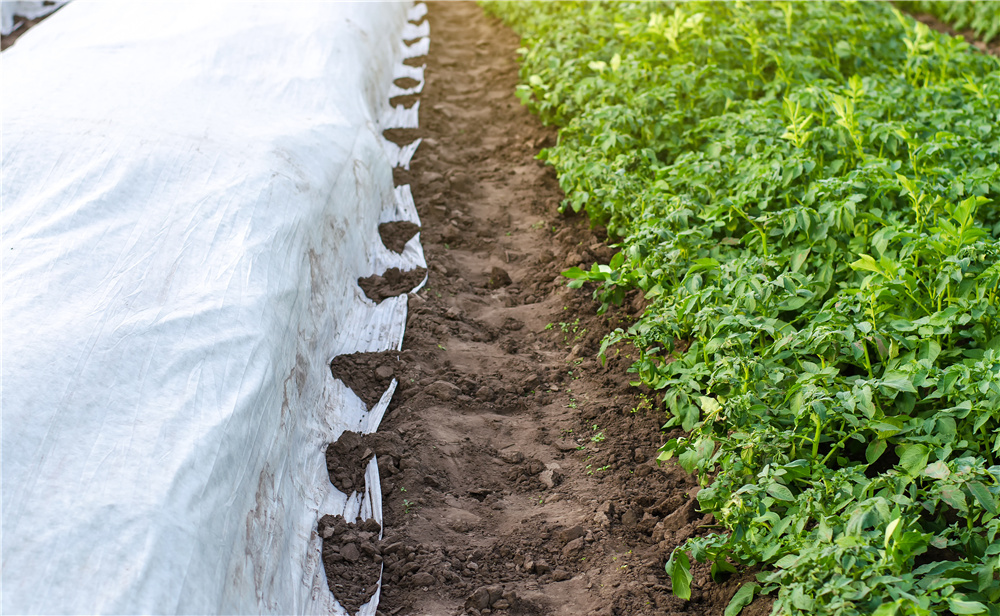
Agricultural nonwoven fabric protects crops, vegetables, and seeds from frost, wind, and pests while allowing air, water, and light to pass through, creating a microclimate that supports healthy growth.
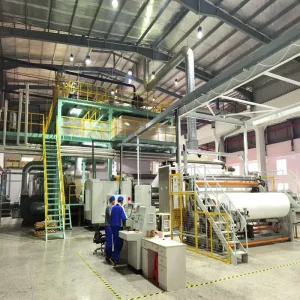
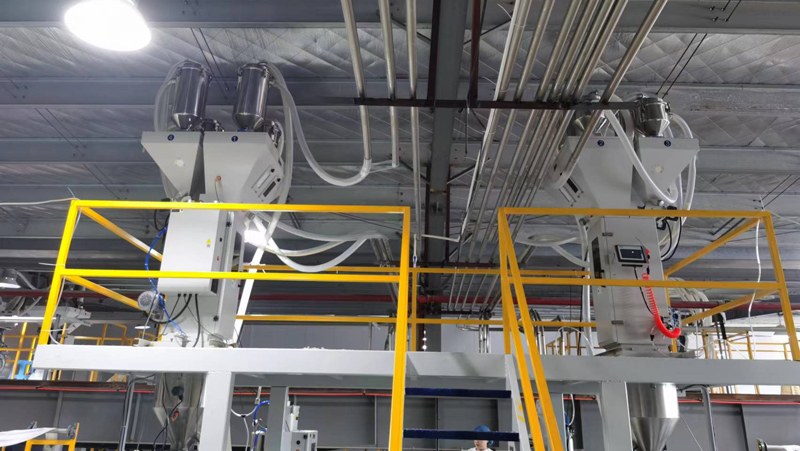
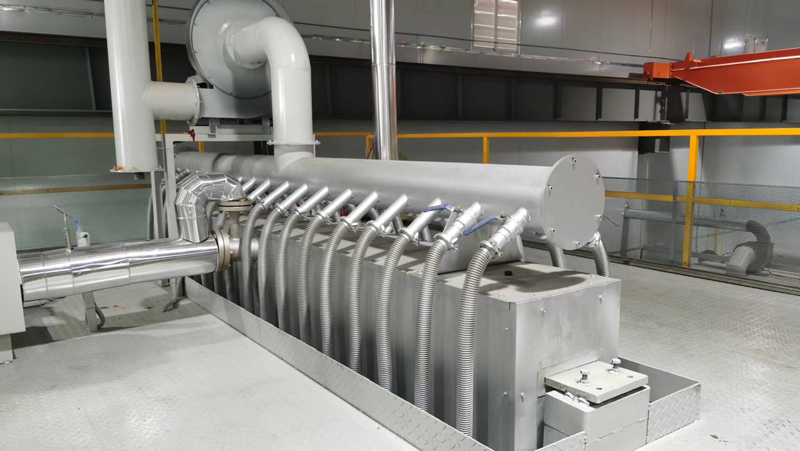
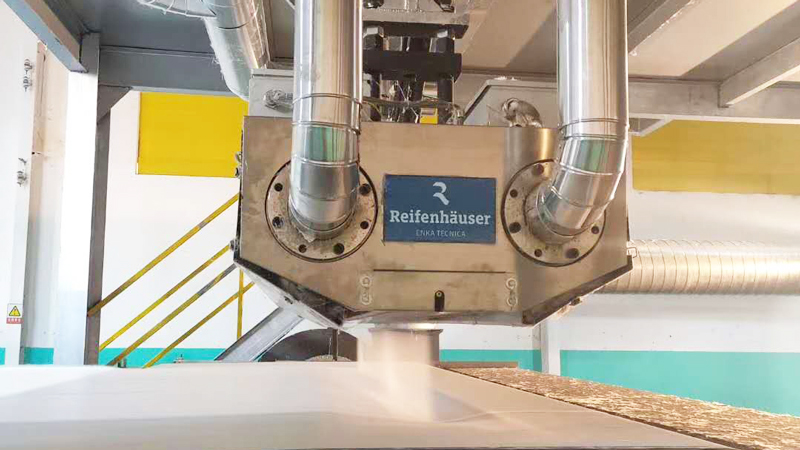
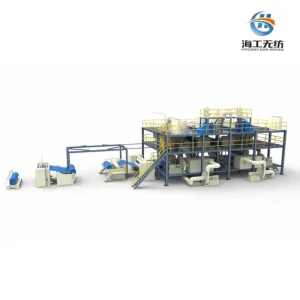
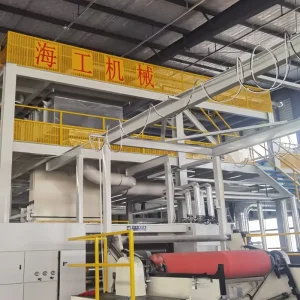
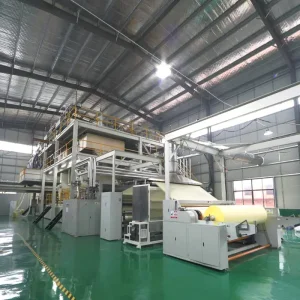
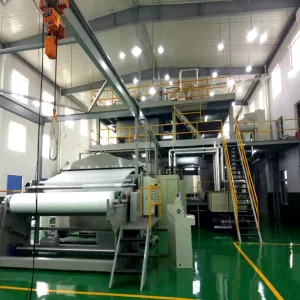
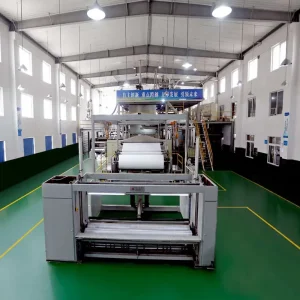
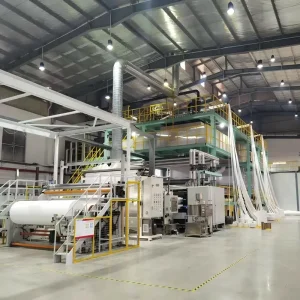
Visualizing the manufacturing precision, system components, and layout planning behind HG Nonwoven Machinery.
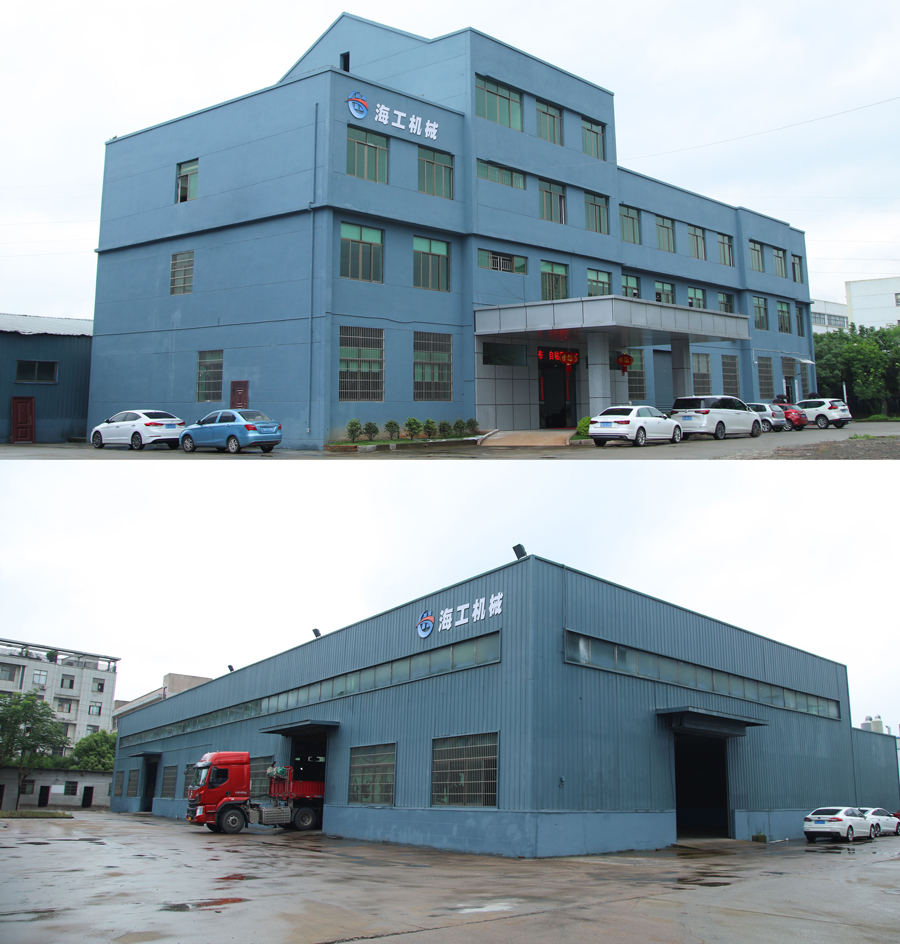
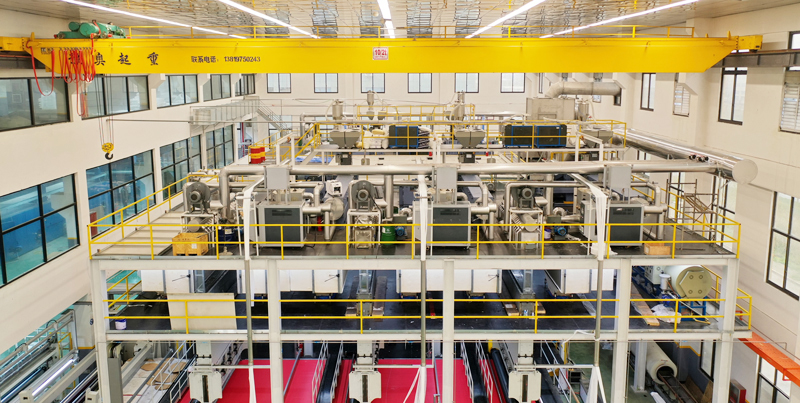
Technical details, operational queries, and machinery selection criteria for engineering leads.
These acronyms define the layout of the spinning beams. "S" stands for Spunbond (which provides structural strength), and "M" stands for Meltblown (which acts as a filtration barrier). An SMS line uses two spunbond beams and one meltblown beam. SMMS adds a second meltblown beam, while SSMMS uses three spunbond and two meltblown beams, improving barrier density, water resistance, and softness without increasing fabric weight.
Energy efficiency is achieved through: (1) optimized insulation in the extrusion and manifold blocks to prevent heat loss, (2) the use of frequency-controlled AC motors on all pumps and fans, and (3) an aerodynamic drawing system that pulls fibers using lower compressed air volumes than older 3rd-generation designs.
Yes. Our 5th-generation extruders feature precise temperature control profiles and modified screw configurations designed for temperature-sensitive polymers. This allows factories to process PLA (Polylactic Acid) or PBS (Polybutylene Succinate) and meet the growing demand for biodegradable packaging and agricultural covers.
We handle the entire project cycle, including local market analysis, plant layout design, machinery manufacturing, shipment, on-site assembly, wiring, PLC programming, testing, staff training, and ongoing technical support, ensuring a smooth path to commercial production.
The manufacturing lead time for standard S/SS lines is 90 to 120 days, while complex SMS/SMMS lines require 150 to 180 days. On-site installation, calibration, and staff training generally take 30 to 45 days, depending on the line's configuration and local facility preparedness.
Explore additional high-performance nonwoven machinery configurations designed for heavy-duty industrial environments.
 HG NONWOVEN