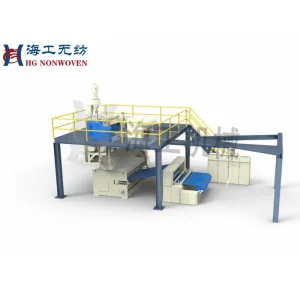
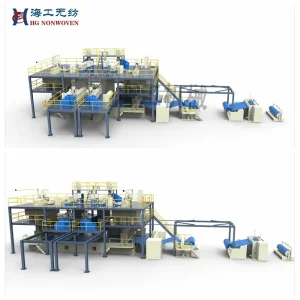
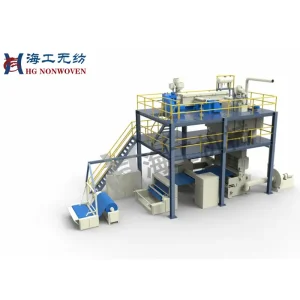
The global industrial demand for multi-layered composite nonwoven fabrics is experiencing unprecedented growth. By combining spunbond and meltblown raw fibers with polymeric coatings, plastic films, or breathable membranes, laminating machines enable the generation of sophisticated high-barrier barrier fabrics. These materials have become indispensable across critical markets including Class III medical devices, high-performance hygiene products, automotive acoustic insulation, structural construction underlays, and ecological microclimate crop covers.
Advanced lamination technologies, such as extrusion coating, ultrasonic thermal bonding, and hot-melt adhesive applications, allow global enterprises to engineer customized composite webs. These processes meet strict international regulatory standards like EN 13795 for medical gowns and ISO 16602 for chemical protective apparel. The challenge for modern manufacturers is to maintain uniform adhesive weight distribution, avoid delamination under mechanical stress, and keep power consumption metrics sustainable.
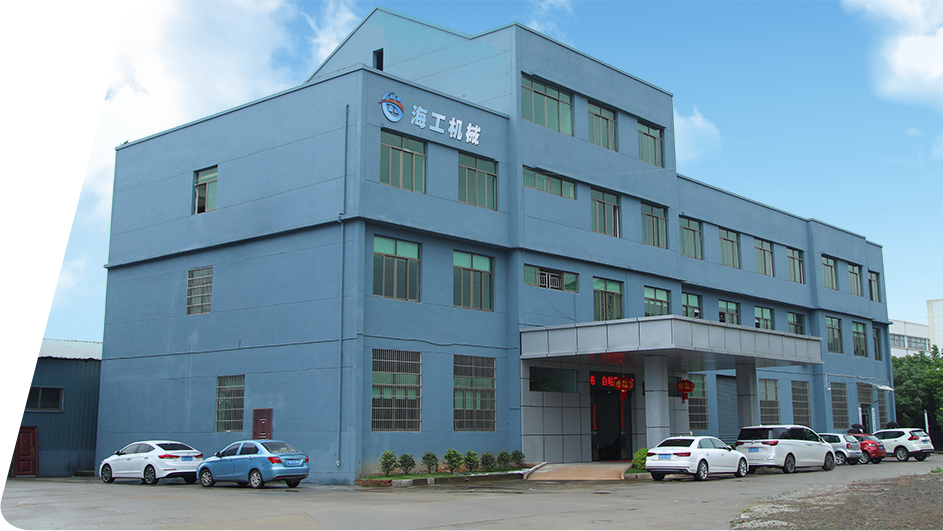
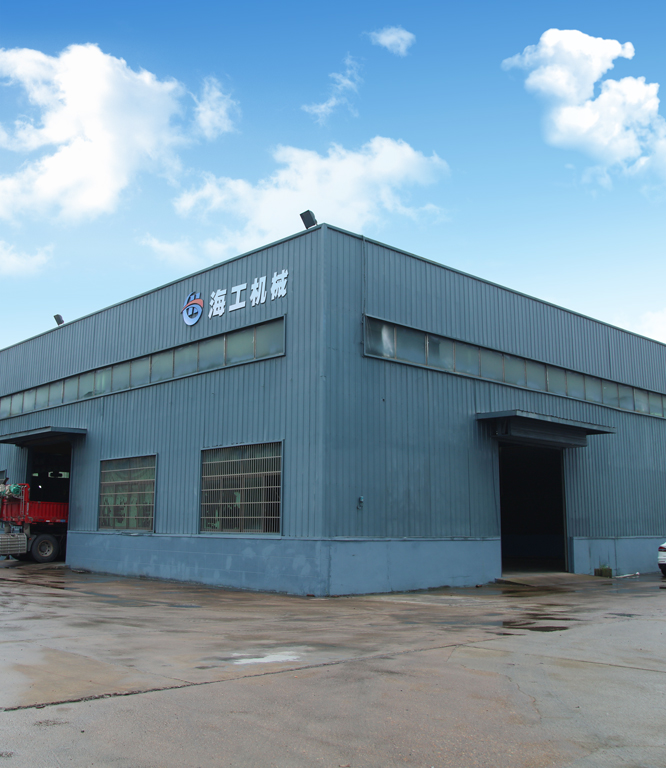
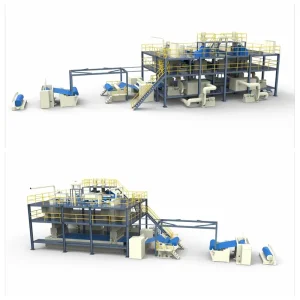
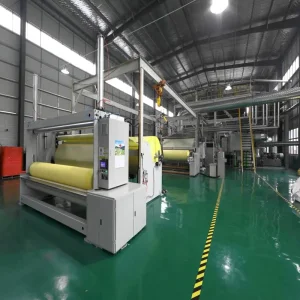
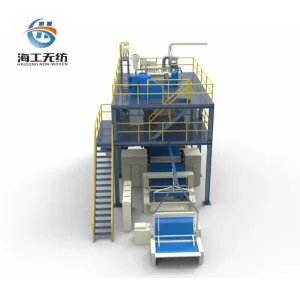
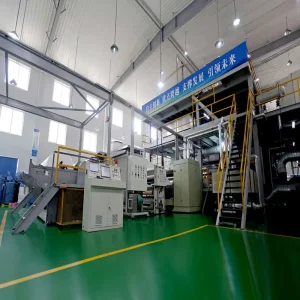
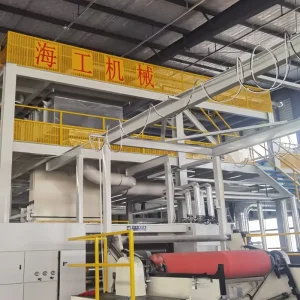
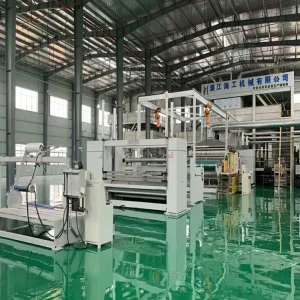
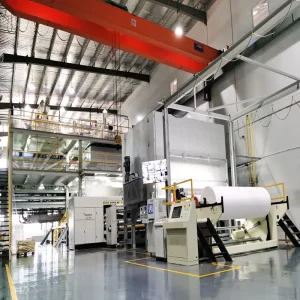
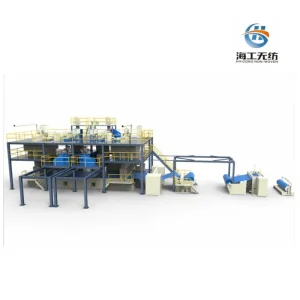
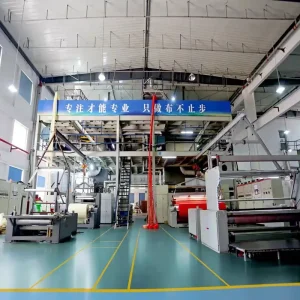
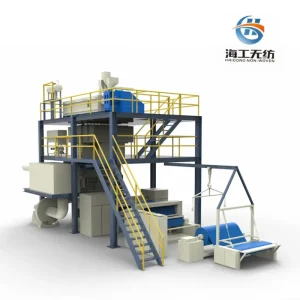
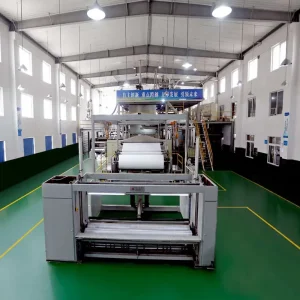
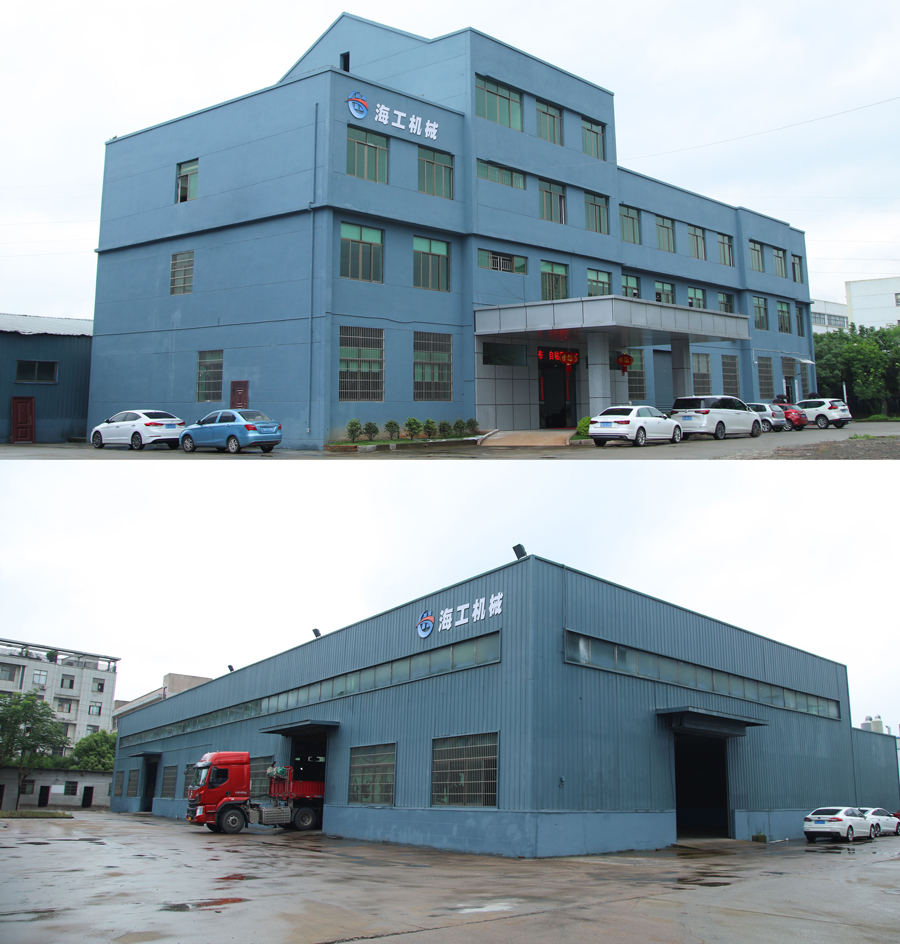
Based in Pujiang, HG Nonwoven Machinery has established itself as an authoritative manufacturer specializing in high-performance polypropylene (PP) spunbond, meltblown, and composite line systems. Incorporating the 5th Generation spunbond spinning technology, our engineering concepts are derived from advanced global design philosophies and customized locally to fit the exact performance specifications of diverse international markets.
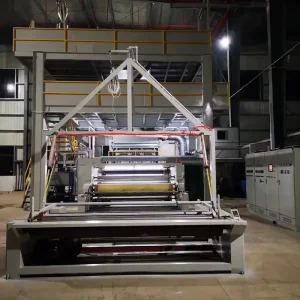
By integrating autonomous manufacturing controls, HG nonwoven fabric making machines offer unmatched operational convenience, a compact workspace footprint, optimized power consumption curves, and significantly reduced overhead production costs. We focus on enabling our global partners to manufacture eco-friendly, highly breathable, and biodegradable spunbonded materials that stay competitive in today's demanding regulatory environments.
China's industrial non-woven ecosystem has transitioned from basic fabrication to high-end smart engineering, offering major strategic benefits to global buyers.
Our machinery integrates the latest 5th generation spinning drafts that guarantee uniform filament distributions down to 1.5-2.0 Denier. This increases tensile strength across both Machine Direction (MD) and Cross Direction (CD), offering superior mechanical web performance for lighter gram-weight fabrics.
From raw material handling systems to downstream finishing, we offer comprehensive turnkey solutions. This includes auxiliary equipment integrations such as inline fabric slitting, automatic rewinding, flexographic printing, edge-trim recycling, and multi-ply lamination machines.
Every machine is built to meet international CE and ISO safety certifications. Our heavy-duty steel frame constructions, high-precision calenders, and Siemens/ABB electrical control systems ensure long-term structural reliability and operation uptime.
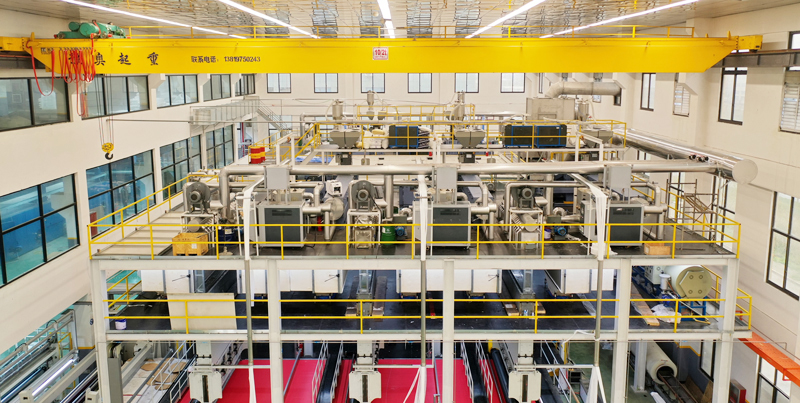
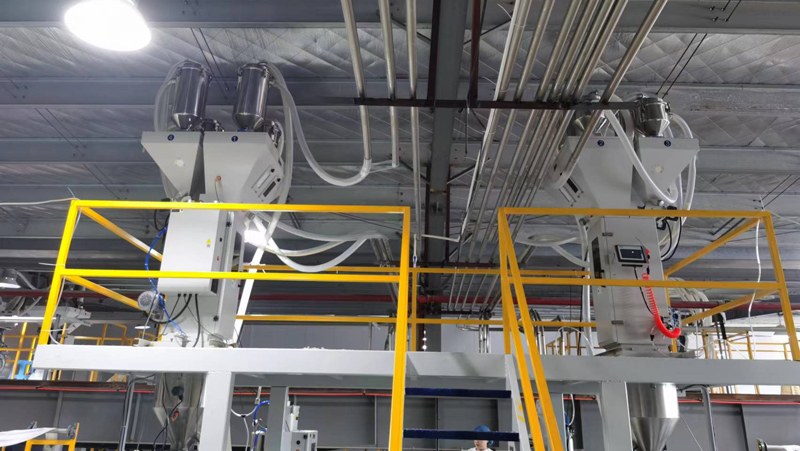
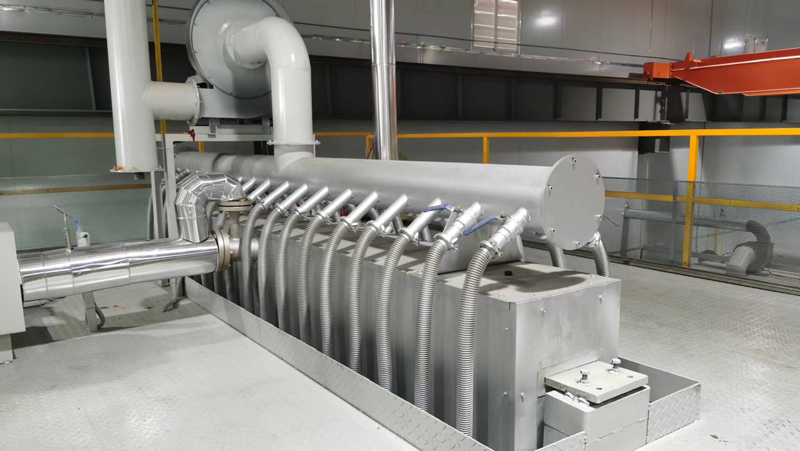
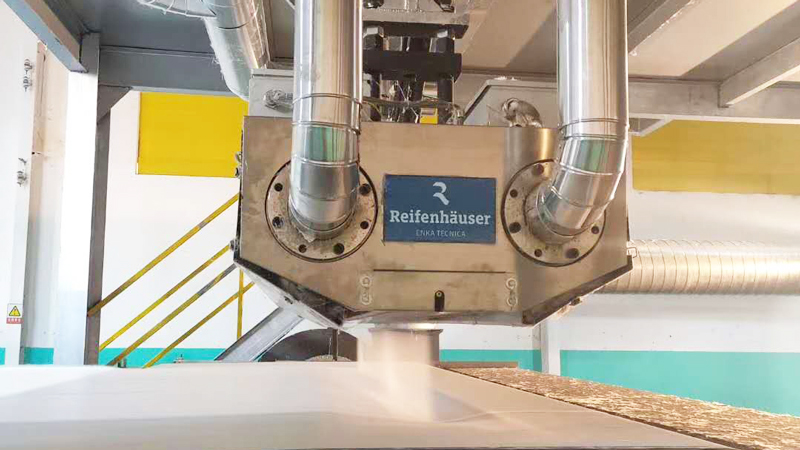
Whether your business targets medical, agricultural, packaging, or hygiene fields, our systems are optimized to produce fabrics with precise functional properties.

Critical for manufacturing soft, highly breathable top-sheets, back-sheets, and leg cuffs for baby diapers, adult incontinence underwear, and feminine hygiene pads. These lines ensure rapid fluid acquisition and barrier protection to keep moisture away from sensitive skin.

Produces high-barrier SMS and SMMS fabrics used in surgical gowns, isolation drapes, face masks, and sterile wraps. Offers excellent microbial filtration, resistance to fluid penetration, and comfort during long procedures.
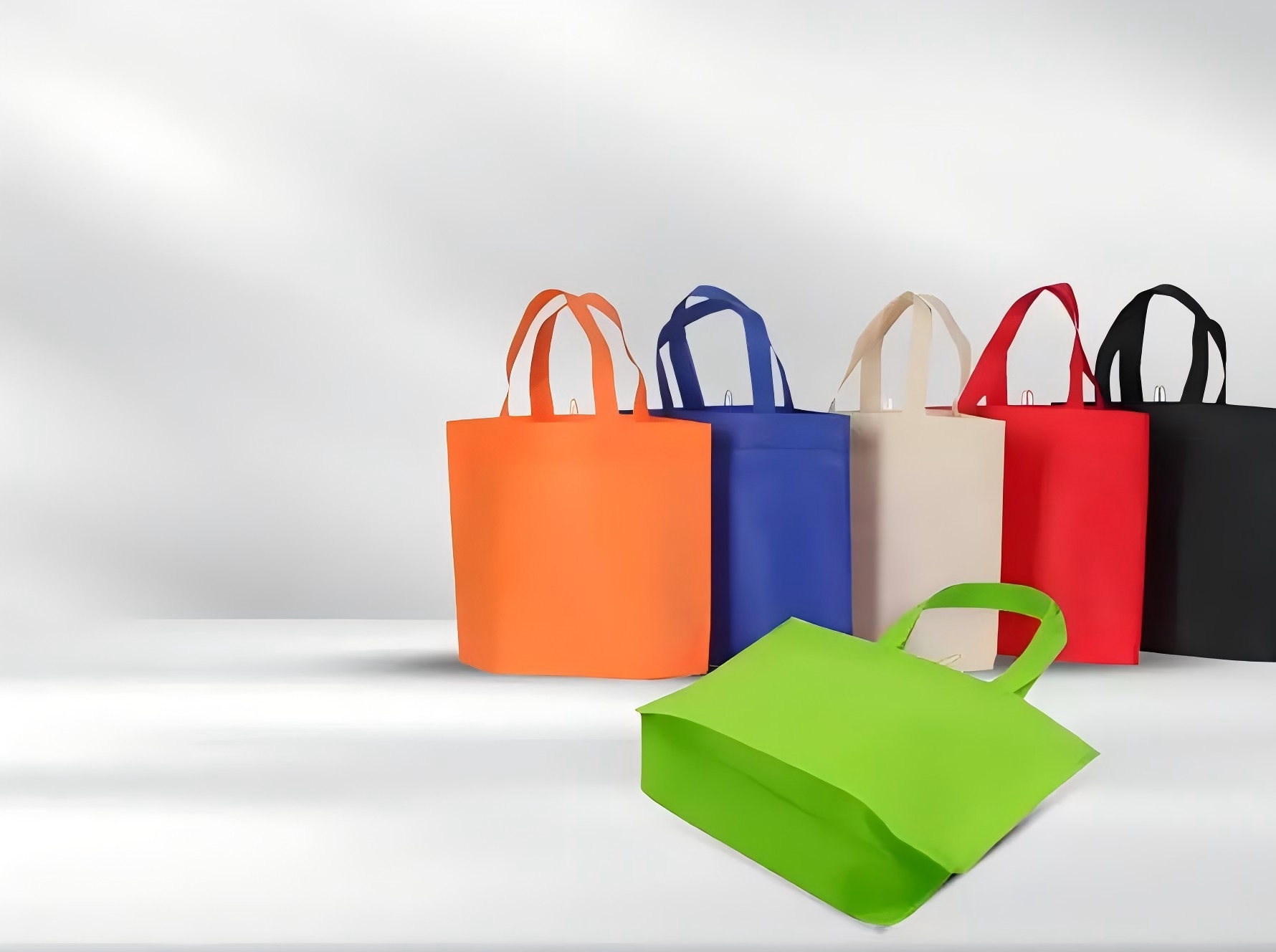
Designed for high-speed production of reusable shopping carrier bags, protective wraps, and agricultural packaging sleeves. These webs combine high tensile strength and puncture resistance with cost-effective, recyclable PP inputs.
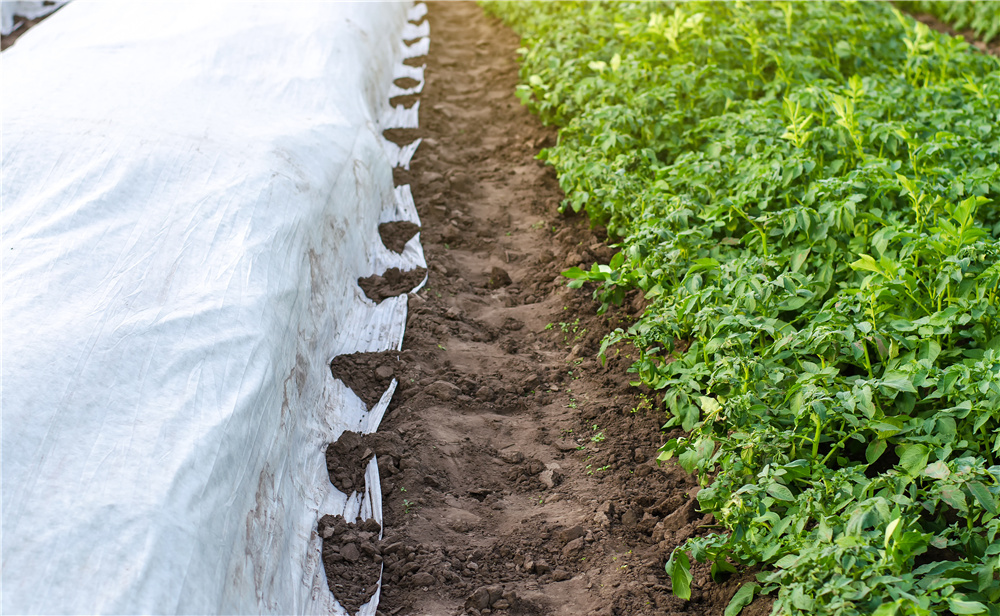
Produces wide-width crop covers (up to 3.2m or wider) featuring UV stabilizers. Allows air and moisture penetration while creating a localized microclimate that guards crops against frost, wind, pests, and sun damage.
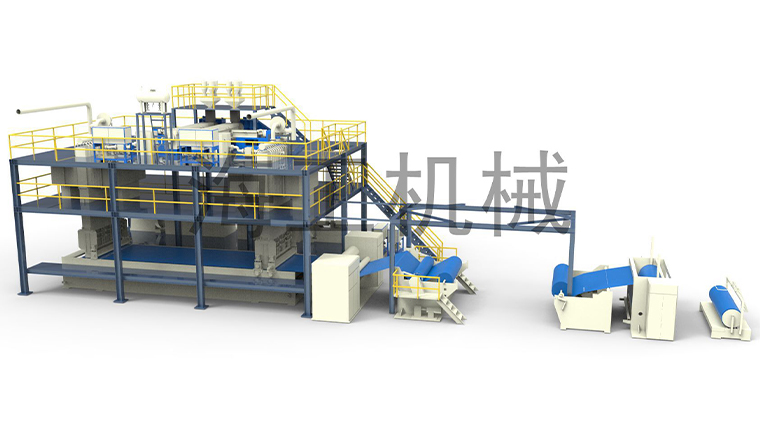
Engineered for packaging nonwoven bags, structural furniture backing, and agricultural protective covers.
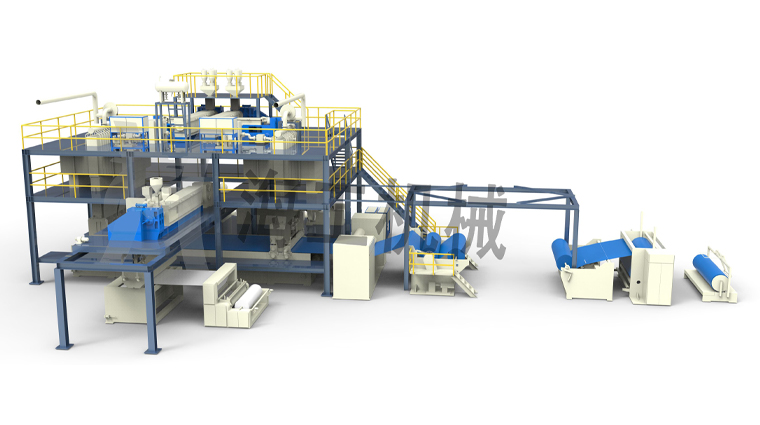
Specifically designed for advanced medical protection applications, surgical textiles, and critical hygiene markets.
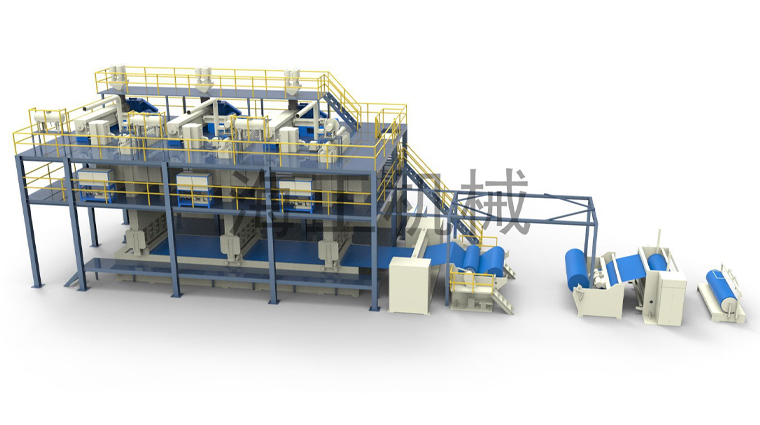
Features a 4-layer configuration providing significantly higher filtration efficiency compared to standard SMS lines.
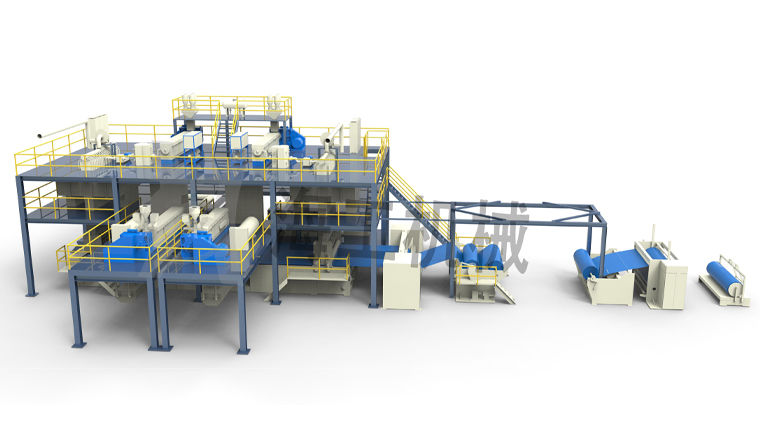
Delivers exceptional barrier performance combined with excellent softness and drapability for premium end-uses.
Purchasing industrial-scale nonwoven or lamination equipment requires careful assessment of lifetime operating costs, mechanical tolerances, and product adaptability. When choosing a plant partner, focus on these critical factors:
The nonwoven composite industry is rapidly shifting toward sustainable and digital manufacturing. Key focus areas include:
Detailed, expert answers covering the key technical and commercial aspects of nonwoven lamination and spunmelt production lines.
 HG NONWOVEN