Explore our advanced nonwoven fabric extrusion lines engineered for high capacity and energy efficiency.
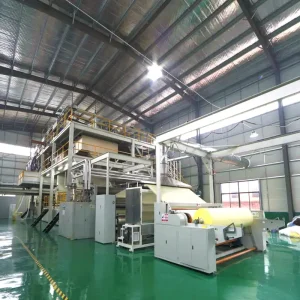
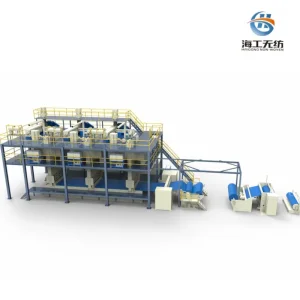
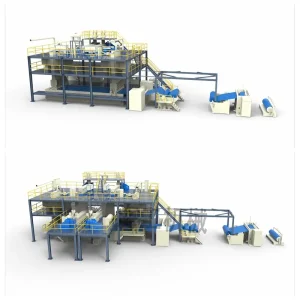
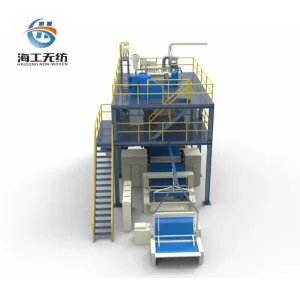
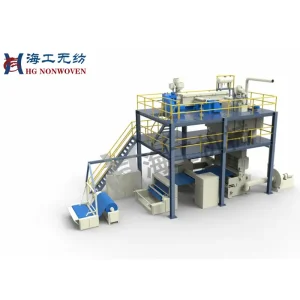
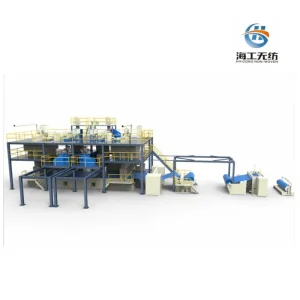
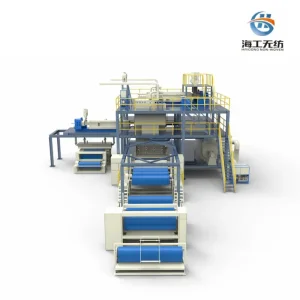
The demand for nonwoven materials has transitioned from basic sanitary products to highly engineered structural barriers. As international regulatory bodies enforce stricter standards on hygiene, medical PPE, and microfiltration media, manufacturers require highly sophisticated extrusion machinery. Globally, nonwoven fabric extrusion has shifted towards multi-beam architectures (such as SMMS, SSMMS, and composite structures) that combine high tensile strength with optimal fiber distribution.
For global industrial buyers, finding suppliers capable of delivering precision extrusion lines with minimal downtime is critical. China has emerged as the premier manufacturing base for these machine lines, combining deep material science research with robust mechanical engineering. Modern systems require the integration of advanced heat distribution loops, high-performance slot drawing technology, and smart automation systems that reduce manual oversight.
"According to industry statistics, the transition to high-barrier composite nonwovens (SMS/SMMS) accounts for over 65% of new plant capital investments in the EU and North American markets."
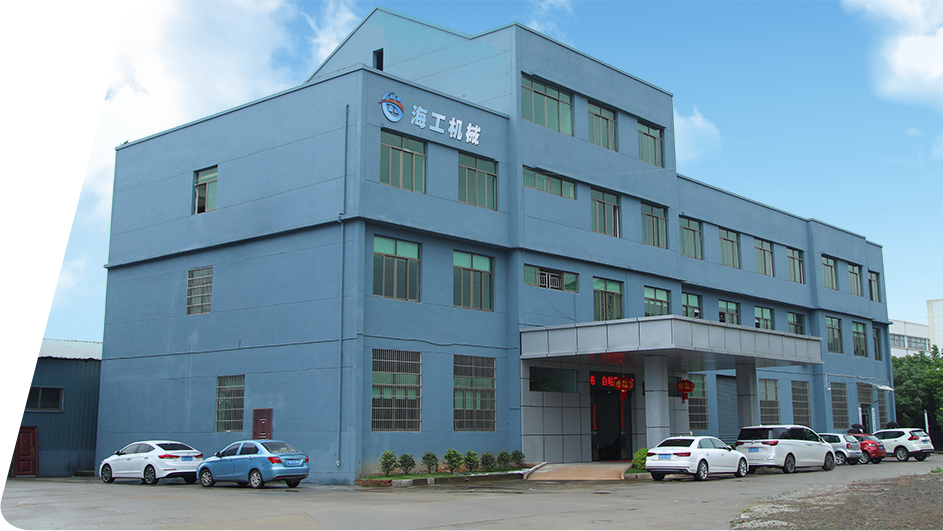
Pujiang HG Nonwoven Machinery has been defining industry standards through continuous technological innovation.
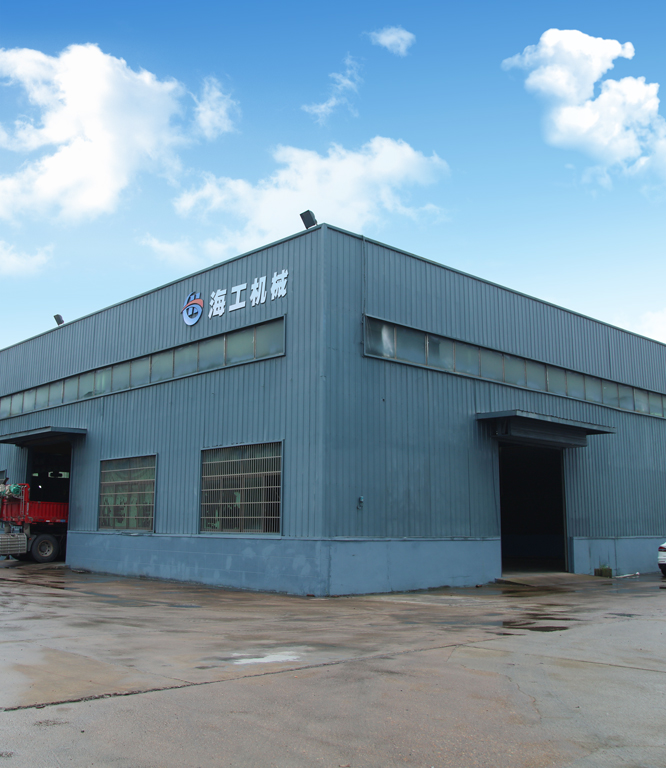
Established as a benchmark manufacturer in the nonwoven industry since 2014, Pujiang HG Nonwoven Machinery focuses on the design, assembly, and turnkey execution of PP spunbond and meltblown lines. Integrating overseas 5th Generation spunbond spinning concepts with specialized domestic modifications, our machinery meets the distinct requirements of diverse international markets.
Our core production lines emphasize high efficiency, reduced foot-print design, low energy consumption ratios, and exceptionally low operating costs. We specialize in configuring eco-friendly and biodegradable spunbond nonwoven lines, allowing enterprises to stay compliant with ecological policies in Europe, North America, and beyond.
We provide complete manufacturing ecosystems, ensuring maximum return on investment for our partners.
Our machines incorporate state-of-the-art melt pumps, spinneret plates, and air drafting channels. The integration of high-precision heating loops ensures uniform melt temperature distribution, yielding filaments of consistent denier.
Understanding local market dynamics is vital. We provide complete local market analysis reports, helping you map out project feasibility, calculate operational budgets, and forecast target distribution channels.
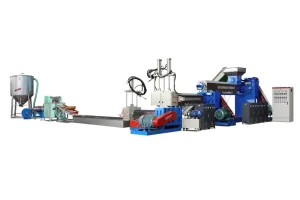
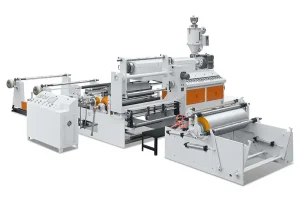
Our supply capability goes beyond core extrusion. We deliver matching edge trim recycling machinery, high-speed fabric slitting machines, flexo printing devices, fabric laminators, and automated bag-making lines.
Installation is just the beginning. Our engineers conduct extensive on-site personnel training, followed by 24 months of technical maintenance support. Digital telemetry options are available for remote diagnostics and prompt troubleshooting.
Comparative technical metrics for modern PP spunbond and meltblown composite extrusion lines.
| Machinery Model Class | Typical Fabric Width (mm) | Filament Diameter (Spunbond) | Heating Efficiency Control | Target Output Capacity (Tons/24h) |
|---|---|---|---|---|
| S Spunbond Line | 1600 / 2400 / 3200 | 1.8 - 2.2 Denier | PID Self-Tuning Control | 4.0 - 10.0 Tons |
| SS Spunbond Line | 1600 / 2400 / 3200 | 1.5 - 2.0 Denier | Dual-Beam Independent PLC | 9.0 - 18.0 Tons |
| SMS Composite Line | 2400 / 3200 | Spunbond: 1.5d | Meltblown: 2-4μm | Integrated Coat-Hanger Die-Heads | 12.0 - 24.0 Tons |
| SMMS / SSMMS Line | 3200 | Spunbond: 1.2d | Meltblown: 1.5-3μm | Multi-Zone Intelligent Induction | 18.0 - 35.0 Tons |
Our top-selling nonwoven fabric extrusion configurations designed for specialized market applications.
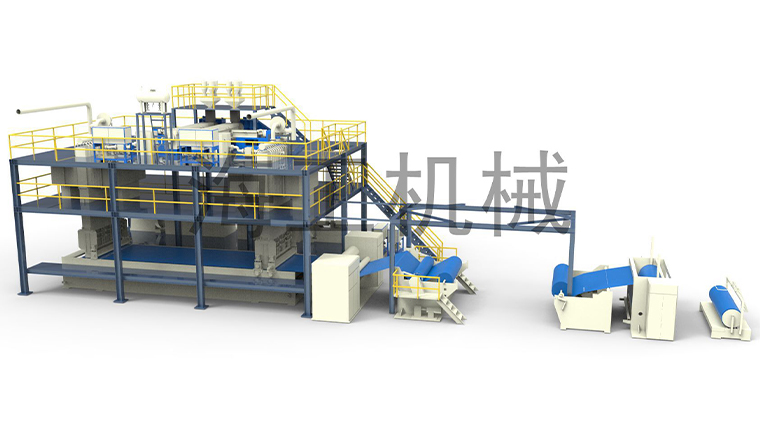
Optimized for packaging nonwoven bags, furniture liners, and agricultural crop covers. Balanced yield with highly efficient mechanical controls.
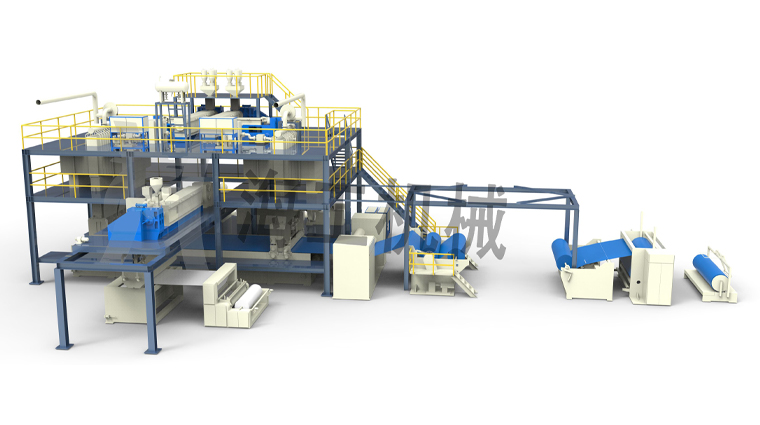
Designed for medical applications and high-grade hygiene products. Engineered to produce optimal barriers with breathable structures.
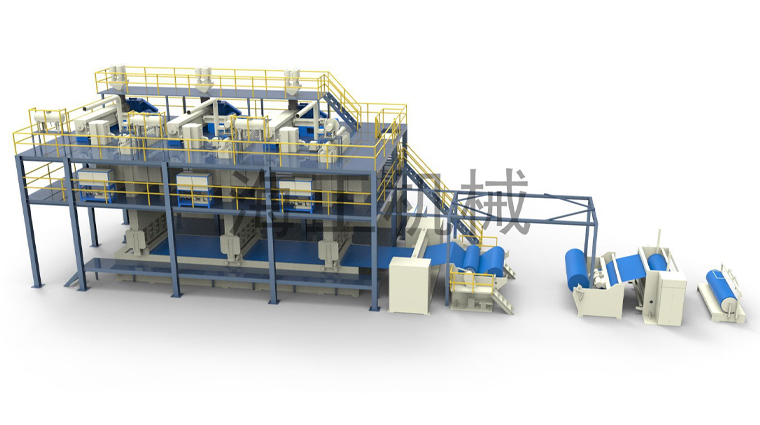
Four-layer extrusion configuration offering superior filtration capabilities compared to standard SMS lines. Suitable for surgical drapes.
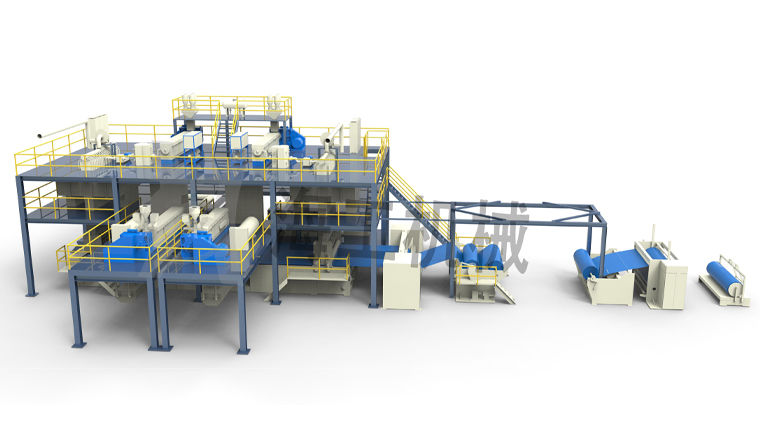
Features ultra-softness, optimal fluid barrier protection, and high-tensile fabric structure. Excellent for high-end hygienic markets.
How different industries utilize output fabrics produced by our extrusion lines.

Excellent fluid containment, distribution, and softness. Crucial for diapers, adult incontinence pads, and feminine care products where skin contact demands non-irritating materials.

Provides robust viral, bacterial, and fluid barrier parameters. These fabrics are transformed into surgical gowns, drapes, sterilizing wraps, and medical grade respirator masks.
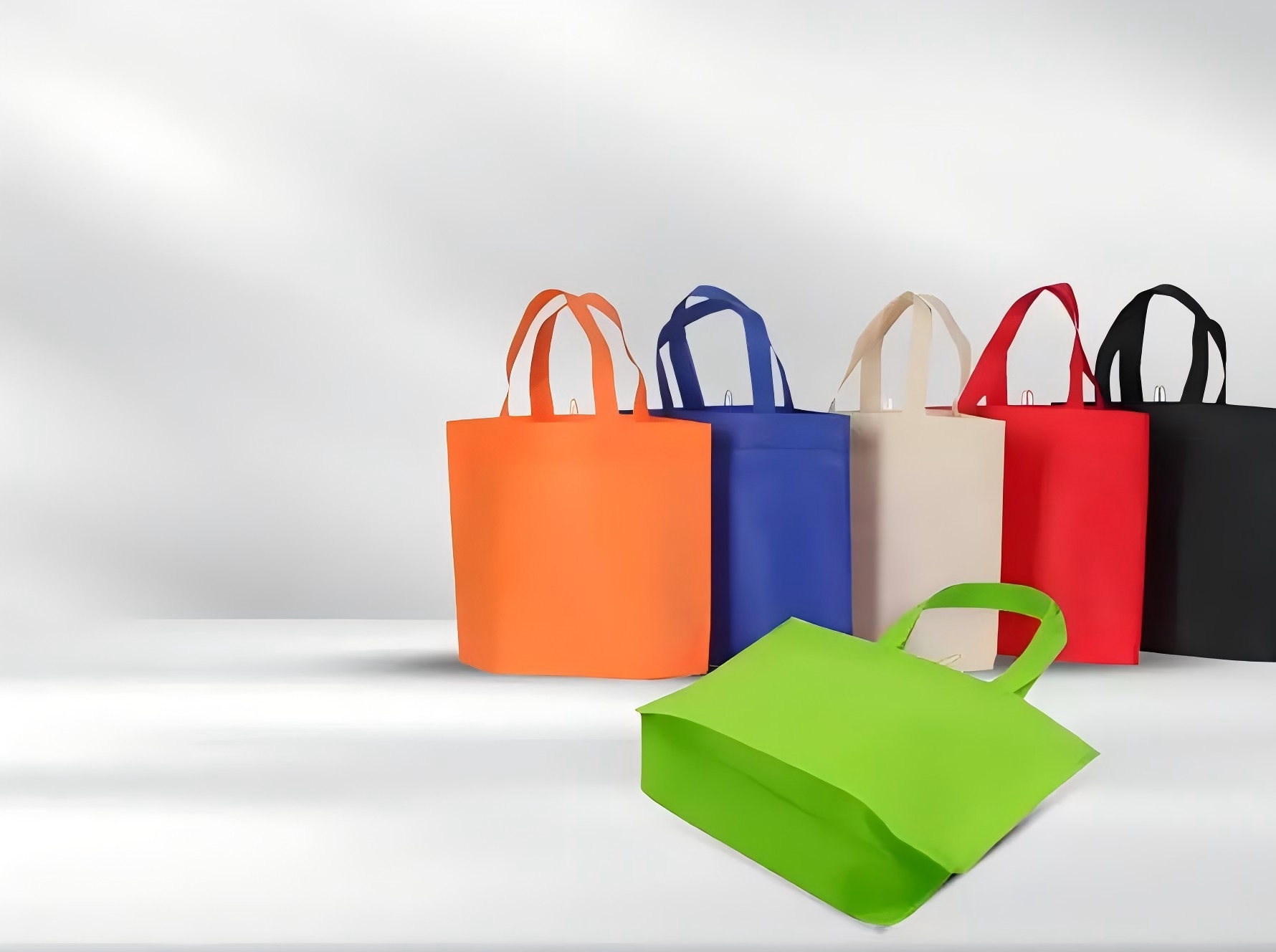
Characterized by extreme tear resistance, lightweight profile, and long-term reusability. Essential for heavy-duty shopping bags, flour sacks, storage box linings, and pocket spring wraps.
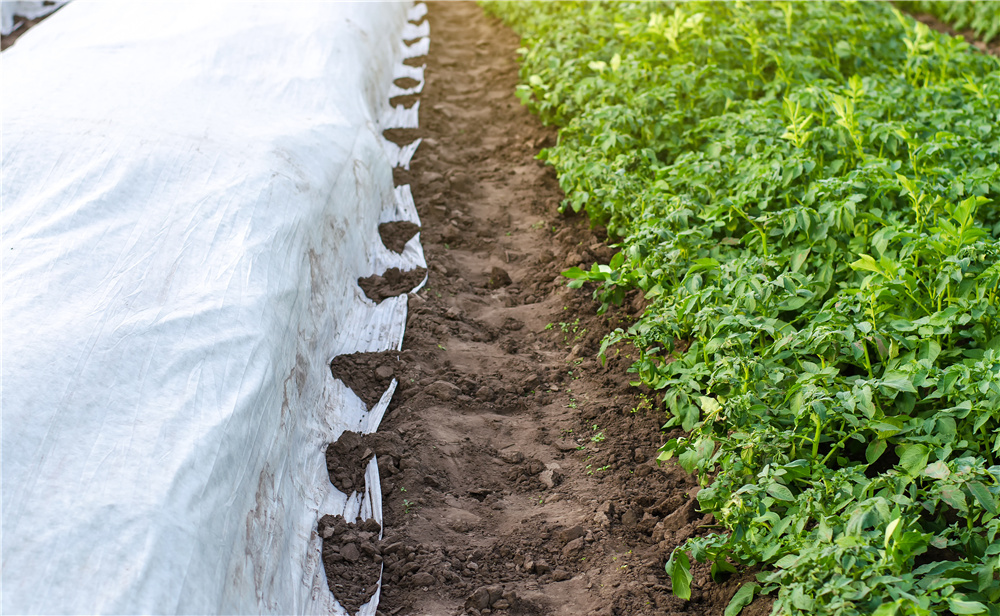
Allows water and air to permeate freely while providing high protection against frost, pests, and UV damage. Generates an optimal microclimate to accelerate crop growth cycles.
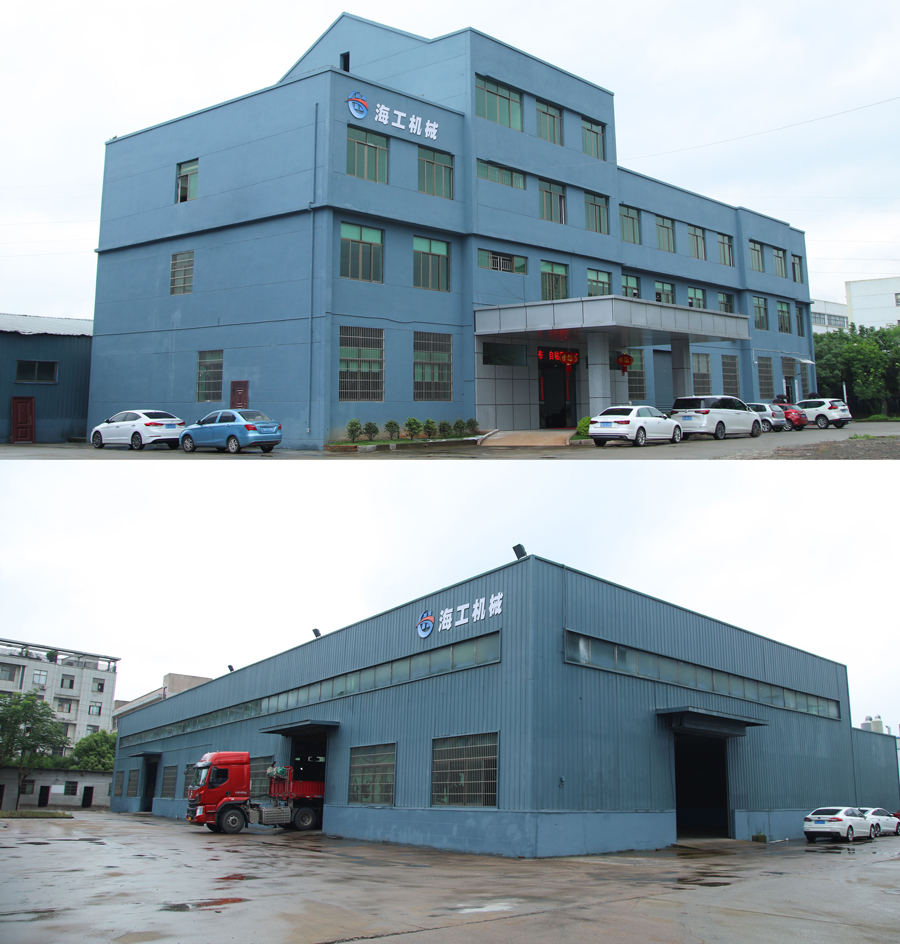
When purchasing nonwoven fabric extrusion lines, global buyers prioritize three core parameters: mechanical reliability, energy consumption ratios, and procurement costs. Chinese manufacturers have established an efficient cluster for raw material sourcing, heat-treatment, precision CNC machining, and electrical component integration.
By consolidating supply chains, Pujiang HG Nonwoven Machinery guarantees shorter production lead times compared to European counterparts, without compromising on component quality. We integrate world-recognized electrical brands (such as Siemens PLC systems, ABB converters, and Omron temperature sensors) within our proprietary mechanical assemblies to ensure reliability and global availability of replacement parts.
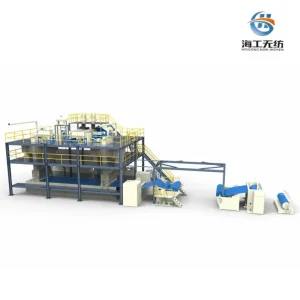
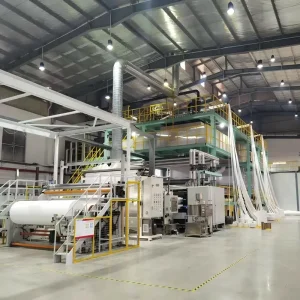
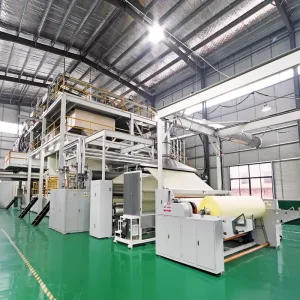
Additionally, Chinese machinery factories offer high layout flexibility. Whether you face space limitations in your factory or need to adapt production to specialized regional polymers, our engineering design team can customize the structural layout of the line (under L-shape or straight-line configurations) to optimize floor plan dynamics.
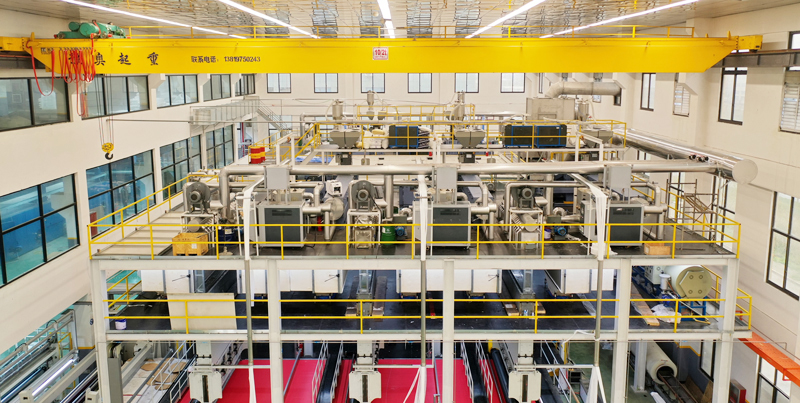
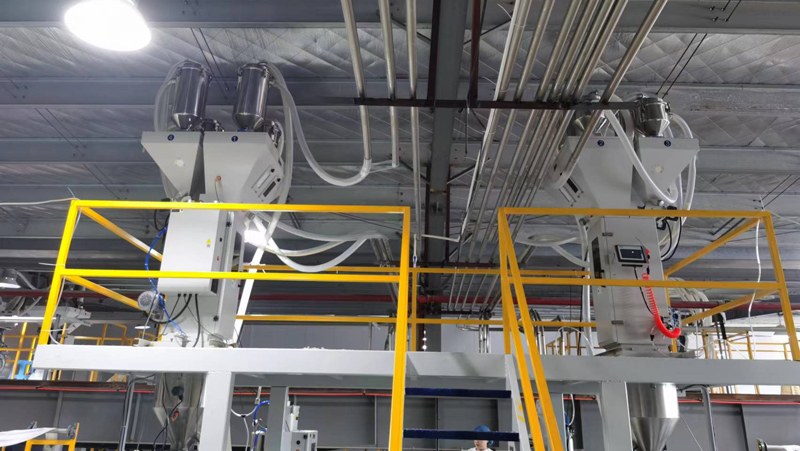
Modern extrusion requires precise control over raw material feeding. Our machines are equipped with multi-component gravimetric dosing systems that manage polypropylene chips, color masterbatch, and additives (like anti-UV or anti-static agents) in real time.
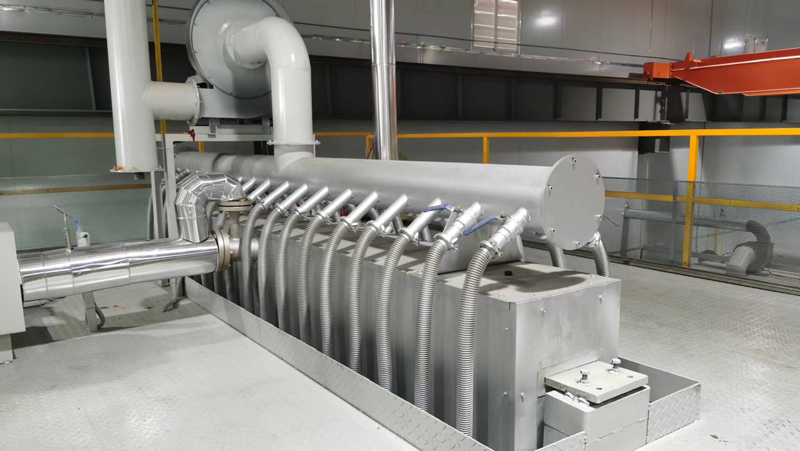
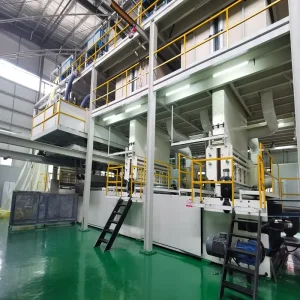
Once fed, the polymer is processed through our high-performance extruders featuring L/D ratios designed to avoid polymer degradation. The melt then flows through a centralized filtration screen changer into the spinning beam. By optimizing the spinneret geometry and hole distribution, we achieve high web uniformity across the entire output fabric width.
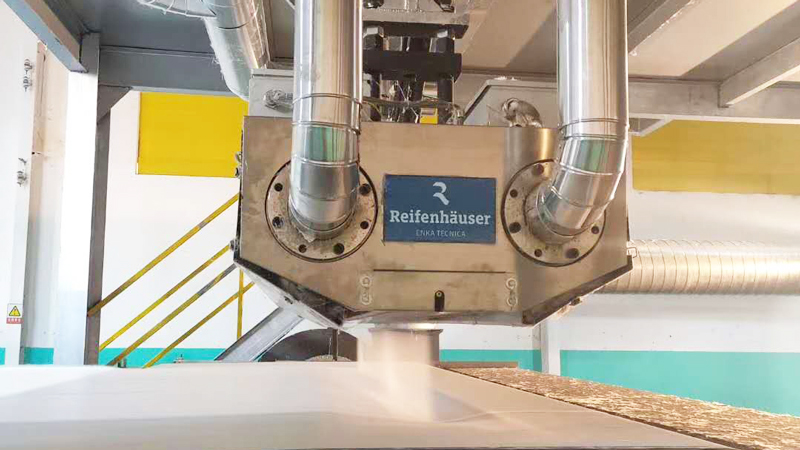
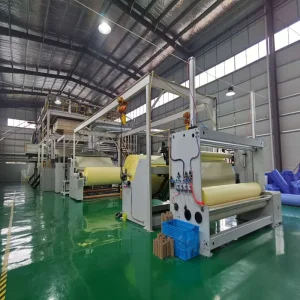
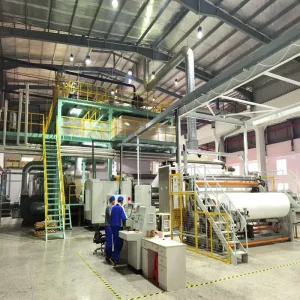
The web forming machine uses balanced negative-pressure draft channels to stretch and cool filaments instantly, laying them down on the conveyor belt. The web is then conveyed directly to the thermobonding calender where heated rollers apply heat and pressure to bond the fibers. Finally, it passes through our high-precision slitting and winding equipment.
Comprehensive expert answers to critical technical and logistical questions for purchasing managers.
Generally, standard single-beam (S) configurations require 90 to 120 days for fabrication, testing, and pre-commissioning at our factory. Larger composite configurations, such as SMS or SMMS lines, require 150 to 180 days to accommodate precision calender roll balancing and complex electrical sync routing.
We optimize energy consumption by integrating high-efficiency induction heaters on the extruder barrels and maximizing waste heat recovery from the thermal systems. Additionally, our dual-chamber air drafting system utilizes aerodynamically optimized air channels to reduce the required compressor loads, saving up to 15-20% in electricity compared to older designs.
Yes. Our extrusion lines can be customized with specific screw profiles, feeding systems, and specialized temperature controllers to process polylactic acid (PLA) and other biodegradable polymers, helping you produce eco-friendly, biodegradable nonwoven fabrics.
We deploy experienced mechanical and automation engineers to commission the equipment on-site. We manage structural assembly, electrical integration, and test trials. We also train your operators on calibration, maintenance, and emergency protocols.
The inline recycling system captures edge trim waste, processes it through an auxiliary granulator, and feeds the recycled polymer back into the main extruder stream. This minimizes raw material waste and reduces total production costs.
Explore our highly integrated composite extrusion systems, components, and performance-driven auxiliary setups.
 HG NONWOVEN