Explore our premium line of nonwoven machinery and plastic recycling solutions engineered for high performance and low energy consumption.
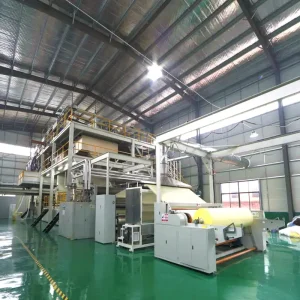
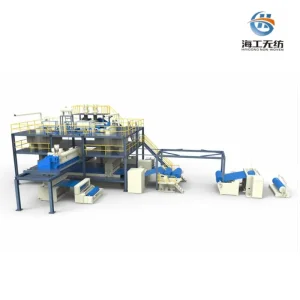
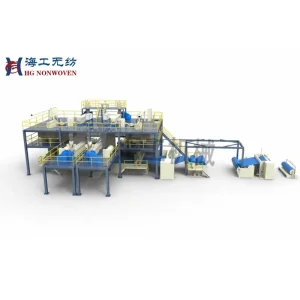
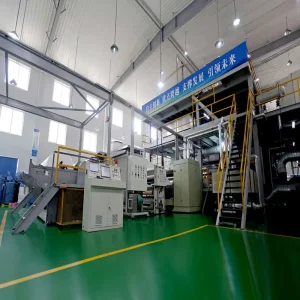
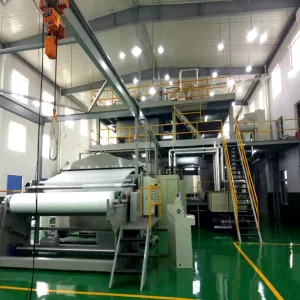
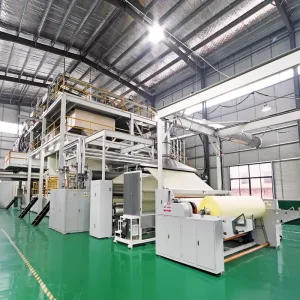
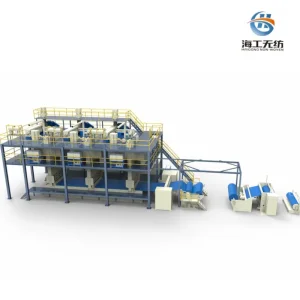
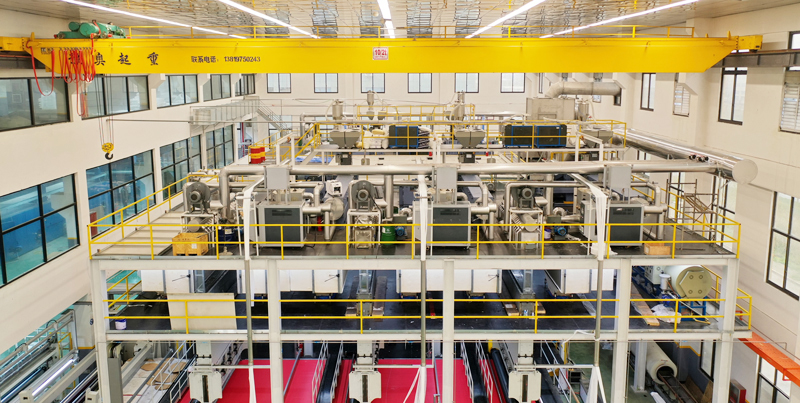
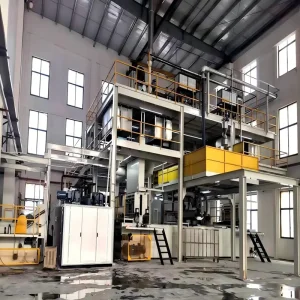
HG Nonwoven Machinery is a premier manufacturer of spunbond, meltblown, and composite nonwoven fabric machine lines, dedicated to providing high-efficiency and innovative spunbond nonwoven fabric production solutions to the global market. Introducing our advanced design concept (highlighting our 5th Generation spunbond spinning technology) integrated with autonomous custom adaptations for global markets, we engineer machines characterized by convenient operation, small foot-print, low power consumption, high efficiency, and minimal production cost.
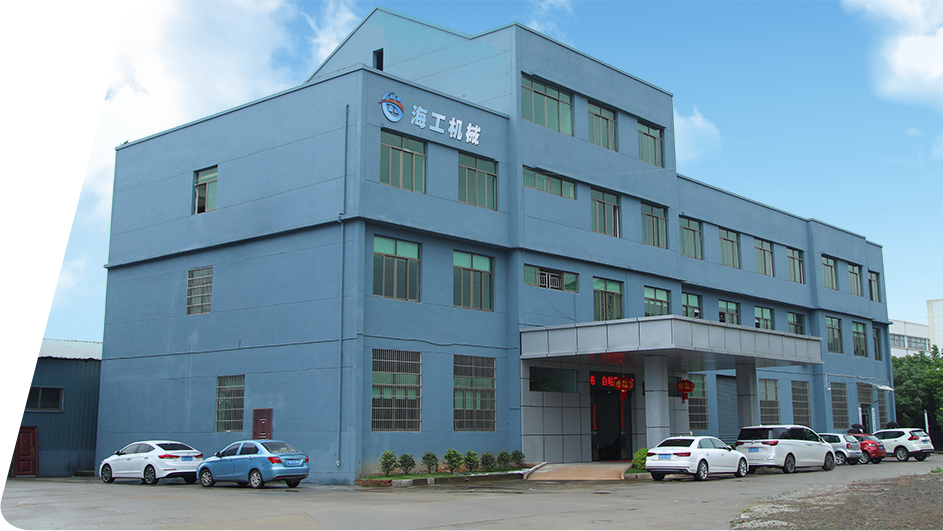
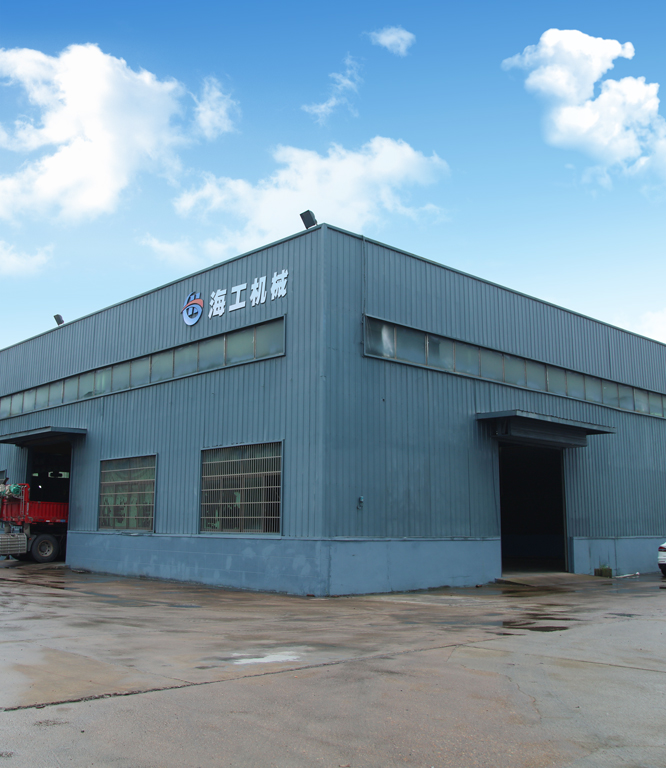
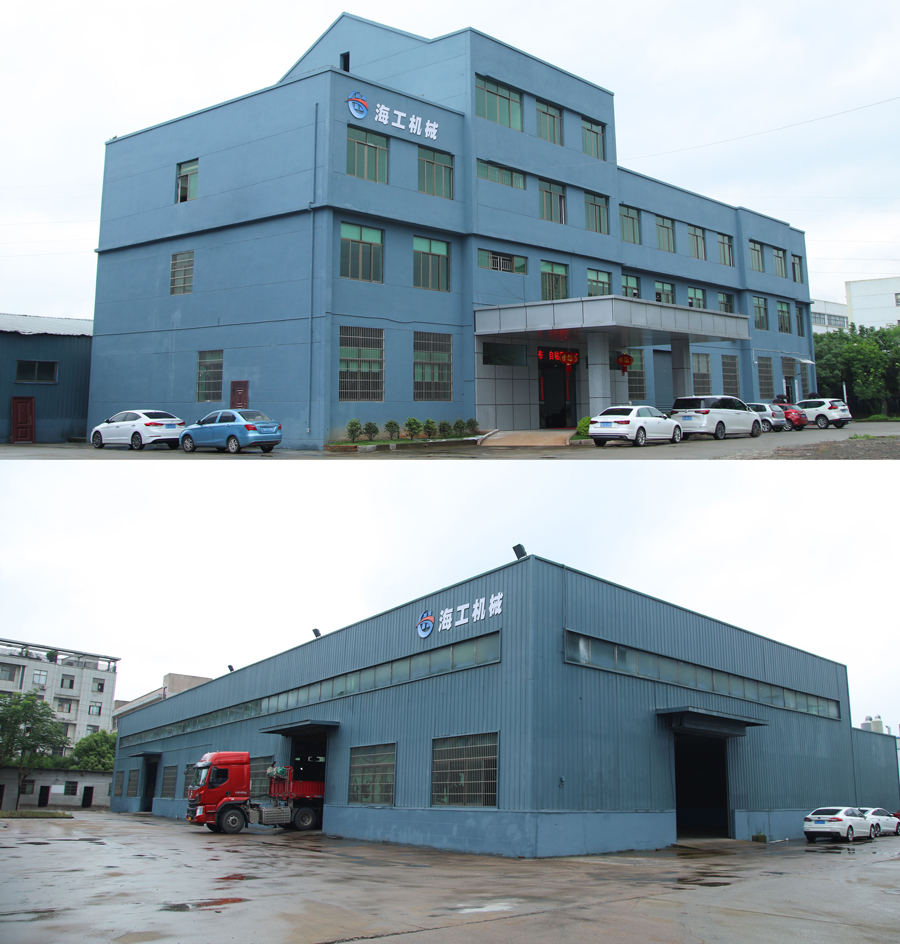
Based in Pujiang, our manufacturing legacy since 2014 focuses on manufacturing high-performance eco-friendly and biodegradable spunbonded nonwoven fabric systems. Backed by turnkey engineering, we provide comprehensive, reliable support from project blueprinting to structural manufacturing calibration.
In the manufacture of spunbond, meltblown, and composite (SMS, SMMS, SSMMS) fabrics, thermal bonding and embossing represent the final critical processing phases. Non woven fabric embossing machines—primarily configured as calendering systems—utilize heat, mechanical pressure, and precision-engraved rolls to melt and bond thermoplastic fibers (such as Polypropylene or Polyester) at localized anchor points. This localized thermal bonding converts loose web fibers into structurally sound, resilient fabrics.
The mechanical design of an embossing machine dictates the physical properties of the output web, specifically its tensile strength, softness, breathability, and aesthetic texture. High-speed calendering lines require precise engineering to ensure uniform pressure across the machine's width, often extending up to 3.2 meters or wider. Advanced calendering rolls utilize internal oil-circulation heating systems to maintain precise temperatures within ±1°C, preventing localized web melting defects or weak bonding zones.
Rollers feature engraved patterns (such as diamond, cross, oval, or custom branded points) machined with laser precision to achieve targeted bonding ratios, ranging from 8% to 22% surface area consolidation depending on the target application.
To prevent middle-zone pressure drops on wide rollers, systems deploy deflection-compensated rollers (swimming rolls) that dynamically distribute pressure, maintaining uniform web thickness (GSM) across the entire width.
The global market for nonwoven fabrics is experiencing unprecedented growth, driven by expanding hygiene demands, medical barrier upgrades, agricultural protection needs, and environmental sustainability initiatives. Non woven fabric embossing machines sit at the intersection of raw material extrusion and finished product refinement. As industries demand higher production speeds (often exceeding 400 meters per minute) and lower basis weights (down to 8-10 GSM for ultra-thin baby diapers), embossing machines must perform under intense thermal and mechanical stress.
China has emerged as a crucial manufacturer and supplier of non woven embossing machines. By utilizing advanced metallurgy, premium heat-treatment technologies, and integrated CNC engraving, Chinese manufacturers offer robust, high-precision calendering systems that compete globally on performance while offering substantial capital expenditure (CapEx) savings. The integration of Siemens PLC control architectures, closed-loop thermal feedback, and automated hydraulic adjusters has elevated domestic systems to global standards.
Explore our most requested systems, engineered for maximum performance, multi-layer configuration, and advanced embossing capabilities.
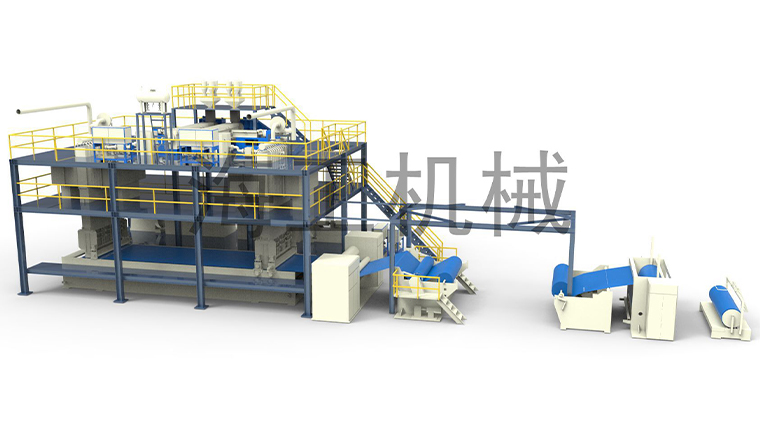
Optimized for packaging bags, furniture backing, and agricultural crop covers with uniform tensile properties.
Explore Line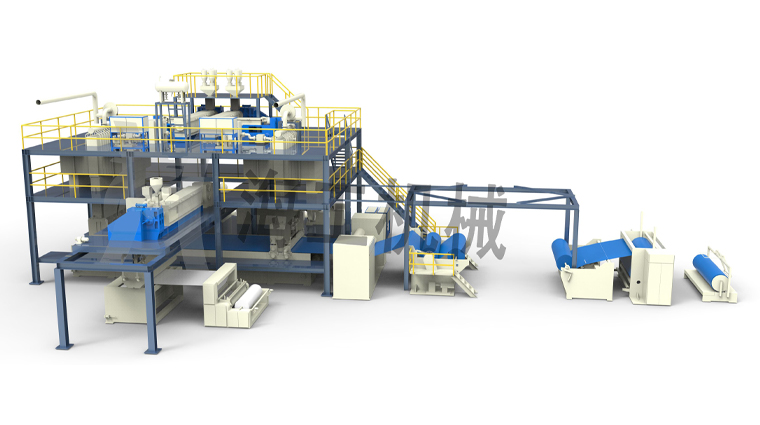
Engineered for high-end medical surgical gowns, drape sheets, and protective wear with reliable barrier layers.
Explore Line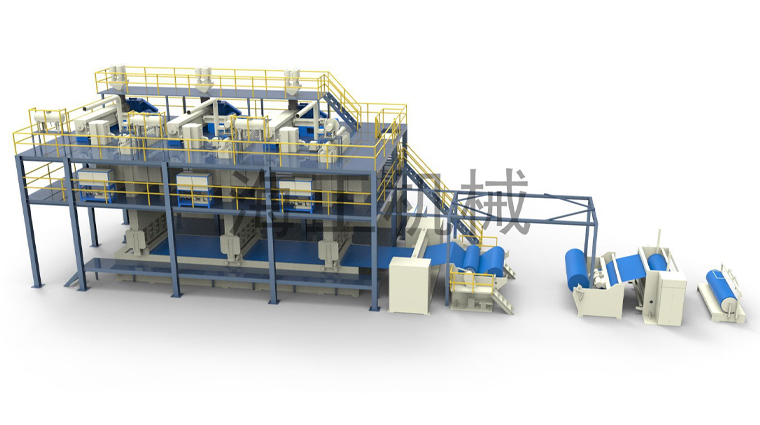
Features a four-layer composite structure achieving superior filtration efficiency and hydrophobic characteristics.
Explore Line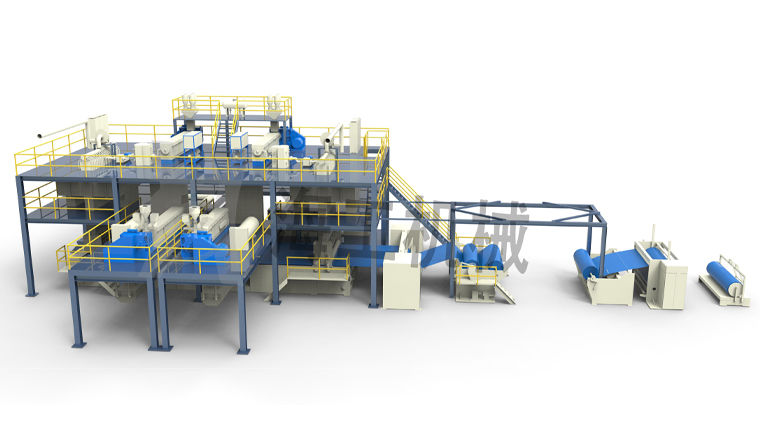
The pinnacle of spun-melt-spun integration, delivering exceptional barrier metrics paired with cloud-like softness.
Explore LineEmbossing and thermal calendering requirements differ widely depending on the ultimate application. Choosing the appropriate roller pattern and mechanical properties is crucial to product success.
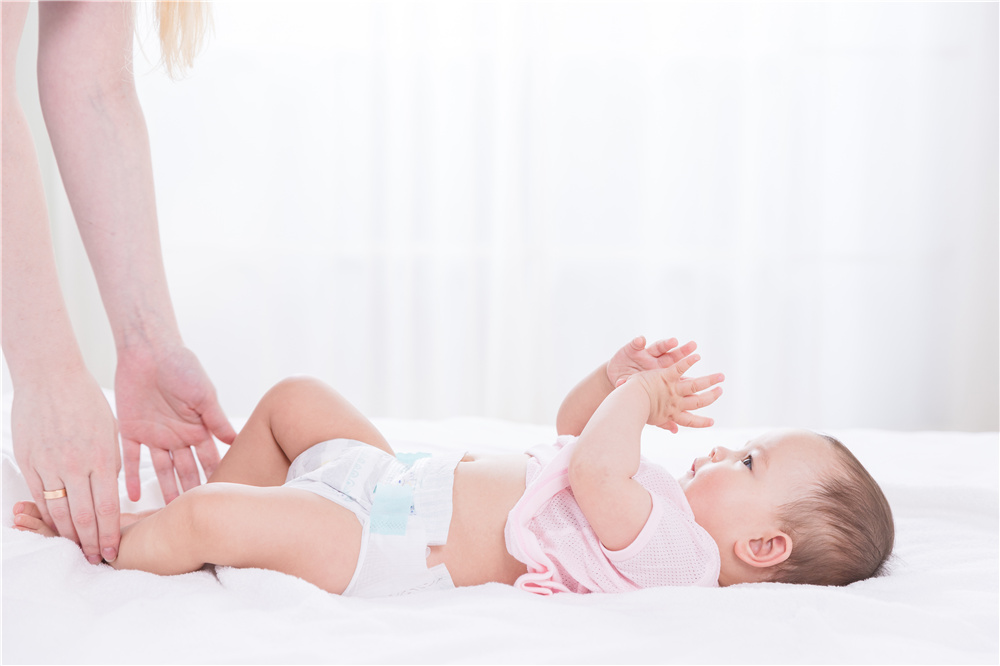
Crucial for diapers, adult incontinence, and feminine care products. Calendering must deliver low-percentage bonding patterns to preserve structural loftiness, maximize fluid absorption paths, and ensure skin contact surfaces are soft and non-irritating.

Used for surgical gowns, masks, and sterile wraps. The embossing configuration must secure high seal integrity at bonding points to prevent micro-organism penetration while preserving the mechanical tear-resistance of composite SMS webs.
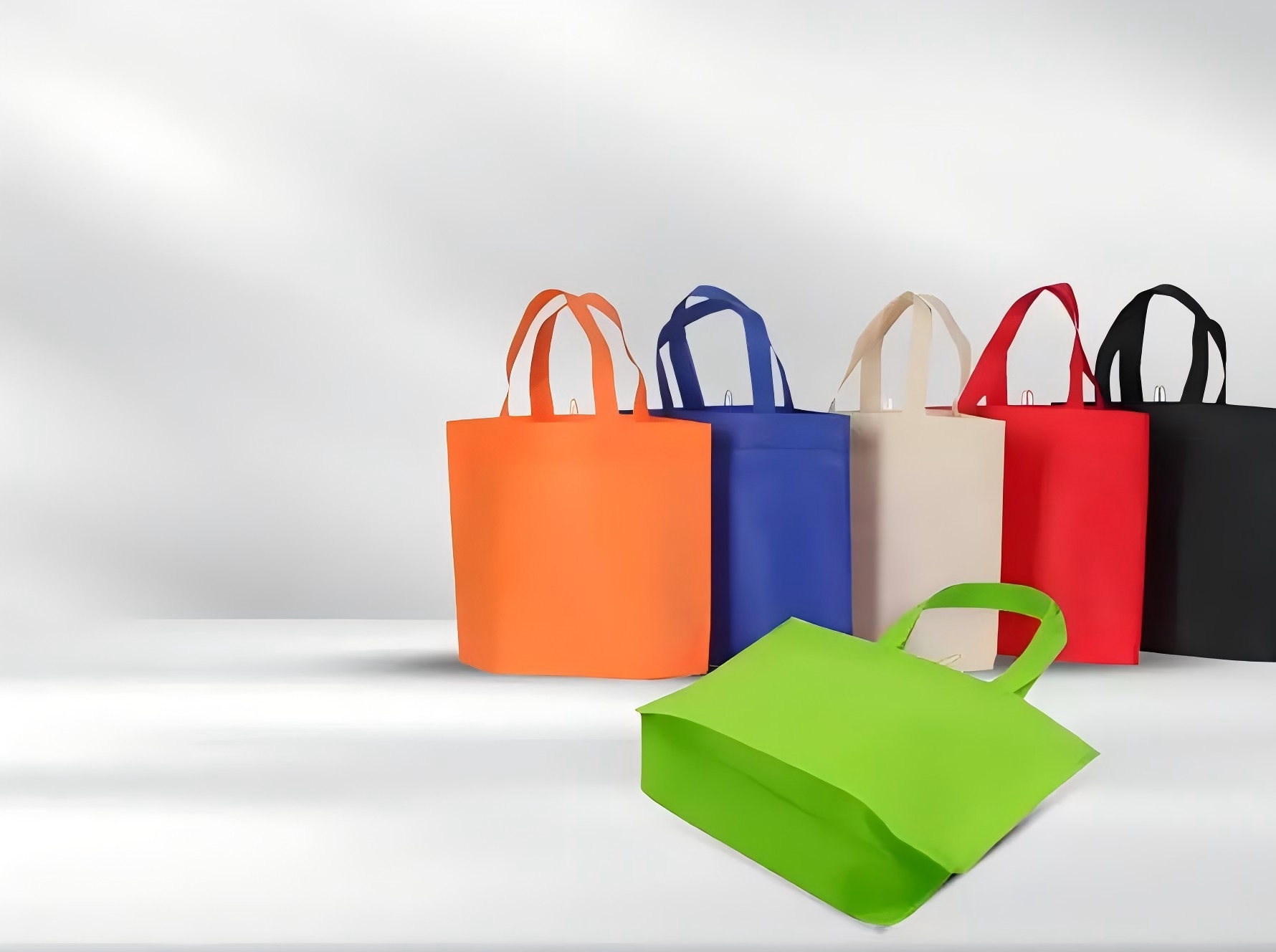
Employed for reusable shopping bags, garment covers, and luggage lining. Embossing patterns in packaging emphasize aesthetics and mechanical wear life. Deep patterns are applied to simulate traditional textiles, giving the packaging structural stiffness and high aesthetic value.
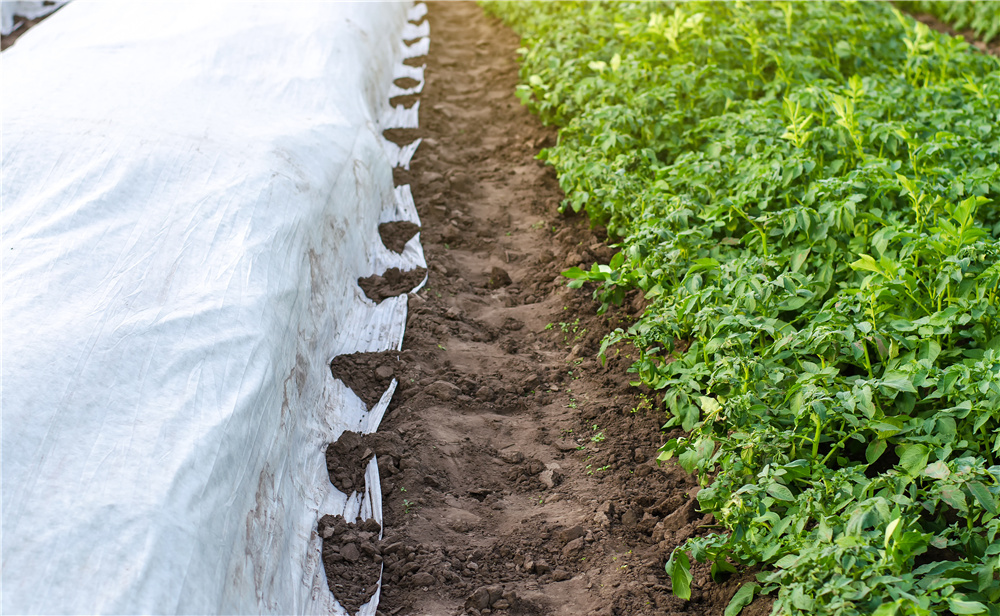
Protective row covers and microclimate controls. These require embossing that stabilizes the web configuration against external weather conditions, UV breakdown, and tearing while maintaining water and air permeability to optimize growing microclimates.
The development of nonwoven fabric production lines is shifting toward automation, closed-loop feedback, and material diversity. HG Nonwoven Machinery is actively developing technologies to adapt to these global trends:
As global legislation targets single-use plastics, the demand for nonwoven fabrics manufactured from PLA (polylactic acid), bio-resins, and bamboo/cotton blends is surging. These alternative fibers have different melting profiles and lower heat tolerances. HG Nonwoven Machinery is optimizing calender embossing rolls to function with ultra-precise thermal control, avoiding fiber degradation while maintaining fast production speeds.
Modern nonwoven operations rely on real-time data collection. Future embossing machinery is equipped with multi-point thermal and vibration sensors, linking to central SCADA systems. This setup enables predictive maintenance notifications before roller misalignments or heating variations impact fabric quality, reducing downtime and waste.
For products requiring exceptional softness and specific patterns without thermal stiffness (like high-end hygiene items), ultrasonic embossing is becoming more common. Our tech team is integrating inline ultrasonic bonding stations alongside traditional calendering rollers, allowing operators to switch configurations with minimal production disruption.
We provide complete turnkey solutions that extend beyond the spunbond line. HG Nonwoven Machinery supports your operations with related downstream machinery, including nonwoven recycling granulators, slitting systems, flexo printing units, and bag-making machines. This approach ensures your production line maintains consistent tension, accurate calendering parameters, and reliable winding capabilities.
We assist clients with local market assessments, helping to determine the best configurations based on local competition and application demands.
From facility layout design and structural integration to roll commissioning, we manage the technical steps from start to finish.
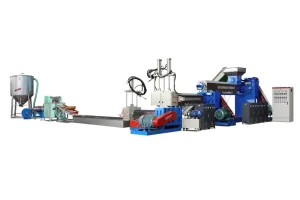
Our plastic granulator machines process edge trims and waste fabrics, returning high-quality PP pellets back to the extruder to reduce material waste.
We offer hands-on operator training and provide a 24-month warranty with digital and on-site support to keep your operations running smoothly.
Technical and operational insights regarding nonwoven embossing technology, thermal calendering parameters, and purchasing considerations.
The embossing pattern serves both structural and aesthetic roles. Structurally, it defines the thermal bonding points where the thermoplastic fibers melt together to provide tensile strength and tear resistance. The bonding ratio (the surface area of the embossed points relative to the total area) determines the balance between fabric softness and strength: a higher bonding ratio increases strength but reduces softness, while a lower ratio keeps the fabric softer and loftier, ideal for hygiene products. Aesthetically, patterns like diamonds, ovals, or custom shapes help distinguish brands and product lines.
Consistent temperature across the calender roller is essential. If the temperature varies by even 2-3°C, it can lead to uneven bonding. Areas that are too hot will over-melt, causing thin spots or hard patches that feel rough and tear easily. Areas that are too cool won't bond sufficiently, leading to weak spots and loose fibers. Our embossing machines feature internal oil circulation and zone-based heating controls to keep temperature differences within ±1°C across the roller, ensuring consistent quality throughout the run.
Yes. However, processing biodegradable polymers like PLA (polylactic acid) requires precise adjustments compared to standard Polypropylene (PP). PLA has a narrower melting window and is more sensitive to heat and shear forces. Processing it successfully requires lower calendering temperatures and carefully calibrated dwell times. We customize the temperature control and speed profiles of our machines to handle PLA and bio-resin blends, helping producers meet the growing demand for sustainable packaging and hygiene materials.
During nonwoven production, trimming the edges of the fabric is necessary to achieve clean roll widths, which can generate up to 5-10% material waste. Our turnkey recycling systems reclaim these trims automatically. An inline granulator processes the scrap into consistent PP pellets, which are then fed back into the main extruder. This loop reduces raw material waste, lowers overall production costs, and helps meet sustainability goals without compromising fabric quality.
Complete our overview by reviewing our primary machinery and plastic recycling configurations built for international industrial markets.
 HG NONWOVEN