Explore our highly engineered configurations, designed for low energy consumption and robust, high-efficiency throughput.
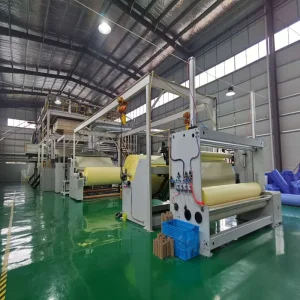
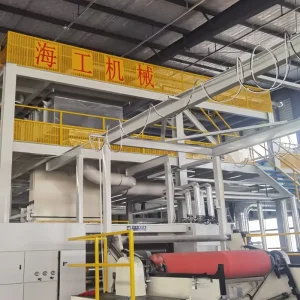
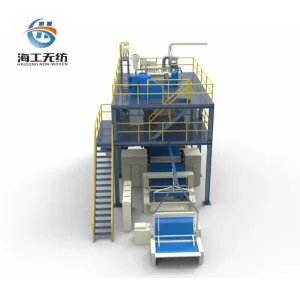
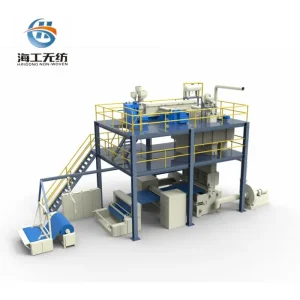
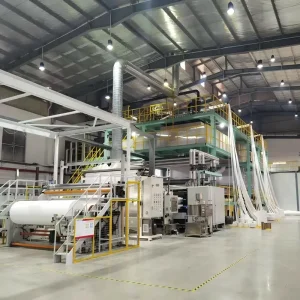
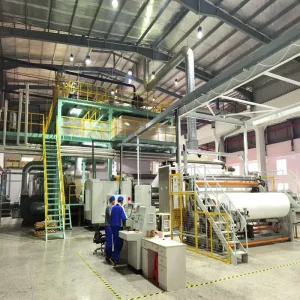
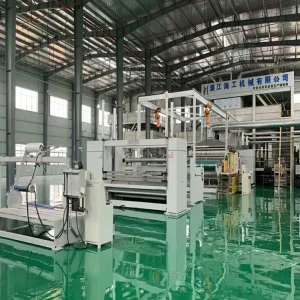
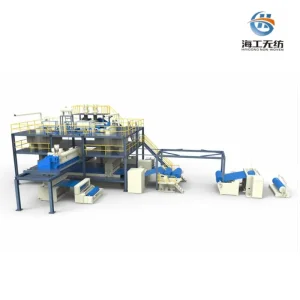
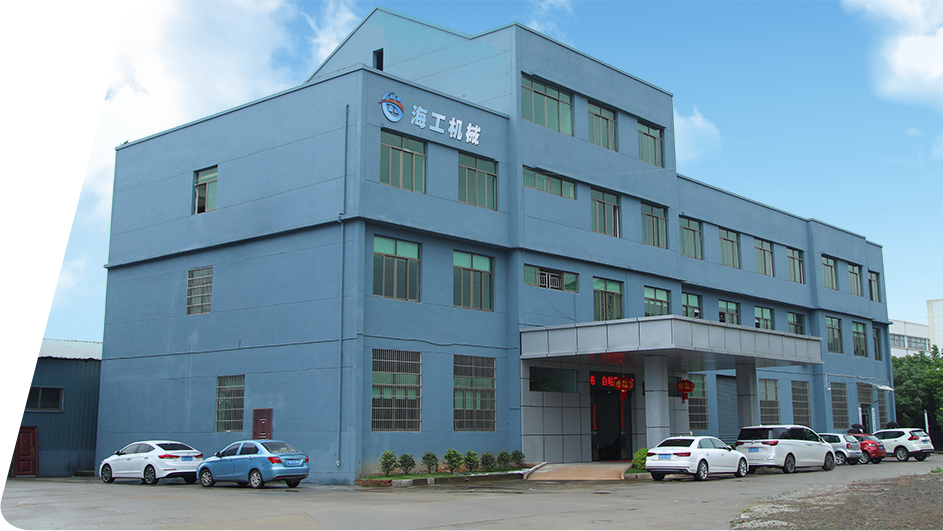
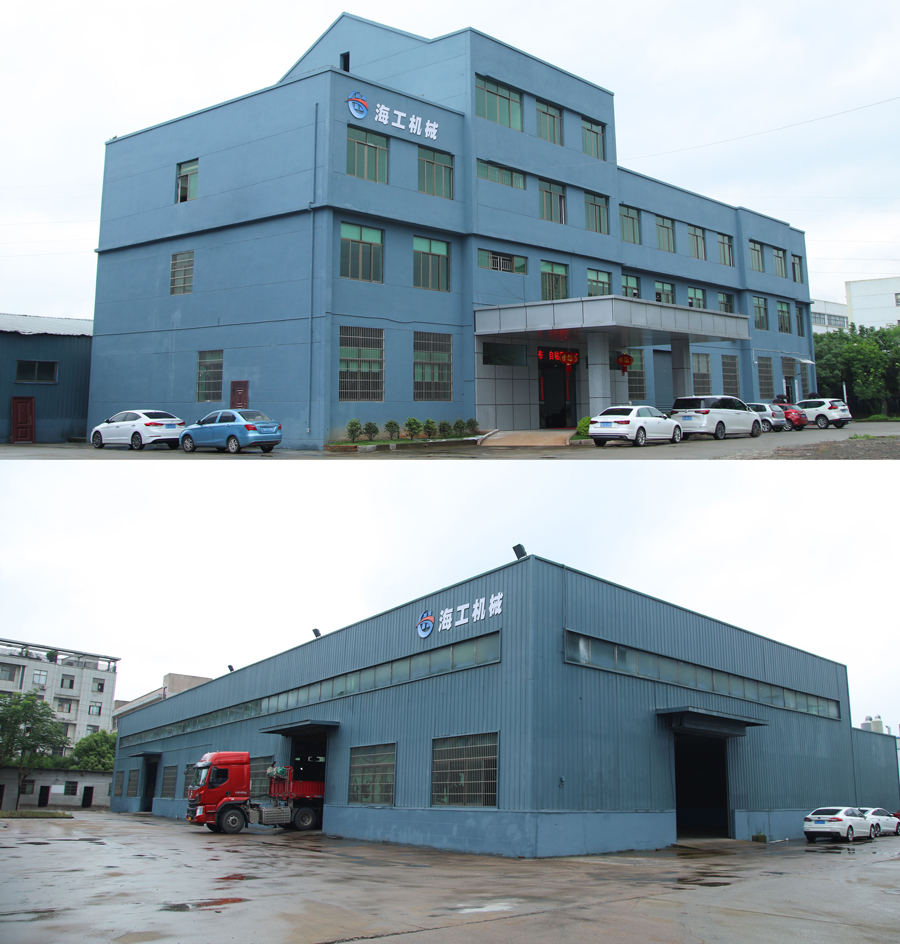
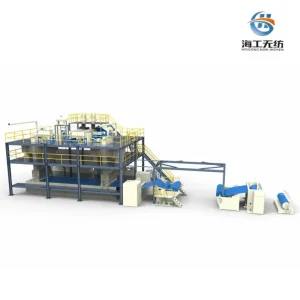
Pujiang HG Nonwoven Machinery stands as a premier, globally recognized manufacturer specializing in the research, development, and high-precision fabrication of PP spunbond, meltblown, and composite nonwoven fabric machine lines. By integrating the revolutionary 5th Generation spunbond spinning technology concept from advanced overseas design frameworks with our independent engineering breakthroughs, we offer industrial-scale solutions customized directly to dynamic market conditions.
Our machinery configurations are globally celebrated for their highly intuitive operating interfaces, minimal space footprint, optimized energy-saving profiles, and industry-leading performance output. Our unwavering dedication to building high-performance, eco-friendly, and biodegradable spunbonded nonwoven fabric equipment enables our clients to establish strong market differentiation while ensuring robust bottom-line economics.
With an expert technical consulting foundation, our core mission centers on quality, system longevity, and comprehensive service. By partnering with HG, global enterprises secure a trustworthy operational partner equipped to build sustainable, scalable manufacturing platforms.
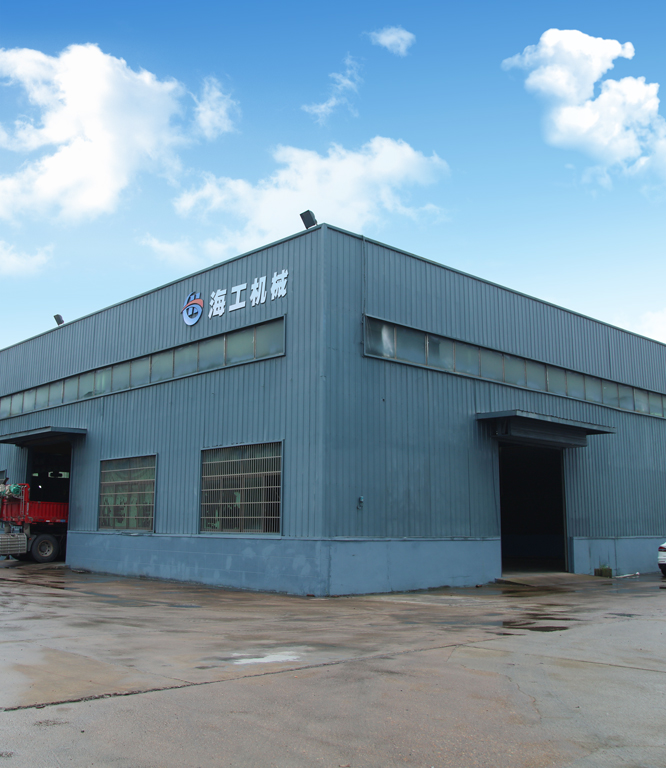
Why modern global packaging, hygiene, and medical brands prioritize Chinese engineering partnerships for their primary production assets.
Chinese industrial clusters provide immediate access to premium steel alloys, high-end electrical components, precise spinneret micro-drilling facilities, and specialized thermal processing. This allows factories like HG to maintain strict quality control, optimize production lead times, and significantly lower overhead costs compared to Western manufacturers.
By streamlining engineering workflows, leveraging high-efficiency assembly practices, and optimizing domestic component sourcing, Chinese suppliers offer high-performance nonwoven fabric lines at a fraction of the capital expenditure (CapEx) required elsewhere, enabling rapid return on investment (ROI) for global producers.
Chinese factories are highly responsive to emerging trends, such as the transition to biopolymers (PLA/PBS) and composite multi-beam systems (SSMMS). HG continuously refines extrusion geometry, hot-air distribution, and calendar thermal profiles to accommodate new ecological polymers and high-performance requirements.
Top-tier factories provide comprehensive project solutions, including layout drafting, hardware commissioning, training programs, and lifelong technical assistance. Online diagnostic interfaces integrated with physically deployed teams guarantee minimal operational downtime worldwide.
Choosing the correct machine layout is critical for targeted market positioning. In spunbond (S) and composite (SMS/SMMS/SSMMS) manufacturing, each added beam alters the structural properties of the final fabric roll.
1. S/SS/SSS Spunbond Machinery: Primarily utilized in applications requiring high tensile strength and elasticity. SSS configurations generate an ultra-dense layer of fine micro-filaments (typically 1.5–2.0 denier), yielding excellent hand feel, breathability, and uniform web distribution. These properties are highly valuable in the hygiene top-sheet and backing layers.
2. SMS & SMMS Composite Machinery: This design integrates high-velocity meltblown beams between spunbond layers. The meltblown center acts as an efficient barrier against liquids, particulate matter, and bacteria, while the spunbond outer layers provide structural integrity. It is the global standard for protective surgical wear, sterilization wraps, and personal care backsheets.
3. SSMMS & SSMMS Polypropylene Lines: The peak of high-speed web formation. By incorporating multiple spunbond and meltblown beams, these advanced lines create a highly uniform barrier membrane without compromising breathability or softness. They are designed to operate at speeds exceeding 600m/min, delivering high filtration performance for critical medical applications.
HG's technology focus optimizes polymer melting profiles, screw extrusion speeds, spinneret capillary flow, and calendar temperatures to ensure maximum product quality and uniformity across all configurations.
HG Machinery offers much more than standard hardware. We provide comprehensive, integrated engineering services designed to bring factories online efficiently.
We assist buyers with regional market analysis, raw material sourcing recommendations, operational cost models, and comprehensive feasibility assessments to ensure a solid return on investment prior to capital allocation.
Our engineering team designs customized machine layouts to optimize floor space, facilitate raw material intake, streamline roll processing, and integrate structural utilities (power, water, and compressed air) seamlessly.
We supply and integrate all necessary downstream equipment, including high-speed fabric slitting machines, edge-trim recycling systems, flexographic printers, off-line laminators, and automatic bag-making lines.
HG field technicians manage system assembly, sensor calibration, and initial trial runs at the buyer's site. We conduct thorough training programs to ensure the local operations team can safely and efficiently run the line.
Explore the primary market applications of spunbond and meltblown fabrics, and discover how our specialized line configurations meet these standards.

Non-woven fabric is essential in the hygiene sector, offering breathability, softness, and excellent fluid management for comfort and protection. It quickly absorbs liquid and keeps it away from the skin, making it ideal for paper diapers, incontinence pads, and feminine hygiene products.

Nonwovens fabrics are extensively used in the medical field and in protection against biological agents in other sectors. They deliver critical safety properties, such as prevention against infections and diseases. They are essential for making face masks, surgical gowns, bed sheets, and surgical towels, ensuring effective filtration, protection, and comfort.
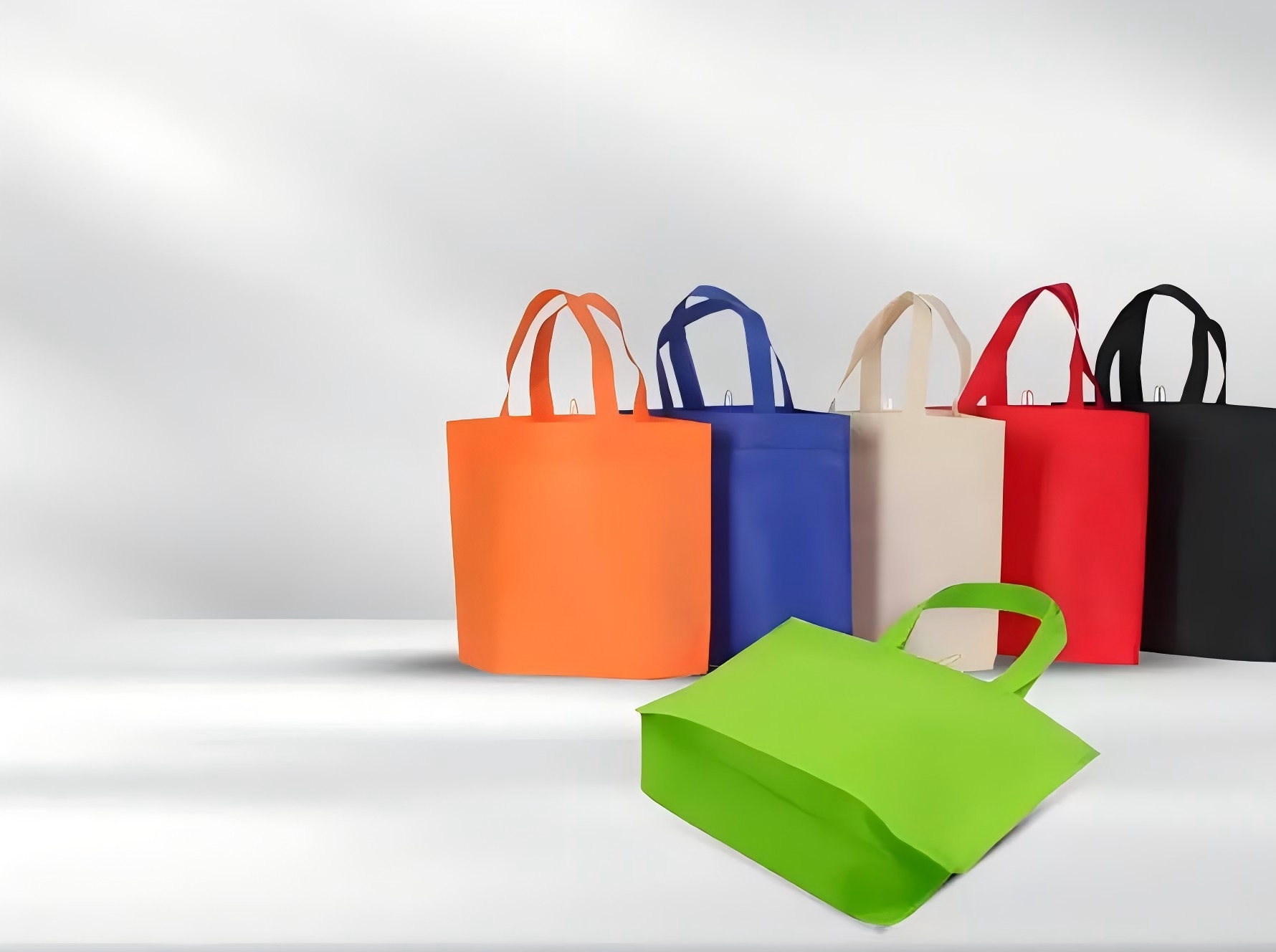
Nonwoven fabric is ideal for a variety of packaging end-uses, as their exceptional lightweight, their energy-efficient production, shipping and storage, and their long life and robustness allow for two important features: volume reduction and re-usability. It is widely used for shopping bags, fruit bags, garment bags, rice bags, pocket springs, garment interlining, as well as packaging for pharmaceuticals and cosmetics, among other applications.
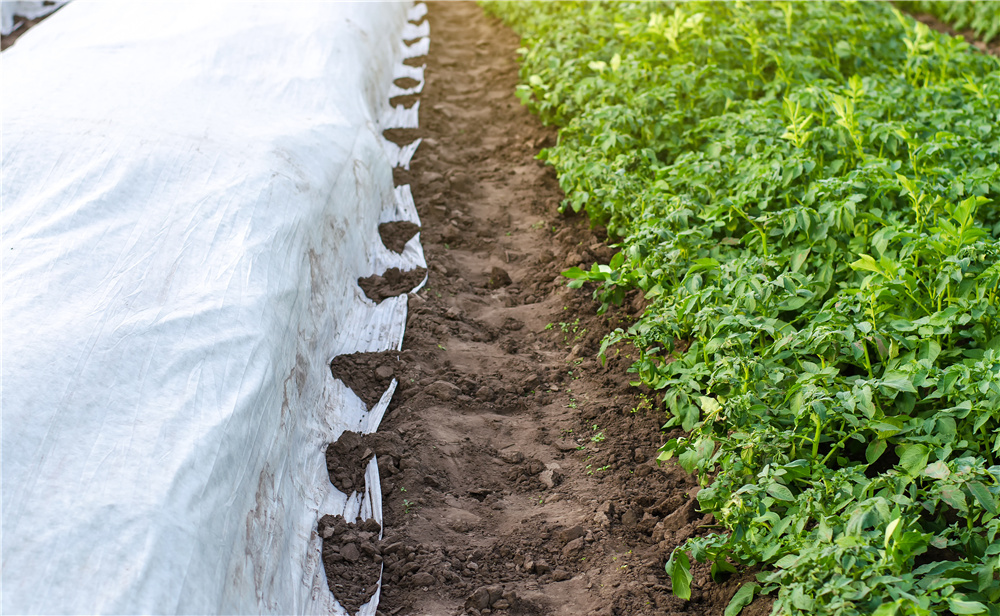
Agriculture Non Woven Fabric allows air and water to pass through while providing wind and cold protection by generating a microclimate around the crop. Furthermore, because nonwoven works as a physical protection media, it can assist prevent damage to crops, vegetables, and seeds from insects and birds. Nonwoven materials can assist regulate heat, UV blocker agriculture, while also providing superior air and water permeability.
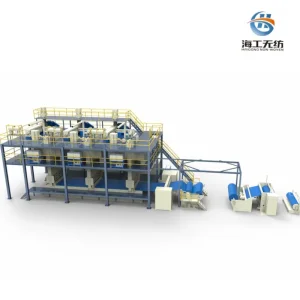
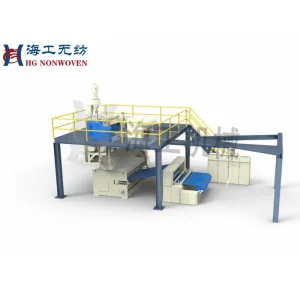
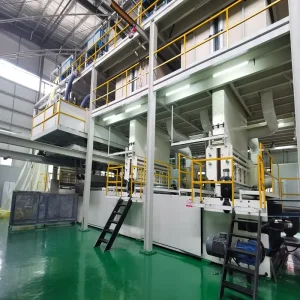
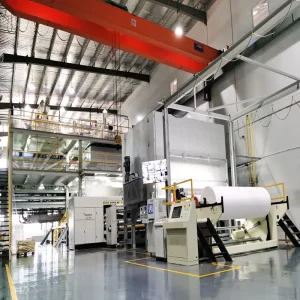
These configurations represent our most sought-after machinery designs, engineered to maximize throughput and operational efficiency.
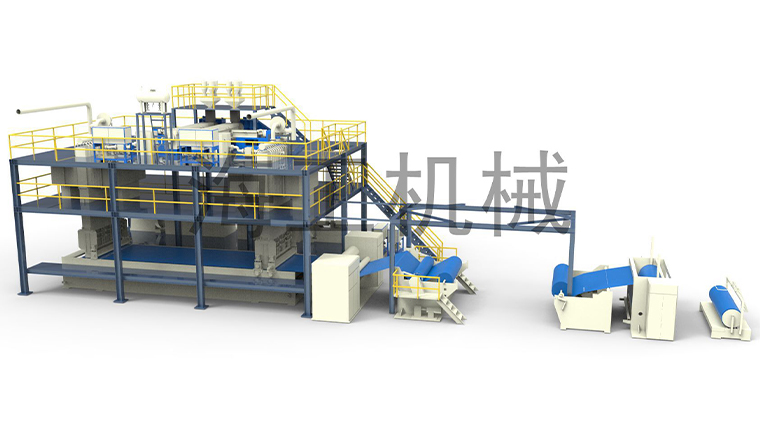
Highly optimized line configuration designed for shopping bag production, agricultural protection, and home furnishings.
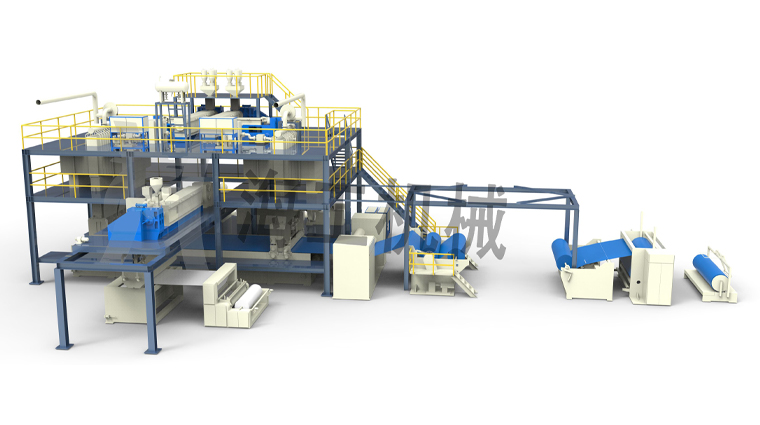
The premier equipment choice for medical disposables, surgical gowns, and critical hospital partition fabrics.
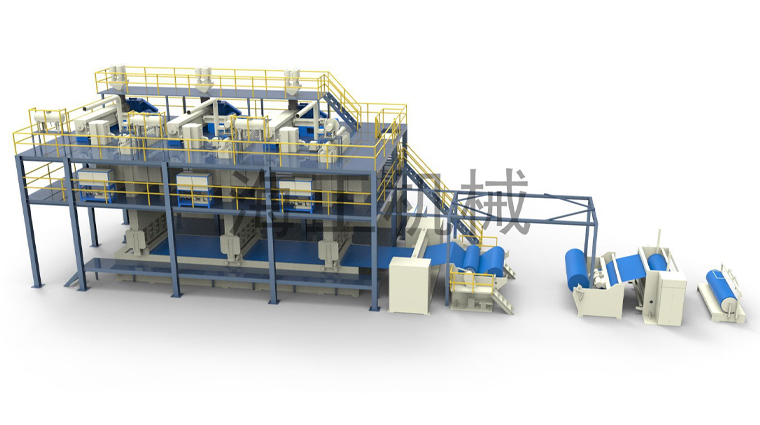
Integrates double meltblown beams to ensure exceptional web uniformity and fluid barrier performance.
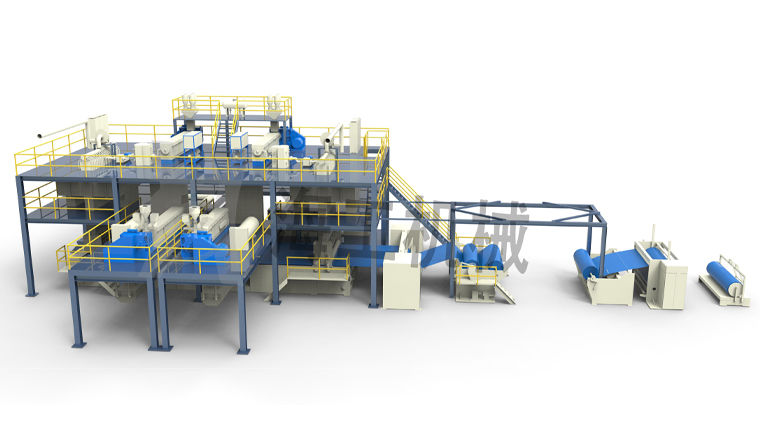
Our most advanced line configuration, combining high speed and low energy consumption to deliver premium softness and barrier properties.
For global procurement managers, evaluating a nonwoven fabric line extends beyond the initial purchase price. Operating efficiency and long-term costs play a critical role in project profitability.
Energy Management (kWh per Ton): Extrusion, air drawing, and calendering systems are highly energy-intensive. HG machinery features specialized heat recovery systems and frequency-controlled motors, helping to minimize power consumption per ton of finished fabric.
Space Optimization & Construction Costs: Industrial building construction costs can scale quickly. Our 5th Generation design reduces overall machine height and floor space requirements, lowering the capital expenditure needed for facility preparation.
High Automation & Low Labor Costs: Complete PLC automation and real-time sensor loops enable a single engineering team to manage the entire manufacturing line, from raw PP loading to final roll palletizing. This helps to reduce ongoing operational labor costs.
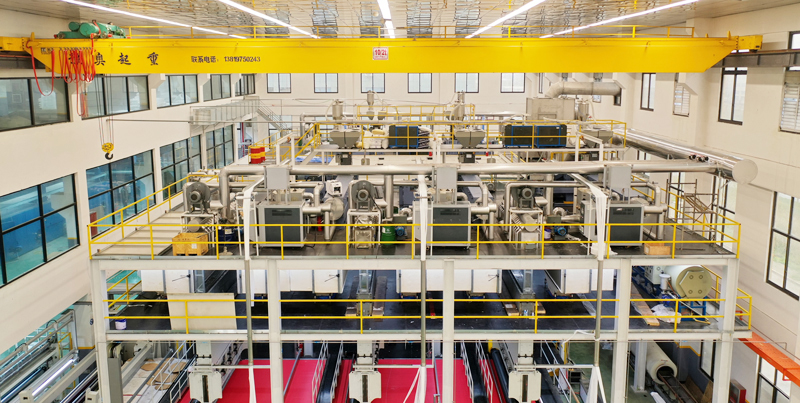
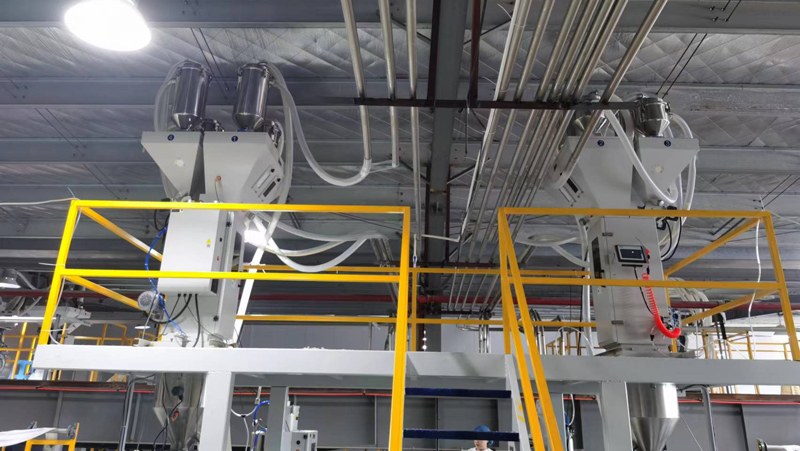
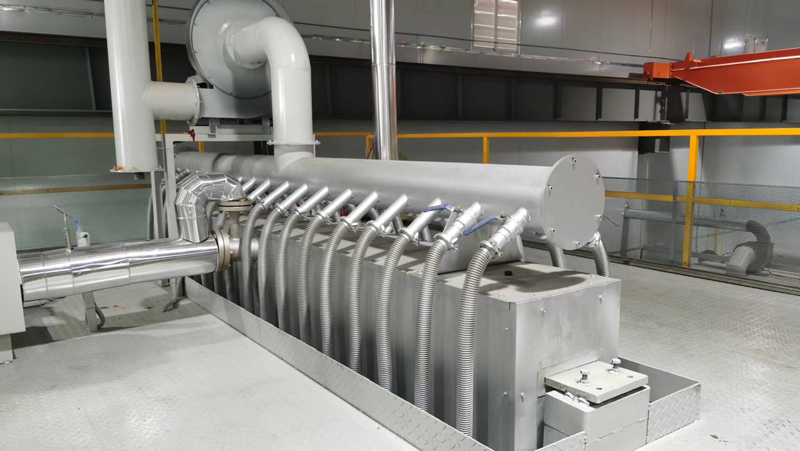
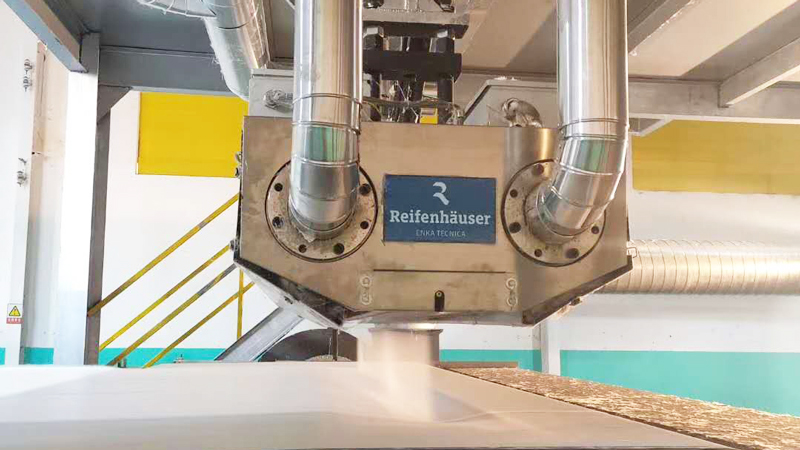
Stay ahead of the competition by understanding the critical shifts transforming the nonwoven manufacturing landscape.
1. The Rise of Biodegradable Polymers (PLA & PBS): Environmental regulations and consumer preferences are driving shifts away from traditional fossil-fuel plastics. Our latest machine configurations are fully compatible with Polylactic Acid (PLA) and Polybutylene Succinate (PBS) resins, allowing producers to manufacture compostable nonwovens with high tensile strength.
2. Smart Manufacturing & IoT Diagnostics: Modern nonwoven manufacturing integrates industrial IoT architectures. Real-time sensor networks monitor temperature, extrusion pressure, and roll thickness, while cloud-based diagnostic support helps predict maintenance needs and minimize downtime.
3. Advanced Mechanical Properties: Industries such as automotive manufacturing, insulation, and deep-bed filtration require specialized fabric parameters. Our precise air-drawing and web-forming systems allow for fine-tuning filament distribution, meeting strict porosity and density specifications.
Complete your production setup with our high-speed calendering, winding, and secondary processing systems.
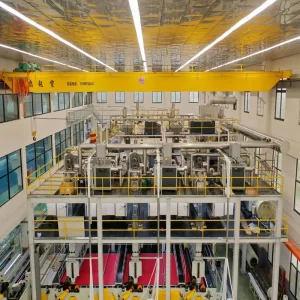
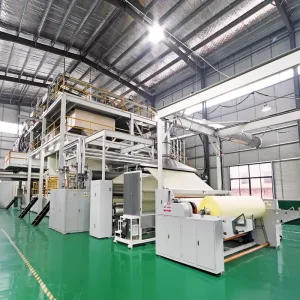
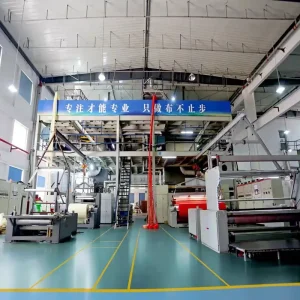
Get professional answers to common operational, design, and sourcing questions from our engineering experts.
 HG NONWOVEN