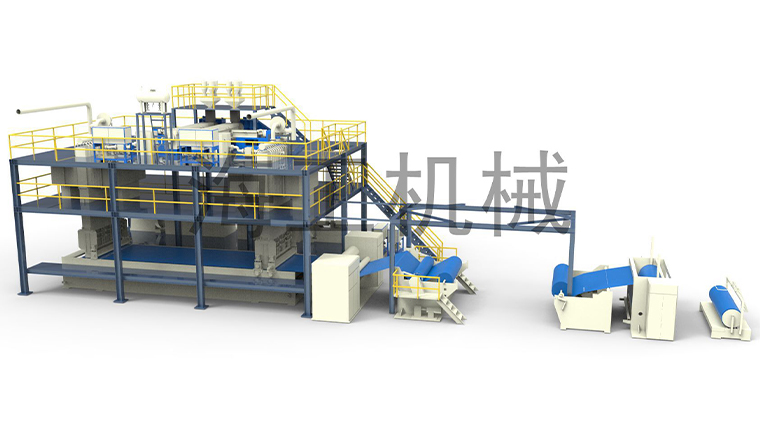
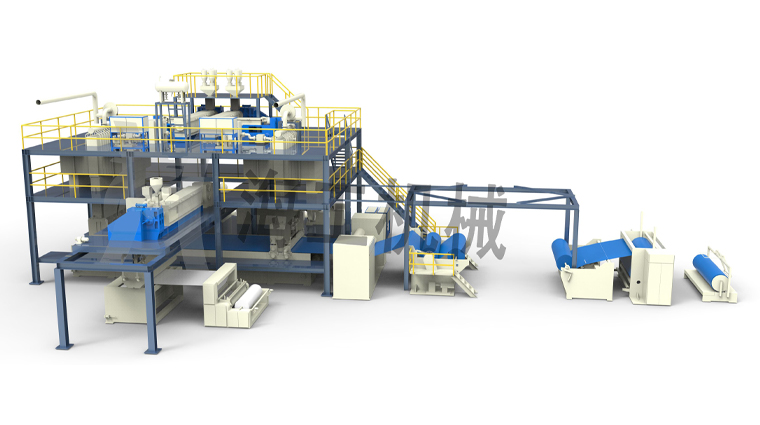
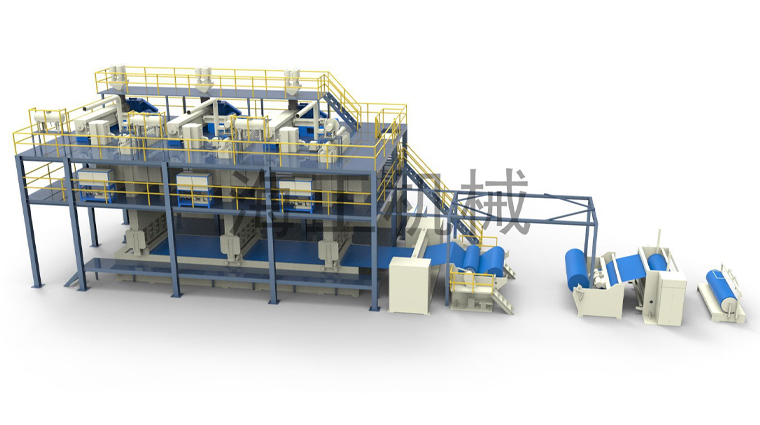
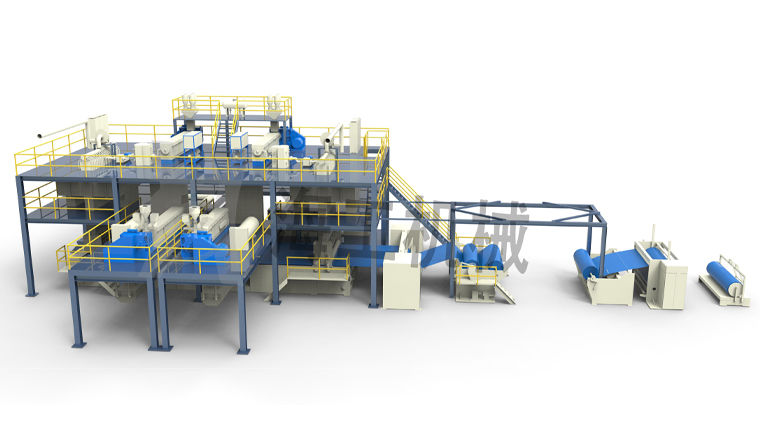
China Meltblown Fabric Machines Manufacturer & Factories

High-Capacity Electrostatic Filtration Engineering & Turnkey Multi-Beam Spunmelt Nonwoven Production Systems

Industrial Intelligence: The Meltblown Fabric Machinery Evolution

A technical whitepaper examining precision extrusion, micro-fiber alignment, and electrostatic charge longevity in high-performance nonwovens.

Advanced Extrusion Technology & Polymer Rheology

The production of sub-micron filtration fibers demands deep mastery over polymer rheology and high-velocity gas dynamics. Advanced meltblown fabric machines utilize ultra-high Melt Flow Index (MFI) polypropylene (ranging from 1200 to 1800 g/10 min). The raw polymer is processed through precision-machined hanger-type die heads featuring a coat-hanger internal design. This specific channel configuration minimizes stagnation points, guarantees uniform residence time distribution, and mitigates polymer degradation.

As the molten polymer emerges from capillaries spanning diameters of 0.15 to 0.30 mm, it is subjected to high-velocity, high-temperature drawing air streams (often reaching supersonic speeds at the exit slot). This thermal process attenuates the liquid streams into ultra-fine filaments, yielding an average fiber diameter of 1 to 3 microns. Precision control of the air gap, knife-edge angle, and thermal profile within ±0.5°C is required to prevent defects such as fly-fluff or "shot" (unattenuated polymer droplets).
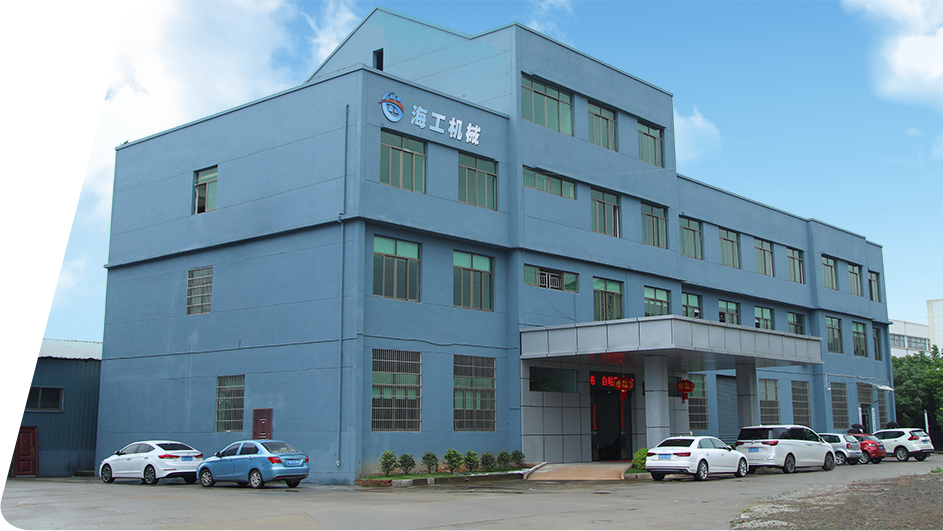
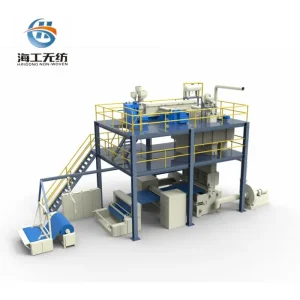
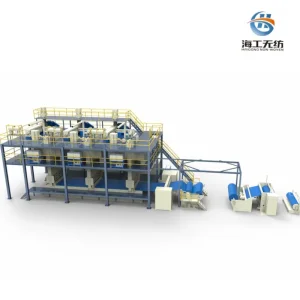
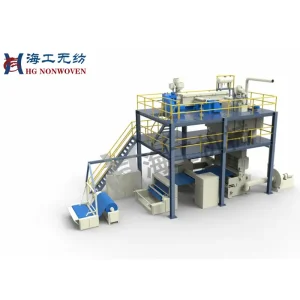
HG Nonwoven Machinery Process Illustration

Engineered by Pujaing HG Nonwoven Machinery

Established in 2014, Pujaing HG Nonwoven Machinery has grown into a world-recognized leader in high-performance nonwoven fabric plant development. Integrating more than 20 years of technical heritage and proprietary R&D, the company has deployed over 300 turnkey PP spunbond and meltblown fabric production lines globally.

HG's signature 5th Generation Spunbond and Meltblown technology integrates an optimized, energy-saving distribution system. This allows global manufacturers to reduce overall carbon footprints and lower operating expenditures (OPEX) while achieving extreme mechanical uniformity and high filtration efficiency. By combining advanced overseas concepts with localized production flexibility, we deliver systems engineered for reliability, safety, and sustainable longevity.
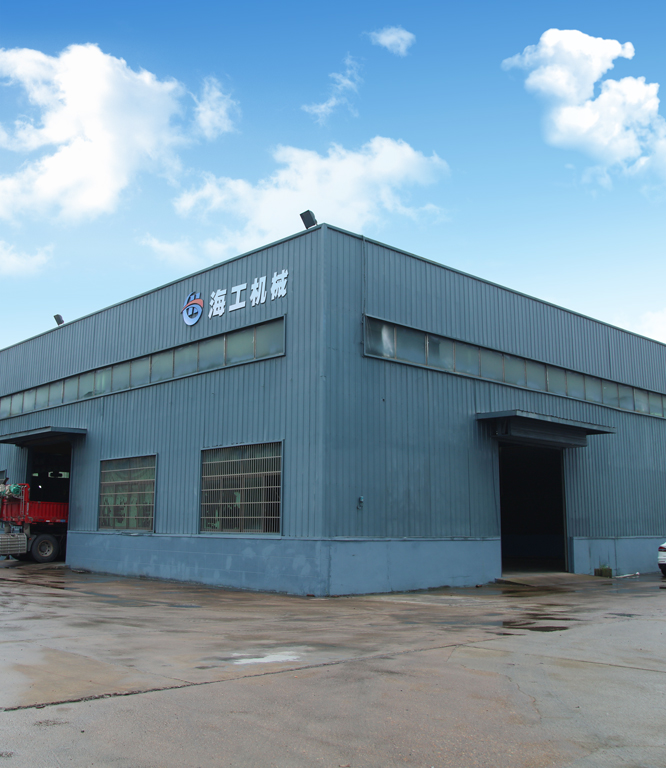
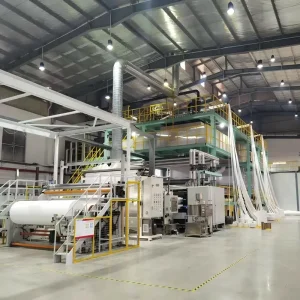
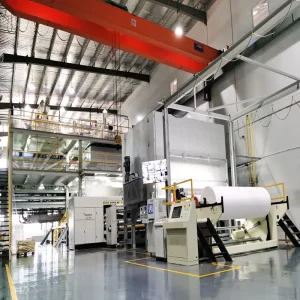
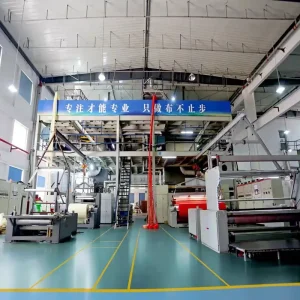
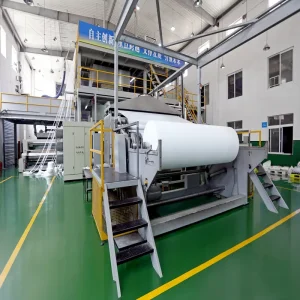
HG Nonwoven Factory Showcase
20+
Years R&D Experience
300+
Production Lines Active
20+
Export Countries
24
Months Global Support Warranty

The Structural Advantages of Chinese Meltblown Machinery

How localized manufacturing ecosystems, integrated supply chain clusters, and advanced component optimization deliver superior ROI.

01

Unmatched Cost-Efficiency & Accelerated CAPEX Recovery

Leveraging highly optimized regional supply chain ecosystems (such as the machinery manufacturing clusters in Zhejiang), Chinese manufacturers deliver industrial nonwoven solutions at capital expenditures (CAPEX) up to 40% lower than European counterparts, without compromising mechanical integrity.

02

Advanced Core Component Metallurgy

Meltblown die heads are machined using high-grade Japanese or European SUS420J2 or SUS630 steel, treated with vacuum quenching and mirror polishing to achieve a surface roughness of Ra < 0.02 μm. This prevents melt degradation and extends operation cycles.

03

Complete Turnkey (A-to-Z) Project Service

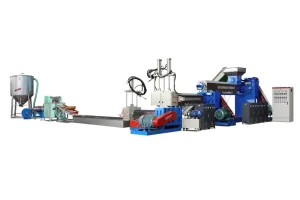
From raw material feeding systems, extrusion lines, and online electrostatic electret chargers, to automatic winders, slitting machines, and recycling granulators, Chinese factories supply completely integrated automated production loops.

Global Application Framework & Technical Solutions

Optimized nonwoven technologies mapped to critical global industry verticals.
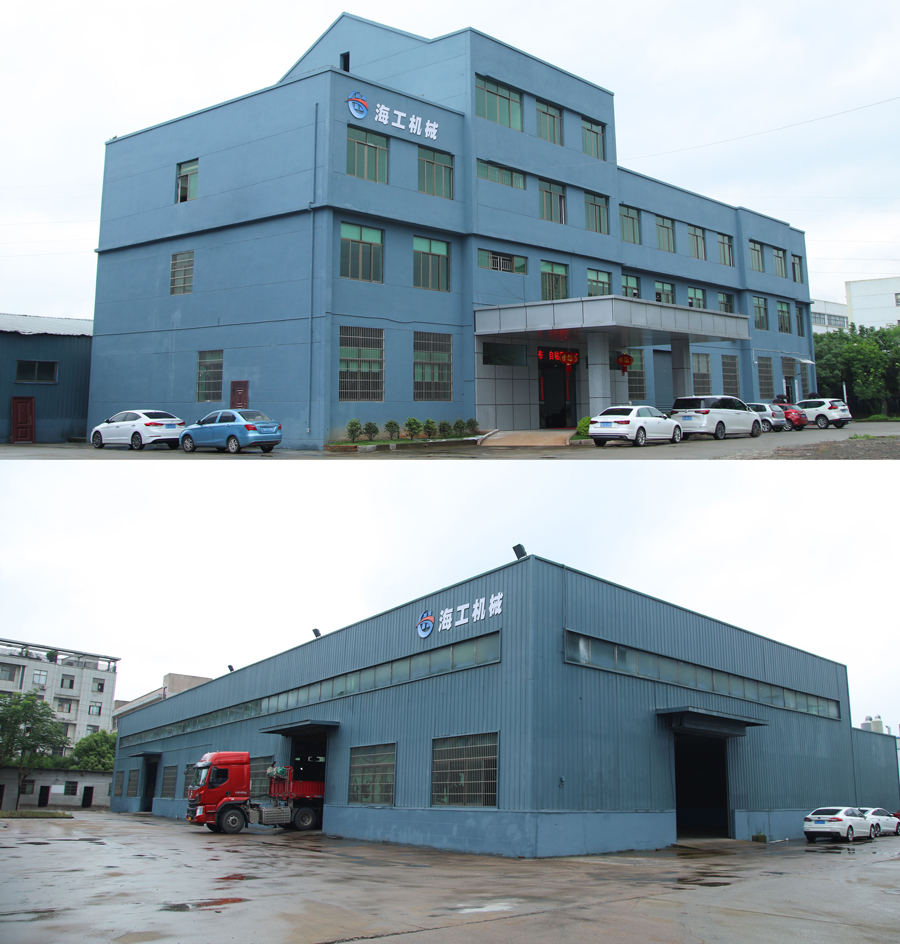
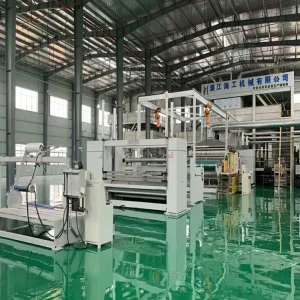
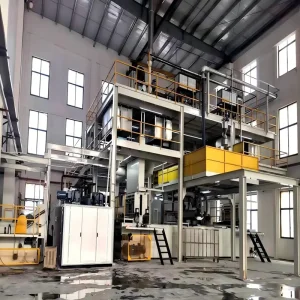
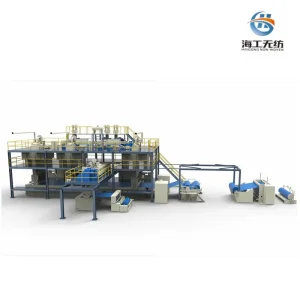
Industrial Nonwoven Plant Setup

Selecting the Ideal Nonwoven Line Configuration

Different market segments require distinct fiber properties, basis weights (GSM), and mechanical performance parameters. Choosing the correct machinery configuration prevents excessive raw material waste and ensures compliance with targeted standards.

  • Hygiene Sector: Requires maximum breathability, low basis weight (8–15 GSM), extreme softness, and strict liquid handling properties. Ideal for diapers, feminine hygiene, and adult incontinence products.
  • Medical Grade Filtration: Focuses on bacterial filtration efficiency (BFE ≥ 98%) and particle filtration efficiency (PFE ≥ 95% at 0.3 μm). SMS and SMMS configurations provide a high hydrostatic head to prevent biological fluid penetration.
  • Industrial Packaging & Geotextiles: Requires high tensile strength, high tear resistance, and UV stabilization for long-term outdoor exposure. Single-beam (S) or double-beam (SS) spunbond lines are highly efficient here.

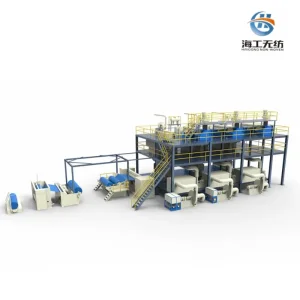
One-Stop Turnkey Project Engineering (A to Z)

Comprehensive system integration from raw material handling to fully circular waste recycling loops.
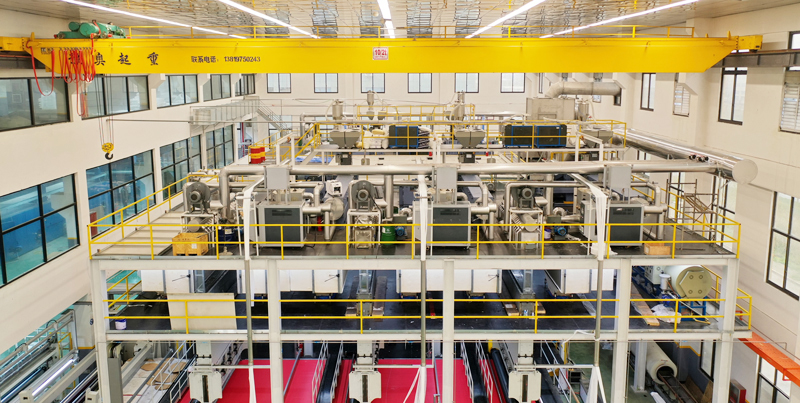
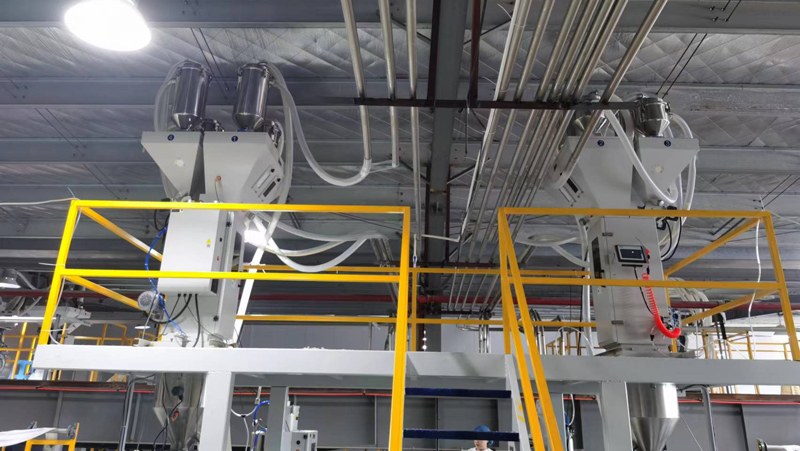
Extrusion and Die Assembly

1. Raw Melt Processing & Filtration

Automated vacuum feeding, doser-controlled additive blending, high-precision extrusion screw zones, and continuous melt filtration units.
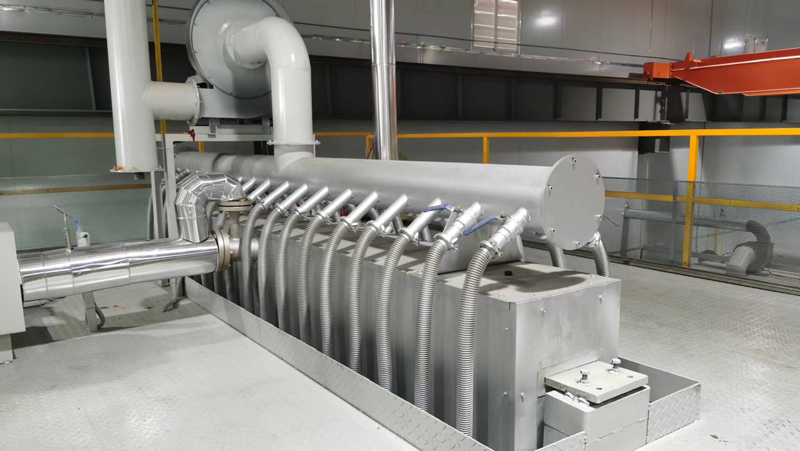
Web Forming and Calendering

2. High-Speed Web Formation

Negative-pressure air drafting system combined with aerodynamic web laying technology, ensuring isotropic fiber orientation and web uniformity.
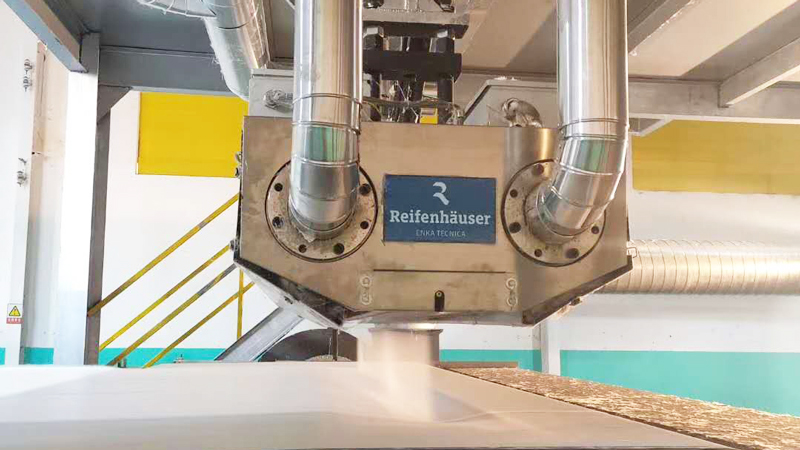
Winding and Slitting

3. Calendering & Online Slitting

Thermo-bonding oil heaters with high thermal accuracy, coupled with fully automated contact winders and high-precision shear disc slitters.

Comparative Technical Analysis of Meltblown Production Lines

Key performance metrics analyzed across various capacity levels and web configuration types.

Line Specification / Model Working Width (mm) Max Design Output (Ton/Year) Target Fiber Diameter (μm) Primary Application Field
HG-M1600 High Efficiency Single Beam 1600 800 - 1,200 1.2 - 2.5 H13/H14 HEPA Filters, N95 Masks, Oil Absorbents
HG-SMS3200 Composite Line 3200 4,500 - 6,000 Spunbond: 12-18 / Meltblown: 1.5-3.0 Surgical Drapes, Gowns, Medical Barriers, Sanitary Liners
HG-SSMMS2400 High Barrier Line 2400 3,800 - 5,200 Spunbond: 10-15 / Meltblown: 1.0-2.2 Premium Incontinence Products, Cleanroom Apparel, FFP3 Filtration
HG-M2400 Dedicated Meltblown Plant 2400 1,500 - 2,200 0.8 - 2.0 Automotive Cabin Filters, Industrial HVAC Systems, Water Filtration

The Engineering Physics Behind Water-Electret vs. Corona Charging Systems

Maximizing Particle Filtration Efficiency (PFE) and minimizing pressure drop characteristics.

Meltblown media naturally filters particles through mechanical mechanisms like inertial impaction, interception, and diffusion. However, for sub-micron aerosols (such as viruses, fine combustion products, and dust particles under 0.3 μm), mechanical trapping alone is insufficient. It would require an excessively dense web structure, resulting in a high pressure drop that restricts airflow.

To achieve high filtration efficiency (e.g., FFP2, FFP3, or N95/N99 criteria) while maintaining low breathing resistance, meltblown fibers must undergo an electrostatic charging process. This creates electret material, which relies on two main technologies:
  • Corona Discharge Electret: High-voltage needle arrays (30kV to 50kV) ionize the surrounding air, injecting surface charges into the running meltblown web. While highly reliable and simple to configure, corona charging introduces surface-bound charges that are susceptible to degradation under high humidity and elevated temperatures over extended storage periods.
  • Water-Electret (Hydro-charging) System: This technology sprays high-pressure, deionized pure water onto the web from micro-nozzles. Friction between the pure water droplets and the ultra-fine polypropylene fibers causes electrons to become deeply trapped in the polymer matrix. This creates space-charge electrets, which exhibit significantly higher stability and charge density compared to corona systems. Following hydro-charging, online vacuum drying extraction and high-efficiency dryers remove moisture, leaving a stable electrostatic structure.
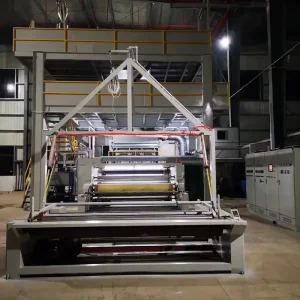
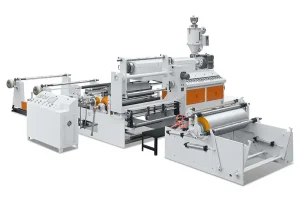
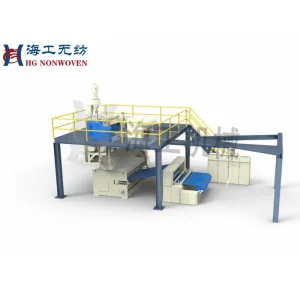
Electrostatic Charging Technology Unit

Optimized Processing by Target Application Sector

Tailored technology loops for hygiene, medical, packaging, and agriculture.

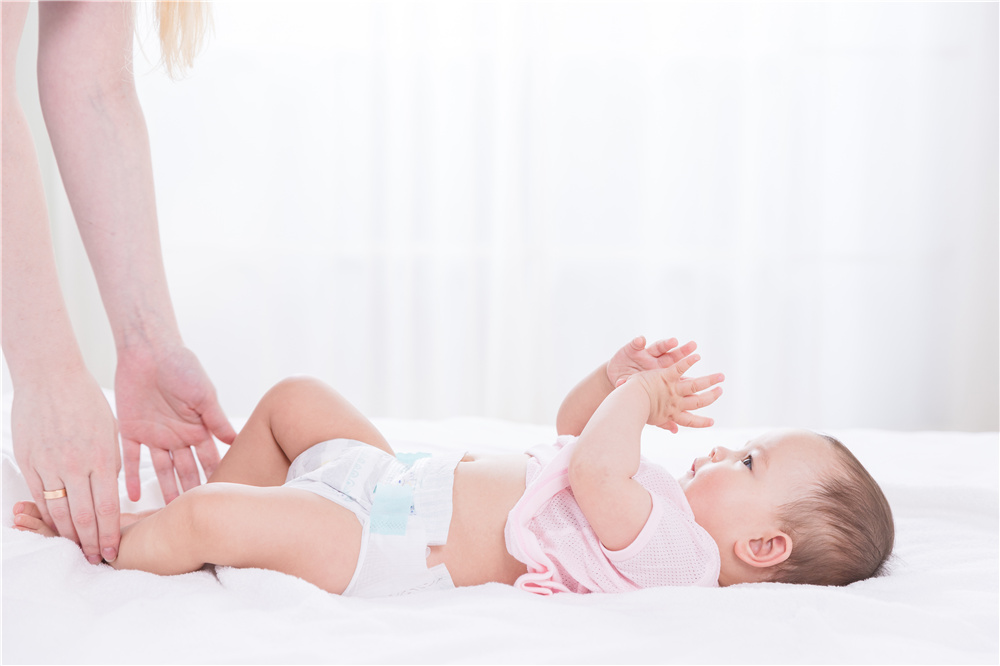
Hygiene Applications

Hygiene & Baby Care

Non-woven fabric is essential in the hygiene sector, offering breathability, softness, and excellent fluid management for comfort and protection. It quickly absorbs liquid and keeps it away from the skin, making it ideal for paper diapers, incontinence pads, and feminine hygiene products.

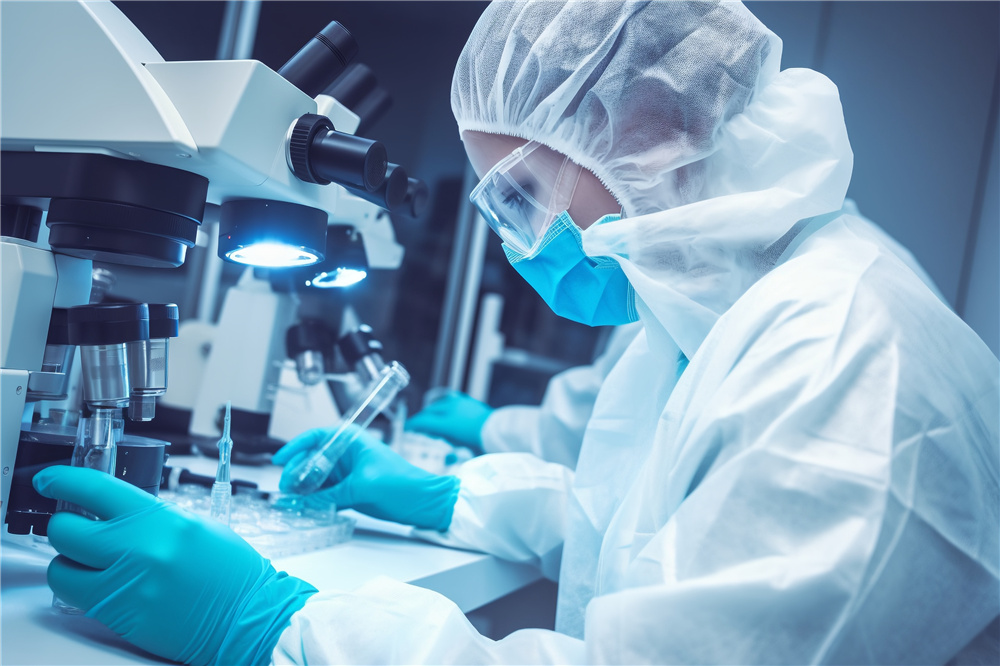
Medical Applications

Medical Protection

Nonwovens fabrics are extensively used in the medical field and in protection against biological agents in other sectors. They deliver critical safety properties, such as prevention against infections and diseases. They are essential for making face masks, surgical gowns, bed sheets, and surgical towels, ensuring effective filtration, protection, and comfort.

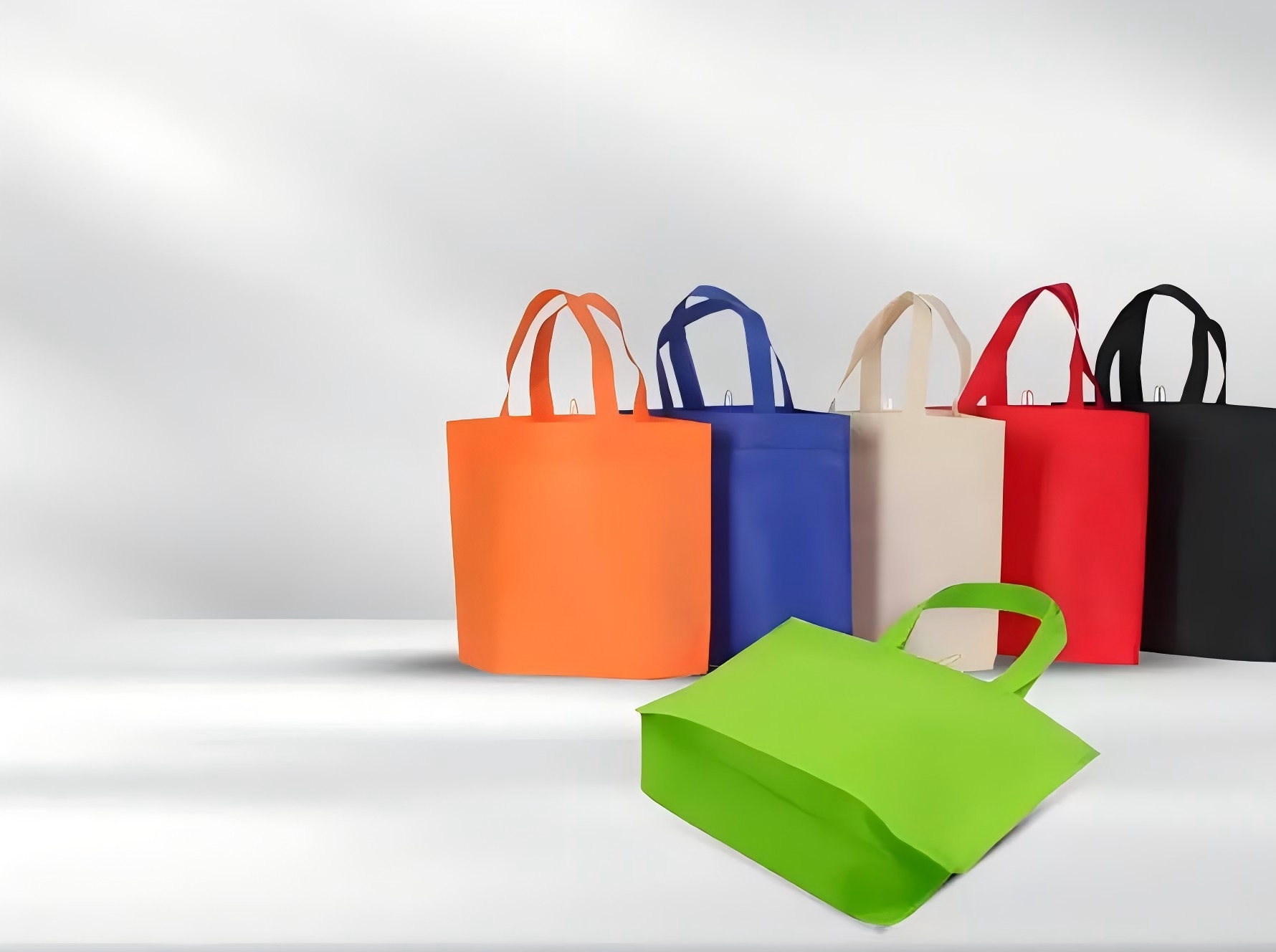
Packaging Applications

Reusable Packaging Solutions

Nonwoven fabric is ideal for a variety of packaging end-uses, as their exceptional lightweight, their energy-efficient production, shipping and storage, and their long life and robustness allow for two important features: volume reduction and re-usability. It is widely used for shopping bags, fruit bags, garment bags, rice bags, pocket springs, garment interlining, as well as packaging for pharmaceuticals and cosmetics, among other applications. Its versatility and long lifespan contribute to its popularity in various industries.

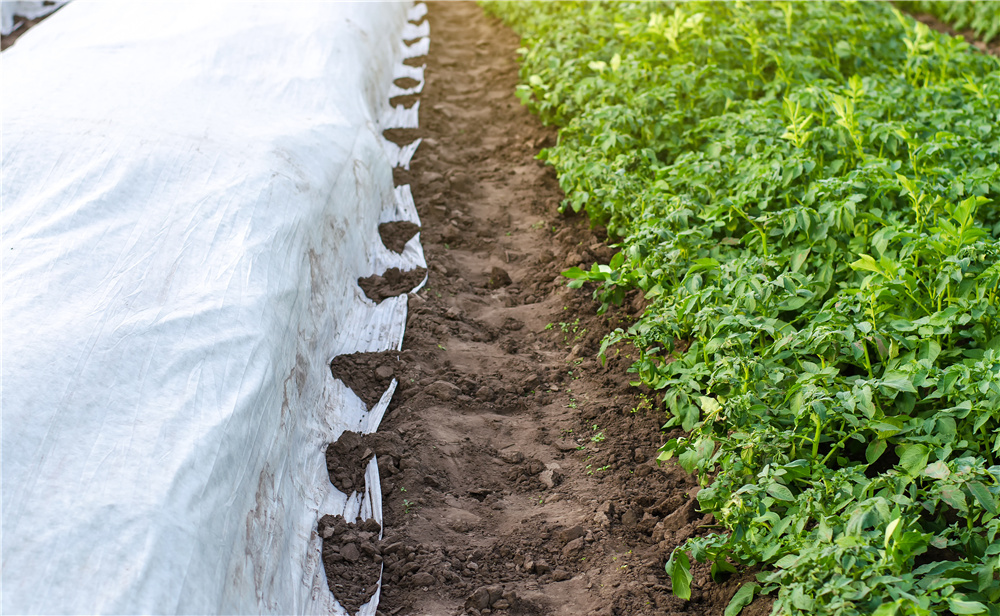
Agriculture Applications

Agricultural Protective Fabrics

Agriculture Non Woven Fabric allow air and water to pass through while providing wind and cold protection by generating a microclimate around the crop. Furthermore, because nonwoven works as a physical protection media, it can assist prevent damage to crops, vegetables, and seeds from insects and birds. Nonwoven materials can assist regulate heat, UV blocker agriculture, while also providing superior air and water permeability. These materials are lightweight, portable, and may be tailored to match specific needs and provide specific services.

Technical FAQ: Meltblown Fabric & Spunbond Machinery

Direct, engineering-focused answers to the most common procurement and operational inquiries.

What is the structural difference between Corona and Water-Electret charging in meltblown production?
Corona charging applies a high-voltage electrical field (30-50kV) to inject negative charges onto the fiber surface. Water-electret (hydro-charging) uses high-pressure water jets to inject charges into the bulk structure of the fiber. Hydro-charging provides higher charge density and stability, enabling the production of N99/FFP3 masks with low breathing resistance and a shelf life of over 3 years.
How does Pujaing HG Nonwoven Machinery guarantee web uniformity across the die head width?
We utilize high-grade European/Japanese steel for our die heads, coupled with coat-hanger internal geometries and precise CNC drilling of capillary holes. Additionally, our multi-zone automatic temperature control keeps melt temperature variance within ±0.5°C across the entire operating width, preventing hot spots and structural variations in the web.
What raw material specifications are recommended for meltblown fabric extrusion?
We recommend using high-quality polypropylene (PP) granules with a Melt Flow Index (MFI) between 1200 and 1800 g/10 min. The polymer must contain minimal ash and volatile content to prevent spinneret clogging and maintain consistent sub-micron fiber drawing.
Do you offer plant integration services, including downstream machinery?
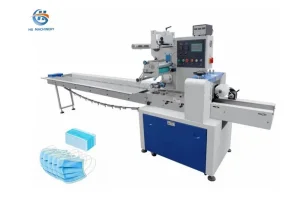
Yes. We offer complete A-to-Z turnkey project engineering. This includes raw material feeding, meltblown and spunbond extruders, heating and air compression networks, online web collectors, electrostatic charging units, high-speed slitters, packing machinery, and inline recycling granulators to handle edge trim waste without stopping the production line.
What are the installation requirements and lead times for a complete production line?
The standard lead time for a custom-engineered meltblown or spunbond line (1600mm to 3200mm) is 90 to 120 days. Installation requires a concrete industrial foundation, dedicated high-voltage power lines, cooling water recycling units, and clean air supply systems. Our engineers oversee the onsite installation, commissioning, calibration, and team training.