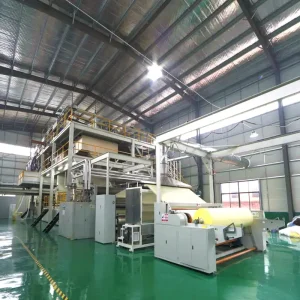
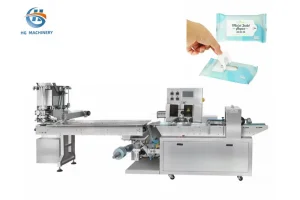
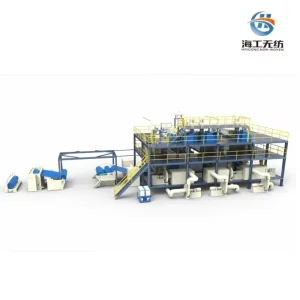
Explore our state-of-the-art nonwoven machinery and processing lines designed for industry leaders demanding high throughput and structural integrity.
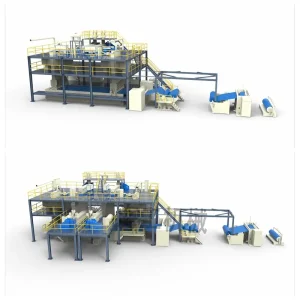
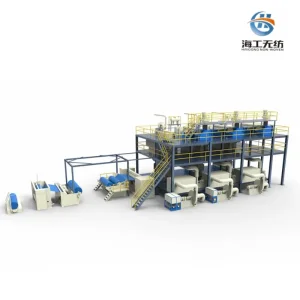
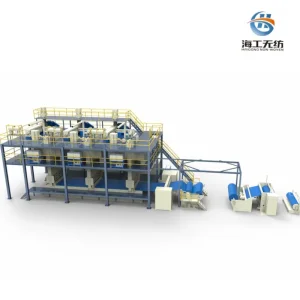
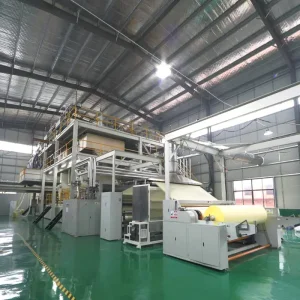
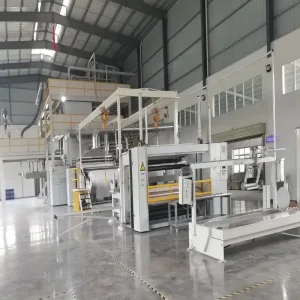
HG Nonwoven Machinery is a professional manufacturer of spunbond, meltblown, and composite nonwoven fabric machine lines, dedicated to providing high-efficiency and innovative spunbond nonwoven fabric production solutions to the global market. Our company introduced advanced design (5th Generation spunbond spinning technology) concepts from overseas, integrating them with autonomous engineering tailored to the evolving needs of the market.
Consequently, HG nonwoven fabric making machines are characterized by convenient operation, small footprint, low power consumption, high efficiency, and low overall production costs. Pujiang HG Nonwoven Machinery has been a well-known nonwoven fabric making machine manufacturer since 2014, specializing in manufacturing PP spunbond and meltblown nonwoven fabric making machines with complete turnkey engineering services. Our machines focus on producing high-performance, eco-friendly, and biodegradable spunbonded and spunlace nonwoven fabrics.
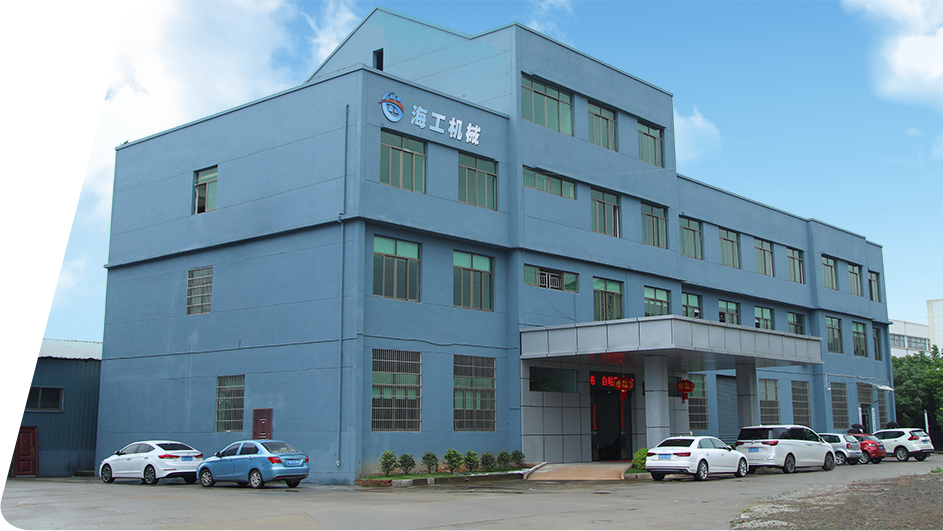
We ensure optimal market entry and operational success for global nonwoven manufacturers by providing unmatched structural value.
Meticulously engineered production setups incorporating the latest thermo-bonding and hydroentanglement technologies. Our equipment guarantees maximum web uniformity with minimized energy expenditure.
We supply in-depth global market analysis, local industry profiling, and technical feasibility reports to secure high return-on-investment rates for your regional market segmentations.
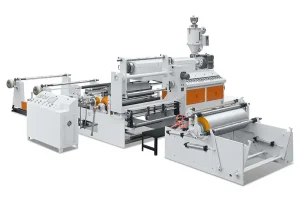
Comprehensive service extending beyond core machines. We integrate auxiliary solutions such as recycling systems, slitting machinery, flexo printing lines, fabric laminators, and bag making machinery.
Discover how our specialized lines serve critical industrial, hygiene, and consumer applications globally.
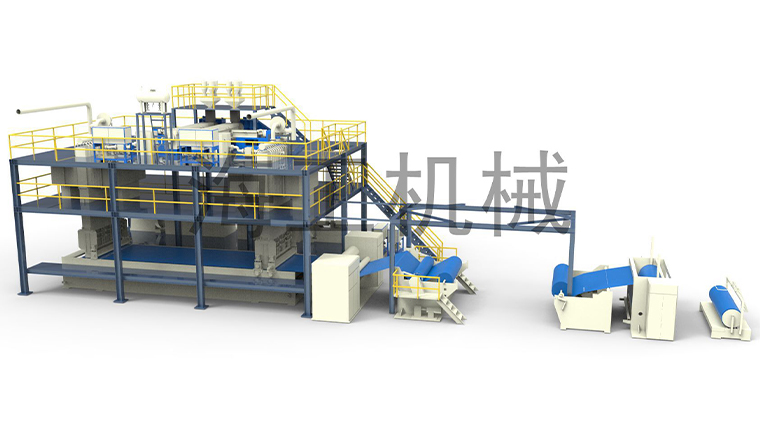
Engineered for high-tensile packaging bags, home furniture interlining, and agricultural frost-protection covers.
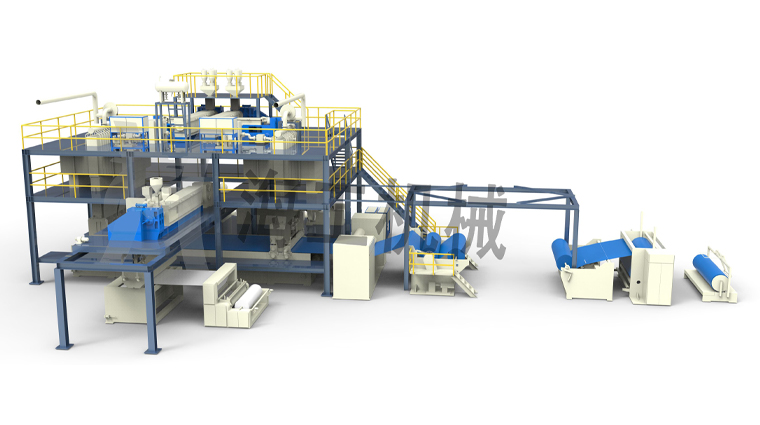
Essential for high-barrier medical applications, disposable surgical gowns, and hygienic health care components.
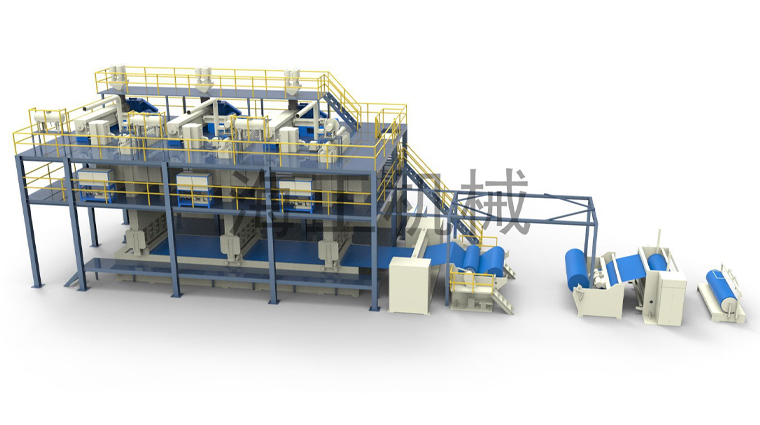
Four structural layers producing superior filtration, keeping high breathability with advanced liquid-repellency.
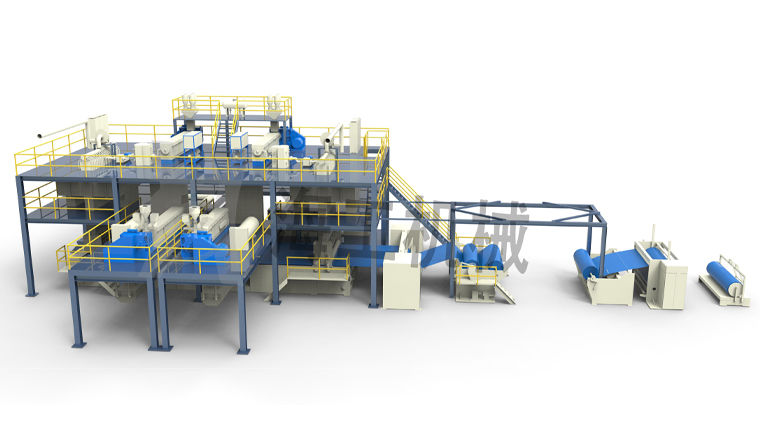
Ultimate barrier performance paired with exceptional softness. Ideal for premium baby diapers and adult care.
A comprehensive exploration of mechanical hydroentanglement, Chinese supply chains, and localized compliance benchmarks.
Spunlace (hydroentanglement) nonwoven fabrics represent a pinnacle in structural fabric engineering. The process utilizes high-pressure water micro-jets (up to 400 bar) that strike a moving fiber web, causing the fibers to wrap and lock together. Unlike spunbond or meltblown technologies which rely on thermal bonding or chemical binders, spunlace processes yield a fabric with unmatched soft feel, high drapeability, and zero chemical additives. Pujiang HG Machinery's core design philosophy utilizes this micro-mechanical bonding logic to support customers manufacturing nonwoven fabrics for sanitizing wipes, cosmetic pads, and surgical drapes.
By blending the fiber cards (often combinations of polyester, viscose, cotton, or wood pulp) and introducing them to the hydroentangling unit, our machinery configuration allows operators to tightly regulate fabric density, moisture absorption properties, and dimensional stability. Our machinery configurations, utilizing 5th generation spinning concepts, reduce raw material waste and allow processors to manufacture highly uniform webs ranging from 30 GSM up to 120 GSM.
“The transition towards eco-friendly fabrics has driven the industry toward biodegradable PLA and cotton-based spunlace webs. Advanced hydroentanglement ensures the fiber structure maintains high tensile strength without compromising the natural decomposition of the raw materials.”
Purchasing spunlace and spunbond nonwoven processing equipment or raw fabrics directly from Chinese factories yields massive structural advantages. Pujiang HG Nonwoven Machinery integrates all aspects of the supply chain in Zhejiang province, providing a localized center for raw steel sourcing, precision spinneret machining, custom electrical cabinets, and advanced heating chambers. This close proximity to regional industrial parks translates to lower machinery production costs and rapid order processing times.
Additionally, China has established itself as the global epicenter for chemical fiber production. Whether sourcing polyester staple fibers (PSF), pure viscose, or specialized eco-friendly polymers, Chinese factories enjoy a continuous supply of low-cost raw materials. This ensures that the operating costs of our turnkey nonwoven lines remain highly competitive compared to Western manufacturers. When a global client purchases an HG turnkey project, they do not just receive machinery; they access an ecosystem optimized for low energy usage, localized parts sourcing, and comprehensive chemical material logistics.
International corporate buyers in North America, Europe, and Japan operate under strict regulatory and quality parameters. Medical fabrics must comply with EN 13795 and AAMI levels for fluid barrier efficiency. Hygiene products must fulfill REACH and FDA criteria for skin contact safety. As a leading supplier, HG ensures all output lines are designed to meet these international certification standards.
Our turnkey engineering process includes integrating advanced online inspection systems. These optical scanners detect pinholes, structural defects, and foreign particles in real-time, instantly flagging inconsistencies. This guarantees that the final nonwoven fabric rolls shipped from our client plants to consumer product packagers pass strict international compliance inspections.
| Parameters | Spunlace Nonwoven Fabric (Viscose/PET) | Spunbond PP Fabric (S/SS) | Meltblown Composite (SMS/SMMS) |
|---|---|---|---|
| Primary Bonding | Hydroentanglement (Hydraulic Needles) | Thermal Calender (Heat/Pressure) | Hot Air Attenuation & Calendering | Feel & Drape | Highly Soft, Cloth-like feel | Stiff to Semi-Soft | Dense, Papery feel |
| Absorbency | Excellent (up to 10x own weight) | Hydrophobic (unless treated) | Highly Oleophilic / Hydrophobic |
| Tensile Strength | High multidirectional drape strength | High MD & CD tensile limits | Moderate, requires support layers |
| Target Use Cases | Wet wipes, face masks, wound dressings | Shopping bags, agricultural covers | Surgical gowns, N95 filtration media |
The nonwoven industry is undergoing a structural shift toward automation, intelligence, and environmental sustainability. For example, localized agricultural setups in Europe demand nonwoven fabrics that allow air and water to penetrate while blocking UV radiation and forming a microclimate for crops. In the hygiene sector, the demand for flushable, plastic-free spunlace wipes made from wood pulp and viscose blends is increasing exponentially.
HG Nonwoven Machinery responds directly to these market indicators. Our 5th generation spinning systems consume up to 15% less electricity than older setups, significantly reducing the carbon footprint per ton of nonwoven fabric produced. Moreover, our lines are fully compatible with recycled polypropylene chips and biodegradable polymers (like PLA), ensuring that your production plant meets localized green mandates without sacrificing the tensile strength of the output webs.
Aligning advanced engineering with specific market requirements to maximize operational efficiency.
Nonwoven fabric is essential in the hygiene sector, offering breathability, softness, and excellent fluid management for diaper topsheets, sanitary napkins, and incontinence pads. It quickly absorbs liquid and keeps it away from the skin, ensuring dry comfort.
Used extensively in hospital environments for infection prevention. Nonwoven materials deliver critical safety properties, preventing fluid penetration and biological hazards. Essential for surgical gowns, face masks, drapes, and sterilization wraps.
Provides lightweight durability for shopping bags, wardrobe organizers, and protective industrial wraps. In farming, it protects crops against frost and insect infestations while allowing air, light, and water to reach the soil.
HG stands by its customers with global after-sales support, robust guarantees, and on-site engineering training.
Our company regards "high quality, good service" as our main tenet. By choosing HG Nonwoven Machinery, you gain a reliable partner committed to helping you stand out in a competitive market. Contact us today to learn more about how to produce nonwoven fabrics economically, reliably, and sustainably. We provide comprehensive on-site installation, machinery tuning, and staff training to ensure your operators run the line efficiently from day one.
Whether you need on-site engineering assistance or digital diagnostic services, our dedicated global after-sales support team is ready to keep your machinery running 24/7. With our deep expertise across sectors like medical, packaging, hygiene, and agriculture, we will help you make the right technical decision to grow your nonwoven manufacturing business.
Detailed technical answers to common queries regarding nonwoven production equipment and global setups.
Spunlace machinery uses high-pressure water jets (hydroentanglement) to mechanically entangle loose fibers, resulting in a fabric that is exceptionally soft, drapeable, and absorbent. Spunbond machinery, on the other hand, extrudes continuous polymer filaments (usually polypropylene) which are then thermally bonded together using heat and pressure calenders, producing high-tensile, structured webs.
Our 5th Generation Spunbond and composite lines utilize optimized heating systems, advanced vacuum drafting channels, and high-precision motor drives. These configurations ensure maximum polymer attenuation and uniform deposition while reducing power consumption by up to 15% compared to older processing lines.
We offer an industry-leading 24-month warranty on our machinery lines. Our technical team provides on-site setup, structural testing, and comprehensive operator training. Following commissioning, we offer continuous 24/7 technical support via remote digital diagnostic systems and can dispatch engineers for on-site maintenance when needed.
Yes, our systems are highly adaptable and engineered to process biodegradable polymers like PLA (Polylactic Acid), PBAT, and recycled PET/PP chips. This allows your factory to manufacture environmentally conscious nonwoven products that align with strict localized carbon and plastic regulations worldwide.
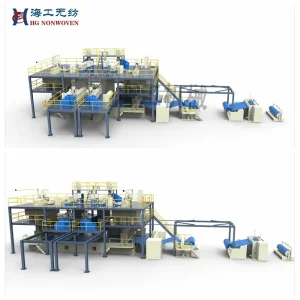
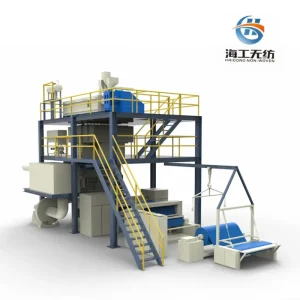
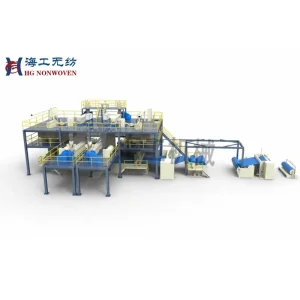
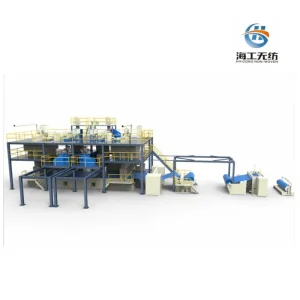
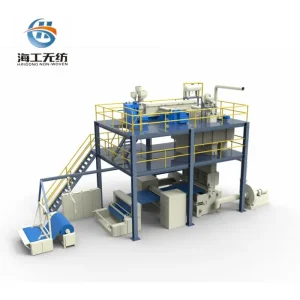
A turnkey solution includes the raw material feeding systems, extrusion screw units, spinning beams, air quenching chambers, web forming machines, calenders, rewinding units, and slitting equipment. We also supply waste material recycling systems, custom flexo printing lines, lamination machines, and direct bag-making equipment based on your project requirements.
We integrate online optical inspection systems that scan the fabric web in real-time. These advanced cameras identify flaws such as thin areas, pinholes, lint, and foreign particles, and flag them automatically. This ensures that the finished rolls conform to international medical and hygiene standards.
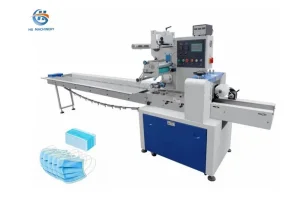
Explore our specialized production lines, laminating machines, and high-speed packaging equipment designed to optimize output.
 HG NONWOVEN